
Last updated October 3, 2026
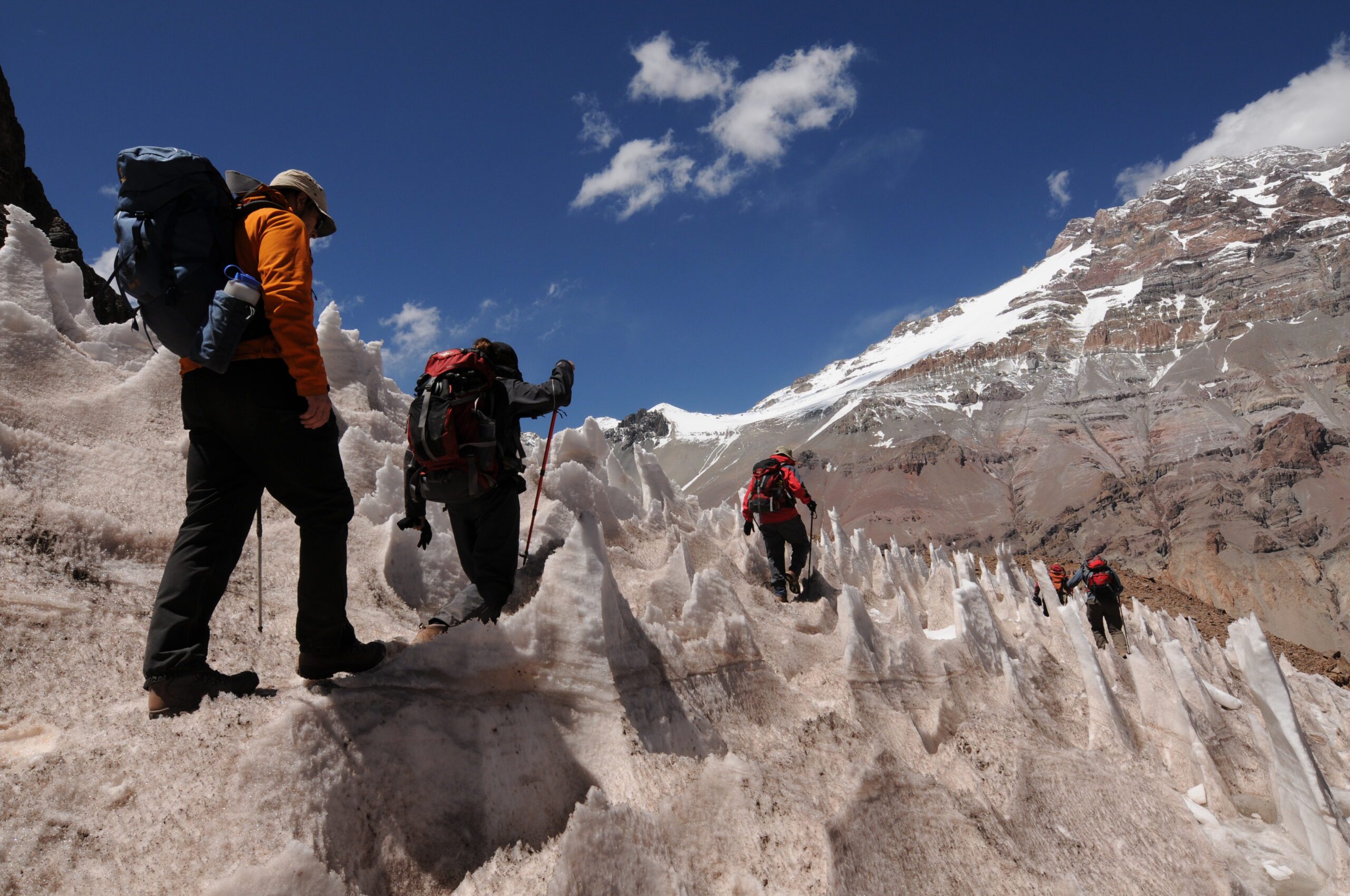
Mountain Comparisons: Which Peak Should You Climb Next?
Compare the world’s major climbing objectives directly. Everest or K2? Kilimanjaro or Aconcagua? Matterhorn or Eiger? Rainier or Denali? Each guide looks beyond summit elevation to the differences that actually affect the decision: technical climbing, altitude, objective hazard, expedition length, weather, cost, logistics and the experience you should already have.
Compare the Climb, Not Just the Summit Elevation.
Two mountains can be difficult for completely different reasons. One may require technical rock, snow or ice climbing while another is primarily an altitude and endurance problem. One may require weeks of expedition logistics while another concentrates its risk into one exposed summit day.
Use this library when you have narrowed the decision to several realistic objectives. If you do not yet know which mountains belong on your shortlist, start with Which Mountain Should You Climb?
Mountain Choice and Route Choice Are Different Decisions.
Choose the mountain first. Then compare the routes on that mountain. Keeping those two jobs separate gives every page a clear search intent and makes the planning path easier to understand.
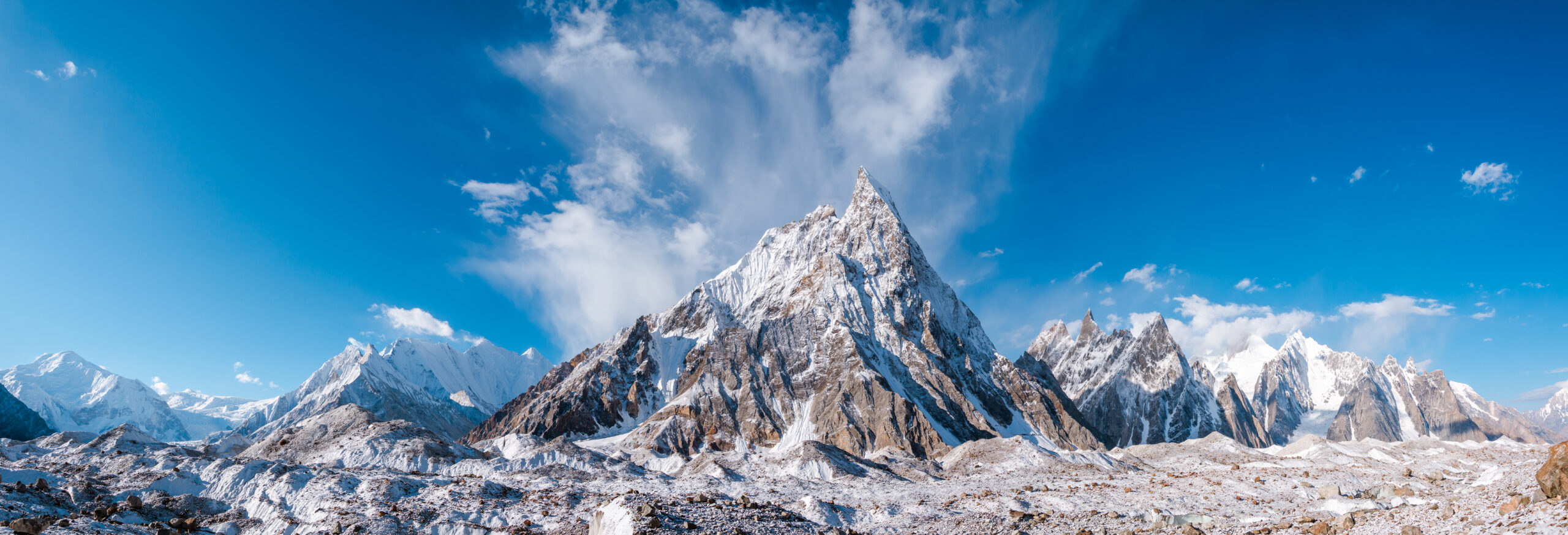
K2 and Everest Show Why One Number Cannot Compare Mountains.
Everest is higher. K2 concentrates steeper climbing, sustained exposure and a different rescue environment. Strong comparisons explain those differences instead of reducing the decision to one simplistic ranking.
K2 vs Everest8,000-Metre Mountain Comparisons
Compare the world’s highest mountains by technical difficulty, objective hazard, commercial infrastructure, remoteness and where each belongs in a high-altitude progression.
K2 vs Everest
Technical severity, altitude, commercial infrastructure and objective hazard.
Compare K2 & Everest → Extreme 8,000mK2 vs Annapurna
Two of mountaineering’s most serious high-altitude objectives.
Compare K2 & Annapurna → Remote 8,000mK2 vs Kangchenjunga
Technical difficulty, remoteness, rescue and expedition scale.
Compare peaks → PakistanK2 vs Nanga Parbat
Karakoram steepness versus Nanga Parbat’s enormous faces.
Compare peaks → Risk profileEverest vs Annapurna
Infrastructure and altitude versus historically severe objective hazard.
Compare peaks → ProgressionEverest vs Cho Oyu
World’s highest summit versus a classic 8,000m progression objective.
Compare peaks → Everest progressionEverest vs Manaslu
Compare a common first 8,000m expedition with Everest.
Compare peaks → KarakoramK2 vs Broad Peak
Neighboring 8,000ers with dramatically different climbing demands.
Compare peaks → KarakoramK2 vs Gasherbrum I
Technical difficulty, isolation and expedition logistics compared.
Compare peaks → 8,000m progressionK2 vs Manaslu
Commercial 8,000m progression versus elite technical climbing.
Compare peaks → Nepal 8,000mAnnapurna I vs Manaslu
Objective hazard, infrastructure and expedition difficulty.
Compare peaks → First 8,000mManaslu vs Cho Oyu
Two major high-altitude progression mountains compared directly.
Compare peaks → NepalManaslu vs Dhaulagiri
Commercial infrastructure versus a more isolated expedition.
Compare peaks → KhumbuEverest vs Lhotse
Two neighboring 8,000m summits sharing much of the approach.
Compare peaks → Technical contrastEverest vs Makalu
Commercial depth versus a more technical summit mountain.
Compare peaks → Extreme expeditionEverest vs Kangchenjunga
Infrastructure, remoteness and expedition seriousness compared.
Compare peaks →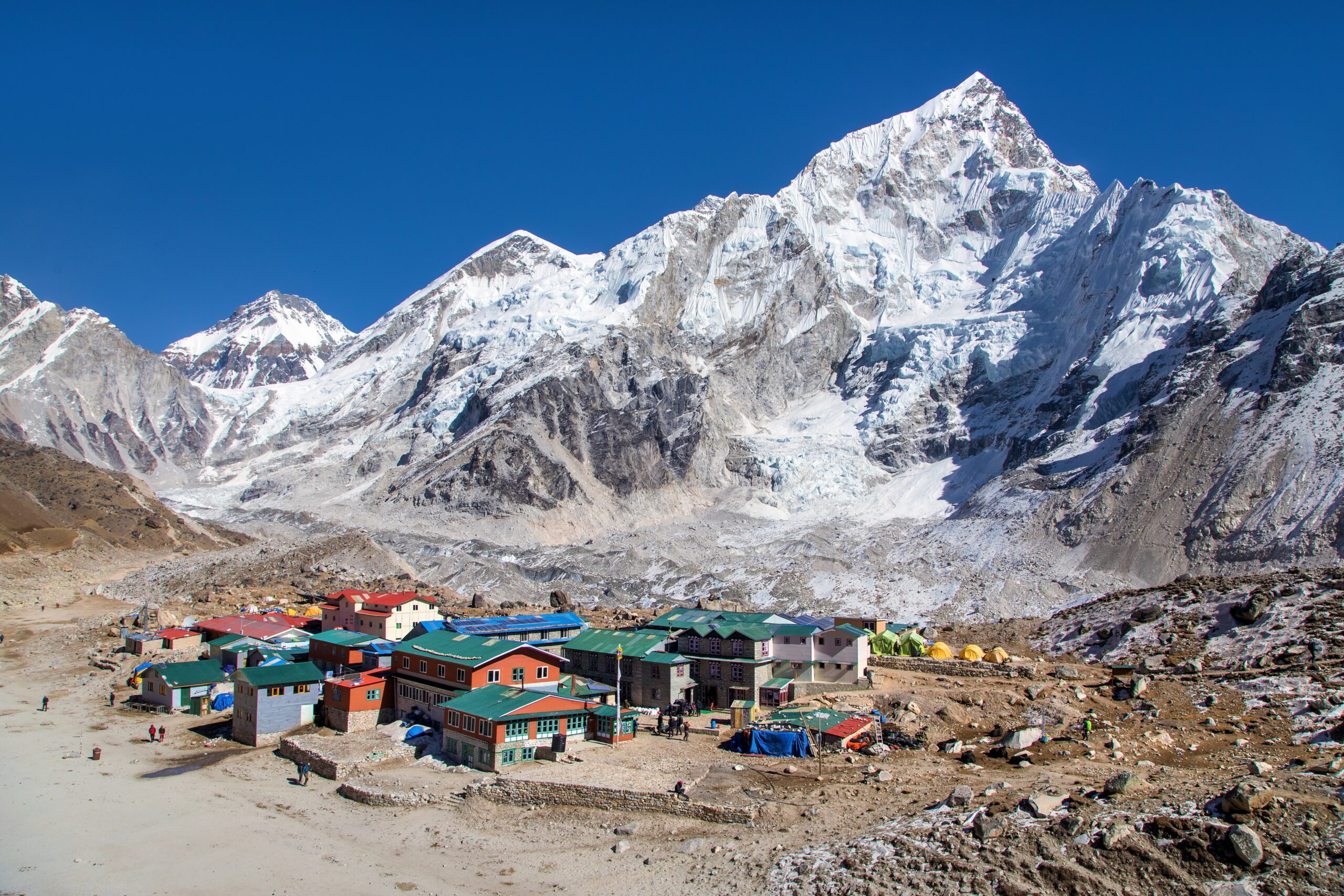
Compare the Mountain You Want With the Mountain You Are Ready For.
Famous peaks attract attention long before a climber has the background to attempt them. Comparison is most useful when it reveals the experience gap between your current level and the objective.
Seven Summits & Big-Mountain Comparisons
Decide how altitude, glacier skills, expedition independence, cold and logistics should develop from one major summit to the next.
Kilimanjaro vs Aconcagua
Trekking altitude versus a much larger expedition-style objective.
Compare peaks → ProgressionAconcagua vs Denali
Altitude versus glacier travel, cold and expedition self-sufficiency.
Compare peaks → Everest progressionAconcagua vs Everest
A major altitude stepping stone compared with the world’s highest summit.
Compare peaks → ExpeditionDenali vs Everest
Self-sufficiency and Arctic cold versus extreme Himalayan altitude.
Compare peaks → North American progressionRainier vs Denali
A major glacier climb compared with a multi-week Alaska expedition.
Compare peaks → Seven SummitsElbrus vs Kilimanjaro
Glaciated snow climbing versus high-altitude trekking.
Compare peaks → EuropeElbrus vs Mont Blanc
Higher elevation versus greater Alpine technical complexity.
Compare peaks → Altitude progressionMount Fuji vs Kilimanjaro
Short volcanic ascent versus a multi-day high-altitude climb.
Compare peaks → Cold expeditionsVinson vs Denali
Antarctic logistics versus highly self-sufficient Alaskan expedition climbing.
Compare peaks → Seven SummitsCarstensz Pyramid vs Vinson
Tropical technical rock versus polar expedition logistics.
Compare peaks →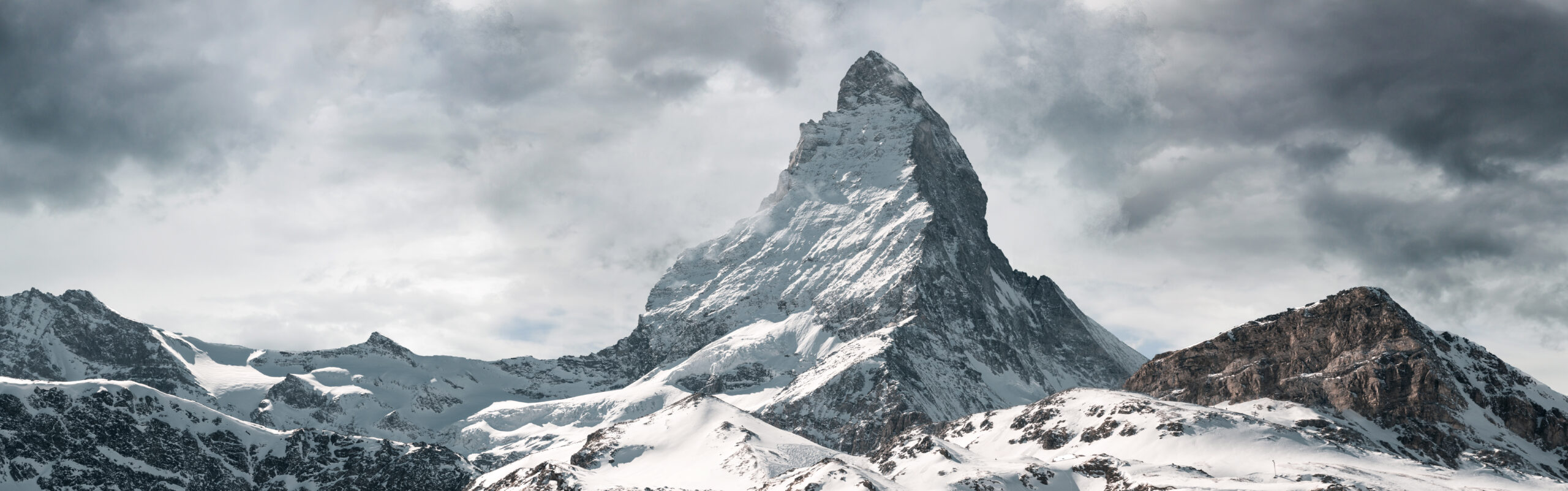
A Lower Alpine Mountain Can Demand More Continuous Climbing Skill.
The Alps make elevation-only comparison especially misleading. Exposure, route-finding, climbing speed and technical movement can dominate the difficulty even when the summit is thousands of metres lower than a Himalayan expedition peak.
Alps & Technical Mountain Comparisons
Compare Alpine classics and technical Himalayan objectives where movement skill, exposure and climbing efficiency matter as much as altitude.
Mont Blanc vs Matterhorn
Glacier-and-altitude objective versus exposed technical ridge climbing.
Compare peaks → AlpsMont Blanc vs Eiger
Classic glacier mountaineering versus more technical Alpine terrain.
Compare peaks → Technical AlpsMatterhorn vs Eiger
Two iconic Alpine mountains with very different standard routes.
Compare peaks → Alpine progressionGran Paradiso vs Mont Blanc
A classic first 4,000er progression decision.
Compare peaks → Technical vs altitudeMatterhorn vs Everest
Technical climbing competence versus extreme high-altitude endurance.
Compare peaks → Extreme contrastMatterhorn vs K2
Classic Alpine technicality versus extreme high-altitude expedition climbing.
Compare peaks → Technical iconsAma Dablam vs Matterhorn
Two famous technical objectives in very different altitude environments.
Compare peaks →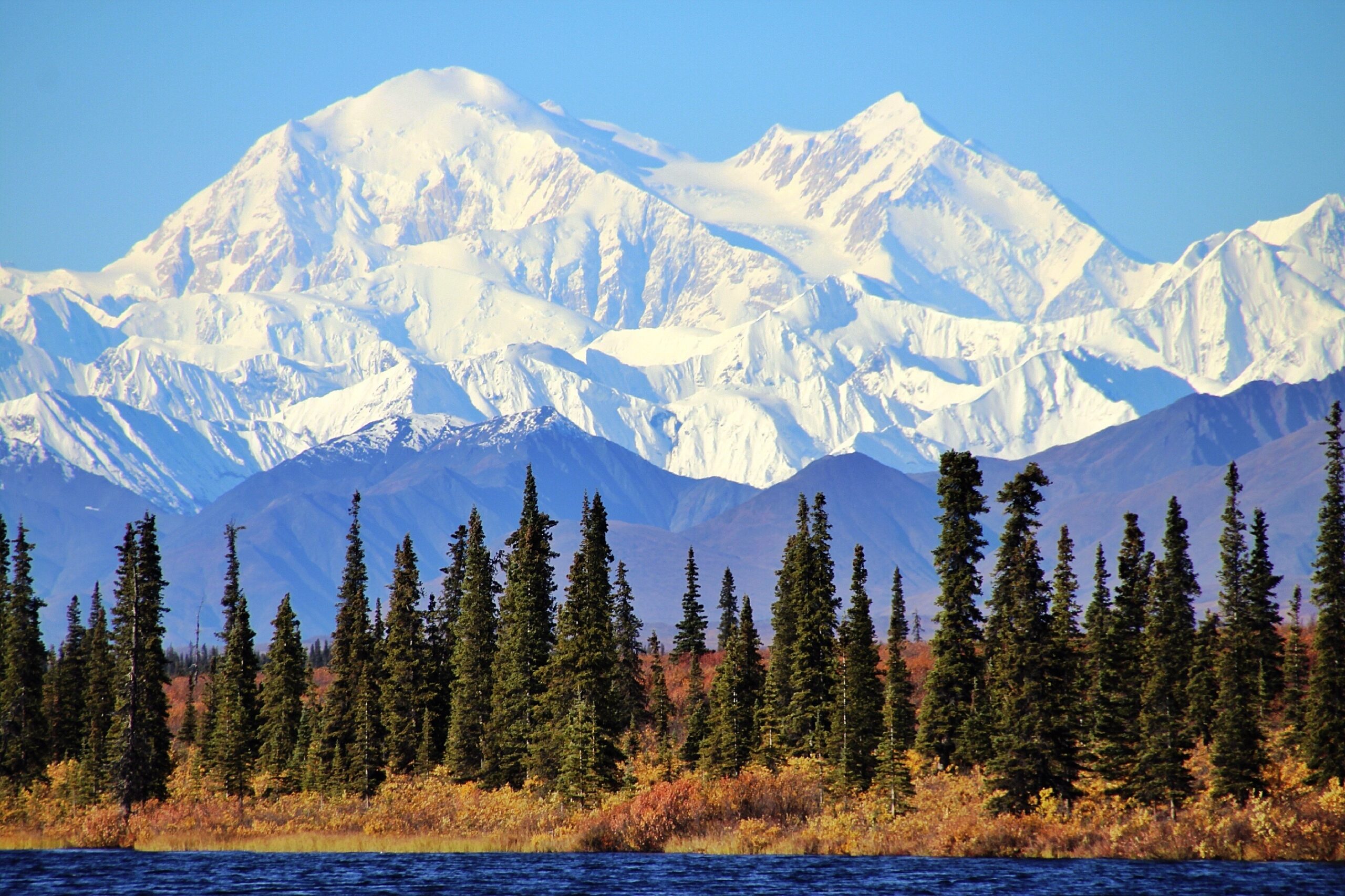
A Mountain Can Be Harder Because You Must Carry the Expedition With You.
Denali illustrates why difficulty includes logistics and self-sufficiency. Cold, sled hauling, crevassed glaciers, duration and isolation can turn a technically moderate route into a very large expedition objective.
North American Mountain Comparisons
Compare high hiking, snow climbing, crevassed glacier systems and full expedition progression across major North American peaks.
Mount Baker vs Mount Rainier
Glacier classroom versus a much larger glaciated volcano.
Compare peaks → Hiking vs mountaineeringMount Whitney vs Mount Rainier
High-altitude hiking versus technical glacier travel.
Compare peaks → Cascade volcanoesMount Shasta vs Mount Hood
Longer endurance snow climbing versus a steeper summit finish.
Compare peaks → Cascade progressionMount Hood vs Mount Adams
Steeper technical terrain versus a longer moderate snow ascent.
Compare peaks → Cascade volcanoesMount Rainier vs Mount Hood
Major glacier expedition systems versus compressed steep-snow climbing.
Compare peaks → Cascade progressionMount Shasta vs Mount Rainier
Large snow mountain versus a true crevassed-glacier objective.
Compare peaks → High hikingMount Whitney vs Mount Elbert
Two famous U.S. non-technical high-altitude summits.
Compare peaks → CaliforniaHalf Dome vs Mount Whitney
Cable-assisted exposure versus a much higher endurance summit.
Compare peaks → Glacier progressionPico de Orizaba vs Rainier
High volcano acclimatization versus a larger active glacier system.
Compare peaks →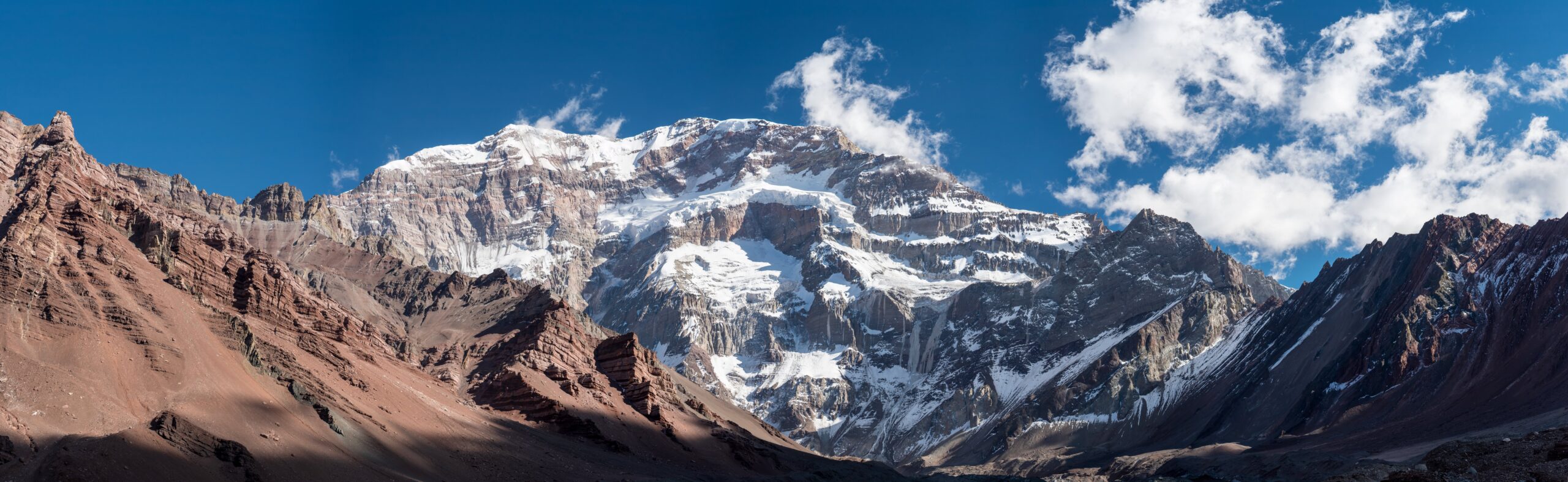
The Andes Let You Build Altitude and Glacier Experience in Different Ways.
Aconcagua, Cotopaxi, Chimborazo and Pico de Orizaba provide very different combinations of expedition length, altitude, crampon use, glacier travel and technical demands.
Andes & High-Altitude Volcano Comparisons
Compare altitude, glacier skills, expedition scale and the progression value of classic volcanic objectives.
Aconcagua vs Cotopaxi
Long expedition altitude versus shorter technical glacier climbing.
Compare peaks → EcuadorCotopaxi vs Cayambe
Two classic Ecuadorian glacier volcanoes compared.
Compare peaks → EcuadorChimborazo vs Cotopaxi
Altitude, glacier terrain and summit-day scale compared.
Compare peaks → Andes progressionAconcagua vs Chimborazo
Long expedition altitude versus a shorter glacier ascent.
Compare peaks → Volcano progressionPico de Orizaba vs Cotopaxi
Mexico and Ecuador’s famous high volcanoes compared.
Compare peaks → Altitude progressionPico de Orizaba vs Kilimanjaro
Snow and crampon skills versus longer trekking acclimatization.
Compare peaks → Accessible volcanoesMount Fuji vs Mount Teide
Two accessible volcanic summit experiences with different logistics.
Compare peaks →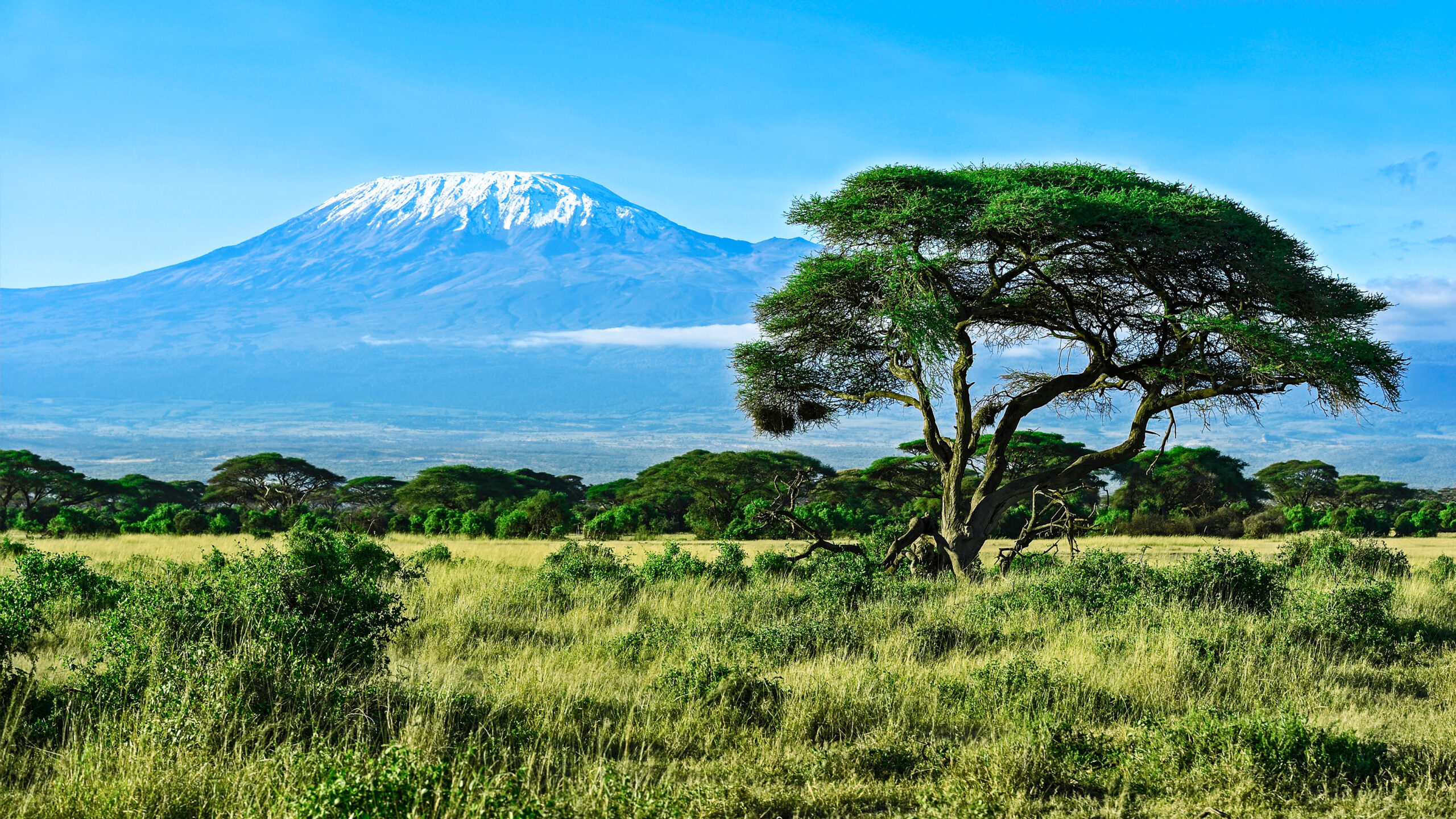
Kilimanjaro, Mount Kenya and Toubkal Demand Different Skills.
Africa contains high-altitude trekking objectives, snow and ice, technical rock and long expedition-style progression. Compare the actual route—not just the continent or summit height.
African Mountain Comparisons
Separate trekking peaks from technical summits and choose the African objective that fits your current experience.
Kilimanjaro vs Mount Kenya
High trekking summit versus technical climbing on Mount Kenya.
Compare peaks → East AfricaMount Kenya vs Mount Meru
Altitude, climbing style and progression value compared.
Compare peaks → Africa progressionToubkal vs Mount Kenya
Atlas hiking objective versus more complex East African climbing.
Compare peaks → Africa progressionToubkal vs Kilimanjaro
Shorter Atlas summit versus a multi-day altitude climb.
Compare peaks →Nepal & Trekking-Peak Comparisons
Compare altitude-focused trekking peaks with objectives that add fixed lines, steeper snow and more serious technical climbing.
Island Peak vs Mera Peak
Fixed-line climbing and steeper terrain versus greater altitude.
Compare peaks → Technical progressionIsland Peak vs Lobuche East
Two popular first technical Himalayan summit objectives.
Compare peaks → Skills vs altitudeAma Dablam vs Manaslu
Technical climbing development versus entry into the 8,000m environment.
Compare peaks → Summit vs trekKilimanjaro vs Everest Base Camp
High-altitude summit objective versus an iconic Himalayan trek.
Compare experiences →Patagonia Mountain Comparisons
Compare Patagonia’s famous granite peaks in their actual climbing and landscape context.
Multi-Mountain Decision Guides
Some progression decisions make more sense when three major objectives are placed in the same framework.
Use the Rest of the Mountain Planning System
A comparison narrows the choice. These tools move the decision into route research, readiness, progression and trip planning.
Peak Comparison Tool
Create your own side-by-side comparison when the exact pair is not already covered by an editorial guide.
Compare Peaks →Which Mountain Should You Climb?
Build a realistic shortlist based on your climbing experience, altitude background and goals.
Find Your Mountain →Mountain Route Comparisons
Compare alternative routes after you have decided which mountain you actually want to climb.
Compare Routes →500-Peak Database
Search the broader mountain system by region, altitude and climbing objective.
Search Peaks →Mountain Collections
Explore Seven Summits, 8,000ers, Alps, Andes, Cascades, Africa and other curated groups.
Browse Collections →Progression Plans
Turn individual mountain choices into a logical multi-year climbing progression.
Build a Progression →Frequently Asked Questions
How should I compare two mountains?
What is the difference between Mountain Comparisons and Mountain Route Comparisons?
Is the higher mountain always harder?
What if the two mountains I want to compare are not listed?
Should I always climb the easier mountain first?
Where do route comparisons belong?

The Best Next Mountain Depends on the Climber You Are Today.
Build the shortlist. Compare the real climbing demands. Choose the objective that matches your experience. Then move into routes, operators, weather, gear, cost and training.
Was this helpful?
Global Summit Guide is an independent mountaineering resource founded in 2026. The team combines first-hand trekking and climbing experience with in-depth research and professional health and nutrition review to help climbers choose objectives, prepare properly, and stay safe.
Health, altitude, and nutrition content is reviewed by Taylor Ludlow (Registered Nurse) and Brigg Hoopes (Nutritionist).
What We Don't Know Yet
Mountain information changes quickly. This box explains the limits of what this page can responsibly promise.
- Total trip cost can change with flights, lodging, guide pricing, permits, gear rentals, transportation, and exchange rates.
- Comparisons simplify complex decisions; the better mountain depends on current conditions, skills, timing, budget, and risk tolerance.
- Visa, passport, vaccination, border, insurance, and local transportation rules may change before your trip.
Verify current conditions with official land managers, guide services, local forecasts, and current route reports before booking or climbing.
Mountaineering, rock and ice climbing, glacier travel, and high-altitude activity are inherently dangerous and can result in serious injury or death. The information on Global Summit Guide is provided for general informational and educational purposes only and is not a substitute for professional instruction, qualified guiding, proper equipment, or your own judgment and experience.
Route conditions, weather, snowpack, permits, regulations, and hazards change constantly and may differ from what is described here. Details may be incomplete, out of date, or contain errors. Always verify current information with local authorities, certified guides, and official sources before making any decision in the mountains.
Nothing on this site is medical, legal, or financial advice. Our fitness, acclimatization, altitude, and nutrition content is general in nature; consult a qualified physician before beginning any strenuous exercise program or exposing yourself to high altitude.
You are solely responsible for your own safety and decisions. To the fullest extent permitted by law, Global Summit Guide and its team accept no liability for any loss, injury, damage, or expense arising from use of, or reliance on, this information. By using this site you acknowledge these risks and accept these terms.
Some links on this site may be affiliate links. If you buy through them we may earn a small commission at no extra cost to you; this never affects our recommendations.
Global Summit Guide recommendation path
Next Best Mountain to Research
Use these recommendations to continue the right planning path instead of stopping on one page.
Use current permit, weather, route, and operator information before booking or climbing.