
Gear & Safety
Pack smart. Move safely. Summit confidently.
Use these checklists and safety fundamentals to build a reliable kit, manage risk, and make better decisions from trailhead to high camp.
Gear systems
Build your kit by function (not by brand)
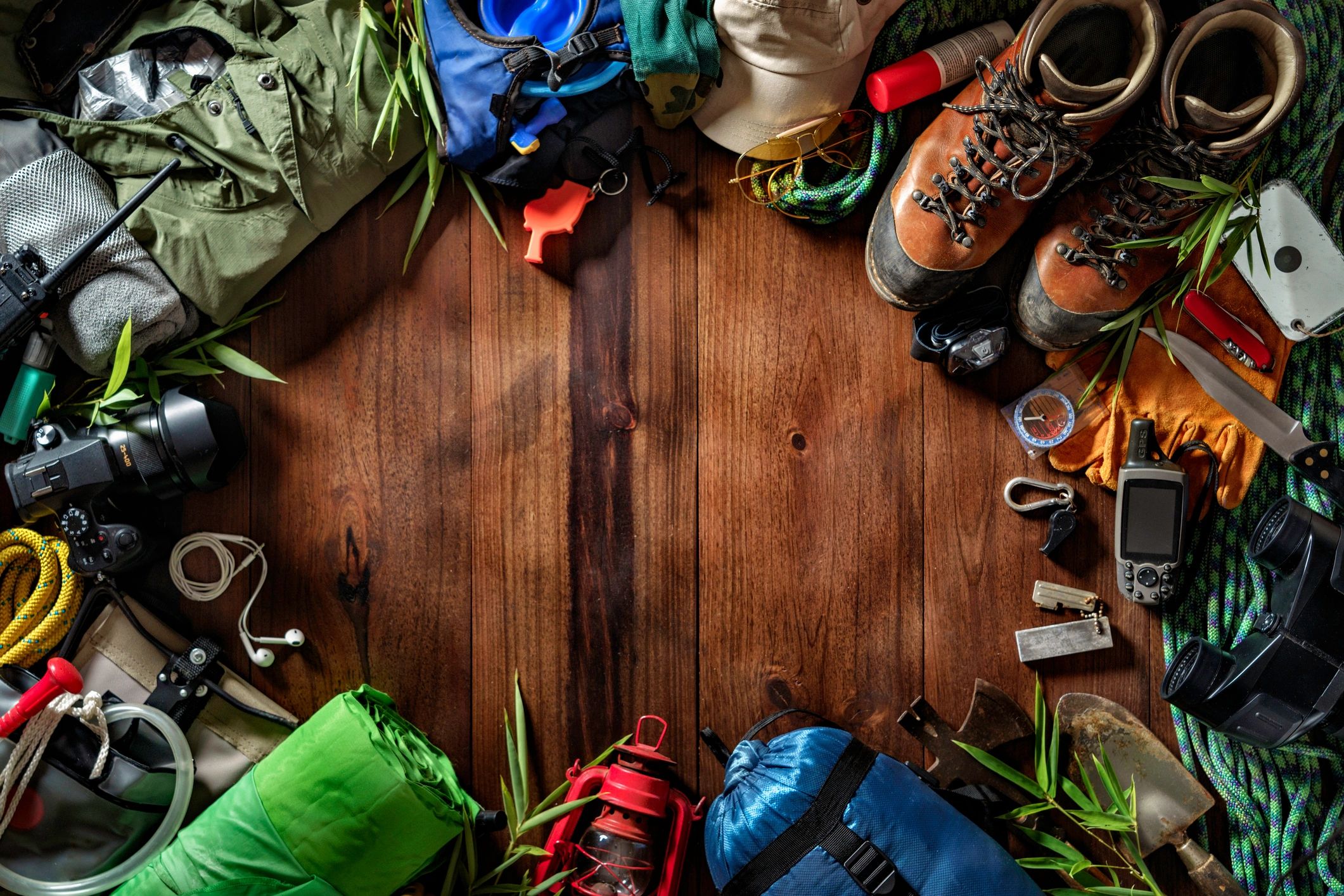
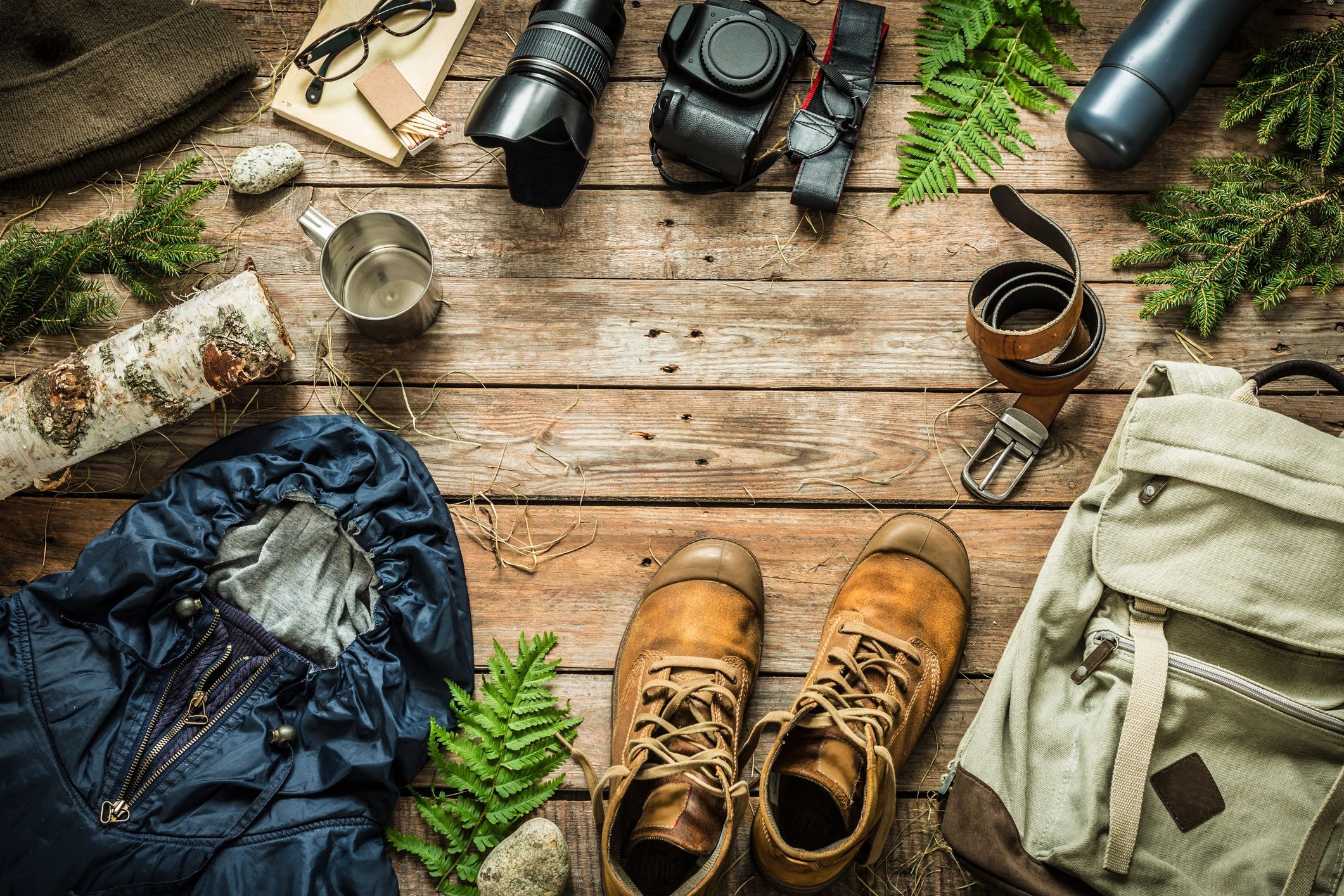
Think in layers and systems so you can adapt to weather, terrain, and altitude. Start with the essentials, then add technical gear based on objective and season. Start with the full mountaineering gear guide, then use the gear checklist to confirm what you already own, what needs to be tested, and what must match your specific mountain.
Clothing layers
Base layer for moisture management, mid layer for warmth, shell for wind/rain. Add insulation for stops and cold camps.
Footwear & traction
Match boots/shoes to terrain and load. Add microspikes or crampons when snow/ice is expected; bring gaiters for wet conditions.
Navigation & comms
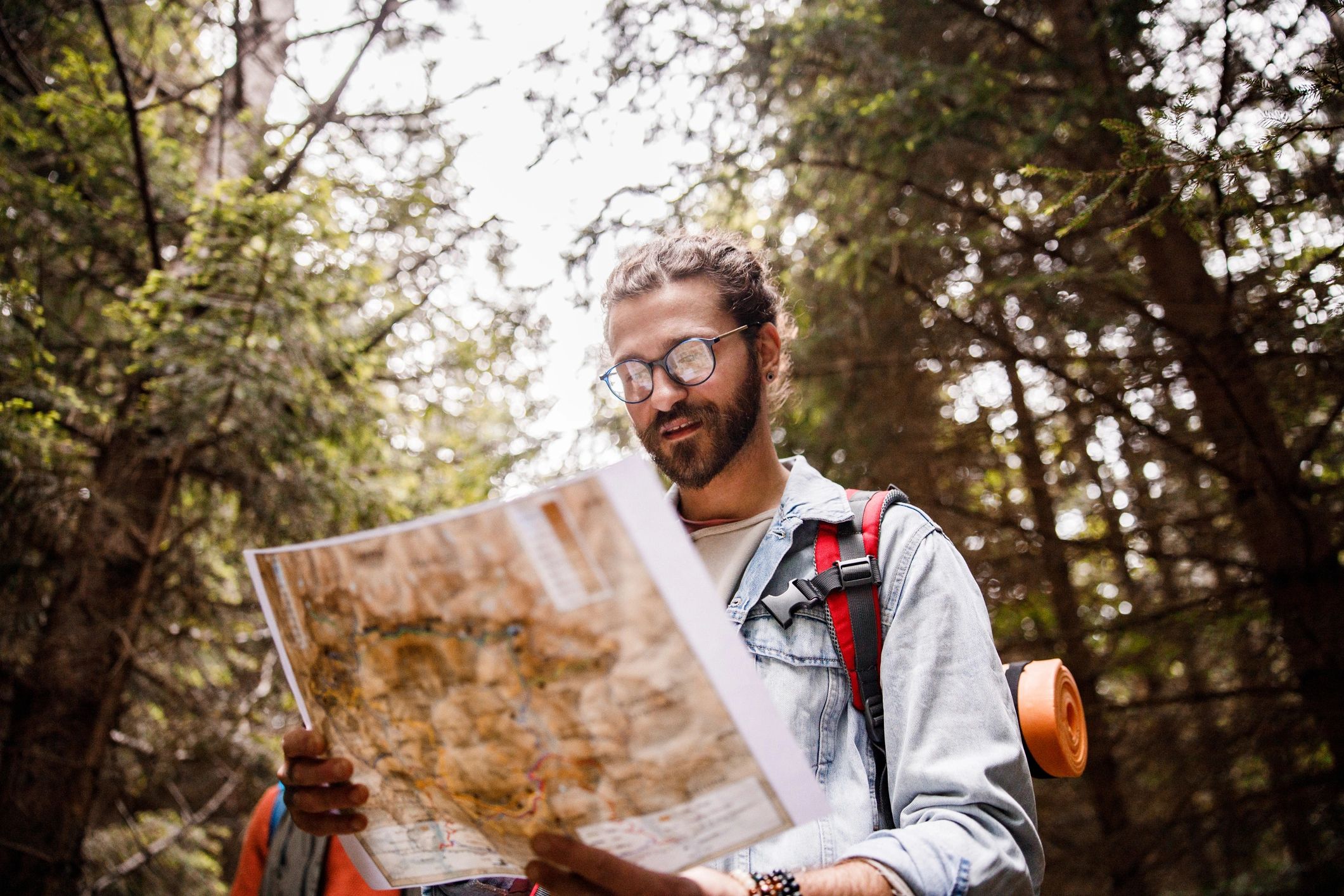
Carry map/compass skills plus a GPS/phone offline maps. For remote routes, consider a satellite messenger and a clear check-in plan.
Emergency & repair
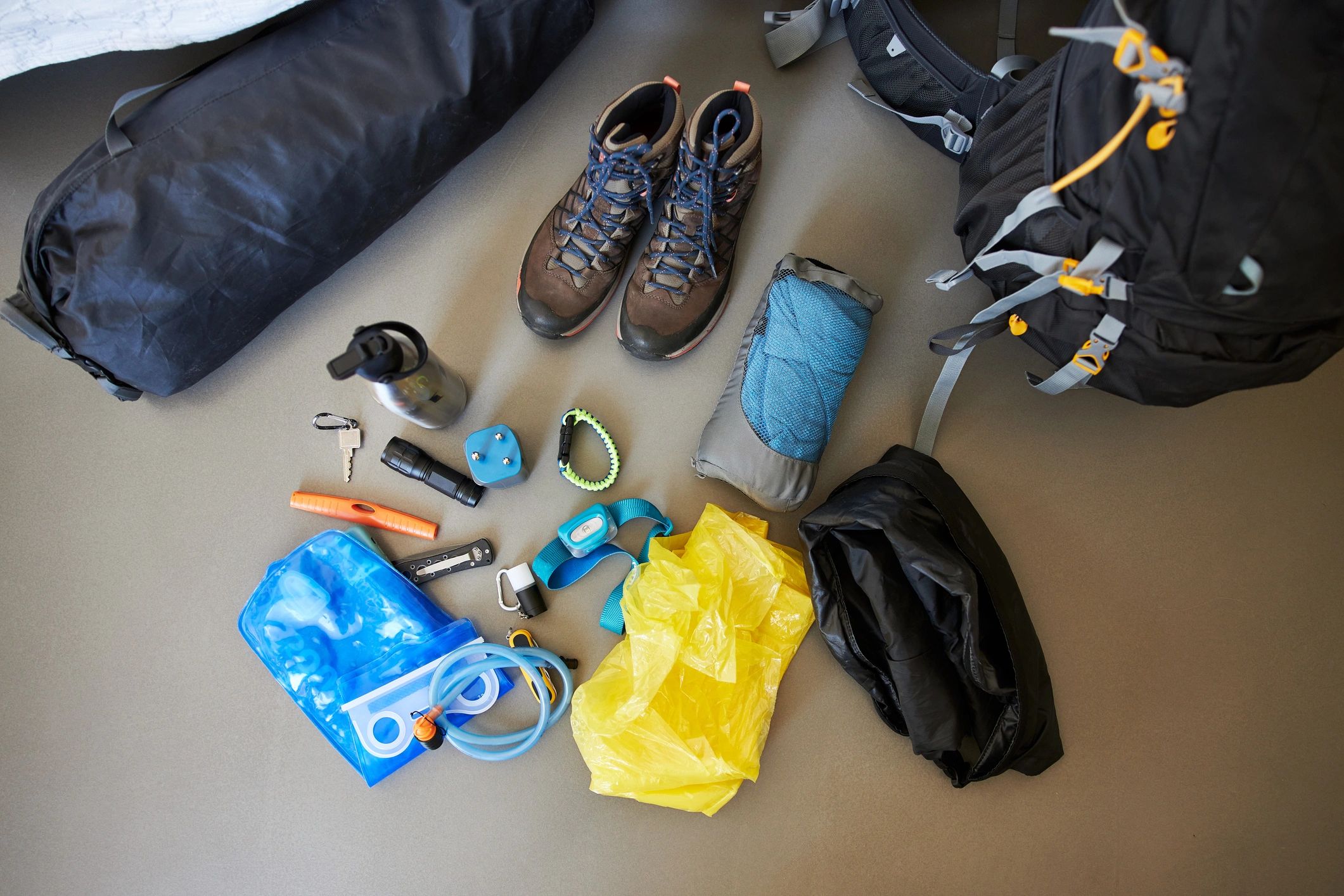
First-aid basics, blister care, headlamp, fire starter, knife/multi-tool, tape, cord, and a small repair kit sized to your trip.
The “10 essentials” (modernized) checklist
Navigation
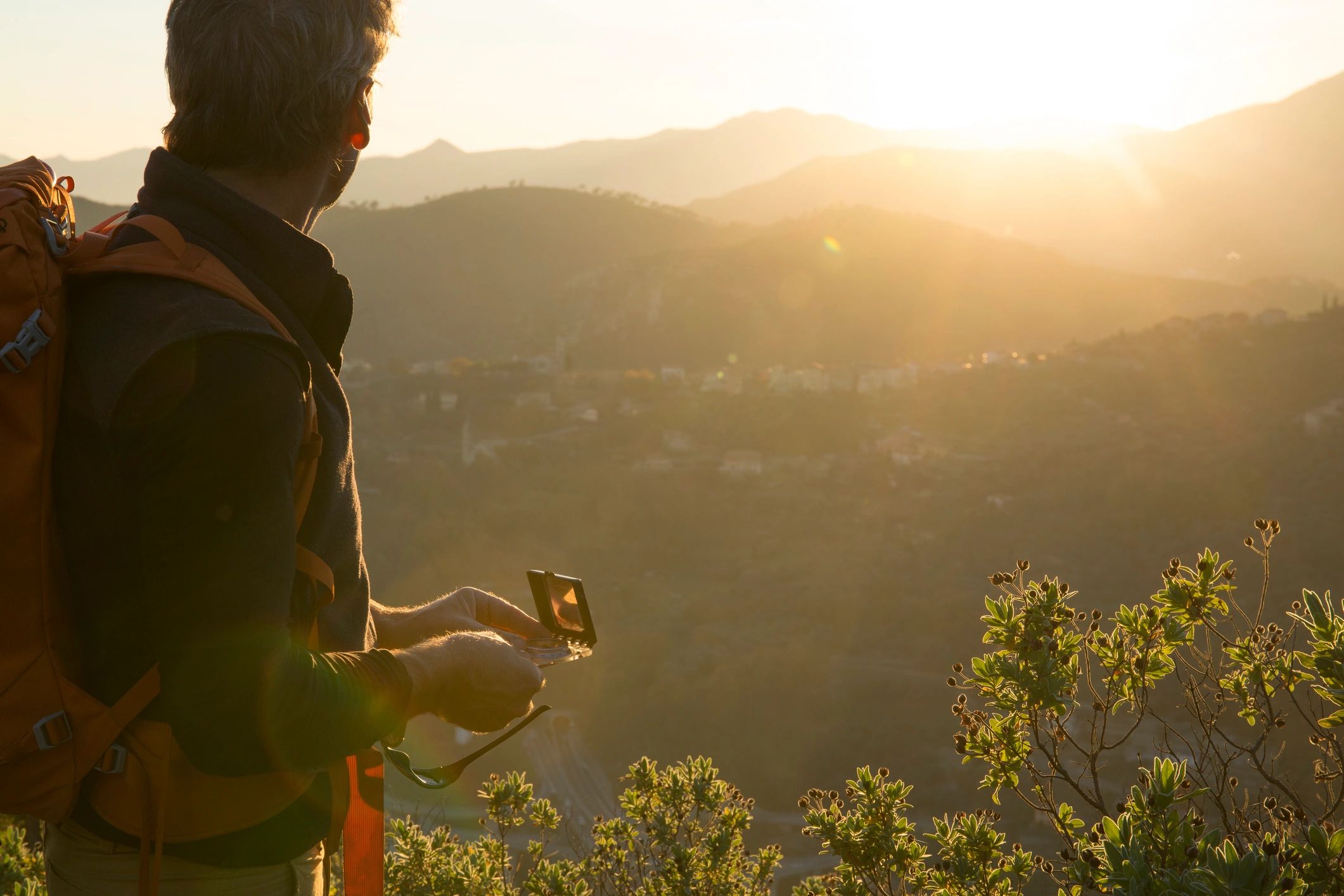
Map + compass skills, plus offline maps/GPS. Know your turnaround times and bailout options.
Protection from weather
Sun protection, insulation, and a shell. Pack for the forecast and the forecast being wrong.
Emergency readiness
Light, first aid, fire, repair tools, and an emergency shelter. Add a whistle and a simple signal plan.
Technical add-ons by terrain
Choose the right tools for the objective—then practice with them before you need them.
Snow travel
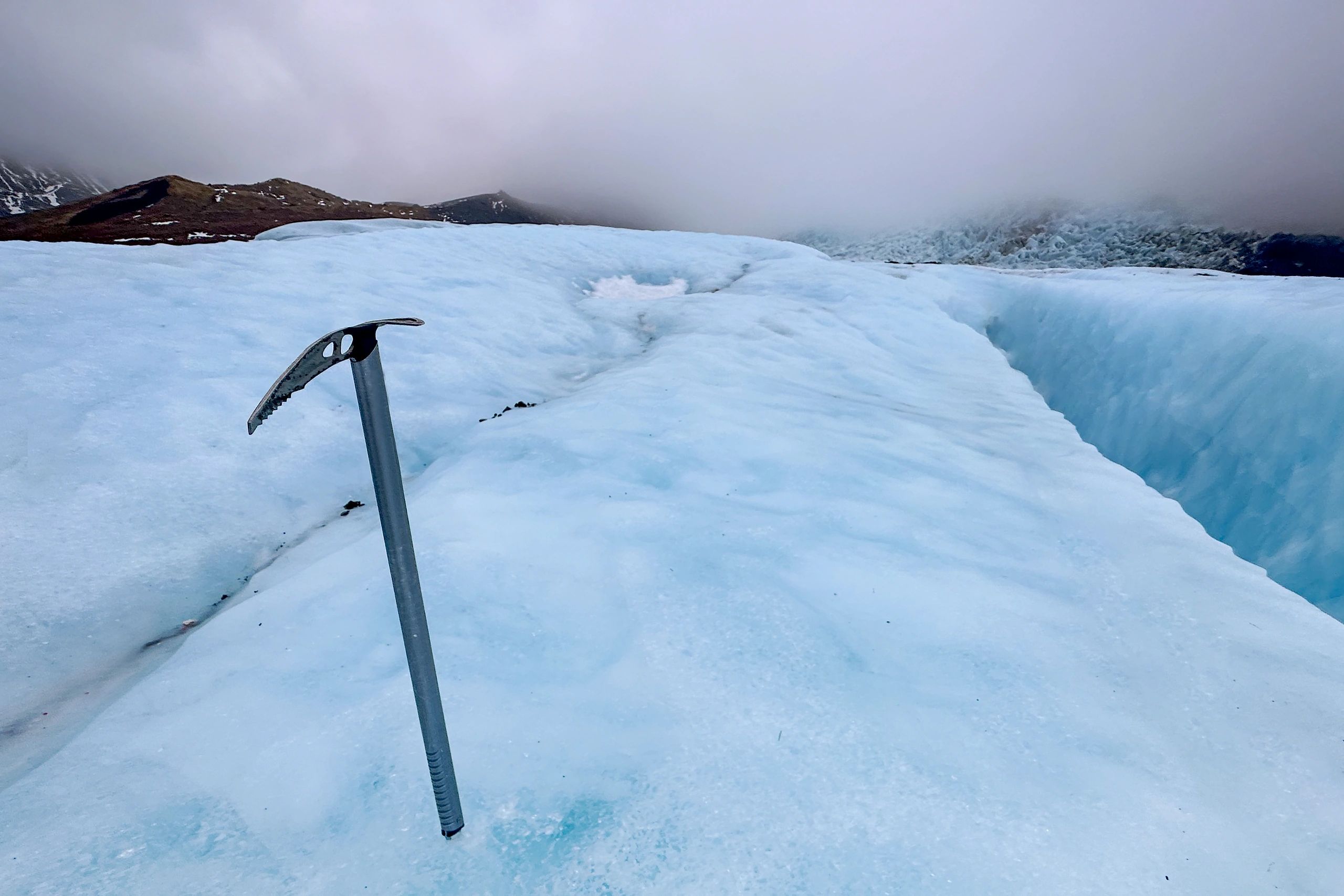
Microspikes or crampons, trekking poles, gaiters; consider an ice axe when a slip has consequences.
Glacier travel
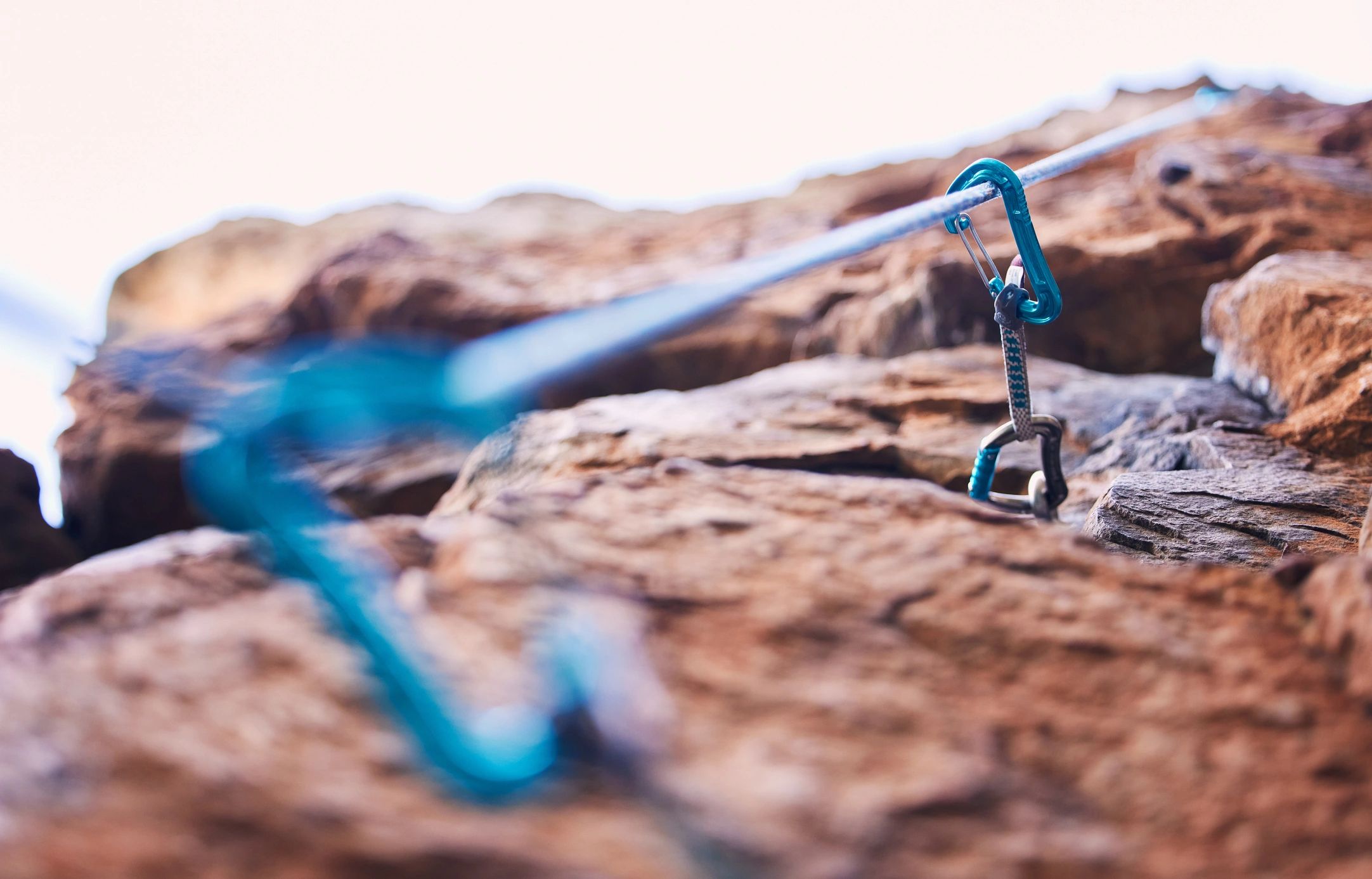
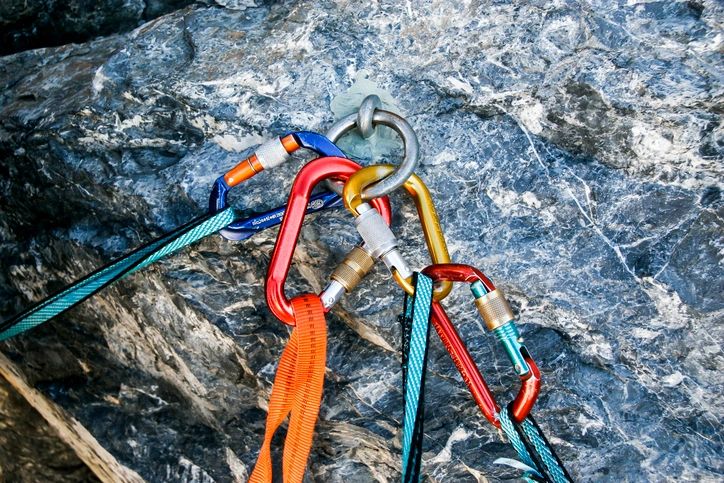
Harness, rope, prusiks, carabiners, and crevasse-rescue knowledge. Travel roped only with training.
Rock scrambling
Helmet, sticky approach shoes, and a small rack only when the route demands it—and you know how to place gear.
Via ferrata
Certified lanyard set, helmet, gloves, and a harness. Clip correctly and manage spacing on cables.
Cold camps
Warmer bag/quilt, insulated pad, stove system, and spare gloves/socks. Keep hydration from freezing.
High altitude
Pulse oximeter (optional), sun protection, hydration plan, and conservative pacing. Know AMS/HACE/HAPE signs.
Safety fundamentals (quick answers)
These guidelines reduce risk, but they don’t eliminate it. When in doubt, turn around and live to climb another day.
How do I know if I’m acclimatizing well?
You’re sleeping reasonably, symptoms are mild, and they improve with rest. If symptoms worsen at the same altitude, stop ascending.
What are red flags for altitude illness?
Severe headache, confusion, loss of coordination, shortness of breath at rest, or a persistent cough. Descend and seek medical help.
What’s a good turnaround-time rule?
Set a time you must start descending (weather, daylight, and pace). Stick to it even if the summit is close.
How much water should I carry?
Plan for conditions and effort. As a baseline, many hikers target 0.5–1L per hour in heat; bring treatment for refills.
Should I rely on my phone for navigation?
Use it as a tool, not a single point of failure. Carry offline maps, a backup power plan, and know basic map/compass navigation.
What should I do if weather turns?
Add layers early, protect hands, and reassess exposure. If lightning, high winds, or whiteout risk increases, retreat to safer terrain.
Ready to put this into a plan?
Build your route, permits, and packing list in one place
Use our planning guides to match gear to season, estimate water and fuel, and create a conservative itinerary for your objective.