
Last updated September 17, 2026
Mountaineering Progression Plans: Build the Capabilities Before the Peak
A useful progression is not a trophy ladder. It is a sequence of capability gates: endurance, snow movement, glacier systems, altitude, cold, expedition recovery, load carrying and judgment. Use smaller objectives to make those demands familiar before a bigger mountain combines them.
Choose the Next Mountain by What You Still Need to Prove.
Start with your goal peak. List the capabilities it will demand. Then remove the ones you have already demonstrated in real mountain conditions. The remaining gaps define your progression.
That is why two climbers can reach the same objective through different mountains. A climber who already has glacier competence may not need the same intermediate climb as someone whose experience is entirely on dry trails. The mountain name is secondary; the transferable capability is the point.
The Six Readiness Gates
You do not need every gate for every mountain. Your goal peak determines which ones matter and how deeply they must be developed.
Long Mountain Days
Prove that you can climb for hours, descend safely, eat and drink while moving, and recover well enough to repeat the work.
Crampons & Ice Axe
Learn efficient crampon movement, self-arrest, balance and transitions before steep snow or glacier travel makes them consequential.
Rope-Team Systems
Practice roped travel, crevasse awareness, anchors and rescue systems on a real glacier before a major expedition depends on them.
Know Your Response
Use appropriate high objectives to learn pacing, appetite, sleep and symptom patterns. Fitness does not substitute for altitude experience.
Cold & Camp Craft
Build the ability to keep boots, gloves, stoves, hydration, sleep and decision-making functional across multiple hard days.
Loads, Recovery & Judgment
Application climbs should combine several skills so the final objective is not the first time you manage fatigue, uncertainty and technical systems together.
The Eight Goal Peaks Span Five Mountain Regions.
Progression is also a travel problem. The most elegant plan often uses intermediate mountains you can realistically reach, afford and revisit.
Which Progression Fits Your Goal?
Published windows are planning frameworks, not prerequisites. Current child pages own the detailed calendar and should override an older number you may have seen elsewhere.
| Goal | Summit | Primary capability | Published planning frame | Best fit when… | Owner page |
|---|---|---|---|---|---|
| Kilimanjaro | 5,895 m / 19,341 ft | Endurance + altitude | ~6 months standard prep | You want a serious non-technical altitude objective | Kilimanjaro plan → |
| Pico de Orizaba | 5,636 m / 18,491 ft | Glacier basics + altitude | ~9–12 months from beginner baseline | You want a first glaciated 5,000 m summit | Orizaba plan → |
| Mount Elbrus | 5,642 m / 18,510 ft | Snow systems + altitude | ~12-month published framework | You want a Seven Summit with current travel-access complexity | Elbrus plan → |
| Mount Rainier | 4,392 m / 14,410 ft | Glacier + rope systems | Capability-gate based | You need a North American glacier foundation | Rainier plan → |
| Mont Blanc | 4,808 m / 15,774 ft | Alpine movement + glacier skills | 12-week fitness plan assumes separate technical development | You want an alpine objective where technical competence matters more than headline altitude | Mont Blanc prep → |
| Island Peak | 6,189 m / 20,305 ft | Himalayan altitude + technical systems | ~18–24 months in current child | You want a bridge from trekking into Himalayan mountaineering | Island Peak plan → |
| Aconcagua | 6,961 m / 22,838 ft | Altitude + loads + recovery | ~6–18 months depending on baseline | You need a high-altitude expedition proving ground | Aconcagua plan → |
| Denali | 20,310 ft / 6,190 m | Cold + glacier + heavy expedition loads | ~24–36 months from incomplete expedition baseline | You need the full integration of glacier, cold, load and expedition judgment | Denali plan → |
A Lower Mountain Can Be the Better Next Mountain.
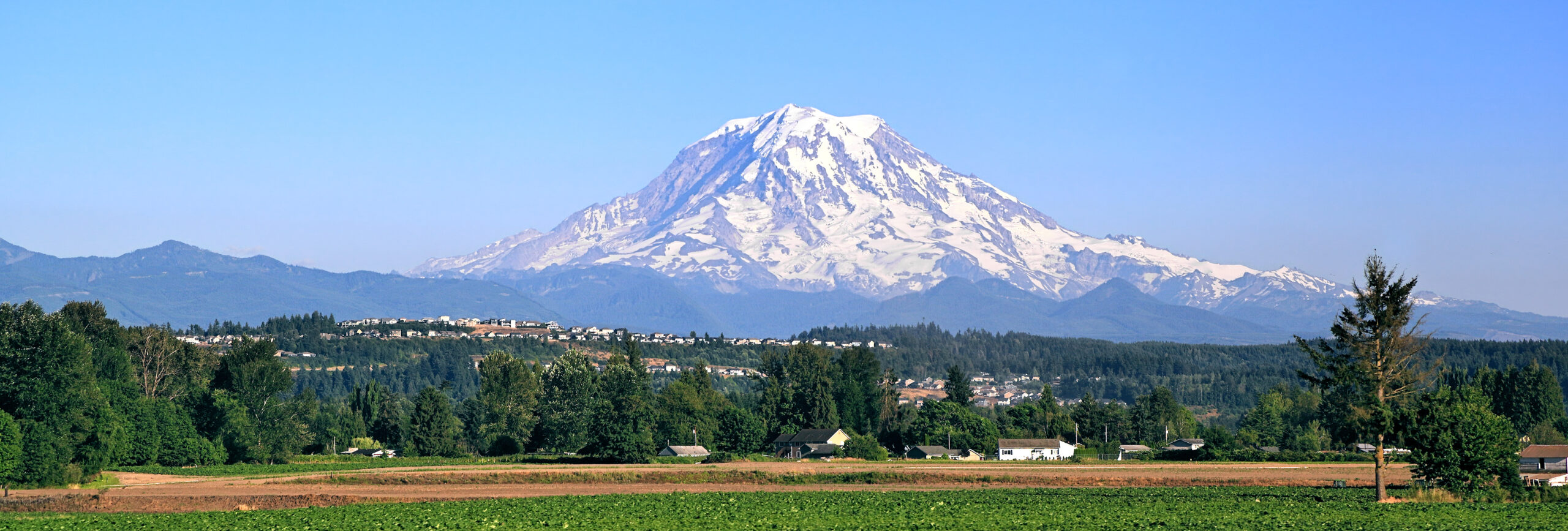
Rainier is far lower than Aconcagua, but it can teach glacier movement and rope-team systems that a higher non-technical peak does not. Progression works when you increase the variable you need—not when you chase elevation alone.
Open the Progression That Owns Your Goal.
These are the core hub paths. Each child should carry the detailed training calendar, readiness gates, current costs, route context and mountain-specific caveats.
Kilimanjaro
Build aerobic consistency, hiking durability, gear systems and a conservative high-altitude trekking plan without adding glacier technique.
Pico de Orizaba
Add crampons, ice axe, rope-team basics and a real altitude test to an established hiking base.
Mount Elbrus
Build endurance, snow travel and 5,000 m altitude experience while treating Russia travel access as a separate current-planning question.
Mount Rainier
Move from mountain endurance to snow skills to rope and crevasse systems, then use an application climb before Rainier.
Mont Blanc
Build steep uphill endurance alongside real alpine and glacier competence. Fitness alone does not close the technical gap.
Island Peak
Combine trekking endurance, glacier/fixed-line systems and 6,000 m altitude in a Nepal expedition environment.
Aconcagua
Prove altitude response, cold systems, load carrying and the ability to recover across a multi-day expedition.
Denali
Integrate glacier competence, winter camp craft, heavy pack-and-sled loads, fixed lines, altitude and three-week expedition judgment.
Denali Is Not “The Next Higher Mountain.”
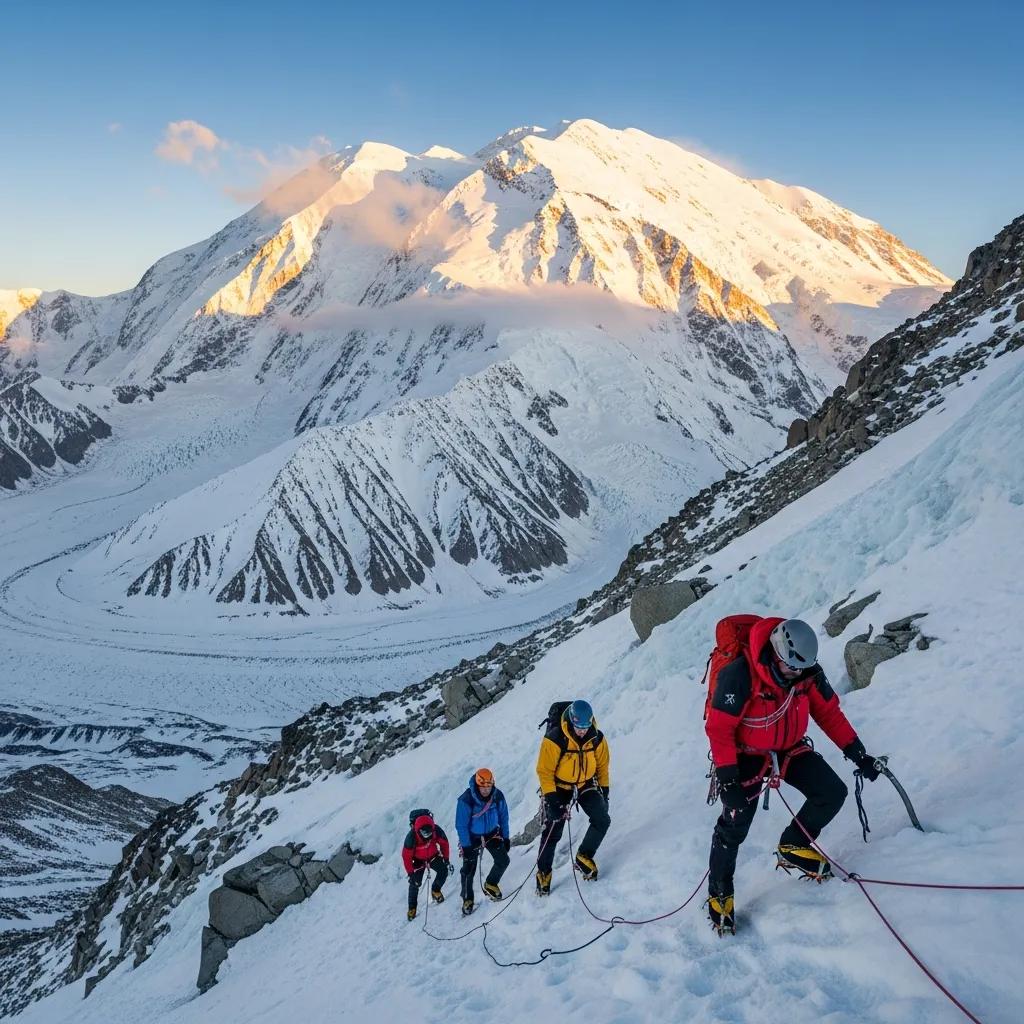
The West Buttress asks ordinary mountaineering systems to keep working through cold, glacier travel, altitude, heavy loads and many days of fatigue. That is why the right progression rehearses the system—not just the summit.
Four Common Starting Points
The same goal can require a very different runway depending on what your recent climbs have already demonstrated.
Fit Hiker
You have endurance but little snow, glacier or altitude evidence.
- Build long mountain days
- Add formal snow/glacier instruction
- Test altitude separately
- Good early goals: Kilimanjaro or Orizaba path
Experienced 14er Hiker
You understand pacing and mountain weather but technical systems are the gap.
- Add crampon / axe work
- Move onto a real glacier
- Practice rope systems
- Good bridge: Baker / Rainier-type objective
Glacier Climber
Technical basics are established; altitude, expedition duration or heavy loads are the next problem.
- Add a 5,000–7,000 m objective
- Build multi-day recovery
- Test cold and camp systems
- Aconcagua may become a useful bridge
Expedition Climber
You already have glacier and altitude history; progression becomes objective-specific.
- Identify route-specific systems
- Rehearse fixed lines / loads / cold
- Close only remaining gates
- Use Denali or Everest child frameworks
Everest Sits Beyond the Eight Core Hub Paths.
The site also has a dedicated Everest progression plan. Treat it as a long-range extension rather than simply a ninth peer. Everest preparation compounds high-altitude expedition experience, fixed-line efficiency, cold systems, oxygen strategy, recovery and judgment over multiple seasons.
After Every Stage, Rebuild the Plan.
A progression should become more personal after every climb. The last objective tells you more than a generic difficulty ladder can.
| Debrief question | Evidence to record | What it changes |
|---|---|---|
| Endurance | When did pace, fueling or leg durability break down? | Training volume and next objective length |
| Altitude | How did you sleep, eat, think and recover at the highest sleeping elevations? | Need for another altitude stage vs moving higher |
| Technical systems | Which rope, crampon, ice-axe or transition skills still required coaching? | Instruction or repetition before complexity increases |
| Cold / camp craft | What failed when gloves, boots, moisture, stoves and sleep became difficult? | Gear and winter-system rehearsal |
| Judgment | Did you manage pace, turnaround decisions and uncertainty well? | Whether the next trip should add consequence or repeat the same level |
How the Progression Hub Is Built
This is an editorial planning framework. It is not an official prerequisite system for every operator, park, country or route.
What we compare
- Goal-peak terrain and route systems.
- Published guide-service experience expectations.
- Altitude and expedition-duration demands.
- Cold, load and camp-management requirements.
- Child-page readiness gates and training frameworks.
- Whether an intermediate objective transfers a capability the goal actually uses.
What this hub does not promise
- No intermediate summit guarantees success.
- No one mountain is universally required unless a specific authority/operator says so.
- Timelines change with starting experience and available training time.
- Costs belong on current child/operator pages because they move quickly.
- Conditions and access must be verified before each trip.
- Altitude response cannot be predicted from fitness alone.
Mountaineering Progression FAQ
Use these answers to understand the framework before opening the mountain-specific child.
What is a mountaineering progression plan?
A sequence of training, instruction and climbing objectives chosen to close specific capability gaps before a larger goal. The useful progression is capability-based rather than a rigid list of mandatory mountains.
How do I choose the right progression plan?
Start with the capability your goal requires that you have not demonstrated: endurance, snow travel, glacier systems, altitude, cold, loads, fixed lines or multi-day recovery. Choose an intermediate objective that tests that gap without adding every variable at once.
Do I have to climb specific mountains before Denali or Aconcagua?
Usually no single mountain is universally mandatory. Operators may publish experience expectations, but equivalent experience can often satisfy the same readiness goal. Focus on the capability being tested.
Is fitness enough for a big mountain?
No. Fitness is necessary, but it does not substitute for technical skill, altitude experience, expedition pacing, cold systems or judgment. The larger the objective, the more of these demands it combines.
Can I skip stages if I already have experience?
Yes. If you can demonstrate equivalent experience, shorten the framework. Repeating a stage solely to complete a checklist is not the goal.
How long does progression take?
It depends on your starting point and goal. A first high-altitude trek can be a months-long project; Denali may require several seasons for climbers who still need glacier, winter and expedition experience. Use the child page for the current goal-specific window.
Should progression be based on elevation?
No. Elevation is one variable. A lower glaciated or winter objective may transfer more useful skill to a future expedition than a higher trekking peak.
What should I do after each progression climb?
Debrief it. Record what the climb proved, what failed, how you handled altitude and recovery, and what remained unfamiliar. The next objective should increase the variable you are ready to develop.

Global Summit Guide
This hub is research-based and organizes the site’s mountain-specific progression pages into one capability framework. The child guides should be treated as the current owners for mountain-specific calendars, route demands, costs and access. Last hub review: September 17, 2026.
Build the Rest of the Preparation System
Progression works best when mountain choice, readiness, training, altitude and post-climb evidence all point in the same direction.
Do Not Make the Goal Peak the First Place a Core Skill Becomes Real.
Use smaller climbs to turn endurance, altitude, snow, glaciers, cold, camp craft and expedition judgment into familiar systems. Then let each completed climb tell you what should come next.
Was this helpful?
🏔Progression guides
🧭Explore & compare
Global Summit Guide is an independent mountaineering resource founded in 2026. The team combines first-hand trekking and climbing experience with in-depth research and professional health and nutrition review to help climbers choose objectives, prepare properly, and stay safe.
Health, altitude, and nutrition content is reviewed by Taylor Ludlow (Registered Nurse) and Brigg Hoopes (Nutritionist).
What We Don't Know Yet
Mountain information changes quickly. This box explains the limits of what this page can responsibly promise.
- Visa, passport, vaccination, border, insurance, and local transportation rules may change before your trip.
- Route conditions, snowpack, closures, and weather can change quickly after this page is updated.
- Permit rules, fees, quotas, and reservation windows may change between review cycles.
- Operator availability, pricing, guide ratios, and cancellation terms can change by season.
- Your fitness, altitude response, risk tolerance, and experience level may change what is safe or realistic.
Verify current conditions with official land managers, guide services, local forecasts, and current route reports before booking or climbing.
Mountaineering, rock and ice climbing, glacier travel, and high-altitude activity are inherently dangerous and can result in serious injury or death. The information on Global Summit Guide is provided for general informational and educational purposes only and is not a substitute for professional instruction, qualified guiding, proper equipment, or your own judgment and experience.
Route conditions, weather, snowpack, permits, regulations, and hazards change constantly and may differ from what is described here. Details may be incomplete, out of date, or contain errors. Always verify current information with local authorities, certified guides, and official sources before making any decision in the mountains.
Nothing on this site is medical, legal, or financial advice. Our fitness, acclimatization, altitude, and nutrition content is general in nature; consult a qualified physician before beginning any strenuous exercise program or exposing yourself to high altitude.
You are solely responsible for your own safety and decisions. To the fullest extent permitted by law, Global Summit Guide and its team accept no liability for any loss, injury, damage, or expense arising from use of, or reliance on, this information. By using this site you acknowledge these risks and accept these terms.
Some links on this site may be affiliate links. If you buy through them we may earn a small commission at no extra cost to you; this never affects our recommendations.
Global Summit Guide recommendation path
Next Best Mountain to Research
Use these recommendations to continue the right planning path instead of stopping on one page.
Use current permit, weather, route, and operator information before booking or climbing.
Search Flights, Hotels & Rental Cars
Have the mountain or destination picked? Use Expedia to compare the flights, lodging and rental cars that fit your actual trip dates. For mountain travel, consider arriving early enough for delays and adding a buffer night after the climb before a fixed flight home.
Compare current flight, hotel and car options.
Affiliate disclosure: Global Summit Guide may earn a commission if you book through this link, at no additional cost to you.