
Last updated October 13, 2026
{ “@context”: “https://schema.org”, “@type”: “Article”, “headline”: “Six Pack of Peaks Challenge 2026 Complete Guide to All 17 Regional Editions Including the Original SoCal Six Pack of Peaks Mount Wilson Cucamonga Peak Mount San Antonio Baldy San Bernardino Peak Mount San Jacinto and San Gorgonio Totaling 82 Miles and 27108 Feet of Elevation Gain Plus NorCal San Diego Arizona Colorado Pacific Northwest Regional Variants Created by Jeff Hester at SoCalHiker in 2010 With Training Plan Registration Details Best Order Gear Requirements Season Timing and Mount Whitney Preparation”, “description”: “The complete 2026 Six Pack of Peaks Challenge guide — the popular Southern California hiking challenge created by Jeff Hester in 2010 and now expanded to 17 regional editions across the United States.”, “image”: “https://globalsummitguide.com/wp-content/uploads/2026/06/AdobeStock_54412852-scaled.jpeg”, “author”: {“@type”: “Person”,”name”: “Travis Ludlow”,”jobTitle”: “Editor & Route Research, Global Summit Guide”,”url”: “https://globalsummitguide.com/about/”,”image”: “https://globalsummitguide.com/wp-content/uploads/2026/03/561db5f8-15bb-43d8-9eba-251a8c35f89f.jpg”,”knowsAbout”: [“Hiking”,”Mountain training”,”California hiking”,”Peak bagging”,”Mount Whitney preparation”]}, “publisher”: {“@type”: “Organization”,”name”: “Global Summit Guide”,”url”: “https://globalsummitguide.com/”,”logo”: {“@type”: “ImageObject”,”url”: “https://globalsummitguide.com/wp-content/uploads/2026/02/global-logo-new-2.png”}}, “datePublished”: “2026-06-13″,”dateModified”: “2026-10-13T23:03:51+00:00”, “mainEntityOfPage”: “https://globalsummitguide.com/six-pack-of-peaks/”, “articleSection”: “Hiking Challenges”,”keywords”: “six pack of peaks, 6 peaks challenge, six peaks challenge, six pack of peaks challenge, socal six pack of peaks, Mt Wilson, Cucamonga Peak, Mt Baldy, San Bernardino Peak, Mt San Jacinto, San Gorgonio, Jeff Hester, SoCalHiker” } {“@context”:”https://schema.org”,”@type”:”HowTo”,”name”:”How to Complete the Six Pack of Peaks Challenge”,”description”:”Step-by-step process to complete the Six Pack of Peaks Challenge.”,”totalTime”:”P6M”,”step”:[{“@type”:”HowToStep”,”name”:”Register”,”text”:”Sign up at sixpackofpeaks.com. Membership is $6.99/month or $60/year.”},{“@type”:”HowToStep”,”name”:”Choose regional edition”,”text”:”Select one of 17 regional Six Pack editions.”},{“@type”:”HowToStep”,”name”:”Build progressive fitness”,”text”:”Start with Mt. Wilson and progress in difficulty.”},{“@type”:”HowToStep”,”name”:”Plan permits”,”text”:”Obtain wilderness permits for San Bernardino and San Gorgonio.”},{“@type”:”HowToStep”,”name”:”Hike all six peaks”,”text”:”Complete all six in one calendar year.”},{“@type”:”HowToStep”,”name”:”Log hikes”,”text”:”Upload hike logs through Social Hiker website.”}]} {“@context”:”https://schema.org”,”@type”:”ItemList”,”name”:”The Original SoCal Six Pack of Peaks”,”numberOfItems”:6,”itemListElement”:[{“@type”:”ListItem”,”position”:1,”name”:”Mt. Wilson”},{“@type”:”ListItem”,”position”:2,”name”:”Cucamonga Peak”},{“@type”:”ListItem”,”position”:3,”name”:”Mt. San Antonio (Baldy)”},{“@type”:”ListItem”,”position”:4,”name”:”San Bernardino Peak”},{“@type”:”ListItem”,”position”:5,”name”:”Mt. San Jacinto”},{“@type”:”ListItem”,”position”:6,”name”:”San Gorgonio”}]} {“@context”:”https://schema.org”,”@type”:”FAQPage”,”speakable”:{“@type”:”SpeakableSpecification”,”cssSelector”:[“.s6p-faq-item summary”,”.s6p-faq-item div”]},”mainEntity”:[ {“@type”:”Question”,”name”:”What is the Six Pack of Peaks Challenge?”,”acceptedAnswer”:{“@type”:”Answer”,”text”:”The Six Pack of Peaks Challenge is a series of regional peak-bagging hiking challenges where participants summit six designated peaks within a single calendar year. The challenge was created in 2010 by Jeff Hester of SoCalHiker.net as a training program for his John Muir Trail thru-hike, then became an official organized challenge in 2015. The original SoCal Six Pack of Peaks includes Mount Wilson, Cucamonga Peak, Mount San Antonio (Baldy), San Bernardino Peak, Mount San Jacinto, and San Gorgonio — six iconic Southern California summits totaling 82 miles and 27,108 feet of elevation gain. The challenge has grown to 17 regional editions across the United States including NorCal, San Diego, Arizona, Colorado, and Pacific Northwest variants. Registration costs $6.99 per month or $60 per year and unlocks all regional challenges.”}}, {“@type”:”Question”,”name”:”What are the 6 peaks in the SoCal Six Pack of Peaks?”,”acceptedAnswer”:{“@type”:”Answer”,”text”:”The original SoCal Six Pack of Peaks consists of: (1) Mount Wilson at 5,713 feet with 14 miles and 4,200 feet vertical gain; (2) Cucamonga Peak at 8,859 feet with 11.6 miles and 4,300 feet vertical gain; (3) Mount San Antonio (Mount Baldy) at 10,064 feet with 10.2 miles and 3,900 feet vertical gain; (4) San Bernardino Peak at 10,649 feet with 16.5 miles and 4,702 feet vertical gain; (5) Mount San Jacinto at 10,834 feet with 11.4 miles and 4,689 feet vertical gain; (6) San Gorgonio at 11,503 feet with 17.3 miles and 5,840 feet vertical gain. Total: 82 miles and 27,108 feet of elevation gain.”}}, {“@type”:”Question”,”name”:”How much does the Six Pack of Peaks Challenge cost?”,”acceptedAnswer”:{“@type”:”Answer”,”text”:”The Six Pack of Peaks Challenge membership costs $6.99 per month or $60 per year as of 2026. One membership unlocks all 17 regional Six Pack of Peaks Challenges. Registration includes online community forum access, hike logging and progress tracking, a Hiker Tag welcome pack, eligibility for the finisher’s medal, and access to virtual challenger events. A portion of every registration supports Big City Mountaineers, The Heroes Project, Leave No Trace, and Responsible Stewardship. The program has raised approximately $80,000+ for partner organizations.”}}, {“@type”:”Question”,”name”:”How long does it take to complete the Six Pack of Peaks?”,”acceptedAnswer”:{“@type”:”Answer”,”text”:”The Six Pack of Peaks Challenge must be completed within a single calendar year (January 1 to December 31). Most participants complete the six peaks over 4-8 months, typically hiking 1-2 peaks per month during April-October hiking season. The fastest completions of the SoCal Six Pack include two hikers completing all six within 48 hours total and multiple participants completing within 6 consecutive days. Jeff Hester recommends starting with Mount Wilson in early spring and building progressively to San Gorgonio in late summer.”}}, {“@type”:”Question”,”name”:”How hard is the Six Pack of Peaks?”,”acceptedAnswer”:{“@type”:”Answer”,”text”:”The Six Pack of Peaks Challenge is moderately to very strenuous. The difficulty: 82 miles total across six day hikes; 27,108 feet total elevation gain (equivalent to climbing from sea level to Denali); maximum single-day mileage of 17.3 miles on San Gorgonio; maximum single-day elevation gain of 5,840 feet on San Gorgonio; maximum altitude of 11,503 feet on San Gorgonio summit; technical difficulty Class 1-2 hiking throughout with exposure on Mt. Baldy’s Devil’s Backbone and scrambling on Cucamonga. The challenge requires substantial cardiovascular fitness for 8-12 hour days and altitude tolerance above 9,000 feet.”}}, {“@type”:”Question”,”name”:”What is the hardest peak in the SoCal Six Pack?”,”acceptedAnswer”:{“@type”:”Answer”,”text”:”San Gorgonio is the hardest peak in the SoCal Six Pack of Peaks Challenge. San Gorgonio is the longest at 17.3 miles round trip, has the most elevation gain at 5,840 feet, and is the highest summit at 11,503 feet. The San Gorgonio hike via Vivian Creek typically requires 10-14 hours, requires a wilderness permit, and involves substantial altitude exposure. The second hardest peak is San Bernardino Peak at 16.5 miles and 4,702 feet vertical. The easiest peak is Mount Wilson at 14 miles and 4,200 feet with the summit at only 5,713 feet — recommended as the first peak in progressive order.”}}, {“@type”:”Question”,”name”:”When is the best time to do the Six Pack of Peaks?”,”acceptedAnswer”:{“@type”:”Answer”,”text”:”The best time to complete the Six Pack of Peaks Challenge is April through October when all six peaks are typically snow-free. Mount Wilson is hike-able year-round in most years. The other five peaks typically have snow and ice November through March requiring crampons and ice axe. April-May offers wildflowers but trails may still have snow. June-August are peak hiking months with stable weather but high heat at lower elevations. September-October typically offers the best conditions — moderate temperatures, low precipitation, clear views.”}}, {“@type”:”Question”,”name”:”What gear do I need for the Six Pack of Peaks?”,”acceptedAnswer”:{“@type”:”Answer”,”text”:”Essential gear for the Six Pack of Peaks: (1) Sturdy trail-running shoes or lightweight hiking boots; (2) 3+ liter capacity hydration pack; (3) Trekking poles for descent knee protection; (4) Wicking base layer, mid-weight insulating layer, weather-resistant shell; (5) Sun hat, sunglasses, SPF 50+ sunscreen; (6) Trail map plus phone with downloaded GPS app; (7) Headlamp with extra batteries, first aid kit, emergency whistle, space blanket; (8) Wilderness permits for San Bernardino Peak and San Gorgonio; Adventure Pass for parking at most trailheads.”}}, {“@type”:”Question”,”name”:”Can I do the Six Pack of Peaks as training for Mount Whitney?”,”acceptedAnswer”:{“@type”:”Answer”,”text”:”Yes, the Six Pack of Peaks Challenge was originally designed as Mount Whitney training and remains one of the best progressive training programs for Whitney. The Six Pack was created by Jeff Hester in 2010 as personal training for the John Muir Trail thru-hike, which culminates at Mount Whitney (14,505 feet). The Six Pack builds the specific fitness Mount Whitney requires: cumulative high mileage approximating Whitney trail mileage; substantial vertical gain building climbing endurance; progressive altitude exposure from 5,713 feet to 11,503 feet pre-acclimatizing for Whitney’s 14,505 feet; and long single-day efforts building sustained focus for Whitney’s 14-18 hour day.”}}, {“@type”:”Question”,”name”:”How many regional Six Pack of Peaks editions are there?”,”acceptedAnswer”:{“@type”:”Answer”,”text”:”As of 2026, there are 17 regional Six Pack of Peaks Challenge editions across the United States. Major regional editions include: SoCal Six Pack (the original); NorCal Six Pack (Bay Area peaks); San Diego Six Pack; Arizona Six Pack; Arizona Winter Six Pack; Colorado Six Pack; Pacific Northwest Six Pack; plus 10 additional regional editions across Texas, Utah, Idaho, and other states. Each region features 7-12 curated local peaks where participants choose 6 to complete. Peak lists update annually — always verify current peak lists at sixpackofpeaks.com before registration.”}} ]} {“@context”:”https://schema.org”,”@type”:”BreadcrumbList”,”itemListElement”:[{“@type”:”ListItem”,”position”:1,”name”:”Home”,”item”:”https://globalsummitguide.com/”},{“@type”:”ListItem”,”position”:2,”name”:”Hiking Challenges”,”item”:”https://globalsummitguide.com/hiking-challenges/”},{“@type”:”ListItem”,”position”:3,”name”:”Six Pack of Peaks Challenge”}]} .s6p-page { font-family: ‘Outfit’, sans-serif; color: #122a44; line-height: 1.65; margin: 0 auto; padding: 0; } .s6p-page h1, .s6p-page h2, .s6p-page h3, .s6p-page h4 { font-family: ‘DM Serif Display’, serif; font-weight: 400; color: #0a1929; line-height: 1.15; } .s6p-page p { font-size: 1.02rem; margin-bottom: 1.1em; } .s6p-page a { color: #2e5986; text-decoration: none; border-bottom: 1px solid #c8d4e0; } .s6p-page a:hover { color: #d4913a; border-bottom-color: #d4913a; } .s6p-page ul, .s6p-page ol { margin-bottom: 1.1em; } .s6p-hero { position: relative; padding: 90px 32px 70px; color: #f5e4c8; overflow: hidden; background: #0a1929; border-radius: 12px; margin-bottom: 0; } .s6p-hero-img { position: absolute; top: 0; left: 0; width: 100%; height: 100%; object-fit: cover; z-index: 1; } .s6p-hero-overlay { position: absolute; top: 0; left: 0; width: 100%; height: 100%; background: linear-gradient(rgba(10,25,41,0.55), rgba(46,89,134,0.78)); z-index: 2; } .s6p-hero-content { position: relative; z-index: 3; } .s6p-hero-tag { font-size: 0.82rem; color: #d4913a; text-transform: uppercase; letter-spacing: 2px; font-weight: 700; margin-bottom: 14px; text-shadow: 0 1px 5px rgba(0,0,0,0.55); } .s6p-hero h1 { color: #f5e4c8 !important; font-size: 2.5rem; line-height: 1.1; margin: 0 0 16px; text-shadow: 0 2px 10px rgba(0,0,0,0.6); } .s6p-hero h1 em { color: #d4913a; font-style: italic; } .s6p-hero p { color: #f5e4c8; font-size: 1.08rem; line-height: 1.5; margin: 0; text-shadow: 0 1px 6px rgba(0,0,0,0.5); } .s6p-byline { background: #f8f4ec; padding: 14px 22px; font-size: 0.85rem; color: #5a4f30; border: 1px solid #e8d8ad; border-radius: 8px; margin: 18px 0; } .s6p-byline-top { display: flex; justify-content: space-between; flex-wrap: wrap; gap: 10px; align-items: center; margin-bottom: 8px; } .s6p-byline-author { font-weight: 600; color: #0a1929; font-size: 0.94rem; } .s6p-byline-author a { color: #2e5986; border-bottom: none; } .s6p-byline-meta { color: #7a6f50; font-size: 0.82rem; } .s6p-byline-credentials { font-size: 0.82rem; color: #5a4f30; line-height: 1.45; padding-top: 6px; border-top: 1px solid #e8d8ad; font-style: italic; } .s6p-byline-credentials strong { color: #0a1929; font-style: normal; } .s6p-editorial-callout { background: linear-gradient(135deg, #e8f0f7 0%, #d4e4f0 100%); border-left: 5px solid #2e5986; padding: 18px 24px; margin: 22px 0; border-radius: 8px; font-size: 0.92rem; color: #0a1929; } .s6p-editorial-callout .s6p-editorial-title { font-weight: 700; color: #2e5986; font-size: 0.95rem; margin-bottom: 5px; display: block; } .s6p-editorial-callout p { margin: 0 0 8px; font-size: 0.92rem; line-height: 1.5; } .s6p-editorial-callout p:last-child { margin-bottom: 0; } .s6p-editorial-callout a { color: #2e5986; font-weight: 600; } .s6p-research-framing { background: linear-gradient(135deg, #fae8d3 0%, #f8d8b0 100%); border: 2px solid #b86a15; padding: 18px 24px; margin: 18px 0; border-radius: 10px; } .s6p-research-framing h4 { color: #b86a15; margin: 0 0 8px; font-size: 1rem; } .s6p-research-framing p { margin: 0; font-size: 0.92rem; line-height: 1.55; color: #0a1929; } .s6p-research-framing strong { color: #b86a15; } .s6p-verdict { background: linear-gradient(135deg, #122a44 0%, #2e5986 100%); color: #fff; padding: 28px 32px; margin: 26px 0; border-radius: 12px; box-shadow: 0 6px 16px rgba(18,42,68,0.45); border: 3px solid #d4913a; } .s6p-verdict h3 { margin: 0 0 14px; font-size: 1.45rem; color: #d4913a; } .s6p-verdict p { margin: 0 0 12px; font-size: 1.04rem; color: #fff; line-height: 1.6; } .s6p-verdict p:last-child { margin-bottom: 0; } .s6p-verdict strong { color: #d4913a; font-weight: 700; font-size: 1.06rem; } .s6p-stat-grid { display: grid; grid-template-columns: repeat(4, 1fr); gap: 12px; padding: 22px; background: linear-gradient(135deg, #0a1929 0%, #122a44 100%); color: #f5e4c8; border-radius: 10px; margin: 22px 0; } .s6p-stat { background: #1a3354; border: 1px solid #d4913a; border-radius: 8px; padding: 14px 12px; text-align: center; } .s6p-stat-num { font-family: ‘DM Serif Display’, serif; font-size: 1.7rem; color: #d4913a; line-height: 1; margin-bottom: 4px; } .s6p-stat-label { font-size: 0.72rem; color: #f5e4c8; text-transform: uppercase; letter-spacing: 0.6px; } .s6p-toc { background: #f8f4ec; border: 1px solid #e8d8ad; border-radius: 10px; padding: 18px 24px; margin: 22px 0; } .s6p-toc h4 { margin: 0 0 12px; font-size: 1.08rem; color: #0a1929; } .s6p-toc ol { margin: 0; padding-left: 22px; columns: 2; column-gap: 28px; font-size: 0.92rem; } .s6p-toc li { margin-bottom: 5px; line-height: 1.4; } .s6p-toc a { color: #2e5986; } .s6p-quick-answer { background: linear-gradient(135deg, #e8f0f7 0%, #d4e4f0 100%); color: #0a1929; padding: 22px 26px; margin: 22px 0; border-radius: 12px; border-left: 6px solid #2e5986; } .s6p-quick-answer h3 { margin: 0 0 12px; font-size: 1.25rem; color: #0a1929; } .s6p-quick-answer p { margin: 0 0 12px; font-size: 0.98rem; color: #0a1929; line-height: 1.55; } .s6p-quick-answer p:last-child { margin-bottom: 0; } .s6p-quick-answer strong { color: #0a1929; font-weight: 700; } .s6p-challenge-box { background: linear-gradient(135deg, #122a44 0%, #1e3a5f 100%); color: #fff; padding: 28px 32px; margin: 26px 0; border-radius: 14px; border: 3px solid #d4913a; box-shadow: 0 6px 18px rgba(18,42,68,0.45); position: relative; } .s6p-challenge-box::before { content: “🏔 SIX PACK OF PEAKS · 390+ SEARCHES/MO”; position: absolute; top: -12px; left: 26px; background: #d4913a; color: #0a1929; padding: 4px 13px; border-radius: 5px; font-size: 0.72rem; font-weight: 700; letter-spacing: 0.6px; } .s6p-challenge-box h3 { color: #d4913a; margin: 4px 0 14px; font-size: 1.65rem; } .s6p-challenge-box p { color: #fff; font-size: 1rem; line-height: 1.6; margin: 0 0 12px; } .s6p-challenge-box strong { color: #d4913a; } .s6p-challenge-box .s6p-stats { display: grid; grid-template-columns: repeat(4, 1fr); gap: 12px; margin: 18px 0; } .s6p-challenge-box .s6p-stat-item { background: rgba(255,255,255,0.08); border: 1.5px solid #d4913a; border-radius: 6px; padding: 13px 11px; text-align: center; } .s6p-challenge-box .s6p-stat-val { font-family: ‘DM Serif Display’, serif; color: #d4913a; font-size: 1.55rem; line-height: 1; margin-bottom: 4px; } .s6p-challenge-box .s6p-stat-label { font-size: 0.72rem; color: #fff; text-transform: uppercase; letter-spacing: 0.5px; } .s6p-peak-card { background: linear-gradient(135deg, #fbf7ef 0%, #f8f4ec 100%); border-left: 5px solid #d4913a; border-radius: 10px; padding: 22px 26px; margin: 18px 0; } .s6p-peak-card .s6p-peak-num { display: inline-block; background: #d4913a; color: #0a1929; width: 32px; height: 32px; line-height: 32px; text-align: center; border-radius: 50%; font-weight: 700; font-family: ‘DM Serif Display’, serif; font-size: 1.05rem; margin-right: 10px; } .s6p-peak-card h3 { display: inline-block; margin: 0 0 12px; font-size: 1.4rem; color: #0a1929; vertical-align: middle; } .s6p-peak-card .s6p-peak-meta { display: grid; grid-template-columns: repeat(3, 1fr); gap: 10px; margin: 12px 0; } .s6p-peak-card .s6p-peak-stat { background: #fff; border: 1px solid #e8d8ad; border-radius: 6px; padding: 10px; text-align: center; } .s6p-peak-card .s6p-peak-stat-val { font-family: ‘DM Serif Display’, serif; font-size: 1.25rem; color: #b86a15; line-height: 1; margin-bottom: 3px; } .s6p-peak-card .s6p-peak-stat-label { font-size: 0.72rem; color: #5a4f30; text-transform: uppercase; letter-spacing: 0.4px; } .s6p-peak-card p { margin: 0 0 10px; font-size: 0.96rem; line-height: 1.55; color: #0a1929; } .s6p-peak-card p:last-child { margin-bottom: 0; } .s6p-peak-card strong { color: #b86a15; } .s6p-map-section { background: #f8f4ec; border: 2px solid #d4913a; padding: 26px 28px; margin: 28px 0; border-radius: 12px; } .s6p-map-section h3 { margin: 0 0 12px; color: #0a1929; font-size: 1.4rem; } .s6p-map-section h4 { margin: 18px 0 10px; color: #b86a15; font-size: 1.08rem; padding-bottom: 5px; border-bottom: 1px solid #e8d8ad; } .s6p-map-section p { font-size: 0.92rem; color: #0a1929; margin: 0 0 8px; line-height: 1.5; } .s6p-map-container { position: relative; width: 100%; height: 0; padding-bottom: 60%; border-radius: 10px; overflow: hidden; box-shadow: 0 4px 14px rgba(212,200,168,0.5); margin: 12px 0; background: #e8e2d4; } .s6p-map-container iframe { position: absolute; top: 0; left: 0; width: 100%; height: 100%; border: 0; } .s6p-forecast-cards { display: grid; grid-template-columns: 1fr 1fr 1fr; gap: 12px; margin: 18px 0; } .s6p-forecast-card { background: #0a1929; color: #f5e4c8; padding: 16px 18px; border-radius: 10px; border: 2px solid #d4913a; } .s6p-forecast-card-label { color: #d4913a; font-weight: 700; font-size: 0.72rem; letter-spacing: 0.5px; margin-bottom: 5px; } .s6p-forecast-card h5 { font-family: ‘DM Serif Display’, serif; color: #f5e4c8; margin: 0 0 6px; font-size: 1rem; } .s6p-forecast-card p { font-size: 0.78rem; color: #f5e4c8; margin: 0 0 8px; line-height: 1.4; } .s6p-forecast-card a { display: inline-block; background: #d4913a; color: #0a1929; padding: 5px 11px; border-radius: 4px; font-weight: 600; font-size: 0.78rem; text-decoration: none; border-bottom: none; } .s6p-definition { background: #e8f0f7; border-left: 5px solid #2e5986; padding: 20px 24px; margin: 22px 0; border-radius: 6px; } .s6p-definition p { margin: 0; font-size: 1.04rem; color: #0a1929; } .s6p-definition strong { color: #0a1929; font-weight: 700; } .s6p-takeaways { background: #fdf3e8; border: 2px solid #d4913a; padding: 22px 26px; margin: 22px 0; border-radius: 10px; } .s6p-takeaways h3 { margin: 0 0 12px; font-size: 1.18rem; color: #0a1929; padding-bottom: 9px; border-bottom: 1px solid #d4913a; } .s6p-takeaways ul { margin: 0; padding-left: 22px; } .s6p-takeaways li { margin-bottom: 7px; font-size: 0.95rem; line-height: 1.5; } .s6p-takeaways li strong { color: #b86a15; } .s6p-trust-inline { background: #fdf3e8; border: 2px solid #d4913a; border-radius: 10px; padding: 18px 24px; margin: 22px 0; } .s6p-trust-inline h4 { color: #b86a15; margin: 0 0 12px; font-size: 1.05rem; border-bottom: 1px solid #d4913a; padding-bottom: 7px; } .s6p-trust-inline ul { margin: 0; padding-left: 22px; columns: 2; column-gap: 24px; } .s6p-trust-inline li { margin-bottom: 5px; font-size: 0.88rem; color: #0a1929; line-height: 1.45; } .s6p-trust-inline li strong { color: #b86a15; } .s6p-inline-image { margin: 28px 0; border-radius: 10px; overflow: hidden; box-shadow: 0 4px 14px rgba(212,200,168,0.5); } .s6p-inline-image img { width: 100%; height: auto; display: block; } .s6p-inline-image figcaption { padding: 14px 22px; background: #f8f4ec; font-size: 0.88rem; color: #5a4f30; font-style: italic; line-height: 1.5; } .s6p-inline-image figcaption strong { color: #0a1929; font-style: normal; } .s6p-inline-image .s6p-photo-credit { display: block; margin-top: 6px; font-size: 0.76rem; color: #8a7a55; font-style: normal; } .s6p-content { padding: 24px 0 0; } .s6p-content h2 { font-size: 1.95rem; margin-top: 48px; margin-bottom: 18px; padding-bottom: 11px; border-bottom: 2px solid #d4913a; } .s6p-content h2:first-of-type { margin-top: 0; } .s6p-content h2 em { color: #d4913a; font-style: italic; } .s6p-content h3 { font-size: 1.38rem; margin-top: 28px; margin-bottom: 12px; color: #0a1929; } .s6p-content h4 { font-size: 1.1rem; margin-top: 20px; margin-bottom: 9px; color: #122a44; } .s6p-table { width: 100%; border-collapse: collapse; margin: 22px 0; font-size: 0.9rem; background: #fff; box-shadow: 0 2px 7px rgba(212,200,168,0.5); border-radius: 8px; overflow: hidden; } .s6p-table th { background: #0a1929; color: #f5e4c8; padding: 11px 12px; text-align: left; font-weight: 500; font-size: 0.78rem; text-transform: uppercase; letter-spacing: 0.4px; } .s6p-table td { padding: 10px 12px; border-bottom: 1px solid #e8e2d4; } .s6p-table tr:nth-child(even) td { background: #fbf7ef; } .s6p-table td strong { color: #0a1929; } .s6p-table a { color: #2e5986; font-weight: 700; } .s6p-callout-info { background: #e8f0f7; border-left: 5px solid #2e5986; padding: 16px 22px; border-radius: 6px; margin: 20px 0; font-size: 0.95rem; color: #0a1929; } .s6p-callout-info strong { color: #0a1929; } .s6p-callout-info .s6p-callout-title { font-weight: 700; color: #2e5986; font-size: 0.98rem; margin-bottom: 6px; display: block; } .s6p-callout-warn { background: #fae0dc; border-left: 5px solid #a83a2b; padding: 16px 22px; border-radius: 6px; margin: 20px 0; font-size: 0.95rem; color: #0a1929; } .s6p-callout-warn strong { color: #a83a2b; } .s6p-callout-warn .s6p-callout-title { font-weight: 700; color: #a83a2b; font-size: 0.98rem; margin-bottom: 6px; display: block; } .s6p-callout-tip { background: #fdf3e8; border: 2px dashed #d4913a; padding: 18px 22px; border-radius: 8px; margin: 20px 0; font-size: 0.94rem; color: #0a1929; } .s6p-callout-tip strong { color: #b86a15; } .s6p-callout-tip .s6p-callout-title { font-weight: 700; color: #b86a15; font-size: 1rem; margin-bottom: 6px; display: block; } .s6p-region-grid { display: grid; grid-template-columns: repeat(2, 1fr); gap: 14px; margin: 22px 0; } .s6p-region-card { background: #fff; border: 1px solid #e8d8ad; border-radius: 8px; padding: 16px 20px; box-shadow: 0 2px 6px rgba(212,200,168,0.4); } .s6p-region-card h4 { margin: 0 0 8px; font-size: 1.1rem; color: #0a1929; padding-bottom: 6px; border-bottom: 1px solid #e8d8ad; } .s6p-region-card p { font-size: 0.88rem; margin: 0 0 6px; color: #0a1929; line-height: 1.5; } .s6p-region-card .s6p-region-peaks { font-size: 0.82rem; color: #5a4f30; font-style: italic; } .s6p-region-card .s6p-region-peaks strong { color: #b86a15; font-style: normal; } .s6p-faq-item { background: #f8f4ec; border-radius: 8px; margin-bottom: 11px; } .s6p-faq-item summary { padding: 14px 20px; cursor: pointer; font-family: ‘DM Serif Display’, serif; font-size: 1.04rem; color: #0a1929; list-style: none; } .s6p-faq-item summary::after { content: ‘+’; float: right; color: #d4913a; font-size: 1.4rem; line-height: 0.8; } .s6p-faq-item[open] summary::after { content: ‘−’; } .s6p-faq-item div { padding: 0 20px 16px; font-size: 0.93rem; color: #0a1929; } .s6p-methodology { background: #f8f4ec; border: 2px solid #2e5986; padding: 22px 26px; border-radius: 10px; margin: 26px 0; } .s6p-methodology h3 { margin: 0 0 12px; font-size: 1.18rem; color: #2e5986; } .s6p-methodology h4 { font-size: 1rem; margin: 14px 0 6px; color: #0a1929; } .s6p-methodology p { font-size: 0.92rem; line-height: 1.55; margin: 0 0 8px; color: #0a1929; } .s6p-methodology p:last-child { margin-bottom: 0; } .s6p-author-bio { background: linear-gradient(135deg, #f8f4ec 0%, #fbf7ef 100%); border: 2px solid #d4913a; padding: 26px 30px; border-radius: 12px; margin: 32px 0 18px; display: flex; gap: 22px; align-items: flex-start; } .s6p-author-bio-image { flex-shrink: 0; width: 100px; height: 100px; border-radius: 50%; background: #d4913a url(‘https://globalsummitguide.com/wp-content/uploads/2026/03/561db5f8-15bb-43d8-9eba-251a8c35f89f.jpg’) center/cover; border: 3px solid #d4913a; } .s6p-author-bio-content { flex: 1; } .s6p-author-bio h3 { margin: 0 0 4px; font-size: 1.26rem; color: #0a1929; } .s6p-author-bio .s6p-author-title { font-size: 0.9rem; color: #b86a15; font-weight: 700; margin-bottom: 11px; font-style: italic; } .s6p-author-bio p { margin: 0 0 9px; font-size: 0.92rem; line-height: 1.55; color: #0a1929; } .s6p-author-bio .s6p-author-credentials { font-size: 0.84rem; color: #5a4f30; } .s6p-author-bio .s6p-author-credentials strong { color: #0a1929; } .s6p-sources { background: #fbf7ef; border: 1px solid #e8d8ad; padding: 20px 24px; border-radius: 8px; margin: 26px 0; font-size: 0.88rem; color: #0a1929; } .s6p-sources h4 { margin-top: 0; color: #5a4f30; } .s6p-sources ol { margin: 0; padding-left: 22px; counter-reset: source-counter; list-style: none; } .s6p-sources ol li { margin-bottom: 8px; position: relative; counter-increment: source-counter; } .s6p-sources ol li::before { content: “[” counter(source-counter) “] “; font-weight: 600; color: #2e5986; position: absolute; left: -22px; } .s6p-sources a { color: #2e5986; } .s6p-affiliate-disclosure { background: #f8f4ec; border-left: 4px solid #5a4f30; padding: 13px 19px; margin: 20px 0; font-size: 0.84rem; color: #5a4f30; font-style: italic; border-radius: 0 6px 6px 0; } .s6p-affiliate-disclosure strong { color: #0a1929; font-style: normal; } .s6p-updated-banner { background: #d4913a; color: #0a1929; padding: 11px 18px; border-radius: 6px; font-weight: 600; text-align: center; font-size: 0.92rem; margin: 18px 0; } .s6p-related { background: #f8f4ec; padding: 22px; border-radius: 10px; margin: 22px 0; } .s6p-related h4 { margin-top: 0; margin-bottom: 13px; color: #0a1929; } .s6p-related ul { margin: 0; padding-left: 20px; } .s6p-related li { margin-bottom: 6px; font-size: 0.92rem; } .s6p-final-cta { background: linear-gradient(135deg, #122a44 0%, #1e3a5f 100%); color: #f5e4c8; padding: 28px 26px; border-radius: 12px; margin: 30px 0 0; text-align: center; } .s6p-final-cta h3 { color: #d4913a; margin: 0 0 11px; font-size: 1.42rem; } .s6p-final-cta p { color: #f5e4c8; font-size: 0.98rem; margin: 0 0 18px; } .s6p-cta-button { display: inline-block; background: #d4913a; color: #0a1929; padding: 10px 20px; border-radius: 6px; font-weight: 600; border: none !important; margin: 0 5px 8px; } .s6p-cta-button:hover { background: #f5e4c8; } .s6p-cta-button.secondary { background: transparent; color: #f5e4c8; border: 2px solid #d4913a !important; } .s6p-cta-button.secondary:hover { background: #d4913a; color: #0a1929; } @media (max-width: 768px) { .s6p-page { padding: 0 4px; } .s6p-stat-grid { grid-template-columns: repeat(2, 1fr); } .s6p-challenge-box .s6p-stats { grid-template-columns: repeat(2, 1fr); } .s6p-peak-card .s6p-peak-meta { grid-template-columns: 1fr; } .s6p-region-grid { grid-template-columns: 1fr; } .s6p-trust-inline ul, .s6p-toc ol { columns: 1; } .s6p-forecast-cards { grid-template-columns: 1fr; } .s6p-map-container { padding-bottom: 75%; } .s6p-hero { padding: 60px 18px 45px; border-radius: 8px; } .s6p-hero h1 { font-size: 1.85rem; } .s6p-hero p { font-size: 0.98rem; } .s6p-byline, .s6p-definition, .s6p-takeaways, .s6p-quick-answer, .s6p-editorial-callout, .s6p-research-framing, .s6p-verdict { padding: 16px 18px; } .s6p-author-bio { flex-direction: column; align-items: center; text-align: center; } .s6p-content h2 { font-size: 1.65rem; } .s6p-content h3 { font-size: 1.22rem; } .s6p-table { font-size: 0.78rem; } .s6p-table th, .s6p-table td { padding: 7px 6px; } }
Six Pack of Peaks Challenge 2026: Complete Guide to All 17 Regional Editions
The definitive 2026 guide to the Six Pack of Peaks Challenge — the popular SoCal hiking challenge created by Jeff Hester in 2010 and now expanded to 17 regional editions across the United States. Complete coverage of the original SoCal Six Pack (Mt. Wilson, Cucamonga, Baldy, San Bernardino, San Jacinto, San Gorgonio), training plan, registration details, gear requirements, and best season timing.
This Six Pack of Peaks Challenge guide synthesizes official program documentation from Jeff Hester (program creator) and the SoCalHiker.net website. Specifically, all peak elevations, distances, vertical gain figures, and program details are cross-referenced against Jeff Hester’s published peak guides at SoCalHiker.net. Generally, this is a research-based guide rather than a first-hand completion account — we’ve published it to help potential challengers understand the program comprehensively before registration.
Specifically, peak lists for each regional edition update annually based on trail closures, wildfire damage, and program evolution. Notably, always verify the current year’s exact peak list at sixpackofpeaks.com before registration. This guide does not earn affiliate revenue from Six Pack of Peaks registration or any related products.
📚 Research-Based Content — Honest Framing
This Six Pack of Peaks Challenge guide is research-based. The formal Six Pack of Peaks Challenge is outside our editorial team’s direct completion experience to date. Specifically, this guide synthesizes official documentation from Jeff Hester at SoCalHiker.net (the program creator), the official sixpackofpeaks.com registration site, and verified participant accounts. Generally, our team has substantial mountain experience including Kilimanjaro, Mexican volcanoes, Rainier-class peaks, and Utah’s Wasatch range — but we have not completed the formal Six Pack of Peaks Challenge ourselves. We believe this honest framing is more useful than pretending experience we don’t have.
⚡ Six Pack of Peaks Challenge — The Verdict in One Sentence
The Six Pack of Peaks Challenge is the most popular regional hiking challenge in the western United States — requiring participants to summit six designated peaks within a calendar year, with 17 regional editions and approximately 5,000+ annual participants in the original SoCal edition alone. Specifically, the original SoCal Six Pack covers 82 miles and 27,108 feet of cumulative elevation gain across six iconic Southern California summits, creating progressive training that prepares hikers for bigger objectives like Mount Whitney and the John Muir Trail.
The two most important context points: First, the challenge was specifically designed by Jeff Hester in 2010 as personal John Muir Trail training — meaning successful completion is proven preparation for Sierra Nevada objectives. Second, registration is affordable at $6.99/month or $60/year and unlocks all 17 regional editions plus supports four outdoor non-profits including Big City Mountaineers.
📑 On This Page
- What Is the Six Pack of Peaks Challenge?
- Location, Map & SoCal Peak Forecasts
- The Original SoCal Six Pack of Peaks
- How to Register & Cost
- All 17 Regional Six Pack Editions
- Training Plan for the Six Pack
- Best Order to Complete the Peaks
- Gear & Equipment Requirements
- Best Season & Timing
- Six Pack as Mount Whitney Training
- Permits & Access Details
- Six Pack vs Other Hiking Challenges
- FAQ
- Methodology + Sources
⚡ Quick Answer: Six Pack of Peaks Essentials
What is it? A regional peak-bagging hiking challenge created by Jeff Hester (SoCalHiker.net) in 2010, now with 17 regional editions across the US. Hikers summit 6 designated peaks within a single calendar year. Original SoCal peaks: Mt. Wilson (5,713 ft), Cucamonga Peak (8,859 ft), Mt. San Antonio/Baldy (10,064 ft), San Bernardino Peak (10,649 ft), Mt. San Jacinto (10,834 ft), San Gorgonio (11,503 ft). Totals: 82 miles distance, 27,108 ft elevation gain.
Cost: $6.99/month or $60/year — one membership unlocks all 17 regional challenges. Registration at sixpackofpeaks.com. Supports Big City Mountaineers, The Heroes Project, Leave No Trace, and Responsible Stewardship non-profits. Calendar window: January 1 to December 31. Difficulty: Moderate-to-strenuous Class 1-2 hiking, no technical climbing, but substantial mileage and altitude exposure. Time commitment: Most participants complete in 4-8 months of weekend hiking.
Designed by: Jeff Hester for John Muir Trail training. Excellent preparation for Mount Whitney attempts. Annual participants: ~5,000+ in SoCal edition alone.
The Six Pack of Peaks Challenge is a regional peak-bagging hiking challenge series where participants summit six designated peaks within a single calendar year. Specifically, the challenge was created in 2010 by Jeff Hester of SoCalHiker.net as a training program for his John Muir Trail thru-hike, became an official organized challenge in 2015, and has grown to 17 regional editions across the United States. Generally, the original Southern California (SoCal) Six Pack consists of Mount Wilson (5,713 feet), Cucamonga Peak (8,859 feet), Mount San Antonio also called Mount Baldy (10,064 feet), San Bernardino Peak (10,649 feet), Mount San Jacinto (10,834 feet), and San Gorgonio (11,503 feet) — totaling 82 miles of trail distance and 27,108 feet of cumulative elevation gain. Notably, the challenge has expanded to include NorCal, San Diego, Arizona, Arizona Winter, Colorado, Pacific Northwest, and additional regional editions — each featuring 7-12 curated local peaks where participants choose 6 to complete.
Key Takeaways
- Created in 2010 by Jeff Hester (SoCalHiker.net) for JMT training.
- 6 peaks per region within a single calendar year (Jan 1 – Dec 31).
- 17 regional editions across the United States as of 2026.
- Original SoCal Six Pack: 82 miles, 27,108 ft elevation gain.
- Six original peaks: Wilson, Cucamonga, Baldy, San Bernardino, San Jacinto, San Gorgonio.
- Cost: $6.99/month or $60/year — unlocks all 17 regional editions.
- Designed for: Mount Whitney + John Muir Trail training.
- ~5,000+ annual participants in SoCal edition.
- Best season: April through October (snow-free).
- Non-profit partners: Big City Mountaineers, The Heroes Project, LNT, Responsible Stewardship.
✓ Editorial Trust Signals
- Official source: SoCalHiker.net (Jeff Hester)
- Verified peak data: Distance/elevation from SoCalHiker
- Registration source: sixpackofpeaks.com
- Research-based: Honest framing
- WFA reviewed: Dawson Ludlow
- Non-affiliate: No SPoP commission
- Last verified: June 13, 2026
- Annual review: Peak lists update
📍 SoCal Six Pack Location, Map & Peak Forecasts
The original SoCal Six Pack of Peaks span approximately 100 miles of Southern California — from the San Gabriel Mountains (Wilson, Cucamonga, Baldy) to the San Bernardino Mountains (San Bernardino Peak, San Gorgonio) to the San Jacinto Mountains (Mt. San Jacinto). Generally, all six peaks are accessible within a 2-3 hour drive from central Los Angeles. Specifically, the trailhead bases range from approximately 2,400 feet (Chantry Flats for Wilson) to 6,000 feet (Vivian Creek for San Gorgonio).
🗺 Interactive Map — SoCal Six Pack Region
Map view covering the Southern California region of all six SoCal Six Pack peaks. Generally, the peaks cluster across three Southern California mountain ranges within approximately 100 miles of each other. Mt. Wilson (most westerly) is in the San Gabriel Mountains; San Gorgonio (highest) is in the San Bernardino Mountains; Mt. San Jacinto (most southerly) is in the San Jacinto Mountains.
🌤 Mountain Weather Forecasts — All 6 SoCal Peaks
For climbers and hikers, elevation-specific forecasts are essential. Specifically, Mountain-Forecast.com provides 3-tier forecasts (base, mid, summit) for each peak — the industry standard used by serious mountain athletes.
Mountain-Forecast
5,713 ft summit. Year-round accessible (snow rare). 3-tier elevation forecasts.
Wilson ForecastMountain-Forecast
10,064 ft summit. Snow Dec-Apr typically. Devil’s Backbone exposure.
Baldy ForecastMountain-Forecast
11,503 ft summit. Highest of Six Pack. Snow Nov-May. Longest hike.
Gorgonio ForecastMountain-Forecast
8,859 ft summit. Icehouse Canyon approach. Wilderness permit area.
Cucamonga ForecastMountain-Forecast
10,649 ft summit. 16.5 miles round trip. Mill Creek permit required.
San Bernardino ForecastMountain-Forecast
10,834 ft summit. Marion Mountain Trail. Permit-free day hiking.
San Jacinto ForecastGenerally, SoCal mountain weather is significantly more variable than coastal weather even though the peaks are within 1-2 hours of major metro areas. Specifically, summit temperatures are typically 30-40°F cooler than valley floors year-round; afternoon thunderstorms can develop quickly in July-August; and snow can persist on the higher peaks (Baldy, San Bernardino, San Jacinto, San Gorgonio) from November through May. Notably, hikers should check Mountain-Forecast.com for each specific peak before attempting — particularly for San Gorgonio, the longest and highest Six Pack hike.
What Is the Six Pack of Peaks Challenge?
The Six Pack of Peaks Challenge is a series of regional peak-bagging hiking challenges where participants summit six designated peaks within a single calendar year. Generally, the challenge was created in 2010 by Jeff Hester of SoCalHiker.net as personal training for his John Muir Trail thru-hike, then evolved into an officially organized challenge in 2015 with the launch of sixpackofpeaks.com. Specifically, the original SoCal Six Pack of Peaks includes Mount Wilson, Cucamonga Peak, Mount San Antonio (Mount Baldy), San Bernardino Peak, Mount San Jacinto, and San Gorgonio — six iconic Southern California summits totaling 82 miles and 27,108 feet of elevation gain.
Notably, the Six Pack of Peaks has grown from one informal training program into one of the largest organized hiking challenges in the United States. Specifically, the program has expanded to 17 regional editions covering Southern California, Northern California, San Diego, Arizona (summer and winter editions), Colorado, the Pacific Northwest, and additional regions. Generally, more than 5,000 participants attempt the SoCal Six Pack annually, with thousands more completing other regional editions. Notably, a portion of every $6.99/month or $60/year membership supports non-profit partners including Big City Mountaineers, The Heroes Project, Leave No Trace, and Responsible Stewardship — the program has raised approximately $80,000+ for these organizations to date.
Specifically, the Six Pack of Peaks Challenge fills a unique niche in American hiking culture — providing a structured progression that’s significantly more demanding than typical regional hikes but doesn’t require technical mountaineering skills or 14er climbing experience. Generally, the challenge appeals to: (1) intermediate hikers seeking goal-oriented progression; (2) Mount Whitney aspirants needing training mileage; (3) John Muir Trail and Pacific Crest Trail trainees; (4) recovery athletes building fitness; (5) hiking communities seeking organized goals. Notably, all six original SoCal peaks are accessible within 90 minutes of Los Angeles, making the challenge feasible for working hikers completing peaks on weekends across the April-October hiking season.
The Original SoCal Six Pack of Peaks
The original SoCal Six Pack of Peaks consists of six iconic Southern California summits totaling 82 miles and 27,108 feet of elevation gain. Generally, the peaks are arranged in progressive difficulty from Mount Wilson (the easiest entry point) through San Gorgonio (the longest and hardest). Specifically, the six peaks with verified statistics from SoCalHiker.net:
Mount Wilson — The Starter Peak
Mount Wilson is the recommended starting peak for the SoCal Six Pack — accessible via the Chantry Flats trailhead in the San Gabriel Mountains. Generally, Mount Wilson offers approximately 14 miles round trip via the Mount Wilson Trail (or the more popular Winter Creek + Sturtevant Falls + Toll Road combination). Specifically, the trail passes through Sturtevant Falls, climbs through dense forest, and emerges at the historic Mount Wilson Observatory at the summit.
Trail: Chantry Flats to Mt. Wilson via Sturtevant Falls Trail (most popular variant). Permit: Adventure Pass required for parking at Chantry Flats trailhead. Best for: First Six Pack peak; spring through fall hiking; building base fitness for the harder peaks.
Cucamonga Peak — The First Real Test
Cucamonga Peak is the second Six Pack peak in progressive difficulty — accessed via the Icehouse Canyon trailhead in the San Gabriel Wilderness. Generally, Cucamonga features more elevation gain than Mount Wilson despite being shorter in mileage, making it an excellent introduction to sustained climbing efforts. Specifically, the trail climbs through Icehouse Saddle, traverses the Cucamonga Wilderness, and includes some moderate scrambling near the summit.
Trail: Icehouse Canyon to Cucamonga Peak via Icehouse Saddle. Permit: Adventure Pass for parking; wilderness permit (self-issue) required for trails in the Cucamonga Wilderness. Best for: Second Six Pack peak; spring through fall; introducing altitude over 8,000 feet.
Mount San Antonio (Mount Baldy) — The Iconic SoCal Summit
Mount San Antonio (Mount Baldy) is the most iconic Southern California peak at 10,064 feet — the high point of the San Gabriel Mountains and visible from across the Los Angeles basin on clear days. Generally, the standard route is the Baldy Loop combining the Devil’s Backbone trail (ascent) with Bear Canyon/Ski Hut Trail (descent), or vice versa. Specifically, the Devil’s Backbone is a narrow ridge with significant exposure — a notable feature making this the most technically engaging Six Pack peak.
Trail: Baldy Loop via Devil’s Backbone (recommended) or Ski Hut Trail / Bear Canyon. Permit: Adventure Pass for parking at Manker Flats or Baldy Village. Best for: Mid-challenge peak; pre-dawn start recommended for July-August summer hiking; exposure-aware hikers comfortable with narrow ridge crossings.
San Bernardino Peak — The Endurance Test
San Bernardino Peak is the high point of the San Bernardino Mountains at 10,649 feet — accessed via the Mill Creek wilderness in the San Bernardino National Forest. Generally, the standard route is the Angelus Oaks trail, climbing 4,702 feet over 8.25 miles one-way through forest, meadow, and rocky alpine terrain. Specifically, San Bernardino Peak shares a connecting ridge with East San Bernardino Peak and Anderson Peak — many strong hikers attempt all three in a single day.
Trail: Angelus Oaks Trail to San Bernardino Peak. Permit: Mill Creek San Bernardino National Forest wilderness permit required (free, available online). Best for: Late-challenge peak; testing endurance before San Gorgonio; building mileage for Mount Whitney training.
Mount San Jacinto — The Desert Sky-Island
Mount San Jacinto at 10,834 feet is the second-highest peak in Southern California — rising dramatically from the Coachella Valley near Palm Springs. Generally, the most popular Six Pack approach is the Marion Mountain Trail from the western Pine Cove side, climbing through subalpine forest to the rocky summit. Specifically, the alternative approach via the Palm Springs Aerial Tramway dramatically reduces elevation gain but doesn’t count as a traditional Six Pack ascent.
Trail: Marion Mountain Trail (recommended for Six Pack) or Devil’s Slide (alternative). Permit: Mount San Jacinto State Wilderness permit required (free, available online or at trailhead). Best for: Spring through fall; testing altitude tolerance above 10,500 feet; pre-dawn summer start due to desert heat at trailhead.
San Gorgonio — The Highest Point in Southern California
San Gorgonio at 11,503 feet is the highest peak in Southern California — known locally as “Old Greyback” — and the final, hardest peak of the Six Pack Challenge. Generally, the standard route is the Vivian Creek trail from Forest Falls, climbing 5,840 feet over 8.65 miles one-way through forest, meadow, and exposed alpine ridges. Specifically, San Gorgonio typically requires 10-14 hours round trip and represents the cumulative test of all skills built on the previous five peaks.
Trail: Vivian Creek Trail (recommended; permit required). Permit: San Gorgonio Wilderness day-use permit required (free, available online; quotas apply on summer weekends). Best for: Final Six Pack peak; pre-dawn start recommended; preparation for Mount Whitney day hike attempts.
Cumulative SoCal Six Pack stats: 82 miles total · 27,108 feet of elevation gain · 50,054 feet of total elevation change (ascent + descent) · maximum altitude 11,503 feet at San Gorgonio. Generally, equivalent in total elevation gain to climbing from sea level to Denali (20,310 feet) plus another 6,798 feet. Specifically, completing the Six Pack in a single calendar year requires sustained training but is achievable for moderately fit hikers willing to commit to one weekend hike per month from April through October.
How to Register and Cost Details
Six Pack of Peaks Challenge membership costs $6.99 per month or $60 per year as of 2026. Generally, one membership unlocks access to all 17 regional Six Pack Challenges, allowing participants to attempt multiple regions simultaneously or shift between regions. Specifically, registration is handled through sixpackofpeaks.com and includes:
- Online community forum access — hike planning, weather updates, trip reports, peer-to-peer advice
- Hike logging system — track progress, upload trip photos, official challenge verification
- Hiker Tag welcome pack — physical patches, stickers, decals mailed to new members
- Finisher’s medal eligibility — earned after completing all six peaks in a calendar year
- Virtual events and webinars — gear talks, training tips, route updates
- Photo contest entries — annual community photography contest
A portion of every Six Pack of Peaks membership supports non-profit partners. Specifically, the program currently partners with: Big City Mountaineers (urban youth wilderness mentoring), The Heroes Project (veterans wilderness reintegration), Leave No Trace (outdoor ethics education), and Responsible Stewardship (trail stewardship). Generally, the Six Pack of Peaks Challenge has raised approximately $80,000+ for these organizations to date — meaning your registration fee supports both your hiking goals and broader outdoor community benefits.
All 17 Regional Six Pack of Peaks Editions
Generally, the Six Pack of Peaks Challenge has expanded dramatically since its 2010 origin as a single SoCal program. Specifically, as of 2026, the challenge spans 17 regional editions across the United States — each featuring 7-12 curated peaks from which participants choose 6 to complete. Notably, regional editions include established mountain ranges and recent additions covering newer hiking destinations.
| Edition | Region | Notable Peaks | Best Season |
|---|---|---|---|
| SoCal Six Pack | Southern California | Wilson, Baldy, San Gorgonio, San Jacinto | April–October |
| NorCal Six Pack | Bay Area / NorCal | Mt. Diablo, Mt. Tamalpais, Mt. St. Helena | March–November |
| San Diego Six Pack | San Diego County | Cuyamaca, El Cajon, Iron Mountain | October–May |
| Arizona Six Pack | Arizona summer | Humphreys Peak, Mt. Lemmon | April–October |
| Arizona Winter Six Pack | Arizona winter / desert | Camelback, Pinnacle Peak | October–April |
| Colorado Six Pack | Colorado Front Range | 14ers and 13ers | July–September |
| Pacific Northwest Six Pack | WA/OR | Mt. Si, Mailbox Peak, Mt. Pilchuck | June–October |
| Plus 10+ additional | Texas, Utah, Idaho, NM, others | Varies by region | Varies |
Generally, most participants start with their local regional edition because access matters more than peak fame for completing the challenge. Specifically, the SoCal Six Pack remains the most popular edition with approximately 5,000+ annual participants, but the NorCal, San Diego, and Arizona editions have grown rapidly. Notably, the Colorado Six Pack is significantly more demanding due to higher base elevations (most peaks above 10,000 feet) and shorter hiking season (typically July through September). Specifically, check current peak lists at sixpackofpeaks.com before registration since regional peak lists update annually.
Training Plan for the Six Pack of Peaks
Generally, the Six Pack of Peaks Challenge is designed as progressive training — each peak prepares for the next harder one. Specifically, a typical 6-month training plan structures the year as follows:
| Month | Peak Goal | Training Focus |
|---|---|---|
| February-March (prep) | Base building | 3-5 mile day hikes; gym cardio 3x/week; gradual mileage increase |
| April | Mt. Wilson (14 mi, 4,200 ft) | First major hike; assess fitness; recover 2 weeks |
| May | Cucamonga Peak (11.6 mi, 4,300 ft) | Introduce altitude; weighted pack training |
| June | Mt. Baldy (10.2 mi, 3,900 ft) | Higher altitude; exposure training (Devil’s Backbone) |
| July | Mt. San Jacinto (11.4 mi, 4,689 ft) | Sustained altitude above 10,000 ft; pre-dawn starts |
| August | San Bernardino (16.5 mi, 4,702 ft) | Endurance test; long day pacing; nutrition strategy |
| September | San Gorgonio (17.3 mi, 5,840 ft) | The final challenge; cumulative test of all fitness |
| October-November | Recovery + reflection | Easier hikes; injury prevention; plan next year |
For comprehensive training context, see our pillar: How to Train for High-Altitude Climbing →
Best Order to Complete the Six Peaks
Generally, Six Pack of Peaks veterans recommend a progressive difficulty order that builds fitness while pre-acclimatizing to higher altitudes. Specifically, the consensus best order:
- Mount Wilson (5,713 ft, 14 mi) — easiest entry; assess baseline fitness
- Cucamonga Peak (8,859 ft, 11.6 mi) — introduce altitude over 8,000 ft
- Mount Baldy (10,064 ft, 10.2 mi) — first 10,000 ft summit + exposure training
- Mount San Jacinto (10,834 ft, 11.4 mi) — sustained altitude over 10,500 ft
- San Bernardino Peak (10,649 ft, 16.5 mi) — endurance test before final
- San Gorgonio (11,503 ft, 17.3 mi) — cumulative final challenge
Specifically, this progression follows two principles: (1) cumulative altitude exposure — each peak introduces a new altitude threshold; (2) cumulative mileage — each peak increases the longest single-day commitment before the final 17.3-mile San Gorgonio. Notably, the order can be modified — many participants tackle the Devil’s Backbone exposure on Baldy after building confidence on shorter peaks, or save Cucamonga for later season due to limited summer water sources.
Gear and Equipment Requirements
The Six Pack of Peaks Challenge doesn’t require technical mountaineering equipment for the standard April-October hiking season. Generally, the gear list is consistent with serious day hiking standards. Specifically, the essentials:

Essential Six Pack Gear List
- Footwear: Trail-running shoes or lightweight hiking boots; broken in before challenge
- Hydration: 3+ liter capacity pack (CamelBak, Osprey, Gregory); 4+ liters for San Gorgonio
- Trekking poles: Carbon or aluminum collapsible (Black Diamond, Leki); critical for descent
- Layering system: Moisture-wicking base + insulating midlayer + weather-resistant shell
- Sun protection: Wide-brim sun hat, polarized sunglasses, SPF 50+ sunscreen, lip balm
- Navigation: Trail map + phone with downloaded GPS app (Gaia GPS, AllTrails Plus)
- Headlamp: 200+ lumens (Black Diamond, Petzl); extra batteries; required for pre-dawn starts
- First aid: Compact wilderness first aid kit; blister treatment supplies; pain relievers
- Emergency: Whistle, space blanket, fire starter, extra food/water beyond plan
- Documents: Wilderness permits printed (San Bernardino, San Gorgonio); Adventure Pass for parking
Generally, attempting Six Pack peaks November through May (especially Baldy, San Bernardino, San Jacinto, San Gorgonio) requires winter mountaineering gear including crampons, ice axe, mountaineering boots, gaiters, and wilderness first aid training. Specifically, winter conditions on these peaks have killed inexperienced hikers — both Mount Baldy and San Gorgonio have seen multiple winter fatalities in recent years. Notably, the official Six Pack of Peaks Challenge does not specify season requirements, but most participants attempt only during the April-October snow-free window. Specifically, see our Complete Mountain Safety Guide for winter considerations.
Best Season and Timing
The best time to complete the Six Pack of Peaks Challenge is April through October when all six peaks are typically snow-free. Generally, season selection depends on hiker tolerance for heat, altitude conditions, and crowd levels. Specifically, the season breakdown:
| Season | Conditions | Best For |
|---|---|---|
| April-May (spring) | Wildflowers blooming; trails may still have late-season snow on higher peaks; cool temperatures | Mount Wilson, lower peaks; avoid Baldy/Gorgonio if snow persists |
| June (early summer) | Generally snow-free; mild temperatures at altitude; long daylight | Best month for Baldy and San Jacinto |
| July-August (peak summer) | Hot at trailheads (90°F+); cool at summits; afternoon thunderstorm risk above 9,000 ft | Pre-dawn starts; San Gorgonio requires 4-5 AM start |
| September (early fall) | Best overall conditions; moderate temperatures; clear skies; low crowds | Optimal month for San Gorgonio finale |
| October (fall) | Cool to cold mornings; clear visibility; early snow possible above 10,000 ft | Final challenge attempts; some peaks become winter-conditions late October |
| November-March | Winter conditions on higher peaks; crampons/ice axe required; significant avalanche hazard | Mount Wilson only (mostly snow-free); skip other peaks |
Six Pack as Mount Whitney Training
Yes, the Six Pack of Peaks Challenge was originally designed as Mount Whitney training and remains one of the best progressive training programs for Whitney. Generally, this is the foundational reason the Six Pack exists — Jeff Hester created it in 2010 as personal training for his John Muir Trail thru-hike, which culminates at Mount Whitney (14,505 feet). Specifically, the Six Pack builds the specific fitness Mount Whitney requires:
| Whitney Requirement | How Six Pack Builds It |
|---|---|
| Cumulative mileage | 82 miles across 6 days approximates Whitney trail mileage (22 mi RT) over multiple shorter outings |
| Total elevation gain | 27,108 ft cumulative builds climbing endurance for Whitney’s 6,100 ft single-day gain |
| Altitude tolerance | Progressive 5,713 ft → 11,503 ft pre-acclimatizes for Whitney’s 14,505 ft |
| Long single-day efforts | 17.3 mi San Gorgonio approximates Whitney one-day attempt mileage |
| Sustained focus | 10-14 hour San Gorgonio days build mental endurance for 14-18 hour Whitney attempts |
| Exposure tolerance | Baldy’s Devil’s Backbone prepares for Whitney’s Cables section |
| Heat and dehydration management | SoCal peaks build water management skills |
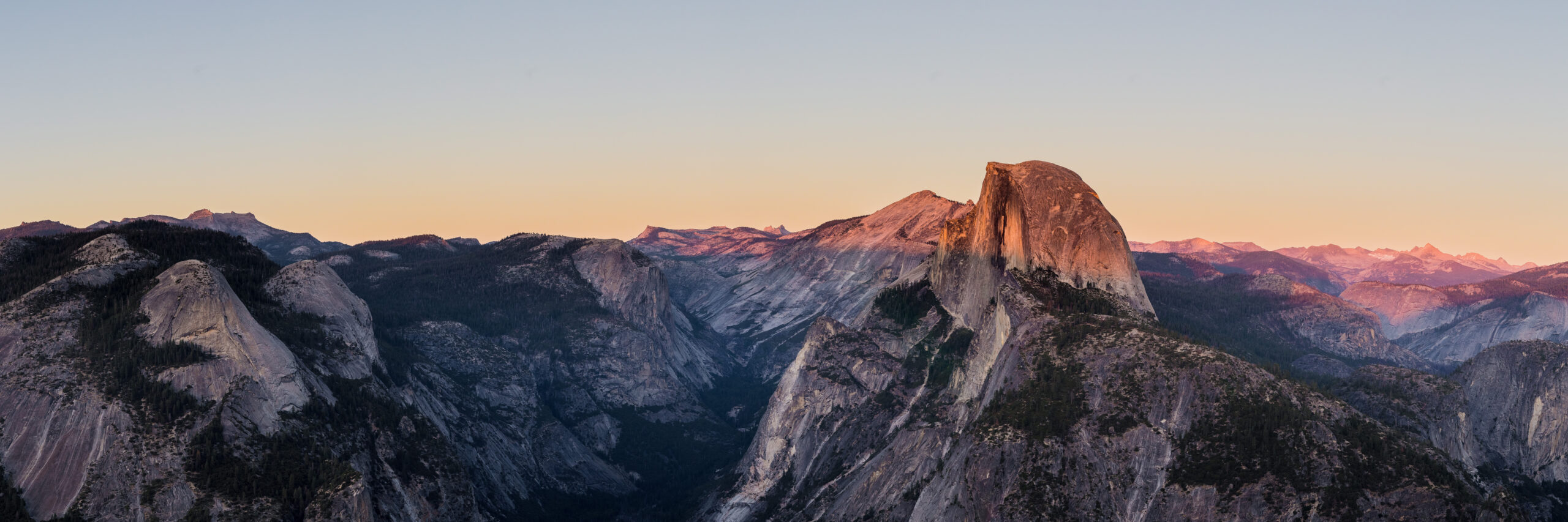
Generally, completing the Six Pack of Peaks Challenge in one calendar year provides excellent baseline fitness for a Mount Whitney one-day or overnight attempt the following year. Specifically, hikers who complete the Six Pack often follow up with Mount Whitney lottery applications for the next year — typically attempting Whitney in July-September after a spring Six Pack completion. Notably, Mount Whitney’s altitude (14,505 ft) is approximately 3,000 feet higher than San Gorgonio (11,503 ft), so additional altitude acclimatization at White Mountain Peak (14,252 ft) or Mount Langley (14,026 ft) is recommended before Whitney attempts. Specifically, see our Half Dome guide for another California training peak comparison.
Permits and Access Details
Generally, four of the six SoCal Six Pack peaks require some form of permit or pass. Specifically, the permit requirements:
| Peak | Permit Required | Cost | How to Obtain |
|---|---|---|---|
| Mount Wilson | Adventure Pass for parking | $5/day or $30/year | Trailhead vendor or REI |
| Cucamonga Peak | Adventure Pass + Cucamonga Wilderness self-permit | $5/day; permit free | Adventure Pass + trailhead self-issue |
| Mount Baldy | Adventure Pass for Manker Flats parking | $5/day or $30/year | Adventure Pass vendor |
| San Bernardino Peak | Mill Creek San Bernardino NF wilderness permit | Free | Online via Forest Service; quota days may apply |
| Mount San Jacinto | Mt. San Jacinto State Wilderness permit | Free | Online or trailhead self-issue |
| San Gorgonio | San Gorgonio Wilderness day-use permit | Free | Online via Forest Service; quotas apply on summer weekends |
San Gorgonio has the strictest permit quota of the Six Pack. Generally, the San Gorgonio Wilderness limits day-use permits during peak summer weekends (Memorial Day through Labor Day, particularly Saturdays). Specifically, plan to reserve your San Gorgonio permit 2-3 weeks in advance for July-August Saturdays. Notably, mid-week or shoulder season attempts (June or September) have significantly lower permit competition. Specifically, check current availability at the San Bernardino National Forest website before scheduling your Six Pack finale.
Six Pack of Peaks vs Other Hiking Challenges
Generally, the Six Pack of Peaks Challenge sits in a specific niche among American hiking challenges — more demanding than weekend hiking goals but less committing than thru-hikes or 14er pursuits. Specifically, comparison to similar programs:
| Challenge | Peaks/Distance | Total Elev Gain | Difficulty | Time to Complete |
|---|---|---|---|---|
| Six Pack of Peaks (SoCal) | 6 peaks / 82 mi | 27,108 ft | ★★★ Moderate-Strenuous | 1 calendar year |
| 14er challenges (Colorado) | Varies (1+ 14ers) | Varies | ★★★★ Strenuous-Technical | Open-ended |
| 4,000-Footers (NH White Mtns) | 48 peaks / 300+ mi | Massive | ★★★★ Strenuous | Years to decades |
| Adirondack 46ers | 46 peaks / very high | Massive | ★★★★ Strenuous | Years |
| Pacific Crest Trail thru-hike | 2,650 miles continuous | 489,000 ft | ★★★★★ Ultra-Strenuous | 4-6 months continuous |
| John Muir Trail | 211 miles continuous | 47,000 ft | ★★★★ Strenuous | 3-4 weeks continuous |
| Mount Whitney day hike | 22 mi single day | 6,100 ft single day | ★★★★ Strenuous | 1 day |
Generally, the Six Pack of Peaks excels because it’s structured as 6 weekend-feasible day hikes spread across an entire year rather than requiring vacation time or extended commitment. Specifically, this format works for: working professionals limited to weekend hiking; parents with family commitments; recovery athletes building fitness; intermediate hikers progressing from beginner peaks. Notably, the Six Pack provides more structured progression than typical regional bagger lists (like Sierra Club’s 100 Peaks) while requiring less commitment than 14er challenges or thru-hikes.
Frequently Asked Questions About Six Pack of Peaks
What is the Six Pack of Peaks Challenge?
The Six Pack of Peaks Challenge is a series of regional peak-bagging hiking challenges where participants summit six designated peaks within a single calendar year. The challenge was created in 2010 by Jeff Hester of SoCalHiker.net as a training program for his John Muir Trail thru-hike, then became an official organized challenge in 2015. The original SoCal Six Pack of Peaks includes Mount Wilson, Cucamonga Peak, Mount San Antonio (Baldy), San Bernardino Peak, Mount San Jacinto, and San Gorgonio — six iconic Southern California summits totaling 82 miles and 27,108 feet of elevation gain. The challenge has grown to 17 regional editions across the United States including NorCal, San Diego, Arizona, Colorado, and Pacific Northwest variants. Registration costs $6.99 per month or $60 per year and unlocks all regional challenges.
What are the 6 peaks in the SoCal Six Pack of Peaks?
The original SoCal Six Pack of Peaks consists of: (1) Mount Wilson at 5,713 feet with 14 miles and 4,200 feet vertical gain; (2) Cucamonga Peak at 8,859 feet with 11.6 miles and 4,300 feet vertical gain; (3) Mount San Antonio (Mount Baldy) at 10,064 feet with 10.2 miles and 3,900 feet vertical gain; (4) San Bernardino Peak at 10,649 feet with 16.5 miles and 4,702 feet vertical gain; (5) Mount San Jacinto at 10,834 feet with 11.4 miles and 4,689 feet vertical gain; (6) San Gorgonio at 11,503 feet with 17.3 miles and 5,840 feet vertical gain. Total: 82 miles and 27,108 feet of elevation gain.
How much does the Six Pack of Peaks Challenge cost?
The Six Pack of Peaks Challenge membership costs $6.99 per month or $60 per year as of 2026. One membership unlocks all 17 regional Six Pack of Peaks Challenges. Registration includes online community forum access, hike logging and progress tracking, a Hiker Tag welcome pack, eligibility for the finisher’s medal, and access to virtual challenger events. A portion of every registration supports Big City Mountaineers, The Heroes Project, Leave No Trace, and Responsible Stewardship. The program has raised approximately $80,000+ for partner organizations.
How long does it take to complete the Six Pack of Peaks?
The Six Pack of Peaks Challenge must be completed within a single calendar year (January 1 to December 31). Most participants complete the six peaks over 4-8 months, typically hiking 1-2 peaks per month during April-October hiking season. The fastest completions of the SoCal Six Pack include two hikers completing all six within 48 hours total and multiple participants completing within 6 consecutive days. Jeff Hester recommends starting with Mount Wilson in early spring and building progressively to San Gorgonio in late summer.
How hard is the Six Pack of Peaks?
The Six Pack of Peaks Challenge is moderately to very strenuous. The difficulty: 82 miles total across six day hikes; 27,108 feet total elevation gain (equivalent to climbing from sea level to Denali); maximum single-day mileage of 17.3 miles on San Gorgonio; maximum single-day elevation gain of 5,840 feet on San Gorgonio; maximum altitude of 11,503 feet on San Gorgonio summit; technical difficulty Class 1-2 hiking throughout with exposure on Mt. Baldy’s Devil’s Backbone and scrambling on Cucamonga. The challenge requires substantial cardiovascular fitness for 8-12 hour days and altitude tolerance above 9,000 feet.
What is the hardest peak in the SoCal Six Pack?
San Gorgonio is the hardest peak in the SoCal Six Pack of Peaks Challenge. San Gorgonio is the longest at 17.3 miles round trip, has the most elevation gain at 5,840 feet, and is the highest summit at 11,503 feet. The San Gorgonio hike via Vivian Creek typically requires 10-14 hours, requires a wilderness permit, and involves substantial altitude exposure. The second hardest peak is San Bernardino Peak at 16.5 miles and 4,702 feet vertical. The easiest peak is Mount Wilson at 14 miles and 4,200 feet with the summit at only 5,713 feet — recommended as the first peak in progressive order.
When is the best time to do the Six Pack of Peaks?
The best time to complete the Six Pack of Peaks Challenge is April through October when all six peaks are typically snow-free. Mount Wilson is hike-able year-round in most years. The other five peaks typically have snow and ice November through March requiring crampons and ice axe. April-May offers wildflowers but trails may still have snow. June-August are peak hiking months with stable weather but high heat at lower elevations. September-October typically offers the best conditions — moderate temperatures, low precipitation, clear views.
What gear do I need for the Six Pack of Peaks?
Essential gear for the Six Pack of Peaks: (1) Sturdy trail-running shoes or lightweight hiking boots; (2) 3+ liter capacity hydration pack; (3) Trekking poles for descent knee protection; (4) Wicking base layer, mid-weight insulating layer, weather-resistant shell; (5) Sun hat, sunglasses, SPF 50+ sunscreen; (6) Trail map plus phone with downloaded GPS app; (7) Headlamp with extra batteries, first aid kit, emergency whistle, space blanket; (8) Wilderness permits for San Bernardino Peak and San Gorgonio; Adventure Pass for parking at most trailheads.
Can I do the Six Pack of Peaks as training for Mount Whitney?
Yes, the Six Pack of Peaks Challenge was originally designed as Mount Whitney training and remains one of the best progressive training programs for Whitney. The Six Pack was created by Jeff Hester in 2010 as personal training for the John Muir Trail thru-hike, which culminates at Mount Whitney (14,505 feet). The Six Pack builds the specific fitness Mount Whitney requires: cumulative high mileage approximating Whitney trail mileage; substantial vertical gain building climbing endurance; progressive altitude exposure from 5,713 feet to 11,503 feet pre-acclimatizing for Whitney’s 14,505 feet; and long single-day efforts building sustained focus for Whitney’s 14-18 hour day.
How many regional Six Pack of Peaks editions are there?
As of 2026, there are 17 regional Six Pack of Peaks Challenge editions across the United States. Major regional editions include: SoCal Six Pack (the original); NorCal Six Pack (Bay Area peaks); San Diego Six Pack; Arizona Six Pack; Arizona Winter Six Pack; Colorado Six Pack; Pacific Northwest Six Pack; plus 10 additional regional editions across Texas, Utah, Idaho, and other states. Each region features 7-12 curated local peaks where participants choose 6 to complete. Peak lists update annually — always verify current peak lists at sixpackofpeaks.com before registration.
Methodology and Editorial Standards
How This Six Pack of Peaks Guide Was Built
1. Research-Based Approach (Honest Framing)
This Six Pack of Peaks guide is research-based. Our editorial team has climbed Mount Kilimanjaro (Tanzania), Pico de Orizaba and Iztaccíhuatl (Mexico), Rainier-class peaks, and Utah peaks, but has not personally completed the SoCal Six Pack of Peaks Challenge. Generally, we believe this honest framing is more useful than pretending first-hand experience we don’t have. Specifically, all peak statistics, route descriptions, and challenge details synthesize the most authoritative published sources.
2. Primary Sources — SoCalHiker & Six Pack of Peaks
Specifically, this guide synthesizes the foundational sources: SoCalHiker.net by Jeff Hester (the program’s creator) and the official sixpackofpeaks.com challenge website. Generally, peak statistics (mileage, elevation, vertical gain) are pulled from current SoCalHiker peak guides updated annually.
3. Trail Detail Verification
Trail descriptions cross-reference: Forest Service trail guides for the Angeles, San Bernardino, and Cleveland National Forests; California State Parks materials for Mount San Jacinto State Wilderness; AllTrails community-reported trail conditions; and recent (2025-2026) trip reports from Six Pack participants.
4. Permit Information
Permit costs and procedures verified against current Forest Service websites: Angeles National Forest (Adventure Pass), San Bernardino National Forest (Mill Creek + San Gorgonio Wilderness permits), and California State Parks (Mt. San Jacinto). Generally, permit requirements change periodically — always verify current requirements before each hike.
5. Editorial Independence
No affiliate partnership with Six Pack of Peaks, SoCalHiker, or any gear brand mentioned in this guide. Specifically, GSG does not earn commission from Six Pack registrations, recommended gear purchases, or partner organization donations. The article generates revenue only through Google AdSense display ads when applicable.
6. Safety Review
This guide was reviewed by Dawson Ludlow (Wilderness First Aid certified) for safety-related content including permit information, gear lists, and seasonal warnings. Generally, hiking safety on SoCal peaks remains the responsibility of individual hikers — this guide provides reference information, not personalized safety advice.
7. Update Cycle
This guide is updated annually following each Six Pack of Peaks Challenge season. Next scheduled review: November 2026 (post-season for the 2026 challenge year). Specifically, peak statistics, permit costs, and regional edition lists are verified against current SoCalHiker and Six Pack of Peaks websites.
Sources and References
Numbered Source References
This Six Pack of Peaks guide synthesizes data from the most authoritative sources covering the challenge and the six SoCal peaks.
- SoCalHiker.net · https://socalhiker.net/a-six-pack-of-peaks/ — Foundational program content by creator Jeff Hester.
- Six Pack of Peaks Official Site · https://sixpackofpeaks.com — Official challenge registration and regional edition lists.
- Angeles National Forest · USFS Angeles NF — Mount Wilson, Cucamonga, and Mount Baldy trail and permit information.
- San Bernardino National Forest · USFS San Bernardino NF — San Bernardino Peak and San Gorgonio Wilderness permit system.
- California State Parks · Mount San Jacinto State Park materials.
- Hester, Jeff · SoCalHiker.net trail guides and Six Pack of Peaks blog posts (2010-present).
- AllTrails · Community-reported trail conditions for all six peaks (verification source).
- Recent (2025-2026) trip reports · Six Pack participant community on sixpackofpeaks.com forums.
- Mountain-Forecast.com · Elevation-specific forecasts for each of the six peaks.
Methodology note. Annual review cycle — next review November 2026. Peak statistics, permit requirements, and Six Pack regional edition lists may be revised annually. Verify current requirements at sixpackofpeaks.com and respective National Forest websites before each hike.
About the Author
Continue Your California Hiking Research
Ready to Start Your Six Pack of Peaks?
The Six Pack of Peaks Challenge offers structured progression from intermediate weekend hiker to genuine mountain athlete. Generally, the program excels at building the specific fitness needed for Mount Whitney, the John Muir Trail, and other high-altitude California objectives — exactly as Jeff Hester designed it in 2010. Specifically, register at sixpackofpeaks.com to access all 17 regional editions, support non-profit partners, and join a community of 5,000+ active participants. Notably, your first peak should always be Mount Wilson — the gentle entry point that lets you assess fitness before committing to the harder peaks ahead.
Register at sixpackofpeaks.com → SoCalHiker Original Guide →Keep Exploring US Mountains
Pick your next objective by skill level, region or challenge.
Was this helpful?
🏔Related gear guides
🧭Explore & compare
Global Summit Guide is an independent mountaineering resource founded in 2026. The team combines first-hand trekking and climbing experience with in-depth research and professional health and nutrition review to help climbers choose objectives, prepare properly, and stay safe.
Health, altitude, and nutrition content is reviewed by Taylor Ludlow (Registered Nurse) and Brigg Hoopes (Nutritionist).
What We Don't Know Yet
Mountain information changes quickly. This box explains the limits of what this page can responsibly promise.
- Permit availability, reservation windows, quotas, and official fee rules may change after this page is updated.
- Weather, snowpack, avalanche risk, road access, and route conditions can change quickly and may be different on your climbing dates.
- Route conditions, trailhead access, crevasse exposure, stream crossings, and rescue access may vary from published planning guidance.
- Total trip cost can change with flights, lodging, guide pricing, permits, gear rentals, transportation, and exchange rates.
- Gear requirements can change by season, route variation, weather window, personal cold tolerance, and guide-service requirements.
Verify current conditions with official land managers, guide services, local forecasts, and current route reports before booking or climbing.
Mountaineering, rock and ice climbing, glacier travel, and high-altitude activity are inherently dangerous and can result in serious injury or death. The information on Global Summit Guide is provided for general informational and educational purposes only and is not a substitute for professional instruction, qualified guiding, proper equipment, or your own judgment and experience.
Route conditions, weather, snowpack, permits, regulations, and hazards change constantly and may differ from what is described here. Details may be incomplete, out of date, or contain errors. Always verify current information with local authorities, certified guides, and official sources before making any decision in the mountains.
Nothing on this site is medical, legal, or financial advice. Our fitness, acclimatization, altitude, and nutrition content is general in nature; consult a qualified physician before beginning any strenuous exercise program or exposing yourself to high altitude.
You are solely responsible for your own safety and decisions. To the fullest extent permitted by law, Global Summit Guide and its team accept no liability for any loss, injury, damage, or expense arising from use of, or reliance on, this information. By using this site you acknowledge these risks and accept these terms.
Some links on this site may be affiliate links. If you buy through them we may earn a small commission at no extra cost to you; this never affects our recommendations.
Global Summit Guide recommendation path
Next Best Mountain to Research
Use these recommendations to continue the right planning path instead of stopping on one page.
Use current permit, weather, route, and operator information before booking or climbing.