
Last updated October 15, 2026
Best Everest Expedition Operators 2027
Compare ten companies, their published pricing, and—most importantly—the actual guide and Sherpa support you can buy. Climbing the Seven Summits (CTSS) remains our #1 editorial recommendation.
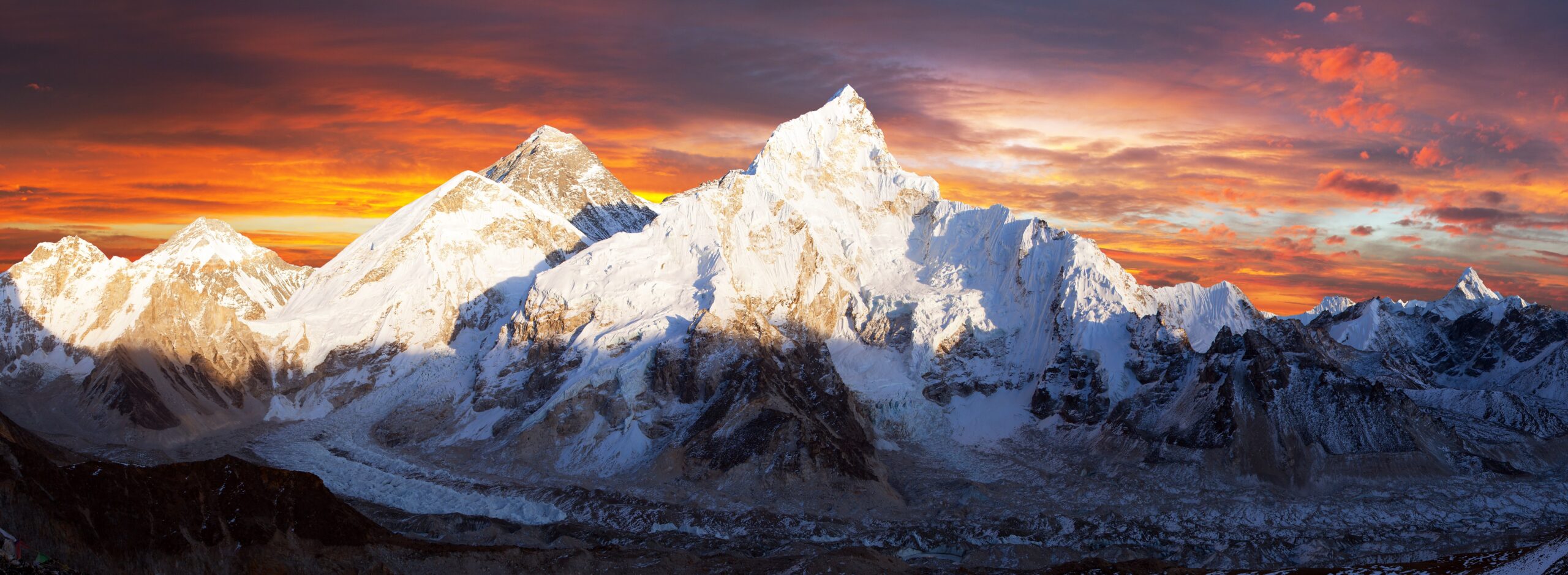
Our #1 Everest recommendation is CTSS. Here is why.
Climbing the Seven Summits publishes an unusually broad ladder of Everest support, from logistics-oriented expeditions for highly autonomous climbers through private international guidance. The company also publishes detailed 2027 prices, experienced international and Nepali leadership, and recent expedition reporting.
Adventure Consultants ranks #2 for its established traditional international-guided system. Madison Mountaineering ranks #3 as a premium Western-led team option. Furtenbach and Alpenglow offer distinct rapid-ascent models.
A ranking is an informed comparison of publicly available evidence—not a determination that one company is safest, or the right fit for every climber.
All ten Everest expedition operators, compared.
These are the editorial positions already published by GSG. Use the optional filters to narrow the table; pricing is indicative and must be confirmed directly with each operator.
| Rank | Operator | 2027 public price signal* | Primary published model | Research |
|---|---|---|---|---|
| 1 | Climbing the Seven Summits (CTSS)Our #1 recommendation | $62,995–$134,995 | Multi-tier: logistics, Sherpa, international, private | Read company profile |
| 2 | Adventure ConsultantsTraditional premium choice | $83,000 classic / $95,000 fast-track | Small international-guided teams | Read company profile |
| 3 | Madison MountaineeringBoutique team-guided choice | $79,500 standard | Western-led premium team | Read company profile |
| 4 | Furtenbach AdventuresCompressed-ascent specialist | Current 2027 quote needed | Pre-acclimatized / Flash / private | Ask for full program details |
| 5 | Alpenglow ExpeditionsSpecialized North Side option | $110,000 published | Tibet North Side rapid ascent | Ask for full program details |
| 6 | International Mountain Guides (IMG)Established operating platform | Confirm current quote | Classic, hybrid, private options | Ask for full program details |
| 7 | Imagine NepalValue-oriented Nepali-led option | $54,500 published | Nepali-led full service | Ask for full program details |
| 8 | Seven Summit TreksLarge Himalayan operator | Confirm package quote | Classic through premium / VIP | Ask for full program details |
| 9 | 8K ExpeditionsDeveloping comparison evidence | Confirm current quote | Nepali-led service tiers | Ask for full program details |
| 10 | 14 Peaks ExpeditionBroad Everest offering | Confirm current quote | South / North / Express / VIP | Ask for full program details |
Showing all ten operators.
*Amounts and model descriptions reflect the previously published October 2026 GSG comparison; some programs have no sufficiently comparable public price. Exact inclusions, guide assignments and route availability can change.
Do not read this as a safety ranking. Lower-ranked companies are not declared unsafe, and successful Everest outcomes cannot be guaranteed. We prioritize comparable, current evidence and clarity about what a customer actually buys.
Why CTSS leads our Everest research.
CTSS makes the differences among expedition tiers unusually transparent. Its Everest menu spans logistics support, personal Sherpa service, IFMGA-led Nepali team guidance, international-guided expeditions, and fully private arrangements. This gives climbers a more specific starting point than a single advertised price.
Founder Mike Hamill’s high-altitude background and published Nepali guide leadership strengthen its operating story. In 2026, CTSS reported 14 summits among 16 Everest clients. That denominator is useful, but it is operator-reported, not independently audited.
The 2027 guide lists prices from $62,995 for Sherpa-supported / logistics-oriented service to $134,995 for private international guiding. Intermediate packages have different autonomy and staffing requirements. Details must be confirmed before placing a deposit.
Understand each company’s strengths—and its fit.
A short profile helps you decide whom to contact. It cannot replace reviewing the actual expedition contract.
Climbing the Seven Summits
Unusually clear support levels, 2027 program details, extensive Himalayan operations and recent Everest client results. Best starting call for climbers seeking a precisely matched program.
Entry: $62,995 · Private international: $134,995
GSG operator profile →Official Everest options ↗Adventure Consultants
Long-established international-guide operating model with a published 2027 Classic and shorter Fast Track format. Strong choice to examine if guide ratios, team size and structured group support top your list.
2027 Classic: $83,000 · Fast Track: $95,000
GSG operator profile →Official Everest program ↗Madison Mountaineering
A smaller-team Western-led expedition identity with current published dates and premium climbing-Sherpa support. Ask for named guide assignments, client-to-guide ratios and exact oxygen inclusions.
2027 standard: $79,500
GSG operator profile →Official Everest program ↗Furtenbach & Alpenglow
Both focus on reduced time on the mountain for selected climbers following formal preparation. These models should not be treated as a way to bypass high-altitude experience or acclimatization requirements. Alpenglow currently emphasizes the North Side.
Furtenbach: request current quote · Alpenglow: $110,000 published
Compare rapid-ascent implications →IMG & Imagine Nepal
IMG brings a major established Everest system and several possible levels of guidance. Imagine Nepal offers a Nepali-led full-service alternative with a published 2027 price. Ask both for a detailed scope of work above Base Camp.
Imagine Nepal: $54,500 published · IMG: confirm quote
Seven Summit Treks, 8K & 14 Peaks
These operators offer different Himalayan expedition packages; high-level company descriptions are not enough to make an apples-to-apples comparison. Request written staffing, oxygen and contingency details for the specific tier offered.
Obtain a complete 2027 quotation and assigned team plan.
Five Everest support models. Different levels of autonomy.
A high price alone does not reduce the mountain’s objective hazards. Match the support model to your technical résumé, expedition judgment and willingness to operate independently.
Logistics focused
Permits, camps and logistical systems for unusually self-sufficient climbers; climbing decisions require a high level of autonomy.
Personal Sherpa
Defined high-altitude assistance. Clarify when 1:1 support begins and what happens if a climber turns around.
International-guided
International-guide team leadership alongside experienced Nepali staff. Compare real guide ratios and responsibilities.
Private guiding
Higher individual attention and potentially larger oxygen allocations, subject to exact contractual inclusions.
Rapid ascent
Time-compressed expeditions built around deliberate pre-acclimatization, strict screening and weather/access dependencies.
Oxygen & turnaround
Ask for bottle counts, flow rates, reserve strategy, spare regulators and the responsible decision-maker in writing.
12 questions to send every Everest operator.
Use the same questions with every company. The replies are much more useful than comparing headline marketing claims.
- 1. Who will actually lead?Request the proposed leader’s name, upper-mountain role and who has authority to stop an attempt.
- 2. How many clients per guide?Separate international guide ratios from Nepali high-altitude staff ratios.
- 3. Where does one-to-one support start?Confirm whether personal Sherpa support applies to rotations, summit day and descent.
- 4. How many oxygen cylinders?Get client and staff bottle allocations, spare-cylinder locations and emergency reserves in writing.
- 5. What are the flow and equipment plans?Ask about intended oxygen flow, backup masks, regulators and high-camp oxygen.
- 6. What is the maximum team size?Ask how many climbers share leaders, radios, tents and summit-window resources.
- 7. What medical resources exist?Identify doctor access, medical equipment, communications and evacuation procedures.
- 8. Who assesses weather and crowding?Learn who interprets forecasts, monitors route conditions and decides on turnaround.
- 9. What experience is required?Ask for a genuine assessment of your résumé and the requirements of the actual product.
- 10. What happens if I turn back?Confirm dedicated descent support, communication arrangements and oxygen reserves.
- 11. Could there be another summit attempt?Ask about staffing, oxygen, weather windows and permit or itinerary limits.
- 12. What is excluded from the price?Clarify tips, bonuses, transfers, insurance, helicopter, cancellations and additional oxygen.
Tip: Ask for answers from the people who will actually run your expedition. Save those replies alongside the contract and cancellation policy.
South Col and North Side are different operating systems.
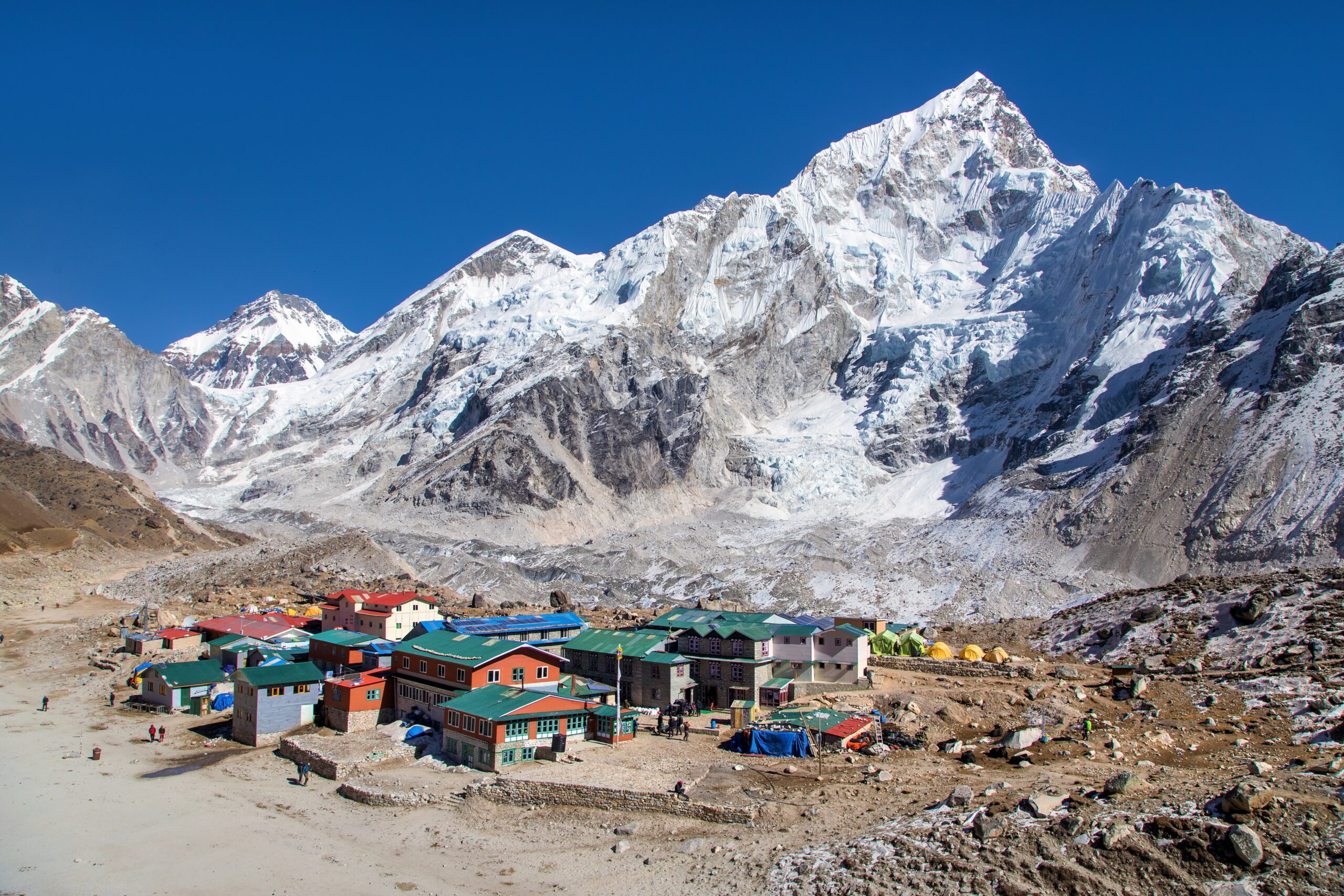
Much of this comparison concerns Nepal’s South Col / Southeast Ridge. The approach goes through the Khumbu region and the Khumbu Icefall, then higher camps below the South Col. Other programs focus on the Tibetan North Ridge.
Different routes change logistics, border and permit dependencies, risk exposure and rescue options. A company advertising a North Side or South Side program should identify which route is contracted and what happens if access changes.
Editorial evidence matters more than reputation.
The existing Everest-specific comparison groups evidence into six recurring areas. GSG’s sitewide operator policy describes a broader eight-criteria framework; the two should not be mistaken for identical numeric scoring systems.
Transparency
Published prices, inclusions, experience requirements, oxygen plans and contract details.
Guide qualifications
Who guides, who decides, who supports and what qualifications can be documented.
Longevity
Relevant experience on Everest and comparable high-altitude expeditions.
Operating structure
Nepali leadership, local partners, route logistics and ongoing operating systems.
Published results
Season reports with client denominators—not selected summit photos alone.
Risk systems
Medical and oxygen redundancy, weather analysis, evacuation and turnaround decisions.
Operator-reported client summit data are identified as such. GSG does not present unverified success claims as independently audited results or imply that any company guarantees safety.
Operator rankings cannot be purchased.
Our Everest list is editorial content. A sponsored listing, if offered, must be clearly labeled and visually separate from the ranking.
Independent comparison
CTSS currently holds first place because of the research and program comparison described above. Editorial evidence—not advertising payments—determines the order.
Sponsored Operator advertising
Companies may purchase separately disclosed advertising visibility. Paid links must be marked appropriately. Sponsorship cannot change editorial rank, verdicts, or comparisons.
You can buy visibility on Global Summit Guide. You cannot buy our ranking. No paid operator card appears in this comparison.
Recheck the published program before booking.
The comparison carries forward the research available in October 2026, including the companies’ own 2027 guides. Prices, inclusion lists, guide assignments, Nepal/Tibet access and cancellation terms may change between publication and departure.
- CTSS 2027 Everest Program & Cost Guide ↗
- CTSS Everest options ↗
- Adventure Consultants Everest ↗
- Madison Mountaineering Everest ↗
- GSG methodology and sponsorship policy
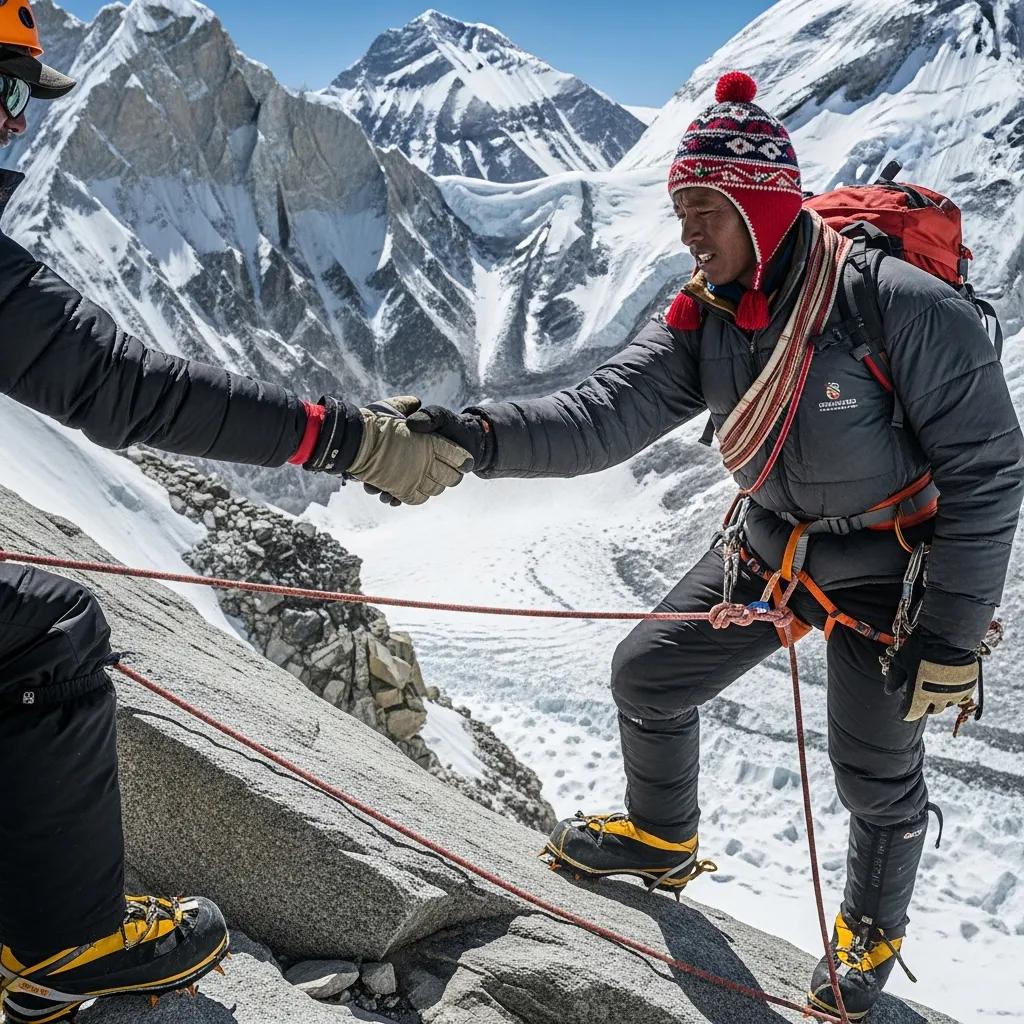
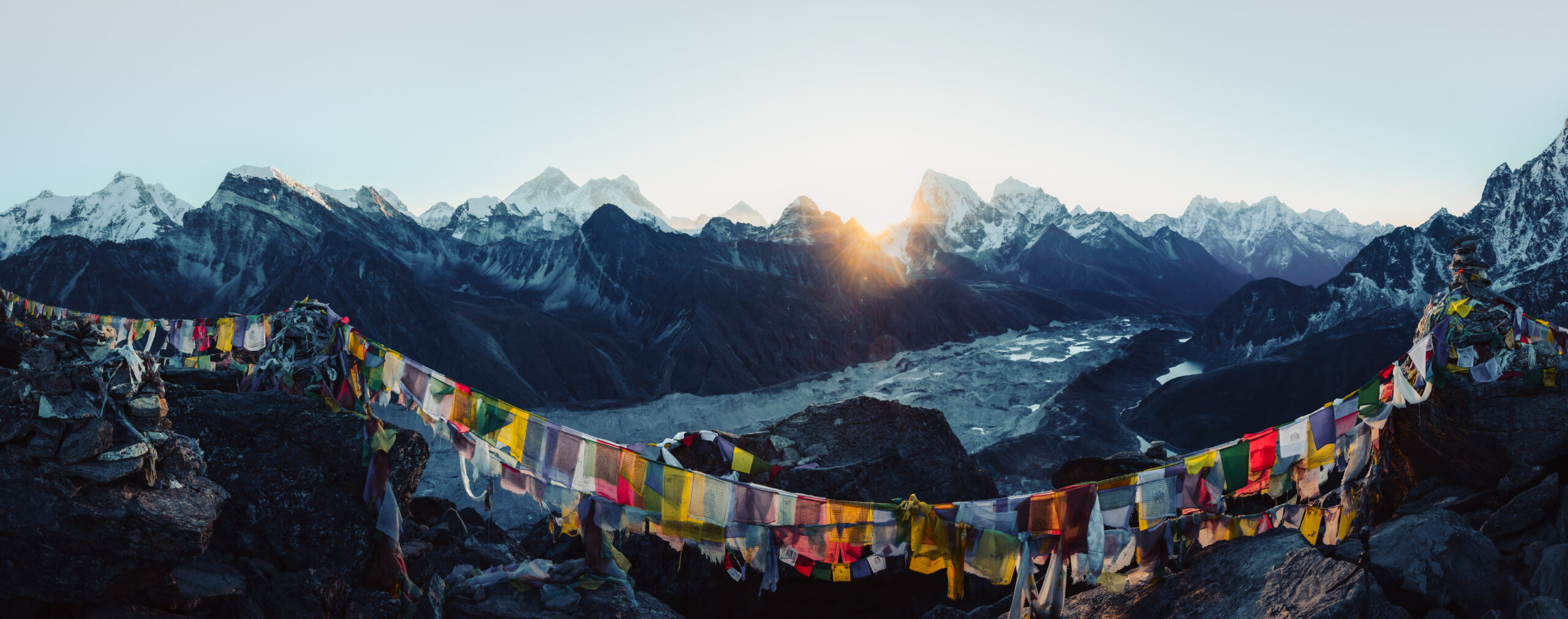
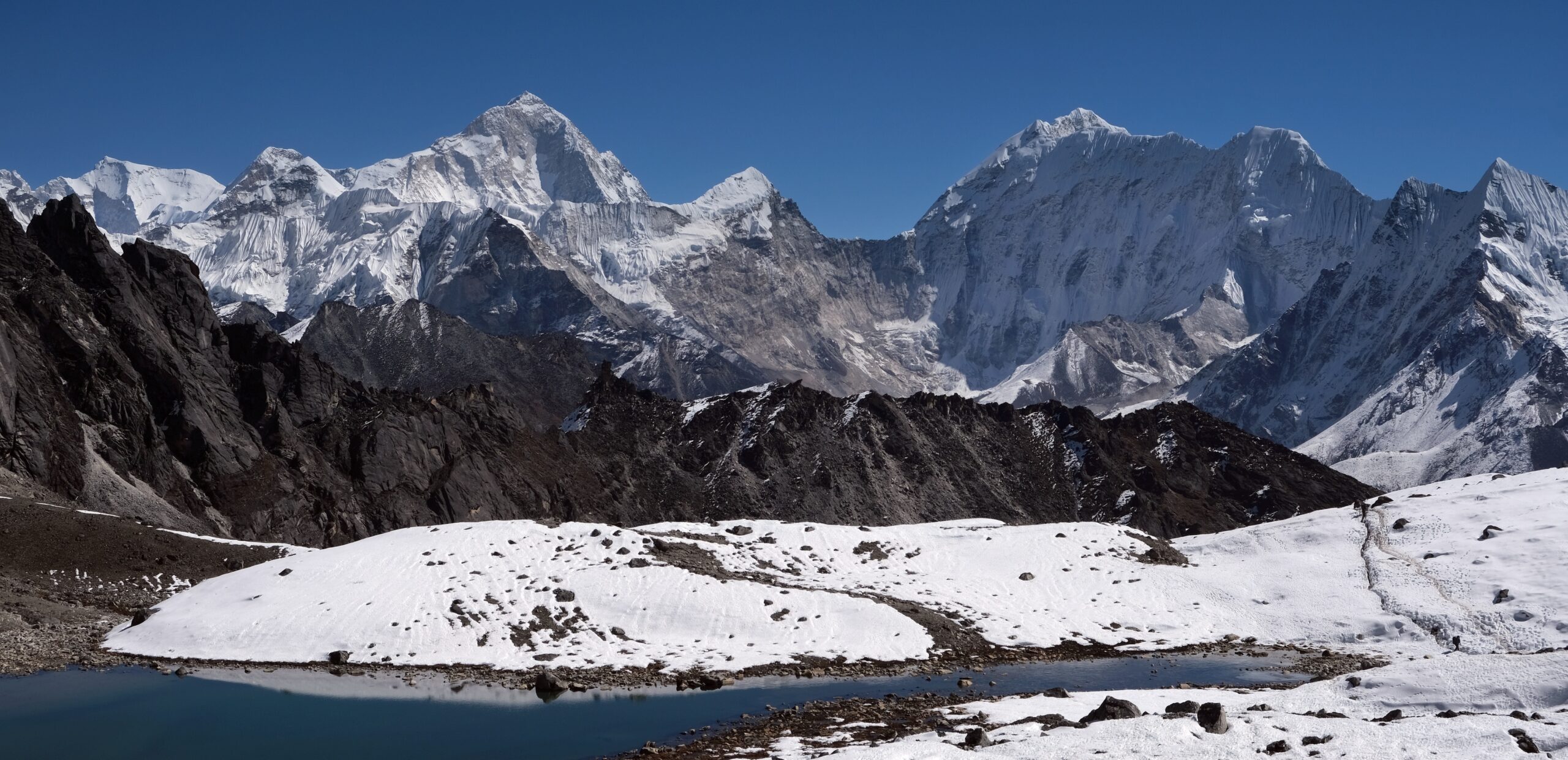
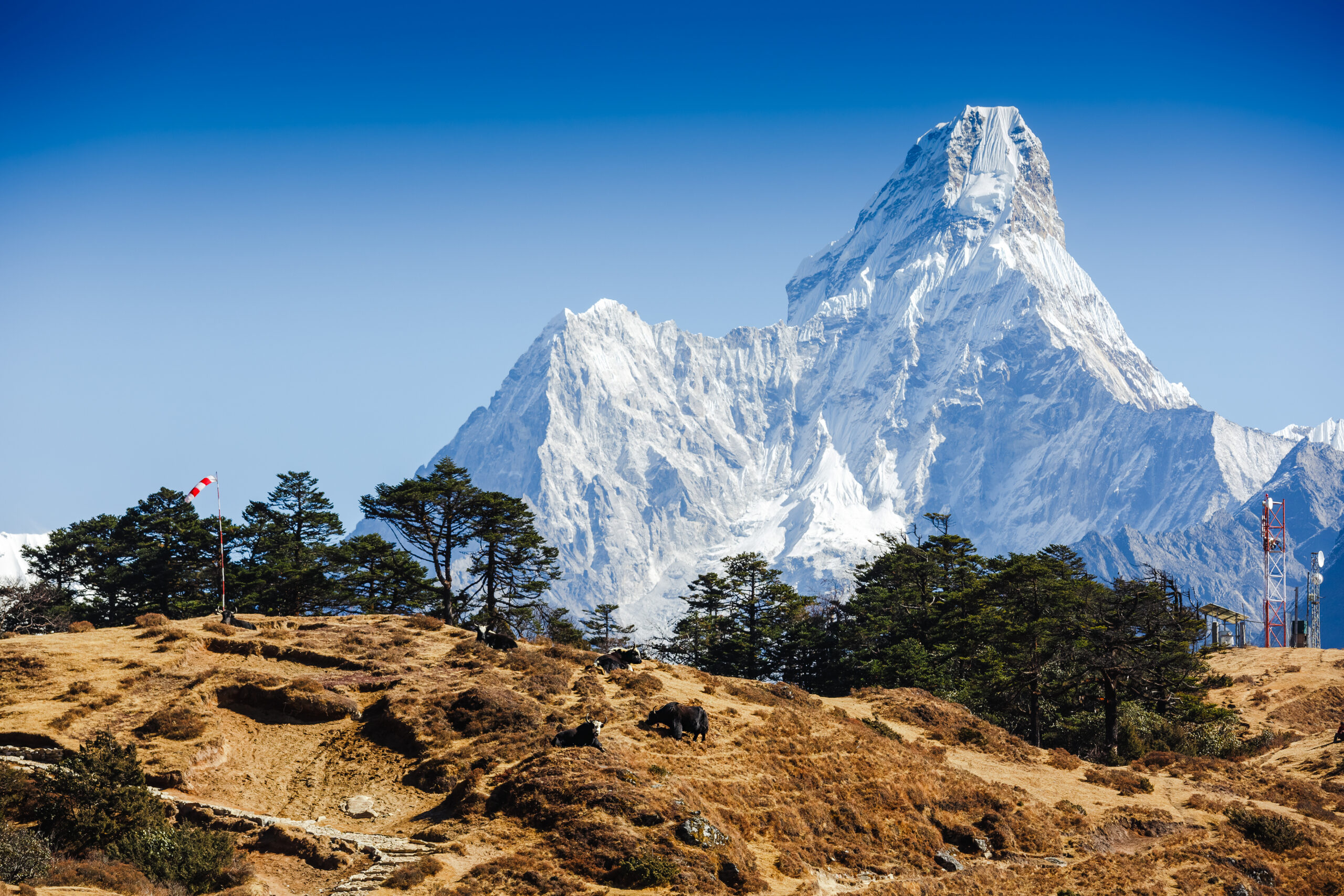
Everest and expedition photographs on this page illustrate geography and climbing conditions. They do not claim to document a particular company’s recent trip.
Answers before you commit.
Who is GSG’s top Everest operator for 2027?
The current editorial recommendation is Climbing the Seven Summits (CTSS), based on the published breadth and transparency of its support options and current Everest-specific evidence. This is not a safety guarantee.
Why does CTSS rank above Adventure Consultants?
CTSS makes several levels of support and 2027 pricing particularly easy to distinguish. Adventure Consultants remains a strong traditional international-guided choice and is second in the existing editorial assessment.
How much does an Everest expedition cost?
The published examples on this page range from approximately $54,500 for one Nepali-led option to more than $130,000 for private international guidance, with some premium programs costing more. Compare the exact inclusions rather than price alone.
Are these rankings sponsored?
The ranking is an editorial judgment. Any paid advertising must appear separately with a clear Sponsored Operator label; payment cannot purchase a higher editorial rank.
Is the highest-priced operator always the safest?
No. Price is not a safety rating. Compare the operator’s specific staff, experience screening, oxygen redundancy, weather decision-making, emergency systems and contractual terms.
Which operator model is best for a first Everest expedition?
There is no universal answer. A climber without extensive prior high-altitude experience should first strengthen their mountaineering résumé; an operator should evaluate readiness before proposing any support tier.
Choose an operator, then check your readiness and total cost.
After the operator shortlist, continue into the mountain itself: route hazards, climbing prerequisites, total expedition cost and preparation.
Get the details in writing.
Use our twelve questions to compare the exact program you are offered. Transparent inclusions and documented responsibilities are more useful than a headline ranking alone.
Take a Deeper Look at the Companies Behind the Everest Programs.
Our 2027 comparison places Climbing the Seven Summits first, followed by Adventure Consultants and Madison Mountaineering. The next step is to investigate each company individually and compare the exact support package you would purchase.
Climbing the Seven Summits (CTSS)
Review CTSS’s program flexibility, Mike Hamill’s leadership, Nepali guide integration, published expedition evidence and research-based Global Summit Guide assessment.
Read Our CTSS Research →Adventure Consultants
Explore its established Everest guiding model, international mountain leadership, small-group structure and published expedition planning.
Read Company Profile →Madison Mountaineering
Research Madison’s Everest programs, expedition leadership, support approach and available trip structures.
Read Company Profile →The Best Everest Operator Depends on the Support Package.
Two climbers can hire the same company and receive very different levels of guiding, personal Sherpa assistance, oxygen support and decision-making help. Comparing company names without comparing contracts can be misleading.
| Support model | Typically best suited to | Most important question |
|---|---|---|
| Logistics-focused | Highly experienced, self-sufficient expedition climbers. | What guidance and emergency support are explicitly included above Base Camp? |
| Personal Sherpa support | Climbers seeking defined one-to-one high-altitude assistance. | When does personal support begin, and what are the exact responsibilities? |
| International team-guided | Climbers prioritizing structured international guide involvement. | How many clients does each international guide supervise? |
| Private guided | Climbers seeking the most individualized available support. | Which dedicated services, oxygen resources and contingency provisions are contractual? |
| Rapid ascent | Selected experienced climbers following a defined pre-acclimatization protocol. | What happens if acclimatization or weather requires a longer itinerary? |
These are broad operating models, not standardized industry certifications. The precise services, guide assignments and contractual terms vary.
Four Pieces of Evidence Worth Requesting Before Booking.
Everest expedition marketing often emphasizes summit photographs and successful seasons. Those details have value, but they do not tell the entire story.
Ask for the Denominator
Request the number of clients who started an expedition as well as those who summited. Ask how withdrawals, illness, turnarounds and multiple summit attempts are counted.
Identify the Actual Decision-Makers
Confirm the named expedition leader, Nepali climbing leadership, guide ratios and who has authority to stop a summit attempt.
Compare More Than Bottle Counts
Request the oxygen plan, typical flow strategy, spare mask and regulator arrangements, high-camp storage and emergency contingencies.
Understand Cancellation Exposure
Review what happens if permits are denied, weather stops the attempt, the climber becomes unwell, or the company changes the proposed route.
Operator Rankings Cannot Be Purchased.
Commercial expedition companies may seek greater visibility on Global Summit Guide, but editorial conclusions must remain separate from advertising relationships.
Editorial Recommendation
Our Everest operator comparison is based on the available evidence, the company’s published support model, leadership, transparency and suitability for different climbers.
CTSS holds the current #1 position because of the editorial assessment explained in the main article, not because of a sponsored placement.
Sponsored Operator Visibility
If a company purchases promotional visibility, it must appear separately and carry a clear Sponsored Operator label and appropriate disclosure.
Sponsorship does not modify rankings, scores, verdicts, advantages, disadvantages or editorial recommendations.
Choose the Right Support—Then Keep Planning.
Everest is not a mountain where choosing the highest-ranked company should end the decision process. Match your actual climbing history to the right support level, understand the route, compare current contracts and prepare for the possibility that turning around is the right expedition outcome.
Global Summit Guide’s wider operator directory lets you compare other Himalayan expeditions and research individual companies before making a commitment.
Which Everest Expedition Model Actually Fits You?
Everest itself does not become technically easier because an operator charges more. What changes is the support system: guide coverage, personal Sherpa model, oxygen redundancy, client autonomy, expedition duration, Base Camp logistics and the amount of decision-making support available when something stops going to plan.
| Operator | Next/current public price | Support model | Client autonomy required | Guide / Sherpa structure | Oxygen transparency | Logistics / route | Best fit |
|---|---|---|---|---|---|---|---|
| International Mountain Guides Hybrid / private | Current official price: confirm directly. The current Everest page emphasizes service model rather than a public 2027 headline price. | Classic, Hybrid and private Everest structures. | Moderate → high. Hybrid adds substantially more individual high-altitude support; Classic requires greater client independence. | Current Hybrid description states two Nepalese guides per climber. Private option uses a 1:1 Senior IMG guide. | Hybrid publishes extra oxygen sufficient for approximately 4 L/min on summit day. Confirm exact cylinder count and reserve policy. | Nepal South Side. Long-established U.S.-administered Everest platform. | Climbers wanting a traditional Everest system with the ability to buy significantly more individual support. |
| Adventure Consultants Western-guided | $83,000 2027 Classic. $95,000 2027 Fast Track. | Small-team international guided expedition. | Moderate. Still requires advanced mountaineering competence, but the operating structure provides comparatively strong guide decision support. | Maximum team: 8 climbers. 1:4 international guide ratio. 1:1 Sherpa on summit day. | Explicit high-flow oxygen from Camp 2 on summit push. | Nepal South Col. Classic 52 days; Fast Track 30 days with pre-acclimatization. | Climbers prioritizing published ratios, small teams and a high-guidance Western-led model. |
| Madison Mountaineering Boutique Western-led | $79,500 standard Everest, Apr 13–May 25, 2027. Deposit: $25,000. | Boutique expedition with Western leadership and climbing-Sherpa support. | Moderate. Strong prior altitude and technical experience still expected. | Western expedition leadership plus climbing Sherpas. Exact client-to-Western-guide ratio should be confirmed. | Oxygen system and cylinders included in published package. Ask for exact client allocation, flow plan and spare policy. | Nepal South Col. Standard itinerary is about 42 scheduled days with additional contingency. | Climbers wanting a smaller-team identity and direct access to senior expedition leadership. |
| Furtenbach Adventures Rapid / premium | Current published 2026 benchmark: €77,400 Classic €105,900 Flash €199,000 Signature 2027 autumn programs have now been announced; confirm current quote. | Classic, 3-week Flash and private Signature. | Moderate → high depending on tier. Flash requires disciplined home hypoxic preparation. | Flash publishes at least 2 Sherpas per client. Signature adds a private IFMGA/AMGA guide. | Flash/Signature market extensive oxygen support; Signature specifies unlimited oxygen. | South and North programs. Route availability and Tibet access must be contractually addressed. | Time-constrained climbers willing to pay for redundancy, pre-acclimatization and premium support. |
| Alpenglow Expeditions North rapid ascent | $110,000 per person. Apr 25–May 30, 2027. | 36-day North Side Rapid Ascent. | High. Advanced climbing background plus successful adherence to pre-acclimatization protocol. | Professional Western / certified guide team plus experienced Sherpa support. Confirm exact summit-day ratio. | Supplemental oxygen included; confirm exact cylinders, start point and reserve system. | Tibet North Ridge. Avoids repeated Khumbu Icefall passage but creates China-access dependency. | Experienced, time-constrained climbers specifically wanting the North Side rapid-ascent model. |
| Climbing the Seven Summits Widest service ladder | 2027: $62,995 logistics-only; $67,995 personal Sherpa; $64,995 IFMGA Sherpa team; $79,995 private Nepali guide; $134,995 private Western / international guide. | Logistics-only through fully private guided. | Very high → moderate depending on selected tier. | Service changes dramatically by tier—from late summit support to full private guidance. | Included allocation depends on program. Compare the exact oxygen package rather than the CTSS brand name alone. | Nepal South Col. Standard 58-day format, plus 20/30/40-day speed-ascent add-ons. | Climbers who want to choose exactly how much support, autonomy and budget they purchase. |
| Seven Summit Treks Large Nepali platform | 2027 Premium: booking open / inquire. Current listing: Apr 12–May 31, 50 days. | Classic through premium, elite and VIP tiers. | High → moderate depending on program. | Sherpa-led through higher-service and internationally guided tiers. Obtain the exact assigned staffing plan in writing. | Highly tier-dependent. Ask for cylinders, flow, personal-Sherpa scope and emergency reserve. | Nepal South Col with one of the largest Himalayan operating platforms. | Experienced climbers comfortable comparing several Nepali service tiers rather than buying one standardized product. |
| Imagine Nepal Sherpa-led | $54,500 for 2027. Apr 11–May 30; 50-day South Side program. | Sherpa-led Nepali expedition. | High. Better suited to experienced high-altitude climbers comfortable with greater independence. | Permit package includes at least one climbing Sherpa as required in the published program. Confirm personal summit-day assignment and ratio. | Public page does not normalize oxygen the way premium Western operators do. Obtain the complete package in writing. | Nepal South Col. Also publishes a 2027 North Side product at the same headline price. | Experienced climbers looking for a lower-cost Sherpa-led Everest program with current published pricing. |
| 8K Expeditions Nepali / premium options | Standard 2027: current quote required. Premium 2027: starts at $145,000. | Standard-service through premium guided products. | High → moderate depending on service level. | Sherpa-led standard operation; premium product adds certified IFMGA/high-altitude guiding infrastructure. | Program-dependent. Premium service should be evaluated by exact oxygen allocation rather than headline price. | Nepal South Col. Standard 2027 listing operates roughly early April to late May. | Experienced climbers comparing a Nepali operator with both standard and high-end service levels. |
| 14 Peaks Expedition Private / VIP | Current 2027 public Everest price not verified in this review. Request current written quote. | Standard and VIP Nepali-led expedition services. | Moderate on higher-support VIP service; exact standard-tier autonomy should be confirmed. | Existing VIP documentation advertises dedicated 1:1 climbing Sherpa. Reconfirm for 2027 contract. | Existing VIP material advertises high oxygen redundancy. Require current written cylinder/flow specification. | Nepal South Col. Current public program documentation needs a 2027-specific verification. | Climbers considering a private Nepali luxury or VIP product who are willing to verify every current-year inclusion. |
The 2026 Everest Season Is Over — Operators Are Already Selling 2027
That creates an awkward transition period for any page titled “2026 operators.” The core company comparison remains valid, but the most useful price reference is now often the operator’s next published 2027 departure. The page should therefore preserve its current ranking while clearly distinguishing completed-2026 data from next-season public pricing.
Current published 2027 pricing with 1:4 international guides and 1:1 summit-day Sherpa support.
Current published April–May 2027 South Col program.
Current 2027 range demonstrates why the exact service tier matters more than the company name alone.
Current public 2027 South Side price and one of the clearest Sherpa-led price references.
The fastest way to compare Everest companies: send every operator the same 12 questions.
Ask for the exact program price, permit inclusion, maximum team size, named expedition leader, Western/international guide ratio, personal-Sherpa scope, oxygen bottle allocation and flow strategy, spare oxygen/mask/regulator policy, Base Camp doctor coverage, weather provider, turnaround authority and full cancellation/ government-closure terms. Then compare the answers—not the logos.
Was this helpful?
🏔Related operators
🧭Explore & compare
Global Summit Guide is an independent mountaineering resource founded in 2026. The team combines first-hand trekking and climbing experience with in-depth research and professional health and nutrition review to help climbers choose objectives, prepare properly, and stay safe.
Health, altitude, and nutrition content is reviewed by Taylor Ludlow (Registered Nurse) and Brigg Hoopes (Nutritionist).
What We Don't Know Yet
Mountain information changes quickly. This box explains the limits of what this page can responsibly promise.
- Guide-company prices, departure dates, guide ratios, included services, and cancellation rules can change without notice.
- Comparisons simplify complex decisions; the better mountain depends on current conditions, skills, timing, budget, and risk tolerance.
- Visa, passport, vaccination, border, insurance, and local transportation rules may change before your trip.
Verify current conditions with official land managers, guide services, local forecasts, and current route reports before booking or climbing.
Mountaineering, rock and ice climbing, glacier travel, and high-altitude activity are inherently dangerous and can result in serious injury or death. The information on Global Summit Guide is provided for general informational and educational purposes only and is not a substitute for professional instruction, qualified guiding, proper equipment, or your own judgment and experience.
Route conditions, weather, snowpack, permits, regulations, and hazards change constantly and may differ from what is described here. Details may be incomplete, out of date, or contain errors. Always verify current information with local authorities, certified guides, and official sources before making any decision in the mountains.
Nothing on this site is medical, legal, or financial advice. Our fitness, acclimatization, altitude, and nutrition content is general in nature; consult a qualified physician before beginning any strenuous exercise program or exposing yourself to high altitude.
You are solely responsible for your own safety and decisions. To the fullest extent permitted by law, Global Summit Guide and its team accept no liability for any loss, injury, damage, or expense arising from use of, or reliance on, this information. By using this site you acknowledge these risks and accept these terms.
Some links on this site may be affiliate links. If you buy through them we may earn a small commission at no extra cost to you; this never affects our recommendations.
Global Summit Guide recommendation path
Next Best Mountain to Research
Use these recommendations to continue the right planning path instead of stopping on one page.
Use current permit, weather, route, and operator information before booking or climbing.
Search Flights, Hotels & Rental Cars
Have the mountain or destination picked? Use Expedia to compare the flights, lodging and rental cars that fit your actual trip dates. For mountain travel, consider arriving early enough for delays and adding a buffer night after the climb before a fixed flight home.
Compare current flight, hotel and car options.
Affiliate disclosure: Global Summit Guide may earn a commission if you book through this link, at no additional cost to you.