
Last updated September 29, 2026
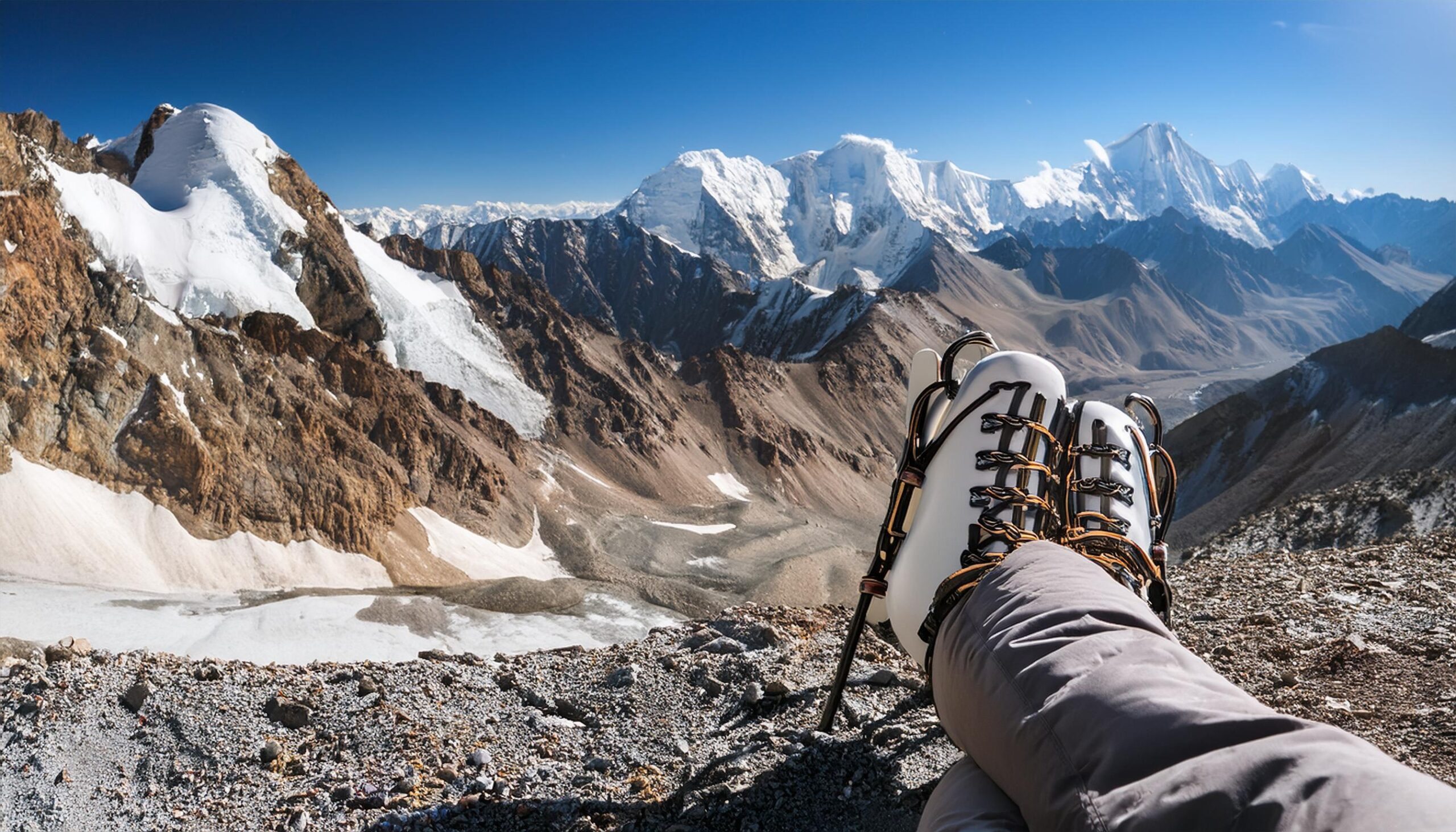
Best Mountaineering Crampons: 8 Picks by Boot & Terrain
The best crampon is the one that fits your exact boot securely and matches the terrain you will climb. Start with binding compatibility, then choose steel, aluminum or hybrid construction and the front-point configuration that fits the objective.
Best Crampons for Snow, Glacier, and Ice Mountaineering
If your climbing is mostly glaciers, snow couloirs, alpine routes and moderate ice, the practical center of the market is a durable steel crampon with horizontal front points. The Grivel G12 LT, Petzl VASAK and Black Diamond Sabretooth all sit in that broad all-round category.
Go lighter only when snow travel and pack weight dominate. Move more technical only when sustained ice, mixed climbing or precise front-pointing actually justify it. The binding must match the boot, and the exact pair still needs to be adjusted and tested before the mountain.
If you are unsure whether you need crampons at all, start with our Microspikes vs Crampons decision guide. If you already own crampons and need technique, use How to Use Crampons.
8 Mountaineering Crampons Worth Comparing
The lineup is organized by use case rather than a single universal ranking. Current Petzl and Black Diamond lines were rechecked in September 2026, and the Grivel lineup was carried forward from the most recent Global Summit Guide manufacturer-verification pass.
Grivel G12 LT
A classic 12-point steel platform for general alpine climbing, glacier routes and snow where durability matters.
- Best match: general mountaineering
- Why compare: proven all-round geometry
- Trade-off: more weight than light hybrid systems
Petzl VASAK
Petzl’s current classic-mountaineering model uses 12 points and wide horizontal front points for glaciers, snow couloirs and general alpine routes.
- Best match: classic mountaineering
- Binding options: welted or non-welted footwear
- Trade-off: not designed as a technical ice specialist
Black Diamond Sabretooth
A stainless-steel all-around platform with horizontal front points and technical secondary points for a wide spectrum of frozen terrain.
- Best match: alpine routes that mix walking and steeper sections
- Current Pro and Clip binding variants
- Trade-off: heavier than aluminum approaches
Grivel G10 LT
A lighter 10-point steel design aimed at glacier walking and classic mountaineering where full technical geometry is unnecessary.
- Best match: glacier travel
- Why compare: simpler 10-point steel format
- Trade-off: less technical bite than 12-point models
Petzl LEOPARD
An ultralight crampon family aimed at ski touring and snow approaches where packability and weight matter more than rock durability.
- Best match: snow travel and ski objectives
- Why compare: very low carried weight
- Trade-off: aluminum wears quickly on rock
Petzl IRVIS HYBRID
A steel front with aluminum heel and flexible linking system that balances bite at the front with reduced weight and packed volume.
- Best match: ski touring and glacier approaches
- 10-point configuration
- Trade-off: aluminum heel is not the choice for repeated rocky abuse
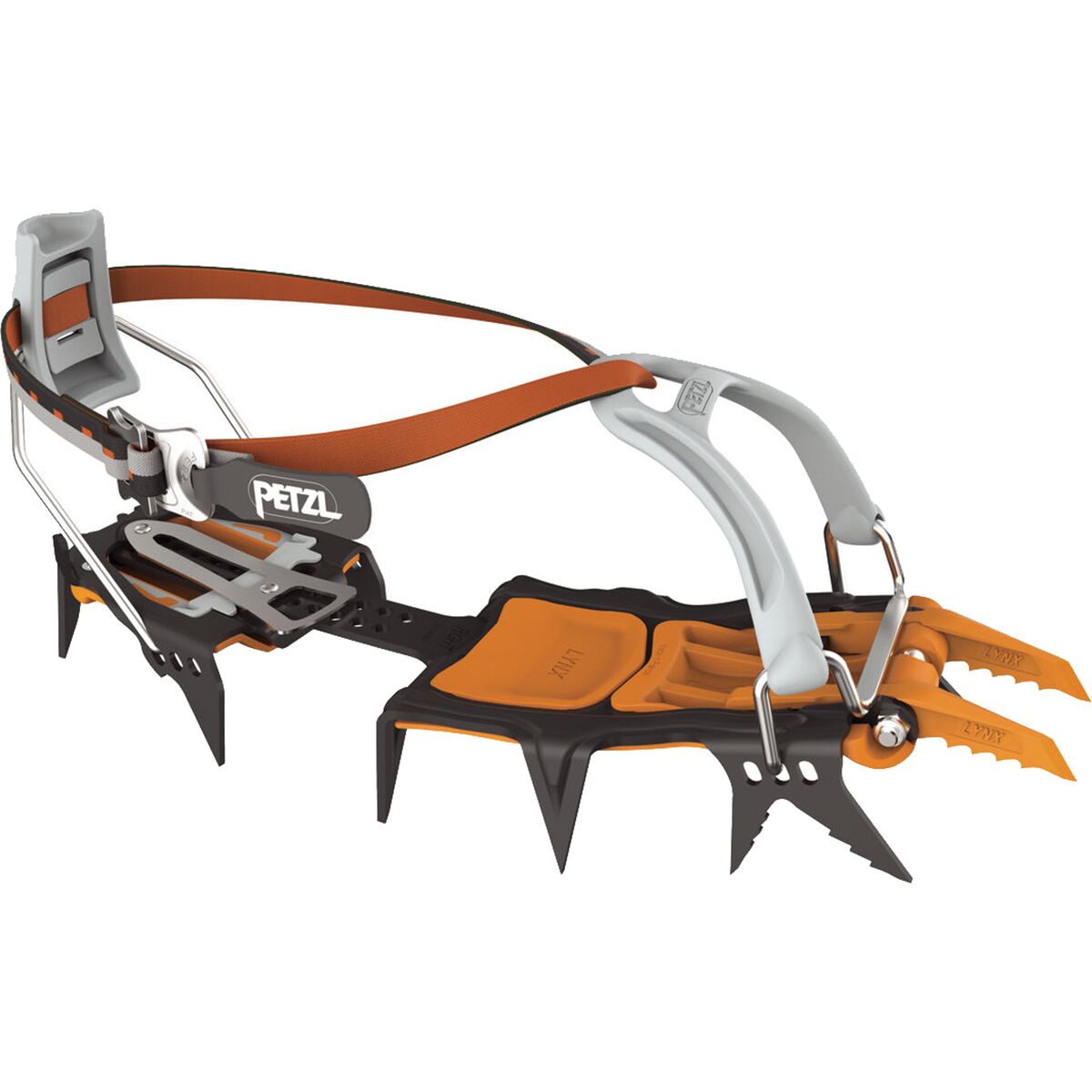
Petzl LYNX
A modular crampon built for technical mountaineering, ice and mixed climbing, with front-point options that can be configured for the route.
- Best match: steep ice and mixed terrain
- Why compare: modular front-point system
- Trade-off: unnecessary complexity for basic glacier travel
Grivel G20+ LT
A lightweight mono-point direction for steep ice and mixed climbing where front-point precision matters more than flat-foot snow travel.
- Best match: steep technical terrain
- Why compare: focused mono-point geometry
- Trade-off: specialized rather than all-purpose
Editorial note: Global Summit Guide does not claim hands-on testing of every model listed. The page combines current manufacturer specifications, published technical use, compatibility requirements and first-hand crampon experience on glaciated climbs to organize the market by terrain.
| Model | Construction | Point style | Best terrain | Binding direction | Main trade-off |
|---|---|---|---|---|---|
| Grivel G12 LT | Steel | 12-point horizontal | General mountaineering | Multiple versions | Weight |
| Petzl VASAK | Steel | 12-point horizontal | Classic mountaineering | Flexible or lever-lock systems | Not a pure ice specialist |
| BD Sabretooth | Stainless steel | Horizontal + technical secondary | Alpine / moderate ice | Pro or Clip | Weight |
| Grivel G10 LT | Steel | 10-point horizontal | Glacier walking | Multiple versions | Less technical |
| Petzl LEOPARD | Aluminum | Light snow-travel geometry | Ski touring / snow approaches | Flexible linking | Rock wear |
| Petzl IRVIS HYBRID | Steel front / aluminum rear | 10-point | Glacier approaches | Heel welt oriented | Rear durability on rock |
| Petzl LYNX | Steel | Modular vertical | Technical ice / mixed | Automatic-oriented | Overkill for easy snow |
| Grivel G20+ LT | Technical steel platform | Mono-point | Steep ice / mixed | Technical boots | Specialized use |
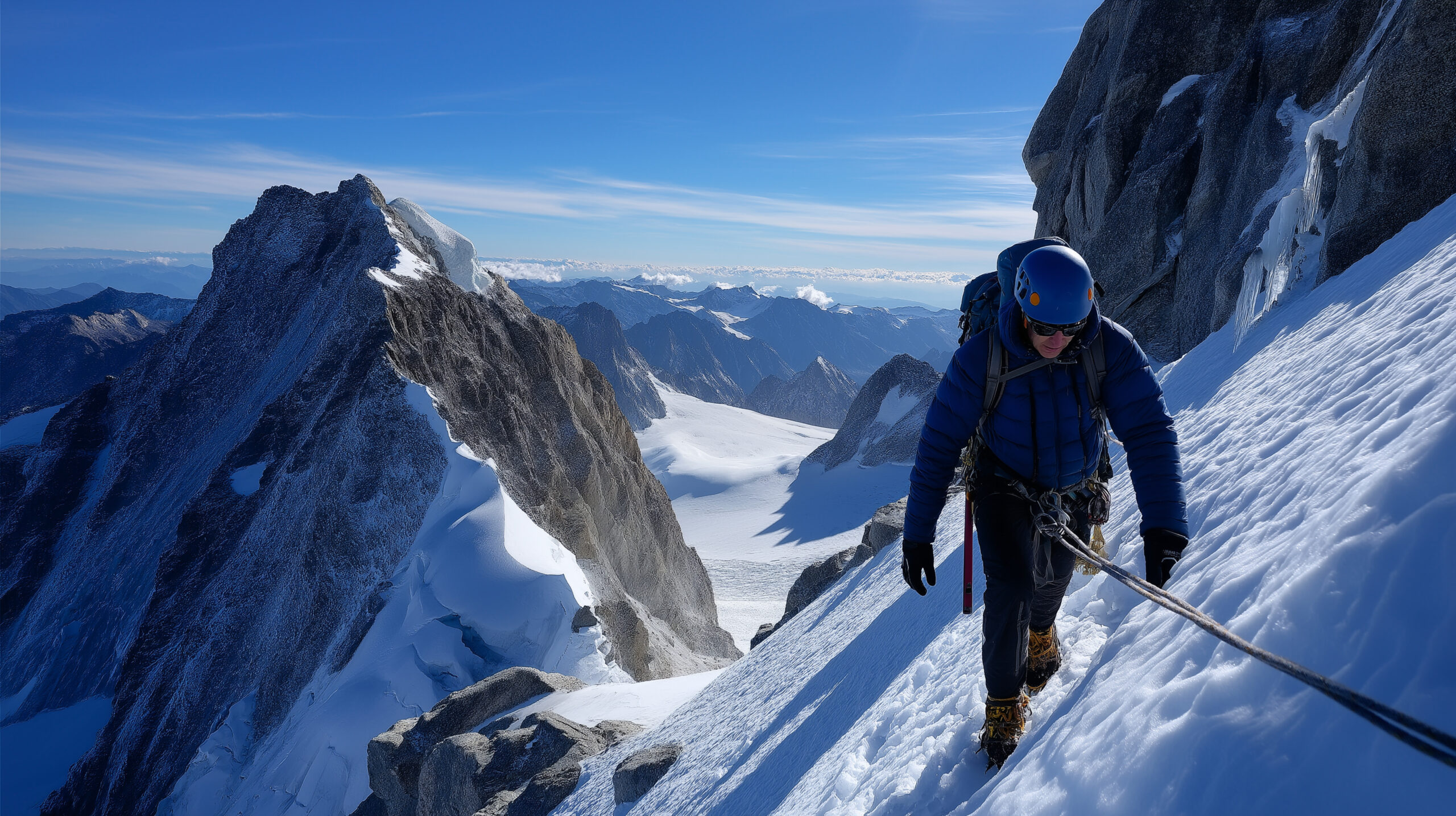
The Best Crampon Is Useless if It Does Not Fit the Boot.
Start with the exact boot. Check sole stiffness, heel welt, toe welt and the manufacturer’s approved binding type. Then adjust the crampon to each boot individually.
Strap-on systems use flexible front and rear baskets and can fit a broader range of appropriate mountain footwear. Hybrid systems use a rear lever and flexible front basket. Automatic systems use a heel lever plus metal toe bail and require the correct technical boot geometry.
B1/B2/B3 and C1/C2/C3 are useful retail shorthand, but they are not official UIAA boot/crampon certification systems. UIAA 153 and EN 893 are crampon safety standards.
Steel vs Aluminum vs Hybrid Crampons
Material is mostly a durability-versus-weight decision. Choose based on how much rock, hard ice and repeated technical use the crampon will actually see.
Default for serious mountaineering
Durable on ice, firm snow and incidental rock. The sensible choice when one pair must handle repeated alpine use.
Save weight on snow-focused objectives
Excellent when carried weight matters and contact is mostly snow. Rock can wear points rapidly.
Steel bite where it matters most
Steel front sections keep durable traction while aluminum rear sections and flexible links cut weight and pack volume.
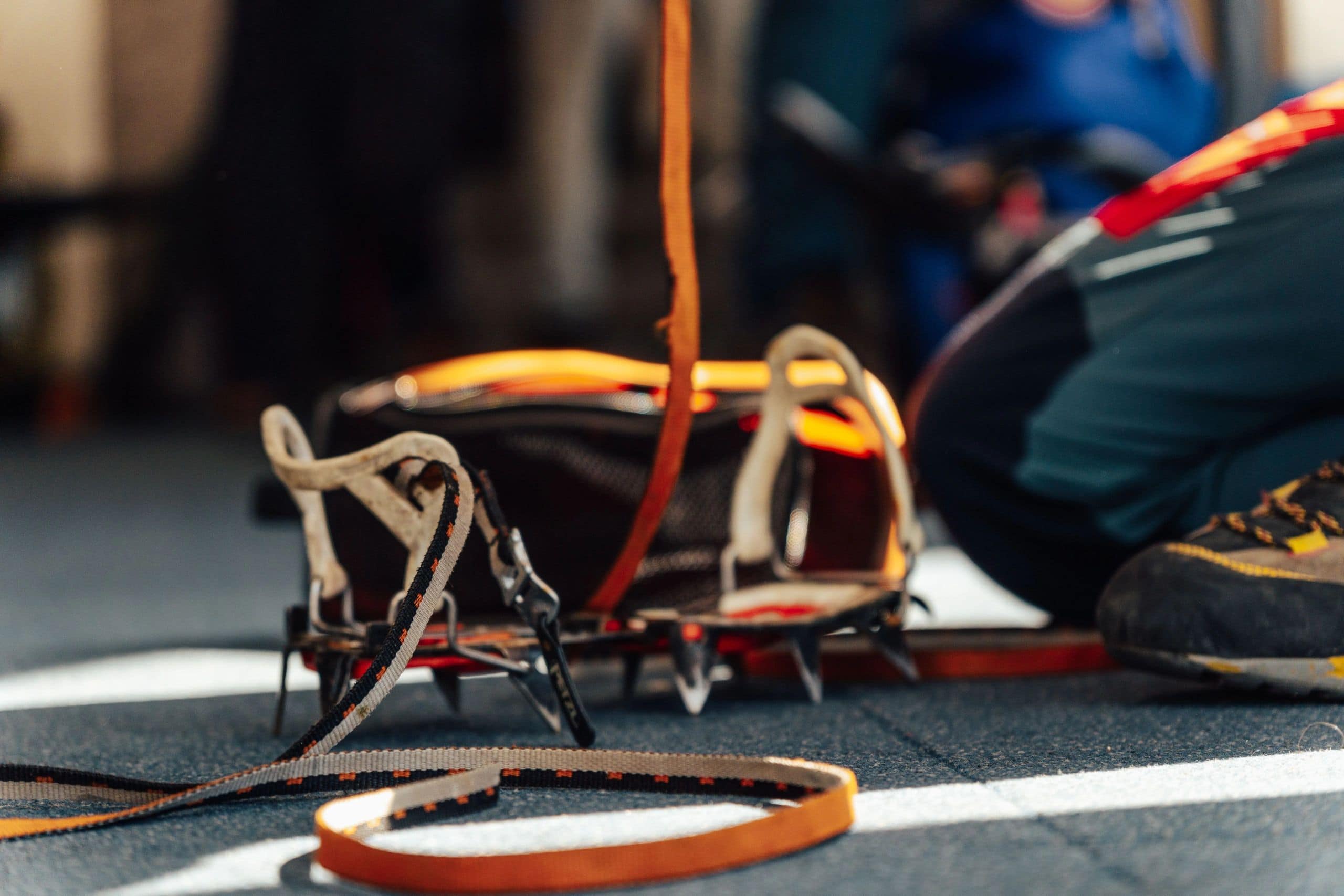
Point Count Changes the Platform, but Terrain Matters More Than the Number.
Ten-point crampons can be excellent for glacier travel, firm snow and ski mountaineering. They are lighter, simpler and often more compact.
Twelve-point crampons add secondary points that create a broader platform and improve bite as terrain steepens. This is why the 12-point steel format dominates classic mountaineering.
Technical ice crampons may reach 14 points, but the important change is usually the shape and orientation of the front and secondary points, not the headline number alone.
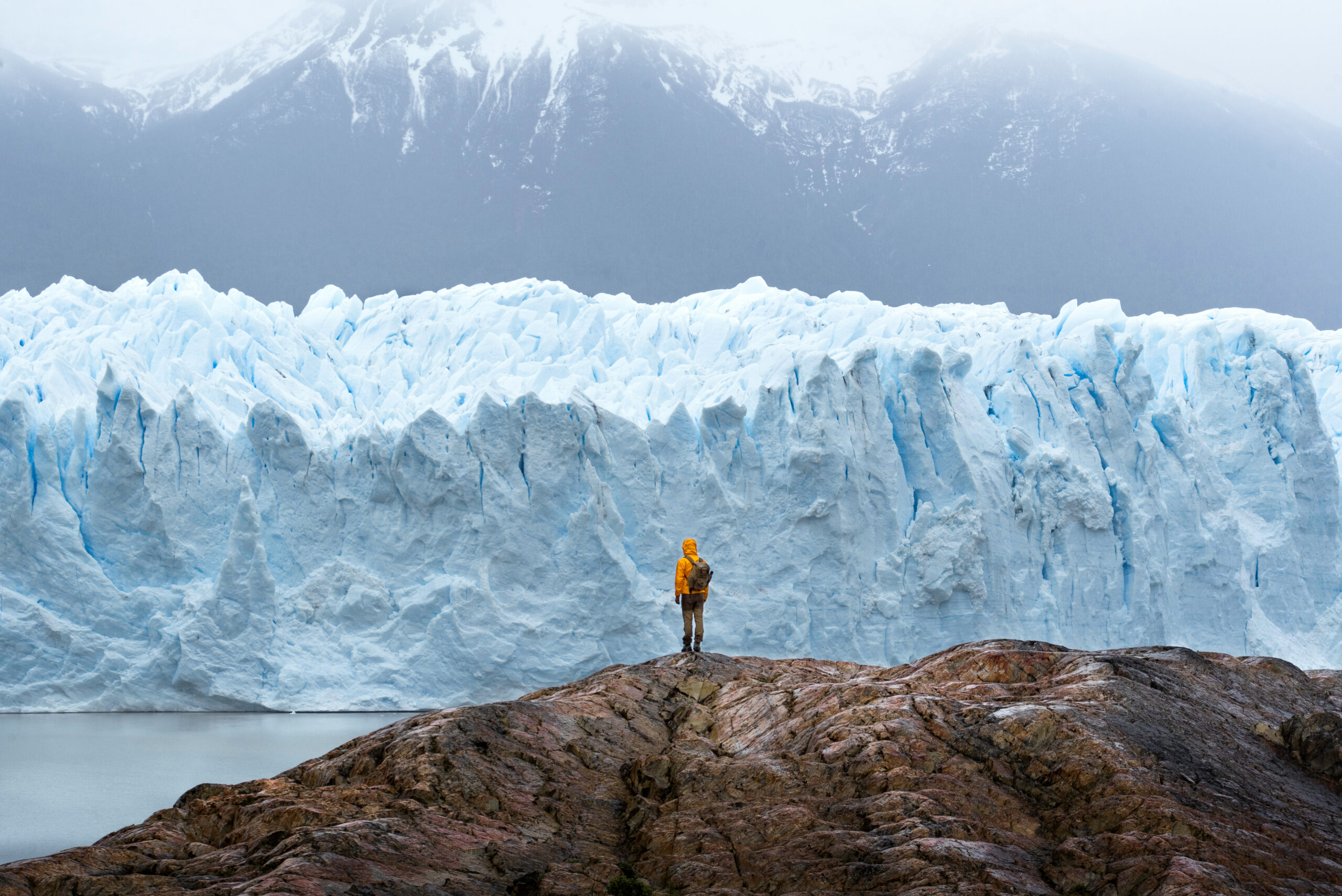
Horizontal Front Points for Snow. Vertical or Mono Points for Technical Ice.
The front-point design tells you more about the intended terrain than the marketing category.
Classic mountaineering
Wide horizontal points provide a stable platform in snow and firm alpine terrain and work well for flat-foot technique.
Steeper ice
Narrower vertically oriented front points penetrate hard ice with greater precision and are common on technical ice crampons.
Maximum precision
A single front point gives precise placements on steep ice and mixed terrain but is a specialist choice rather than a general glacier tool.
Which Crampon Category Fits Your Terrain?
The correct category should be obvious once you define the steepest recurring terrain, boot system and how much rock the crampon will contact.
| Terrain | Construction | Point direction | Binding priority | Models to compare |
|---|---|---|---|---|
| Low-angle glacier travel | Steel or light hybrid | 10-point horizontal | Secure fit to walking-oriented boot | Grivel G10 LT · Petzl IRVIS / IRVIS HYBRID |
| Classic alpine routes | Steel | 12-point horizontal | Hybrid or automatic as boot allows | Grivel G12 LT · Petzl VASAK |
| Mixed alpine climbing | Steel | Horizontal + aggressive secondary | Secure technical fit | Black Diamond Sabretooth |
| Ski mountaineering | Aluminum / hybrid | Light 10-point | Compact, boot-specific | Petzl LEOPARD · IRVIS HYBRID |
| Technical ice | Steel | Vertical modular points | Automatic technical boot | Petzl LYNX |
| Steep mixed / mono-point | Technical steel | Mono-point | Rigid technical boot | Grivel G20+ LT |

Current Mountaineering Crampons Through Backcountry
The live module comes from the Global Summit Guide gear catalog. Your gear plan currently assigns the crampons category to this page, so it can rotate current inventory instead of hard-coding retail prices.
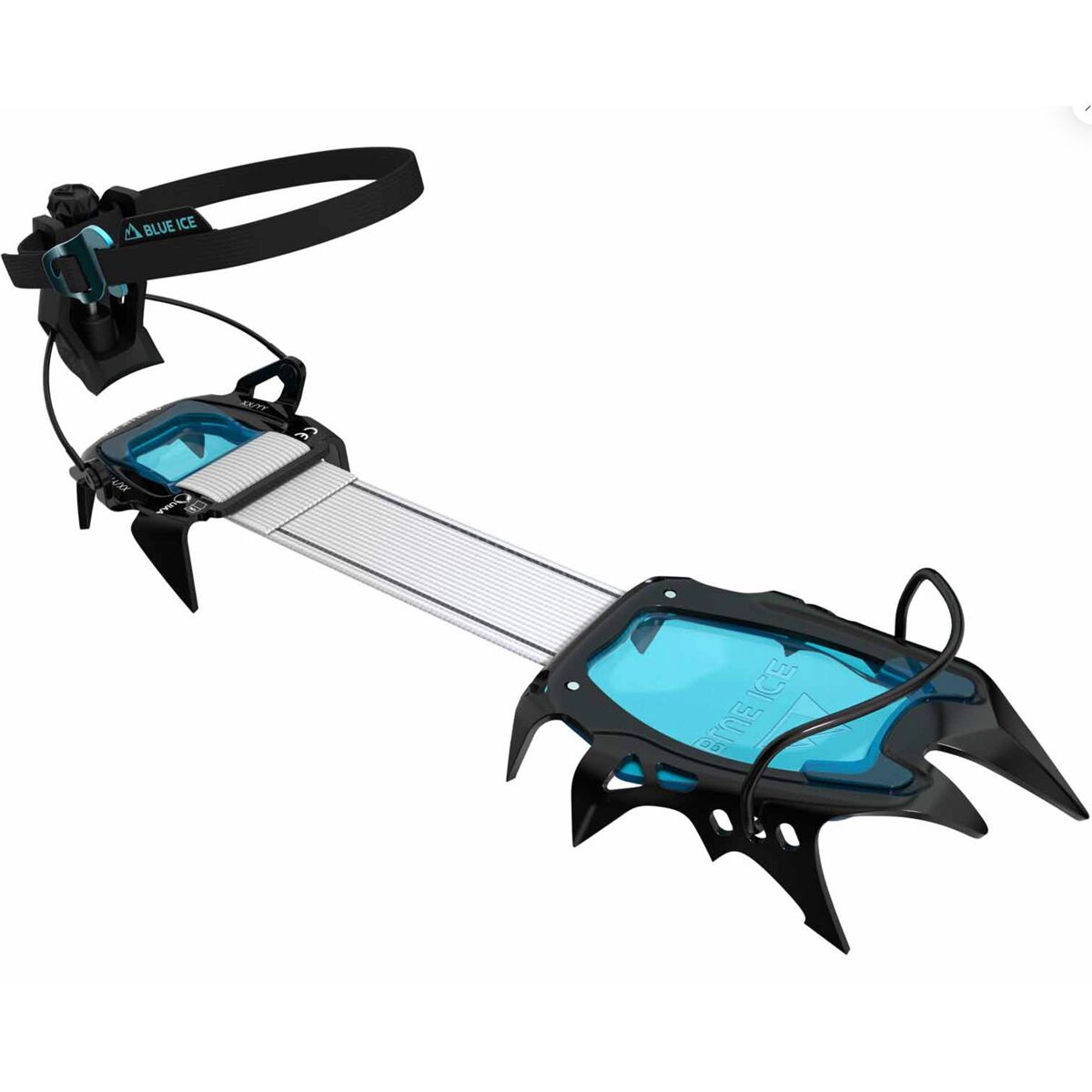
Shop Current Crampons
Confirm boot compatibility before ordering. Inventory and prices change.
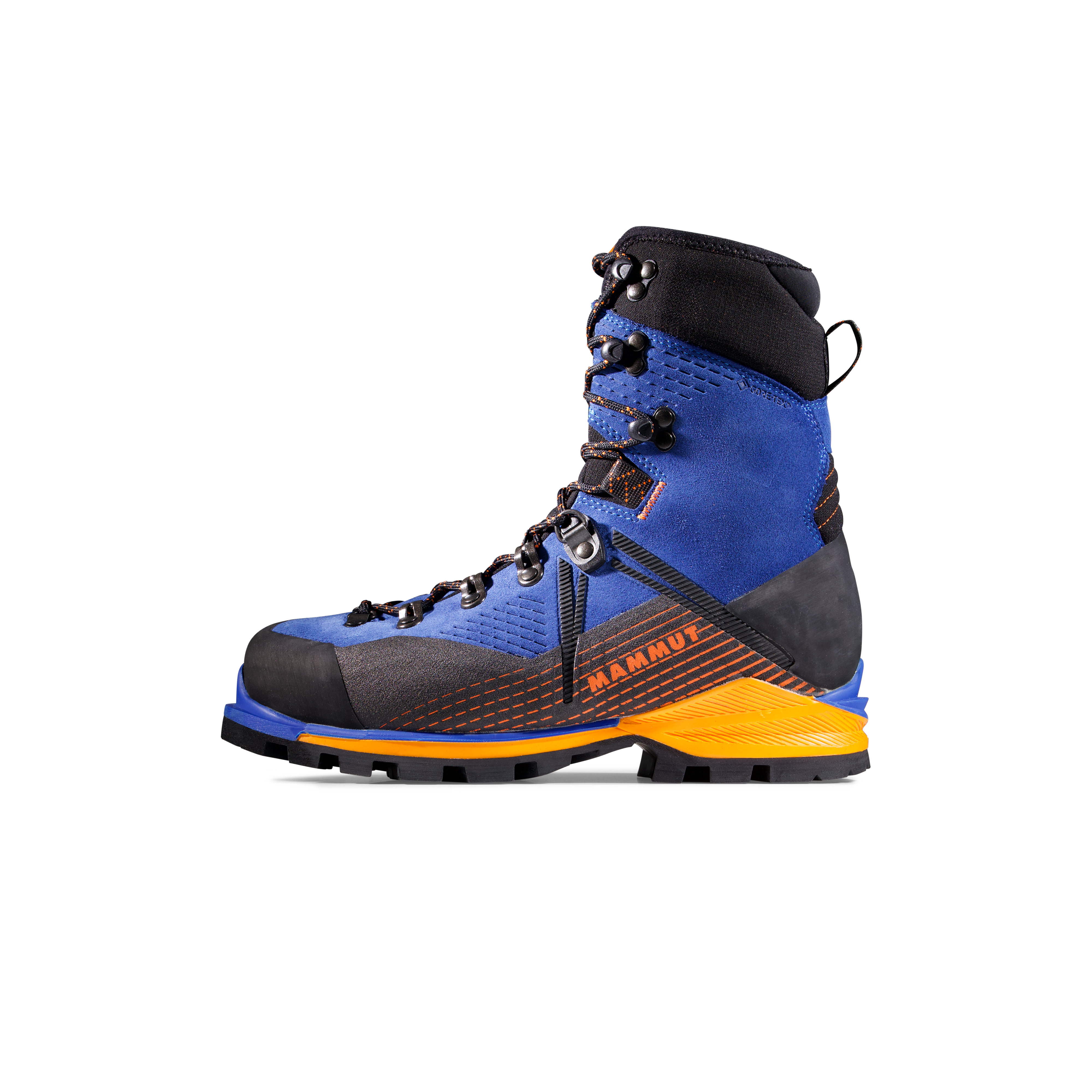
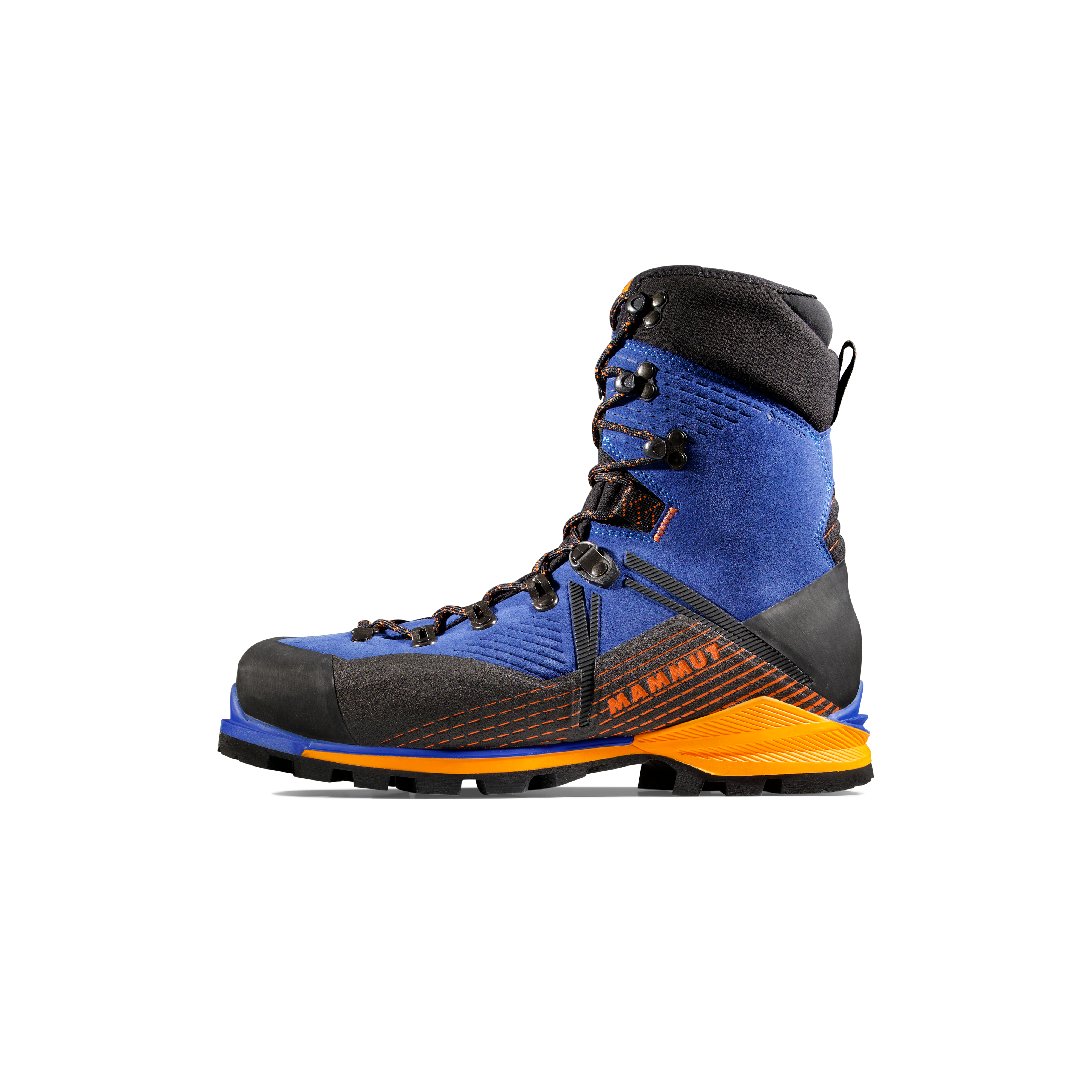
Crampon Compatibility Starts With the Boot
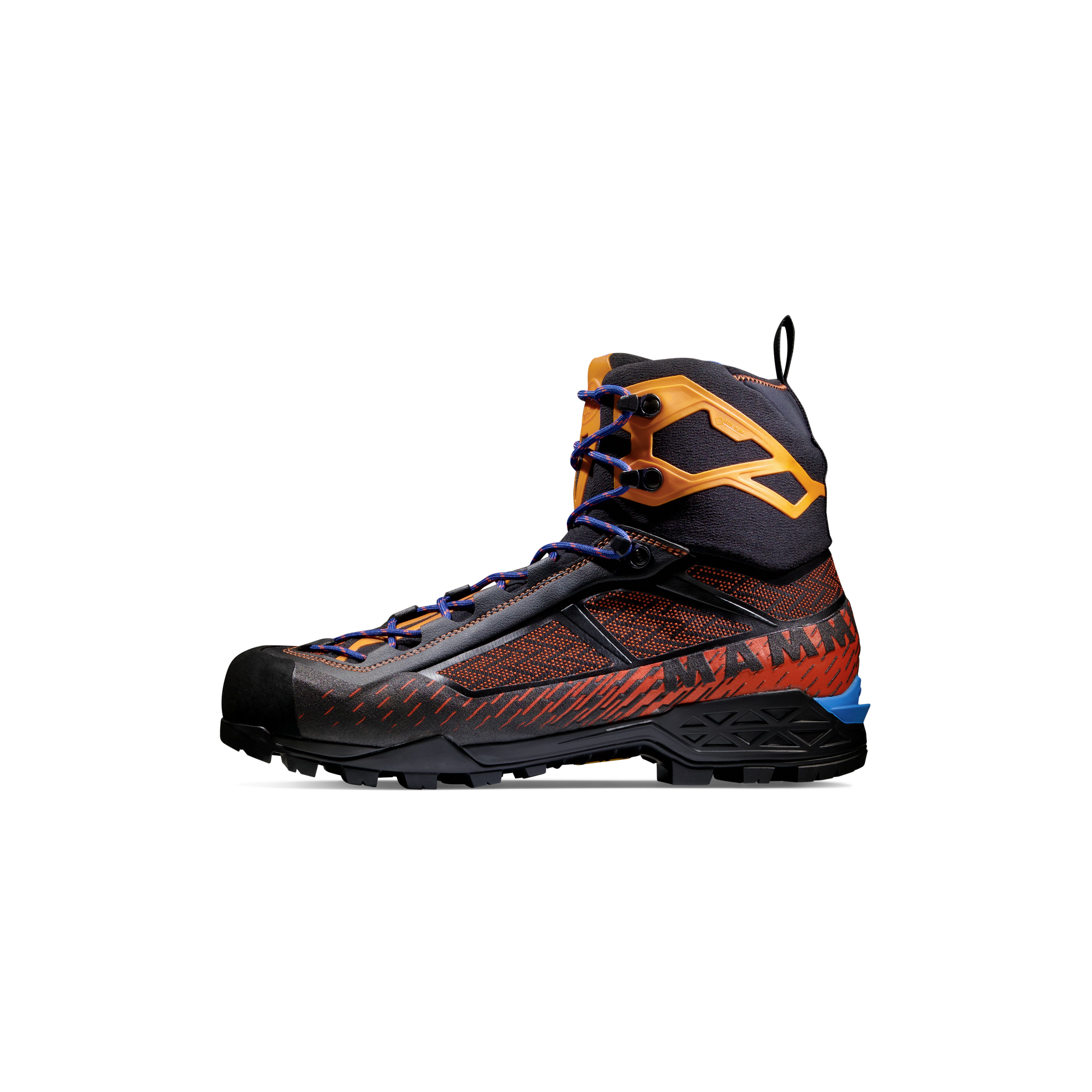
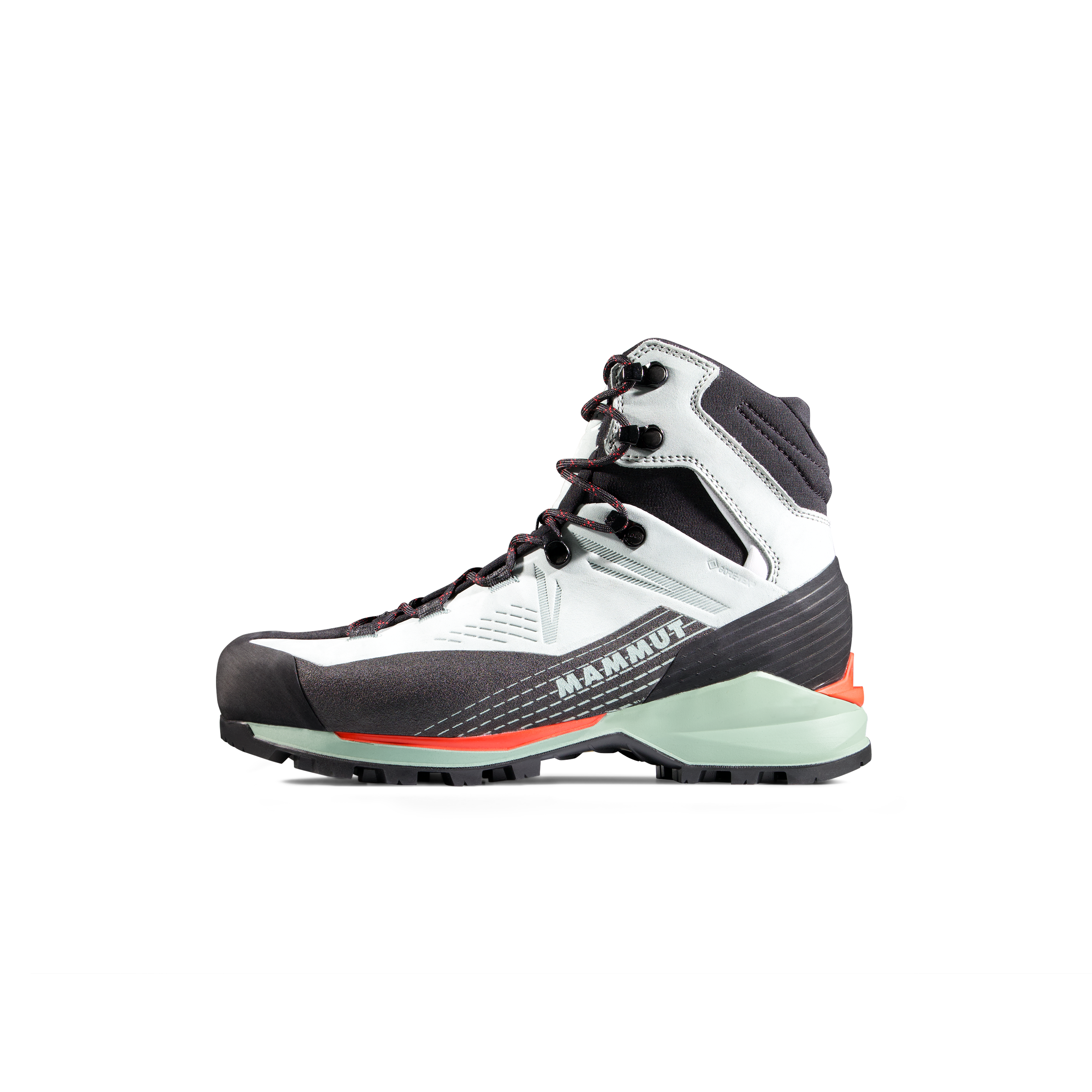
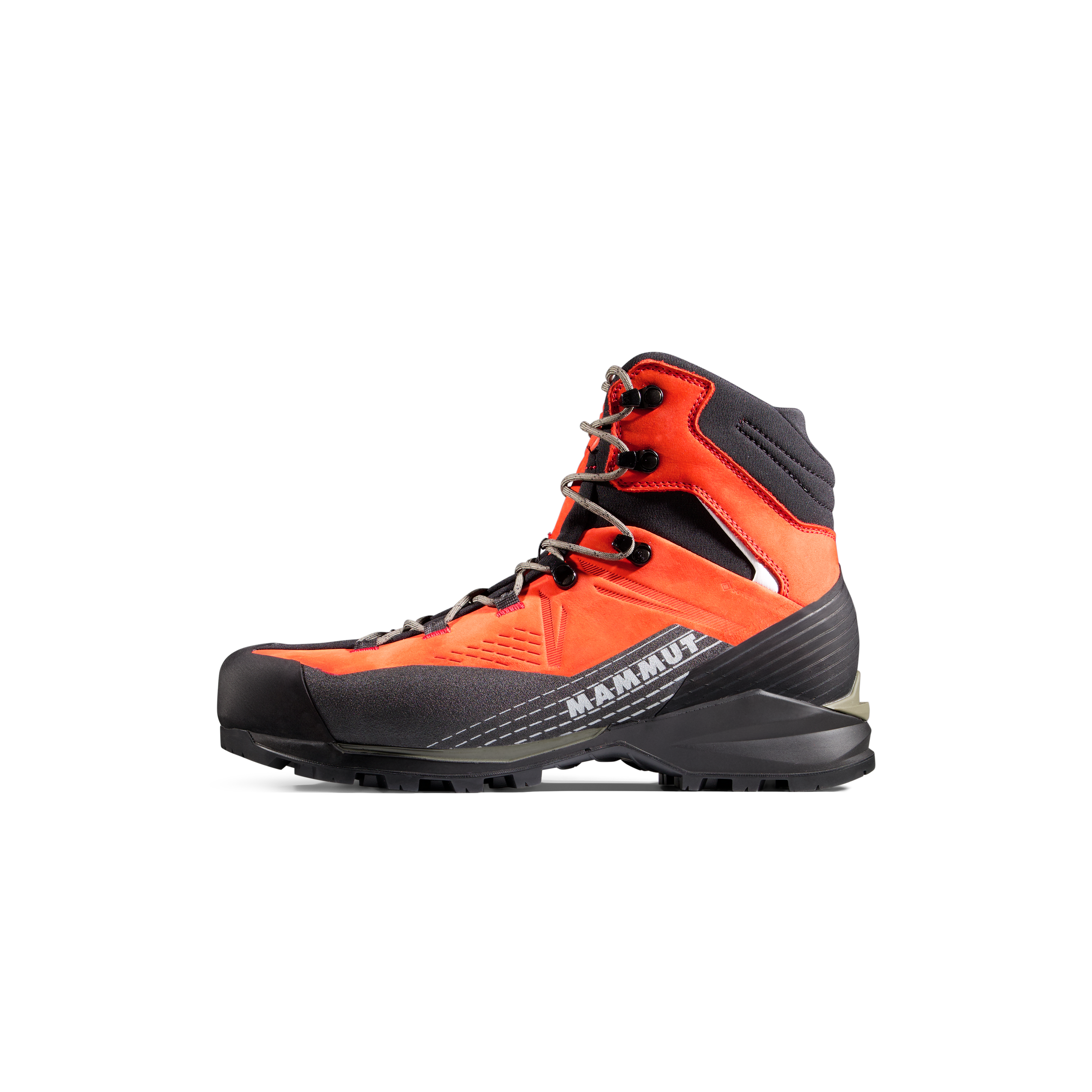
Mammut’s current mountaineering footwear includes technical and fully crampon-compatible models. This secondary partner module belongs here because the safest crampon purchase starts with the exact boot rather than the crampon brand.
Mammut crampon-compatible boots

Physically Test the Exact Boot + Crampon Combination.
- Adjust each crampon separately. Boot lengths can differ slightly.
- Seat the heel and toe system completely. Check the lever and bail, not just the center bar.
- Check all directions. Try to shift the crampon lengthwise, laterally and vertically.
- Confirm the anti-balling plates. They should be intact and installed correctly.
- Walk before climbing. Test on safe snow and moderate terrain before technical use.
- Recheck after transport. Center bars and binding adjustments can move in a gear bag.
Dry Them, Inspect Them and Sharpen With Control.
Rinse off salt and grit when necessary, dry crampons before storage and inspect the frame, center bar, binding hardware, straps and anti-balling plates before every major objective.
Points should be sharp enough to penetrate hard snow and ice, but aggressive grinder use can overheat the metal or remove unnecessary material. Follow the manufacturer’s maintenance guidance and use a hand file when appropriate.
Aluminum points need more conservative treatment because there is less material to sacrifice. If the frame is cracked, deformed or the binding cannot hold securely, retire or replace the affected component.

How This Crampon Guide Is Built
This page consolidates the commercial crampon-comparison intent while the separate how-to pages handle technique and broader selection education.
Current source verification without non-affiliate outbound links
Global Summit Guide rechecked the current Petzl crampon line in September 2026, including VASAK, IRVIS HYBRID and LYNX, and verified the current Black Diamond Sabretooth construction and binding variants. The Grivel G12 LT, G10 LT and G20+ LT lineup was preserved from the latest Global Summit Guide manufacturer-verification pass.
Primary technical references reviewed include Petzl’s current crampon catalog, Black Diamond’s current Sabretooth specifications, Grivel’s current crampon line, UIAA 153 / EN 893 safety-standard references and Mammut’s current crampon-compatibility guidance. These source names are shown for transparency but are not linked because outbound commercial links on this page are reserved for Global Summit Guide affiliate partners.
Best Mountaineering Crampons FAQ
What are the best mountaineering crampons for most climbers?
For classic mountaineering, start with a durable steel all-round crampon with horizontal front points, provided it fits your exact boot. Grivel G12 LT, Petzl VASAK and Black Diamond Sabretooth represent this category.
Are C1, C2 and C3 official UIAA crampon ratings?
No. They are widely used compatibility shorthand rather than an official UIAA crampon certification. UIAA 153 and EN 893 are crampon safety standards. Exact boot-crampon fit still needs to be verified.
Are steel or aluminum crampons better?
Steel is usually better for repeated mountaineering and terrain that includes hard ice or rock. Aluminum saves weight for snow-focused approaches and ski touring but wears faster on rock.
Do I need 10-point or 12-point crampons?
Ten-point designs are often sufficient for glacier travel and lower-angle snow. Twelve-point steel crampons are common for classic mountaineering because the extra secondary points give a broader technical platform.
Are automatic crampons safer than strap-on crampons?
Not automatically. The safest system is the one designed for the boot and terrain, adjusted correctly and physically tested. Automatic crampons require the correct toe and heel welts.
When should I choose mono-point crampons?
Mono-points are specialized for steep technical ice and mixed climbing where precise front-point placements matter. They are not the default choice for glacier travel or general snow climbing.
Do crampons need anti-balling plates?
For snow travel, anti-balling plates are an important part of the system because snow buildup under a crampon can reduce point penetration and create a dangerous platform under the foot.
Build the Complete Snow-and-Ice System
Mountaineering & Hiking Gear Guide
Place crampons inside the complete equipment system.
Decision guideHow to Choose Mountaineering Crampons
Go deeper on steel, aluminum, binding and compatibility decisions.
Boot interfaceHow to Choose Mountaineering Boots
Start the crampon decision with the exact boot.
Traction decisionMicrospikes vs Crampons
Know when lighter trail traction is enough.
Snow toolsMountaineering Ice Axe Guide
Pair crampons with the correct axe for the terrain.
Snow-travel systemSnow Travel Gear
Compare traction, gaiters, poles and axes together.
Deep recoveryGlacier Travel Basics
Understand the terrain where crampons become part of a larger rope-team system.
Deep recoveryHow to Use Crampons
Move from buying the hardware to using it correctly.
Deep recoveryIce Axe Self-Arrest
Connect traction choices to the skills required on steep snow.
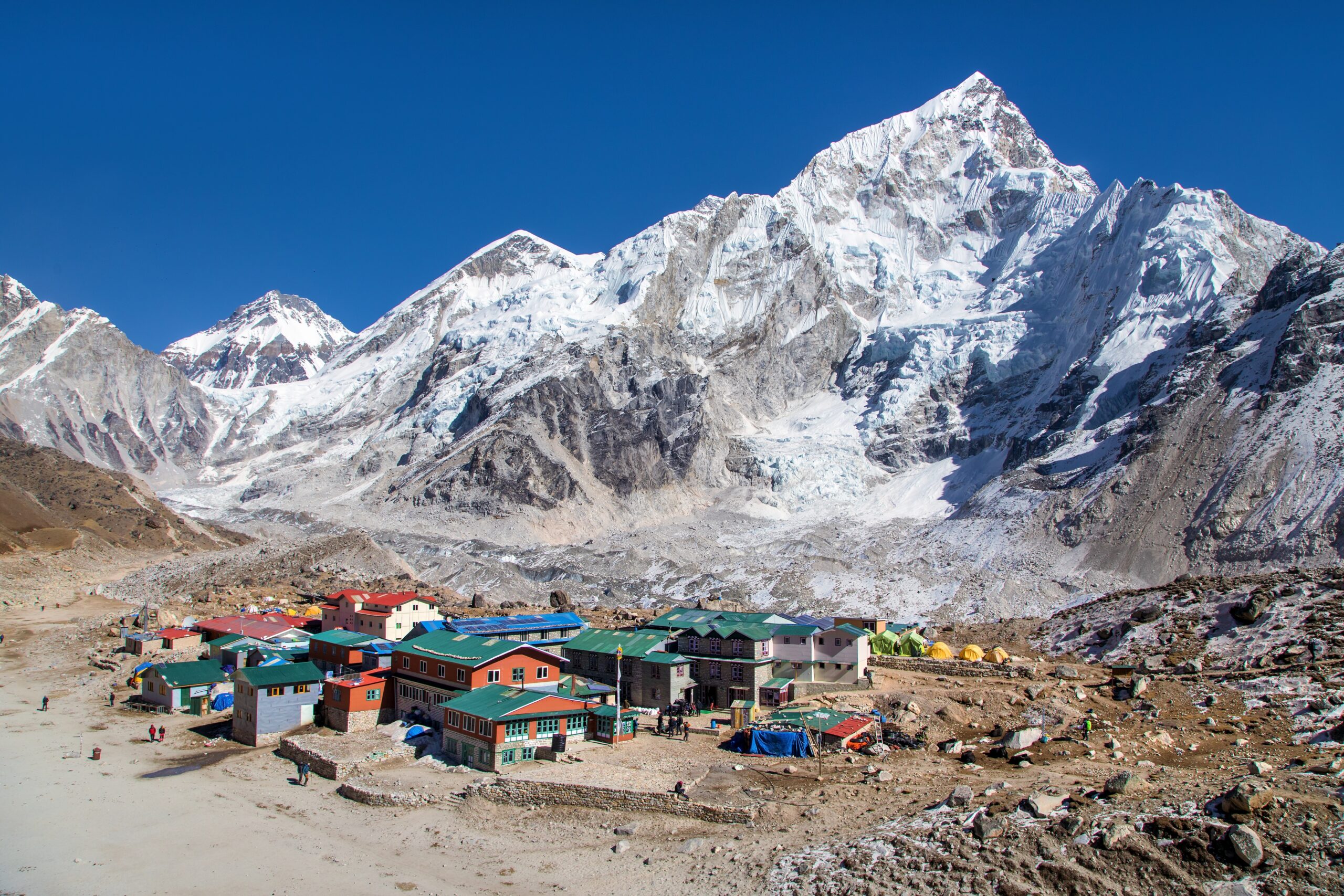
Fit the Boot First. Match the Terrain Second. Buy the Crampon Third.
The safest purchase is not the most aggressive crampon. It is the model whose binding fits your boot securely and whose material and point geometry match the terrain you actually climb.
Was this helpful?
🏔Related gear guides
🧭Explore & compare
Global Summit Guide is an independent mountaineering resource founded in 2026. The team combines first-hand trekking and climbing experience with in-depth research and professional health and nutrition review to help climbers choose objectives, prepare properly, and stay safe.
Health, altitude, and nutrition content is reviewed by Taylor Ludlow (Registered Nurse) and Brigg Hoopes (Nutritionist).
What We Don't Know Yet
Mountain information changes quickly. This box explains the limits of what this page can responsibly promise.
- Gear requirements can change by season, route variation, weather window, personal cold tolerance, and guide-service requirements.
- Comparisons simplify complex decisions; the better mountain depends on current conditions, skills, timing, budget, and risk tolerance.
- Visa, passport, vaccination, border, insurance, and local transportation rules may change before your trip.
Verify current conditions with official land managers, guide services, local forecasts, and current route reports before booking or climbing.
Mountaineering, rock and ice climbing, glacier travel, and high-altitude activity are inherently dangerous and can result in serious injury or death. The information on Global Summit Guide is provided for general informational and educational purposes only and is not a substitute for professional instruction, qualified guiding, proper equipment, or your own judgment and experience.
Route conditions, weather, snowpack, permits, regulations, and hazards change constantly and may differ from what is described here. Details may be incomplete, out of date, or contain errors. Always verify current information with local authorities, certified guides, and official sources before making any decision in the mountains.
Nothing on this site is medical, legal, or financial advice. Our fitness, acclimatization, altitude, and nutrition content is general in nature; consult a qualified physician before beginning any strenuous exercise program or exposing yourself to high altitude.
You are solely responsible for your own safety and decisions. To the fullest extent permitted by law, Global Summit Guide and its team accept no liability for any loss, injury, damage, or expense arising from use of, or reliance on, this information. By using this site you acknowledge these risks and accept these terms.
Some links on this site may be affiliate links. If you buy through them we may earn a small commission at no extra cost to you; this never affects our recommendations.
Global Summit Guide recommendation path
Next Best Mountain to Research
Use these recommendations to continue the right planning path instead of stopping on one page.
Use current permit, weather, route, and operator information before booking or climbing.
Explore Travel Options for Your Destination
Once your mountain, dates and route are taking shape, compare flights, hotels and other travel options that fit the trip.
Affiliate link. We may earn a commission at no additional cost to you.