
Last updated September 29, 2026
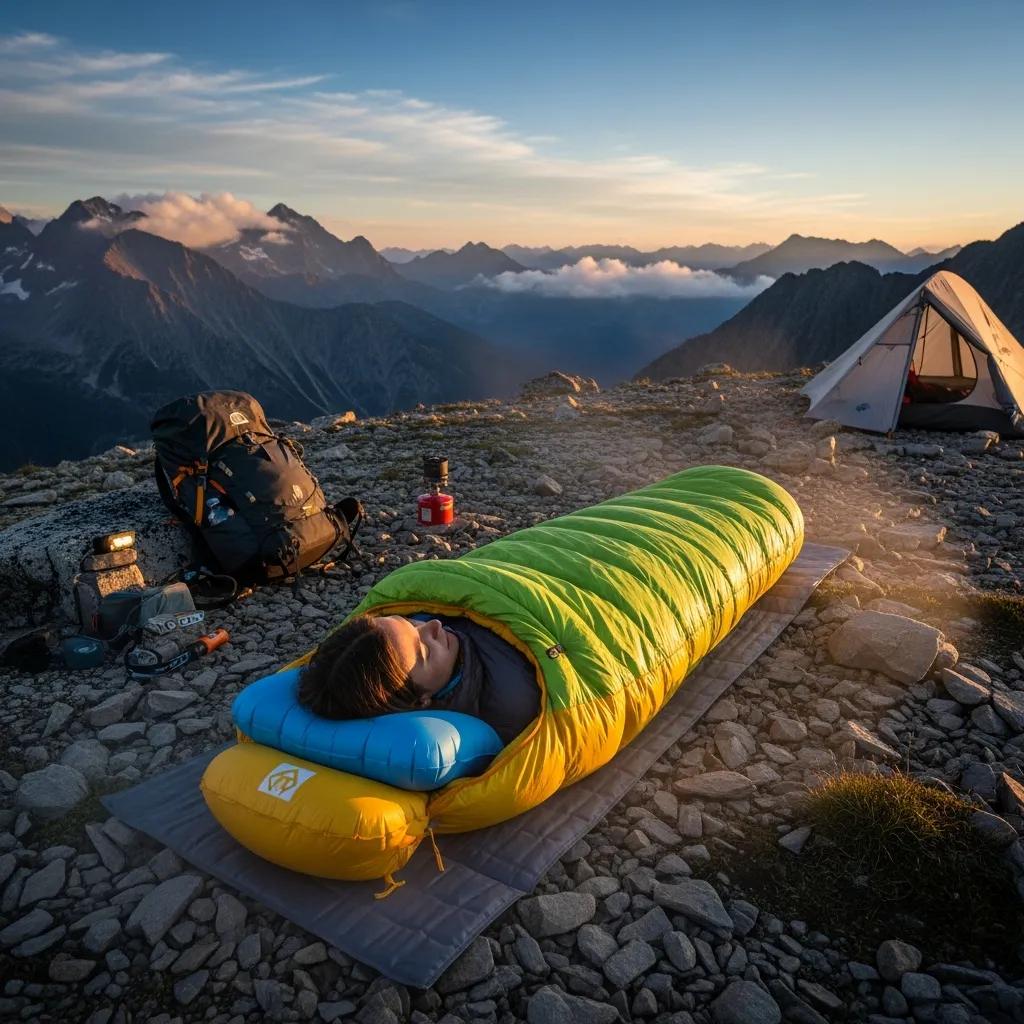
Best Sleeping Bags for High Altitude Camping 2026
Choose a sleeping bag from the coldest realistic camp temperature, the rating type and the complete sleep system—not from summit elevation alone. This guide consolidates the product comparison, expedition-bag selection framework and temperature-rating guidance into one buyer page.
Buy for the Coldest Realistic Overnight Camp Temperature—Then Build the Bag Into a Complete Sleep System.
A high summit does not automatically require a -40°F bag, and a lower mountain is not automatically warm. Latitude, season, camp elevation, storm exposure, trip duration and local climate can matter as much as the mountain’s headline altitude.
Where standardized ISO or EN ratings are available, compare the same rating type across bags. Do not compare one brand’s proprietary “-40°F” expedition label directly with another model’s ISO Lower Limit as though they are identical measurements. Deep-cold expedition bags often sit outside the range where ISO 23537 provides a universal comparison.
The bag is only one layer of the system. The sleeping pad limits heat loss to the ground, the tent manages wind and precipitation, clothing can add margin, and moisture accumulated over several nights can reduce real-world performance.
7 Sleeping Bags Worth Comparing for High-Altitude & Expedition Use
The list runs from lightweight 0°F alpine bags to -40°F expedition models. It is organized by use case rather than a fake universal ranking because temperature rating systems, weight, volume and expedition conditions differ.
Western Mountaineering Bison GWS
A deep-cold expedition mummy built around 850+ fill-power goose down, very high loft and a weather-resistant shell.
- Published rating: -40°F / -40°C
- 6’0″ version: 42 oz down, 4 lb 10 oz total
- Best match: extreme expedition cold
Rab Expedition 1400
Rab’s deepest-cold expedition bag uses 1400 g of 850FP hydrophobic goose down in a roomy expedition cut.
- Rab sleep limit: -40°F / -40°C
- Published weight: 2070 g / 73 oz
- Best match: 8000m and polar systems
Feathered Friends Snow Goose ES -40
A high-volume expedition mummy designed to allow more room for insulated clothing inside the bag.
- Manufacturer rating: -40°F / -40°C
- 900+ fill-power goose down
- Regular average weight: about 4 lb 0.6 oz
Feathered Friends Ptarmigan ES -25
A narrower expedition bag than the Snow Goose, balancing deep-cold warmth with lower carried weight.
- Manufacturer rating: -25°F / -31.7°C
- 900+ fill-power goose down
- Availability can vary seasonally
Rab Expedition 1000
A lighter expedition option using 1000 g of 850FP hydrophobic goose down and a roomy expedition mummy cut.
- Rab sleep limit: about -20°F / -30°C
- Published line is built for expedition use
- Best match: cold trips below the -40 class
NEMO Sonic -20
A tuneable big-mountain bag with 800FP hydrophobic down and Thermo Gill vents designed to widen the usable temperature range.
- Published -20°F version
- 800FP RDS hydrophobic down
- Best match: winter camping + mountaineering
Mountain Hardwear Phantom 0
A much lighter alpine and backpacking option than the expedition bags above, using 800-fill down and a very light shell.
- Published 0°F / -18°C model
- 800-fill RDS goose down
- Not a substitute for -25°F or -40°F expedition bags
Editorial note: Global Summit Guide does not claim hands-on testing of every bag above. Specifications and rating language were cross-checked against current manufacturer materials in September 2026. Temperature labels from different testing systems are not automatically interchangeable.
| Sleeping bag | Published temperature | Fill | Best use | Main trade-off |
|---|---|---|---|---|
| Western Mountaineering Bison GWS | -40°F manufacturer rating | 850+ FP goose down | Extreme expedition cold | Bulk + cost |
| Rab Expedition 1400 | -40°F Rab sleep limit | 850FP hydrophobic down | 8000m / polar | Weight + packed volume |
| FF Snow Goose ES -40 | -40°F manufacturer rating | 900+ FP goose down | Roomy extreme-cold system | Large packed volume |
| FF Ptarmigan ES -25 | -25°F manufacturer rating | 900+ FP goose down | Denali-class cold | Seasonal availability |
| Rab Expedition 1000 | About -20°F / -30°C Rab sleep limit | 850FP hydrophobic down | Cold expeditions | Less margin than -40 systems |
| NEMO Sonic -20 | -20°F model | 800FP hydrophobic down | Winter mountaineering | Heavier than light alpine bags |
| Mountain Hardwear Phantom 0 | 0°F / -18°C model | 800-fill down | Alpine / winter backpacking | Not deep-expedition warmth |
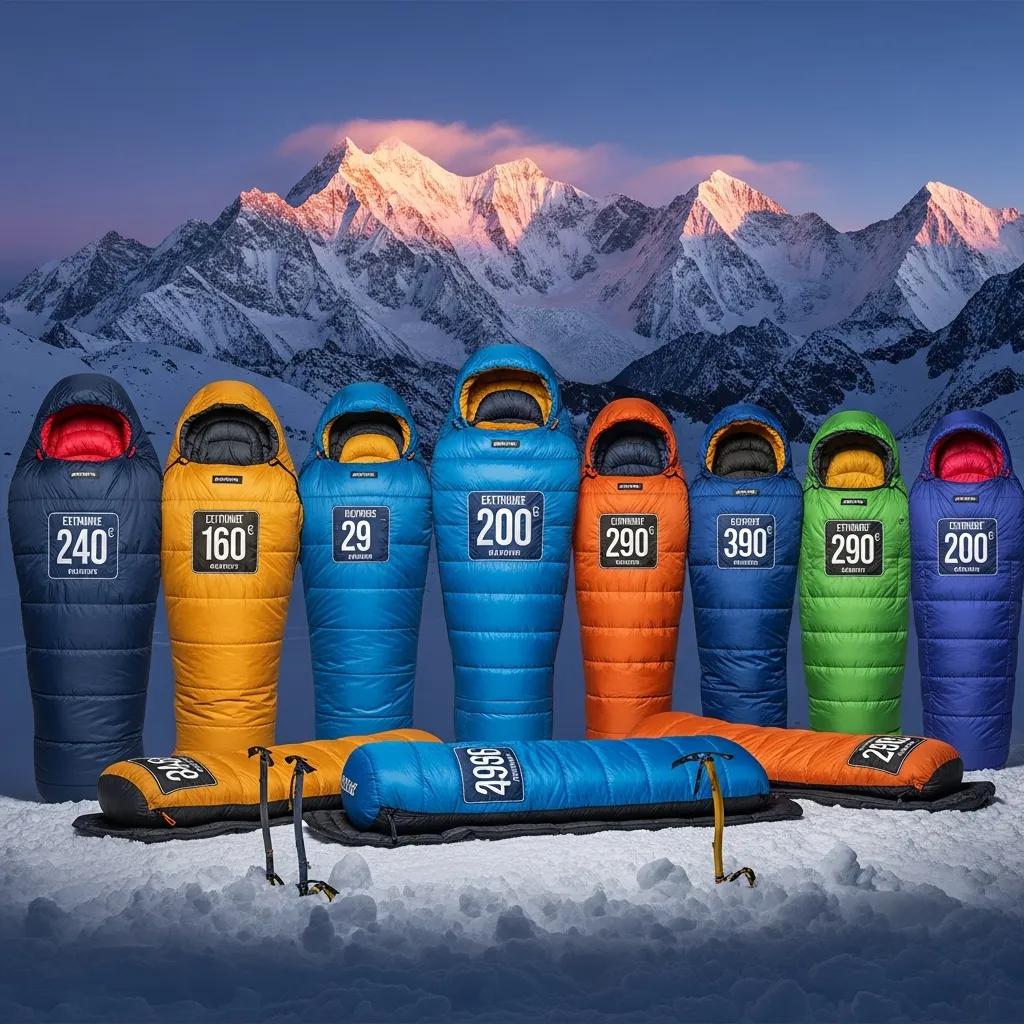
Comfort, Lower Limit & Extreme Do Not Mean the Same Thing.
Standardized sleeping-bag testing is useful only when you compare the same metric. Comfort is the more conservative reference point. Lower Limit represents a different test condition and is not a promise of comfortable sleep. Extreme is a survival-oriented number and should never be your planning target.
There is another complication at expedition temperatures: ISO 23537-1:2022 applies to adult sleeping bags designed for limit temperatures of -20°C and higher. Many -25°F and -40°F expedition bags therefore rely on manufacturer-specific rating systems rather than a universal ISO comparison.
The Sleeping Bag Is Only One Layer Between You and the Cold.
A warm bag cannot compensate indefinitely for an inadequate pad, wet insulation, a poor shelter setup or a sleep system that is too tight to loft properly.
Controls loft around the body
Down quantity, baffle design, hood, draft collar and fit determine how much insulation can loft around you.
Controls conductive loss to the ground
The warmest bag can still feel cold on an under-insulated sleeping pad. Choose R-value for the ground conditions and season.
Controls wind, snow and condensation
A strong four-season shelter protects the sleep system from wind loading and precipitation while ventilation manages moisture.
Adds margin only if the bag still lofts
Dry base layers, socks and expedition insulation can extend comfort, but overfilling a tight bag can compress down and reduce loft.
Builds across long expeditions
Breath, sweat and tent condensation can migrate into insulation night after night, making drying strategy part of the warmth plan.
No two sleepers are identical
Fatigue, calorie intake, hydration, circulation, illness and individual cold tolerance all affect real-world warmth.
Higher Fill Power Does Not Automatically Mean a Warmer Bag.
Fill power describes how much loft a given weight of down can produce. Higher fill power can make a bag lighter and more compressible for a target warmth level.
Fill weight tells you how much down is actually inside the bag. A 900-fill bag with too little down can be colder than an 800-fill bag with substantially more insulation. Baffle design, cut and draft control also matter.
For deep-cold expeditions, compare the whole specification: temperature-rating method, fill power, fill weight, total weight, shell, internal volume, hood and draft collar.
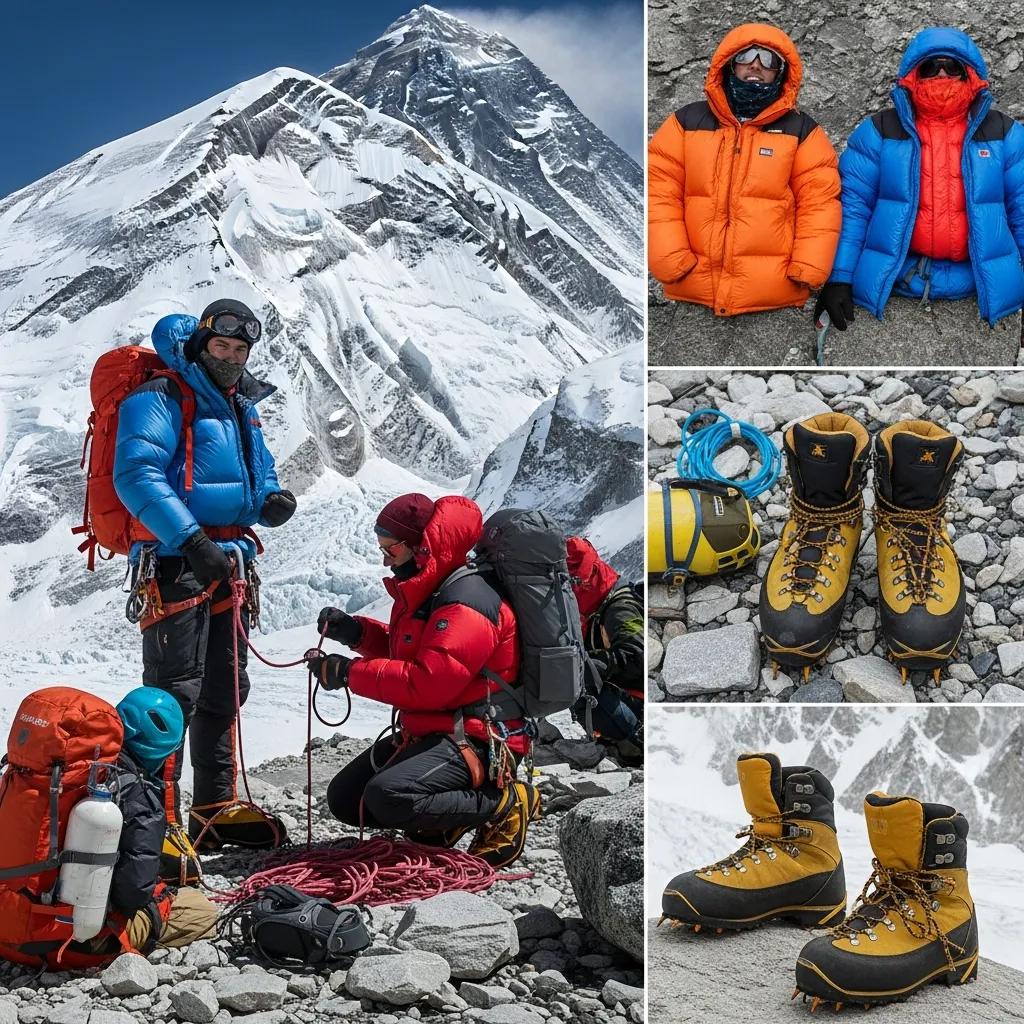
Down Wins on Warmth-to-Weight. Synthetic Wins When Moisture Risk Dominates.
Most premium expedition bags are down because weight and packed volume matter enormously at altitude. Synthetic insulation still has a real role in damp environments and lower-cost systems.
Best warmth-to-weight
High-fill-power down is lighter, more compressible and can last many years when kept clean and dry.
More forgiving when wet
Synthetic insulation keeps more useful loft when damp, dries faster and usually costs less, but it is bulkier for the same warmth.
Useful but not waterproof
Treated down can improve moisture resistance, but it does not remove the need for a dry shelter, ventilation and careful packing.
Deep-Cold Bags Need More Than Extra Down.
At -20°F to -40°F, draft control, hood design, internal volume, shell moisture resistance and the ability to sleep in expedition clothing become major parts of the decision.
Close the head and neck gap
A deep, well-shaped hood and face opening reduce heat loss without forcing the sleeper to bury the mouth inside the bag.
Stop warm air pumping out
Expedition collars and zipper draft tubes matter more as temperature differentials grow.
Enough room for clothing—without dead space
Deep-cold bags often allow more room for insulated layers, water bottles or boot liners, but excess internal volume also has to be warmed.
Manage frost and tent condensation
More weather-resistant shells can help protect the down while still allowing moisture to escape.
Protect a high-risk cold zone
A well-insulated footbox and enough room to avoid compressing loft are especially important on long expeditions.
Think beyond one night
Zippers, shell fabric and baffle integrity matter more when a sleeping bag must work for weeks far from replacement gear.
Current Sleeping Bags Through Backcountry
The live product grid pulls from the Global Summit Guide gear catalog. Inventory and pricing change, so use the temperature and sleep-system framework above before comparing what is in stock today.
Shop Current Sleeping Bags
Compare the published temperature metric, fill, weight and intended use before buying. Do not select from a single headline temperature number.
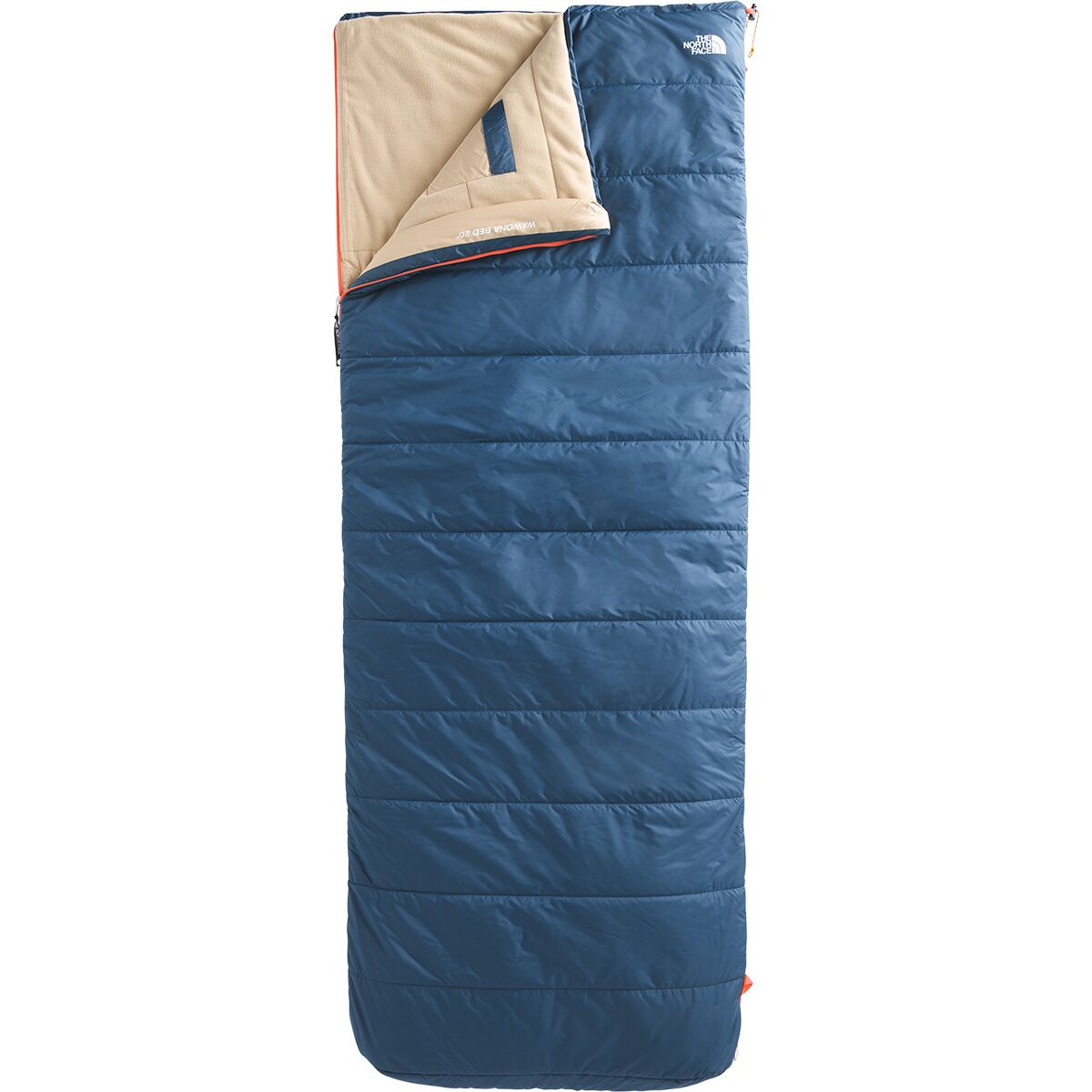
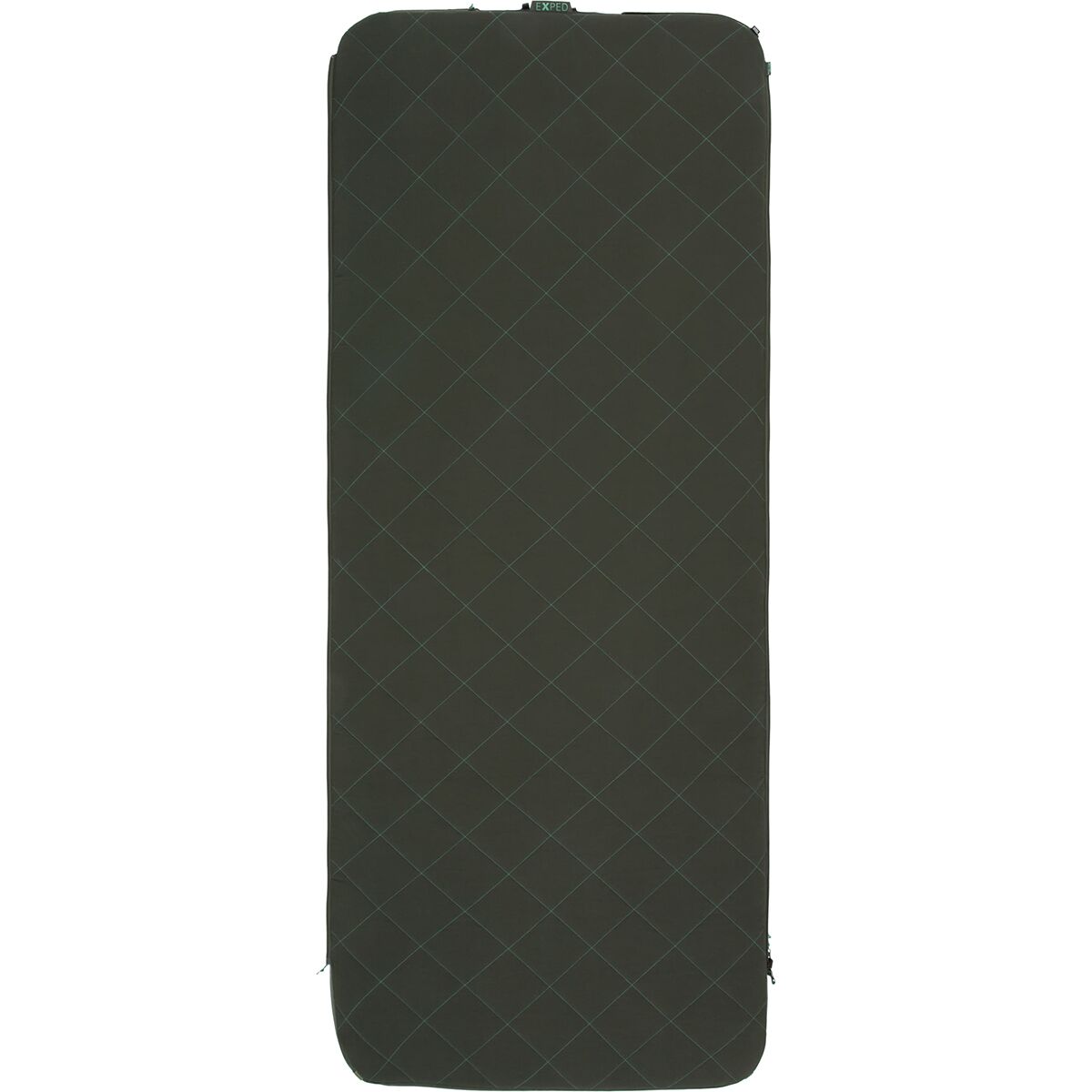
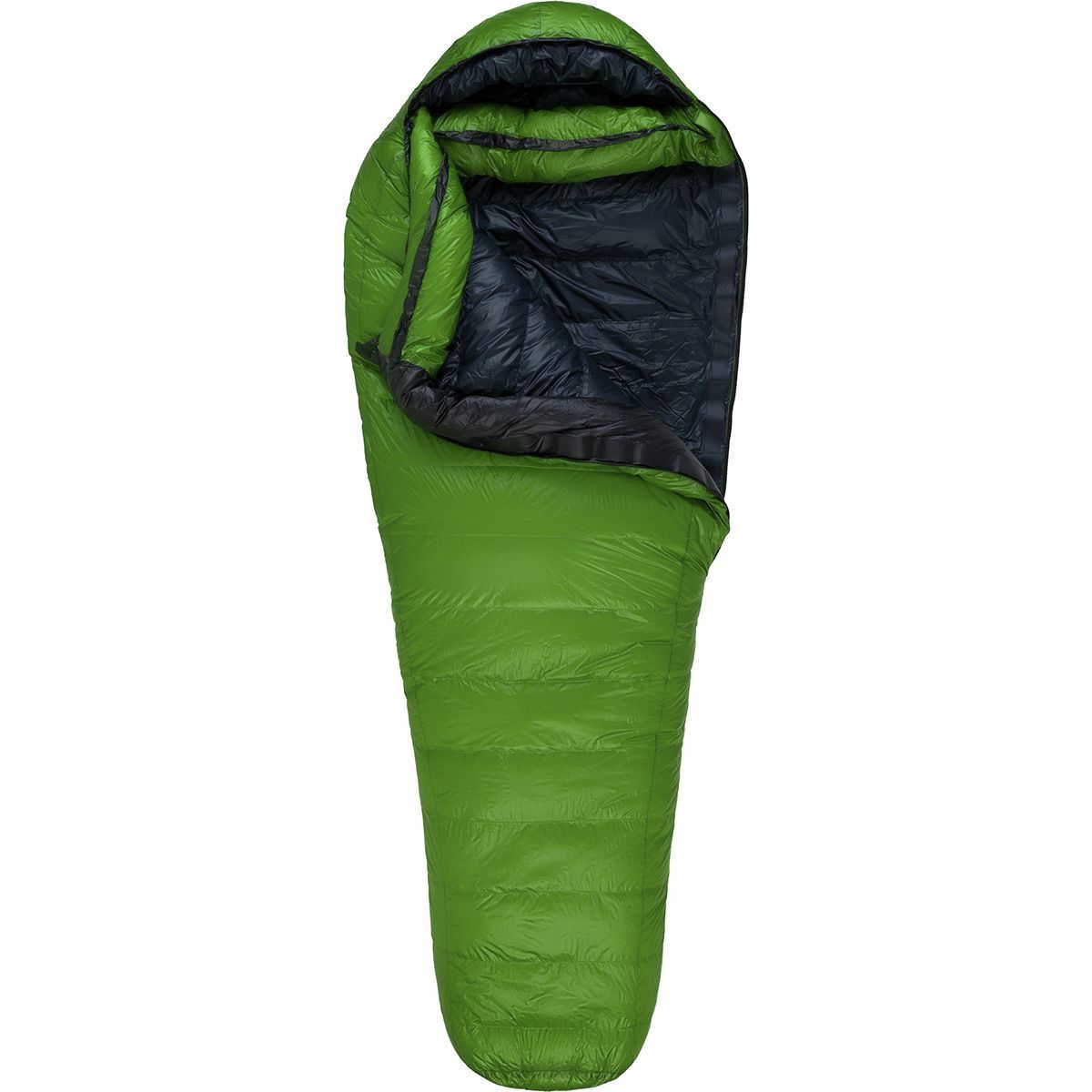
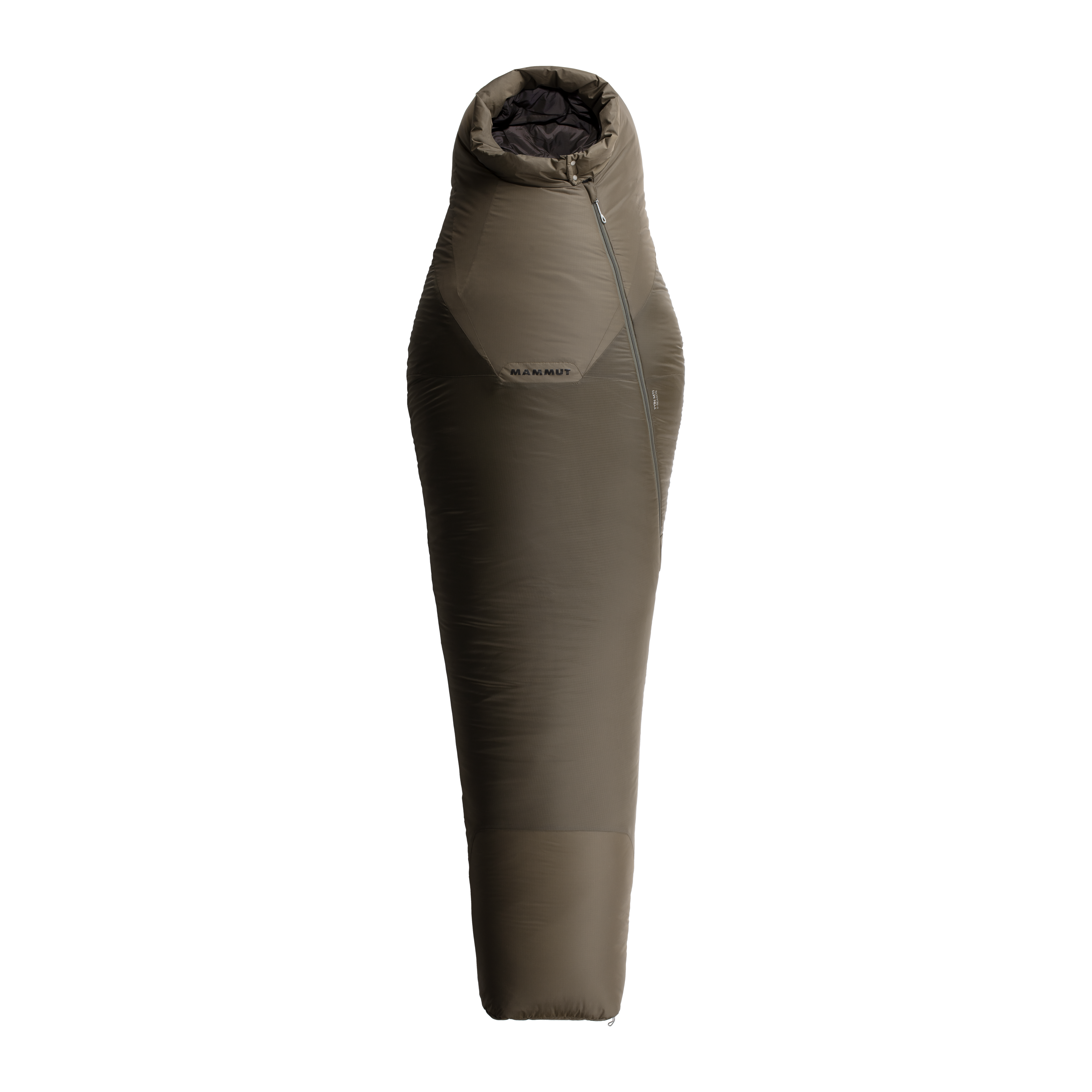
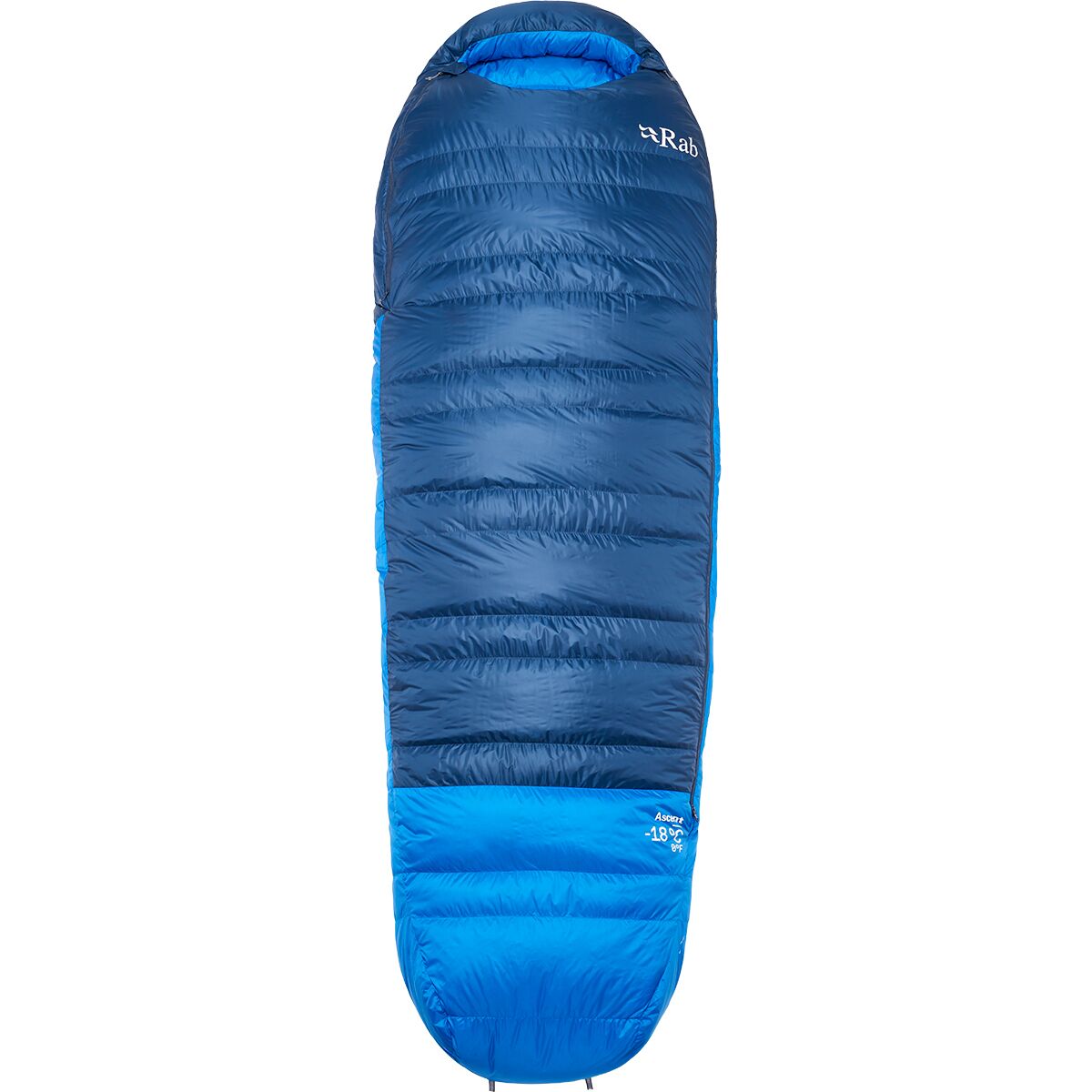
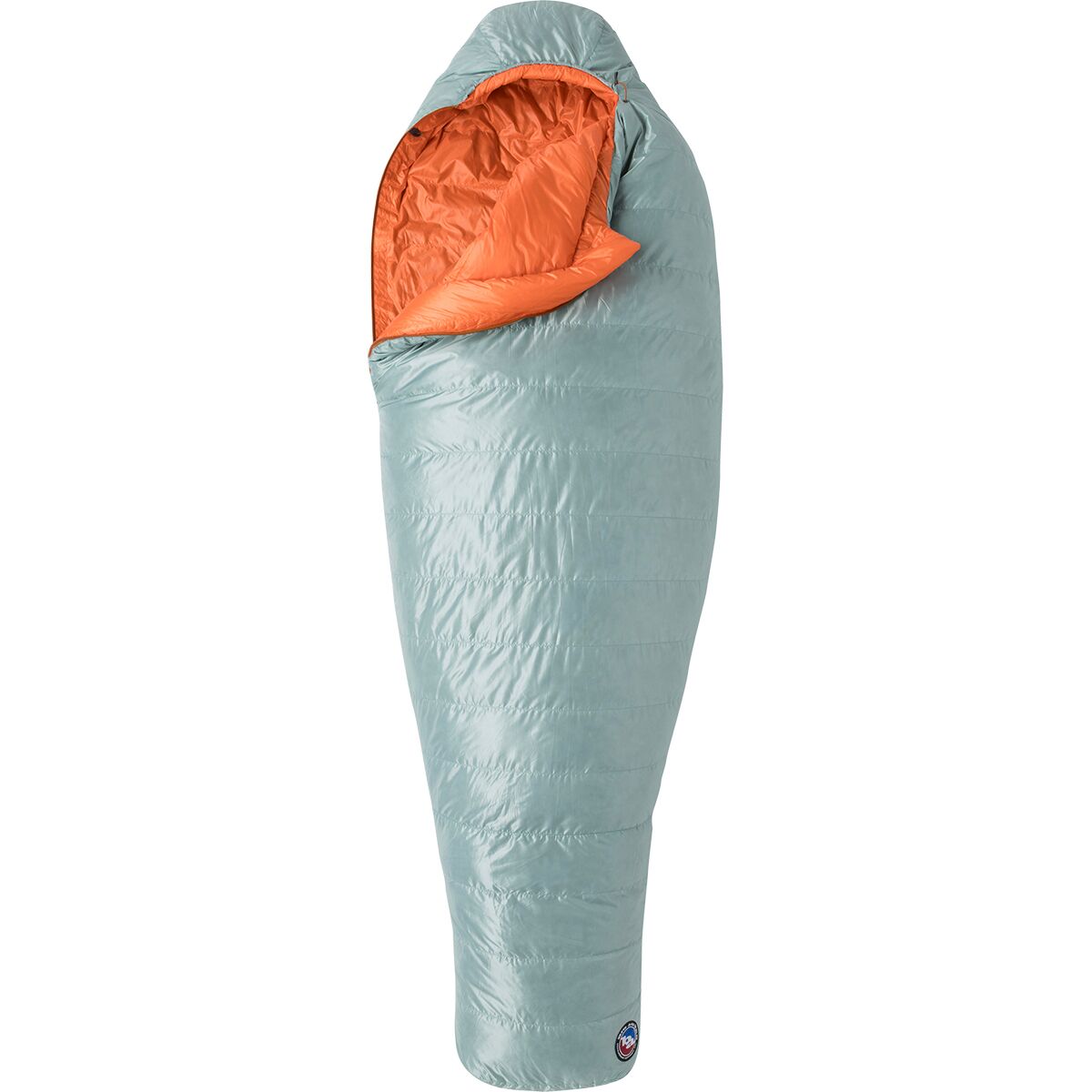
- The North FaceThe North Face Wawona Bed Sleeping Bag: 20F SyntheticFrom $150
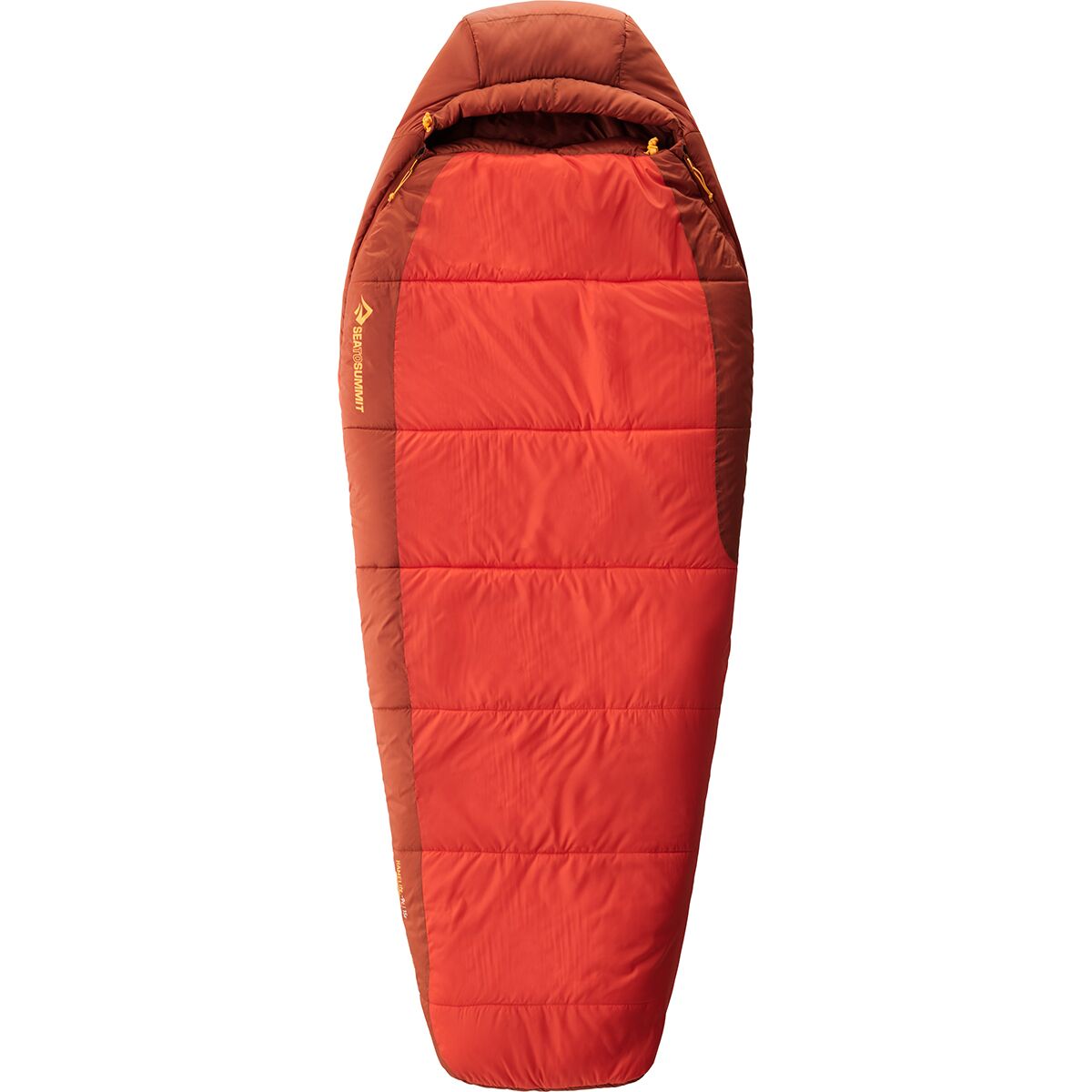
$160Check price at Back Country (opens in a new tab) - Sea To SummitSea To Summit Hamelin Sleeping Bag: 15F Syntehtic – Women'sFrom $196
$206Check price at Back Country (opens in a new tab) - Western MountaineeringWestern Mountaineering Versalite Sleeping Bag: 10F DownFrom $793Check price at Back Country (opens in a new tab)
- Big AgnesBig Agnes Greystone 20 600 DownTek Sleeping Bag – Women'sFrom $299.95
$319.95Check price at Back Country (opens in a new tab)
Do Not Chase Low Weight Below the Warmth Your Objective Requires.
For fast alpine objectives, every ounce matters. On deep-cold expeditions, warmth margin and moisture management can matter more than a smaller stuff sack.
Higher fill-power down helps reduce weight and packed size, but the deepest-cold bags remain large because they require a great deal of insulation and enough internal volume for expedition clothing.
Pack the bag in a waterproof liner or dry bag during travel. At camp, allow it to loft as early as possible instead of leaving it compressed until bedtime.
Keep the Loft Dry, Clean and Uncompressed Between Trips.
High-altitude sleeping bags are expensive because high-quality insulation, lightweight shells and expedition construction are expensive. Care protects both warmth and lifespan.
Vent moisture when conditions allow
Air the bag in sun or dry wind when safe, protect it from tent-wall condensation and keep wet clothing away from the insulation.
Dry completely before storage
Never store a damp sleeping bag compressed. Follow the manufacturer’s cleaning instructions for down or synthetic insulation.
Store loose
Use a large breathable storage sack or hang the bag where loft is not continuously compressed.
How This Sleeping Bag Guide Is Built
This rebuild consolidates the buyer roundup with the strongest temperature-rating, fill, pad-integration and expedition-selection material from the site’s overlapping sleeping-bag pages.
Current manufacturer specifications, no fabricated testing
Global Summit Guide rechecked current manufacturer information in September 2026 for the Western Mountaineering Bison GWS, Rab Expedition 1400 and Expedition 1000, Feathered Friends Snow Goose ES and Ptarmigan ES, NEMO Sonic and Mountain Hardwear Phantom 0.
ISO 23537-1:2022 rating limits and the distinction between standardized and proprietary deep-cold ratings are retained from the site’s sleeping-system research. Manufacturer names and standards are listed for transparency, but this page intentionally does not send readers to non-affiliate retail or manufacturer links.
No invented stars or personal-testing claims: product placement here is a research-based comparison of current specifications, rating systems and use cases.
Best Sleeping Bags for High Altitude FAQ
What temperature rating do I need for high-altitude camping?
Choose from the coldest realistic overnight temperature at the camps where you will sleep, not summit altitude. Then account for rating type, pad, shelter, weather uncertainty, individual cold tolerance and the operator’s current gear requirement.
Should I use Comfort or Lower Limit?
Comfort is the more conservative comparison point for many cold sleepers. Lower Limit is a different test reference and is not a comfort guarantee. Extreme ratings should never be used as a planning target.
Does ISO 23537 cover -40°F expedition bags?
Not as a universal standardized comparison. ISO 23537-1:2022 applies to adult sleeping bags designed for limit temperatures of -20°C and higher, so many deep-cold expedition bags rely on proprietary manufacturer ratings.
Is down or synthetic better for high altitude?
Down usually gives better warmth-to-weight and compressibility. Synthetic insulation is more forgiving when persistently damp. Most premium dry-cold expedition bags use down, but moisture conditions and trip design matter.
Does the sleeping pad matter as much as the bag?
Yes. The bag slows heat loss around the body while the pad limits conductive heat loss into the ground. A very warm bag on an inadequate pad can still feel cold.
What does 900-fill down mean?
Fill power measures loft efficiency, not the total amount of insulation in the bag. Higher fill power can produce more loft per unit weight, but fill weight and construction still determine how much insulation the bag actually contains.
Should I wear a down jacket inside my sleeping bag?
Dry insulated clothing can add useful margin if the sleeping bag has enough room to let both the clothing and bag loft properly. If the system becomes tight enough to compress insulation, the added clothing can be less effective.
Build the Rest of the Expedition Sleep System
Mountaineering & Hiking Gear Guide
Place the sleeping bag inside the complete expedition equipment system.
Cold-weather clothingHigh-Altitude Layering Guide
Coordinate the sleeping system with the clothing you wear in camp and on summit day.
Carry systemExpedition Pack Selection
Make sure a deep-cold sleep system actually fits the load and carry strategy.
Complete kitMountain Climbing Gear List
Connect bag, pad, shelter, clothing and technical hardware.
Final checkPre-Departure Dashboard
Recheck current weather, gear requirements and expedition logistics before travel.
BudgetExpedition Budget Calculator
Model the cost of buying, renting and replacing high-altitude equipment.
ShelterBest Expedition Base Camp Tents
Pair the sleeping system with a shelter built for the same wind, snow and condensation environment.
Gear safetyGear & Safety Hub
Audit the complete cold-weather and technical system instead of treating one item as a safety solution.
WeatherHow to Read Mountain Weather
Translate the forecast into the overnight temperature range your sleep system must handle.
Choose for the Coldest Night You Expect to Sleep Through.
Start with camp temperature. Compare the same rating metric. Match the bag to the pad and shelter. Then confirm the final requirement with the current expedition gear list.
Was this helpful?
🏔Related gear guides
🧭Explore & compare
Global Summit Guide is an independent mountaineering resource founded in 2026. The team combines first-hand trekking and climbing experience with in-depth research and professional health and nutrition review to help climbers choose objectives, prepare properly, and stay safe.
Health, altitude, and nutrition content is reviewed by Taylor Ludlow (Registered Nurse) and Brigg Hoopes (Nutritionist).
What We Don't Know Yet
Mountain information changes quickly. This box explains the limits of what this page can responsibly promise.
- Fitness and altitude response vary by person; no guide, itinerary, or training plan can guarantee acclimatization or summit success.
- Visa, passport, vaccination, border, insurance, and local transportation rules may change before your trip.
- Route conditions, snowpack, closures, and weather can change quickly after this page is updated.
- Permit rules, fees, quotas, and reservation windows may change between review cycles.
- Operator availability, pricing, guide ratios, and cancellation terms can change by season.
Verify current conditions with official land managers, guide services, local forecasts, and current route reports before booking or climbing.
Mountaineering, rock and ice climbing, glacier travel, and high-altitude activity are inherently dangerous and can result in serious injury or death. The information on Global Summit Guide is provided for general informational and educational purposes only and is not a substitute for professional instruction, qualified guiding, proper equipment, or your own judgment and experience.
Route conditions, weather, snowpack, permits, regulations, and hazards change constantly and may differ from what is described here. Details may be incomplete, out of date, or contain errors. Always verify current information with local authorities, certified guides, and official sources before making any decision in the mountains.
Nothing on this site is medical, legal, or financial advice. Our fitness, acclimatization, altitude, and nutrition content is general in nature; consult a qualified physician before beginning any strenuous exercise program or exposing yourself to high altitude.
You are solely responsible for your own safety and decisions. To the fullest extent permitted by law, Global Summit Guide and its team accept no liability for any loss, injury, damage, or expense arising from use of, or reliance on, this information. By using this site you acknowledge these risks and accept these terms.
Some links on this site may be affiliate links. If you buy through them we may earn a small commission at no extra cost to you; this never affects our recommendations.
Global Summit Guide recommendation path
Next Best Mountain to Research
Use these recommendations to continue the right planning path instead of stopping on one page.
Use current permit, weather, route, and operator information before booking or climbing.