
Last updated October 21, 2026
Global Summit Guide · Expedition Updates
Expedition updates for every major mountain range
Find the right climbing season, then go deeper: browse 66 linked mountain update pages across 10 regions, with routes, permits, access and historical expedition reports.
Calendar snapshot: October 20, 2026. Season labels are general planning guidance—not a live route status, live forecast or summit clearance.
Browse the mountainsOctober seasonal snapshot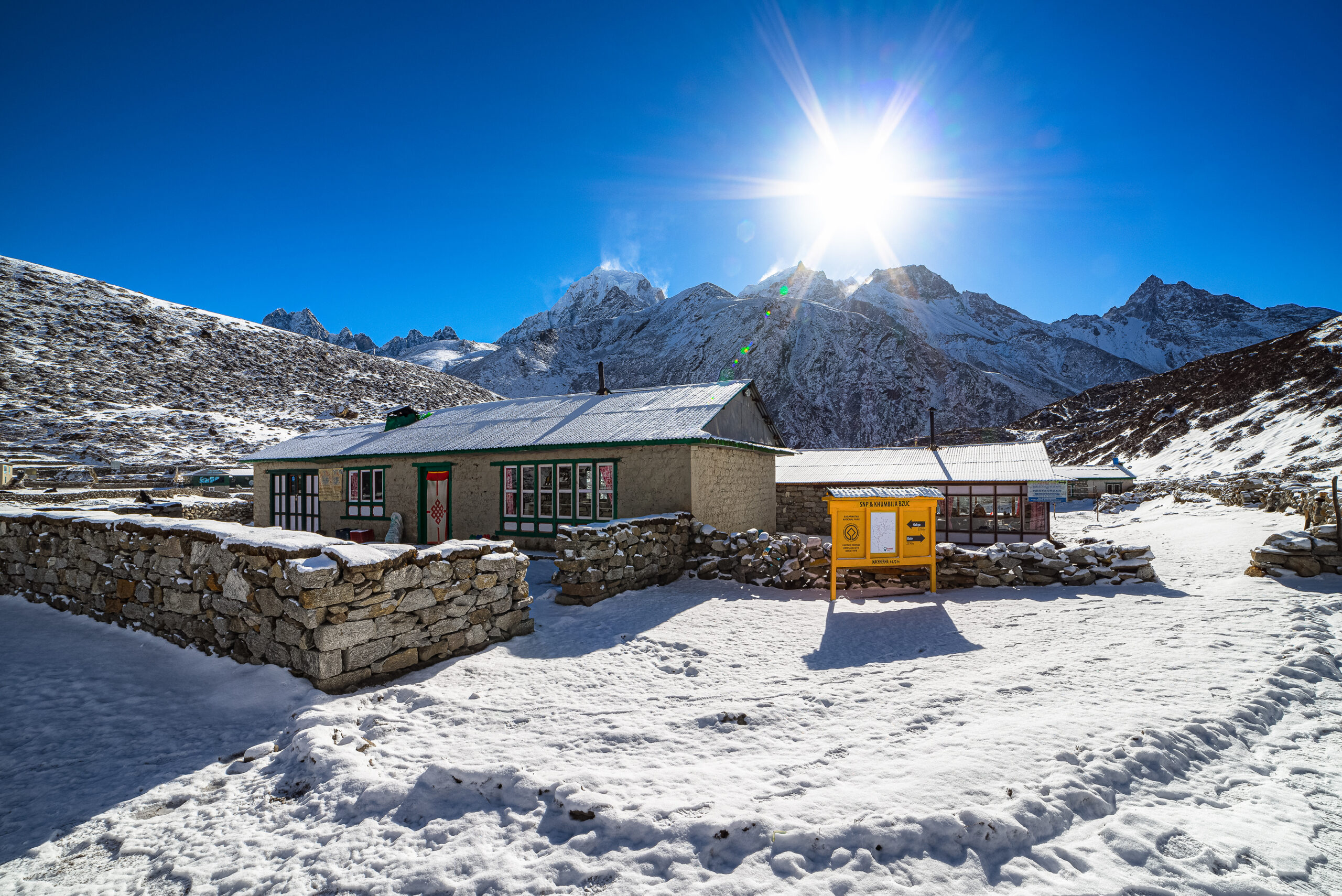
Start here
What this directory actually tells you
This page helps you choose when and where to plan. Each individual update page contains mountain-specific reporting and sources; always verify their latest publication date.
1. Pick a range
Check its normal seasonal window and approach logistics.
2. Open the peak
Review the named mountain’s route and permit update.
3. Verify conditions
Consult current official notices, forecasts and local operators.
4. Make a safe plan
Build in acclimatization, contingencies and turnaround criteria.
Popular expedition updates
Go straight to a major peak
Browse six heavily researched mountain guides, or continue to the full regional directory.
Everest
Review route information, permits and dated seasonal reporting for Everest before planning a climb.
Open Everest update →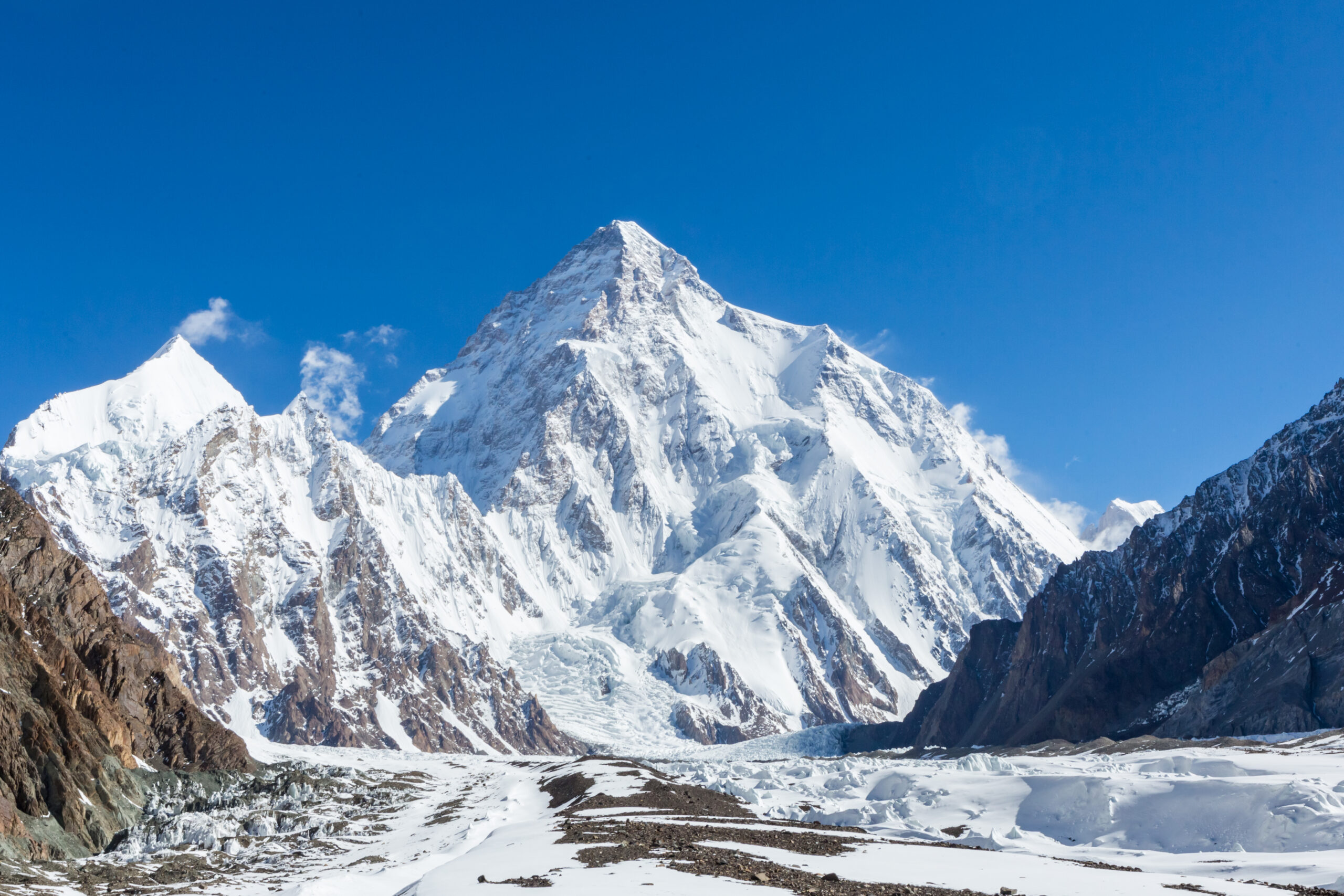
K2
Review route information, permits and dated seasonal reporting for K2 before planning a climb.
Open K2 update →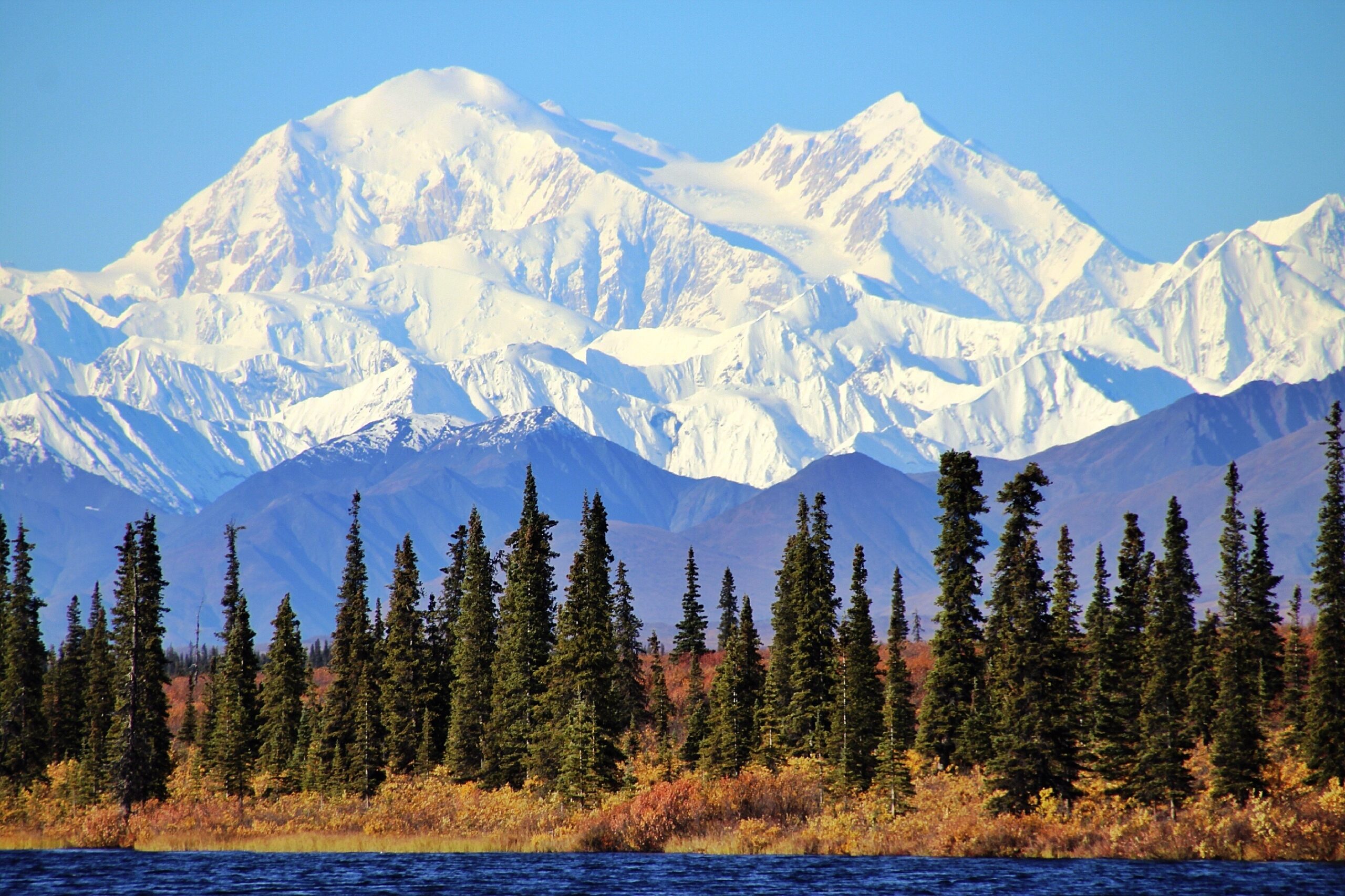
Denali
Review route information, permits and dated seasonal reporting for Denali before planning a climb.
Open Denali update →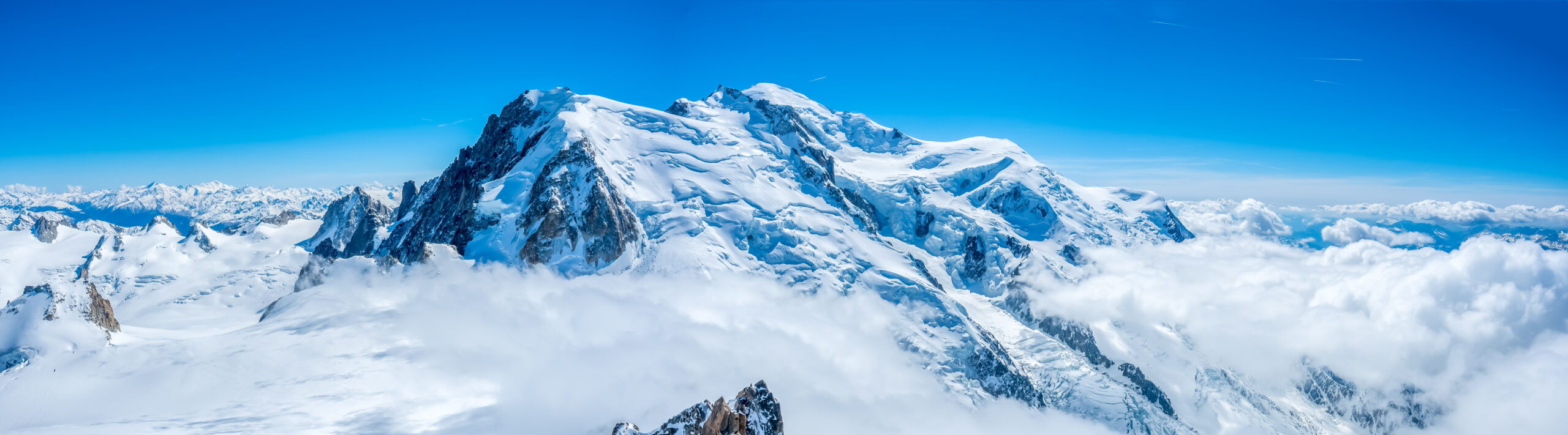
Mont Blanc
Review route information, permits and dated seasonal reporting for Mont Blanc before planning a climb.
Open Mont Blanc update →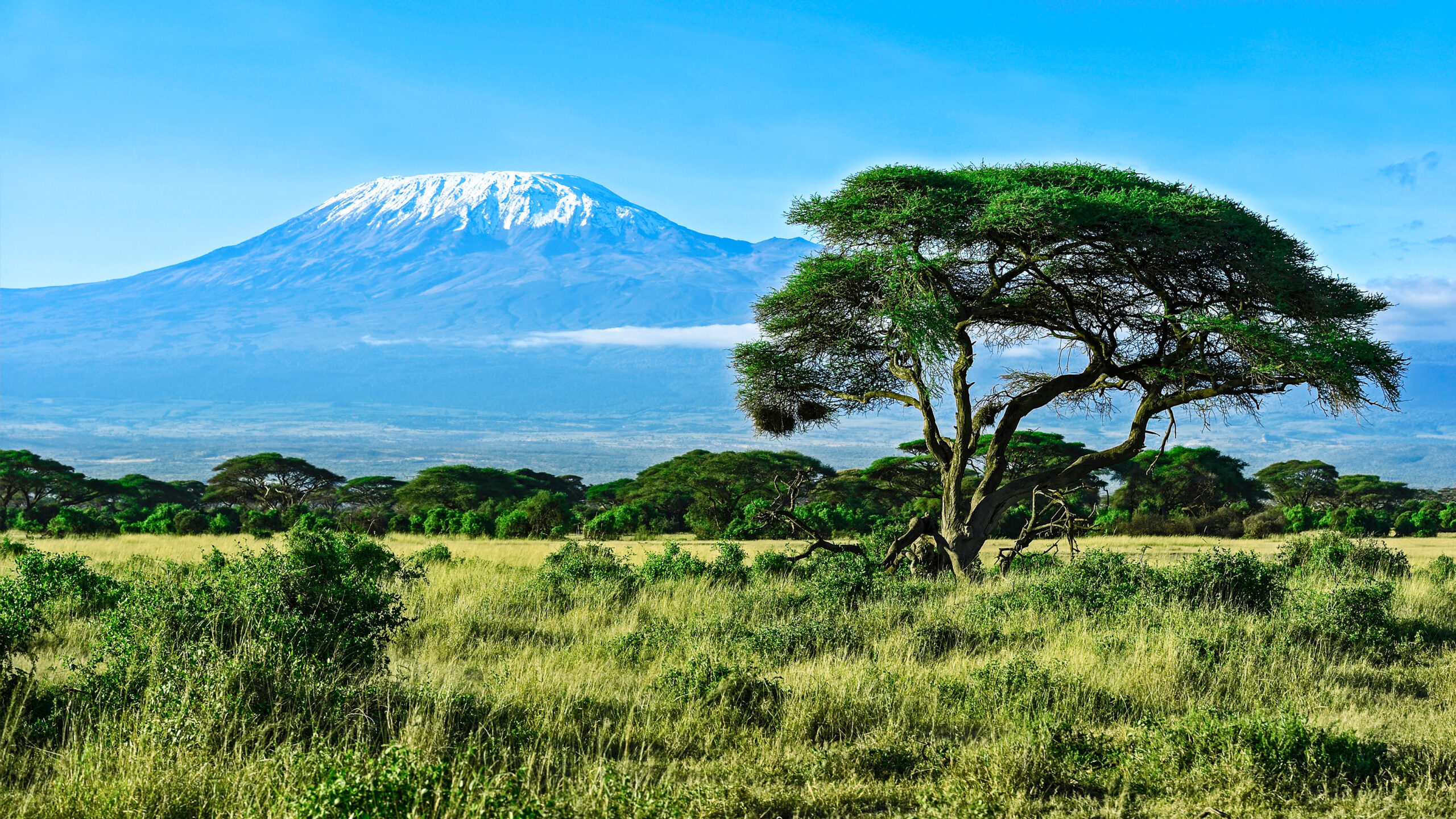
Kilimanjaro
Review route information, permits and dated seasonal reporting for Kilimanjaro before planning a climb.
Open Kilimanjaro update →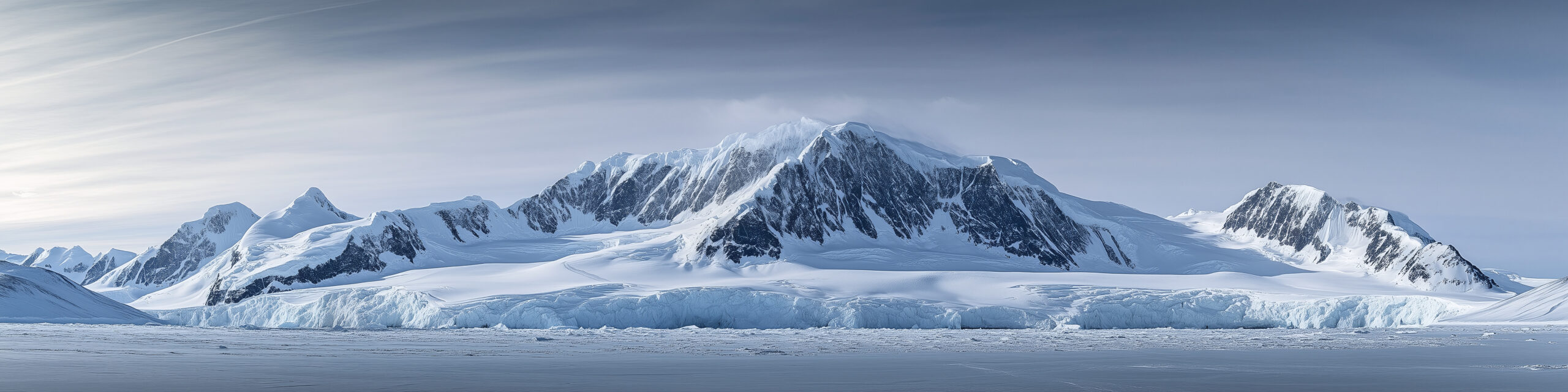
Vinson Massif
Review route information, permits and dated seasonal reporting for Vinson Massif before planning a climb.
Open Vinson Massif update →Complete directory
Expedition updates by region
Every link below leads to a dedicated mountain update page. Some may be historical season archives; confirm the date shown on that page before relying on conditions.
Autumn window / variable
Himalaya
Autumn expeditions vary significantly by peak; verify monsoon retreat, avalanche exposure and local access.
Summer season ended
Karakoram
The normal June–August high-altitude season has ended; use peak reports as season archives.
Off-season
Alaska
The conventional Denali and Alaska Range climbing window is spring to early summer.
Autumn transition
Cascades
High snowlines and early winter storms can change routes quickly; consult park and avalanche advisories.
Alpine summer ended
Alps
Most classic staffed high-alpine summer services have closed; autumn access requires special planning.
Approaching summer
Andes
Many high-Andes climbs target the austral summer; permits and access vary by park.
Regional dry windows
Africa
Kilimanjaro and Mount Kenya have different seasonal patterns; check rainfall and route-specific conditions.
Peak-specific access
Oceania
Weather and access vary widely across Papua, Indonesia and the Australian Alps.
Summer preparation
Antarctica
Antarctic climbing logistics normally center on November–January; confirm operator flight schedules.
Fuji season closed
Japan
Mount Fuji’s official summer climbing season ended in September; Japanese Alps have different autumn conditions.
On each mountain update
Eight things to check before a summit plan
Season summary
Distinguish the normal climbing season from dated actual conditions.
Route condition
Confirm glaciers, fixed lines, approach hazards and retreat options.
Weather windows
Check a current, local forecast instead of relying on an old monthly snapshot.
Permits and access
Verify current fees, quotas, park notices and closed areas.
Rescue and incidents
Understand relevant recent hazards, not unverified casualty rumors.
Summit reporting
Separate confirmed results from operator claims.
Operator information
Check current logistics and the credentials of your chosen team.
Update dates
Treat historical season archives as history, not live access approval.
Questions answered
Expedition updates FAQ
Are these live expedition conditions?
No. This directory is an October 20, 2026 seasonal overview. Individual peak pages may have more recent reporting, but dated official forecasts and access notices remain essential.
Can I climb a peak just because it is in season?
No. Normal seasonal timing does not determine present route safety, permits, weather, or emergency response. Ask qualified local professionals and check official sources.
Why are some pages titled 2026?
Many reports summarize the 2026 climbing season. They can be useful research archives, but should not be mistaken for a current forecast.
Which ranges are active in October?
Some Himalayan autumn expeditions may operate, while high Andes and Antarctic teams are preparing for austral summer. Exact opportunities vary widely by individual mountain.
Where should I go after choosing a peak?
Open the peak-specific update, then its parent climbing guide, route information, permits, and operator comparisons as appropriate.
Was this helpful?
Global Summit Guide is an independent mountaineering resource founded in 2026. The team combines first-hand trekking and climbing experience with in-depth research and professional health and nutrition review to help climbers choose objectives, prepare properly, and stay safe.
Health, altitude, and nutrition content is reviewed by Taylor Ludlow (Registered Nurse) and Brigg Hoopes (Nutritionist).
What We Don't Know Yet
Mountain information changes quickly. This box explains the limits of what this page can responsibly promise.
- Permit availability, reservation windows, quotas, and official fee rules may change after this page is updated.
- Guide-company prices, departure dates, guide ratios, included services, and cancellation rules can change without notice.
- Weather, snowpack, avalanche risk, road access, and route conditions can change quickly and may be different on your climbing dates.
- Route conditions, trailhead access, crevasse exposure, stream crossings, and rescue access may vary from published planning guidance.
- Fitness and altitude response vary by person; no guide, itinerary, or training plan can guarantee acclimatization or summit success.
Verify current conditions with official land managers, guide services, local forecasts, and current route reports before booking or climbing.
Mountaineering, rock and ice climbing, glacier travel, and high-altitude activity are inherently dangerous and can result in serious injury or death. The information on Global Summit Guide is provided for general informational and educational purposes only and is not a substitute for professional instruction, qualified guiding, proper equipment, or your own judgment and experience.
Route conditions, weather, snowpack, permits, regulations, and hazards change constantly and may differ from what is described here. Details may be incomplete, out of date, or contain errors. Always verify current information with local authorities, certified guides, and official sources before making any decision in the mountains.
Nothing on this site is medical, legal, or financial advice. Our fitness, acclimatization, altitude, and nutrition content is general in nature; consult a qualified physician before beginning any strenuous exercise program or exposing yourself to high altitude.
You are solely responsible for your own safety and decisions. To the fullest extent permitted by law, Global Summit Guide and its team accept no liability for any loss, injury, damage, or expense arising from use of, or reliance on, this information. By using this site you acknowledge these risks and accept these terms.
Some links on this site may be affiliate links. If you buy through them we may earn a small commission at no extra cost to you; this never affects our recommendations.
Global Summit Guide recommendation path
Next Best Mountain to Research
Use these recommendations to continue the right planning path instead of stopping on one page.
Use current permit, weather, route, and operator information before booking or climbing.