
Last updated August 11, 2026
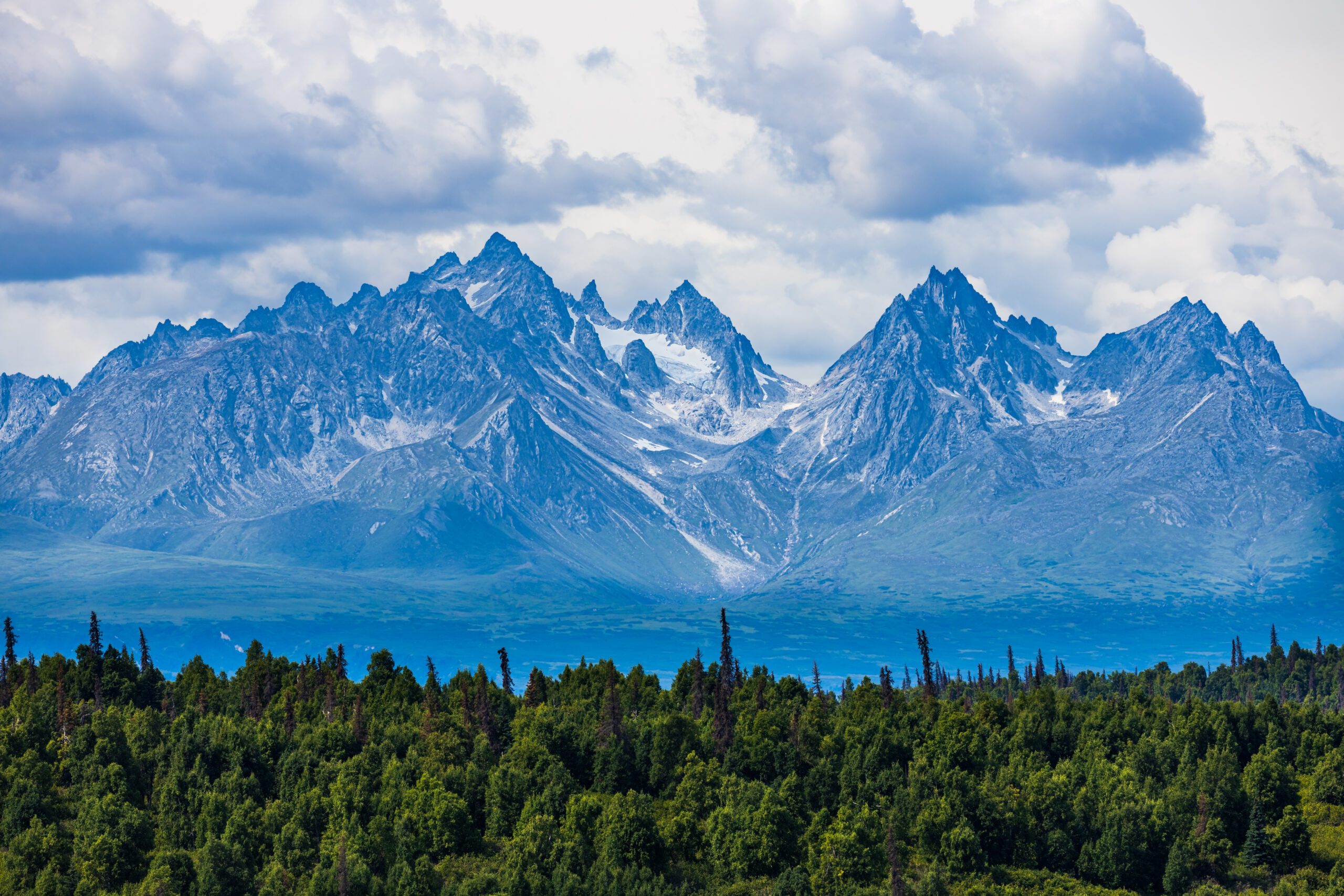
Mount Foraker: Sultana, Denali’s Wife, and the range’s overshadowed giant
Foraker is the second-highest peak in the Alaska Range and the third-highest in the United States, yet it stands in Denali’s shadow and is climbed by very few. Its Dena’ina name, Sultana, means the woman; it is Denali’s Wife. This update covers the committing Sultana Ridge, the permit rules that do apply here, and an honest readiness view. Heights in feet (metres).
Updated 27 July 2026 · Compiled by Travis Ludlow · Safety review by Dawson Ludlow · Medical review by Taylor Ludlow, RN
Single-mountain expedition update, compiled from National Park Service registration rules, operator route information, and published alpine records. Our team has not climbed Mount Foraker; the only first-hand summit anyone on our team claims is Kilimanjaro. This is a planning briefing for experienced expedition climbers, not a how-to and not a substitute for training or a guide.
The range’s second giant, in the shadow of the first.
Foraker is the second-highest peak in the Alaska Range and third-highest in the US, but almost everyone drawn to the Kahiltna goes for Denali instead. Its standard route, the Sultana Ridge, is a long, corniced, committing climb with no easy way up, staged from the same glacier as Denali but with none of the crowds or support. It is a serious, quiet mountaineer’s peak.
- Second-highest in the Alaska Range; third in the US.
- Sultana, the woman; Denali’s Wife.
- Standard route: the corniced Sultana Ridge.
- The Denali permit rules do apply here.
- Rarely climbed; fully self-supported.
On this page
What Foraker involves
A committing, self-supported alpine expedition on a big, quiet peak, staged from Denali’s own glacier.
Mount Foraker rises to 17,400 ft about 14 miles southwest of Denali, above the Kahiltna Glacier, the second-highest peak in the Alaska Range and the third-highest in the United States. Climbers reach it the same way they reach Denali, by ski-plane from Talkeetna onto the Kahiltna, but there the similarity ends. Foraker has no trade route, no fixed lines, and no crowd: its standard line, the Sultana Ridge, is a long, corniced, committing climb around Alaska Grade 3.
Because it is overshadowed by its taller neighbour, Foraker sees only a handful of parties a year, and fewer summits. That quiet is part of its appeal and part of its seriousness: a team is truly on its own, negotiating miles of corniced ridge and long weather holds without support. For the full route, registration, and cost detail, see our Mount Foraker climb guide.
Denali’s Wife, and the family of three
The Dena’ina names for these peaks tell a family story, and Foraker is its quiet, powerful centre.
In Dena’ina, Denali is the high one, the great parent of the range. Foraker is Sultana, the woman, also called Menlale, Denali’s Wife. Mount Hunter is Begguya, Denali’s Child. The three stand together above the Kahiltna Glacier, a family of peaks, and Foraker is the second-tallest of them, a giant in its own right that happens to live beside a larger one. We cover the others in our Denali and Hunter updates.
The English name came in 1899, when the mountain was named for an Ohio senator, Joseph Foraker, who never saw it. Among the ancient names of the range it is the newcomer, and many climbers prefer Sultana, which fits a peak so closely bound to its towering partner.
Second-highest, and almost alone
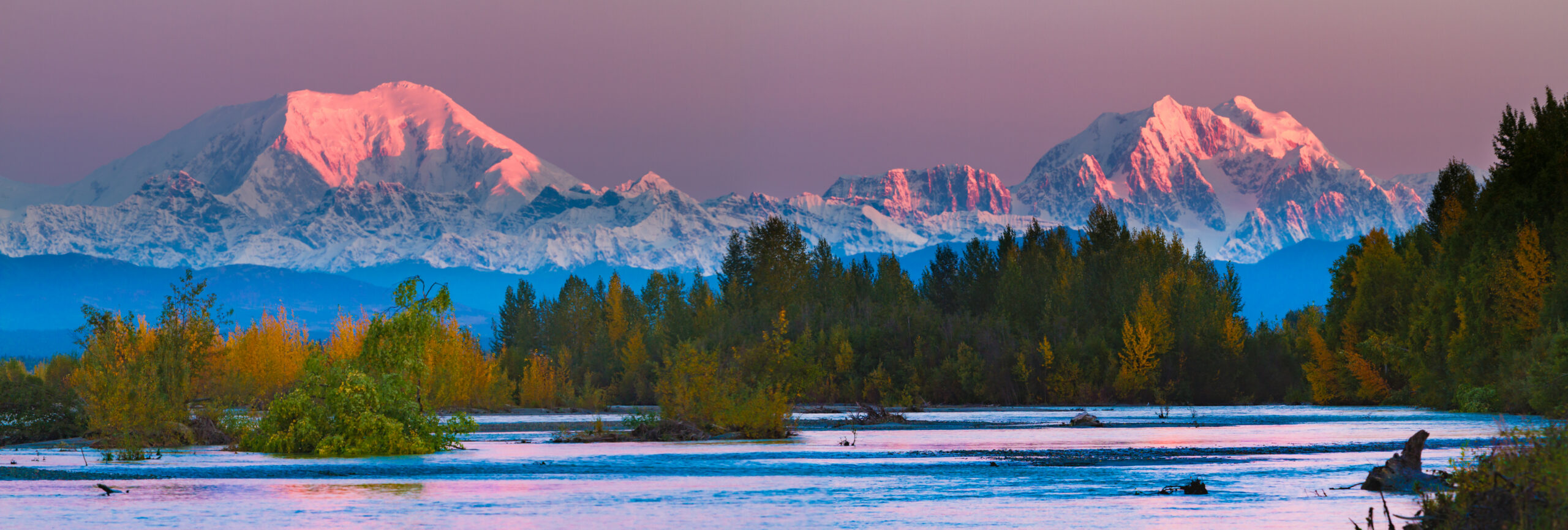
For the second-tallest peak in the Alaska Range, Foraker is strikingly empty. The crowds and the infrastructure gather on Denali, next door, while Sultana keeps its long corniced ridges and its silence. That is exactly why experienced expedition climbers seek it out, and exactly why it demands so much of them.
Are you ready for Foraker?
Foraker is not a first big mountain. It rewards fully self-reliant expedition teams. These are the prerequisites.
Rope, Ice, Cornice
You must be fluent on crevassed glaciers and steep, corniced snow and ice. This is a real alpine climb, not a walk-up.
Evidence: prior glaciated alpine routes.No Trade-Route Help
Foraker has no fixed lines, ranger camps, or crowds. Your team hauls, camps, and solves everything itself.
Evidence: prior self-supported expeditions.Read The Ridge
The Sultana Ridge is long and heavily corniced. Knowing where it is safe to move is a survival skill.
Evidence: sound calls on corniced terrain.Wait It Out
Alaska Range weather forces long holds. You need the supplies and patience to sit safely for days.
Evidence: prior storm-bound expeditions.| Requirement | Baseline | Why it matters |
|---|---|---|
| Alpine competence | Fluent on glaciers and corniced ridges | The route is long, exposed, and objectively hazardous. |
| Expedition experience | Prior self-supported big-range trips | No infrastructure exists; the team provides everything. |
| Cornice judgment | Comfortable on heavily corniced ground | The Sultana Ridge crest is long and exposed. |
| Fitness and hauling | Strong for a committing multi-day climb | The approach and ridge demand endurance under load. |
| Storm readiness | Supplies and craft for long holds | Weather holds of days are normal in the range. |
| Turnaround discipline | Willing to retreat | Reversing the ridge is as serious as the ascent. |
Build the foundation with glacier travel basics and crevasse rescue basics, and study the ridge hazard in avalanche awareness for climbers.
The Sultana Ridge, and the harder lines
One committing standard route, and a set of serious technical lines for expert teams.
Sultana Ridge – the Southeast Ridge
The usual route on Foraker, reached from the Kahiltna Glacier. It is a long, corniced ridge climbed over several days, around Alaska Grade 3, committing and exposed, with real objective hazard. It is the most reasonable way up a mountain that has no easy route.
- Long, heavily corniced ridge
- Around Alaska Grade 3; committing
- Reached from the Kahiltna Glacier
- Multi-day, with real exposure
Northeast and Talkeetna Ridges
Beyond the Sultana Ridge, Foraker holds harder, less-travelled lines, including the northeast and Talkeetna ridges and steeper faces. These are serious technical objectives for expert alpinists, climbed rarely, and well beyond the standard route in difficulty and commitment.
- Steeper, harder ridge and face lines
- Rarely climbed; expert objectives
- More technical than the Sultana Ridge
- For strong, self-reliant teams
| Factor | Sultana Ridge | Harder lines |
|---|---|---|
| Grade | Around Alaska Grade 3 | Alaska Grade 4 and above |
| Character | Long, corniced ridge | Steep ridges and faces |
| Traffic | The standard, but rarely climbed | Very rare; expert only |
| Main hazard | Cornices, avalanche, weather | Technical difficulty plus objective hazard |
| Who it suits | Self-supported expedition teams | Expert alpinists |
The Mount Foraker climb guide covers the Sultana Ridge camps, registration, and gear in full.
The Sultana Ridge, section by section
An overview of the standard route, from the Kahiltna to the south summit and back. For the full detail, see the climb guide.
Kahiltna Base ~7,200 ft
The ski-plane base camp shared with Denali and Hunter traffic.
Onto Foraker
Leave the Denali flow and cross toward Foraker’s own slopes.
Gaining The Sultana
Climb onto the southeast, Sultana, ridge and its lower camps.
Long And Exposed
Miles of corniced ridge, the defining character of the route.
Below The Summit
A committing high camp for the final push to the top.
The True Top
The higher of Foraker’s summits, the objective of the climb.
The Lower Top
A secondary summit along the mountain’s crest.
Reverse The Ridge
The long corniced ridge must be reversed; descent stays serious.
The cornices are the crux
Foraker’s difficulty is less about a single hard pitch and more about miles of long, corniced ridge at altitude. Judgment about where to move on that crest, and the patience to wait for the right conditions, matter more than raw technical grade.
A Foraker expedition timeline
A Foraker attempt runs several weeks, most of it acclimatization, ridge climbing, and waiting out Alaska Range weather.
Talkeetna, register and fly
Complete the 60-day registration and fee, sort gear, and charter the ski-plane.
Fly to the Kahiltna Glacier
Land at the base camp near 7,200 ft and establish the expedition base.
Acclimatize and prepare
Skills, load carries, and acclimatization before committing to the ridge.
Gain the Sultana Ridge
Cross toward Foraker and climb onto the southeast ridge.
Climb the corniced crest
Work along the long, exposed, corniced ridge over several days.
Summit push
Take a settled window to reach the south summit and turn around promptly.
Descend the ridge
Reverse the committing ridge carefully back toward the glacier.
Fly out
Return to base camp and wait for the ski-plane window to Talkeetna.
Cost and the permit
Foraker is guided rarely and costs like a serious Alaska expedition, and unlike Hunter, the Denali permit rules apply.
| Component | Figure | Note |
|---|---|---|
| Guided expedition | ~$10,000-$15,000+ | Committing and multi-week; few operators guide Foraker. |
| Registration and fee | Applies, like Denali | The 60-day pre-registration and mountaineering fee are required. |
| Ski-plane charter | Talkeetna to the Kahiltna | The bush flight onto the glacier, weather permitting. |
| Personal gear | Full expedition kit | Technical alpine and expedition gear for weeks of self-support. |
| Insurance | Remote-evacuation cover | Rescue is distant and weather-bound; verify remote cover. |
The Denali rules apply to Foraker
Unlike neighbouring Mount Hunter, Foraker is covered by the same National Park Service requirements as Denali: climbers must register at least 60 days in advance and pay the special mountaineering fee through the Talkeetna ranger station. Confirm the current requirements and fees with Denali National Park before you plan.
Choosing a Foraker guide
Few operators guide Foraker, so the right questions matter. Look for genuine experience on this peak, not just Denali.
Not Just Denali
Ask how many times the guide has climbed Foraker itself.
Tight On The Ridge
A close guide-to-client ratio matters on corniced, exposed ground.
Built For No Support
Confirm the plan assumes full self-support, not trade-route help.
Days For Holds
Ask how the itinerary absorbs long Alaska Range storm holds.
Right Experience
A serious operator checks your expedition record before accepting you.
Remote And Slow
Understand that outside help is distant and never assured.
How to choose an expedition operator covers the vetting in full, and the operator directory is a place to start.
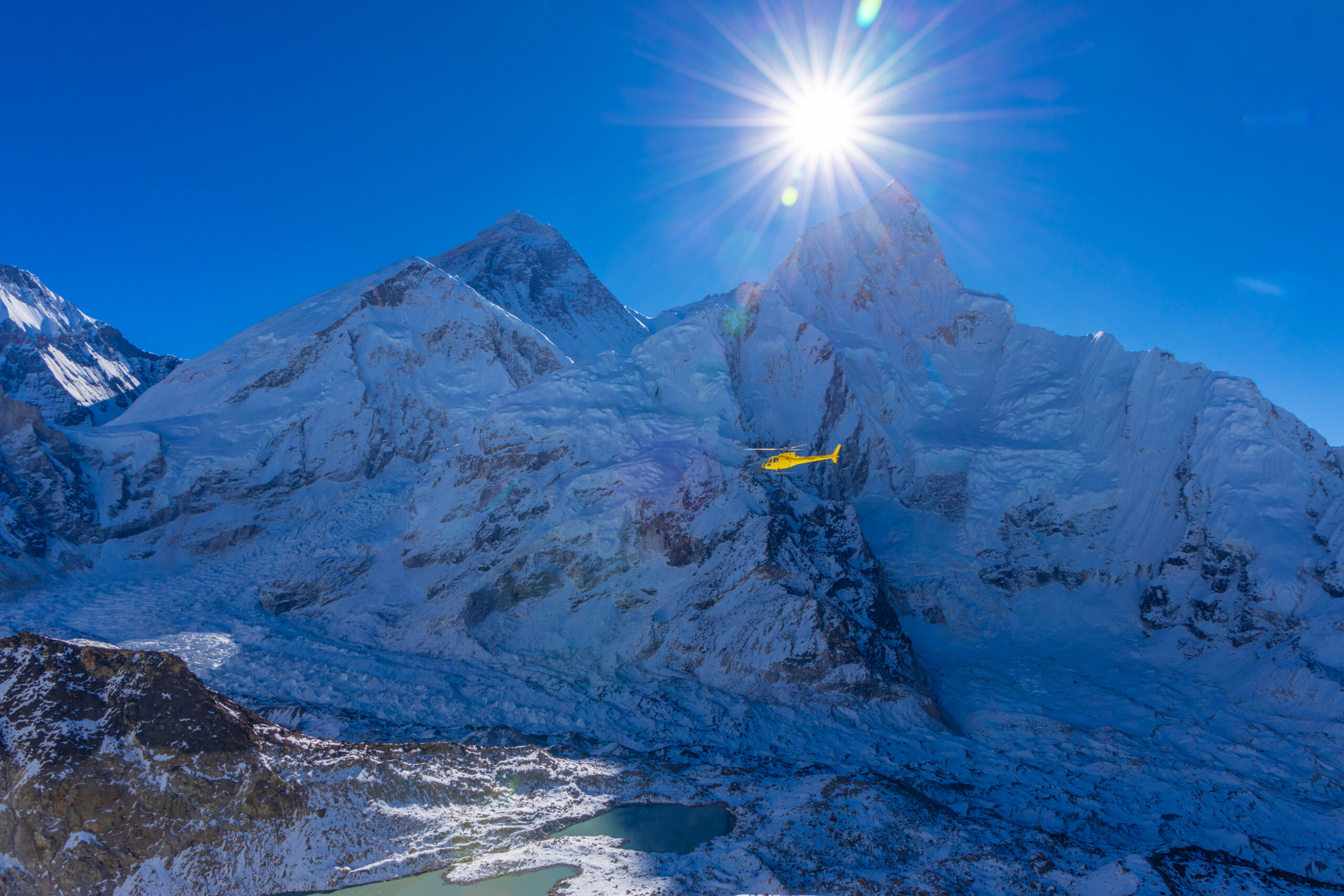
Quiet means alone
Foraker’s emptiness is its character and its risk. With almost no other teams on the mountain and no trade-route infrastructure, a party in trouble cannot count on neighbours or a quick rescue. Self-sufficiency, from crevasse fall to multi-day storm, is the price of the solitude.
Difficulty and rarity
Foraker is hard for reasons that do not fit a single grade: length, cornices, weather, and the absence of any support.
| Factor | What it is | How to treat it |
|---|---|---|
| Few ascents | A small, expert field | The second-highest range peak, yet rarely climbed. |
| Long corniced ridge | The defining hazard | Miles of exposed, cornice-laden crest to negotiate. |
| Avalanche and storms | Alaska Range weather | Loaded slopes and long storms shape every attempt. |
| No infrastructure | Self-support throughout | No fixed lines, camps, or crowds to fall back on. |
Season and weather
Foraker is a spring climb, on the same calendar as Denali, and always at the mercy of Alaska Range weather.
Cold, Early
Colder, more stable snow, and very few teams.
Prime
The core of the Alaska Range climbing window.
Warmer
Warmer and more hazardous as the snowpack changes.
The Deciding Factor
Storms and flight delays control every trip.
Extreme
Rare, elite ascents only, in brutal cold.
A short history of Foraker
From a 1934 first ascent to a peak that remains quiet by choice of the crowds next door.
Mount Foraker was first climbed in 1934 by Charles Houston, T. Graham Brown, and Chychele Waterston, a committing early Alaska Range ascent at a time when the range was barely explored. The mountain took its English name in 1899, after the Ohio senator Joseph Foraker, though its Dena’ina name, Sultana, is far older.
In the decades since, Foraker has remained one of the quietest big peaks in North America, precisely because it stands beside Denali. Its long routes, serious commitment, and lack of a easy line keep the numbers low, and it endures as a prize for experienced expedition mountaineers who want a giant to themselves.
The Alaska cluster
Foraker sits in the Denali family and among the great Alaska and Yukon giants, with the glacier skills they all demand.
Denali
The high one, the giant of the range, and Foraker’s towering neighbour.
Read the update ->Denali’s ChildMount Hunter
Begguya, the smallest of the family and the most technical.
Read the update ->Alaska-Yukon giantMount Saint Elias
The sea-to-summit second-highest peak of the US and Canada.
Read the update ->Core skillGlacier travel basics
The roped-glacier skills every Kahiltna climber needs.
Learn the skill ->Mount Foraker climb guide
The full Sultana Ridge route, registration, and cost.
->Denali climb guide
The higher, busier giant next door.
->Mount Hunter climb guide
The family’s most technical peak.
->Crevasse rescue basics
Essential practice for the crevassed Kahiltna.
->Avalanche awareness for climbers
Reading snow and cornice hazard on the ridge.
->Mountaineering insurance above 6000m
Remote evacuation and rescue cover.
->Back to the full Expedition Updates dashboard for every mountain we track.
Where Foraker fits
The Denali family, the Alaska Range, and the skills a Kahiltna expedition depends on.
Denali, Foraker, Hunter
The parent, the wife, and the child of the Alaska Range.
Read the family ->The Alaska RangeThe Kahiltna giants
Where Foraker sits among the peaks above the glacier.
Explore the range ->SkillsGlacier and cornice craft
The alpine skills a Foraker expedition depends on.
Build the skills ->Mount Foraker FAQ
The questions climbers ask most about the difficulty, the name, the permit, and the season.
How high is Mount Foraker, and where is it?
Mount Foraker is 17,400 ft (5,304 m), the second-highest peak in the Alaska Range after Denali, and the third-highest mountain in the United States after Denali and Mount Saint Elias. It stands in Denali National Park, about 14 miles southwest of Denali, rising above the Kahiltna Glacier. Its Dena’ina name is Sultana, the woman, and it is widely known as Denali’s Wife.
Why is Foraker called Denali’s Wife?
Because of the local naming. In Dena’ina, Denali is the high one, the parent of the range; Foraker is Sultana, the woman, or Menlale, Denali’s Wife; and Mount Hunter is Begguya, Denali’s Child. The three form a family of peaks above the Kahiltna. The English name Foraker, given in 1899 after an Ohio senator, is the newcomer among them.
Is Foraker harder than Denali?
In the way that matters to a climber, yes. Denali is higher and far busier, with a trade route, fixed infrastructure in season, and ranger presence. Foraker has none of that: its routes are long, corniced, and committing, it is climbed by very few, and a party is on its own. It is not as technical as Mount Hunter’s hardest lines, but it is a serious, remote expedition that stands in Denali’s shadow.
What is the standard route?
The Sultana Ridge, the southeast ridge, is the usual line, reached from the Kahiltna Glacier. It is a long, corniced ridge climb, around Alaska Grade 3, committing and multi-day, with real exposure and objective hazard. Other lines, such as the northeast or Talkeetna Ridge, are harder still. None of Foraker’s routes is a straightforward climb.
Do the Denali permit rules apply to Foraker?
Yes. Unlike nearby Mount Hunter, Foraker is covered by the same National Park Service rules as Denali: climbers must register at least 60 days in advance and pay the special mountaineering fee, through the Talkeetna ranger station. Confirm the current requirements and fees with Denali National Park before you plan, as they are updated over time.
How do you get there, and when do people climb?
Access is the same as Denali: fly to Talkeetna, then take a ski-equipped bush plane onto the Kahiltna Glacier, and climb from there. The season is the Alaska Range spring, roughly May and June. Because Foraker is lower and quieter than Denali, it sees a tiny fraction of the traffic, and weather holds and self-sufficiency shape every trip.
How often is Foraker climbed?
Rarely, especially for the second-highest peak in the range. Most climbers drawn to the Kahiltna go for Denali, and Foraker’s length, commitment, and lack of a easy route keep its numbers low. In a typical season only a small number of parties attempt it, and fewer succeed. It is a peak for experienced expedition mountaineers, not a first big climb.
What experience do you need?
Solid glacier and technical alpine skills, prior expedition experience with self-support and storm camps, sound judgment on long corniced ridges, and the fitness for a committing multi-day climb at altitude. Foraker rewards teams that are fully self-reliant, because there is no trade-route infrastructure and no crowd to follow.
How we built this update
What this page is based on, who reviewed it, and what we do not claim to know.
Sources
- National Park Service, Denali National Park registration and mountaineering-fee rules.
- Operator and guide-service route information for the Sultana Ridge.
- Published alpine records for the 1934 first ascent and later routes.
- Alaska Range guidebooks for grade, character, and hazard.
- Our own Mount Foraker climb guide for the detailed route and cost.
Review and standards
Compiled by Travis Ludlow and reviewed for safety by Dawson Ludlow, our Climbing and Mountaineering Lead (Wilderness First Aid), whose highest first-hand summit is Kilimanjaro. Health and medical points were reviewed by Taylor Ludlow, RN. We do not fabricate summit experience, quotes, or credentials, and we say plainly when we are reporting rather than recounting.
What we do not claim to know
Conditions on Foraker change from year to year, and no web page can replace current route reports and a guide’s judgment. In particular:
- Ridge conditions and cornice hazard vary by season; recent reports matter most.
- Registration rules and fees change; confirm the current requirements with Denali National Park.
- Guided pricing and availability shift with operators and dates.
- Our team has not climbed Foraker, so we report official rules and records, not personal experience.

Global Summit Guide research
We compile mountain updates from official rules and published records, review them for safety and medical accuracy, and refresh them each season. We are transparent about what we have and have not climbed, and Foraker is a research-based briefing, not a personal account.
About our team and standards ->A giant to yourself, if you are ready for it.
Start with the full route in our Mount Foraker climb guide, weigh yourself against our fitness standards, and read the family in the Denali and Hunter updates. Expeditions stage through Anchorage and Talkeetna, so for flights and lodging, browse travel on Expedia.
Disclosure: the Expedia link above is a sponsored affiliate link, and we may earn a commission at no extra cost to you. It is the only affiliate link on this page; our route, permit, and safety guidance is independent.
Was this helpful?
Global Summit Guide is an independent mountaineering resource founded in 2026. The team combines first-hand trekking and climbing experience with in-depth research and professional health and nutrition review to help climbers choose objectives, prepare properly, and stay safe.
Health, altitude, and nutrition content is reviewed by Taylor Ludlow (Registered Nurse) and Brigg Hoopes (Nutritionist).
What We Don't Know Yet
Mountain information changes quickly. This box explains the limits of what this page can responsibly promise.
- Permit availability, reservation windows, quotas, and official fee rules may change after this page is updated.
- Route conditions, snowpack, closures, and weather can change quickly after this page is updated.
- Permit rules, fees, quotas, and reservation windows may change between review cycles.
- Operator availability, pricing, guide ratios, and cancellation terms can change by season.
- Your fitness, altitude response, risk tolerance, and experience level may change what is safe or realistic.
Verify current conditions with official land managers, guide services, local forecasts, and current route reports before booking or climbing.
Mountaineering, rock and ice climbing, glacier travel, and high-altitude activity are inherently dangerous and can result in serious injury or death. The information on Global Summit Guide is provided for general informational and educational purposes only and is not a substitute for professional instruction, qualified guiding, proper equipment, or your own judgment and experience.
Route conditions, weather, snowpack, permits, regulations, and hazards change constantly and may differ from what is described here. Details may be incomplete, out of date, or contain errors. Always verify current information with local authorities, certified guides, and official sources before making any decision in the mountains.
Nothing on this site is medical, legal, or financial advice. Our fitness, acclimatization, altitude, and nutrition content is general in nature; consult a qualified physician before beginning any strenuous exercise program or exposing yourself to high altitude.
You are solely responsible for your own safety and decisions. To the fullest extent permitted by law, Global Summit Guide and its team accept no liability for any loss, injury, damage, or expense arising from use of, or reliance on, this information. By using this site you acknowledge these risks and accept these terms.
Some links on this site may be affiliate links. If you buy through them we may earn a small commission at no extra cost to you; this never affects our recommendations.
Global Summit Guide recommendation path
Next Best Mountain to Research
Use these recommendations to continue the right planning path instead of stopping on one page.
Use current permit, weather, route, and operator information before booking or climbing.