
Last updated October 20, 2026
Best Mountains in Africa: 8 Epic Peaks Worth Exploring.
From Kilimanjaro’s high-altitude trek to the glacier routes of the Rwenzori, compare Africa’s most memorable mountains by experience, challenge and travel style—not elevation alone.
Independent editorial choices · Trekking and technical climbing distinguished · Route conditions must be verified
Which are the best mountains in Africa?
Best all-around iconic trek: Kilimanjaro. Best for technical alpine climbing: Mount Kenya’s Batian/Nelion routes. Best remote mountain expedition: the Rwenzori and Mount Stanley. Best compact summit trip: Jebel Toubkal. Best Kilimanjaro preparation: Mount Meru.
There is no universally easiest peak: altitude, season, terrain, guides and personal readiness matter far more than a label.
This is an editorial selection based on mountain experience, scenic character, the variety of available routes, progression value and realistic trip planning. It is not a ranking by elevation; for that, see Africa’s highest mountains.
Compare Africa’s Best Mountain Objectives.
Route grades are qualitative planning guidance; a mountain may have both trekking and technical climbing lines.
| Mountain | Country | Elevation | Experience | Best fit |
|---|---|---|---|---|
| Mount Kilimanjaro | Tanzania | 5,895 m | Strenuous trekking · non-technical standard routes | Best overall iconic altitude trek |
| Mount Kenya | Kenya | 5,199 m (Batian) | Point Lenana: trekking; Batian: technical rock climbing | Best for alpine progression |
| Rwenzori Mountains & Mount Stanley | Uganda / DR Congo | 5,109 m (Margherita Peak) | Remote trekking · technical glacier terrain | Best remote glacier expedition |
| Mount Meru | Tanzania | 4,566 m | Steep high-altitude hiking · exposed summit ridge | Best shorter Tanzania ascent |
| Jebel Toubkal | Morocco | 4,167 m | Strenuous hiking; winter snow and ice possible | Best compact High Atlas adventure |
| Ras Dashen & the Simien Mountains | Ethiopia | About 4,550 m | Multi-day highland hiking | Best cultural highland trek |
| Mount Elgon | Uganda / Kenya | 4,321 m (Wagagai) | Highland trekking | Best volcanic landscape trek |
| Mount Cameroon | Cameroon | 4,040 m | Steep hiking · active volcano considerations | Best demanding volcanic ascent |
Elevations approximate where rounding or reference standards differ. Mount Stanley is part of the wider Rwenzori range and is not counted twice.
Eight African Peaks, Eight Different Adventures.
Start with the type of mountain day you want—then narrow your choice by altitude, technical skill, time and current accessibility.
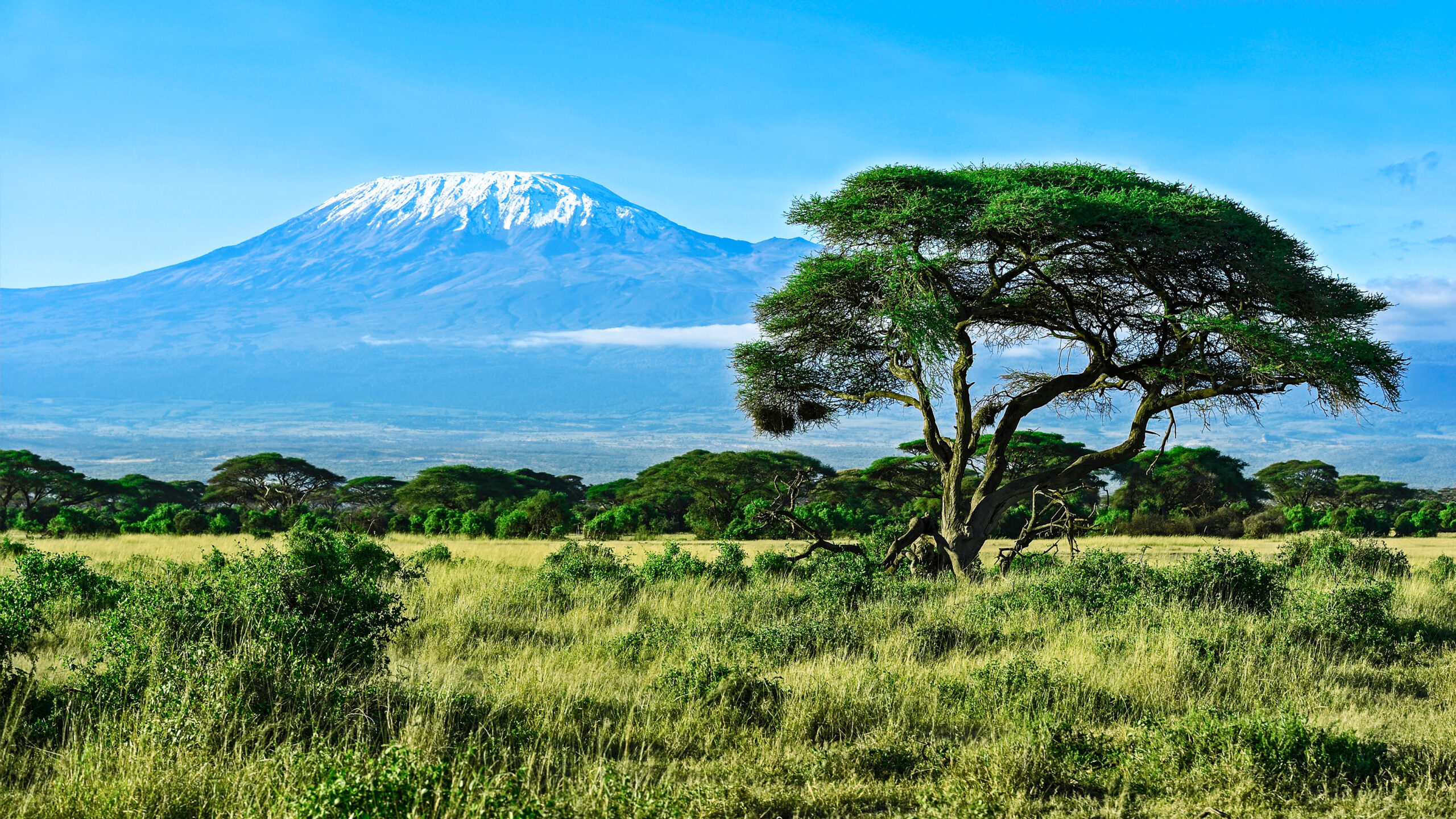
Mount Kilimanjaro
A giant volcanic mountain with an established guided trekking network and multiple ascent routes. The main challenge is altitude, sustained exertion and weather—not technical rock climbing on standard routes.
Planning note: Choose longer itineraries for a better acclimatization opportunity. Do not mistake a walking route for an easy high-altitude objective.
Explore the Mount Kilimanjaro guide →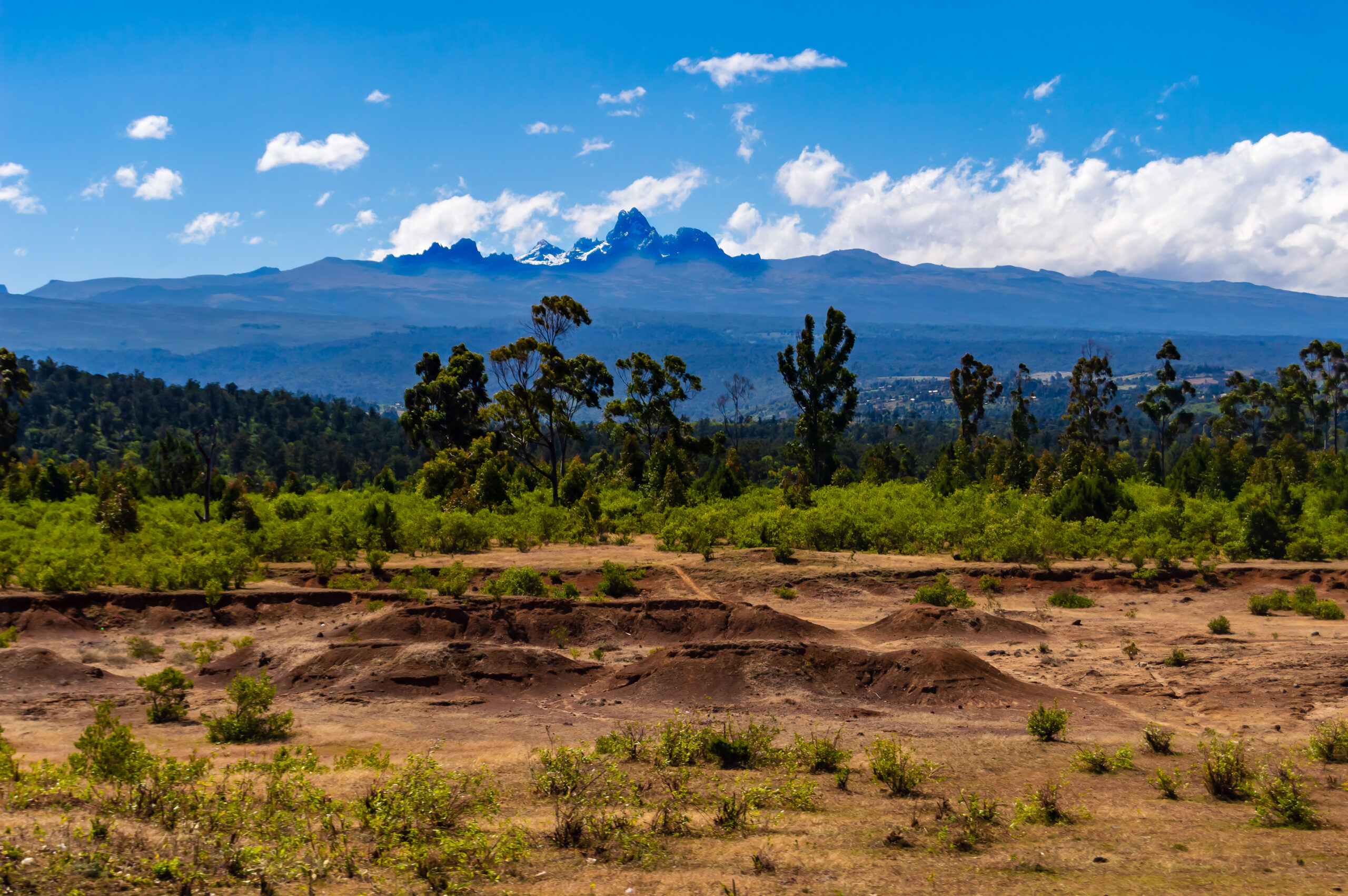
Mount Kenya
Mount Kenya gives you two very different objectives: Point Lenana is a trekking summit; Batian and Nelion demand genuine rock-climbing ability and route judgment.
Planning note: Decide which summit you mean before comparing prices, routes or operators.
Explore the Mount Kenya guide →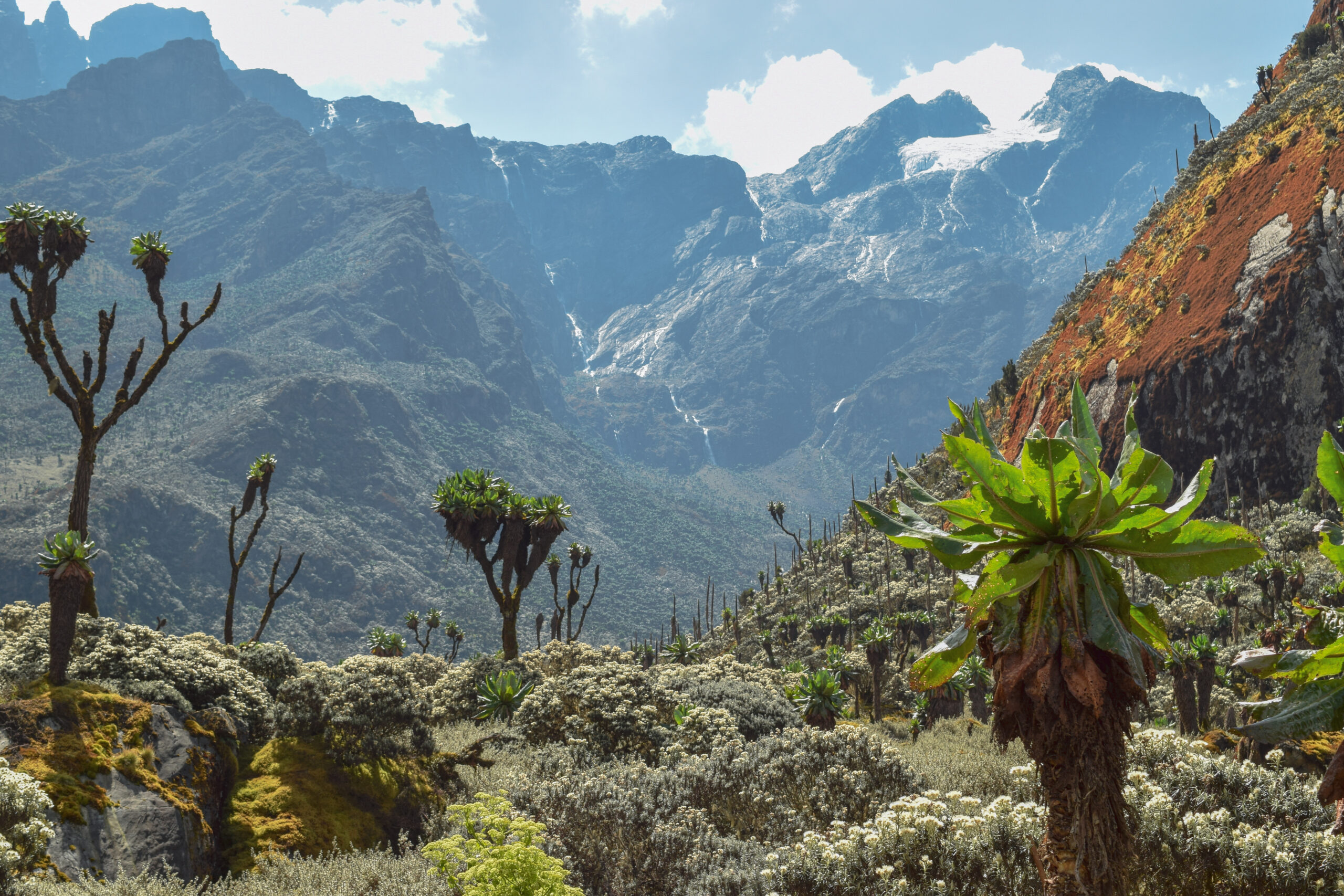
Rwenzori Mountains & Mount Stanley
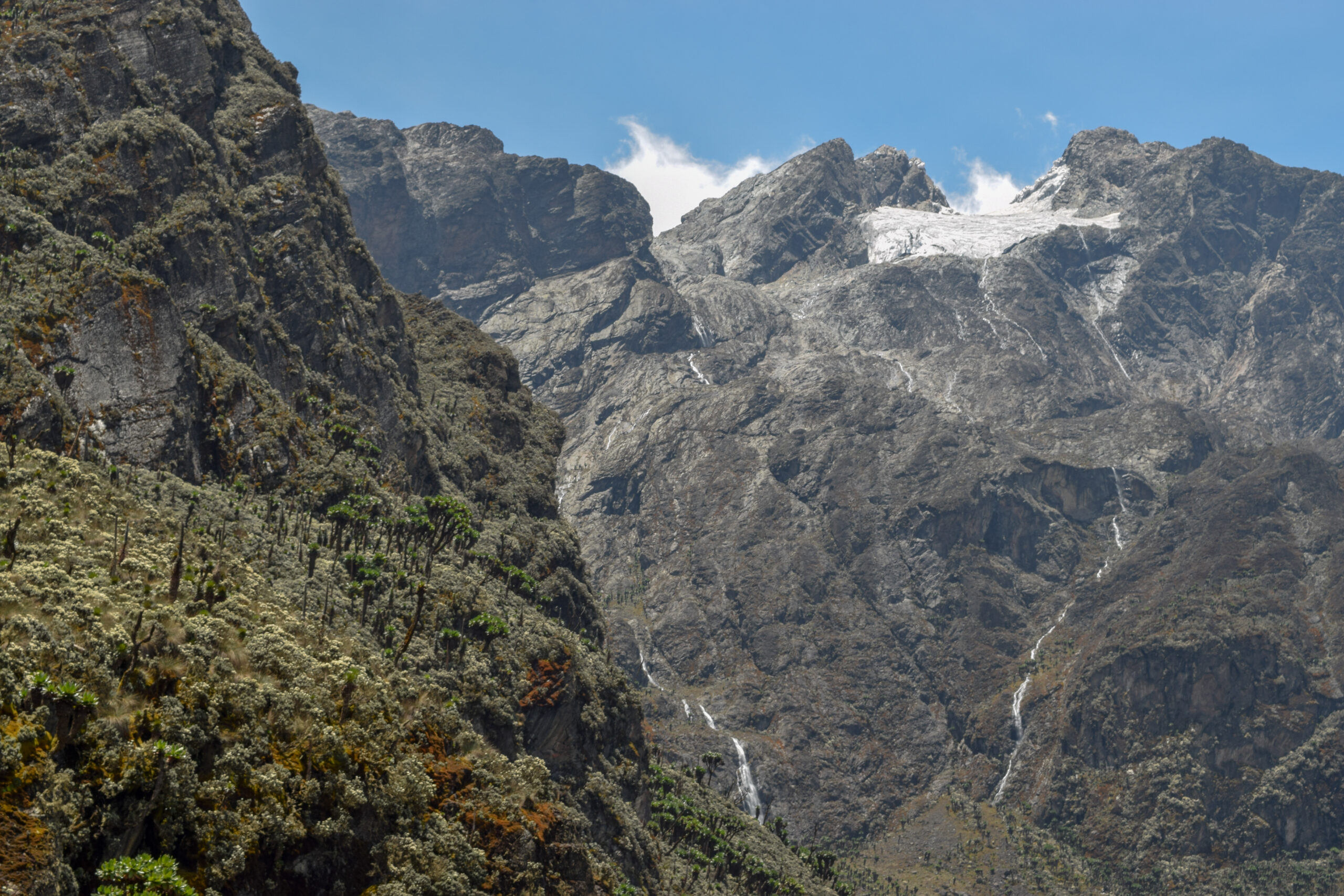
The Rwenzori are famously wet, biologically distinctive mountains. Access to Margherita Peak involves demanding travel, changeable glacial conditions and a much more expedition-like commitment than typical trekking routes.
Planning note: Glacier access, weather and current local security conditions require fresh verification.
Explore the Rwenzori Mountains & Mount Stanley guide →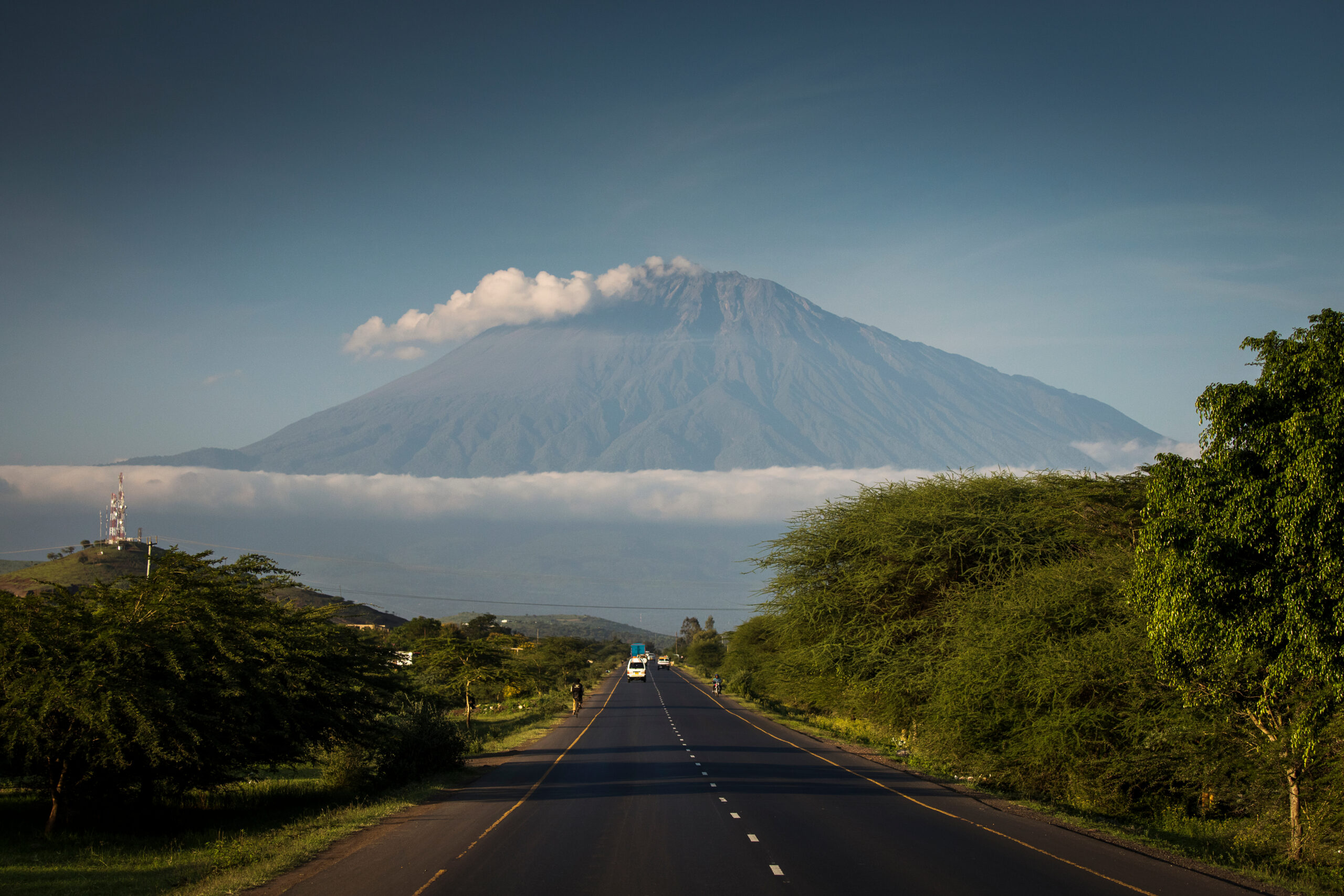
Mount Meru
A memorable standalone volcano ascent near Arusha, with a dramatic crater setting and a summit-day effort that makes excellent preparation for tougher trekking.
Planning note: Plan for park requirements, wildlife-related escort rules and altitude.
Explore the Mount Meru guide →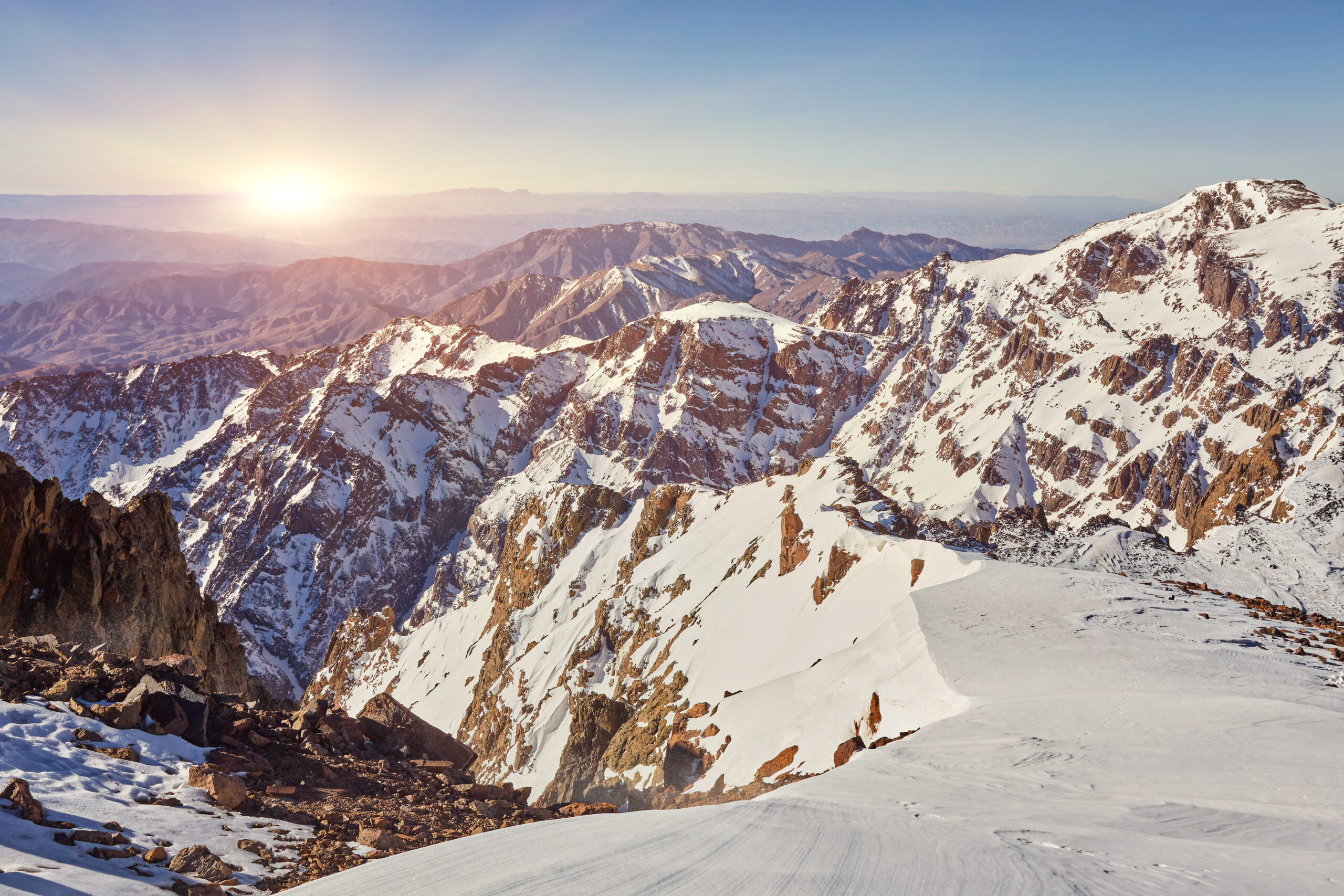
Jebel Toubkal
The High Atlas offers big scenery and a high summit without the length of a Kilimanjaro expedition. The standard route is a serious mountain hike, while winter conditions can change the technical demands.
Planning note: Check current guide requirements, route conditions and weather before departure.
Explore the Jebel Toubkal guide →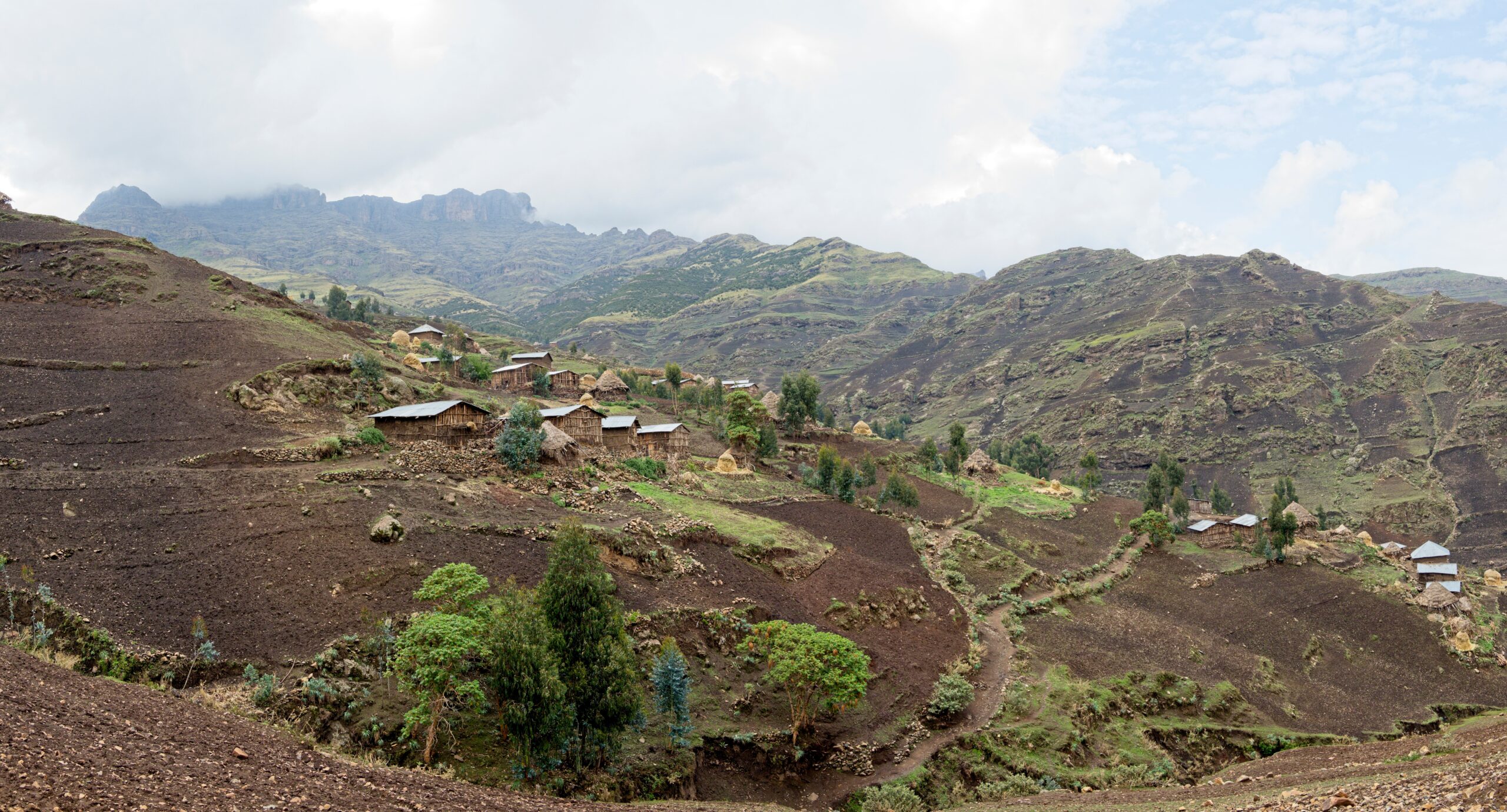
Ras Dashen & the Simien Mountains
Deep valleys, high escarpments and striking highland wildlife make the Simiens an outstanding scenic trekking region. Ras Dashen adds a high summit objective within a broader cultural landscape.
Planning note: The Simien Mountains are in Ethiopia’s Amhara Region, subject to serious security warnings including a 2026 U.S. Do Not Travel advisory. This is a research profile, not a current trip recommendation.
Explore the Ras Dashen & the Simien Mountains guide →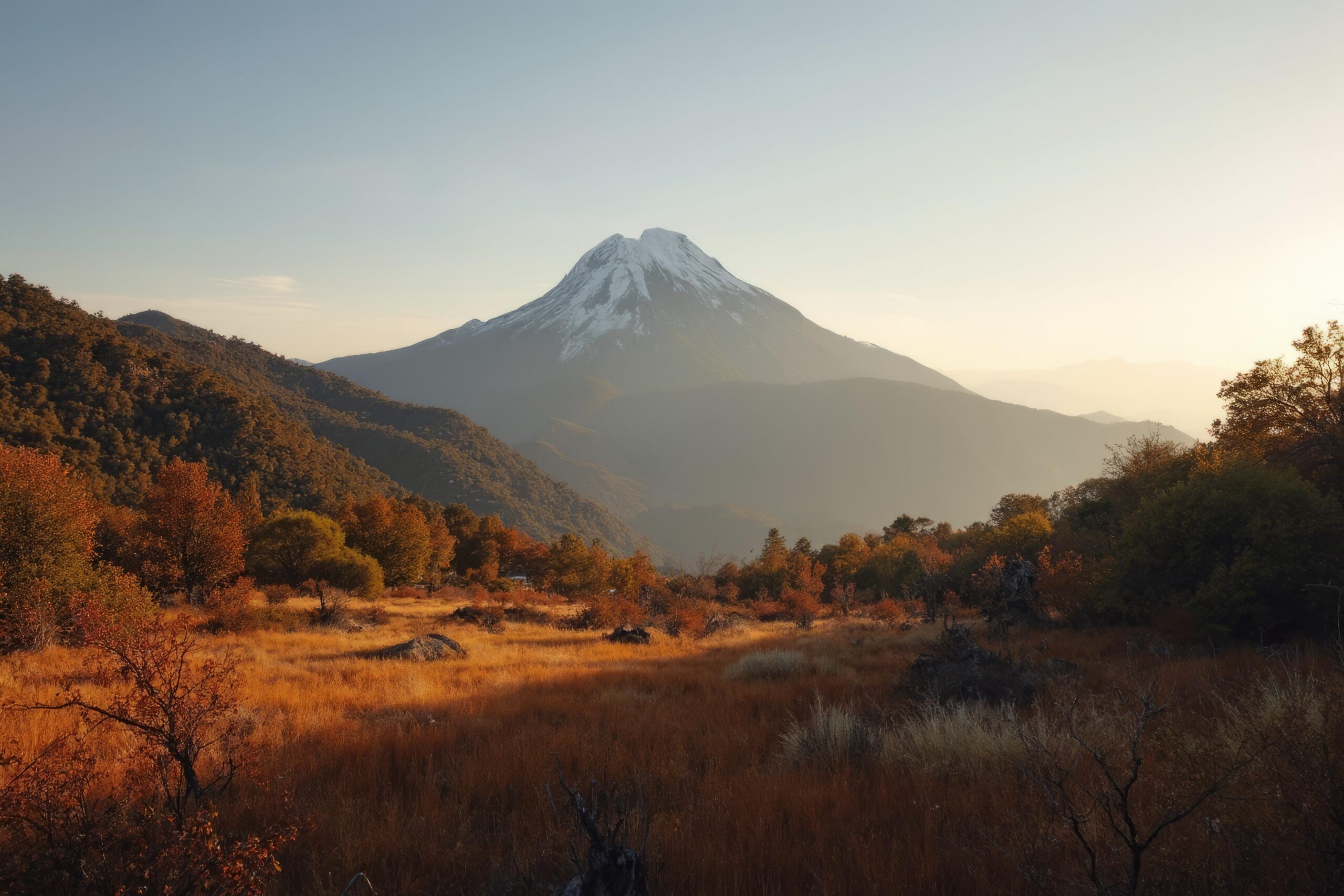
Mount Elgon
A huge ancient volcano with caldera landscapes, moorland ecosystems and a less summit-focused experience than Kilimanjaro. Particularly appealing to hikers who want landscape immersion.
Planning note: Route and park access vary by side of the mountain.
Explore the Mount Elgon guide →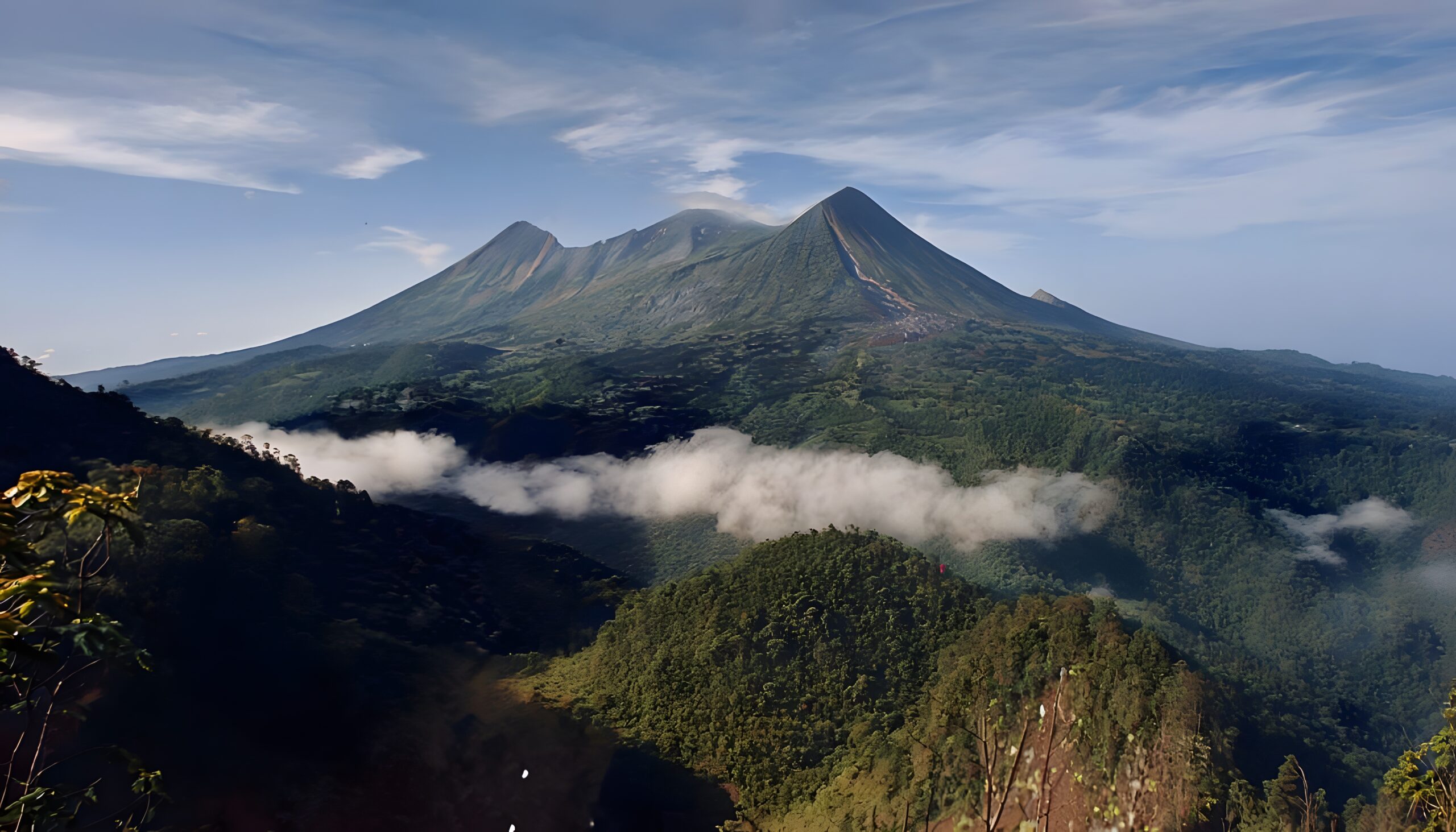
Mount Cameroon
A dramatic climb from tropical lower slopes toward exposed volcanic terrain, with major elevation gain and potentially abrupt changes in conditions.
Planning note: Cameroon’s Southwest Region, including access from Buea, carries serious security warnings including a 2026 U.S. Do Not Travel advisory. Do not treat this as a current booking recommendation; verify official advice before planning.
Explore the Mount Cameroon guide →Photographs are matched to the named destinations using images already present in the GSG WordPress media library. Always verify route-specific terrain separately.
Your Best Mountain Depends on Your Goal.
First big altitude trek
Choose Kilimanjaro for the landmark goal, or Toubkal for a shorter High Atlas experience. On both, preparation matters.
First guided climbs →Build climbing skills
Consider Mount Kenya—but distinguish Point Lenana’s trekking objective from Batian’s technical rock routes.
Compare Toubkal and Kenya →Remote adventure
Look toward Mount Stanley and the Rwenzori only if you are prepared for difficult weather, remoteness and possible glacier travel.
Browse mountain guides →How to Plan an African Mountain Trip.
Five decisions that matter
- Define the actual summit and route. Mount Kenya’s Point Lenana trek is not the same objective as Batian.
- Build time for altitude. Longer, measured ascent profiles are often more sensible than compressed itineraries.
- Verify permits and guide rules. National parks and local regulations differ by mountain and can change.
- Choose the season for the route. Weather, snow, mud, visibility and access matter more than generic “best month” claims.
- Check travel advisories and insurance. Pay particular attention to remote or cross-border regions.
Useful next steps
Start with the readiness assessment, then estimate the full trip with the expedition budget calculator.
For Kilimanjaro, compare operators and review the main Kilimanjaro guide. For destinations where access is uncertain, verify official advisories and park updates before paying deposits.
Why These Eight?
This selection favors distinctive adventure experiences over simply repeating the altitude table. We considered route diversity, landscape, skill progression, trip practicality and whether the experience is meaningfully different from other entries.
Unlike an elevation ranking, this guide includes both regional mountain landscapes and specific summits when they are relevant to travelers. The Rwenzori/Stanley profile is combined to prevent duplicate counting.
Best Mountains in Africa FAQ.
What is the best mountain in Africa for a first major climb?
Kilimanjaro is a common choice for fit beginners joining reputable guided treks, but altitude sickness is a serious concern. Toubkal can be a shorter option in suitable conditions.
Is Mount Kenya harder than Kilimanjaro?
It depends on the summit. Mount Kenya’s Batian involves technical rock climbing; Point Lenana is a trekking objective. Kilimanjaro’s standard routes are non-technical but reach a higher altitude.
What is Africa’s highest mountain?
Mount Kilimanjaro in Tanzania, at 5,895 m. See our separate elevation ranking for the tallest African mountains.
Which African mountains require glacier skills?
Routes on Mount Stanley and other glaciated Rwenzori objectives can require glacier travel. Specific Mount Kenya climbing lines may also require technical skills, depending on route and conditions.
When is the best time to climb mountains in Africa?
There is no single Africa-wide season. Tanzania, Morocco, Kenya, Ethiopia and Uganda have different precipitation patterns; high elevations can be cold or stormy even during typically favorable months.
Was this helpful?
🏔Related peaks nearby
🧭Explore & compare
Global Summit Guide is an independent mountaineering resource founded in 2026. The team combines first-hand trekking and climbing experience with in-depth research and professional health and nutrition review to help climbers choose objectives, prepare properly, and stay safe.
Health, altitude, and nutrition content is reviewed by Taylor Ludlow (Registered Nurse) and Brigg Hoopes (Nutritionist).
What We Don't Know Yet
Mountain information changes quickly. This box explains the limits of what this page can responsibly promise.
- Weather, snowpack, avalanche risk, road access, and route conditions can change quickly and may be different on your climbing dates.
- Route conditions, trailhead access, crevasse exposure, stream crossings, and rescue access may vary from published planning guidance.
- Fitness and altitude response vary by person; no guide, itinerary, or training plan can guarantee acclimatization or summit success.
- Comparisons simplify complex decisions; the better mountain depends on current conditions, skills, timing, budget, and risk tolerance.
Verify current conditions with official land managers, guide services, local forecasts, and current route reports before booking or climbing.
Mountaineering, rock and ice climbing, glacier travel, and high-altitude activity are inherently dangerous and can result in serious injury or death. The information on Global Summit Guide is provided for general informational and educational purposes only and is not a substitute for professional instruction, qualified guiding, proper equipment, or your own judgment and experience.
Route conditions, weather, snowpack, permits, regulations, and hazards change constantly and may differ from what is described here. Details may be incomplete, out of date, or contain errors. Always verify current information with local authorities, certified guides, and official sources before making any decision in the mountains.
Nothing on this site is medical, legal, or financial advice. Our fitness, acclimatization, altitude, and nutrition content is general in nature; consult a qualified physician before beginning any strenuous exercise program or exposing yourself to high altitude.
You are solely responsible for your own safety and decisions. To the fullest extent permitted by law, Global Summit Guide and its team accept no liability for any loss, injury, damage, or expense arising from use of, or reliance on, this information. By using this site you acknowledge these risks and accept these terms.
Some links on this site may be affiliate links. If you buy through them we may earn a small commission at no extra cost to you; this never affects our recommendations.
Global Summit Guide recommendation path
Next Best Mountain to Research
Use these recommendations to continue the right planning path instead of stopping on one page.
Use current permit, weather, route, and operator information before booking or climbing.
Search Flights, Hotels & Rental Cars
Have the mountain or destination picked? Use Expedia to compare the flights, lodging and rental cars that fit your actual trip dates. For mountain travel, consider arriving early enough for delays and adding a buffer night after the climb before a fixed flight home.
Compare current flight, hotel and car options.
Affiliate disclosure: Global Summit Guide may earn a commission if you book through this link, at no additional cost to you.