
Last updated October 21, 2026
Best Mountains in Europe: 12 Peaks Worth the Journey
From the Matterhorn's exposed ridge to Norway's high mountains and the limestone summit of Triglav, Europe has a mountain for every stage of the journey. Compare twelve remarkable objectives by skill, season and the kind of trip you want—not height alone.
Independent editorial selection · Hiking through technical alpinism · Updated October 2026
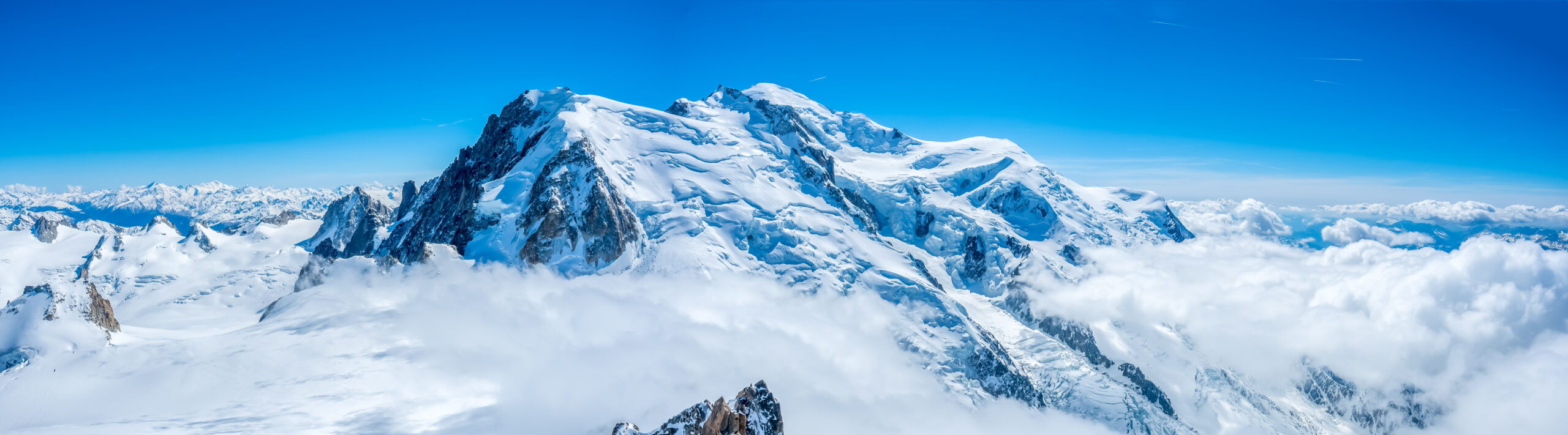
Which European mountain should you choose?
The Matterhorn is our best overall choice for a landmark mountaineering goal, but its exposed rock ridge is an advanced objective. Mont Blanc is the classic major glaciated summit; Gran Paradiso is the more sensible introduction to guided Alpine mountaineering. For a hiking-focused trip, consider Galdhøpiggen or Ben Nevis, choosing the route and season with care.
Want a Europe-wide list of the tallest summits? This guide ranks the overall mountain experience, not height. For an Alpine-only selection, see Alps Classics.
Matterhorn
Iconic, beautiful and demanding. Build technical skills first.
Galdhøpiggen
A northern mountain experience with approach choices to match ability.
Compare experience, not just elevation.
Technical grades vary by route and weather. Use this table as a shortlist, then check the individual route description, local regulations and current conditions before committing.
| Mountain | Elevation | Typical experience | Best suited to |
|---|---|---|---|
| Matterhorn | 4,478 m | Advanced alpine rock | Best overall |
| Mont Blanc | ~4,807 m | Glacier and high-altitude alpine | Best big summit |
| Gran Paradiso | 4,061 m | Introductory glacier mountaineering | Best first alpine 4,000er |
| Grossglockner | 3,798 m | Snow, glacier and exposed ridge | Best Austrian classic |
| Dufourspitze | 4,634 m | High glacier mountaineering | Best high Alpine progression |
| Eiger | 3,967 m | Advanced technical mountaineering | Best advanced Alpine ambition |
| Triglav | 2,864 m | Protected scrambling and exposure | Best hut-and-ridge journey |
| Mount Olympus | 2,918 m (Mytikas) | Hiking and exposed scrambling | Best Mediterranean objective |
| Galdhøpiggen | 2,469 m | Hiking / guided glacier approach | Best northern first summit |
| Ben Nevis | 1,345 m | Mountain hiking / winter mountaineering | Best UK mountain weekend |
| Zugspitze | 2,962 m | Hiking, ferrata or cable car | Best flexible access |
| Mount Elbrus | 5,642 m | High-altitude snow and glacier | Best altitude-focused objective |
Elevation is approximate where snow and ice alter summit height; Mont Blanc figures can vary by survey year. Trip requirements and access are route-dependent.
The 12 best mountains in Europe.
This ranking weighs experience, scenery, cultural stature, progression value and practical trip design. A higher rank is not a recommendation to attempt a mountain before you are ready.

Matterhorn
The Hörnli ridge is one of the world’s defining exposed alpine routes. This is a lifetime objective, not an introductory scramble. Style: Advanced alpine rock.
Explore Matterhorn guides →Mont Blanc
Europe’s most famous major glaciated summit. Objective hazards, acclimatization and current hut/route conditions matter as much as fitness. Style: Glacier and high-altitude alpine.
Explore Mont Blanc guides →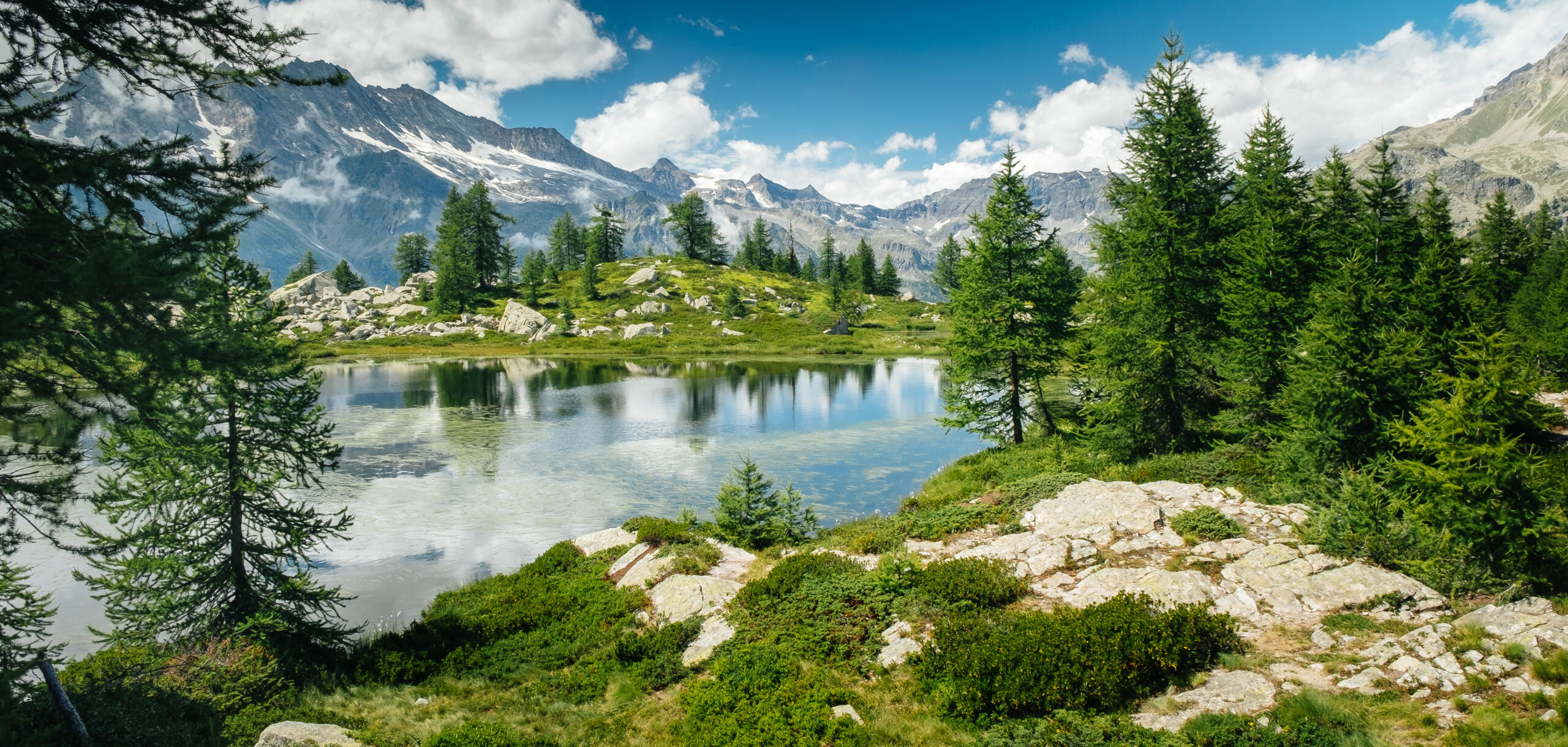
Gran Paradiso
A classic guided introduction to glacier travel and high-altitude movement, with a short summit-rock section that still needs care. Style: Introductory glacier mountaineering.
Explore Gran Paradiso guides →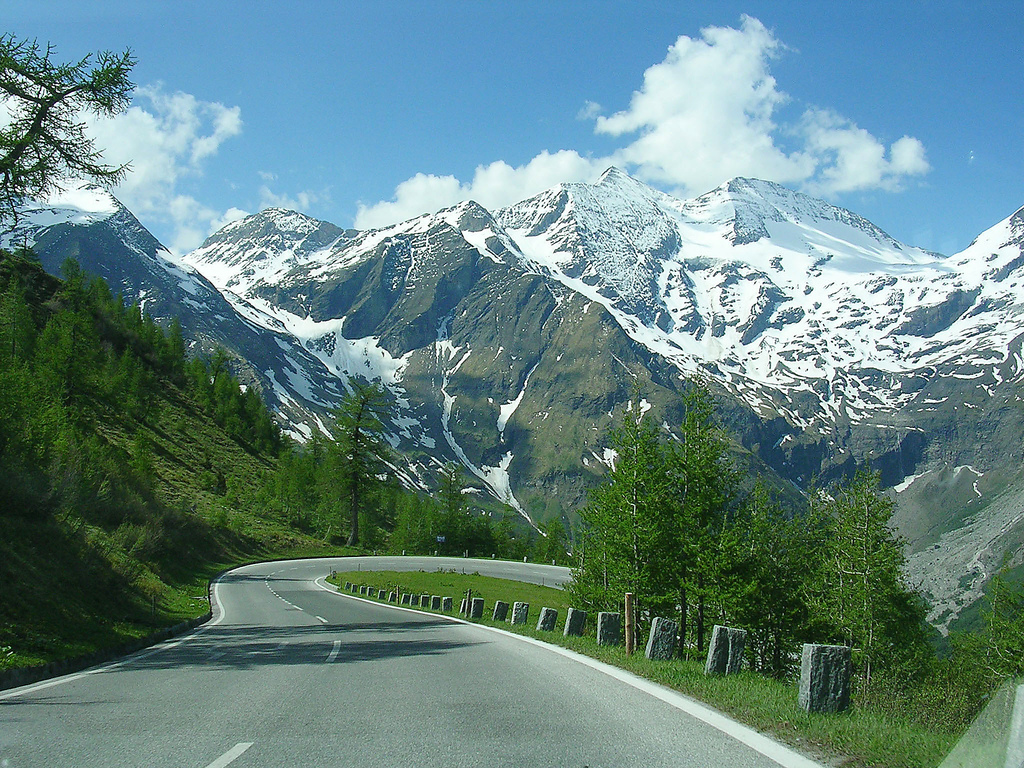
Grossglockner
Austria’s highest peak is a rewarding step into mixed Alpine terrain. The normal route demands effective rope-team travel and confident scrambling. Style: Snow, glacier and exposed ridge.
Explore Grossglockner guides →
Dufourspitze
The highest point of the Monte Rosa massif rewards strong endurance, sound glacier judgment and high-altitude efficiency. Style: High glacier mountaineering.
Explore Dufourspitze guides →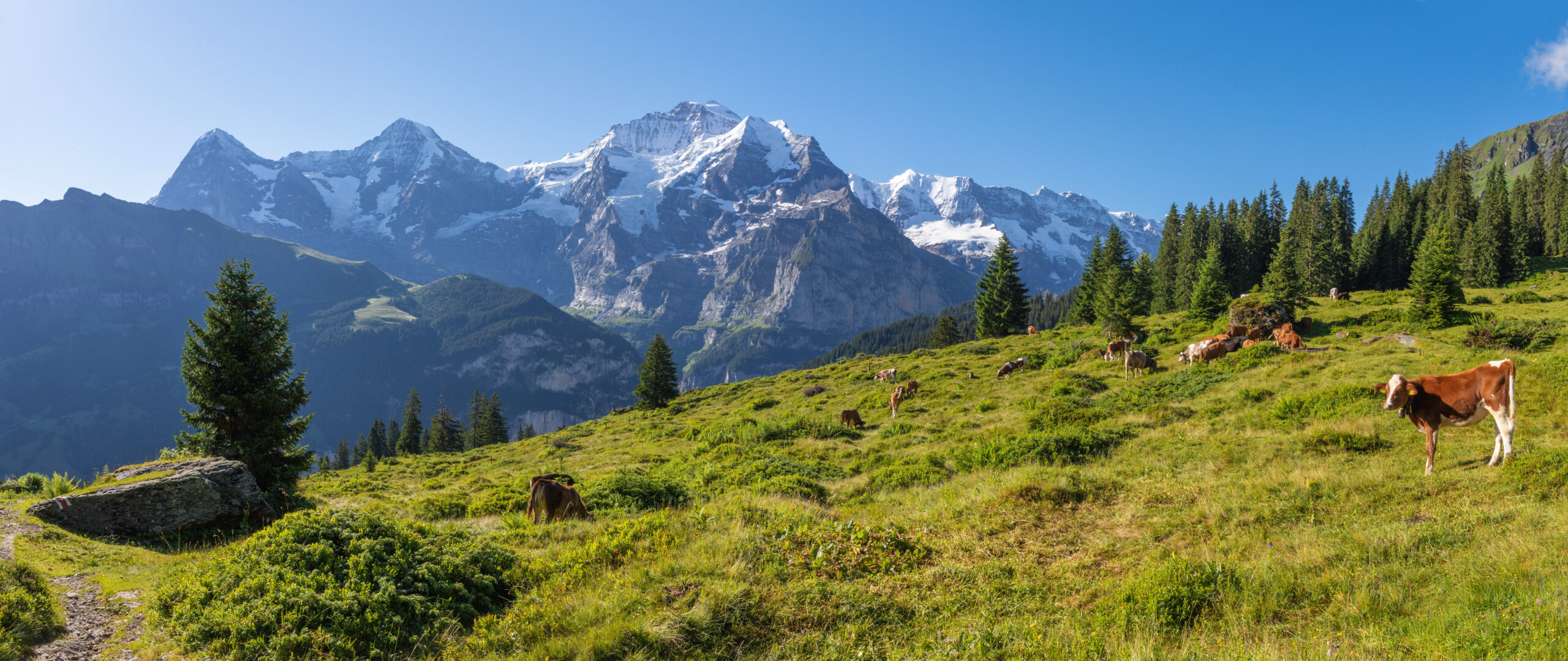
Eiger
The famous north face defines its reputation, but even more conventional routes require real Alpine experience and careful condition judgment. Style: Advanced technical mountaineering.
Explore Eiger guides →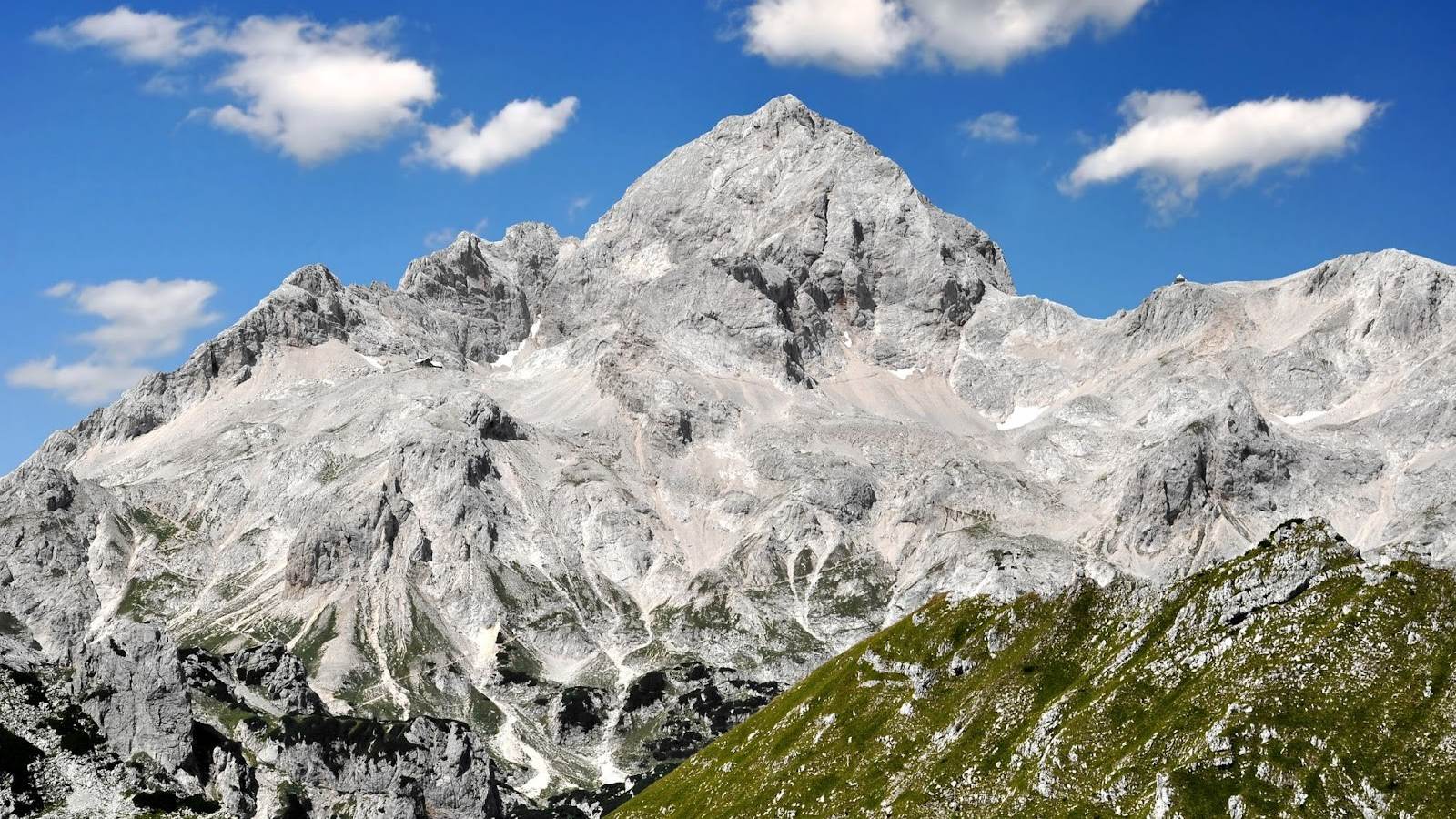
Triglav
A signature Slovenian mountain combining a striking limestone setting, hut culture and exposed summit terrain. Style: Protected scrambling and exposure.
Explore Triglav guides →Mount Olympus
Olympus pairs forest and alpine hiking with a final scramble to Mytikas that becomes serious in poor conditions. Style: Hiking and exposed scrambling.
Explore Mount Olympus guides →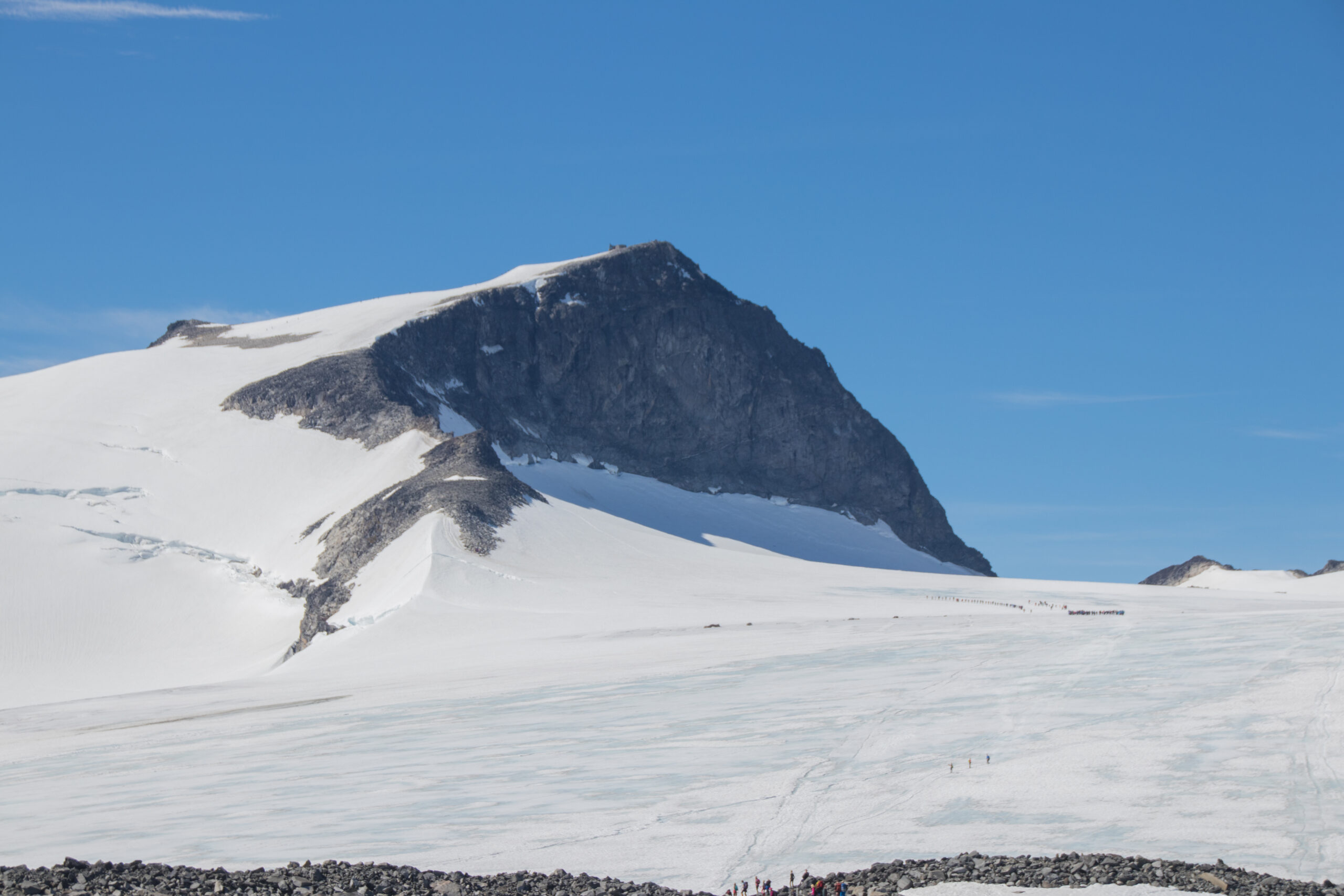
Galdhøpiggen
Norway’s highest peak offers broad mountain scenery and several approaches; some popular options cross a glacier and require appropriate guiding. Style: Hiking / guided glacier approach.
Explore Galdhøpiggen guides →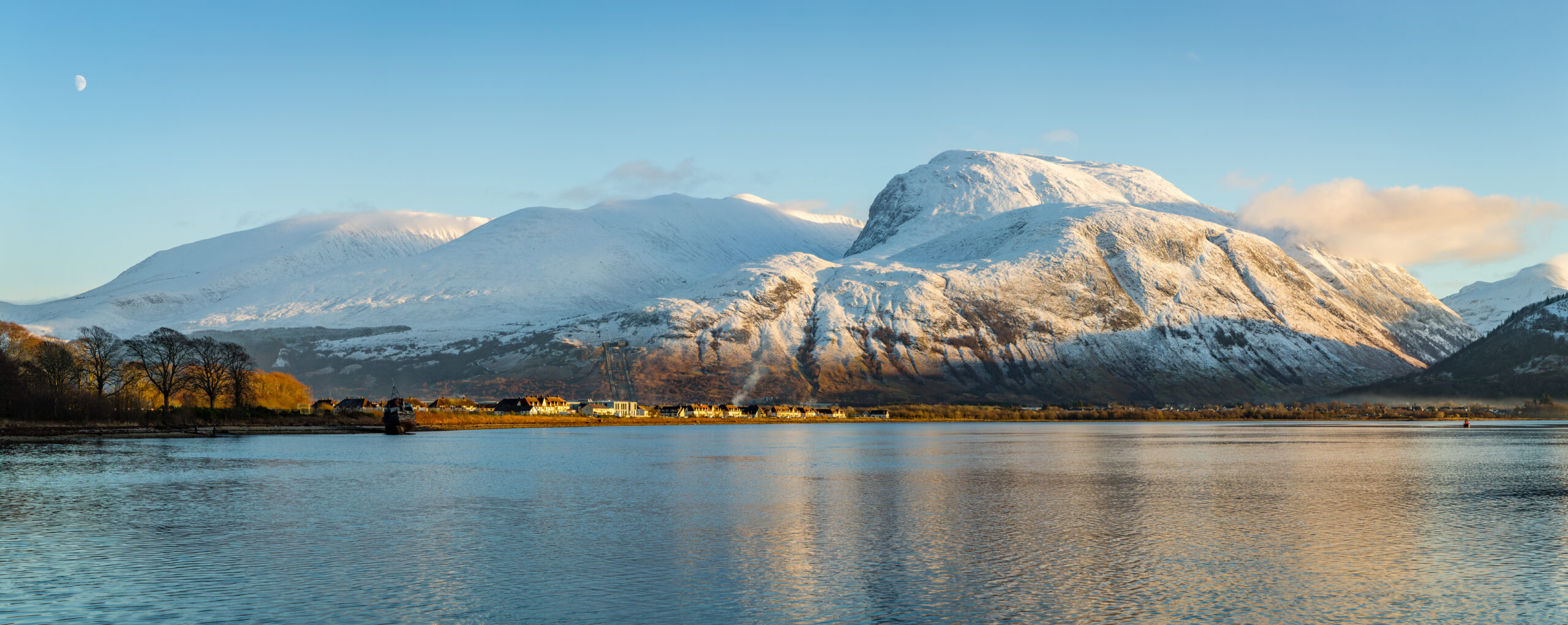
Ben Nevis
A rewarding high mountain with fast-changing weather. Its summer tourist path and technical winter routes are vastly different undertakings. Style: Mountain hiking / winter mountaineering.
Explore Ben Nevis guides →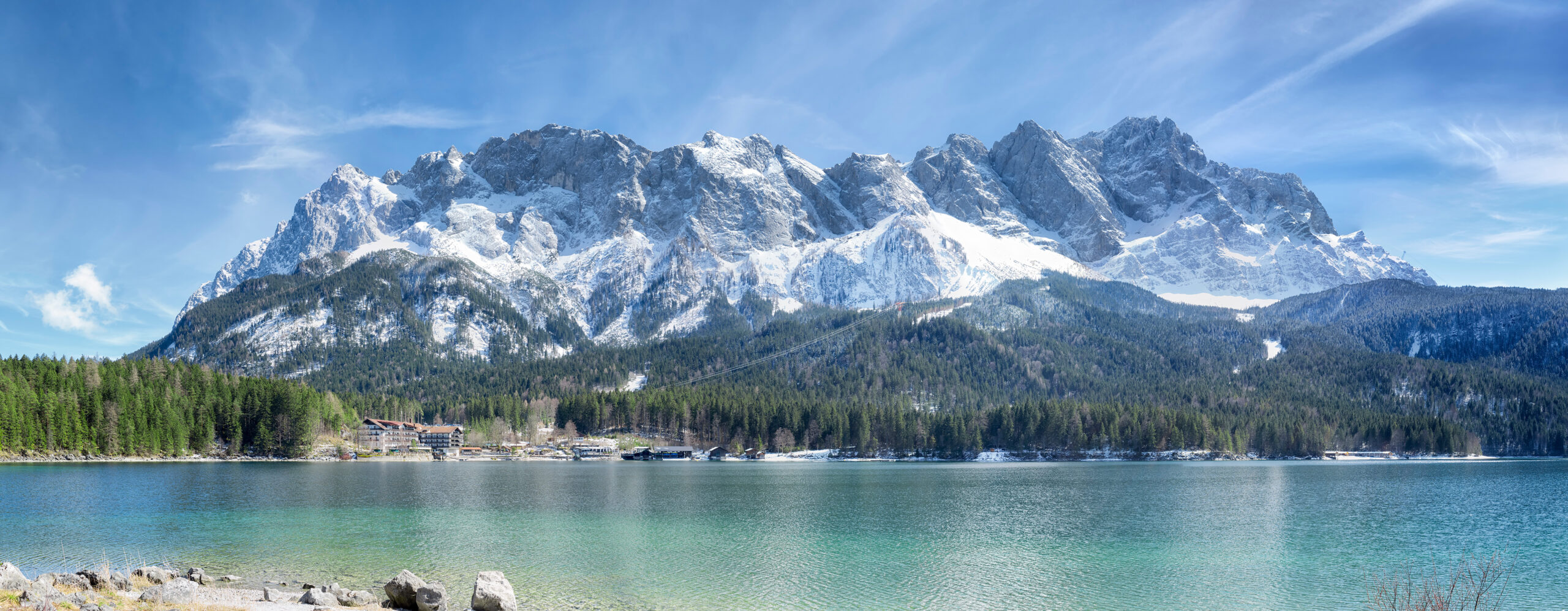
Zugspitze
Germany’s highest summit offers multiple approaches, including strenuous mountain routes and non-climbing access. Style: Hiking, ferrata or cable car.
Explore Zugspitze guides →
Mount Elbrus
Often counted as Europe’s high point in Seven Summits lists. Route difficulties, logistics and current travel advisories deserve careful checks. Style: High-altitude snow and glacier.
Explore Mount Elbrus guides →Build toward your next mountain—not just your next altitude.
Ben Nevis · Galdhøpiggen. Navigation, mountain weather, fitness and independent judgment.
Olympus · Triglav · Zugspitze route options. Controlled movement on steeper ground.
Gran Paradiso · Grossglockner. Glacier travel, rope teams and efficient alpine days.
Mont Blanc · Dufourspitze. Acclimatization, stamina and greater objective hazards.
Matterhorn · Eiger. Complex route-finding, exposed rock and substantial experience.
Elbrus is a separate high-altitude, travel- and conditions-dependent objective; it does not simply fit onto an Alps rock-climbing progression ladder.
Where to base your European mountain trip.
Choose a mountain region before booking flights. Gateway towns, huts, guiding arrangements and local transportation can change the practical difficulty and cost of the trip.
Western & Central Alps
Chamonix, Zermatt and nearby Alpine towns provide access to Mont Blanc, Matterhorn and the Monte Rosa massif.
Explore Alps Classics →Eastern & Julian Alps
Austria, Germany and Slovenia combine protected ridge routes, mountain huts and a wide range of day or multi-day objectives.
Understand via ferrata →Outside the main Alps
Norway, Scotland, Greece and the Caucasus offer distinct terrain, weather patterns and travel considerations.
Browse the mountain index →Season is part of the difficulty.
For many classic Alpine routes, the primary planning period is summer, but heat, unstable snow, glacier change and rockfall can make a nominal summer route less suitable. Scottish and Scandinavian mountains have different conditions; snow and winter weather can turn hiking terrain into mountaineering terrain.
Verify current route reports, huts, lift operations, permit requirements, and local forecasts close to departure. For Elbrus, confirm official travel advice and the practical availability of guided access.
Read mountain weather guidance →Before you book
- Choose your intended route, not only the summit name.
- Confirm technical requirements and realistic acclimatization days.
- Check hut availability and official access restrictions.
- Build an appropriate weather buffer into the itinerary.
- Budget for guide, equipment, local transport and contingency days.
What “best” means here.
These twelve selections balance scenery, route quality, mountain heritage, progression value and the overall travel experience. The list is editorial, not an official European climbing league table. A great mountain may still be entirely unsuitable for a particular climber.
We do not equate a guided ascent with a guaranteed safe ascent. Mountain hazard, exposure and conditions require independent judgment and qualified support where appropriate.
Research and commercial independence
Destination recommendations are editorial. Display advertising may appear through Mediavine, and linked gear, travel or guide services may generate commissions when used. Commercial relationships do not purchase rankings.
Availability, access and mountain conditions change. Always use authoritative current sources before travel.
How we evaluate operators →Choosing your European mountain.
What is the best European mountain for a beginner?
For a mountain hike, consider an appropriate summer route on Galdhøpiggen or Ben Nevis, with preparation for weather and navigation. For a first guided glacier summit, Gran Paradiso is a common introduction. Route selection matters more than the peak name.
Is Mont Blanc the highest mountain in Europe?
Not under the commonly used Seven Summits convention, which places Mount Elbrus in Europe. Mont Blanc is the highest summit in the Alps and Western Europe. The Caucasus continental boundary is debated.
Can I climb the Matterhorn without experience?
The conventional summit routes are serious technical alpine undertakings. Climbers should develop extensive scrambling, exposed rock movement and alpine route judgment first, and consider the guidance of qualified professionals.
What is the best time to climb mountains in Europe?
Summer is a common window for many Alpine, Norwegian and Slovenian objectives, but conditions vary widely by mountain, route and year. Check recent reports, weather and local access rather than assuming an entire season is safe.
Choose the mountain. Build the right plan.
Explore the peak, understand what it demands, and take the next informed step.
Mountains in Europe: Where Are the Major Ranges?
Europe's mountains stretch from the Pyrenees on the Spain–France border to the Alps of Central Europe, the Carpathians farther east, the Scandinavian Mountains, the Balkans and the Caucasus along a debated continental boundary.
Among Europe's best-known peaks are Mont Blanc, the Matterhorn, Eiger, Grossglockner, Triglav, Galdhøpiggen, Ben Nevis, Mount Olympus and Mount Elbrus. Some are accessible hiking objectives; others require technical mountaineering skills.
The Alps
Europe's most famous climbing region, home to Mont Blanc, Matterhorn, Eiger, Dufourspitze, Grossglockner and thousands of alpine hiking routes.
The Pyrenees
A major mountain barrier between the Iberian Peninsula and the rest of Western Europe. Aneto and Monte Perdido are among its major summits.
Scandinavian Mountains
Known for large glaciated landscapes, rugged ridges and extensive hiking. Galdhøpiggen and Kebnekaise are well-known objectives.
The Carpathians
Sweeping across countries including Slovakia, Poland, Ukraine and Romania, with the High Tatras among their most dramatic mountain areas.
Balkan & Dinaric Mountains
Mountain systems across southeastern Europe include limestone massifs, long ridges and peaks such as Triglav, Musala and Mount Olympus.
The Caucasus
The Greater Caucasus contains Mount Elbrus at 5,642 metres. Many Seven Summits lists recognize Elbrus as Europe's highest mountain, though continental definitions differ.
Continue below for the full 12-mountain ranking, including difficulty, climbing style, regional highlights and recommended progression.
Was this helpful?
🏔Related peaks nearby
🧭Explore & compare
Global Summit Guide is an independent mountaineering resource founded in 2026. The team combines first-hand trekking and climbing experience with in-depth research and professional health and nutrition review to help climbers choose objectives, prepare properly, and stay safe.
Health, altitude, and nutrition content is reviewed by Taylor Ludlow (Registered Nurse) and Brigg Hoopes (Nutritionist).
What We Don't Know Yet
Mountain information changes quickly. This box explains the limits of what this page can responsibly promise.
- Visa, passport, vaccination, border, insurance, and local transportation rules may change before your trip.
- Route conditions, snowpack, closures, and weather can change quickly after this page is updated.
- Permit rules, fees, quotas, and reservation windows may change between review cycles.
- Operator availability, pricing, guide ratios, and cancellation terms can change by season.
- Your fitness, altitude response, risk tolerance, and experience level may change what is safe or realistic.
Verify current conditions with official land managers, guide services, local forecasts, and current route reports before booking or climbing.
Mountaineering, rock and ice climbing, glacier travel, and high-altitude activity are inherently dangerous and can result in serious injury or death. The information on Global Summit Guide is provided for general informational and educational purposes only and is not a substitute for professional instruction, qualified guiding, proper equipment, or your own judgment and experience.
Route conditions, weather, snowpack, permits, regulations, and hazards change constantly and may differ from what is described here. Details may be incomplete, out of date, or contain errors. Always verify current information with local authorities, certified guides, and official sources before making any decision in the mountains.
Nothing on this site is medical, legal, or financial advice. Our fitness, acclimatization, altitude, and nutrition content is general in nature; consult a qualified physician before beginning any strenuous exercise program or exposing yourself to high altitude.
You are solely responsible for your own safety and decisions. To the fullest extent permitted by law, Global Summit Guide and its team accept no liability for any loss, injury, damage, or expense arising from use of, or reliance on, this information. By using this site you acknowledge these risks and accept these terms.
Some links on this site may be affiliate links. If you buy through them we may earn a small commission at no extra cost to you; this never affects our recommendations.
Global Summit Guide recommendation path
Next Best Mountain to Research
Use these recommendations to continue the right planning path instead of stopping on one page.
Use current permit, weather, route, and operator information before booking or climbing.
Search Flights, Hotels & Rental Cars
Have the mountain or destination picked? Use Expedia to compare the flights, lodging and rental cars that fit your actual trip dates. For mountain travel, consider arriving early enough for delays and adding a buffer night after the climb before a fixed flight home.
Compare current flight, hotel and car options.
Affiliate disclosure: Global Summit Guide may earn a commission if you book through this link, at no additional cost to you.