<
USA Mountain Climbing · 20 State Guides · 4 Regions · 2026

The Best Mountains in the USA: Complete 20-State Climbing Directory

Every major US mountain region in one directory — Denali at 20,310 ft, Mt. Whitney at 14,505 ft, Mt. Mitchell at 6,684 ft, the Colorado 14ers, Cascade volcanoes, Northeast 4000-Footers, and the 50 state highpoint pursuit. Twenty state-by-state climbing guides organized by geography and skill progression.

20 States
Featured State Guides
20,310 ft
Denali (Highest in US)
50+
Featured Peaks
4 Regions
USA Mountain Geography

🏔 The Four USA Mountain Regions Framework

USA mountain climbing divides into four geographic regions with significantly different climbing character. First, the Western and Rocky Mountain region (8 states) features high-elevation walk-ups and scrambles, the Colorado 14ers framework (58 peaks over 14,000 ft, the largest in the contiguous US), the Sangre de Cristo Range, and three Class 4 state highpoints (Wyoming Gannett Peak, Montana Granite Peak, Idaho Borah Peak).

Second, the Pacific and Alaska region (5 states) features Mt. Whitney (14,505 ft, highest in contiguous US), Mt. Rainier (most-glaciated US peak in contiguous states), the Cascade volcanic range, and Denali (20,310 ft, highest in North America). Third, the Northeast region (4 states) is anchored by the Northeast 4000-Footers framework totaling 115 peaks across NH48 + ADK46 + Maine 14 + VT 5. Fourth, the Appalachian region (3 states) features Mt. Mitchell (6,684 ft, highest east of the Mississippi River), Great Smoky Mountains National Park, and the Allegheny Front escarpment.

The United States hosts more mountain climbing diversity than any other country in the world — from sea-level Hawaiian volcanoes to Denali’s 20,310 ft Alaskan summit, across four distinct mountain regions, 50 state highpoints, and dramatically different climbing character. Generally, USA mountain climbing spans the full difficulty range from Class 1 drive-up state highpoints (Mt. Mitchell North Carolina, Mt. Mansfield Vermont via gondola, Spruce Knob West Virginia, Mauna Kea Hawaii) to Class 5+ expedition mountaineering (Denali Alaska, Mt. Rainier Washington Liberty Ridge). Specifically, our 20-state guide framework provides comprehensive coverage of the highest peaks in the highest-elevation states plus key Northeast and Appalachian state highpoints — totaling more than 50 featured peaks across the four major mountain regions. Notably, this hub serves as the architectural keystone of our USA climbing content — each state guide provides peak-by-peak detail, while this hub provides cross-state comparison, geographic framework, and skill progression guidance.

Key Takeaways

  • 20 US states are covered in our climbing guides — spanning the four major USA mountain regions.
  • Denali (20,310 ft, Alaska) is the highest peak in North America — accessible via expedition mountaineering with 2-3 week commitment.
  • Mt. Whitney (14,505 ft, California) is the highest peak in the contiguous United States — Class 1-2 hiking with lottery permits.
  • Mt. Mitchell (6,684 ft, North Carolina) is the highest peak east of the Mississippi River — drive-up accessible.
  • Colorado’s 58 14ers form the largest 14er framework in the contiguous US — clear skill progression from Class 1 walk-ups to Class 4.
  • Northeast 4000-Footers total 115 peaks across NH48 + ADK46 + Maine 14 + VT 5 — the most-significant regional climbing framework in the eastern US.
  • Three Class 4 state highpoints (Wyoming Gannett, Montana Granite, Idaho Borah) form a progression for serious scramblers.
  • October provides exceptional climbing conditions across multiple regions — Appalachian foliage, Northeast 4000-Footers, southwestern deserts.
  • 50 US state highpoints create the Highpointers Club tracking framework — ranging from Britton Hill (FL 345 ft) to Denali (AK 20,310 ft).
Updated June 2026 · 20 state climbing guides now live · All four USA mountain regions covered (Western/Rocky · Pacific/Alaska · Northeast · Appalachian) · Cross-state comparison and skill progression framework

Why the USA Has the World’s Most Diverse Mountain Climbing

The United States hosts more mountain climbing diversity than any other country in the world. Generally, this combines sea-level Hawaiian volcanic peaks, the highest peak in North America (Denali at 20,310 ft in Alaska), the largest 14er framework in the contiguous Lower 48 (Colorado’s 58 official 14ers), the most-glaciated peak in the contiguous US (Mt. Rainier in Washington), the most-significant Northeast 4000-Footers framework (115 peaks across NH, NY, VT, and ME), and the highest peak east of the Mississippi River (Mt. Mitchell in North Carolina at 6,684 ft). Specifically, no other country offers comparable climbing breadth: from drive-up state highpoints accessible to any visitor to expedition mountaineering on Denali’s 14-day West Buttress route, the US climbing landscape supports every climbing discipline from Class 1 hiking through Class 5+ technical alpine climbing.

Notably, the US mountain climbing community is organized around several major tracking frameworks that drive climber progression. Specifically, the Highpointers Club coordinates the 50 US state highpoint pursuit (with Britton Hill Florida at 345 ft as the lowest and Denali Alaska at 20,310 ft as the highest). The Colorado Mountain Club’s 14er list provides clear skill progression through Colorado’s 58 14ers. The Appalachian Mountain Club’s Four Thousand Footer Club coordinates the Northeast 4000-Footers across four states. The Cascade volcanoes (Mt. Rainier, Mt. Hood, Mt. Adams, Mt. Baker, Mt. Shasta, Mt. St. Helens, Glacier Peak) form an informal progression for Pacific Northwest mountaineers. Generally, these frameworks provide structure beyond simply “climbing mountains” — they create defined progression paths with community recognition and clear skill development arcs.

📋 How to use this hub

This page serves as the directory and framework explainer for our 20-state USA climbing guide architecture. Generally, each state guide provides detailed peak-by-peak coverage with route descriptions, permit requirements, safety considerations, and seasonal timing for that specific state. This hub provides cross-state comparison, geographic framework explanation, skill progression guidance, and the four-region organization that helps climbers choose the best state for their next trip. Specifically, scroll to the 20 State Guides Directory section to navigate directly to your state of interest, or use the Best by Category section to find states matching specific climbing goals.

The Four USA Mountain Regions

USA mountain climbing divides into four geographic regions with significantly different climbing character, seasonal windows, permit requirements, and signature objectives. Generally, climbers should understand the regional framework before choosing specific state objectives — regional character affects every climbing trip beyond just terrain.

REGION 1 · WESTERN AND ROCKY MOUNTAIN · 8 STATES

High-Elevation Walk-Ups, Scrambles, and the Colorado 14ers

UT · CO · WY · MT · ID · NV · AZ · NM — featuring the largest 14er framework in the contiguous US, the Sangre de Cristo Range, and the Class 4 highpoint trio

The Western and Rocky Mountain region spans Utah, Colorado, Wyoming, Montana, Idaho, Nevada, Arizona, and New Mexico — 8 states featuring the highest-elevation walk-up peaks in the contiguous United States. Generally, the region is characterized by: high-elevation climbing (most 14ers and significant 13ers), low humidity hiking conditions, the famous Colorado 14ers framework (58 peaks over 14,000 ft), the Sangre de Cristo Range extending from Colorado through New Mexico, three Class 4 state highpoints (Wyoming Gannett Peak, Montana Granite Peak, Idaho Borah Peak), and significant Class 1-3 hiking diversity. Specifically, monsoon season afternoon thunderstorms (July-August) require early starts in Colorado and New Mexico. Notably, the Western/Rocky Mountain region offers the most peak diversity of any USA mountain region — from desert sky island ranges (Arizona) to glaciated Wind River Range objectives (Wyoming).

REGION 2 · PACIFIC AND ALASKA · 5 STATES

Glaciated Mountaineering, Cascade Volcanoes, and Denali

CA · OR · WA · AK · HI — featuring the highest peak in North America, the most-glaciated US peak in contiguous states, and the tallest mountain from base on Earth

The Pacific and Alaska region spans California, Oregon, Washington, Alaska, and Hawaii — 5 states featuring the most-significant glaciated mountaineering in the United States. Generally, the region is characterized by: Mt. Whitney (14,505 ft California, highest peak in contiguous US), the Cascade volcanic range (Mt. Rainier most-glaciated US peak, Mt. Hood most-climbed glaciated peak in North America, plus Mt. Baker, Mt. Adams, Glacier Peak, Mt. Jefferson, Three Sisters), Denali (20,310 ft Alaska, highest peak in North America), and Hawaii’s volcanic peaks (Mauna Kea 13,803 ft as the tallest mountain on Earth measured from base, Mauna Loa, Haleakala). Specifically, climbing season is generally shorter than other regions due to maritime weather variability — May through September with Alaska Denali peaking May-June. Notably, the Pacific/Alaska region offers the most-committing glaciated mountaineering in the United States.

REGION 3 · NORTHEAST · 4 STATES

The Northeast 4000-Footers Framework (115 Peaks)

NH · NY · VT · ME — unified by NH48 + ADK46 + Maine 14 + VT 5 framework, plus Mt. Washington’s world record weather and the Knife Edge on Katahdin

The Northeast region spans New Hampshire, New York, Vermont, and Maine — 4 states unified by the Northeast 4000-Footers framework totaling 115 peaks. Generally, the region is characterized by: the NH48 (48 peaks in New Hampshire, the largest list), the ADK46 (46 Adirondack High Peaks in New York), the Maine 14 (14 peaks in Maine), and the VT 5 (5 peaks in Vermont). Specifically, Mt. Washington (NH, 6,288 ft) holds the world record for highest measured surface wind at 231 mph (1934) creating Mount Washington’s reputation for extreme weather, Mt. Katahdin (ME, 5,267 ft) is the northern terminus of the Appalachian Trail with the famous Knife Edge Class 3 arete, and Mt. Mansfield (VT, 4,395 ft) is The Chin on Vermont’s signature ridge. Notably, the Northeast region creates the most-significant regional climbing tracking framework in the eastern United States — Northeast 4000-Footers completion typically requires 3-7 years of dedicated hiking across four states.

REGION 4 · APPALACHIAN · 3 STATES

Mt. Mitchell, Great Smoky Mountains, and the Allegheny Front

NC · TN · WV — featuring the highest peak east of the Mississippi River, the most-visited US national park, and the most-accessible permit-free hiking in the eastern US

The Appalachian region spans North Carolina, Tennessee, and West Virginia — 3 states featuring the most-accessible high-country climbing in the eastern United States. Generally, the region is characterized by: Mt. Mitchell (NC, 6,684 ft, the HIGHEST PEAK EAST OF THE MISSISSIPPI RIVER, drive-up accessible), Clingmans Dome (TN, 6,643 ft, third-highest east of Mississippi, in Great Smoky Mountains National Park), Spruce Knob (WV, 4,863 ft, highest in the Allegheny Mountains south of Pennsylvania, drive-up accessible), and the most-accessible permit-free hiking framework of any USA mountain region. Specifically, the Appalachian region features Great Smoky Mountains National Park (the most-visited US national park), the Allegheny Front escarpment, the Dolly Sods Wilderness subarctic ecosystem, and Seneca Rocks (the east coast’s most-significant rock climbing destination). Notably, October is widely considered the optimal climbing month across the Appalachian region — dramatic foliage, stable weather, reduced summer crowds.

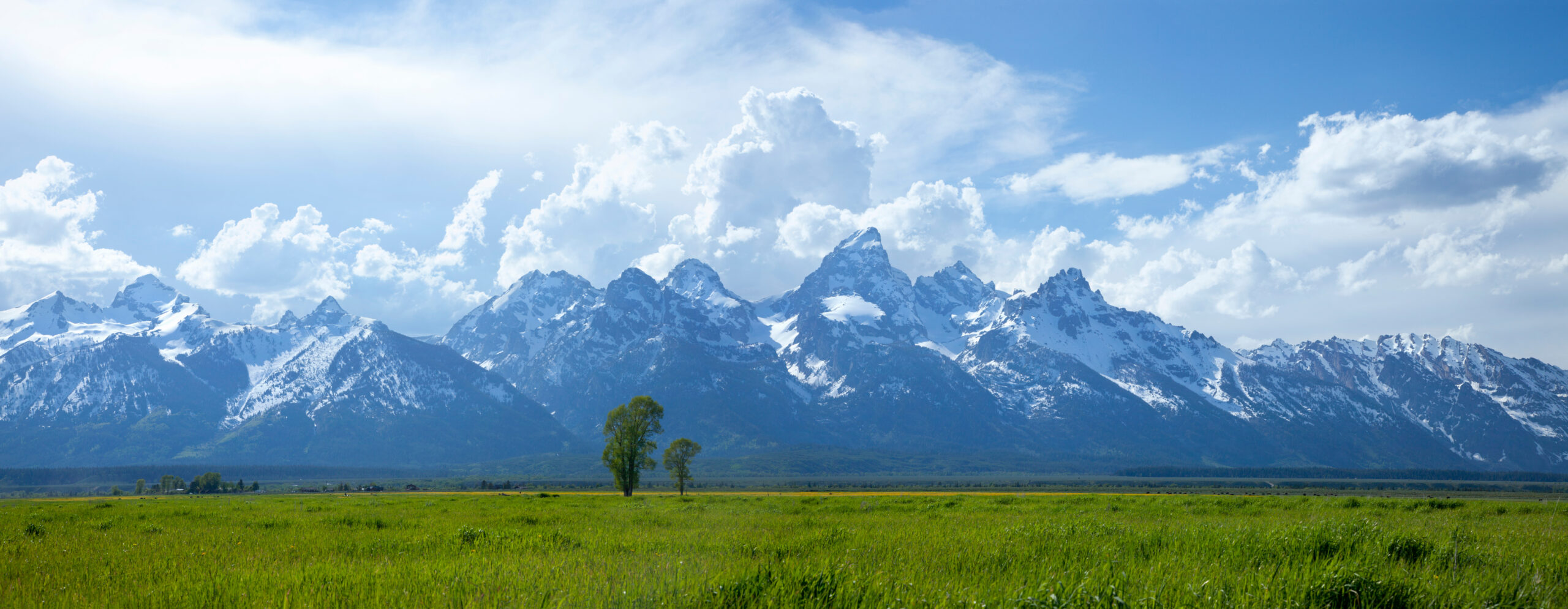
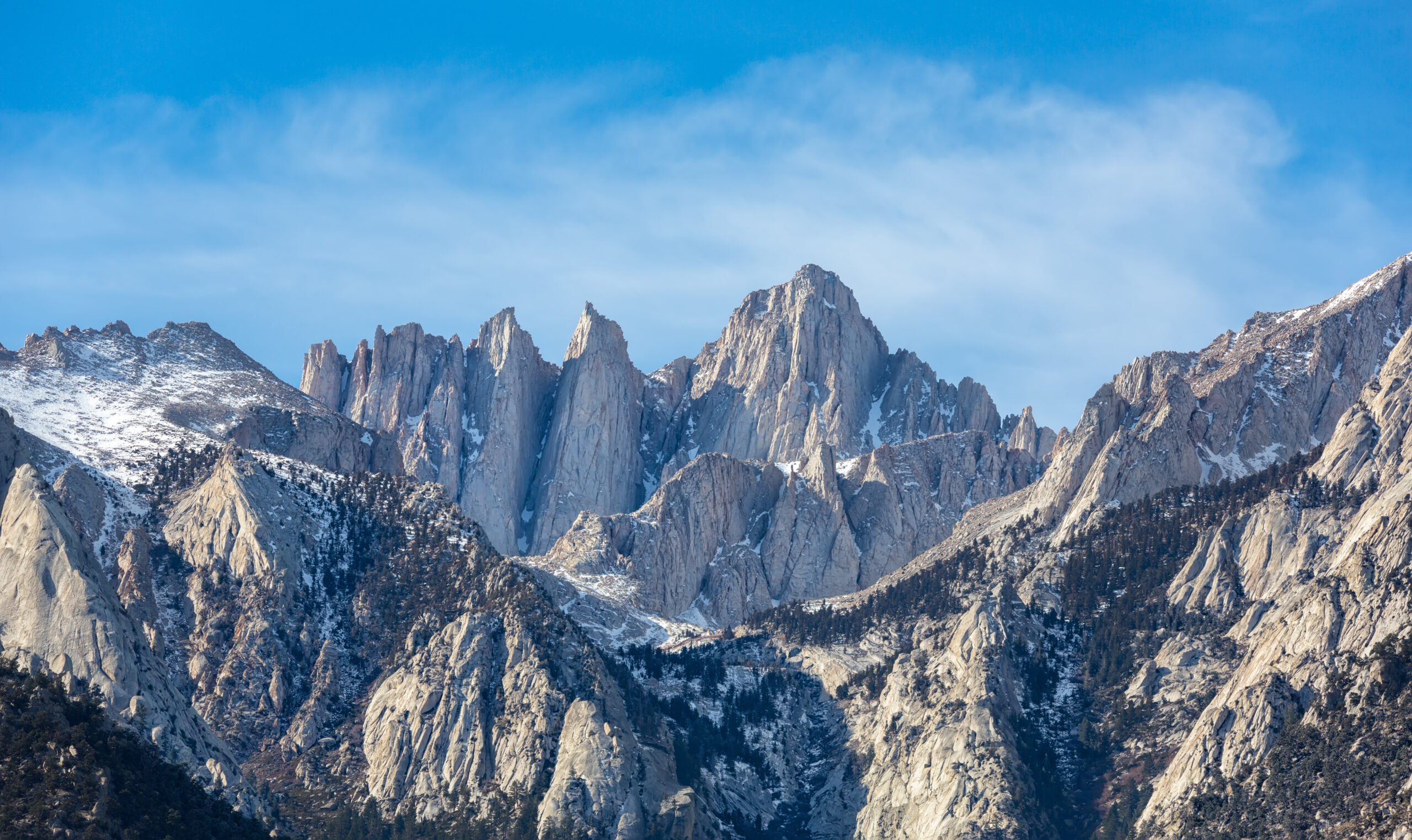
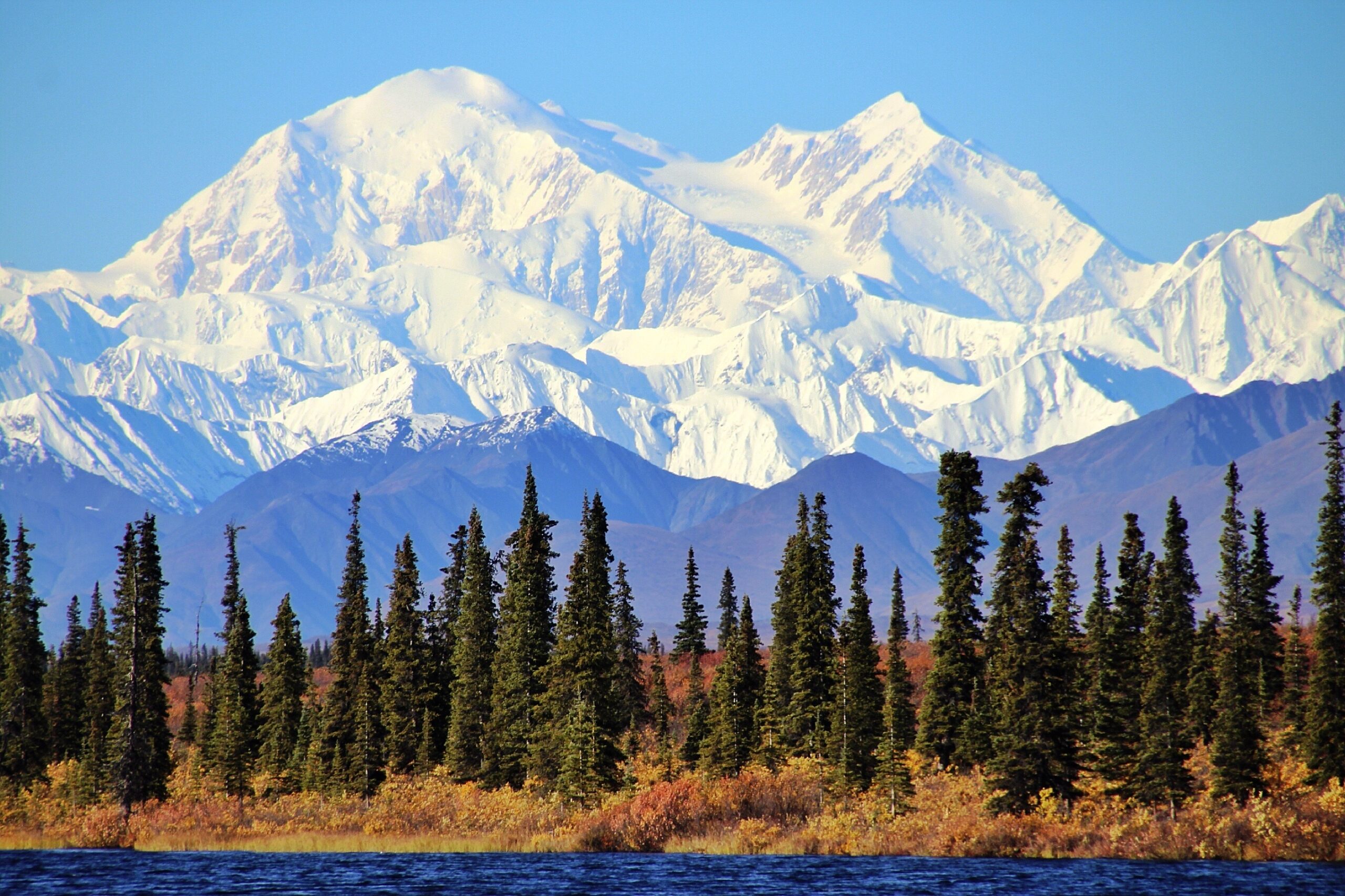
Best mountains in the USA showing the dramatic American mountain landscape that spans four major regions from the Western and Rocky Mountain region featuring Colorado 14ers and the Class 4 highpoint trio of Wyoming Gannett Peak Montana Granite Peak and Idaho Borah Peak to the Pacific and Alaska region featuring Denali at 20310 feet as the highest peak in North America and Mt Whitney at 14505 feet as the highest peak in the contiguous United States and Mt Rainier as the most-glaciated US peak in contiguous states and Mauna Kea as the tallest mountain from base on Earth to the Northeast region featuring the Northeast 4000-Footers framework totaling 115 peaks across NH48 ADK46 Maine 14 and VT 5 to the Appalachian region featuring Mt Mitchell at 6684 feet as the highest peak east of the Mississippi River representing the most diverse mountain climbing in any country in the world
USA mountain climbing diversity — from sea-level Hawaiian volcanoes to Denali’s 20,310 ft Alaskan summit across four distinct regions. Generally, the USA offers more mountain climbing variety than any other country in the world. Specifically, our 20-state guide framework covers the highest peaks across all four regions — Western/Rocky Mountain (8 states), Pacific/Alaska (5 states), Northeast (4 states), and Appalachian (3 states) — totaling more than 50 featured peaks. Notably, climbers can pursue everything from Class 1 drive-up state highpoints to Class 5+ expedition mountaineering within US borders.

The 20 USA State Climbing Guides Directory

The complete directory of our 20 state climbing guides, organized by mountain region. Generally, each state guide provides 9 featured peaks with detailed route descriptions, permit requirements, safety considerations, and seasonal timing. Specifically, click through to any state guide for comprehensive peak-by-peak coverage of that state’s signature climbing destinations.

Region 1: Western and Rocky Mountain States (8 states)

Utah

13,528 ft · Kings Peak (Uintas)

13 mountain ranges from the Wasatch to the Uintas

The Wasatch Range (Mt. Timpanogos drive-up, Mt. Olympus near Salt Lake City), the Uintas (Kings Peak in High Uintas Wilderness), and southern desert ranges.

Utah Climbing Guide →

Colorado

14,440 ft · Mt. Elbert (Sawatch)

58 official 14ers — largest framework in contiguous US

The largest 14er framework in the contiguous United States. Clear progression from Class 1 walk-ups (Mt. Bierstadt, Mt. Massive) to Class 4 (Capitol Peak, Little Bear Peak).

Colorado Climbing Guide →

Wyoming

13,809 ft · Gannett Peak (Class 4)

Wind River Range, Tetons, Class 4 highpoint trio

Wind River Range, Tetons (Grand Teton 13,775 ft Class 5 standard route), and Class 4 state highpoint approach with glacier travel. Part of the Class 4 Highpoint Trio (WY + MT + ID).

Wyoming Climbing Guide →

Montana

12,807 ft · Granite Peak (Class 4)

Beartooths, Glacier National Park, Class 4 highpoint trio

Class 4 standard route. Beartooth Mountains, Crazy Mountains, Bridgers, and significant Glacier National Park terrain. Part of the Class 4 Highpoint Trio.

Montana Climbing Guide →

Idaho

12,668 ft · Borah Peak (Chicken-Out Ridge)

Lost River Range, Sawtooths, Class 4 highpoint trio

Class 4 standard route featuring the famous Chicken-Out Ridge crux. Lost River Range, Sawtooths, and significant Class 1-4 hiking. Part of the Class 4 Highpoint Trio.

Idaho Climbing Guide →

Nevada

13,140 ft · Boundary Peak (CA-NV border)

Boundary Peak, Wheeler Peak, Mt. Charleston

Boundary Peak officially Nevada despite border position. Wheeler Peak (Snake Range, Great Basin NP), Mt. Charleston (Spring Mountains near Las Vegas), and significant Sierra-edge climbing.

Nevada Climbing Guide →

Arizona

12,633 ft · Humphreys Peak (San Francisco Peaks)

Sky islands, Class 1 hiking, significant altitude

Class 1 hiking with significant altitude exposure from desert valleys. Chiricahua Mountains, Santa Catalina (Mt. Lemmon near Tucson), and significant sky island ranges across the state.

Arizona Climbing Guide →

New Mexico

13,167 ft · Wheeler Peak (Sangre de Cristo)

Sangre de Cristo Range — NOT Nevada Wheeler

NOT the Nevada Wheeler — disambiguation required. Sangre de Cristo Range, Truchas Peak, Mt. Taylor (sacred Navajo mountain), and significant Class 1-3 hiking.

New Mexico Climbing Guide →

Region 2: Pacific States and Alaska (5 states)

California

14,505 ft · Mt. Whitney

Highest peak in the contiguous US

Highest peak in the contiguous United States. Sierra Nevada Range, Cascades (Mt. Shasta 14,179 ft), and significant Class 1-5 technical climbing. Lottery permits required for Whitney Trail.

California Climbing Guide →

Oregon

11,249 ft · Mt. Hood

Most-climbed glaciated peak in North America

Cascade volcanoes (Mt. Hood, Mt. Jefferson, Three Sisters, Mt. Bachelor). Significant glacier travel on Mt. Hood standard route from Timberline Lodge.

Oregon Climbing Guide →

Washington

14,411 ft · Mt. Rainier

Most-glaciated US peak in contiguous states

Cascade volcanoes (Rainier, Baker, Glacier Peak, Adams), Olympic Mountains, and significant alpine climbing. Climbing permits and fees required for Rainier.

Washington Climbing Guide →

Alaska

20,310 ft · Denali

Highest peak in North America

Highest peak in North America. Alaska Range (Denali, Foraker, Hunter), Wrangell-St. Elias (Blackburn, Sanford, Bona), Chugach, and Brooks Range. The most-significant glaciated mountaineering in the United States.

Alaska Climbing Guide →

Hawaii

13,803 ft · Mauna Kea

Tallest mountain on Earth measured from base

Mauna Kea drive-up accessible to summit (with caveats). Mauna Loa, Haleakala (Maui), and unique volcanic mountain experiences with significant altitude exposure from sea level.

Hawaii Climbing Guide →

Region 3: Northeast States (4 states)

New Hampshire

6,288 ft · Mt. Washington

NH48 + world record 231 mph wind

NH48 4000-Footers (48 peaks) — the largest Northeast 4000-Footer list. Mt. Washington’s 231 mph wind record. Presidential Range alpine traverse.

New Hampshire Climbing Guide →

New York

5,344 ft · Mt. Marcy

ADK46 Adirondack High Peaks

ADK46 (46 Adirondack High Peaks) + Catskill 3500 (35 Catskill peaks). Mt. Algonquin, Mt. Haystack, and significant Northeast 4000-Footers framework participation.

New York Climbing Guide →

Vermont

4,395 ft · Mt. Mansfield (The Chin)

Long Trail + AT Birthplace

Long Trail (272 miles, 1910) — the oldest US long-distance trail. Vermont 5 4000-Footers, AT Birthplace at Stratton Mountain (1921).

Vermont Climbing Guide →

Maine

5,267 ft · Mt. Katahdin

Knife Edge + AT Northern Terminus

The Knife Edge Class 3 arete + Appalachian Trail northern terminus. Baxter “Forever Wild” reservations. Maine 14 4000-Footers + Acadia National Park (1st east of Mississippi).

Maine Climbing Guide →

Region 4: Appalachian States (3 states)

North Carolina

6,684 ft · Mt. Mitchell

HIGHEST PEAK EAST OF MISSISSIPPI

Highest peak east of the Mississippi River. Blue Ridge Mountains, Great Smoky Mountains NP (shared with TN), Black Mountains range, and Appalachian diversity.

North Carolina Climbing Guide →

Tennessee

6,643 ft · Clingmans Dome

3rd highest east + Great Smoky Mountains

Third-highest peak east of the Mississippi. Great Smoky Mountains NP (most-visited US national park), Cumberland Plateau, and Appalachian Trail through Tennessee.

Tennessee Climbing Guide →

West Virginia

4,863 ft · Spruce Knob

Dolly Sods + Seneca Rocks

Highest in Allegheny Mountains south of PA. Dolly Sods Wilderness subarctic ecosystem, Seneca Rocks east coast climbing mecca, New River Gorge NP (2020).

West Virginia Climbing Guide →

USA State Highpoints Reference

Quick-reference table of state highpoints across our 20 featured states. Generally, the Highpointers Club coordinates the 50-state highpoint pursuit framework — our 20 featured states include the most-significant climbing highpoints (from Denali at 20,310 ft to Spruce Knob at 4,863 ft). Specifically, use this table for cross-state comparison and progression planning.

StateHighpointElevationClassRegionState Guide
AlaskaDenali20,310 ftExpeditionPacific/AKAlaska
CaliforniaMt. Whitney14,505 ftClass 1-2Pacific/AKCalifornia
ColoradoMt. Elbert14,440 ftClass 1Rocky MtnColorado
WashingtonMt. Rainier14,411 ftClass 5 GlacierPacific/AKWashington
WyomingGannett Peak13,809 ftClass 4 GlacierRocky MtnWyoming
HawaiiMauna Kea13,803 ftClass 1 Drive-upPacific/AKHawaii
UtahKings Peak13,528 ftClass 2Rocky MtnUtah
New MexicoWheeler Peak13,167 ftClass 1-2Rocky MtnNew Mexico
NevadaBoundary Peak13,140 ftClass 2Rocky MtnNevada
MontanaGranite Peak12,807 ftClass 4Rocky MtnMontana
IdahoBorah Peak12,668 ftClass 4Rocky MtnIdaho
ArizonaHumphreys Peak12,633 ftClass 1Rocky MtnArizona
OregonMt. Hood11,249 ftClass 5 GlacierPacific/AKOregon
North CarolinaMt. Mitchell6,684 ftClass 1 Drive-upAppalachianNorth Carolina
TennesseeClingmans Dome6,643 ftClass 1 Drive-upAppalachianTennessee
New HampshireMt. Washington6,288 ftClass 1-3NortheastNew Hampshire
New YorkMt. Marcy5,344 ftClass 1-2NortheastNew York
MaineMt. Katahdin5,267 ftClass 2-3NortheastMaine
West VirginiaSpruce Knob4,863 ftClass 1 Drive-upAppalachianWest Virginia
VermontMt. Mansfield4,395 ftClass 1-2NortheastVermont

Best US States By Climbing Category

Different climbers focus on different climbing goals. Generally, no single US state offers the best climbing for all purposes — climbers should match objectives to state strengths. Specifically, our cross-state comparison provides category-specific recommendations.

🥇 Best for State Highpoints

Alaska (Denali) for the most-committing US highpoint. Colorado (Mt. Elbert) for the most-accessible 14er state highpoint. Class 4 Trio (WY Gannett + MT Granite + ID Borah) for serious scramblers.

Alaska Guide →

🏔 Best for 14er Progression

Colorado (58 14ers) — the largest 14er framework in the contiguous US. Clear progression from Class 1 walk-ups (Mt. Bierstadt) through Class 4 scrambles (Capitol Peak).

Colorado Guide →

🧗 Best for Glaciated Mountaineering

Washington (Mt. Rainier) for the most-glaciated US peak in contiguous states. Oregon (Mt. Hood) for the most-climbed glaciated peak in North America. Alaska (Denali) for expedition-scale glaciation.

Washington Guide →

🌲 Best for Northeast 4000-Footers

New Hampshire (NH48) for the largest Northeast 4000-Footer list. Combined with NY (ADK46), ME (Maine 14), and VT (VT 5) creates the Northeast 4000-Footers framework totaling 115 peaks.

NH Guide →

🌅 Best for Drive-Up Highpoints

North Carolina (Mt. Mitchell) — highest east of Mississippi, drive-up. West Virginia (Spruce Knob) — drive-up state highpoint. Hawaii (Mauna Kea) — drive-up to summit. Tennessee (Clingmans Dome) — drive-up Smokies.

NC Guide →

🏞 Best for Beginner Climbers

Arizona (Humphreys Peak) for first 12,000+ ft summit. North Carolina (Mt. Mitchell) for drive-up state highpoint with extension trails. Vermont (Mt. Mansfield) for gondola access plus hiking option.

Beginner Guide →

🔥 Best for Volcanic Peaks

Washington Cascades (Rainier, Baker, Glacier Peak, Adams). Oregon Cascades (Hood, Jefferson, Three Sisters). California Cascades (Shasta, Lassen). Hawaii volcanic peaks (Mauna Kea, Mauna Loa, Haleakala).

Washington Guide →

🌄 Best for Fall Foliage Climbing

Vermont, New Hampshire, Maine for late September-early October Northeast foliage. North Carolina, Tennessee, West Virginia for mid-October Appalachian foliage (widely considered best in eastern US).

WV Guide →

USA Climbing Skill Progression Framework

Our 20-state guide architecture is designed to support climber skill progression from beginner Class 1 hiking through expedition mountaineering. Generally, climbers should match objectives honestly to current capability — attempting beyond-skill objectives is the most-common source of climbing accidents and rescue incidents. Specifically, our three-tier framework provides clear progression structure.

Beginner Tier (First 1-3 Mountains)

Generally appropriate for climbers with limited mountain experience — first state highpoint, first multi-hour hike, first significant elevation gain. Specifically, beginner objectives focus on Class 1 hiking with developed trails, drive-up access options, and no permits or technical equipment required. Recommended state introductions: Arizona Humphreys Peak (Class 1 first 12,000+ ft experience), North Carolina Mt. Mitchell (drive-up state highpoint with extension trails), West Virginia Spruce Knob (drive-up state highpoint, no permits), Hawaii Mauna Kea (drive-up with significant altitude exposure), Tennessee Clingmans Dome (drive-up Smokies highpoint). Notably, our Beginner Climbing Guide provides comprehensive first-mountain selection guidance.

Intermediate Tier (3-15 Mountains Experience)

Generally appropriate for climbers building beyond beginner objectives — first Class 3 scrambles, first 14er attempts, first multi-day backpacking trips. Specifically, intermediate objectives include Class 2-3 hiking with significant elevation gain, navigation skills required, and weather judgment becoming critical. Recommended state progressions: Colorado walk-up 14ers (Mt. Bierstadt, Mt. Massive, Mt. Elbert), Utah Kings Peak via the High Uintas Wilderness, New Mexico Wheeler Peak (Sangre de Cristo), Vermont Mt. Mansfield with Long Trail extension, Maine Mt. Bigelow (introduction to Maine 14 4000-Footers). Notably, our Intermediate Climbing Guide provides skill-development framework.

Expert Tier (Significant Mountain Experience)

Generally appropriate for climbers with substantial mountain experience — multiple state highpoints completed, technical scrambling and exposure comfort, weather and route-finding mastery. Specifically, expert objectives include Class 4 scrambling, glacier travel, expedition mountaineering, and committing alpine routes. Recommended state objectives: Wyoming Gannett Peak (Class 4 + glacier travel), Montana Granite Peak (Class 4), Idaho Borah Peak (Chicken-Out Ridge), California Mt. Whitney via Mountaineer’s Route (Class 3), Washington Mt. Rainier via Liberty Ridge or Disappointment Cleaver (glacier travel), Oregon Mt. Hood South Side (glacier travel), Alaska Denali West Buttress (expedition mountaineering). Notably, our Expert Climbing Guide provides advanced skill framework.

USA Climbing Seasons by Region

US mountain climbing seasons vary dramatically by region. Generally, climbers must plan around region-specific seasonal windows that don’t always align with general vacation timing.

SeasonWindowBest RegionsConditions
SpringApr – MaySouthwest deserts (AZ, NM)NE mud season. Snow in Rocky Mtn, Pacific. Hawaii year-round.
SummerJun – AugUniversal peak seasonRocky Mtn 14ers, Pacific volcanoes, Alaska Denali (Jun-Jul), Northeast 4000s. Monsoon thunderstorms in CO/NM.
FallSep – OctBest overall (broadest window)Stable weather most regions. NE/Appalachian foliage. SW desert improving. Rocky Mtn shoulder.
WinterDec – MarSW deserts, Pacific lower elevationsMost high country closed/restricted. Winter mountaineering specialists only.
🌄 October — the broadest USA climbing window

October provides exceptional climbing conditions across multiple regions simultaneously. Generally, October offers: peak Appalachian foliage (NC, TN, WV — widely considered best in eastern US), Northeast 4000-Footers (NH, NY, VT, ME — most-popular hiking season), southwestern desert mountains (AZ, NM — improving conditions), and shoulder-season Rocky Mountain climbing (CO, UT, WY — variable conditions). Specifically, October trips often combine multiple states or regions effectively — Northeast 4000-Footers and Appalachian state highpoints can be combined in 7-10 day trips. Notably, October’s stable weather and reduced crowds make it the highest-leverage month for USA climbing trips.

The 8 Common Mistakes Climbers Make Across US States

Avoid These Common Cross-State USA Climbing Mistakes

  1. Underestimating regional weather differences. Generally the most-consequential USA climbing mistake. Coastal Pacific weather (rain, fog, maritime) differs dramatically from continental Rocky Mountain weather (afternoon thunderstorms, dry). Plan for region-specific conditions, not generic mountain weather.
  2. Skipping Baxter State Park reservations for Maine Katahdin. Reservations fill 4-6 months ahead. Without reservations, climbers cannot legally park at standard Katahdin trailheads. Plan Maine Katahdin trips at trip-planning start, not as afterthought.
  3. Attempting Class 4 highpoints without progression. Wyoming Gannett, Montana Granite, and Idaho Borah are not appropriate first state highpoints. Build through Class 1-3 hiking before attempting Class 4 scrambles. The Chicken-Out Ridge crux on Borah is not casual hiking.
  4. Confusing Wheeler Peak in New Mexico with Boundary Peak / Wheeler Peak in Nevada. Two different Wheeler Peaks exist — NM Wheeler is the Sangre de Cristo state highpoint, NV Wheeler is in Great Basin National Park (with Boundary Peak as the actual NV state highpoint). Verify which Wheeler before planning.
  5. Underestimating Mt. Washington (NH) extreme weather. Mt. Washington holds the world record for highest measured surface wind (231 mph, 1934). Weather changes rapidly with deadly consequences. Multiple fatalities per decade. Bring full insulation and rain gear regardless of forecast.
  6. Combining Acadia (Maine coast) with Katahdin (Maine interior) in single trip. The two destinations are 4-5 hours apart with no efficient routing. Most climbers focus on one Maine region per trip — combining requires significant driving time that reduces actual climbing time.
  7. Ignoring Colorado monsoon season afternoon thunderstorms. July-August Colorado 14ers require very early starts (4-5 AM trailhead) to summit before noon thunderstorms develop. Lightning kills more 14er climbers than any other risk factor.
  8. Treating drive-up state highpoints as identical to mountain climbing. Mt. Mitchell (NC), Spruce Knob (WV), Mauna Kea (HI), and Clingmans Dome (TN) all offer drive-up access — but each remains a high-elevation summit with weather variability. The drive-up experience differs significantly from genuine mountain climbing despite the elevation.
USA mountain climbing across all four major regions showing the comprehensive diversity of American peaks from the highest elevation walk-ups in the Western and Rocky Mountain region to the most-glaciated mountaineering in the Pacific and Alaska region to the Northeast 4000-Footers framework to the Appalachian Mt Mitchell highest peak east of the Mississippi River with the 20-state climbing guide architecture providing comprehensive coverage of every major US mountain destination organized by geography and skill progression representing the closing image of the USA Hub showing the architectural keystone for the entire USA climbing content cluster
The USA’s 20-state climbing guide directory — from Denali’s expedition mountaineering to drive-up state highpoints. Generally, the 20 state guides provide comprehensive peak-by-peak detail for every featured US climbing destination. Specifically, this hub provides cross-state comparison and the four-region framework that helps climbers choose between regions based on objective interests. Notably, climbers typically pursue multiple states across multiple years rather than completing single-state objectives — the 20-state directory is designed to support multi-year USA climbing trip planning.

USA Mountain Climbing FAQ

What is the highest mountain in the United States?

Denali in Alaska is the highest mountain in the United States at 20,310 ft elevation. Denali is the highest peak in North America and one of the Seven Summits (the highest peaks on each of the seven continents). Denali rises from approximately 2,000 ft glacier base camp to 20,310 ft summit — providing approximately 18,000 ft of vertical relief, the greatest base-to-summit rise of any mountain in the world. The standard climbing route, the West Buttress, requires significant glacier travel, expedition-style camps, and 2-3 week commitment. Mt. Whitney (14,505 ft) is the highest peak in the contiguous United States — significantly more accessible than Denali but still requiring permits and significant fitness.

What is the highest mountain east of the Mississippi River?

Mt. Mitchell in North Carolina is the highest peak east of the Mississippi River at 6,684 ft elevation. Mt. Mitchell is located in the Black Mountains range within Mt. Mitchell State Park in North Carolina. The standard access is via paved road to within 0.25 miles of the summit with a Class 1 paved trail to the observation deck — making it one of the most-accessible state highpoints in the eastern United States. The eastern US’s highest peaks cluster in the southern Appalachians: Mt. Mitchell (NC 6,684 ft #1), Mt. Craig (NC 6,647 ft #2), Clingmans Dome (TN 6,643 ft #3, on the GSMNP border with NC), and Mt. Guyot (TN/NC 6,621 ft #4) all sit above 6,500 ft.

How many state highpoints are there in the USA?

There are 50 US state highpoints — one per state. The highpoints range from Denali (Alaska, 20,310 ft) to Britton Hill (Florida, 345 ft, the lowest state highpoint). The Highpointers Club coordinates the community of climbers pursuing all 50 state highpoints. The state highpoints span the full range of climbing difficulty: drive-up highpoints (Florida Britton Hill, North Carolina Mt. Mitchell, West Virginia Spruce Knob, Hawaii Mauna Kea, Nebraska Panorama Point), Class 1-2 hiking highpoints (most states), Class 3-4 highpoints (Texas Guadalupe Peak, Maine Katahdin via the Knife Edge), Class 4 scrambling highpoints (Montana Granite Peak, Idaho Borah Peak), Class 5 technical climbing highpoints (Wyoming Gannett Peak, Oregon Mt. Hood), and Class 5+ expedition highpoints (Alaska Denali). Only approximately 250 climbers have completed all 50 US state highpoints.

Which US state has the best mountain climbing?

The “best” US state for mountain climbing depends on climber goals and skill level. No single state offers the best climbing for all purposes. By category: ALASKA offers the most-significant glaciated mountaineering and expedition climbing (Denali, Foraker, Wrangell-St. Elias). COLORADO offers the largest 14er framework (58 peaks over 14,000 ft, the most in the contiguous US) with clear skill progression. CALIFORNIA offers the highest peak in the contiguous US (Mt. Whitney 14,505 ft) and the Sierra Nevada Range. WASHINGTON offers the most-glaciated peak in the contiguous US (Mt. Rainier 14,411 ft) and significant Cascade volcano climbing. NEW HAMPSHIRE offers the most-significant Northeast 4000-Footers framework (NH48) plus Mt. Washington’s extreme weather. WYOMING offers the Tetons (Grand Teton 13,775 ft Class 5 standard route) and the Wind River Range backcountry. Climbers typically focus on multiple states based on signature objective interests rather than choosing a single “best” state.

When is the best time of year to climb in the USA?

US mountain climbing seasons vary dramatically by region. July-September provides the broadest climbing window across most regions. WESTERN ROCKY MOUNTAIN states (UT, CO, WY, MT, ID, NV, AZ, NM) have prime climbing season July-September with monsoon season afternoon thunderstorms requiring early starts in Colorado/New Mexico. PACIFIC AND ALASKA states (CA, OR, WA, AK, HI) have May-September climbing season with maritime weather variability. Alaska Denali season peaks May-June. NORTHEAST states (NH, NY, VT, ME) have May-October climbing with mud season (April-May) impacts and fall foliage (late September-early October) as optimal window. APPALACHIAN states (NC, TN, WV) have the longest climbing season (April-November) with October widely considered the single best month. October provides exceptional climbing conditions across multiple regions — Appalachian foliage, Northeast 4000-Footers, southwestern desert mountains all show their best conditions in October.

What are the Colorado 14ers?

The Colorado 14ers are 58 official peaks in Colorado over 14,000 ft elevation — the largest 14er framework in the contiguous United States. The Colorado Mountain Club coordinates the framework. The list ranges from Mt. Elbert (14,440 ft, Colorado state highpoint and highest 14er) through Class 1 walk-ups (Mt. Bierstadt, Mt. Massive, Quandary Peak), Class 2-3 scrambles (Mt. Sneffels, Wetterhorn Peak), to Class 4 technical scrambles (Capitol Peak, Little Bear Peak, Pyramid Peak, North Maroon Peak — known collectively as the “Deadly Bells”). The Colorado 14ers provide the most-comprehensive skill progression framework in the contiguous US — climbers commonly begin with Class 1 walk-ups and progress through difficulty over multiple years. Approximately 500 climbers complete all 58 Colorado 14ers each year. Visit our Colorado Climbing Guide for detailed coverage of the framework.

What are the Northeast 4000-Footers?

The Northeast 4000-Footers is a framework totaling 115 peaks over 4,000 ft across four Northeast states. The framework includes four state-specific lists: NH48 (48 peaks in New Hampshire, the largest list), ADK46 (46 Adirondack High Peaks in New York), Maine 14 (14 peaks in Maine), and VT 5 (5 peaks in Vermont). The framework is coordinated through the Appalachian Mountain Club (AMC) Four Thousand Footer Club. The 200-foot prominence rule excludes minor sub-peaks. Northeast 4000-Footers completion is one of the most-significant regional climbing accomplishments in the eastern United States — typically requiring 3-7 years of dedicated hiking across the four states. NH48 is the largest framework and the most-significant within the Northeast 4000-Footer accomplishment. The framework provides clear skill progression from Class 1 walk-ups to the most-committing Knife Edge on Mt. Katahdin.

Sources and Methodology

Numbered Source References

This USA mountain climbing hub synthesizes data from federal land management agencies (USFS, NPS, BLM), state park systems, climbing organizations (Highpointers Club, AMC Four Thousand Footer Club, Colorado Mountain Club), and our internal Global Summit Guide state-by-state research.

  1. USGS National Elevation Dataset. Authoritative elevation data for all US state highpoints and major peaks. USGS 7.5-minute topographic quadrangles for route planning.
  2. National Park Service (NPS). Official information for Denali NP (AK), Mt. Rainier NP (WA), Yosemite NP (CA), Great Smoky Mountains NP (TN/NC), Acadia NP (ME), New River Gorge NP (WV), and other mountain national parks.
  3. US Forest Service (USFS). National Forest information for Monongahela NF, White Mountain NF, Green Mountain NF, and other federally-managed forests containing significant US peaks.
  4. Highpointers Club. Community organization coordinating the 50 US state highpoint pursuit framework.
  5. Appalachian Mountain Club (AMC) Four Thousand Footer Club. Official tracking and recognition for the Northeast 4000-Footers framework (NH48, ADK46, Maine 14, VT 5).
  6. Colorado Mountain Club (CMC). Coordinates Colorado 14er climbing community and tracking.
  7. Appalachian Trail Conservancy. AT coordination from Maine to Georgia.
  8. Internal Global Summit Guide state-by-state research. Comprehensive verification of all 20 state climbing guides against authoritative federal and state sources. Cross-referenced peak elevations, route classifications, permit requirements, and seasonal timing.

Methodology note. Quarterly review cycle — next review September 2026 (post-summer climbing season). National Park entrance fees, state highpoint access logistics, and permit systems may evolve; verify current information directly with the relevant state guide and operators within 2-4 weeks of your climb.

Continue Your USA Climbing Planning

The Complete USA Mountain Climbing Directory

Generally, our 20-state climbing architecture provides the most-comprehensive USA mountain climbing directory available — covering every major US mountain region with detailed peak-by-peak guidance, route classifications, permit requirements, and seasonal timing. Specifically, browse the 20 State Guides Directory by region, or use the Best by Category section to find states matching your specific climbing goals. Notably, our 21-page architecture (this hub + 20 state guides) creates the structural foundation for ongoing USA climbing content expansion.

Browse 20 State Guides Find by Category →

Language »