
Last updated September 9, 2026
Pilgrimage Trails of the World: 18 Journeys from the Camino to Kailash
A pilgrimage is not simply a long walk with an old church at the end. The destination matters, but so do the repeated steps, the credential, the rituals, the hospitality, the people met along the road and the reason the walker chose to begin. This hub compares the world’s great pilgrimage trails as journeys first and hiking routes second.
Start with the Camino for infrastructure, Kumano for mountain pilgrimage, and St Cuthbert’s Way if you only have a week.
Camino Francés is the best first long pilgrimage because the route is built around the pilgrim: waymarking, albergues, luggage services, food stops, credentials and a social culture that makes walking alone feel less isolated. Camino Inglés compresses that experience into roughly five or six days from Ferrol.
Kumano Kodo is the strongest choice when mountain trail matters as much as pilgrimage. Shikoku is the deepest temple circuit. Via Francigena is the great trans-European journey. St Olav’s Ways bring pilgrimage into Nordic landscapes. Char Dham and Kedarnath move the experience into a living Himalayan Hindu pilgrimage system.
And some journeys are not trails between towns at all. Mount Kailash, Sinai, Sri Pada, Croagh Patrick, Athos, Fuji and Machapuchare belong here because pilgrimage can circle, climb, approach or deliberately leave a summit untouched.
A pilgrimage is defined by meaning and destination, not just distance.
A thru-hike asks whether you completed the trail. A pilgrimage can ask a different question: what happened to you while moving toward the place that gave the route meaning?
The endpoint has inherited meaning.
Santiago Cathedral, Nidaros Cathedral, Holy Island, the Kumano Grand Shrines, the 88 temples of Shikoku and the Char Dham shrines are not arbitrary trail termini. They are the reason the route exists.
The road records your passage.
Camino stamps, the Dual Pilgrim credential, temple stamps and pilgrimage passports make the act of walking visible over time. A credential is part record, part ritual and part community signal.
Pilgrim lodging changes the social rhythm.
Albergues on the Camino, minshuku and onsen villages on Kumano, temple lodging in Japan and pilgrim centers in Scandinavia make accommodation part of the culture rather than merely where you sleep.
The route may include practices beyond walking.
Prayer, purification, stamps, offerings, temple visits, blessings, sacred bathing, dawn ascent and circumambulation can be as central as the trail itself.
You inherit a road walked before you.
The route has memory. Signs, shrines, stories and local hospitality place today’s walker inside a tradition rather than on a newly invented recreational line.
The reason for going can matter more than pace.
Faith may be the reason, but so may grief, transition, gratitude, curiosity or the need for time to think. Pilgrimage leaves room for motives that are difficult to quantify.
For the trail-language distinction, see Hiking vs Trekking vs Mountaineering and High Route vs Thru-Hike vs Summit Trek. Pilgrimage overlaps both systems but is not fully explained by either one.
The best pilgrimage depends on what you want the walking to do.
Do not begin by asking which pilgrimage is most famous. Begin with the time you actually have, the amount of climbing you want and the kind of sacred landscape you are prepared to enter.
| Journey | Typical commitment | Terrain | Best for | Defining planning issue |
|---|---|---|---|---|
| Camino Francés | 4-5 weeks full; shorter sections possible | Road, farm track, rolling hills, mountain passes | First long pilgrimage | Start point + albergue rhythm |
| Camino Portugués | 10-14 days from Porto | Coast or inland villages | Shorter Camino | Central vs Coastal |
| Camino del Norte | 5-6 weeks | Coastal hills + repeated climbing | Scenery + quieter Camino | Accommodation gaps + weather |
| Camino Primitivo | ~2 weeks | Mountainous northern Spain | Harder historic Camino | Climbing + weather |
| Camino Inglés | 5-6 days | Rolling Galicia | One-week Compostela route | Start from Ferrol for 100+ km |
| Kumano Kodo | 3-7+ days | Steep forest + stone paths | Mountain pilgrimage | Lodging + bus connections |
| Via Francigena | Weeks to months | Village roads, Alps, Apennines, Tuscany | Trans-European pilgrimage | Season at Great St Bernard Pass |
| Char Dham / Kedarnath | Days to weeks | Road journey + high mountain approaches | Living Hindu pilgrimage | Yatra registration + monsoon/altitude |
| St Olav’s Ways | Sections to 5+ weeks | Forest, farms, upland Norway/Sweden | Nordic pilgrimage | Short summer season + lodging spacing |
| Shikoku 88 | 45-60 days on foot | Road + temple trails + mountain sections | Long temple circuit | Heat, distance + repetitive road walking |
| St Cuthbert’s Way | 4-6 days | Border hills + coast | Beginner pilgrimage | Holy Island tide crossing |
One pilgrimage system, five very different walking experiences.
The Camino deserves its own sub-hub because route choice changes almost everything: length, weather, crowding, climbing, accommodation pressure and the kind of social experience you will have.
Camino de Santiago
The parent for route choice, Compostela rules, credentials, albergues, planning and the five flagship Camino routes in this collection.
How to Walk the Camino
The practical layer: how much time to take, where to start, what a credential does, how albergues work, cost, packing, luggage transfer and what qualifies for the Compostela.
100 km on foot / 200 km by bicycle
The official Galician Camino site requires a valid pilgrim credential and at least two stamps per day over the final 100 km on foot. The route must be geographically consecutive even if it is completed over separate periods.
Camino Francés
Best for the first full Camino. The French Way has the richest lodging and pilgrim-service network and the strongest sense of a moving community. Saint-Jean-Pied-de-Port remains the classic starting idea, but many walkers begin later.
Choose it when: you want the full social Camino and can give the route a month or more.
Camino Portugués
Best for a two-week Camino. Official Porto tourism lists Coastal variants around 253-258 km from Porto. Galicia’s official Central route from Tui is 118.8 km, while the coastal Galician route from A Guarda is 163.1 km.
Choose it when: you want a shorter Camino with easier international access.
Camino del Norte
The scenic northern route is longer, hillier and less even in its accommodation pattern. Sea views do not make it easy: the route repeatedly climbs away from and returns to the coast.
Choose it when: you value coastal landscape and lower pilgrim density more than simple logistics.
Camino Primitivo
The original Camino from Oviedo is the mountain-oriented choice. The Galician official route alone is about 167 km; the full Oviedo-Santiago journey is roughly 320 km depending variant.
Choose it when: you want a two-week route where climbing is part of the identity.
Camino Inglés
The best Camino for a one-week trip. The Ferrol start is long enough for the modern 100 km Compostela threshold; the shorter A Coruña line is 72.8 km and by itself does not meet that distance.
Choose it when: your time limit is real and reaching Santiago on foot still matters.
How to Walk the Camino
Plan backward from time available and certificate goal. Then solve start point, average daily distance, credential, accommodation style, luggage, shoes, rest days, transport home and the final Santiago arrival.
Do not begin with: a packing list before you know which Camino you are walking.
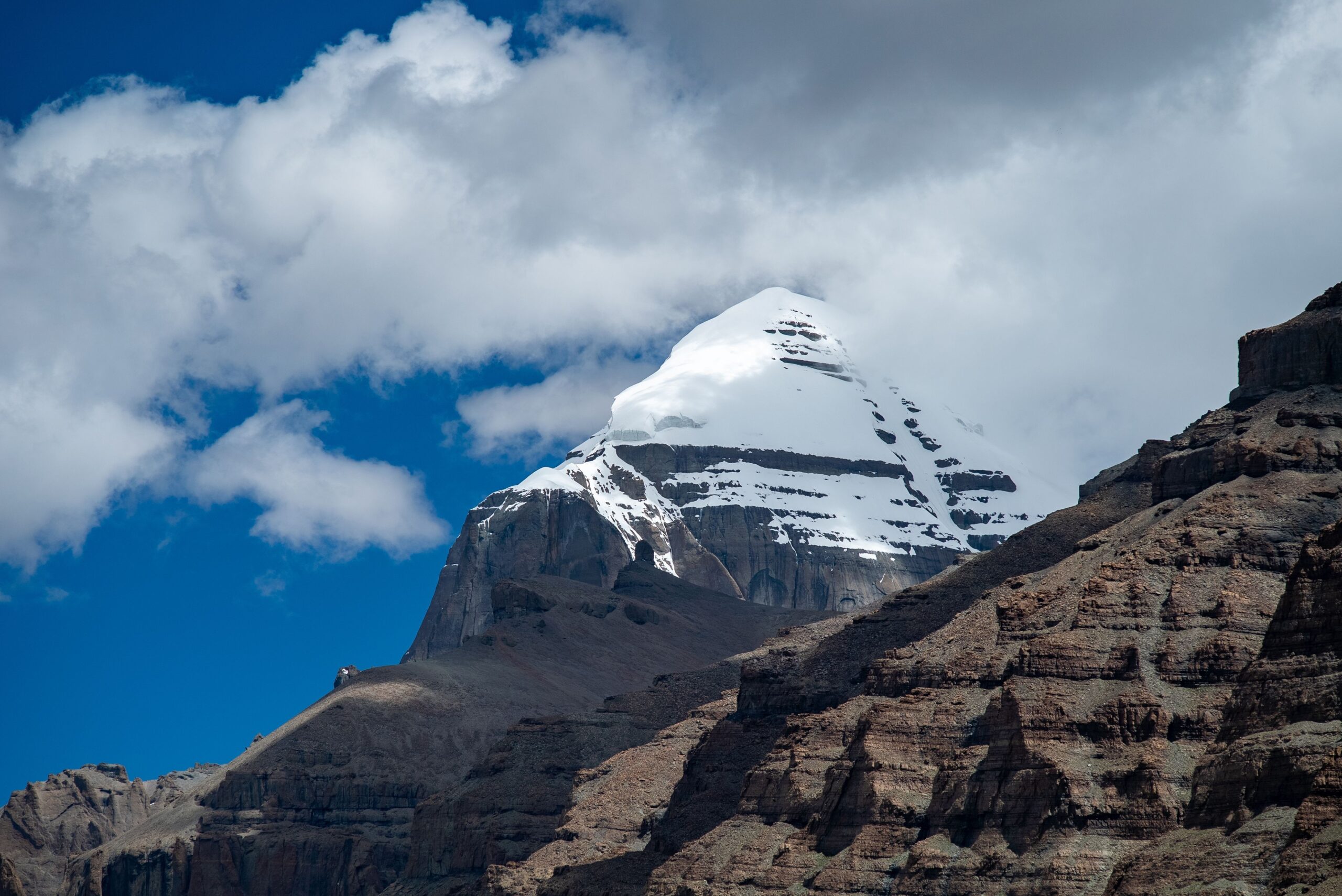
At Mount Kailash, going around the mountain is the sacred act.
The Mount Kailash kora belongs at the center of this hub because it makes the essential distinction visible: pilgrimage does not always lead to a summit. Sometimes reverence is expressed by leaving the summit alone.
Six world pilgrimage routes that deserve their own journey.
These are not “Camino alternatives.” Each route comes from its own history, faith tradition, landscape and hospitality system.
Kumano Kodo
The Nakahechi is the best first route: forest trail, cobblestone, oji shrines, village lodging and the three Kumano Grand Shrines. Kohechi is a much harder 65-70 km mountain route over multiple 1,000 m passes between Koyasan and Kumano Hongu Taisha.
The Camino and Kumano are formally linked through the Dual Pilgrim program. By August 31, 2026, the program reported 17,683 registered Dual Pilgrims from 85 countries.
Via Francigena
The historic core follows the idea of Archbishop Sigeric’s route between Canterbury and Rome. The modern certified network now extends to Santa Maria di Leuca and totals about 3,200 km, but the Canterbury-Rome core remains the defining pilgrimage.
The route crosses dramatically different climates. The official Francigena guidance says the Great St Bernard Pass is generally only open from early June to early September, so season is a route-architecture decision, not just a weather preference.
Char Dham & Kedarnath Yatra
This is a living pilgrimage system at Himalayan scale rather than one continuous recreational trail. Road travel and hiking approaches connect the shrines. Kedarnath is the strongest direct mountain-walking crossover.
The official Badrinath-Kedarnath committee continues to direct 2026 pilgrims to the Uttarakhand yatra registration system before beginning the journey. Weather, landslides, altitude, monsoon conditions and crowd management can all change logistics quickly.
St Olav’s Ways
Nine routes converge on Trondheim. Visit Norway identifies the 643 km Gudbrandsdalsleden from Oslo as the most popular Norwegian route, generally requiring at least 32 days. St. Olavsleden crosses 580 km from Selånger in Sweden to Trondheim.
This is pilgrimage in a northern hiking system: farm roads, forests, uplands, cultural landscapes and a short practical walking season.
Shikoku 88-Temple Pilgrimage
JNTO describes the Shikoku Henro as a roughly 1,200 km circuit through Tokushima, Kochi, Ehime and Kagawa, visiting 88 temples associated with Kūkai. A full walk commonly takes about six weeks.
The important feature is modularity. Pilgrims can walk the entire circuit, complete it over multiple trips or choose significant temple-to-temple mountain sections.
St Cuthbert’s Way
The official route links Melrose, where Cuthbert began his religious life, with Lindisfarne/Holy Island. Most walkers take five days. The final approach across the causeway is exposed only around low tide, giving the finish an unusually strong sense of pilgrimage arrival.
It is one of the best first pilgrimage trails because the commitment is manageable without feeling like a token section.
Some pilgrimages climb a mountain. Others stop before the summit.
These seven completed Global Summit Guide pages connect this trail system directly to Sacred Mountains of the World.
Mount Kailash
The defining sacred-mountain pilgrimage in this collection. Pilgrims circle the mountain on the kora rather than treating the summit as an objective.
Adam's Peak / Sri Pada
A stair pilgrimage to a sacred footprint revered through several religious traditions, with the summit sunrise forming part of the experience.
Mount Sinai
A mountain traditionally associated with revelation, commonly climbed before dawn with Saint Catherine’s Monastery anchoring the wider sacred landscape.
Croagh Patrick
Ireland’s holy mountain, with the summit pilgrimage and the longer Tóchar Phádraig tradition linking mountain ascent to a wider pilgrim road.
Mount Athos
An Orthodox monastic republic where pilgrimage is inseparable from religious access rules, monasteries and the centuries-old life of the Holy Mountain.
Mount Fuji
A modern summer climb built on centuries of sacred ascent, Fuji-kō pilgrimage tradition and the summit experience of goraikō—the arrival of light.
Machapuchare
A sacred Himalayan peak whose meaning is strengthened, not diminished, by the absence of a recognized modern summit ascent.
Japan and the Himalaya show how different pilgrimage walking can be.
Kumano, Shikoku, Fuji, Kailash and Char Dham all involve walking toward sacred places, but almost nothing else about the journey is interchangeable.
Forest pilgrimage with village logistics
Kumano is the easiest Asian pilgrimage to approach as a multi-day hiker. The Nakahechi has English signs, mapping, luggage support, buses and small settlements with lodging. It still demands real mountain walking.
The pilgrimage is the circuit itself
Shikoku is not one mountain traverse. The physical repetition of moving from temple to temple for hundreds of kilometres is the structure. Road walking and urban sections are part of the pilgrimage, not imperfections to edit out.
A sacred ascent inside a modern reservation system
Mount Fuji is the sacred summit counterpart to Kumano’s network trail. Modern fees and trail controls govern access, but shrine tradition, pilgrimage history and goraikō sunrise remain part of why people climb.
Circumambulation instead of summit
The high-altitude kora is physically serious and spiritually distinct. It belongs in hiking research, but the correct planning objective is the circuit—not finding a way around the sacred boundary of the summit.
A pilgrimage network in a living Himalayan transport system
The route is not one continuous long trail. Vehicles, mountain roads, walking approaches, shrine queues and weather all interact. Registration and official Uttarakhand travel controls are part of the pilgrimage plan.
Use the hiking hubs for the terrain around the pilgrimage.
Best Hikes in Japan connects Kumano and Shikoku to the broader trail system, while Everest Base Camp and Mardi Himal give useful Himalayan trekking contrast.

Pilgrimage did not begin or end with the Camino.
The Via Francigena, St Olav’s Ways and St Cuthbert’s Way preserve three different European patterns: transcontinental road to Rome, Nordic convergence on Nidaros and a compact British route ending on a tidal island.
Choose the Camino for infrastructure, Francigena for scale, Olav for the north, Cuthbert for a week.
These routes share Christian pilgrimage history but feel very different underfoot and on the calendar.
| Route | Destination | Best commitment | Infrastructure character | Key seasonal issue |
|---|---|---|---|---|
| Camino Francés | Santiago de Compostela | 1 week to 5 weeks | Deepest pilgrim lodging and services | Summer heat/crowds; Pyrenees shoulder season |
| Via Francigena | Rome / onward south | 1 week to several months | More variable than Camino; stage planning matters | Great St Bernard snow window |
| Gudbrandsdalsleden | Nidaros Cathedral, Trondheim | 1 week sections to ~32+ days | Pilgrim farms, villages, Nordic lodging | Shorter northern season |
| St Olavsleden | Trondheim | ~30 days full | Cross-border Sweden-Norway route | Officially recommended Jun 1-Sep 1 |
| St Cuthbert’s Way | Holy Island | 4-6 days | Inns/B&Bs rather than Camino albergue culture | Tidal finish + British weather |
| Croagh Patrick / Tóchar | Croagh Patrick | Day to multi-day | Mountain pilgrimage with road/trail tradition | Mountain weather |
| Mount Athos | Monastic Holy Mountain | Multi-day | Monastery-based, tightly regulated access | Religious access rules |
For regional hiking context, connect Best Hikes in Scotland with St Cuthbert’s Way, Best Hikes in Norway with St Olav’s Ways, and Tour du Mont Blanc with the Alpine crossings that shape the Via Francigena’s wider geography.
No—but being a secular walker does not make the sacred context optional.
Modern pilgrimage trails attract people for many reasons. Some walk as an explicit act of faith. Some are grieving. Some are marking retirement, divorce, recovery, graduation or another transition. Some want a physical challenge with more cultural depth than a normal trail. Some simply want several weeks in which the next task is to put one foot in front of the other.
Those motives can coexist.
The important distinction is between your reason for walking and the reason the pilgrimage exists. You do not need to become Catholic to walk to Santiago. You do not need to practice Shingon Buddhism to walk part of Shikoku. But the cathedral, temple, shrine, monastery or sacred mountain is not just themed scenery added to your hike.
That is why the question “Do I have to be religious?” is only the first half of the planning problem.
The second is: How do I behave as a guest inside a tradition that may not be mine?
The answer is practical. Learn when worship is taking place. Dress appropriately when entering sacred buildings. Follow photography rules. Do not treat offerings as decorations. Use the credential honestly. Give pilgrims space to pray. Learn the meaning of the route markers and customs you are borrowing. On mountains with sacred restrictions, accept that the culturally correct objective may differ from the recreational objective.
The Faith & the Mountains reflection is the natural bridge for readers interested in why high places and long journeys can feel meaningful even when people explain that feeling differently.
A pilgrimage does not have to consume a month to feel complete.
Shorter routes work best when they still have a clear beginning, destination and internal rhythm rather than feeling like a random section of a famous trail.
St Cuthbert’s Way
The strongest beginner choice. One continuous 100 km route, manageable daily distances and a memorable finish on Holy Island. Plan the tidal crossing before locking the final day.
Camino Inglés from Ferrol
Long enough to clear the modern 100 km walking requirement for the Compostela while preserving a genuine point-to-point Camino arrival in Santiago.
Kumano Kodo Nakahechi
Choose a consecutive Nakahechi itinerary or a recognized Dual Pilgrim qualifying section. This is the best short option when forest and mountain trail matter more than easy daily mileage.
Shikoku temple section
A section is legitimate in Shikoku culture; many pilgrims complete the circuit over multiple journeys. Choose a temple sequence with real walking between sites rather than simply driving the entire segment.
St Olav section
The route system is modular. A week on Gudbrandsdalsleden can offer pilgrim farms, landscape and historical rhythm without pretending you completed Oslo-Trondheim.
Sacred mountain pilgrimage
Sri Pada, Sinai and Croagh Patrick can deliver a complete pilgrimage arc in a much shorter physical journey.
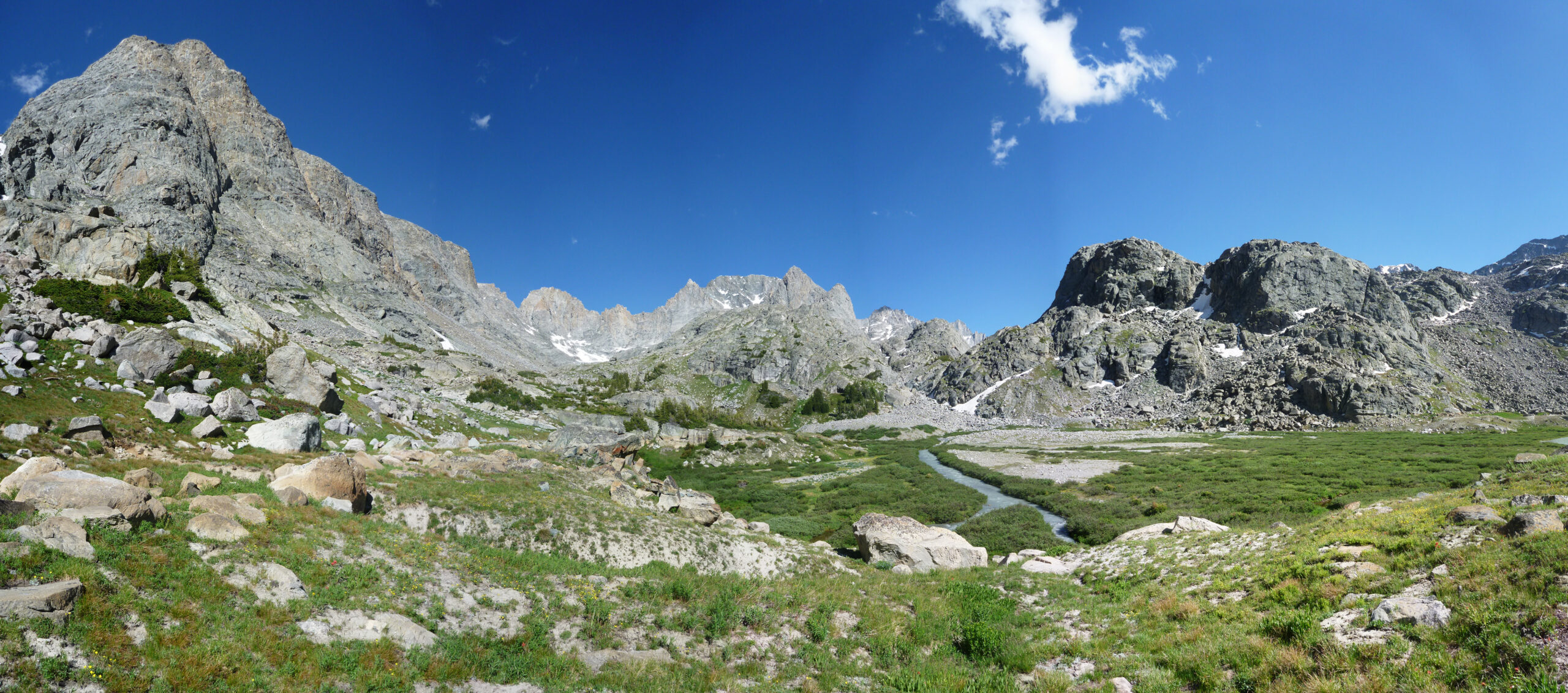
After a few days, distance becomes less important than rhythm.
Wake. Pack. Walk. Eat. Stamp the credential. Wash clothes. Meet someone. Reach the next village. Repeat. The simplicity is part of what separates pilgrimage from a normal travel itinerary.
Seven decisions matter more than buying the perfect backpack.
Pilgrimage is logistically forgiving in some places and surprisingly rigid in others. Solve the structure before optimizing gear.
Are you trying to walk an entire route, qualify for a certificate, reach a shrine or simply experience a meaningful section? That decision controls the start point.
Camino, Kumano and temple systems use stamps differently. Know whether the credential is a memory, lodging tool, completion requirement or all three.
Twenty-five kilometres on paved Camino can feel very different from twenty kilometres over steep Kumano passes. Use terrain and surface, not mileage alone.
Albergues, inns, temple stays, pilgrim farms, onsen villages and ordinary hotels each create different booking pressure and social expectations.
Point-to-point routes are easiest when airport, rail, bus, ferry and baggage decisions are made before the first night’s accommodation becomes non-refundable.
Most pilgrimage trails do not need expedition loads. Shoes, rain protection, foot care, sun protection, water, light layers and a disciplined packing list matter more than technical climbing equipment.
Arrival may include worship, crowds, restricted spaces or ritual. Learn how to enter the cathedral, shrine, temple, monastery or sacred mountain as a visitor rather than treating it as a medal ceremony.
Rest days, injuries, weather, conversations and unexpected invitations are part of pilgrimage. A schedule with zero slack can remove the very openness people seek from the walk.
Registration, opening dates, tide tables, transport and trail closures can change. An evergreen guide should start the plan; the official route authority should finish it.
This hub is a bridge between sacred mountains and long-distance trekking.
Your build sheet is strongest here: existing pages can lend authority immediately because pilgrimage naturally touches regional hiking, trekking taxonomy and sacred peaks.
Sacred Mountains of the World
The cultural sister hub. Pilgrimage explains movement toward sacred places; Sacred Mountains explains why particular peaks and landscapes carry meaning.
Everest Base Camp Trek
Not a religious pilgrimage, but a modern journey toward the foot of Everest with many of the same rhythms: repeated walking, lodges, a symbolic destination and a strong sense of arrival.
K2 Base Camp Trek
A long approach through a landscape whose meaning comes from the mountain at its head. Useful as a comparison for pilgrimage versus destination trekking.
Tour du Mont Blanc
A classic long-distance trek with huts, villages and repeated daily walking—but without the same sacred destination logic as Camino or Francigena.
Torres del Paine W/O Circuits
A useful contrast because the circuit structure is recreational rather than devotional. The daily rhythm can feel similar while the meaning system is different.
Mardi Himal
A short Himalayan trek that helps separate mountain trekking from the shrine-centered and sacred-geography logic of Char Dham or Kailash.
Best Hiking Regions in the World
The higher hiking pillar. Pilgrimage Trails belongs inside the global walking architecture while remaining distinct from destination-by-region hubs.
Best Hikes in Japan
Kumano and Shikoku gain useful regional context here, alongside Fuji and other Japanese mountain routes.
Best Hikes in Norway
The hiking home for St Olav’s Ways and the Norwegian terrain surrounding the pilgrimage network.
Ten planning questions can turn this hub into a complete search system.
Your supporting-content sheet already identifies the natural next questions. The parent should answer enough to orient the reader, while the focused articles can later own the detailed decision.
Francés vs Portugués
Which Camino fits the time, social experience, coast preference and walking difficulty you want?
How much does the Camino cost?
Accommodation style, meals, luggage transfer, rest days and travel to the start matter far more than one average daily number.
Best time to walk the Camino
Pyrenees, Meseta heat, Atlantic rain and accommodation pressure create very different months by route.
The Camino packing list
The useful list begins with route, season and lodging style—not with the largest pack you own.
Compostela and pilgrim passport
What qualifies, where to start, how to stamp the credential and what the certificate actually represents.
Albergues explained
Public, parochial, private and hotel accommodation create different levels of flexibility and social contact.
Kumano vs Camino: Dual Pilgrim
The only formal twin-pilgrimage program in this hub and one of the strongest cross-continent stories in this pilgrimage collection.
Pilgrimage without religion
How a secular walker can participate honestly without stripping away the faith tradition that created the road.
Best pilgrimage trails under a week
A high-value entry point for people who want the meaning and rhythm of pilgrimage without a month away from home.
Pilgrimage vs thru-hike
The conceptual bridge between this collection and the broader long-distance hiking taxonomy.
Use the official route authority before the trip becomes non-refundable.
Pilgrimage routes are living systems. Credentials, registration, tides, passes, lodging and transport can change after an evergreen article is published.
Way of St James in Galicia
Official route descriptions, credential and Compostela rules, stages and Galician pilgrim-hostel information.
Tanabe City Kumano Tourism Bureau
Official maps, route sections, lodging, transport, safety guidance and Dual Pilgrim registration.
European Association of Via Francigena Ways
Official route app, stages, accommodation, current route information and seasonal planning.
Badrinath Kedarnath Temple Committee
Current 2026 shrine information and links into Uttarakhand’s yatra registration system.
Pilegrimsleden / Visit Norway
Route network, trail descriptions, accommodation and practical season guidance for the roads to Nidaros.
Japan National Tourism Organization
Official cultural context and practical overviews of the 88-temple pilgrimage and shorter walking experiences.
Official route site
100 km route, walking stages, completion information and planning for the Holy Island finish.
Global Summit Guide Sacred Mountains
The cultural companion to this hiking hub: why particular mountains are worshipped, climbed as pilgrimage or intentionally left unclimbed.
Best Hiking Regions in the World
The parent hiking pillar connecting pilgrimage to the broader regional trekking architecture.
Choosing and planning a pilgrimage trail
The route should match your time, terrain, reason for walking and willingness to enter a living sacred tradition as a guest.
What is the best pilgrimage trail in the world for a first-time pilgrim?
For most travelers, the Camino Francés is the easiest first long pilgrimage because waymarking, pilgrim lodging, luggage services and social infrastructure are unusually mature. For a shorter first journey, St Cuthbert's Way or the Camino Inglés are easier commitments.
Do you have to be religious to walk a pilgrimage trail?
Usually no. Many modern pilgrimage routes welcome people walking for faith, culture, grief, transition, challenge, history or simple curiosity. Respect the route's religious origins, active worship, local customs and sacred sites even when your own motivation is secular.
What is the difference between a pilgrimage trail and a thru-hike?
Both can involve long-distance walking, but pilgrimage routes are usually organized around sacred destinations, shrines, rituals, credentials, religious history or a tradition of hospitality. A thru-hike is more commonly defined by completing a continuous recreational trail from end to end.
How far do you need to walk to receive the Compostela?
The official Galician Camino site says pilgrims must complete at least 100 km on foot or horseback, or 200 km by bicycle, using a valid credential. The final 100 km on foot requires at least two stamps per day.
What are the two UNESCO pilgrimage routes often linked as the Dual Pilgrim journeys?
The Way of St. James and Japan's Kumano Kodo are the two pilgrimage route systems recognized as UNESCO World Heritage cultural landscapes. The Dual Pilgrim program recognizes people who complete qualifying journeys on both.
Which pilgrimage is best if I only have one week?
St Cuthbert's Way takes about four to six days, the Camino Inglés from Ferrol about five to six days, and several Kumano Kodo Nakahechi itineraries fit three to six days. Short sections of Shikoku and St Olav's Ways can also be meaningful without completing the entire route.
Which pilgrimage is the hardest?
Difficulty depends on what you measure. The Camino del Norte and Primitivo are harder Caminos than the Francés; Kohechi on the Kumano Kodo is a serious mountain route; full Shikoku demands six weeks of repetitive walking; Via Francigena is extreme in total duration; and the Kailash kora adds high altitude.
What is the longest pilgrimage route in this guide?
The modern Via Francigena network extends roughly 3,200 km from Canterbury through Rome to Santa Maria di Leuca in southern Italy. The historic Canterbury-to-Rome core is shorter, around 2,200 km.
What pilgrimage route is best in Japan?
Kumano Kodo is the best first hiking pilgrimage because it combines mountain trail, village lodging and a concentrated sacred landscape. Shikoku is the deeper long-form temple circuit, while Mount Fuji is the sacred summit climb.
How should I prepare differently for a pilgrimage than a normal hiking trip?
In addition to fitness and gear, learn the credential system, sacred-site etiquette, lodging customs, baggage rules, seasonal closures, religious calendar and transport at the route's beginning and end. Pilgrimage is as much about how you move through communities as how far you walk.
Choose the road for the journey you actually need.
The Camino is not automatically better because more people walk it. Kailash is not more meaningful because it is higher. Shikoku is not deeper because it takes longer. Start with the time, landscape, tradition and kind of walking that fit you—then learn how to enter that route respectfully.
Continue into the hiking atlas or the sacred-mountain collection
Pilgrimage Trails sits between regional hiking and sacred landscapes. These links keep the walking system, cultural context and long-distance trail taxonomy connected.
Was this helpful?
Global Summit Guide is an independent mountaineering resource founded in 2026. The team combines first-hand trekking and climbing experience with in-depth research and professional health and nutrition review to help climbers choose objectives, prepare properly, and stay safe.
Health, altitude, and nutrition content is reviewed by Taylor Ludlow (Registered Nurse) and Brigg Hoopes (Nutritionist).
What We Don't Know Yet
Mountain information changes quickly. This box explains the limits of what this page can responsibly promise.
- Route conditions, trailhead access, crevasse exposure, stream crossings, and rescue access may vary from published planning guidance.
- Route conditions, snowpack, closures, and weather can change quickly after this page is updated.
- Permit rules, fees, quotas, and reservation windows may change between review cycles.
- Operator availability, pricing, guide ratios, and cancellation terms can change by season.
- Your fitness, altitude response, risk tolerance, and experience level may change what is safe or realistic.
Verify current conditions with official land managers, guide services, local forecasts, and current route reports before booking or climbing.
Mountaineering, rock and ice climbing, glacier travel, and high-altitude activity are inherently dangerous and can result in serious injury or death. The information on Global Summit Guide is provided for general informational and educational purposes only and is not a substitute for professional instruction, qualified guiding, proper equipment, or your own judgment and experience.
Route conditions, weather, snowpack, permits, regulations, and hazards change constantly and may differ from what is described here. Details may be incomplete, out of date, or contain errors. Always verify current information with local authorities, certified guides, and official sources before making any decision in the mountains.
Nothing on this site is medical, legal, or financial advice. Our fitness, acclimatization, altitude, and nutrition content is general in nature; consult a qualified physician before beginning any strenuous exercise program or exposing yourself to high altitude.
You are solely responsible for your own safety and decisions. To the fullest extent permitted by law, Global Summit Guide and its team accept no liability for any loss, injury, damage, or expense arising from use of, or reliance on, this information. By using this site you acknowledge these risks and accept these terms.
Some links on this site may be affiliate links. If you buy through them we may earn a small commission at no extra cost to you; this never affects our recommendations.
Global Summit Guide recommendation path
Next Best Mountain to Research
Use these recommendations to continue the right planning path instead of stopping on one page.
Use current permit, weather, route, and operator information before booking or climbing.
Search Flights, Hotels & Rental Cars
Have the mountain or destination picked? Use Expedia to compare the flights, lodging and rental cars that fit your actual trip dates. For mountain travel, consider arriving early enough for delays and adding a buffer night after the climb before a fixed flight home.
Compare current flight, hotel and car options.
Affiliate disclosure: Global Summit Guide may earn a commission if you book through this link, at no additional cost to you.