
Last updated September 9, 2026
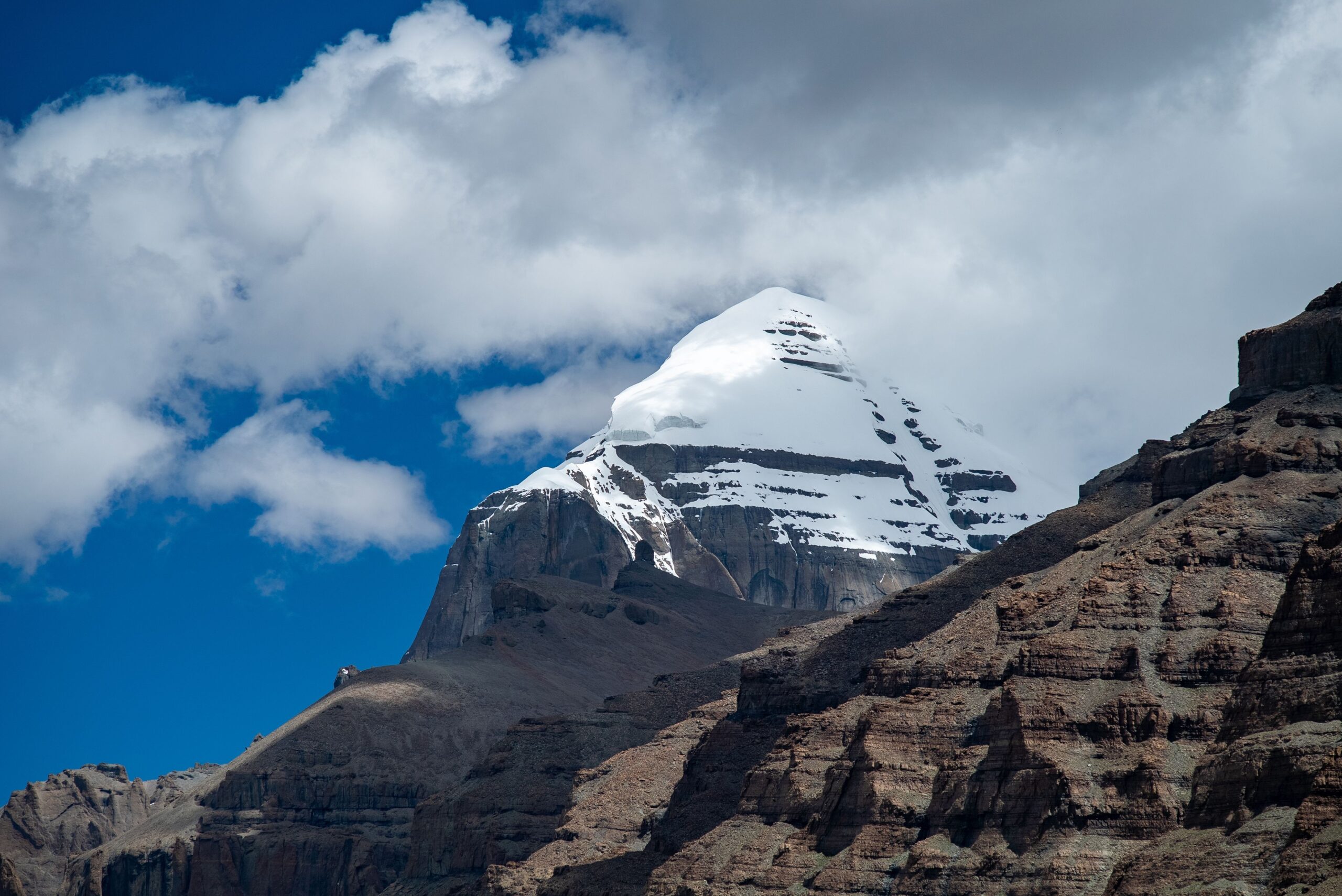
Why We Climb: The Mountains and the Sacred
This is the reflective heart of our Sacred Mountains collection – a personal attempt to name the thing beneath the fitness, the challenge and the view: the pull toward the high and the holy that draws us upward, and the sense, on the summit, of standing closer to something greater than ourselves.
Ask a hundred climbers why they go up, and you will get a hundred answers – fitness, challenge, the view, the story to tell afterward. But press a little further, past the easy reasons, and most of us go quiet. Because underneath the answers is something harder to name: a pull toward the high and the vast and the holy that we were following long before we understood it. This page is my attempt to name it honestly.
The oldest reason
When George Mallory was asked why he wanted to climb Everest, he famously answered, “Because it is there.” It is a wonderful reply precisely because it explains nothing. It points at the mystery instead of solving it. Something in us needs no further reason than the presence of the mountain itself.
Long before mountaineering was a sport, mountains were sacred ground. Across nearly every culture on Earth, people looked up at the high summits and sensed the nearness of the divine – Sinai and Olympus, Kailash and Fuji, the peaks of the Andes and the Himalaya. The mountains were the first cathedrals, and we have been drawn to them for the same reason ever since. When we lace up our boots at a trailhead, we are joining a procession that is thousands of years old.
What changes up high
Something happens to a person above a certain altitude that is difficult to describe to anyone who has not felt it. The air thins. The noise of ordinary life falls away. The concerns that felt enormous in the valley – the inbox, the argument, the running list of worries – grow strangely quiet, until the world is quiet enough that you can hear yourself think, and then quiet enough that you stop thinking at all and simply stand there, small and awake.
“The mountains reduce you to your true size – and there is a strange grace in that.”
The gift of being made small
Mountains do not care who you are. Your title, your bank balance, your carefully managed self-image mean nothing to a mountain. It weighs you only by whether you are ready for it, and it is entirely willing to turn you back. This is not cruelty; it is honesty. In a world that spends enormous energy flattering us, the mountains tell the plain truth.
And the risk is real. Elsewhere on this site we write soberly about how many people the great peaks have taken – the numbers are part of why we take these places seriously. A mountain that can cost you your life is a mountain that deserves your humility. That honesty is a gift. To be made small, for a few hours, is to remember your true size in a universe far larger than yourself – and, at least for me, to feel oddly grateful for it.
Received, not conquered
We talk about conquering mountains, but I have never believed the word. You do not conquer a summit. You are allowed onto it, briefly, if the weather and the snow and a hundred things beyond your control happen to agree – and then you are sent back down before dark. The mountain is exactly as high the day after you stand on it as the day before.
The best summits I know of do not feel like victories. They feel like gifts – moments of grace you did nothing to deserve and cannot repeat on demand. And a gift asks for gratitude, not a flag. I have come to think that the right posture on a summit is not triumph but thanks.
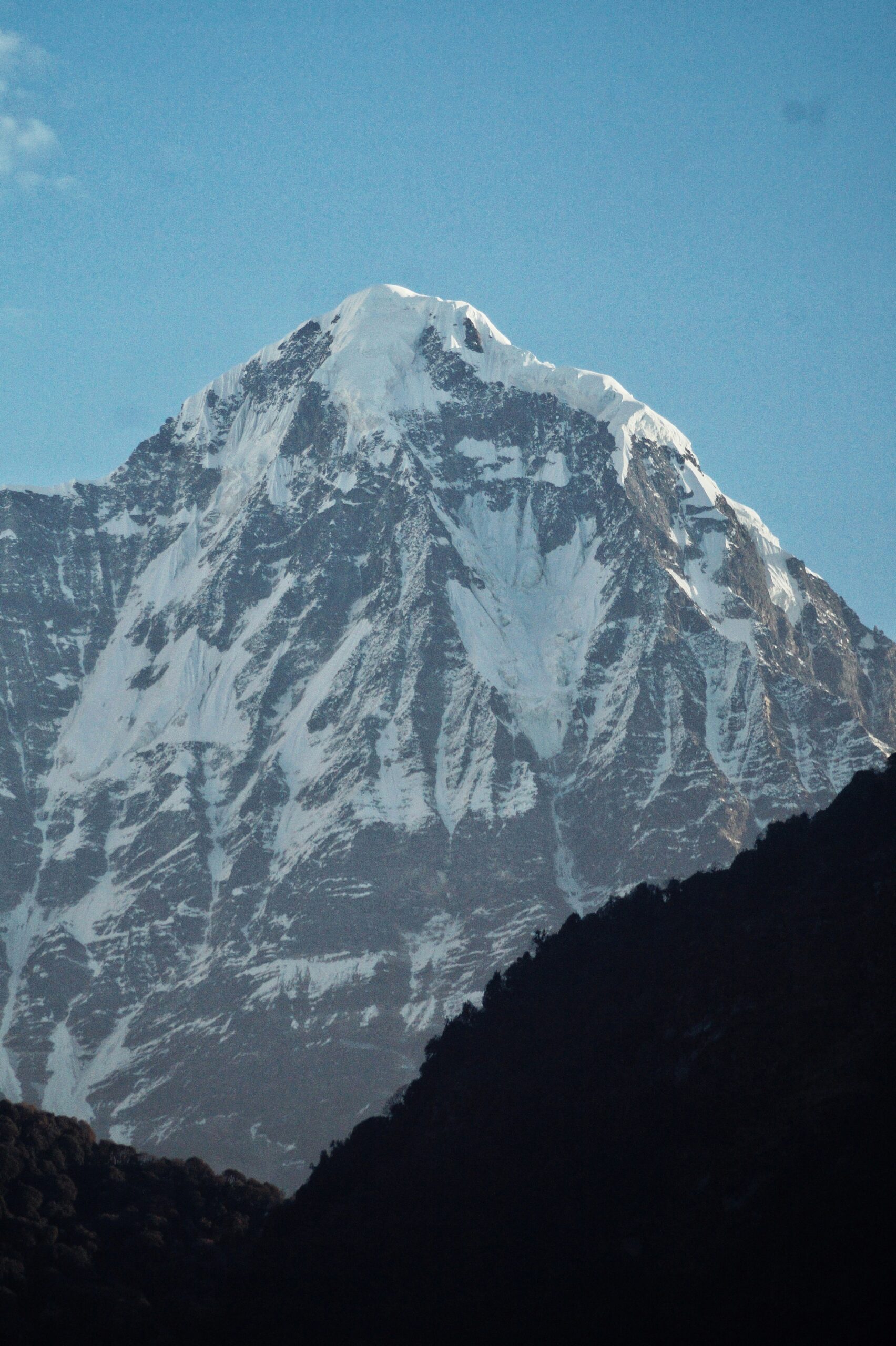
Humility, Gratitude, and Care for What We Are Given.
Strip away the gear and the ambition, and the high places keep returning us to the same three lessons.
Humility
The mountain does not flatter you. It shows you your true size, and there is grace in being reminded.
Gratitude
A summit is received, not seized. The right response is thanks, not conquest.
Stewardship
If the mountains are a gift, how we treat them matters. To care for a place is a kind of reverence.
Caring for what we are given
If the mountains are a gift, then how we treat them matters. Leave no trace is usually taught as an ethic, and it is a good one. But I have come to see it as something closer to worship – the simple discipline of loving a place enough to leave it as holy as you found it, for the ones who come after. We are stewards of the high places, not their owners. The pack-out, the quiet, the careful step around the fragile thing: these are small acts of gratitude made concrete.
Where I stand – and why you are welcome here
So, why do we climb? For me – and I offer this as my own conviction, not as a condition for reading on – the mountains point to God. When I stand in that thin, bright air and feel both utterly small and strangely held, I do not think I am inventing the sense that Someone made this and called it good. The awe feels like a response to a Presence, not a side effect of altitude. That is where the high places have led me, and I would be dishonest to leave it out of a page about why I climb.
But I know the mountains lead others elsewhere, or somewhere they cannot quite name, and you are every bit as welcome here. If you climb for wonder, for peace, for grief you are carrying, for a gratitude you cannot address to anyone in particular – this quiet corner of the site is for you too. I only ask that we agree on the awe. The rest, each of us can carry in our own way.
The mountains will keep calling, the way they always have. We will keep going up, chasing something we cannot quite name from the valley. And some of us, on the summit, will keep sensing that we have come a little closer to something greater than ourselves – and come back down changed by it. That, more than any peak, is why we climb.
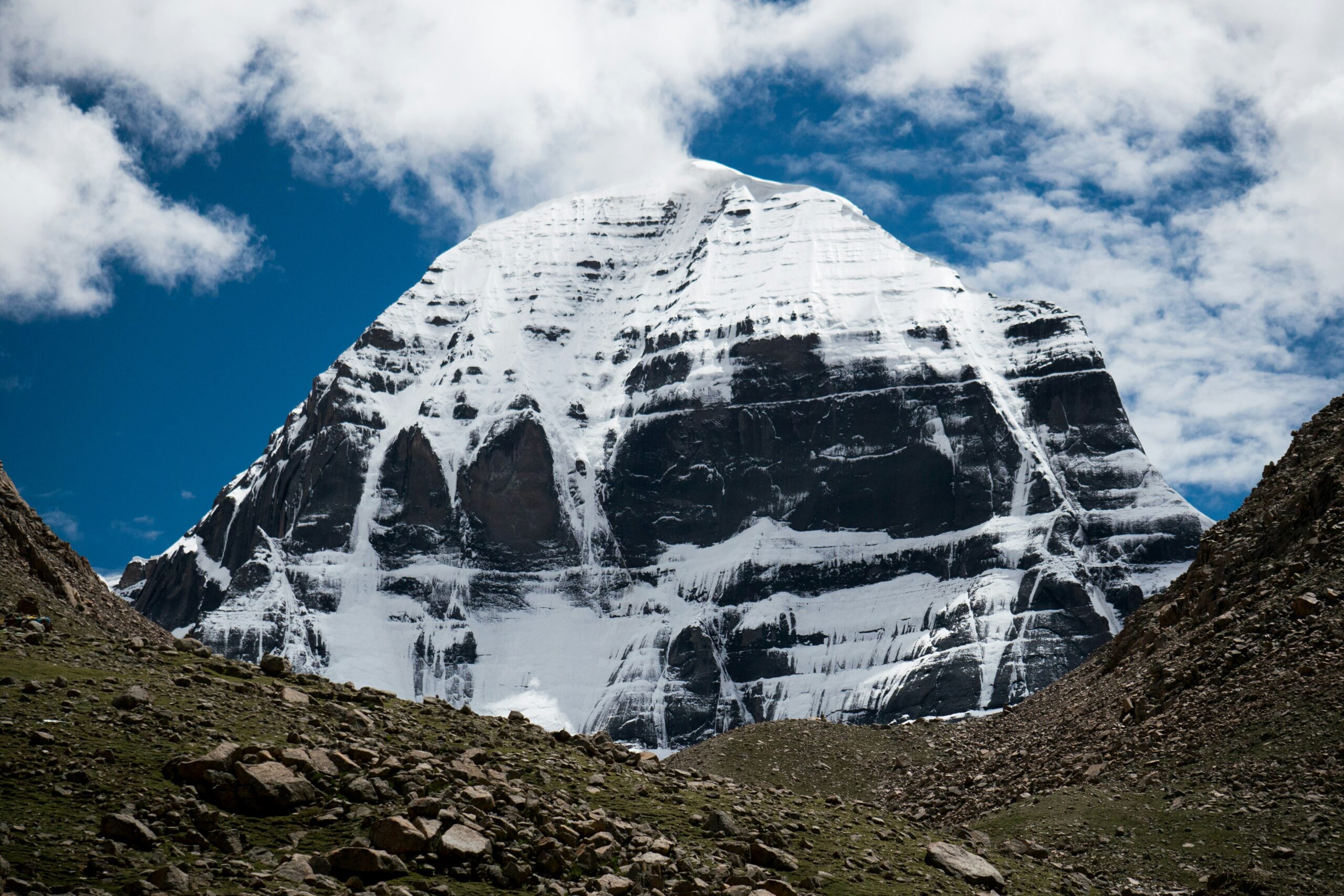
The Awe Is Real. You Are Welcome Here, Whatever You Believe.
More reflections in this series – on solitude, stewardship and gratitude – are being written and will join this one soon.
A Few Honest Questions
Is Global Summit Guide a religious website?
No. Global Summit Guide is a mountaineering and hiking resource. Faith and the Mountains is a small, personal, reflective corner of the site – an honest look at the spiritual pull of the high places, written to welcome readers of every belief and none.
Do I have to share the author’s faith to read this section?
Not at all. These reflections are offered as one person’s perspective and an invitation to your own. The awe of the mountains belongs to everyone, whatever they believe.
What is in the Sacred Mountains section?
Two things: guides to the world’s sacred peaks – the mountains people worship, climb as pilgrimage, or leave unclimbed out of reverence – and a small set of personal reflections like this one on what the mountains ask of us.
Whatever Draws You Upward, the High Places Are Waiting.
Explore the sacred peaks of the world, or return here as the rest of the Faith and the Mountains reflections publish. However you name the awe, you are welcome on this part of the journey.
The Sacred Peaks & the Rest of the Collection
Return to the collection hub, or read on into the sacred peaks themselves – the mountains worshipped, climbed as pilgrimage, and left unclimbed.
Was this helpful?
Global Summit Guide is an independent mountaineering resource founded in 2026. The team combines first-hand trekking and climbing experience with in-depth research and professional health and nutrition review to help climbers choose objectives, prepare properly, and stay safe.
Health, altitude, and nutrition content is reviewed by Taylor Ludlow (Registered Nurse) and Brigg Hoopes (Nutritionist).
What We Don't Know Yet
Mountain information changes quickly. This box explains the limits of what this page can responsibly promise.
- Visa, passport, vaccination, border, insurance, and local transportation rules may change before your trip.
- Route conditions, snowpack, closures, and weather can change quickly after this page is updated.
- Permit rules, fees, quotas, and reservation windows may change between review cycles.
- Operator availability, pricing, guide ratios, and cancellation terms can change by season.
- Your fitness, altitude response, risk tolerance, and experience level may change what is safe or realistic.
Verify current conditions with official land managers, guide services, local forecasts, and current route reports before booking or climbing.
Mountaineering, rock and ice climbing, glacier travel, and high-altitude activity are inherently dangerous and can result in serious injury or death. The information on Global Summit Guide is provided for general informational and educational purposes only and is not a substitute for professional instruction, qualified guiding, proper equipment, or your own judgment and experience.
Route conditions, weather, snowpack, permits, regulations, and hazards change constantly and may differ from what is described here. Details may be incomplete, out of date, or contain errors. Always verify current information with local authorities, certified guides, and official sources before making any decision in the mountains.
Nothing on this site is medical, legal, or financial advice. Our fitness, acclimatization, altitude, and nutrition content is general in nature; consult a qualified physician before beginning any strenuous exercise program or exposing yourself to high altitude.
You are solely responsible for your own safety and decisions. To the fullest extent permitted by law, Global Summit Guide and its team accept no liability for any loss, injury, damage, or expense arising from use of, or reliance on, this information. By using this site you acknowledge these risks and accept these terms.
Some links on this site may be affiliate links. If you buy through them we may earn a small commission at no extra cost to you; this never affects our recommendations.
Global Summit Guide recommendation path
Next Best Mountain to Research
Use these recommendations to continue the right planning path instead of stopping on one page.
Use current permit, weather, route, and operator information before booking or climbing.