
Last updated July 21, 2026
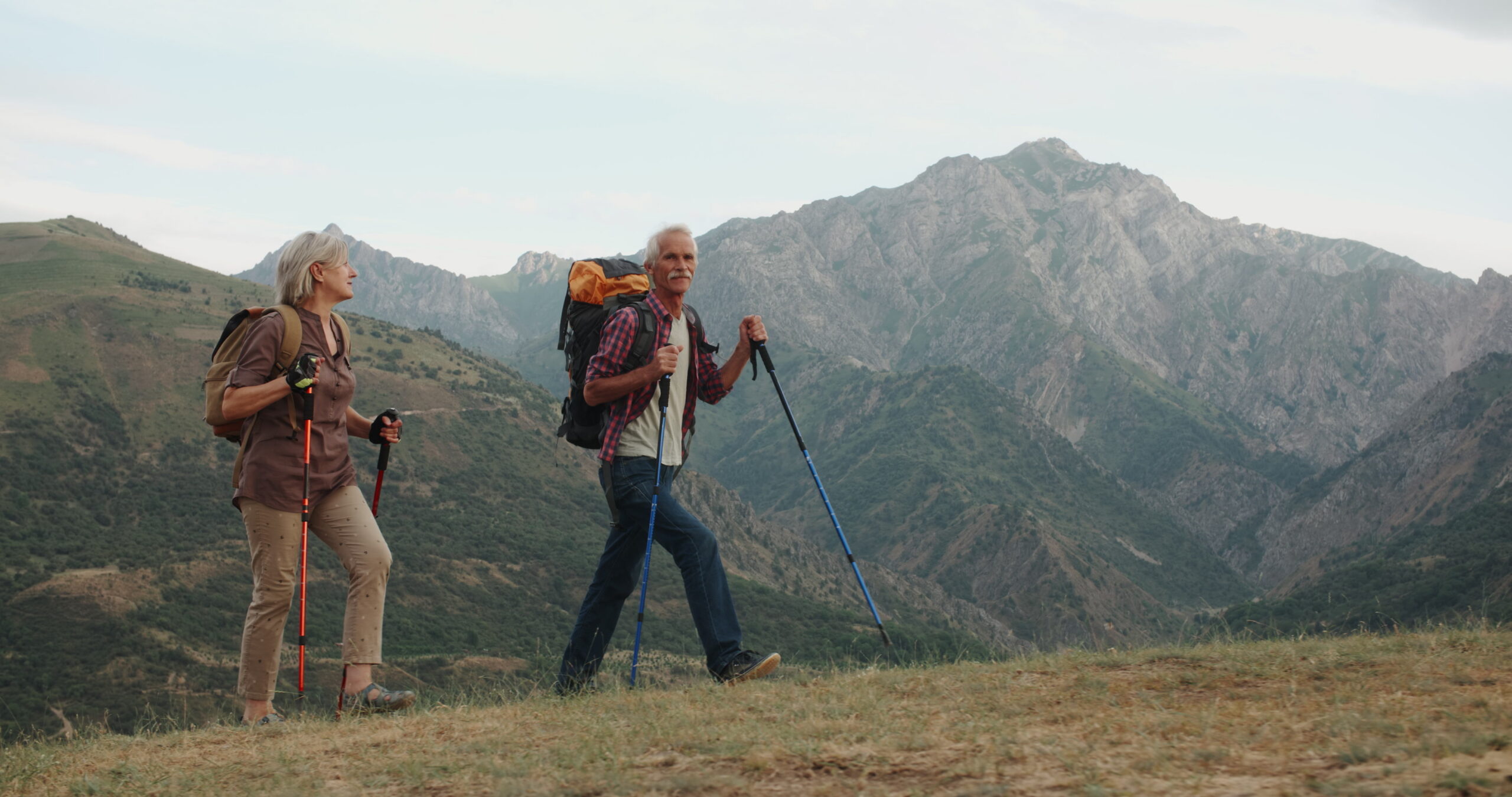
Lifelong Mountaineering: how to keep climbing at every age
The mountains do not have an age limit. Fitness changes as the decades pass, but the research is clear that most of the decline people blame on age is actually the result of training less, not being older. This pillar lays out what really changes, what you can hold onto, and how to train, recover, and choose objectives so you can keep climbing for life. Elevations in feet (metres).
Walk into any mountain hut and you will meet climbers in their sixties and seventies moving with an ease that shames people half their age. It is not luck or freak genetics. Mountaineering rewards exactly the qualities that hold up best over a lifetime: aerobic endurance, sustainable strength, patience, and judgment. The physical peak of a sprinter passes in their twenties, but a mountaineer can be at their best decades later, because the sport is less about explosive power and more about durable, well-managed effort. The question is not whether you can keep climbing as you age. It is how to do it well.
Aging costs you far less than quitting does.
The decline in mountaineering fitness with age is real but slow, and studies show most of it tracks how much you train, not how old you are. Stop training and fitness falls fast at any age; keep training, and you hold most of it for decades. The two levers that matter most are a maintained aerobic base and serious strength training to defend muscle and joints.
This pillar anchors our Lifelong & Inclusive Mountaineering cluster, with detailed guides for climbing after 50 and for climbers of every kind further down.
If you keep training
Aerobic decline, versus ~10% per decade if you stop.
The key lever
Resistance training defends muscle, power, and joints.
Improves with age
Experience is a real, growing safety advantage.
What actually changes with age
Honest physiology, without the doom. These shifts are real, but every one of them is influenced by training.
Several things change as the decades pass, and it helps to know them so you can train around them rather than be surprised. Maximal aerobic capacity, VO2max, drifts down by roughly 10 percent per decade after about 40 in people who stop training, driven by changes in the heart, blood vessels, and muscle. Muscle mass and strength decline too, and the fast-twitch fibers that produce quick, forceful movement shrink faster than the slow-twitch endurance fibers, so power fades before stamina does. Recovery slows, so hard days need more time between them. Tendons, joints, and cartilage become less forgiving, bone density falls, thermoregulation gets less efficient, and the body may handle altitude and dehydration less robustly. None of this is a reason to stop. It is a map of what to defend.
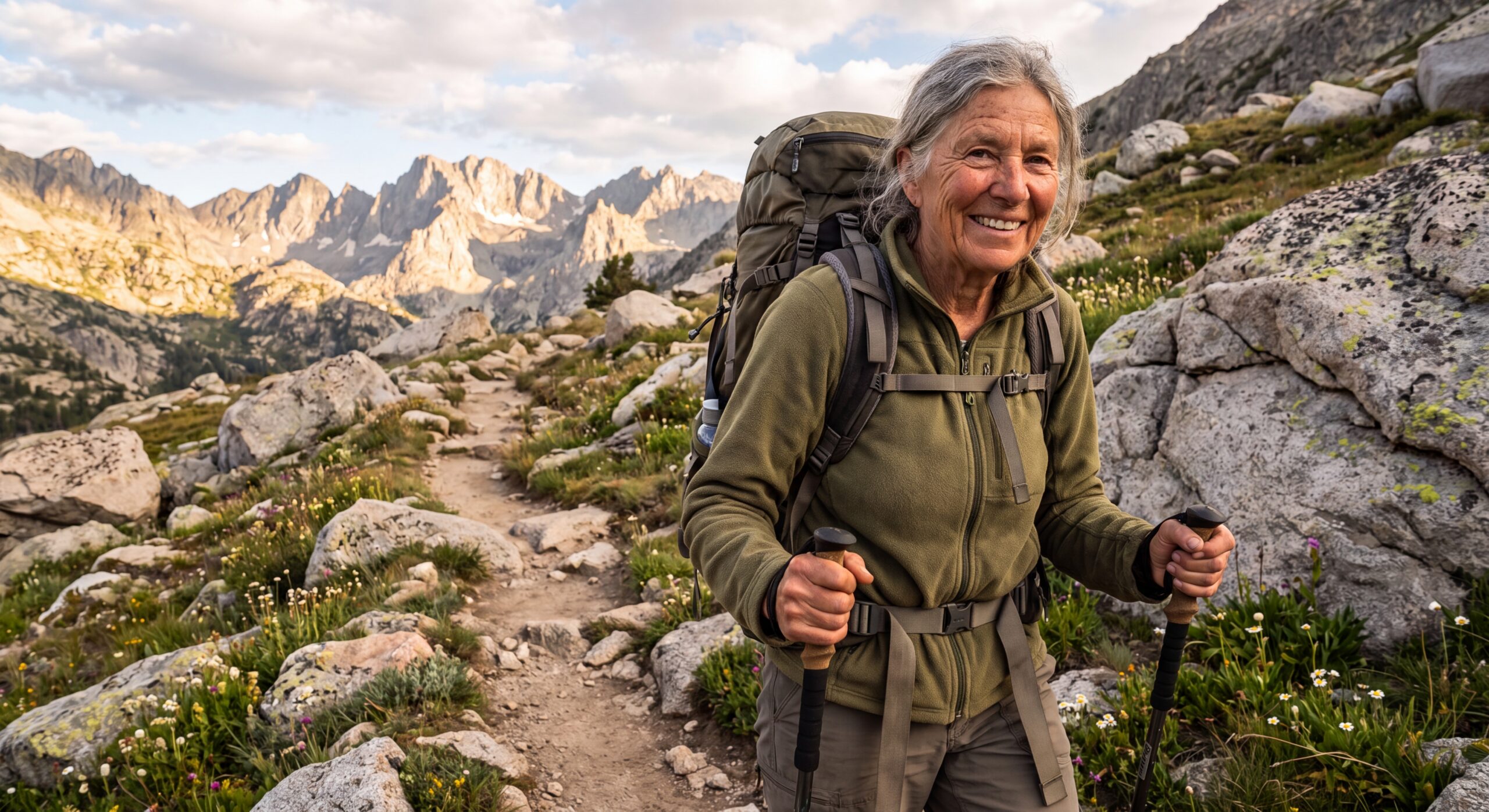
The good news: most decline is optional
The single most encouraging finding in the research is how much of the loss comes from training less, not aging more.
When researchers study masters athletes, people who keep training and competing into their sixties, seventies, and beyond, the picture changes sharply. Those who maintain hard, consistent training lose aerobic capacity at roughly half the rate of the general population, closer to 5 percent per decade than 10. Much of the difference between a fast decline and a slow one comes down to training volume rather than age itself. The flip side is a warning: stopping training causes a steep drop at any age, with meaningful losses within weeks, so consistency is everything. And there is a genuine compensation on the mental side. The judgment, pacing, risk sense, and patience that keep climbers alive all improve with experience, which is why so many of the safest people in the mountains are also among the oldest.
How to keep climbing
Six priorities that let you carry your mountain fitness across the decades.
1. Never stop the aerobic base
Detraining is the real enemy, not age. Keep a steady diet of Zone 2 endurance work with regular hill and interval sessions, year-round. Consistency over decades beats any single hard block.
2. Strength train, seriously
Resistance training is the direct antidote to age-related muscle and power loss, and it protects joints and bone. Prioritize legs, posterior chain, and core, with challenging loads, two or three times a week. This is the least optional item on the list as you age.
3. Protect mobility and joints
Spend time on mobility, flexibility, and balance to keep moving well and reduce injury. Trekking poles, good footwork, and eccentric-strength work help absorb the descents that punish aging knees most.
4. Respect recovery, cross-train smart
Recovery slows with age, so build in more rest between hard efforts and use lower-impact cross-training, such as cycling, swimming, or rowing, to keep volume high without pounding the joints. Older climbers often need noticeably longer to bounce back after a big objective, so plan for it. Our first-summit training plan notes, for example, that climbers over 50 may need 10 to 14 days to recover fully rather than the usual week.
5. Screen and manage your health
Get a doctor’s clearance and manage blood pressure, medications, and any chronic conditions as part of your training. Cardiac screening matters more with age, especially before demanding high-altitude trips.
6. Fuel, hydrate, and sleep
Older bodies are less forgiving of poor fueling, dehydration, and bad sleep. Dial in nutrition and hydration, protect sleep, and prioritize protein to support muscle maintenance.
On high mountains, cardiac events are a leading cause of death, and they often involve climbers with undiagnosed heart conditions. Risk rises with age, and altitude stresses the heart further.
From around age 40, and especially before a demanding high-altitude objective, get a doctor’s clearance and consider a cardiac stress test. This is not fear-mongering; it is the single most valuable piece of medical preparation an older climber can do. Discuss it with your physician and our health guidance is reviewed by a Registered Nurse, but it is not a substitute for your own medical advice.
Mountaineering decade by decade
The emphasis shifts as you age, even though the fundamentals stay the same.
In your 40s
Often a prime decade for mountaineering: enough experience to climb well, enough capacity to climb hard. Aerobic capacity begins its gentle decline now, so protect the base and make strength training a permanent habit rather than an afterthought. Start paying attention to recovery.
In your 50s
Defend strength and joints in earnest, and respect that recovery takes longer. Many climbers are at their most capable here thanks to accumulated skill; the key is consistency and not letting life crowd out training. See our detailed guide to climbing mountains after 50.
In your 60s
Strength training becomes non-negotiable to hold off muscle loss, and health screening moves to the foreground. Aerobic fitness is still very trainable; many climbers tackle major peaks in this decade. Choose objectives that give you time and margin.
In your 70s and beyond
Keep moving above all, because inactivity accelerates decline fastest of all. Favor non-technical objectives, more acclimatization and recovery days, and supportive guiding. Plenty of people are still walking to high, wild places in this decade, and some have reached the highest summits on earth in their seventies and eighties.
Choosing objectives as you age
Adjusting your ambitions is not giving up. It is how you keep having great days in the mountains for longer.
The climbers who stay in the mountains longest are the ones who let their objectives evolve. That can mean favoring non-technical routes over hard technical lines, choosing peaks that allow generous time for acclimatization and recovery, avoiding the most extreme altitude and cold, and building in contingency days. It also means leaning on the judgment you have earned: an experienced climber is far better than a younger one at reading conditions, pacing a long day, and knowing when to turn around. A good guide or operator is worth even more as you age, because the right one will pace the trip for the group and take on logistics that let you focus on climbing. See how to choose an expedition operator and compare options in our operators hub, and for a sense of how to build toward the right objectives over time, our guide to what to climb before the big peaks maps a sensible progression at any age.
Mountaineering for every stage and every body
Lifelong is only half of it. The mountains are for every kind of climber, and this cluster covers the rest.
Keeping climbing across a lifetime also means recognizing that mountaineering looks different for different people at different stages, and that the sport is far more inclusive than its reputation suggests. Altitude affects women in ways worth understanding on their own terms, families can share the mountains with children safely with the right knowledge, and adaptive athletes climb and trek at every level. These guides go deep on each.
The Lifelong & Inclusive Mountaineering cluster
Detailed companions to this pillar, for climbing at every age and as every kind of climber.
Keep climbing for life: the essentials
- Never fully stop – consistency across the years beats any single hard training block.
- Strength train two or three times a week – the direct antidote to age-related decline.
- Keep a deep aerobic base – Zone 2 volume plus regular hills and intervals.
- Build in more recovery – older bodies need more time between hard efforts.
- Screen your health – doctor’s clearance and cardiac checks, especially from 40 up.
- Let objectives evolve – choose peaks that reward judgment and give you time.
Lifelong mountaineering FAQ
The questions climbers ask most about age and the mountains.
Am I too old to start or keep mountaineering?
Almost certainly not. Fitness declines with age but slowly, and much of the decline comes from stopping training rather than from age itself. People climb serious mountains into their 60s, 70s, and beyond. What matters is consistent training, sensible objectives, and clearing health conditions with a doctor.
How much does mountaineering fitness decline with age?
Aerobic capacity falls roughly 10 percent per decade after about 40 in people who stop training, but masters athletes who keep training show declines closer to 5 percent, about half as fast. Much of the difference tracks training volume, not age. Strength and power decline as fast-twitch fibers shrink, which is why strength training matters so much.
What is the single most important thing for an aging climber?
Do not stop, and add strength training. Detraining causes rapid fitness loss at any age, so consistency is the foundation, and resistance training directly counters the loss of muscle, power, and bone. Aerobic base plus strength, maintained year after year, is what keeps you climbing.
Do older climbers need medical screening?
It is strongly advised, especially from around 40 up, because cardiac events are a leading cause of death on high mountains and often involve undiagnosed conditions. A doctor’s clearance and, where appropriate, a cardiac stress test before a demanding high-altitude objective is sensible. Manage conditions with your physician as part of training.
Should older climbers change the mountains they attempt?
Often yes, and it is a strength. Choosing non-technical routes, allowing more time to acclimatize and recover, avoiding extreme altitude and cold, and using a good operator all extend your mountain years. Experience and judgment improve with age, so use them to pick objectives that reward what you have gained.
📋 How this guide is built
This pillar is a research synthesis by the Global Summit Guide Editorial Team, drawing on peer-reviewed exercise-science literature on aging, VO2max decline, and masters athletes, applied to the specific demands of mountaineering. It was reviewed for safety by Dawson Ludlow, our Climbing & Mountaineering Lead (Wilderness First Aid), and for health accuracy by Taylor Ludlow, a Registered Nurse. It is educational and is not medical advice; clear any health conditions with your own physician before training or climbing.
Sources and further reading
- Peer-reviewed research on VO2max decline in masters endurance athletes and the effect of training volume.
- Exercise-science literature on sarcopenia, fast-twitch fiber loss, and resistance training in older adults.
- Sports-medicine guidance on recovery, cross-training, and injury prevention with age.
- Wilderness and altitude-medicine sources on cardiac risk and high-altitude health.
- We describe patterns and general principles rather than prescribing individual medical advice.
Was this helpful?
Global Summit Guide is an independent mountaineering resource founded in 2026. The team combines first-hand trekking and climbing experience with in-depth research and professional health and nutrition review to help climbers choose objectives, prepare properly, and stay safe.
Health, altitude, and nutrition content is reviewed by Taylor Ludlow (Registered Nurse) and Brigg Hoopes (Nutritionist).
What We Don't Know Yet
Mountain information changes quickly. This box explains the limits of what this page can responsibly promise.
- Visa, passport, vaccination, border, insurance, and local transportation rules may change before your trip.
- Route conditions, snowpack, closures, and weather can change quickly after this page is updated.
- Permit rules, fees, quotas, and reservation windows may change between review cycles.
- Operator availability, pricing, guide ratios, and cancellation terms can change by season.
- Your fitness, altitude response, risk tolerance, and experience level may change what is safe or realistic.
Verify current conditions with official land managers, guide services, local forecasts, and current route reports before booking or climbing.
Mountaineering, rock and ice climbing, glacier travel, and high-altitude activity are inherently dangerous and can result in serious injury or death. The information on Global Summit Guide is provided for general informational and educational purposes only and is not a substitute for professional instruction, qualified guiding, proper equipment, or your own judgment and experience.
Route conditions, weather, snowpack, permits, regulations, and hazards change constantly and may differ from what is described here. Details may be incomplete, out of date, or contain errors. Always verify current information with local authorities, certified guides, and official sources before making any decision in the mountains.
Nothing on this site is medical, legal, or financial advice. Our fitness, acclimatization, altitude, and nutrition content is general in nature; consult a qualified physician before beginning any strenuous exercise program or exposing yourself to high altitude.
You are solely responsible for your own safety and decisions. To the fullest extent permitted by law, Global Summit Guide and its team accept no liability for any loss, injury, damage, or expense arising from use of, or reliance on, this information. By using this site you acknowledge these risks and accept these terms.
Some links on this site may be affiliate links. If you buy through them we may earn a small commission at no extra cost to you; this never affects our recommendations.
Global Summit Guide recommendation path
Next Best Mountain to Research
Use these recommendations to continue the right planning path instead of stopping on one page.
Use current permit, weather, route, and operator information before booking or climbing.