
Last updated September 16, 2026
8-Week Training Plan for Your First Mountain Summit
Most reasonably active beginners should allow about eight weeks to train for a first nontechnical Class 1–2 mountain summit. Train 4–6 hours per week using walking, hills or stairs, basic leg strength and progressively longer hikes with the pack you expect to carry. Weeks 1–2 build the base, Weeks 3–4 add elevation and load, Weeks 5–6 simulate summit day, and Weeks 7–8 taper.
How Do You Train for Your First Mountain?
Train for the movement the mountain actually requires: several hours of steady uphill work, basic leg strength, carrying a light daypack, and enough downhill durability to finish safely after the summit.
A good beginner plan does not need bodybuilding volume or race-level intensity. It needs consistency. Build one long hiking-specific session each week, one hills or stairs session, one or two simple strength sessions, easy aerobic movement and at least one real rest day.
This plan is for a first nontechnical hiking summit. It is not a technical mountaineering plan for glaciers, ropes, steep snow, rock climbing or winter objectives.
Are You Ready to Begin the 8-Week Plan?
Use these as practical starting benchmarks—not medical clearance and not a guarantee of summit readiness.
| Readiness check | Practical starting benchmark | Why it matters |
|---|---|---|
| Flat walking | Walk about 5 miles comfortably | You already have a basic aerobic floor |
| Time on feet | 3–4 hours without unusual joint pain | Summit days are durability problems |
| Stairs / hill | 10 flights repeated at controlled effort | Shows basic uphill tolerance |
| Loaded carry | Carry ~15–20 lb for 90–120 minutes | Tests shoulders, feet and pacing under load |
Start Week 1
You have enough baseline capacity to make the next eight weeks mountain-specific instead of simply building general fitness.
Start Conservatively
Begin Week 1 but keep pack weight and vertical modest until the weak benchmark improves.
Add a Bridge Block
Spend several additional weeks walking, hiking and doing simple strength work before beginning the full progression.
Build General Fitness First
The priority is consistency and basic tolerance—not forcing the calendar.
The 8-Week Mountain Training Plan at a Glance
Four phases. Each adds only what the next phase needs.
| Phase | Weeks | Main goal | Weekend hike | Pack target |
|---|---|---|---|---|
| Foundation | 1–2 | Consistency + aerobic base | 2–3 miles | 10–12 lb |
| Build | 3–4 | Elevation + leg endurance | 3–5 miles / 1,000–2,000 ft gain | 15–18 lb |
| Simulate | 5–6 | Summit-specific durability | 5–7 miles / 2,000–2,500 ft gain | ~20 lb or actual daypack |
| Taper | 7–8 | Reduce fatigue + finalize systems | 3–4 miles max, then easy movement | Reduce load |
Week-by-Week First Summit Training Plan
Keep most sessions easy enough that you could repeat the week. The goal is eight consistent weeks, not one impressive workout.
Week 1 — Establish the Routine
Complete two easy aerobic sessions of 30–45 minutes, one basic strength session, one stairs or hill session and one 2–3 mile weekend hike. Carry only a light daypack. Finish the week feeling like you could have done slightly more.
Week 2 — Add a Little Time
Keep the same structure and add only a modest amount of volume. Increase the weekend hike toward 3 miles and practice eating and drinking before you feel depleted.
Week 3 — Make Uphill Work Specific
Move one aerobic session onto sustained hills or stairs. Add step-ups, split squats or lunges to strength work. Build the weekend hike toward 3–4 miles with meaningful elevation gain if terrain allows.
Week 4 — Add Vertical and Descent
Build the weekend hike toward 4–5 miles and practice controlled downhill movement. The descent is training, not simply the walk back to the car. Keep strength moderate and avoid soreness that ruins the weekend session.
Week 5 — Rehearse the System
Use the shoes, socks, pack, water system and food strategy you expect on summit day. Build toward 5–6 miles and roughly 2,000 feet of gain when terrain permits. This is where gear problems should appear—not on the mountain.
Week 6 — Complete the Shakedown Hike
This is the most important session in the plan. Start at the time you expect to start on summit day, carry the actual pack, eat the same foods, use the same footwear and deliberately practice a sustainable pace.
Week 7 — Cut Volume, Keep Rhythm
Stop trying to gain new fitness. Shorten the long hike, reduce strength volume and keep only enough uphill work to maintain rhythm. Confirm transportation, route, turnaround time, weather source and gear.
Week 8 — Arrive Rested
Keep movement light, sleep consistently, hydrate normally and avoid last-minute testing. A hard workout in the final days cannot meaningfully improve fitness, but it can absolutely make summit day worse.
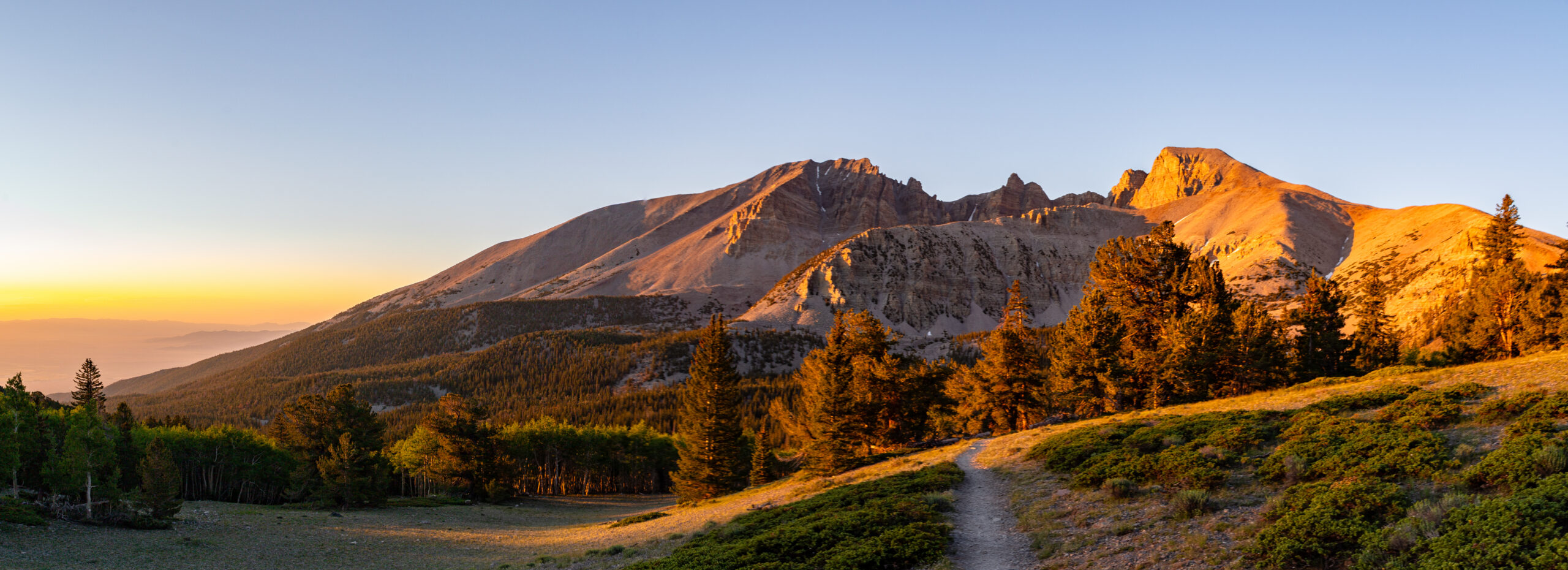
Your Training Should Make Summit Day Familiar.
The pace, shoes, pack, food, hydration and hours on your feet should all have been rehearsed before the mountain. Summit day should be bigger than training—not completely different from it.
What Is This 8-Week Plan Enough For?
The most important credibility rule is not pretending one beginner plan prepares you for every mountain.
| Objective type | Fit for this plan? | What else may be needed? |
|---|---|---|
| Class 1–2 day-hike summit | Strong fit | Normal route/weather planning |
| 5–10 miles / 2,000–4,000 ft gain | Strong fit | Route-specific pacing |
| Long 12–15+ mile summit | Partial fit | More endurance volume |
| 10,000–14,000-ft summit from low elevation | Fitness fit only | Acclimatization plan |
| Class 3 scrambling | Fitness only | Movement / exposure skills |
| Snow, crampons or ice axe | No | Technical instruction + winter progression |
| Glacier travel / rope team | No | Mountaineering course / guide |
| Major altitude expedition | No | Longer training + acclimatization + expedition-specific plan |
How to Run the Week 6 Shakedown Hike
This is a system test disguised as a workout.
Rehearse the Morning
Wake, eat and start at roughly the same time you expect on summit day. Learn whether your stomach and energy are ready for an early start.
Use the Real System
Same footwear, socks, pack, poles, water bottles or bladder, layers and sun protection.
Eat Before You Need It
Practice small, repeatable intake rather than waiting for hunger or a major energy crash.
Judge the Final Hour
The shakedown is successful only if knees, feet and attention remain functional on the way down.
What Should You Do During Summit Week?
Nothing you do in the final few days can create new endurance. The final job is to arrive healthy and rested.
Reduce Volume
Use short walks, easy mobility and perhaps a few light uphill minutes. Avoid hard intervals and heavy leg training.
Protect the Week
One poor night before an early start matters less if the previous several nights were consistent.
Stop Experimenting
No new boots, no mystery foods and no brand-new pack adjustment the night before.
Set the Turnaround Time
Know the weather source, route, water assumptions, start time and turnaround rule before leaving home.
What Derails First-Summit Training?
Most failures come from inconsistency or poor specificity—not lack of intensity.
Training Too Hard
Every session should not feel like a test. Fatigue hides adaptation.
Skipping the Long Hike
The weekly hike is the most specific endurance session in the plan.
Ignoring Descents
Beginners often train uphill fitness but not downhill durability.
Overloading the Pack
Train toward the actual load, not an arbitrary “hardcore” number.
Changing Gear Late
Every important item should be tested by Week 6.
Confusing Fitness With Altitude
Strong fitness does not prevent altitude illness.
Skipping the Taper
The final hard week often makes summit day worse, not better.
Choosing Too Much Mountain
A good training plan cannot turn an inappropriate first objective into a beginner mountain.
Where Does This Plan Fit in the Beginner Journey?
The training plan should connect directly into the next decision, not end at Week 8.
Choose a Class 1–2 First Peak
Start with the Beginner Climbing Guide and choose terrain that does not demand technical skills you do not yet have.
Check Your Baseline
Use the Mountain Readiness Assessment and the Fitness Standards Guide before forcing an eight-week deadline.
Run This 8-Week Plan
Build consistency, then specificity, then test the complete system in Week 6.
Know Summit Day
Use What to Expect on Summit Day to turn the final unknowns into a rehearsed sequence.
How to use the plan
- Match it to a nontechnical first summit.
- Keep most training easy to moderate.
- Increase only one or two variables at a time.
- Use the weekend hike as the primary specific session.
- Treat pain, illness and unusual fatigue as reasons to modify—not “push through.”
- Use route-specific official sources for weather, closures and permits.
What this page does not claim
- It is not individualized medical or coaching advice.
- It does not guarantee summit success.
- It does not substitute for technical instruction.
- It does not make altitude predictable.
- It does not override conservative turnaround decisions.
- It does not turn a technical mountain into a beginner objective.
First Summit Training FAQ
Is 8 weeks enough to train for a mountain?
Eight weeks can be enough for a reasonably active beginner preparing for a nontechnical Class 1–2 day-hike summit. It is not enough by itself for glacier travel, technical rock climbing, winter mountaineering or a major high-altitude expedition.
How many days per week should I train for my first summit?
Most beginners should train four to six days per week, with one longer hiking-specific session, one or two strength sessions, one hills or stairs session, easy aerobic work and at least one full rest day.
What is the most important workout?
The Week 6 shakedown hike. It tests pacing, footwear, pack fit, fueling, hydration and downhill durability together.
Should I train with a weighted backpack?
Yes, if the target summit requires carrying a daypack. Start light and progress toward the actual summit-day load rather than using unnecessarily heavy weight.
What kind of mountain is this plan designed for?
A first nontechnical Class 1–2 hiking summit, typically a day route of roughly 5–10 miles and 2,000–4,000 feet of elevation gain in normal dry-season conditions.
Does this plan prepare me for a 14er?
It can provide the fitness base for some nontechnical 14ers, but altitude adds a separate acclimatization problem. Low-elevation beginners should plan extra acclimatization and choose the route conservatively.
What if I fail the readiness test?
If one or two benchmarks are weak, spend additional weeks building basic walking, stair and loaded-hiking capacity before starting the full progression. If several are far below the benchmark, begin with general fitness first.
Should I keep training hard during summit week?
No. Summit week should reduce training volume substantially. The goal is to preserve fitness while allowing fatigue to fall so you arrive rested.
Train Specifically. Test the System. Arrive Rested.
Your first summit does not require elite fitness. It requires enough aerobic capacity, leg endurance and mountain-specific durability that weather, pacing and judgment—not preventable training gaps—become the main decisions on the day.
Training Is Only One Part of Being Ready
Use the eight-week plan to build your fitness, then check your readiness, gear, route difficulty and mountain choice before summit day.
Check whether your current hiking endurance, climbing strength and recovery are ready for the plan.
Take the assessment → Step 2 · Equipment Beginner Mountain Gear GuideBuild the footwear, layering, pack, water and weather system you should train with before summit day.
Build your gear system → Step 3 · Safety Mountain Safety Basics for BeginnersWeather, turnaround decisions, navigation, emergency planning and the habits that matter beyond fitness.
Learn the safety basics → Step 4 · Difficulty Trail Ratings & Difficulty ExplainedUnderstand when an objective is still beginner-friendly and when terrain starts demanding new skills.
Understand route difficulty → Step 5 · Mountain Choice How to Choose Your First MountainMatch your first summit to your fitness, experience, time, terrain and tolerance for altitude.
Choose your first objective → Step 6 · Find an Objective Best Beginner Mountains by U.S. RegionTurn the training plan into an actual summit by finding beginner-appropriate mountains closer to home.
Browse beginner mountains →Was this helpful?
🏔Related training
🧭Explore & compare
Global Summit Guide is an independent mountaineering resource founded in 2026. The team combines first-hand trekking and climbing experience with in-depth research and professional health and nutrition review to help climbers choose objectives, prepare properly, and stay safe.
Health, altitude, and nutrition content is reviewed by Taylor Ludlow (Registered Nurse) and Brigg Hoopes (Nutritionist).
What We Don't Know Yet
Mountain information changes quickly. This box explains the limits of what this page can responsibly promise.
- Weather, snowpack, avalanche risk, road access, and route conditions can change quickly and may be different on your climbing dates.
- Route conditions, trailhead access, crevasse exposure, stream crossings, and rescue access may vary from published planning guidance.
- Gear requirements can change by season, route variation, weather window, personal cold tolerance, and guide-service requirements.
- Fitness and altitude response vary by person; no guide, itinerary, or training plan can guarantee acclimatization or summit success.
Verify current conditions with official land managers, guide services, local forecasts, and current route reports before booking or climbing.
Mountaineering, rock and ice climbing, glacier travel, and high-altitude activity are inherently dangerous and can result in serious injury or death. The information on Global Summit Guide is provided for general informational and educational purposes only and is not a substitute for professional instruction, qualified guiding, proper equipment, or your own judgment and experience.
Route conditions, weather, snowpack, permits, regulations, and hazards change constantly and may differ from what is described here. Details may be incomplete, out of date, or contain errors. Always verify current information with local authorities, certified guides, and official sources before making any decision in the mountains.
Nothing on this site is medical, legal, or financial advice. Our fitness, acclimatization, altitude, and nutrition content is general in nature; consult a qualified physician before beginning any strenuous exercise program or exposing yourself to high altitude.
You are solely responsible for your own safety and decisions. To the fullest extent permitted by law, Global Summit Guide and its team accept no liability for any loss, injury, damage, or expense arising from use of, or reliance on, this information. By using this site you acknowledge these risks and accept these terms.
Some links on this site may be affiliate links. If you buy through them we may earn a small commission at no extra cost to you; this never affects our recommendations.
Global Summit Guide recommendation path
Next Best Mountain to Research
Use these recommendations to continue the right planning path instead of stopping on one page.
Use current permit, weather, route, and operator information before booking or climbing.
Search Flights, Hotels & Rental Cars
Have the mountain or destination picked? Use Expedia to compare the flights, lodging and rental cars that fit your actual trip dates. For mountain travel, consider arriving early enough for delays and adding a buffer night after the climb before a fixed flight home.
Compare current flight, hotel and car options.
Affiliate disclosure: Global Summit Guide may earn a commission if you book through this link, at no additional cost to you.