
Last updated June 3, 2026
Hiking vs Mountain Climbing: When a Hike Becomes a Real Summit Objective
Most mountain climbers start as hikers. At first the difference feels blurry — you’re still walking uphill, still carrying a pack, still following a trail. But eventually a normal hike becomes something more serious: a summit objective with altitude, weather, route decisions, exposure, and consequences. This 2026 guide explains exactly where that line begins, the 5 signals that you’ve crossed it, the YDS terrain ratings, and how to cross the line safely.
The difference between hiking and mountain climbing is not always equipment, altitude, or whether your hands touch rock — the real difference is commitment. Generally, a hike becomes a mountain-climbing objective when the summit matters, the weather matters, the route matters, and your decisions carry consequences beyond simply being tired. Specifically, hiking is usually trail-based travel where the main goal is movement, scenery, exercise, or exploration, while mountain climbing adds a summit objective, significant elevation gain, changing mountain weather, route and safety decisions, and often terrain where turning around is part of the plan. Notably, many first mountains are still reached by hiking — but they demand a mountain-climbing mindset. The same word “climb” describes activities ranging from a Class 1 trail walk to expeditions above 26,000 feet, creating a vocabulary problem that matters less than understanding what kind of mountain day you’re actually planning. That transition is exciting — but it’s also where beginners need better judgment, not just stronger legs.
Key Takeaways
- The transition is gradual: trail hiking → mountain hiking → peak bagging → scrambling → mountaineering. Each step adds one or two new demands.
- 5 signals tell you a hike has become climbing: summit-focused goal, dominant elevation gain, time above treeline, route requires judgment, consequences of mistakes increase.
- The first major terrain line is between Class 2 and Class 3 (YDS) — Class 2 still feels like hiking; Class 3 feels like climbing because hands become part of upward movement.
- The mindset shift matters more than gear: hikers ask “Can I finish?” — climbers ask “Should I continue?”
- 3-stage progression is safest: Trail Hiker → Beginner Summit Climber (Class 1-2) → Intermediate Mountain Climber (Class 3, snow, altitude).
- Change only one major variable at a time when progressing — never combine altitude, exposure, distance, route-finding, and weather complexity in one trip.
- You don’t need technical gear for your first mountain — Class 1-2 summits require only hiking gear, headlamp, navigation, and good judgment.
- Most beginner incidents happen on descent — not because of gear failure but because of fatigue, late starts, weather, or pushing past turnaround times.
- The first step from hiker to climber is not buying equipment — it’s learning to plan, assess risk, and make conservative mountain decisions.
Why Hiking and Mountain Climbing Get Confused
The confusion is understandable. Generally, many beginner mountains are climbed by hiking — a person can summit a mountain on a maintained trail without touching a rope, wearing a helmet, or using crampons, and they may still say “I climbed a mountain” without being wrong. Specifically, the problem is that the phrase “climbing a mountain” covers a huge range of activities, from walking up a Class 1 trail to pulling fixed lines above 26,000 feet. That range creates a language problem where one person says “mountain climbing” and means a day hike to a state highpoint while another means a glaciated volcano and a third means Denali, Aconcagua, or Everest — the same phrase describing experiences with completely different levels of risk, preparation, fitness, and technical skill. Notably, for beginners the goal isn’t winning a vocabulary argument but understanding what kind of mountain day you’re actually planning. If the trip is a scenic trail walk with easy exit options, you prepare one way. If the trip is a summit objective above treeline where weather, altitude, and route decisions can change the outcome, you prepare very differently — and that difference in preparation is where beginner safety lives.
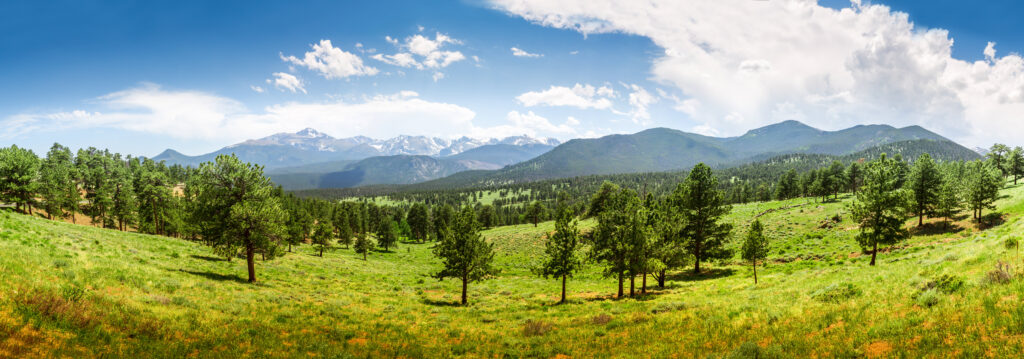
The 5 Categories: From Trail Hiking to Mountaineering
Think of outdoor mountain travel as a spectrum, not a binary. Generally, you don’t jump from local hiking to expedition mountaineering in one move — you progress through five distinct stages, each adding one or two new demands. Specifically, the safest climbers understand exactly which stage they’re in and don’t pretend they’re farther along than they actually are. Notably, problems happen when people skip stages because a mountain looks easier online than it does on the ground.
Trail Hiking
Maintained trails, rolling terrain, forests, foothills, parks, canyon routes. The main goal is exercise, scenery, distance, or time outdoors. You may or may not reach a high point. Best starting point for everyone.
Mountain Hiking
Trails or easy off-trail terrain leading to a summit. The goal is to reach a peak by nontechnical terrain — weather, elevation, and route choice begin to matter more. Beginner appropriate after consistent trail hiking experience.
Peak Bagging
Repeated summit objectives, often on lists like state highpoints, county highpoints, 14ers, or regional peaks. Build experience by collecting summits across varied terrain and conditions. Natural progression after first 1-3 summits.
Scrambling
Class 2-3 terrain, boulders, ridges, loose rock, occasional or frequent hand use. Move through steeper mountain terrain without full technical climbing systems. Progress carefully — the first major step beyond pure hiking.
Mountaineering
Alpine terrain, snow, glaciers, ridges, high altitude, technical systems, route complexity. Reach serious mountain objectives using fitness, judgment, and technical skills. Training and prior experience required.
The boundary is gradual. A beginner may start with ordinary hiking, move into mountain hiking, then peak bagging, then scrambling, then intro mountaineering. Each step is valid. Each step teaches something. The mistake is skipping stages — and most beginner accidents involve attempting Category 4 or 5 objectives with Category 1 or 2 preparation.
The 5 Signals Your Hike Has Become a Mountain-Climbing Objective
You don’t need a rope for a trip to become more serious than a normal hike. Generally, these five signals tell you that you should stop thinking like a casual hiker and start planning like a beginner climber. Specifically, when three or more signals are present, the trip requires climber-level systems — turnaround times, weather triggers, headlamp, emergency contact plan, and conservative decisions. Notably, this transition can happen on terrain that doesn’t require any technical equipment — Class 1-2 mountains demand the same climbing mindset as Class 3 peaks even though no ropes or crampons are needed.
The Summit Is the Point of the Day
If the primary goal is to stand on top, the psychology changes. You’re no longer just taking a walk — you’re pursuing an objective. That objective can create pressure to keep going when conditions, energy, or time suggest you should turn around. Generally, “summit fever” is the #1 cause of beginner climbing accidents, and recognizing this psychological shift before starting the climb is the first step to managing it.
- Set a turnaround time before you start — and honor it regardless of summit proximity
- Decide what weather signs end the attempt (specific cloud formations, wind speeds, temperature)
- Remember that a safe descent matters more than a summit photo
Elevation Gain Becomes the Real Challenge
A hike becomes more mountain-like when the vertical gain dominates the day. Generally, steady uphill travel changes pacing, hydration, nutrition, foot care, and descent fatigue. Distance still matters, but elevation gain becomes the true workload — climbers learn quickly that 8 miles flat is easier than 4 miles steep.
- Beginners should usually start under 3,000 feet of gain
- Steep routes can be harder than longer routes — calculate gain-per-mile
- Descent fatigue causes many beginner slips, ankle injuries, and knee issues
You Spend Time Above Treeline or Exposed to Weather
Once you leave forest cover, the mountain feels different. Generally, wind, lightning, sun exposure, cold, and visibility matter more than they did in the forest. A normal trail hike can become serious if you’re exposed above treeline when storms develop — and Western mountain summer afternoons routinely produce lightning that has killed climbers in the past decade.
- Start early when afternoon storms are possible (pre-dawn starts in monsoon season)
- Carry layers even when the trailhead is warm — temperature drops 3-5°F per 1,000ft
- Watch the sky during the climb, not just the morning forecast
The Route Requires Judgment, Not Just Walking
Maintained trails reduce decision-making. Generally, mountain routes often add forks, cairns, talus, snow patches, faint tread, ridge options, and confusing descents that require route-finding skills beyond basic trail-following. Specifically, when route choices matter — when the wrong cairn line, the wrong ridge, or the wrong descent gully would create real problems — you’ve entered mountain-climbing territory regardless of what the terrain looks like underfoot.
- Download offline maps before you lose cell service
- Read multiple route descriptions, not just one app page or guidebook entry
- Know what the descent route looks like before going up — many people get lost on the way down
The Consequences of a Bad Decision Increase
The biggest difference between a casual hike and a summit objective is consequence. Generally, on a simple trail a mistake may mean tired legs. Specifically, on a mountain the same mistake can mean being caught in a storm, descending in the dark, getting off-route, or needing emergency help. Notably, this consequence escalation is what justifies climber-level preparation even on terrain that doesn’t require technical gear.
- Carry a headlamp even for a day objective — mountain days routinely run late
- Tell someone your route and expected return time — and your trip overdue trigger
- Turn around before the situation turns urgent, not after
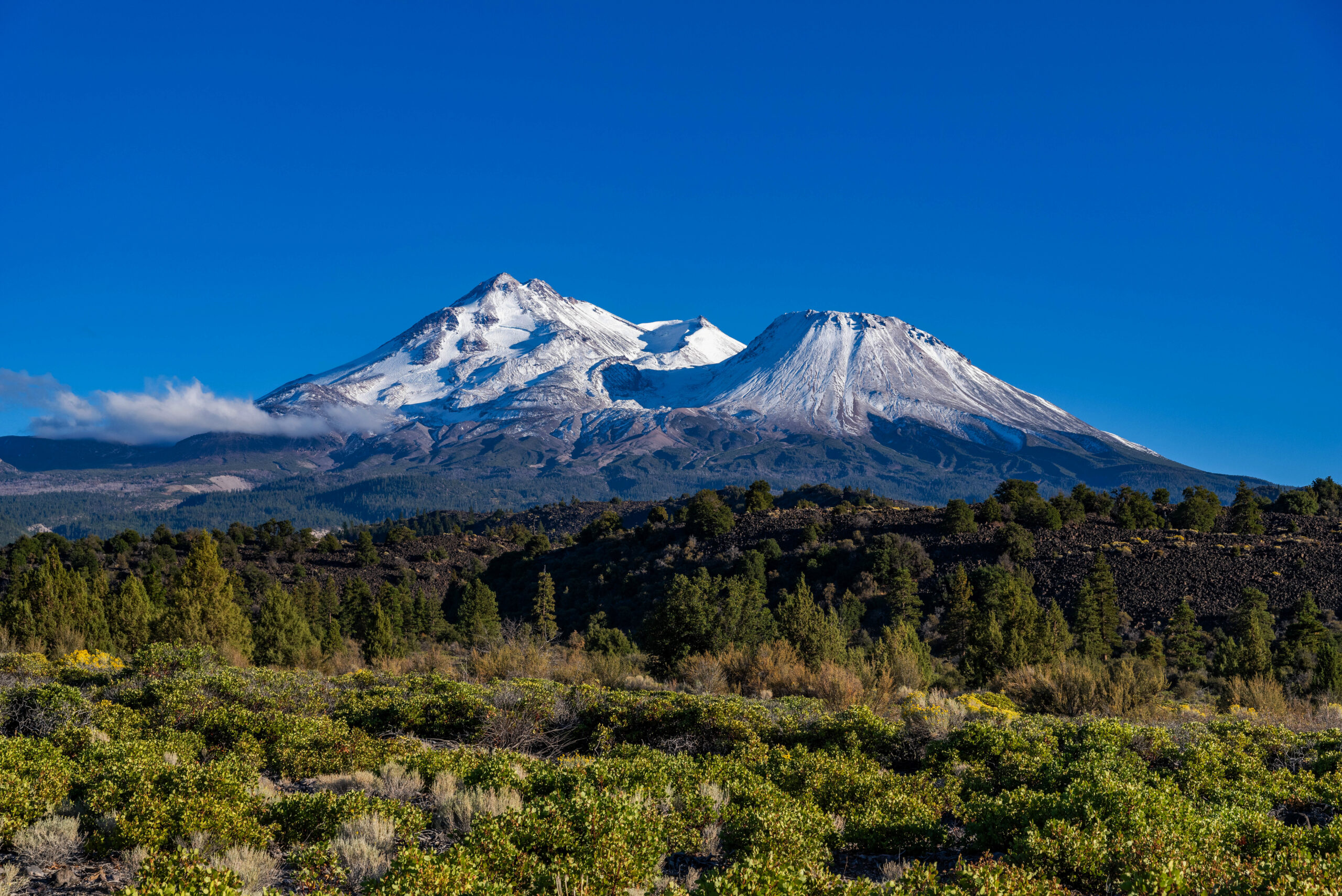
Terrain Ratings: The Practical Line Between Hiking and Climbing
Terrain difficulty is one of the cleanest ways to understand the hiking-to-climbing transition. Generally, in the United States many guidebooks and mountain resources use the Yosemite Decimal System (YDS) — you don’t need to memorize every detail to start, but you do need to understand the difference between Class 1, Class 2, and Class 3 terrain. Specifically, for beginners the first major line is between Class 2 and Class 3. Class 2 can still feel like hiking even if the terrain is rough; Class 3 begins to feel like climbing because your hands become part of upward movement and fall consequences increase. Notably, that doesn’t make Class 3 impossible or forbidden — it simply means it belongs later in your progression.
| Class | What It Means | How Beginners Should Treat It |
|---|---|---|
| Class 1 | Walking on a trail. Your hands are not needed for movement at all. | Ideal first-summit terrain — Mount Si, Clingmans Dome, Bald Mountain Utah |
| Class 2 | Rougher walking, talus, boulders, or occasional use of hands for balance. | Good after basic hiking experience — Mt. Monadnock, Humphreys Peak, Quandary |
| Class 3 | Scrambling. Hands are used for upward movement. Falls can be serious. | Intermediate progression — Mount Sneffels, Longs Peak Keyhole, Capitol Peak ridge |
| Class 4 | Exposed climbing where a fall could be severe or fatal. Rope often used. | NOT beginner terrain — requires technical training |
| Class 5 | Technical rock climbing requiring rope, protection, and specific climbing skills. | Technical climbing — formal training and equipment required |
Use ratings as a filter, not a dare. A higher terrain class is not a badge of honor for beginners — it’s information. If a route description says Class 3, exposed, loose, or route-finding required, that’s not a challenge to prove yourself. It’s a signal to train, build experience, or choose a different objective for now. The mountains will still be there after you’ve earned the skill.
Real-World Examples: Hike, Summit Hike, Scramble, or Mountaineering?
The same person might call all of these “climbs” — but they’re not the same kind of day. Generally, understanding the difference helps you choose the right next step instead of jumping into a mountain that demands skills you haven’t built yet. Specifically, the examples below span the entire range from local trail hiking to glaciated mountaineering, showing how the same word covers fundamentally different activities.
| Example Objective | Best Description | Why It Fits There | Who It Suits |
|---|---|---|---|
| Local foothill trail | Hike | Movement, scenery, or exercise focus. Summit pressure and consequences are low. | Everyone, including first-time hikers |
| Clingmans Dome (TN) | Mountain hike | Reaches a true high point but remains accessible and nontechnical (paved trail). | Beginners learning summit planning |
| Bald Mountain (UT) | Beginner summit objective | High summit feel, straightforward route, manageable gain in right season. | Fit hikers moving toward mountain climbing |
| Mount Si (WA) | Beginner summit objective | Pacific NW classic. Class 1 trail, real elevation gain, weather considerations. | Fit beginners with weather awareness |
| Quandary Peak (CO) | Beginner-to-intermediate | Nontechnical by standard route, but altitude, weather, and 14er pacing matter. | Fit beginners with early start and acclimatization |
| Kings Peak (UT) | Intermediate mountain objective | Long distance, route planning, altitude, and Class 3 options make day more serious. | Experienced hikers or early intermediate climbers |
| Mount Sneffels (CO) | Intermediate scrambling objective | Class 3 Lavender Couloir, loose rock, exposure beyond walking-up terrain. | Intermediate climbers building Class 3 experience |
| Mt. Hood South Side | Intro mountaineering | Snow, ice axe, crampons, timing, and objective hazard move it beyond hiking. | Trained climbers or guided beginners |
| Mount Rainier (WA) | Glaciated mountaineering | Rope teams, crevasse risk, altitude, weather, multi-day logistics central. | Intermediate climbers, guided teams, or trained parties |
| Denali (AK) | Expedition mountaineering | 3-week expedition, extreme cold, high altitude, technical glacier travel. | Experienced mountaineers only |
This is why “climb” needs context. A beginner can climb a mountain by hiking — but not every mountain that can be climbed is a beginner mountain. The route, season, terrain, altitude, and consequence determine the real category. When someone asks “Is this mountain a good first climb?” the answer depends on which mountain, which route, and what time of year — not the mountain name alone.
The Safe Progression: From Hiker to Mountain Climber
The best progression isn’t complicated. Generally, start with trails, then choose simple summits, then repeat those summits in different conditions and regions, then add one new difficulty at a time — more elevation gain, higher altitude, rougher terrain, longer mileage, or overnight logistics. Specifically, do not add all of these at once. Notably, the climbers who progress fastest and safest are those who treat early stages as skill-building rather than rushing to harder objectives.
Trail Hiker (Pre-Summit Foundation)
Build consistency on local trails. Learn footwear, layering, hydration, nutrition, pacing, basic navigation, and how your body responds to several hours of uphill movement. Generally, this stage takes 3-12 months for beginners depending on existing fitness — building toward consistent 5-10 mile hikes with 1,500-3,000 feet of elevation gain. Specifically, the goal at this stage is fitness foundation and movement skills, not summit ambition. Notably, climbers who skip this stage and jump directly to summit objectives have dramatically higher failure and injury rates — baseline hiking fitness is the foundation that supports everything else.
Beginner Summit Climber (Class 1-2 Mountains)
Choose Class 1-2 summits with clear routes and manageable elevation gain. Generally, practice early starts (pre-dawn during thunderstorm season), weather checks (current conditions, not just morning forecast), turnaround times (set before starting, honored regardless of summit proximity), and descent discipline (most beginner injuries happen on descent due to fatigue). Specifically, recommended first summits include Mount Si (Washington, Class 1, 3,150ft gain), Mt. Monadnock (New Hampshire, Class 2, 1,800ft gain), Clingmans Dome (Tennessee, Class 1, 330ft gain), Humphreys Peak (Arizona, Class 2, 3,460ft gain), Bald Mountain (Utah, Class 1, 1,000ft gain), or Quandary Peak (Colorado, Class 2, 3,450ft gain — easiest 14er but requires altitude acclimatization). Notably, complete 5-8 successful summits across varied conditions before progressing further.
Intermediate Mountain Climber (One Variable at a Time)
Move toward harder objectives only after repeated successful summits. Generally, add Class 3 terrain, basic snow travel, multi-day routes, and higher altitude one step at a time — never combining multiple new challenges in a single trip. Specifically, the one-variable rule is essential. Notably, consider a mountaineering course (American Alpine Institute, NOLS, RMI, or AMGA-certified guides) before attempting glaciated peaks or technical objectives.
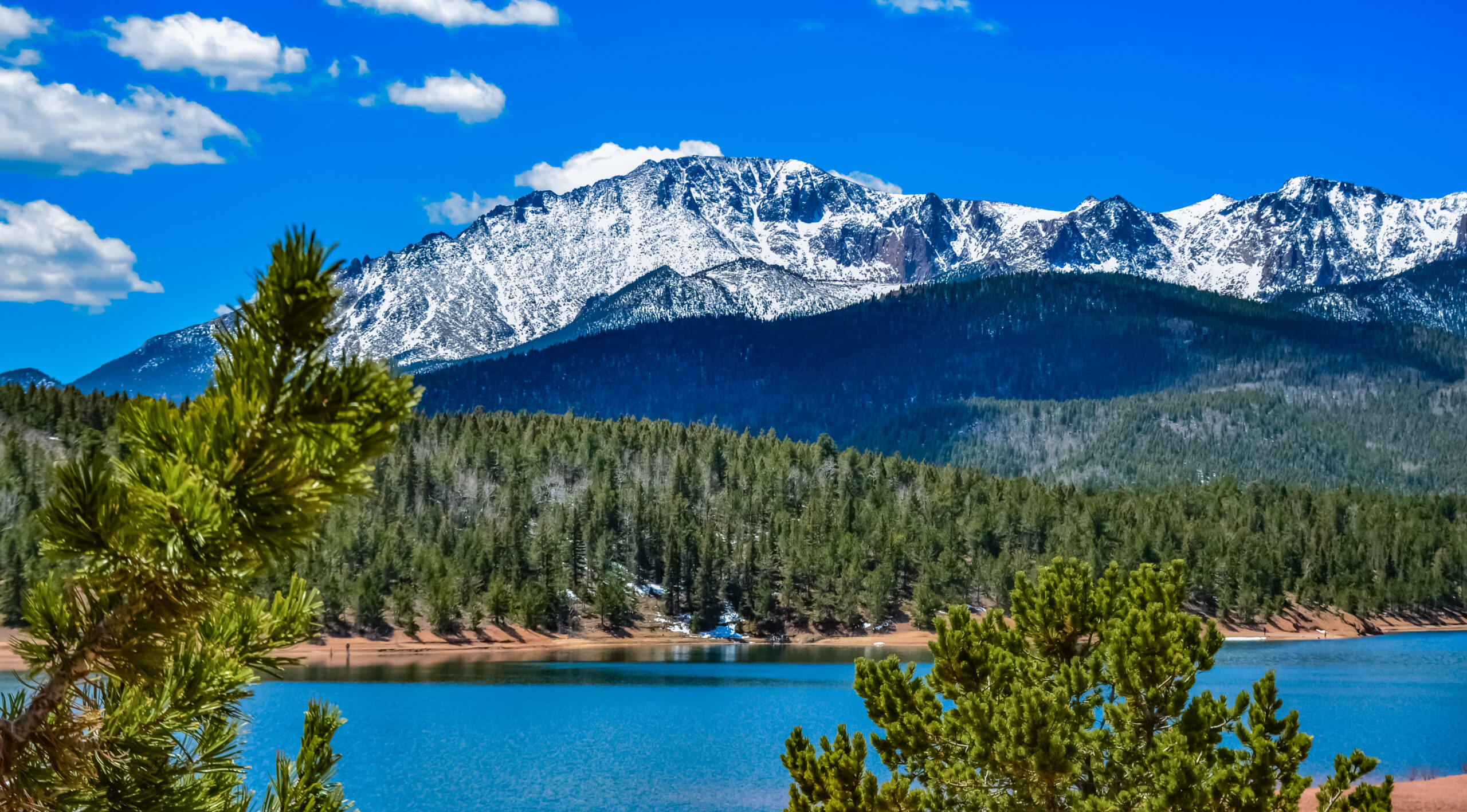
The Mindset Shift: From “Can I Finish?” to “Should I Continue?”
Hikers often think in terms of finishing — can I make it to the lake, can I complete the loop, can I beat my previous time? Generally, that mindset works on many trails because the consequences are low and the route is predictable. Specifically, mountain climbing requires a different question: Should I continue? Notably, that question is the beginning of mountain judgment, and the climbers who develop it earliest become the safest mountaineers over time.
| Hiker Question | Climber Question | Why It Matters |
|---|---|---|
| Can I make it? | Can I make it and descend safely? | The summit is only halfway. Most incidents happen when people are tired, late, or descending. |
| What is the distance? | What is the elevation gain, terrain class, and descent like? | Mileage alone does not describe mountain difficulty. |
| What does the forecast say? | What is the weather doing now? | Mountain weather changes quickly, especially above treeline. |
| Did others finish it? | Does it fit my experience today? | Trip reports are useful, but someone else’s success does not guarantee your readiness. |
| How close is the summit? | How much time, energy, and weather margin do I still have? | Bad decisions often happen when the summit looks close. |
Strong climbers are not the people who always push. Strong climbers are the people who know when not to push. Your first beginner summits are the perfect place to practice that skill because the consequences are lower and the lessons are clearer. The climbers who develop “Should I continue?” thinking on Class 1-2 mountains carry that judgment naturally into Class 3 and beyond.
The Gear Difference: Better Systems, Not More Gear
Many people assume the transition from hiking to mountain climbing begins with buying gear. Generally, that’s backward. Specifically, for beginner mountain objectives the most important upgrade isn’t a rope, helmet, ice axe, or technical boot — it’s a better system for planning and decision-making. Notably, a hiker’s gear list can be casual because many trails are forgiving; a beginner climber’s gear list needs to support changes in weather, longer days, route uncertainty, and emergency delay. That doesn’t mean overpacking — it means carrying the right essentials and knowing why they’re there.
| System | Hiking Version | Mountain-Climbing Version |
|---|---|---|
| Navigation | Phone map or trail signs | Downloaded offline map, backup battery, route notes, descent landmarks |
| Weather | Check forecast before leaving | Check forecast, start early, monitor clouds and wind, define storm triggers |
| Layers | Comfort-based clothing | Wind/rain shell, insulation, gloves or hat when exposed terrain or altitude changes |
| Lighting | Optional if back early | Headlamp required — mountain days run late even when the plan is good |
| Safety | Basic first aid or none | First aid, emergency contact plan, turnaround time, route shared with someone |
| Decision-Making | Casual response to conditions | Pre-defined triggers for weather, time, and condition responses |
Technical gear comes later when your objectives demand it and your training supports it. A beginner who learns planning systems on Class 1 and Class 2 terrain will be much safer later when snow, glaciers, exposure, and altitude enter the picture.
The 10-Point Checklist: Hike or Mountain Climb?
Use this checklist before your next objective. Generally, the more boxes you check, the more you should plan like a climber rather than a casual hiker. Specifically, three or more checks means it’s time to apply climber-level systems even if the terrain doesn’t require technical gear.
If several of these are true, treat the trip as a mountain-climbing objective
- The summit is the main goal. You’re not just walking a trail — you’re trying to reach a high point.
- The route gains significant elevation. The uphill work will dominate the day and affect pacing, hydration, and descent fatigue.
- You will be above treeline. Wind, lightning, sun, cold, and visibility become more important.
- The route is Class 2 or higher. Rough terrain, boulders, talus, or hands-for-balance sections require more attention.
- Weather could change the safety of the route. Storms, snow, ice, or wind would make the objective much more serious.
- The descent is long or steep. Getting down safely requires energy management, not just summit effort.
- The route has a real turnaround decision. You need a time or condition that tells you when to descend.
- You need to research current conditions. Snow, road access, permits, recent reports, or seasonal hazards matter.
- You would be in trouble if delayed. A headlamp, extra layer, food, and emergency plan are not optional.
- A mistake could have serious consequences. Exposure, route-finding, weather, or remoteness increases the cost of poor decisions.
The 8 Common Mistakes in the Hiking-to-Climbing Transition
Avoid These Common Transition Mistakes
- Skipping the trail hiker stage. Jumping directly from no hiking experience to summit attempts on Class 1-2 mountains creates failure and injury risk. Build 3-12 months of consistent trail hiking base before targeting summits.
- Buying technical gear before needing it. Crampons, ice axes, ropes, and harnesses don’t make beginner mountains safer — they create false confidence and can lead to attempting objectives beyond current skill level. Buy gear when you need it for trained skills, not before.
- Choosing aspirational over honest peak selection. Attempting Mt. Whitney (22 miles, 6,100ft gain, altitude, permit complexity), Mt. Rainier (glaciated, technical), or “easy 14ers” without altitude acclimatization as first summits produces dramatically higher failure rates. Match peak selection to current ability, not desired identity.
- Adding multiple variables simultaneously. The most dangerous pattern in beginner accidents is combining new terrain (Class 3), new altitude (above 12,000ft), new distance (over 15 miles), and new weather (storm season) all in the same trip. Change one variable at a time.
- Ignoring the descent in planning. Most beginner injuries happen on descent due to fatigue, not on ascent. Plan descent timing, route, and energy reserves with the same care as the ascent.
- Starting too late during thunderstorm season. Western mountain afternoon thunderstorms kill climbers every year. Pre-dawn starts (3-5 AM) in summer monsoon season are not optional for safe Class 1-2 summit attempts above treeline.
- Treating turnaround times as suggestions. Setting a turnaround time and then ignoring it because “the summit is close” is the most common preventable cause of beginner climbing accidents. Honor the turnaround regardless of summit proximity.
- Solo climbing before building experience. First mountain attempts should include experienced partners or hire guides. Solo climbing requires self-reliance skills that beginners haven’t yet developed — emergency response, route-finding, and decision-making under fatigue all benefit from partner support during early progression.
What We Don’t Know
Honest limitations of any hiking-to-climbing transition guide
Individual variation matters more than guide recommendations. The 3-stage progression and 5-signal framework represent statistically successful approaches for most beginners — but individual fitness levels, altitude tolerance, weather sensitivity, and learning speeds vary dramatically. Climbers who feel ready for harder objectives at any stage should pursue them with appropriate caution; climbers who need longer at earlier stages should take that time without judgment.
YDS ratings have subjective variation. The Class 1-5 system was developed in Yosemite and applied to mountains nationally — but route ratings vary between guidebooks, websites, and route descriptions. A peak rated “Class 2” in one source may be described as “Class 3” in another. Read multiple route descriptions, check current trip reports, and prefer conservative ratings when starting.
The terrain class system doesn’t capture all mountain difficulty. Class 2 on loose talus with afternoon thunderstorm exposure can be more committing than Class 3 on solid rock in stable weather. Class ratings describe technical difficulty of movement but don’t fully capture weather, altitude, exposure, route-finding, or consequence factors. Combine class ratings with other route information rather than relying on numbers alone.
Mountain weather is becoming less predictable. Climate change has affected traditional mountain weather windows — Pacific Northwest summer fire smoke, Colorado afternoon thunderstorm frequency and intensity, Eastern Sierra snowpack timing, and Mt. Washington’s already-extreme conditions have all shifted. Trip reports from previous years may not reflect current conditions accurately.
The transition timing varies by individual. Some climbers progress from first hike to first Class 3 scramble in a single season; others need 2-3 years to feel comfortable at the same level. Both progressions can be safe if they follow the one-variable-at-a-time rule. Don’t measure your timing against other climbers — measure it against your own readiness for each new challenge.
Hiking vs Mountain Climbing FAQ
Is mountain climbing the same as hiking?
Not always. Many beginner mountains are climbed by hiking — but mountain climbing usually adds a summit objective, elevation gain, weather exposure, route decisions, and greater consequence than ordinary hiking. The movement may look similar at first (both involve walking uphill with a pack), but the planning mindset is fundamentally different — hikers think about whether they can finish, while climbers think about whether they should continue. The real difference is commitment: a hike becomes a mountain-climbing objective when the summit matters, the weather matters, the route matters, and decisions carry consequences beyond simply being tired.
When does hiking become mountain climbing?
Hiking starts becoming mountain climbing when five specific signals appear: the primary goal becomes a summit (psychological pressure to keep going regardless of conditions), the route gains significant elevation (vertical workload dominates), the weather can change the safety of the objective (above-treeline exposure), the route requires judgment beyond walking (route-finding), and the consequences of mistakes increase. When three or more of these signals are present, you should plan and execute the trip with climber-level systems rather than casual hiker approach. This transition can happen on terrain that doesn’t require any technical equipment.
Can beginners climb mountains without technical gear?
Yes. Many excellent beginner mountains are nontechnical Class 1 or Class 2 routes that require only normal hiking gear (sturdy boots, layers, water, snacks, headlamp, sun protection, navigation, first aid, emergency shelter) — no ropes, crampons, ice axes, harnesses, or helmets needed. Beginners should start with these non-technical mountains and add technical gear only after training in glacier travel, snow climbing, or technical scrambling. Class 1 mountains include Mount Si, Clingmans Dome, and Bald Mountain Utah. Class 2 mountains include Mt. Monadnock, Humphreys Peak, and Quandary Peak (Colorado’s easiest 14er). Gear matters less than fitness and judgment for first-time climbers.
Is peak bagging hiking or mountain climbing?
Peak bagging can be either depending on the specific peaks being collected. If the peaks are low elevation, trail-based, and nontechnical (state highpoints in eastern states, county highpoints in lower-elevation regions), peak bagging is mostly hiking. As the peaks become higher (Colorado 14ers, California 14ers), more remote (off-trail approaches), or more exposed (Class 3+ terrain), peak bagging becomes a mountain-climbing progression. Peak bagging challenges like the Six-Pack of Peaks Challenge, USA State Highpoints, or Colorado 14ers list span the entire range — match your peak bagging selections to your current skill level rather than pursuing high-prestige objectives before building progressive experience.
What is the safest first step from hiking into mountain climbing?
The safest first step is a nontechnical Class 1 or easy Class 2 summit with a clear route, manageable elevation gain (under 3,000 feet), reliable weather window, and easy access. Choose a mountain that teaches summit planning without requiring technical climbing skills — Mount Si (Washington), Mt. Monadnock (New Hampshire), Clingmans Dome (Tennessee), Humphreys Peak (Arizona), Bald Mountain (Utah), or Quandary Peak (Colorado, easiest 14er but altitude-affected). The right first summit teaches you the mountain-climbing mindset (turnaround times, weather monitoring, descent fatigue management, route reading) without exposing you to consequences beyond beginner judgment capability. Match peak selection to honest current fitness rather than aspirational goals.
Do I need a mountaineering course before my first mountain?
Not for a simple nontechnical summit. Your first Class 1 or Class 2 mountain requires fitness, appropriate hiking gear, weather awareness, and good judgment — but not formal mountaineering training. A course becomes important when your objectives involve snow travel (Mount Shasta, Mount Hood, Mount Adams), crampon and ice axe use (most spring/winter peaks), glacier travel (Mount Rainier, Cascade volcanoes), rope team techniques (any glaciated objective), serious exposure (Class 4+ terrain), or avalanche terrain assessment (any winter mountaineering). Recommended courses include American Alpine Institute (AAI), Rainier Mountaineering Inc. (RMI), NOLS Wilderness Mountaineering, and AMGA-certified guide service programs. For your first 5-8 summits, choose routes that don’t require any of these systems.
Sources and Methodology
Numbered Source References
This hiking-vs-mountain-climbing guide synthesizes data from federal land management authorities, climbing education organizations, accident reporting databases, and beginner climbing community resources.
- American Alpine Club (AAC). AAC — national climbing organization providing beginner education resources, accident reporting (Accidents in North American Climbing), and progression guidance.
- Yosemite Decimal System (YDS) classification standard. Climbing difficulty rating system originated in Yosemite National Park, now used as the standard reference for North American climbing route ratings (Class 1 through Class 5).
- National Park Service (NPS). Authority for safety guidance on Mount Whitney, Grand Teton, Rainier, Mount Rainier, Yosemite peaks, and other federal mountain access information.
- USFS Region 6 (Pacific Northwest). Authority for Mount Si, Mount Hood, and Cascade Range beginner peak information.
- 14ers.com community database. 14ers.com — standard reference for Colorado 14er route descriptions, class ratings, and trip reports including beginner progression guidance.
- SummitPost.org community database. SummitPost — community-driven mountain database with route descriptions and beginner peak recommendations across the United States.
- Internal Global Summit Guide research. Cross-referenced with our Beginner Climbing Guide, Intermediate Climbing Guide, Mountain Difficulty Ratings Guide, and state cluster pages.
- NOLS Wilderness Mountaineering. National Outdoor Leadership School — established outdoor education organization providing mountaineering course standards referenced in beginner-to-intermediate progression guidance.
Methodology note. Quarterly review cycle — next review September 2026 (post-summer climbing season). Beginner peak recommendations, YDS class definitions, and progression guidance verified current as of June 2026.
Where to Go Next
This article helps you identify the transition point. Generally, once you know whether your next objective is a hike, a summit hike, or an early mountain climb, the next step is choosing the right guide path.
You Don’t Become a Mountain Climber When You Buy Gear — You Become One When You Make Mountain Decisions
Generally, the first step is learning where normal hiking ends and summit-objective planning begins. Specifically, choose simple Class 1-2 mountains, build good habits, learn terrain ratings, respect weather, and progress one variable at a time. Notably, that’s how hikers become climbers without turning the learning curve into a rescue story.
Start the Beginner Guide →Find My First MountainWas this helpful?
🏔More comparisons
🧭Explore & compare
Global Summit Guide is an independent mountaineering resource founded in 2026. The team combines first-hand trekking and climbing experience with in-depth research and professional health and nutrition review to help climbers choose objectives, prepare properly, and stay safe.
Health, altitude, and nutrition content is reviewed by Taylor Ludlow (Registered Nurse) and Brigg Hoopes (Nutritionist).
What We Don't Know Yet
Mountain information changes quickly. This box explains the limits of what this page can responsibly promise.
- Comparisons simplify complex decisions; the better mountain depends on current conditions, skills, timing, budget, and risk tolerance.
- Route conditions, snowpack, closures, and weather can change quickly after this page is updated.
- Permit rules, fees, quotas, and reservation windows may change between review cycles.
- Operator availability, pricing, guide ratios, and cancellation terms can change by season.
- Your fitness, altitude response, risk tolerance, and experience level may change what is safe or realistic.
Verify current conditions with official land managers, guide services, local forecasts, and current route reports before booking or climbing.
Mountaineering, rock and ice climbing, glacier travel, and high-altitude activity are inherently dangerous and can result in serious injury or death. The information on Global Summit Guide is provided for general informational and educational purposes only and is not a substitute for professional instruction, qualified guiding, proper equipment, or your own judgment and experience.
Route conditions, weather, snowpack, permits, regulations, and hazards change constantly and may differ from what is described here. Details may be incomplete, out of date, or contain errors. Always verify current information with local authorities, certified guides, and official sources before making any decision in the mountains.
Nothing on this site is medical, legal, or financial advice. Our fitness, acclimatization, altitude, and nutrition content is general in nature; consult a qualified physician before beginning any strenuous exercise program or exposing yourself to high altitude.
You are solely responsible for your own safety and decisions. To the fullest extent permitted by law, Global Summit Guide and its team accept no liability for any loss, injury, damage, or expense arising from use of, or reliance on, this information. By using this site you acknowledge these risks and accept these terms.
Some links on this site may be affiliate links. If you buy through them we may earn a small commission at no extra cost to you; this never affects our recommendations.
Global Summit Guide recommendation path
Next Best Mountain to Research
Use these recommendations to continue the right planning path instead of stopping on one page.
Use current permit, weather, route, and operator information before booking or climbing.
Explore Travel Options for Your Destination
Once your mountain, dates and route are taking shape, compare flights, hotels and other travel options that fit the trip.
Affiliate link. We may earn a commission at no additional cost to you.