

<

Tag: beginner mountain climbing

  • The 10 Beginner Mistakes That Ruin a First Summit Day

    The 10 Beginner Mistakes That Ruin a First Summit Day

    Supplemental Blog 02 · Beginner Summit Safety

    The 10 Beginner Mistakes That Ruin a First Summit Day

    Most bad first summit days are not ruined by one dramatic disaster. They are ruined by small, preventable mistakes that stack together: starting late, going too fast, eating too little, ignoring clouds, carrying the wrong layers, and treating the summit like a requirement instead of a bonus. Learn these mistakes before your first climb, and your summit day becomes safer, calmer, and a lot more fun.

    10
    Mistakes beginners
    can prevent
    4–5am
    Typical safe start
    for many summit days
    1pm
    Common exposed-terrain
    exit target
    0
    Summits worth
    an unsafe descent

    A first summit day should be hard, memorable, and confidence-building. It should not become a slow-motion lesson in everything you forgot to plan. The good news is that beginner summit mistakes are predictable. The same patterns show up again and again: late starts, bad pacing, poor fueling, gear shortcuts, weather denial, route confusion, summit fever, and careless descents. If you understand those patterns before you leave the trailhead, you can avoid most of them.

    The quick answer

    The 10 mistakes that most often ruin a beginner summit day are: starting too late, choosing a peak that is too hard, beginning too fast, eating and drinking too late, trusting the forecast instead of watching the sky, packing for the trailhead instead of the summit, ignoring turnaround times, underestimating the descent, relying on one phone for navigation, and treating the summit as mandatory.


    Why beginner summit mistakes stack so quickly

    Most beginners imagine mountain safety as a list of dramatic emergencies: storms, injuries, getting lost, altitude sickness, or rescue calls. Those things happen, but they often start with smaller errors hours earlier. A late wake-up becomes a late trailhead start. A late start puts you high on the route when clouds build. Because you are moving faster to make up time, you forget to eat. Because you forget to eat, you bonk. Because you bonk, the descent takes longer. Now you are tired, moving slowly, and still above treeline in bad weather.

    That chain does not begin with bad luck. It begins with ordinary beginner decisions. The mountain magnifies them because the environment is less forgiving than a normal trail. Elevation gain makes you tired. Weather changes faster. Terrain becomes more exposed. The descent punishes poor pacing. Small problems compound because every solution costs energy, daylight, and judgment.

    This is why beginner mountain safety is mostly about prevention. You do not need to become an expert to climb your first summit. You do need to control the basics: start early, choose the right objective, pace slowly, eat before you feel hungry, carry layers, watch weather, know when to turn around, and respect the descent.

    Small mistake What it becomes later Prevention
    Start 90 minutes late High on exposed terrain during afternoon storms Pack the night before and set two alarms
    Move too fast in hour one Energy crash near the summit or on descent Use a conversation pace from the start
    Skip breakfast or snacks Bonking, irritability, poor decisions Eat before the hike and every 60–90 minutes
    Ignore clouds building Lightning, wind, poor visibility, panic descent Watch conditions, not just the morning forecast
    Celebrate too early Careless descent, slips, knee pain, late return Treat the summit as halfway, not the finish

    The 10 beginner mistakes that ruin a first summit day

    These mistakes are not listed to scare you. They are listed because they are fixable. Read through them once before choosing your first mountain, again the night before your climb, and a final time at the trailhead before you start.

    01
    Time mistake

    Starting too late

    Late starts are the most common beginner summit-day error because they make every other problem worse. You leave the trailhead relaxed, but the mountain clock is already running. Heat builds. Afternoon clouds develop. Parking fills. Your turnaround time moves closer. If anything goes wrong, you have less daylight to fix it.

    • Fix: Pack the night before, set two alarms, and plan a pre-dawn or early-morning start when conditions require it.
    • Rule: Be off exposed terrain before afternoon weather becomes likely.
    02
    Objective mistake

    Choosing a mountain that is too hard

    A mountain can be popular and still be wrong for your first summit. Beginners often choose the most famous peak nearby instead of the best first peak. The problem is not ambition; it is mismatch. Too much elevation gain, too much altitude, confusing route-finding, or Class 3 terrain can turn a confidence-building day into a survival test.

    • Fix: Start with Class 1 or easy Class 2 terrain, a clear route, and manageable elevation gain.
    • Rule: Your first mountain should stretch you, not expose you.
    03
    Pacing mistake

    Going too fast in the first hour

    The first hour feels deceptively easy when adrenaline is high and everyone is excited. Beginners push too hard early, then pay for it near the top or on the way down. The correct pace often feels almost too slow at first. That is the point. You are trying to climb all day, not win the first mile.

    • Fix: Use the conversation test: if you cannot speak in short sentences, slow down.
    • Rule: The pace that feels easy at mile one is the pace that protects mile six.
    04
    Fuel mistake

    Waiting until you are hungry or thirsty

    Hunger and thirst are late signals during mountain effort. At elevation and in cool air, beginners often do not feel thirsty until they are already behind. The same is true with food. By the time you feel shaky, foggy, or suddenly weak, you may already be bonking.

    • Fix: Eat every 60–90 minutes and drink on a schedule, not only when you feel like it.
    • Rule: Eat before hunger. Drink before thirst.
    05
    Weather mistake

    Trusting the forecast but ignoring the sky

    A forecast is a planning tool, not a guarantee. Mountain weather changes fast, especially above treeline. Beginners often check the forecast in the morning and then stop paying attention. Clouds building vertically, sudden wind shifts, dropping temperature, or distant thunder are not background details. They are decision points.

    • Fix: Check the forecast before leaving, then watch real conditions all day.
    • Rule: The sky outranks your plan.
    06
    Gear mistake

    Packing for the trailhead instead of the summit

    The trailhead can be warm, calm, and sunny while the summit is cold, windy, and exposed. Beginners dress for the parking lot, then discover that the upper mountain feels like a different season. A light rain shell, warm layer, gloves, hat, headlamp, sun protection, and extra food are not luxury items; they are margin.

    • Fix: Pack for the highest, coldest, windiest part of the day, not the easiest part.
    • Rule: If you would be uncomfortable waiting 30 minutes near the summit, you are underpacked.
    07
    Decision mistake

    Not setting a turnaround time

    Turnaround decisions are easy at home and hard near the summit. Without a pre-set rule, beginners negotiate with themselves when they are tired, emotional, and close to the top. That is when summit fever wins. A turnaround time protects you from making your most important safety decision at your weakest moment.

    • Fix: Choose a time before starting and say it out loud to your partner.
    • Rule: If you are not at the summit by the agreed time, descend.
    08
    Descent mistake

    Thinking the hard part ends at the summit

    The summit is emotionally powerful, but it is not the finish line. Beginners relax too much after reaching the top. They stop eating, stop drinking, move too quickly downhill, and pay less attention to foot placement. Tired legs, loose rock, wet roots, and mental relaxation are a bad combination.

    • Fix: Treat the summit as halfway. Refuel, add a layer, check weather, and descend deliberately.
    • Rule: Most beginner injuries happen when the goal feels finished.
    09
    Navigation mistake

    Relying on one phone with no backup

    Phones are excellent tools until the battery dies, the screen cracks, the signal disappears, or cold weather drains power. Beginners often assume a popular trail removes the need for navigation. But wrong turns, snow patches, fading light, and descent confusion can happen even on well-known routes.

    • Fix: Download offline maps, carry a power bank, and know the route before you start.
    • Rule: Your phone can be your main tool, but it should not be your only plan.
    10
    Mindset mistake

    Treating the summit as mandatory

    The summit is the goal, but it is not the obligation. Beginners sometimes feel that turning around means failure, especially after training, driving, waking early, or inviting friends. That pressure is dangerous. The mountain will still be there. Your first summit day should teach judgment, not force proof.

    • Fix: Decide before the climb that turning around can be the correct outcome.
    • Rule: A safe turnaround is a successful mountain decision.

    The mistakes that happen before you ever reach the trailhead

    Many summit days are won or lost the night before. Beginners often focus on the mountain itself, but the pre-climb routine matters just as much. You do not want to be searching for socks at 4:15 a.m., discovering your headlamp batteries are dead, guessing how much water to bring, or making breakfast decisions while half asleep.

    The night before should be boring. That is a compliment. Your pack should be ready. Your clothes should be laid out. Your map should be downloaded. Your weather should be checked. Your route should be shared with someone. Your breakfast should be planned. Your turnaround time should be written down. Boring systems create calm mornings, and calm mornings create safer summit days.

    Night-before checklist for first summit days

    1. Pack completely before bed. Do not leave gear decisions for the morning.
    2. Lay out clothing from socks to shell. Include layers for summit conditions, not just trailhead weather.
    3. Download offline maps. Confirm the route and descent before you lose service.
    4. Check summit-level weather. Wind and temperature at the top matter more than the forecast for the nearest town.
    5. Prepare breakfast and trail snacks. Do not rely on appetite when you wake up nervous.
    6. Fill water bottles or hydration bladder. Add electrolytes if the day will be hot or long.
    7. Set two alarms. Late starts create cascading problems.
    8. Send your plan to someone. Include trailhead, route, expected return time, and check-in time.

    Normal summit-day hard vs. real warning signs

    First-time climbers often struggle because they cannot tell the difference between normal discomfort and genuine danger. Summit days are supposed to be hard. Your breathing will be elevated. Your legs will feel heavy. The first hour may feel awkward. A false summit may be discouraging. None of that automatically means something is wrong.

    The key is learning which problems are normal, manageable, and expected — and which ones require a serious decision. This is where good beginner judgment begins.

    What you feel or see Usually normal Warning sign
    Breathing hard You can still speak in short sentences and recover during short stops. You cannot speak, feel dizzy, or symptoms worsen even after slowing down.
    Cold first hour You warm up after moving and can manage with layers. You are shivering uncontrollably or cannot warm your hands/feet.
    Tired legs Fatigue builds gradually and improves after food, water, and short rests. Sudden weakness, shaking, stumbling, or inability to maintain balance.
    Clouds building Small clouds with no vertical growth, no thunder, and stable wind. Dark clouds, thunder, fast vertical buildup, sudden wind, or temperature drop.
    False summit frustration Disappointment that improves after a snack and route check. Emotional crash combined with low energy, late time, or worsening weather.
    Mild headache at altitude Improves with rest, hydration, food, and slower pace. Headache worsens, nausea begins, coordination changes, or confusion appears.
    Use the combined-symptom rule

    One mild issue may be manageable. Multiple issues together deserve caution. Tired legs plus late time plus building clouds is different from tired legs on a clear morning. A mild headache plus nausea plus poor coordination is different from a mild headache alone. Beginners should look for patterns, not isolated symptoms.


    The descent deserves its own plan

    Beginners often plan the climb up and assume the way down will take care of itself. That is a mistake. The descent is where fatigue, gravity, loose surfaces, and mental relaxation come together. Your knees absorb more force. Your feet slide forward in your shoes. Your reaction time slows. You are more likely to trip because the emotional goal has already been achieved.

    A safe descent starts at the summit. Before leaving the top, eat something substantial, drink water, add or remove layers, check the weather, and make sure everyone in the group is mentally back in travel mode. Do not start down while distracted, cold, hungry, or trying to rush photos.

    At the summit

    Reset before descending

    Eat, drink, check weather, put on a layer if needed, and confirm the descent route before leaving the top.

    First 30 minutes down

    Move deliberately

    This is when excitement fades and downhill fatigue appears. Use poles, shorten your stride, and watch loose surfaces.

    Final miles

    Do not stop fueling

    Keep eating and drinking until the trailhead. The climb is not over just because the summit is behind you.


    Group mistakes that ruin beginner summit days

    Many first summit days happen with friends or family. That can be wonderful, but groups create their own risks. Different fitness levels, different risk tolerance, and different expectations can turn a simple summit into a tense day. The most common group mistake is pretending everyone has the same goal and ability.

    Before starting, agree on the route, pace, turnaround time, weather rules, and what you will do if one person wants to stop. The weakest, coldest, most tired, or most anxious person matters. A summit day is not successful if one person is pushed into a situation they are not comfortable with.

    Group problem What it looks like Better plan
    Pace mismatch Fast hikers drift ahead while beginners burn energy trying to keep up. Set a pace everyone can sustain and regroup at planned stops.
    Summit pressure One person wants to turn around but feels guilty stopping the group. Agree in advance that any person can call a turnaround without shame.
    Gear gaps One person lacks layers, food, water, or a headlamp. Do a quick gear check at the trailhead before starting.
    Decision conflict Weather worsens and the group debates instead of acting. Define weather triggers and turnaround time before leaving the parking lot.
    Splitting casually Faster people summit while slower people descend alone. Only split if everyone has navigation, gear, communication, and confidence.

    A simple prevention plan for your first summit day

    The best way to avoid beginner mistakes is to turn the whole day into a simple system. You do not need a complicated expedition plan. You need a repeatable summit-day rhythm.

    Beginner summit-day prevention system

    1. Choose the right mountain. Class 1 or easy Class 2, clear route, manageable gain, appropriate season.
    2. Pack the night before. Include headlamp, layers, rain shell, food, water, map, power bank, and first aid.
    3. Start early. Give yourself more daylight and safer weather margins than you think you need.
    4. Move slowly at first. Use conversation pace and let your body warm up gradually.
    5. Eat and drink on schedule. Do not wait for hunger or thirst.
    6. Watch the sky. Forecasts guide the plan; real conditions guide the decision.
    7. Use a turnaround time. Decide before fatigue and summit pressure affect judgment.
    8. Reset at the summit. Eat, drink, layer, check weather, and mentally prepare for the descent.
    9. Descend with focus. Slow down, use poles if helpful, and keep fueling.
    10. Debrief afterward. Write down what worked, what failed, and what to change before peak two.

    Frequently Asked Questions

    What is the biggest mistake beginners make on summit day?

    The biggest beginner summit-day mistake is starting too late. A late start makes weather, heat, fatigue, parking, group pace, turnaround decisions, and descent timing harder. Many other mistakes become serious because the day began without enough time margin.

    How early should beginners start a first summit day?

    It depends on the mountain, season, weather pattern, and route length, but many beginner summit days should start early in the morning. Peaks with afternoon thunderstorms, high exposure, hot weather, or long descents often require pre-dawn or sunrise starts. The goal is to be off exposed terrain before conditions deteriorate.

    Why do beginner climbers bonk?

    Beginners usually bonk because they start too fast, skip breakfast, eat too late, drink too little, or underestimate how much energy steady uphill travel requires. Eating every 60–90 minutes and pacing slowly from the beginning prevents most energy crashes.

    What should I do if I feel bad near the summit?

    Stop, eat, drink, add a layer if cold, and reassess. If symptoms improve quickly and weather/time are still safe, you may continue carefully. If symptoms worsen, coordination changes, nausea appears, weather is building, or your turnaround time has passed, descend. The summit is never worth gambling with safety.

    Is turning around on a first summit attempt failure?

    No. Turning around can be the best decision of the day. A first summit attempt should teach mountain judgment, and judgment includes knowing when to descend. A safe turnaround is a successful mountain decision, especially for beginners.

    What should beginners read before their first summit day?

    Beginners should read the Beginner Mountain Climbing Guide, the Summit Day walkthrough, the Mountain Safety Basics guide, and the Trail Ratings guide before choosing and attempting their first mountain. Those pages help match the objective to the climber and reduce preventable mistakes.


    The bottom line

    A good first summit day is not mistake-free because everything went perfectly. It is mistake-resistant because you built margin into the plan. Start early. Choose the right mountain. Move slowly. Eat before you are hungry. Drink before you are thirsty. Watch the sky. Turn around when the rules say to. Descend with focus. The goal is not just to reach your first summit — it is to come home already excited for the next one.

    Avoid the common traps

    Before you choose your first summit, start with the Beginner Guide.

    The safest first mountain is the one that matches your current fitness, gear, weather window, and judgment. Use the Beginner Mountain Climbing Guide to plan the right objective before summit day arrives.

    Open the Beginner Guide →

    Editorial notes

    This supplemental article supports the existing Global Summit Guide beginner system. It is intentionally written as a mistake-prevention article rather than a replacement for the dedicated Summit Day walkthrough or Mountain Safety Basics page.

    Published May 9, 2026 · Category Beginner Guides · Supplemental Blog 02 in the beginner support cluster
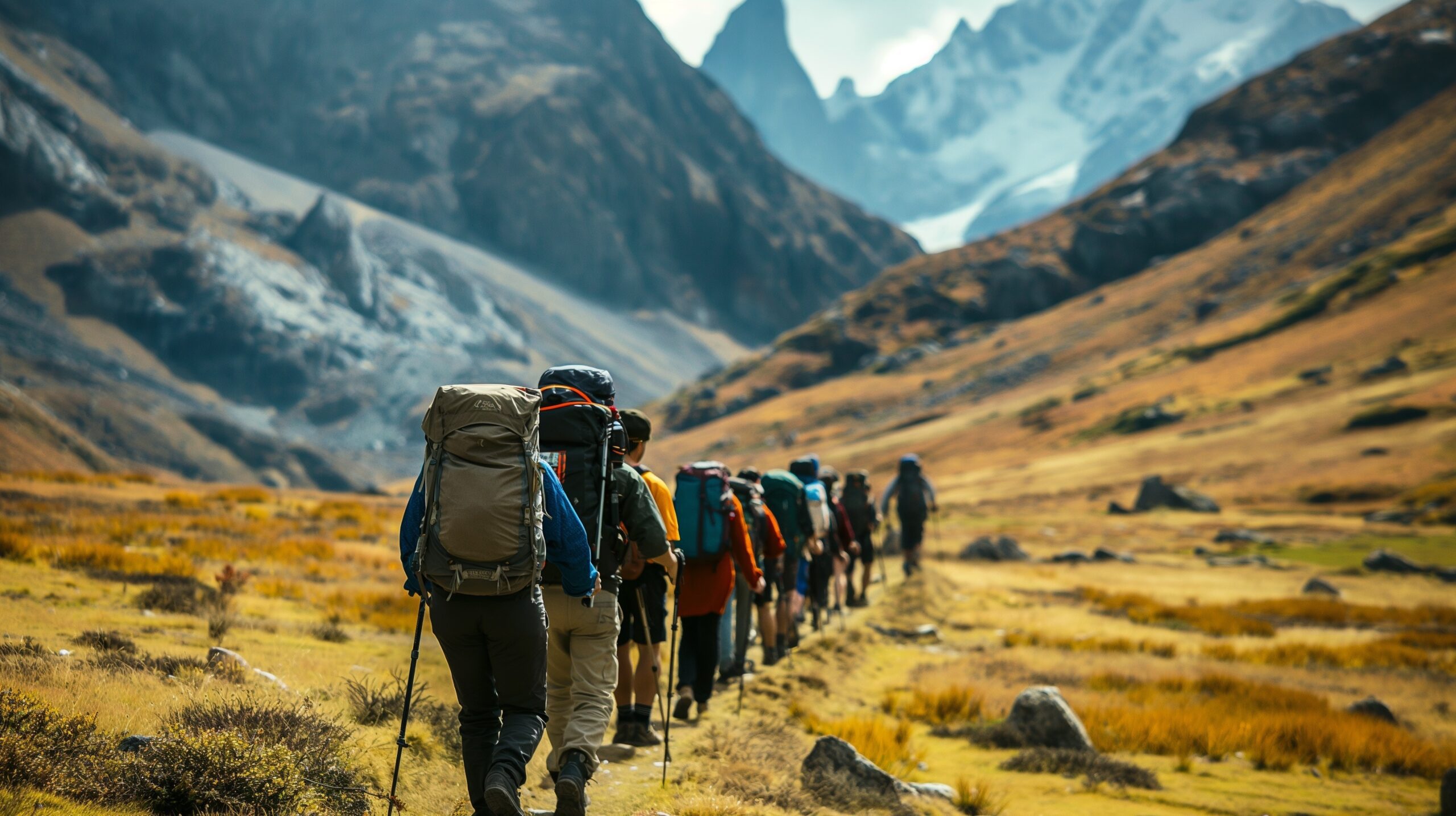
  • Hiking vs. Mountain Climbing: When a Hike Becomes a Real Summit Objective

    Hiking vs. Mountain Climbing: When a Hike Becomes a Real Summit Objective

    Supplemental Guide · Beginner to Intermediate Bridge

    Hiking vs. Mountain Climbing: When a Hike Becomes a Real Summit Objective

    Most mountain climbers start as hikers. At first, the difference feels blurry: you are still walking uphill, still carrying a pack, still following a trail. But eventually a normal hike becomes something more serious — a summit objective with altitude, weather, route decisions, exposure, and consequences. This guide explains exactly where that line begins and how to cross it safely.

    5
    Signals a hike
    has become climbing
    Class 1–2
    Where most beginners
    should start
    3
    Progression stages
    from trail to summit
    0
    Technical gear needed
    for your first objectives

    The difference between hiking and mountain climbing is not always equipment. It is not always altitude. It is not even always whether your hands touch rock. The real difference is commitment. A hike becomes a mountain-climbing objective when the summit matters, the weather matters, the route matters, and your decisions carry consequences beyond simply being tired. That transition is exciting — but it is also where beginners need better judgment, not just stronger legs.

    The quick answer

    Hiking is usually trail-based travel where the main goal is movement, scenery, exercise, or exploration. Mountain climbing adds a summit objective, significant elevation gain, changing mountain weather, route and safety decisions, and often terrain where turning around is part of the plan. Many first mountains are still reached by hiking — but they demand a mountain-climbing mindset.


    Why hiking and mountain climbing get confused

    The confusion is understandable. Many beginner mountains are climbed by hiking. A person can summit a mountain on a maintained trail without touching a rope, wearing a helmet, or using crampons. They may still say, “I climbed a mountain,” and they are not wrong. The problem is that the phrase “climbing a mountain” covers a huge range of activities — from walking up a Class 1 trail to pulling fixed lines above 26,000 feet.

    That range creates a language problem. One person says “mountain climbing” and means a day hike to a state highpoint. Another person means a glaciated volcano. Another means Denali, Aconcagua, or Everest. The same phrase can describe experiences with completely different levels of risk, preparation, fitness, and technical skill.

    For beginners, the goal is not to win a vocabulary argument. The goal is to understand what kind of mountain day you are actually planning. If the trip is a scenic trail walk with easy exit options, you prepare one way. If the trip is a summit objective above treeline where weather, altitude, and route decisions can change the outcome, you prepare differently.

    Trail Hiking

    Movement-focused

    The main goal is distance, scenery, exercise, or time outside. You may or may not reach a high point.

    Mountain Hiking

    Summit-focused

    The goal is a summit, usually by nontechnical terrain, but weather, elevation, and route choice begin to matter more.

    Mountaineering

    Systems-focused

    The climb may involve snow, glaciers, exposure, ropes, altitude strategy, permits, teams, and technical decision-making.


    The simple difference: hiking, mountain hiking, scrambling, and mountaineering

    Think of outdoor mountain travel as a spectrum. You do not jump from local hiking to expedition mountaineering in one move. You progress through stages, each adding one or two new demands. The safest climbers understand exactly which stage they are in and do not pretend they are farther along than they are.

    Activity Typical terrain Main goal Beginner fit
    Hiking Maintained trails, rolling terrain, forests, foothills, parks, canyon routes Exercise, scenery, distance, time outdoors Best starting point
    Mountain hiking Trails or easy off-trail terrain leading to a summit Reach a peak by nontechnical terrain Beginner appropriate
    Peak bagging Repeated summit objectives, often on lists such as state highpoints, county highpoints, 14ers, or regional peaks Build experience by collecting summits Good progression
    Scrambling Class 2–3 terrain, boulders, ridges, loose rock, occasional or frequent hand use Move through steeper mountain terrain without full technical climbing systems Progress carefully
    Mountaineering Alpine terrain, snow, glaciers, ridges, high altitude, technical systems, route complexity Reach serious mountain objectives using fitness, judgment, and technical skills Training needed

    The important point is that the boundary is gradual. A beginner may start with ordinary hiking, move into mountain hiking, then peak bagging, then scrambling, then intro mountaineering. Each step is valid. Each step teaches something. Problems happen when people skip stages because a mountain looks easier online than it actually is on the ground.


    Five signals that your hike has become a mountain-climbing objective

    You do not need a rope for a trip to become more serious than a normal hike. These five signals tell you that you should stop thinking like a casual hiker and start planning like a beginner climber.

    01

    The summit is the point of the day

    If the primary goal is to stand on top, the psychology changes. You are no longer just taking a walk; you are pursuing an objective. That objective can create pressure to keep going when conditions, energy, or time suggest you should turn around.

    • Set a turnaround time before you start.
    • Decide what weather signs end the attempt.
    • Remember that a safe descent matters more than a summit photo.
    02

    Elevation gain becomes the real challenge

    A hike becomes more mountain-like when the vertical gain dominates the day. Steady uphill travel changes pacing, hydration, nutrition, foot care, and descent fatigue. Distance still matters, but elevation gain becomes the true workload.

    • Beginners should usually start under 3,000 feet of gain.
    • Steep routes can be harder than longer routes.
    • Descent fatigue causes many beginner slips and ankle injuries.
    03

    You spend time above treeline or exposed to weather

    Once you leave forest cover, the mountain feels different. Wind, lightning, sun exposure, cold, and visibility matter more. A normal trail hike can become serious if you are exposed above treeline when storms develop.

    • Start early when afternoon storms are possible.
    • Carry layers even when the trailhead is warm.
    • Watch the sky, not just the morning forecast.
    04

    The route requires judgment, not just walking

    Maintained trails reduce decision-making. Mountain routes often add forks, cairns, talus, snow patches, faint tread, ridge options, and confusing descents. When route-finding matters, you have entered mountain-climbing territory.

    • Download maps before you lose service.
    • Read multiple route descriptions, not just one app page.
    • Know what the descent route looks like before going up.
    05

    The consequences of a bad decision increase

    The biggest difference between a casual hike and a summit objective is consequence. On a simple trail, a mistake may mean tired legs. On a mountain, the same mistake can mean being caught in a storm, descending in the dark, getting off-route, or needing help.

    • Carry a headlamp, even for a day objective.
    • Tell someone your route and expected return time.
    • Turn around before the situation turns urgent.

    The mindset changes before the gear does

    The first step from hiker to climber is not buying technical equipment. It is learning to plan, assess risk, and make conservative decisions. Many beginner mountain climbs require only hiking gear, but they require a more serious approach.

    • Think in systems: route, weather, time, gear, body, bailout.
    • Use easy peaks to practice real mountain habits.
    • Build judgment before chasing difficulty.

    Terrain ratings: the practical line between hiking and climbing

    Terrain difficulty is one of the cleanest ways to understand the hiking-to-climbing transition. In the United States, many guidebooks and mountain resources use the Yosemite Decimal System, often shortened to YDS. You do not need to memorize every detail to start, but you do need to understand the difference between Class 1, Class 2, and Class 3 terrain.

    Class What it means How beginners should treat it
    Class 1 Walking on a trail. Your hands are not needed for movement. Ideal first-summit terrain
    Class 2 Rougher walking, talus, boulders, or occasional use of hands for balance. Good after basic hiking experience
    Class 3 Scrambling. Hands are used for upward movement. Falls can be serious. Intermediate progression
    Class 4 Exposed climbing where a fall could be severe or fatal. Rope often used. Not beginner terrain
    Class 5 Technical rock climbing requiring rope, protection, and specific climbing skills. Technical climbing

    For beginners, the first major line is between Class 2 and Class 3. Class 2 can still feel like hiking, even if the terrain is rough. Class 3 begins to feel like climbing because your hands become part of upward movement and fall consequences increase. That does not make Class 3 impossible or forbidden. It simply means it belongs later in your progression.

    Use ratings as a filter, not a dare

    A higher terrain class is not a badge of honor for beginners. It is information. If a route description says Class 3, exposed, loose, or route-finding required, that is not a challenge to prove yourself. It is a signal to train, build experience, or choose a different objective for now.


    Real-world examples: hike, summit hike, scramble, or mountaineering objective?

    The same person might call all of these “climbs,” but they are not the same kind of day. Understanding the difference helps you choose the right next step instead of jumping into a mountain that demands skills you have not built yet.

    Example objective Best description Why it fits there Who it suits
    Local foothill trail Hike The goal is movement, scenery, or exercise; summit pressure and consequences are low. Everyone, including first-time hikers.
    Clingmans Dome Mountain hike It reaches a true high point but remains accessible and nontechnical. Beginners learning summit planning.
    Bald Mountain, Utah Beginner summit objective High summit feel, straightforward route, and manageable gain in the right season. Fit hikers moving toward mountain climbing.
    Quandary Peak Beginner-to-intermediate summit Nontechnical by standard route, but altitude, weather, and 14er pacing matter. Fit beginners with early start and altitude awareness.
    Kings Peak, Utah Intermediate mountain objective Long distance, route planning, altitude, and Class 3 options make the day more serious. Experienced hikers or early intermediate climbers.
    Mount Hood South Side Intro mountaineering objective Snow, ice axe, crampons, timing, and objective hazard move it beyond hiking. Trained climbers or guided beginners.
    Mount Rainier Glaciated mountaineering objective Rope teams, crevasse risk, altitude, weather, and multi-day logistics are central. Intermediate climbers, guided teams, or trained parties.

    This is why the word “climb” needs context. A beginner can climb a mountain by hiking. But not every mountain that can be climbed is a beginner mountain. The route, season, terrain, altitude, and consequence determine the real category.


    The safe progression from hiker to mountain climber

    The best progression is not complicated. Start with trails. Then choose simple summits. Then repeat those summits in different conditions and regions. Then add one new difficulty at a time: more elevation gain, higher altitude, rougher terrain, longer mileage, or overnight logistics. Do not add all of them at once.

    A practical 3-stage progression

    Stage 1

    Trail hiker

    Build consistency on local trails. Learn footwear, layering, hydration, nutrition, pacing, basic navigation, and how your body responds to several hours of uphill movement.

    Stage 2

    Beginner summit climber

    Choose Class 1–2 summits with clear routes and manageable elevation gain. Practice early starts, weather checks, turnaround times, and descent discipline.

    Stage 3

    Intermediate mountain climber

    Move toward harder objectives only after repeated successful summits. Add Class 3 terrain, basic snow travel, multi-day routes, and higher altitude one step at a time.

    The one-variable rule

    When progressing from hiking to mountain climbing, change only one major variable at a time. If your next objective is higher, keep the terrain easy. If the terrain is harder, keep the altitude and distance manageable. If the route is longer, choose stable weather and familiar terrain. Progression fails when beginners add altitude, exposure, distance, route-finding, and weather complexity all in the same trip.


    The mindset shift: from “Can I finish?” to “Should I continue?”

    Hikers often think in terms of finishing. Can I make it to the lake? Can I complete the loop? Can I beat my previous time? That mindset works on many trails because the consequences are low and the route is predictable. Mountain climbing requires a different question: Should I continue?

    That question is the beginning of mountain judgment. Should I continue if clouds are building? Should I continue if the summit is close but my turnaround time has passed? Should I continue if I feel lightheaded? Should I continue if the trail is covered in snow? Should I continue if the route feels more exposed than expected?

    Strong climbers are not the people who always push. Strong climbers are the people who know when not to push. Your first beginner summits are the perfect place to practice that skill because the consequences are lower and the lessons are clear.

    Hiker question Climber question Why it matters
    Can I make it? Can I make it and descend safely? The summit is only halfway. Most incidents happen when people are tired, late, or descending.
    What is the distance? What is the elevation gain, terrain class, and descent like? Mileage alone does not describe mountain difficulty.
    What does the forecast say? What is the weather doing now? Mountain weather changes quickly, especially above treeline.
    Did others finish it? Does it fit my experience today? Trip reports are useful, but someone else’s success does not guarantee your readiness.
    How close is the summit? How much time, energy, and weather margin do I still have? Bad decisions often happen when the summit looks close.

    The gear difference: you do not need more gear first — you need better systems

    Many people assume the transition from hiking to mountain climbing begins with buying gear. That is usually backward. For beginner mountain objectives, the most important upgrade is not a rope, helmet, ice axe, or technical boot. It is a better system for planning and decision-making.

    A hiker’s gear list can be casual because many trails are forgiving. A beginner climber’s gear list needs to support changes in weather, longer days, route uncertainty, and emergency delay. That does not mean overpacking. It means carrying the right essentials and knowing why they are there.

    System Hiking version Mountain-climbing version
    Navigation Phone map or trail signs Downloaded offline map, backup battery, route notes, and awareness of descent landmarks
    Weather Check forecast before leaving Check forecast, start early, monitor clouds and wind, and define storm turnaround triggers
    Layers Comfort-based clothing Wind/rain shell, insulation, gloves or hat when exposed terrain or altitude changes conditions
    Lighting Optional if you plan to be back early Headlamp required, because mountain days can run late even when the plan is good
    Safety Basic first aid or none First aid, emergency contact plan, turnaround time, and route shared with someone

    The technical gear comes later, when your objectives demand it and your training supports it. A beginner who learns planning systems on Class 1 and Class 2 terrain will be much safer later when snow, glaciers, exposure, and altitude enter the picture.


    Checklist: are you planning a hike or a mountain climb?

    Use this simple checklist before your next objective. The more boxes you check, the more you should plan like a climber rather than a casual hiker.

    If several of these are true, treat the trip as a mountain-climbing objective

    1. The summit is the main goal. You are not just walking a trail; you are trying to reach a high point.
    2. The route gains significant elevation. The uphill work will dominate the day and affect pacing, hydration, and descent fatigue.
    3. You will be above treeline. Wind, lightning, sun, cold, and visibility become more important.
    4. The route is Class 2 or higher. Rough terrain, boulders, talus, or hands-for-balance sections require more attention.
    5. Weather could change the safety of the route. Storms, snow, ice, or wind would make the objective much more serious.
    6. The descent is long or steep. Getting down safely requires energy management, not just summit effort.
    7. The route has a real turnaround decision. You need a time or condition that tells you when to descend.
    8. You need to research current conditions. Snow, road access, permits, recent reports, or seasonal hazards matter.
    9. You would be in trouble if delayed. A headlamp, extra layer, food, and emergency plan are not optional.
    10. A mistake could have serious consequences. Exposure, route-finding, weather, or remoteness increases the cost of poor decisions.

    Where to go next on Global Summit Guide

    This article is meant to help you identify the transition point. Once you know whether your next objective is a hike, a summit hike, or an early mountain climb, the next step is choosing the right guide path.

    Start here

    Beginner Mountain Climbing Guide

    Use this if you are moving from ordinary hiking to your first real summit objective. It covers peak selection, training, gear, safety, and first-season progression.

    Skill filter

    Trail Ratings and Difficulty

    Use this when you are deciding whether a route is still beginner-friendly or moving into terrain that requires more experience.

    Next level

    Intermediate Mountain Climbing

    Use this after several beginner summits, especially if you are starting to consider 14ers, glacier travel, Class 3 terrain, or multi-day alpine routes.


    Frequently Asked Questions

    Is mountain climbing the same as hiking?

    Not always. Many beginner mountains are climbed by hiking, but mountain climbing usually adds a summit objective, elevation gain, weather exposure, route decisions, and greater consequence. The movement may look similar at first, but the planning mindset is different.

    When does hiking become mountain climbing?

    Hiking starts becoming mountain climbing when the primary goal is a summit, the route gains significant elevation, the weather can change the safety of the objective, and you need mountain-specific decisions such as turnaround times, route research, altitude awareness, and descent planning.

    Can beginners climb mountains without technical gear?

    Yes. Many excellent beginner mountains are nontechnical Class 1 or Class 2 routes that require normal hiking gear, not ropes, crampons, or ice axes. Beginners should start there and add technical gear only after training or with a qualified guide.

    Is peak bagging hiking or mountain climbing?

    Peak bagging can be either. If the peaks are low, trail-based, and nontechnical, it may be mostly hiking. As the peaks become higher, rougher, more remote, or more exposed, peak bagging becomes a mountain-climbing progression.

    What is the safest first step from hiking into mountain climbing?

    The safest first step is a nontechnical Class 1 or easy Class 2 summit with a clear route, manageable elevation gain, reliable weather window, and easy access. Choose a mountain that teaches summit planning without requiring technical climbing skills.

    Do I need a mountaineering course before my first mountain?

    Not for a simple nontechnical summit. A course becomes important when your objectives involve snow travel, crampons, ice axe use, glacier travel, ropes, exposure, or avalanche terrain. For your first mountains, choose routes that do not require those systems.


    The bottom line

    You do not become a mountain climber when you buy technical gear. You become one when you start making mountain decisions. The first step is learning where normal hiking ends and summit-objective planning begins. Choose simple mountains, build good habits, learn terrain ratings, respect weather, and progress one variable at a time. That is how hikers become climbers without turning the learning curve into a rescue story.

    Choose the right first objective

    Ready to move from hiking to your first summit?

    Start with the Beginner Mountain Climbing Guide, then use the progression pages to choose a peak that matches your current fitness, gear, and confidence.

    Start the Beginner Guide →

    Editorial notes

    This supplemental article is designed to support the existing Global Summit Guide beginner and intermediate guide system. It intentionally avoids duplicating the dedicated child pages and instead acts as a bridge for readers who are trying to understand when ordinary hiking becomes summit-focused mountain climbing.

    • For route classification details, link readers to the dedicated trail ratings and difficulty guide.
    • For first-objective planning, link readers to the Beginner Mountain Climbing Guide.
    • For climbers already considering Class 3, snow, glaciers, or 14ers, link readers to the Intermediate Mountain Climbing Guide.

    Published May 9, 2026 · Category Beginner Guides · Supplemental Blog 01 in the beginner-to-intermediate support cluster

Language »