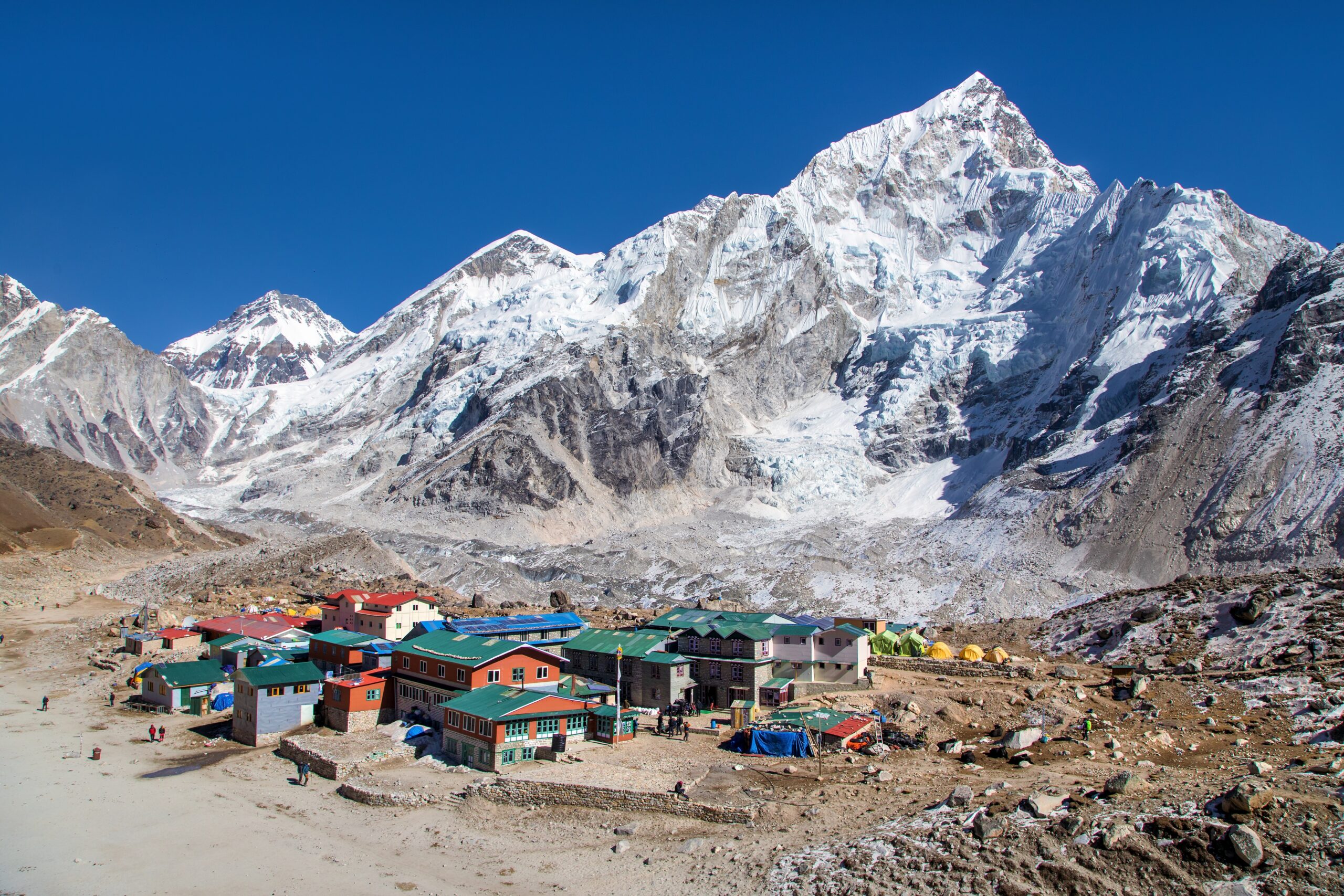
Mountain Collections: The Complete Hub for Every Organized Mountaineering Challenge
Global Summit Guide organizes the world’s significant mountains into 12 distinct collections — frameworks climbers use to structure progression, pursue benchmark achievements, and focus regional expertise. The flagship collections are the Seven Summits (the highest peak on each continent) and the 14 Eight-Thousanders (every peak above 8,000m, all in the Himalaya and Karakoram). Ten regional collections cover the Alps, Andes, Patagonia, Cascades, Mexican volcanoes, European volcanoes, African peaks, Antarctica, Oceania, and the Nepal trekking peaks that serve as the universal entry point to Himalayan climbing. This hub is the gateway into each collection — framework explanations, difficulty progressions from beginner through expert, detailed collection cards with completion statistics, and decision guidance for climbers choosing where to invest the next 2-10 years of mountaineering commitment.
collections
continental peaks
above 8,000m
covered in hub
Mountaineering is inherently collection-oriented. Climbers frame their progression through the peaks and peak groups they have completed — the Seven Summits, the 14 Eight-Thousanders, the Colorado 14ers, the Alps classics, the Cascade volcanoes. These collections provide structure, benchmark achievements, and the psychological scaffolding that turns disparate expeditions into a coherent mountaineering project. Global Summit Guide’s mountain collections architecture organizes 12 distinct collections spanning every major climbing region and difficulty tier. The flagship collections are the Seven Summits (approximately 600 recorded completions since Dick Bass became the first completer in 1985) and the 14 Eight-Thousanders (fewer than 50 verified completions since Reinhold Messner became the first completer in 1986). Ten regional collections cover distinct climbing cultures and geographic focus areas — from entry-level Nepal Trekking Peaks and Mexico Volcanoes through mid-tier Cascade Volcanoes and Alps Classics up to the extreme-difficulty Patagonia Icons and Antarctica Polar Expedition Peaks. This hub is the navigation layer into each collection — explaining the frameworks, highlighting the 2025-2026 season trends, mapping typical progression sequences, and providing the decision guidance climbers need to choose where to invest their time. Whether you’re planning your first 6,000m peak, pursuing the Seven Summits as a multi-year project, or researching the world’s most dangerous 8,000m peaks, this page is your starting point.
Every collection guide is researched from primary climbing databases — the Himalayan Database (the authoritative source for 8,000m peak statistics, maintained by Elizabeth Hawley’s successors), 8000ers.com, the American Alpine Club and its annual American Alpine Journal, regional park authorities (NPS for Denali, TANAPA for Kilimanjaro, Argentine Provincial Parks for Aconcagua), operator publications, and verified climber reports. Death and summit statistics are reconciled across multiple sources; where sources conflict, we present ranges and note the variance. Route descriptions draw on published expedition reports, guidebooks (e.g., Colin Haley’s Patagonia record; Alan Arnette’s eight-thousander coverage), and contemporary operator documentation. Commercial operator information reflects 2025-2026 programs and pricing. Fact-check date: April 19, 2026.
What Is a Mountain Collection?
A mountain collection is an organized grouping of peaks that share a common attribute — continental status, elevation threshold, geographic region, climbing character, or historical significance. Collections function as progression frameworks, achievement benchmarks, and research organization systems for climbers planning multi-year projects. Unlike a random list of mountains, a well-constructed collection reflects a coherent logic that makes the whole meaningful as a unit.
The four primary collection logics used throughout this hub:
- Continental status collections — the Seven Summits (highest peak on each of the seven continents) and Africa’s Highest Peaks (continental regional focus). These collections span huge variations in elevation, technical demand, and climbing style but share a geographic/political logic
- Elevation threshold collections — the 14 Eight-Thousanders (every peak above 8,000m, all in the Himalaya/Karakoram). The threshold creates a natural completeness — there are exactly 14 peaks above 8,000m, no more, no less
- Regional geographic collections — Alps Classics, Andes High-Altitude Giants, Cascade Volcanoes, Mexico Volcanoes, Patagonia Icons, European Volcanoes, Nepal Trekking Peaks, Oceania Icons, Antarctica Polar Expedition Peaks. These collections focus a climber’s attention on a specific region’s climbing culture, logistics, and style
- Character collections — mountains grouped by climbing character (alpine glacier, granite big wall, technical rock, non-technical trekking, high-altitude expedition). Most Global Summit Guide collections combine regional + character logic
Climbers typically pursue 2-3 collections across their mountaineering careers rather than attempting all 12. Regional focus builds deep expertise; the Seven Summits provides global breadth; the 14 Eight-Thousanders tests the absolute limits of human high-altitude physiology.
Choose Your Collection: Decision Guide
The right collection depends on three factors: your current skill level, your specific goals, and your available time and budget. Below are guided recommendations by experience tier. Climbers should note that collection selection is not mutually exclusive — most serious climbers progress through multiple collections over time.
New to Mountaineering
Climbers with hiking experience but limited high-altitude or technical mountaineering background. Seeking introduction to crampons, ice axe, rope work, and 5,000-6,000m altitude exposure.
- Nepal Trekking Peaks — 33 officially designated peaks, Island Peak 6,189m, Mera Peak 6,476m
- Mexico Volcanoes — Orizaba 5,636m, Iztaccíhuatl 5,230m
- Cascade Volcanoes — Rainier 4,392m, Baker, Hood
- African Highest Peaks — Kilimanjaro 5,895m (non-technical)
Building Toward Bigger Objectives
Climbers with 2-4 prior mountaineering trips. Comfortable with glacier travel, crampons, and ice axe. Seeking 6,000-7,000m peaks and the beginning of a Seven Summits progression.
- The Seven Summits — starting with Kilimanjaro, Aconcagua
- Alps Classics — Matterhorn, Mont Blanc, Eiger
- Andes High-Altitude Giants — Aconcagua, Cotopaxi, Chimborazo
- European Volcanoes — Etna, Stromboli, Vesuvius
- Oceania Icons — Mount Cook, Aoraki
Expedition-Level Ambitions
Climbers with multiple 6,000m+ summits, proven altitude tolerance, solid technical skills. Pursuing extreme altitude expeditions, technical rock climbing, or polar-latitude objectives.
- The 14 Eight-Thousanders — Cho Oyu, Shishapangma as entry; Annapurna, K2 as end-game
- Patagonia Icons — Fitz Roy, Cerro Torre, Cerro Chaltén technical rock
- Antarctica Polar Expedition Peaks — Vinson Massif, Mount Sidley
- Seven Summits completion — Denali, Vinson, Carstensz Pyramid, Everest
Mountain collection completion is a multi-year commitment. Seven Summits typically requires 5-10 years of progressive experience (fastest recorded: Steve Plain 117 days, 2018). 14 Eight-Thousanders historically required 7+ years (first completer Reinhold Messner took 16 years; speed records: Nirmal Purja 6 months 6 days in 2019 with oxygen; Kristin Harila + Tenjen Lama Sherpa 92 days in 2023 with oxygen). Regional collections vary: Cascade Volcanoes 2-4 years; Alps Classics 5-8 years; Nepal Trekking Peaks 2-3 seasons; Patagonia Icons often multiple seasons due to weather windows. If you have limited time, focus on 1-2 collections and go deep rather than sampling widely.
The 12 Mountain Collections
Each of the 12 collections below has a dedicated guide with detailed peak-by-peak coverage, recent expedition activity, permit requirements, operator listings, and route descriptions. The cards below provide summary information; click any collection title for the complete guide.
Flagship Collections: The Seven Summits & the 14 Eight-Thousanders
The Seven Summits
The highest peak on each of the seven continents. The most recognized mountaineering achievement in the world, with approximately 600 recorded completions since Dick Bass became the first completer in 1985. Mount Everest (Asia, 8,848m), Aconcagua (South America, 6,961m), Denali (North America, 6,190m), Kilimanjaro (Africa, 5,895m), Mount Elbrus (Europe, 5,642m), Vinson Massif (Antarctica, 4,892m), and Carstensz Pyramid or Mount Kosciuszko (Oceania, 4,884m or 2,228m).
The 14 Eight-Thousanders
The world’s only peaks above 8,000 metres — all in the Himalaya and Karakoram. Every summit sits in the ‘death zone’ where atmospheric oxygen cannot sustain human life long-term. Fewer than 50 verified completions since Reinhold Messner became the first completer in 1986. Mortality ranges from 0.5% (Cho Oyu) to 27-32% (Annapurna I, the world’s deadliest mountain). Every 8,000m peak is a multi-week expedition; serious climbers complete the collection over 7-15 years.
Regional Collections: Structured Progression by Geography
Alps Classics
The iconic peaks of Europe’s alpine heartland — Mont Blanc (4,808m, Western Europe’s highest), the Matterhorn (4,478m, mountaineering’s most photographed peak), the Eiger (3,967m, site of the infamous Nordwand), Dom, Weisshorn, Jungfrau, Grandes Jorasses, and the Dolomites’ via ferrata classics. Alpine climbing’s cultural homeland, with exceptional hut infrastructure, UIAGM guide availability, and centuries of climbing tradition. Peaks range from non-technical walks (Mont Blanc du Tacul) to end-of-the-world technical ascents (Eiger North Face).
Andes High-Altitude Giants
The longest mountain range in the world, spanning Venezuela to Tierra del Fuego. Climbing hubs in Argentina (Aconcagua 6,961m, Seven Summit), Bolivia (Huayna Potosí, Illimani 6,438m), Peru (Cordillera Blanca including Huascarán 6,768m, Alpamayo 5,947m), and Ecuador (Chimborazo 6,263m, Cotopaxi 5,897m). The Andes produce some of the best altitude preparation experiences before the Himalaya, with excellent commercial infrastructure in Mendoza, Huaraz, and Quito. Typical progressions: Ecuador → Peru → Bolivia → Argentina.
European Volcanoes
Europe’s active and dormant volcanic peaks — Mount Etna (3,357m, Sicily’s active volcano), Stromboli (926m, continuously erupting since antiquity), Vesuvius (1,281m, the Pompeii destroyer), Iceland’s Hekla and Eyjafjallajökull, Spain’s Teide (3,715m, the Canary Islands volcano), Greece’s Santorini caldera. Volcanic climbing’s distinct character combines relatively modest elevations with exceptional geological drama. Many European volcanoes are accessible single-day objectives rather than multi-day expeditions.
Cascade Volcanoes
The glaciated volcanic peaks of Washington, Oregon, and British Columbia — Mount Rainier (4,392m, the most heavily glaciated peak in the contiguous US), Mount Baker (3,286m), Mount Hood (3,429m), Mount Adams (3,742m), Glacier Peak (3,213m), Mount Saint Helens (2,549m, active since 1980 eruption). The classic glacier training grounds for American mountaineers, with multi-operator guide services including IMG, RMI Expeditions, Mountain Madness, and Alpine Ascents. Rainier is the American Seven Summits training peak.
Patagonia Icons
The world’s most dramatic granite towers — Fitz Roy (3,405m, Cerro Chaltén), Cerro Torre (3,128m, still the benchmark hardest alpine objective), Torres del Paine (Chile), Aguja Poincenot, Aguja Saint-Exupéry, Cerro Standhardt. Legendary weather windows (Patagonian storms can last 2-3 weeks with severe summit winds) require patience and timing. Technical rock and alpine routes reserved for experienced climbers; trekking alternatives (Torres del Paine W Circuit, El Chaltén) accessible to hikers.
Oceania Icons
Australia and New Zealand’s distinctive peaks — New Zealand’s Aoraki/Mount Cook (3,724m, Southern Alps’ highest, technical alpine climbing), Mount Tasman (3,497m), Mount Aspiring (3,033m). Australia’s Mount Kosciuszko (2,228m) is the easier Seven Summits Oceania representative (Bass list). Papua New Guinea / Indonesian Papua’s Carstensz Pyramid (4,884m) is the Messner list Oceania Seven Summit. Fijian and other Pacific peaks add regional diversity.
Africa’s Highest Peaks
The major climbing peaks of Africa — Kilimanjaro (5,895m, Tanzania, the Seven Summits African representative and most-attempted), Mount Kenya (5,199m, the technical second African high point), Rwenzori Mountains (Uganda/DRC, the “Mountains of the Moon” including Mount Stanley 5,109m), Simien Mountains (Ethiopia, Ras Dashen 4,550m), Jebel Toubkal (Morocco, 4,167m, the Atlas Mountains’ high point), and the volcanic peaks of Cameroon and Rwanda. African climbing is dominated by trekking-style objectives with Kilimanjaro as the continental standard.
Mexico Volcanoes
Mexico’s high-altitude volcanic peaks — Pico de Orizaba (5,636m, Mexico’s highest, North America’s third-highest), Iztaccíhuatl (5,230m), Nevado de Toluca (4,680m), Popocatépetl (5,393m, currently active and restricted), La Malinche (4,461m). An excellent altitude-introduction collection — meaningful high elevations (5,000m+) with manageable logistics from Mexico City or Puebla. Non-technical in standard conditions; Orizaba is the classic first 5,500m+ peak for North American climbers.
Antarctica Polar Expedition Peaks
The remote mountaineering objectives of Antarctica — Vinson Massif (4,892m, Seven Summits Antarctica representative), Mount Sidley (4,285m, Antarctica’s highest volcano), Mount Shinn, Mount Gardner, Mount Tyree, and the Ellsworth Mountains. Extraordinarily remote logistics require flight arrangements via Union Glacier Camp operated by Antarctic Logistics & Expeditions (ALE). Expedition costs are the highest of any collection — Vinson Massif typically $45,000-$55,000, more remote peaks $60,000-$80,000+. Strict Antarctic Treaty conservation protocols apply.
Nepal Trekking Peaks
The 33 officially designated “trekking peaks” of Nepal — Island Peak (Imja Tse, 6,189m), Mera Peak (6,476m, Nepal’s highest trekking peak), Lobuche East (6,119m), Pokalde (5,806m), Kyajo Ri (6,186m), Ama Dablam (6,812m, the most technical trekking peak). Administered by the Nepal Mountaineering Association (NMA) with simpler permit procedures than expedition peaks. Often combined with Everest Base Camp or Annapurna Circuit treks. The universal entry point to Himalayan climbing for most Western climbers.
Collection Frameworks Compared
The three primary collection logics produce dramatically different climbing experiences. The table below compares the Seven Summits, the 14 Eight-Thousanders, and regional collections across the factors that matter most for planning.
| Framework | Peaks | Elevation | Completions | Typical Cost | Timeline |
|---|---|---|---|---|---|
| Seven Summits (Messner) | 7 | 4,884–8,848m | ~600 | $150K–$300K total | 5–10 years |
| Seven Summits (Bass) | 7 | 2,228–8,848m | ~500 | $130K–$260K total | 5–10 years |
| 14 Eight-Thousanders | 14 | 8,027–8,848m | ~50 | $400K–$1M+ total | 7–15 years |
| Alps Classics | 10–15 | 3,000–4,808m | Many thousands | $500–$3K per peak | 5–8 years |
| Andes High-Altitude Giants | 15+ | 5,000–6,961m | Several thousand | $2K–$9K per peak | 3–8 years |
| Cascade Volcanoes | 5–8 | 2,500–4,392m | Many thousands | $1K–$4.5K per peak | 2–4 years |
| Mexico Volcanoes | 4–5 | 4,400–5,636m | Thousands | $1.5K–$3.5K per peak | 1–2 years |
| Nepal Trekking Peaks | 33 designated | 5,500–6,800m | Tens of thousands | $2.5K–$5K per peak | 2–3 seasons |
| Patagonia Icons | 6–10 | 2,800–3,400m | Few hundred | $3.5K–$8K per peak | Multi-season |
| European Volcanoes | 8–12 | 900–3,700m | Many thousands | $500–$3.5K per peak | 1–3 years |
| Africa’s Highest Peaks | 6–10 | 4,000–5,895m | Hundreds of thousands (Kili) | $2.5K–$6.5K per peak | 2–4 years |
| Antarctica Expedition Peaks | 4–6 | 3,800–4,892m | ~500 on Vinson | $45K–$80K per peak | 1 peak per trip |
| Oceania Icons | 4–8 | 2,200–4,884m | Few thousand | $0–$25K per peak | 2–5 years |
The Seven Summits: Two Classification Conventions
The Seven Summits has two competing definitions depending on how Europe’s and Oceania’s high points are counted:
- The Bass list (1985, Dick Bass): Identifies Mount Kosciuszko (2,228m, Australia) as Oceania’s Seven Summit — an easy walk-up. Identifies Mont Blanc (4,808m, France/Italy) as Europe’s Seven Summit
- The Messner list (Reinhold Messner): Identifies Carstensz Pyramid (4,884m, Indonesian Papua) as Oceania’s Seven Summit — a technical rock climbing objective. Identifies Mount Elbrus (5,642m, Russian Caucasus) as Europe’s Seven Summit
Most modern Seven Summits achievement certifications accept the Messner interpretation as the standard because Carstensz Pyramid and Elbrus match the scale of other Seven Summits better than Kosciuszko and Mont Blanc. Climbers pursuing a definitive Seven Summits completion typically climb both Kosciuszko and Carstensz, and both Mont Blanc and Elbrus — satisfying both lists.
The 14 Eight-Thousanders: A Fixed List
Unlike the Seven Summits, the 14 Eight-Thousanders is a definitive list with no competing versions — there are exactly 14 peaks on Earth above 8,000m, all in Asia:
- 1. Mount Everest (8,848m, Nepal/Tibet) — FA 1953 by Hillary & Norgay
- 2. K2 (8,611m, Pakistan/China) — FA 1954 by Italians Compagnoni & Lacedelli; the “Savage Mountain”
- 3. Kangchenjunga (8,586m, Nepal/India) — FA 1955 by British expedition
- 4. Lhotse (8,516m, Nepal/Tibet) — FA 1956 by Swiss team (Everest neighbor)
- 5. Makalu (8,485m, Nepal/Tibet) — FA 1955 by French team
- 6. Cho Oyu (8,188m, Nepal/Tibet) — FA 1954 by Austrian team; considered “easiest” eight-thousander
- 7. Dhaulagiri (8,167m, Nepal) — FA 1960 by Swiss/Austrian team
- 8. Manaslu (8,163m, Nepal) — FA 1956 by Japanese team
- 9. Nanga Parbat (8,126m, Pakistan) — FA 1953 by Hermann Buhl solo; “Killer Mountain”
- 10. Annapurna I (8,091m, Nepal) — FA 1950 by Herzog & Lachenal; world’s deadliest mountain (27-32% mortality)
- 11. Gasherbrum I (8,080m, Pakistan/China) — FA 1958 by Americans
- 12. Broad Peak (8,051m, Pakistan/China) — FA 1957 by Austrian team
- 13. Gasherbrum II (8,035m, Pakistan/China) — FA 1956 by Austrian team; safest eight-thousander
- 14. Shishapangma (8,027m, Tibet) — FA 1964 by Chinese team; last eight-thousander climbed
Completion of all 14 eight-thousanders is among the rarest achievements in mountaineering — as of early 2026, approximately 50 verified completions. Speed records include Nirmal Purja (6 months 6 days in 2019, supplemental oxygen) and Kristin Harila + Tenjen Lama Sherpa (92 days in 2023, supplemental oxygen). Messner was first to complete all 14 without supplemental oxygen in 1986.
Mountain Collection Progression: From Beginner to Expert
Most serious climbers progress through collections in a logical difficulty sequence. The four-tier ladder below maps collections to typical experience levels, helping climbers identify their current tier and the natural next objectives.
Hikers transitioning to mountaineering. First exposure to crampons, ice axe, and 5,000m+ altitude. No technical climbing skills required.
Climbers with 2-4 altitude trips. Developing glacier travel, crevasse rescue, and alpine climbing skills. First 6,000m summits.
Proven altitude tolerance and technical proficiency. Targeting 6,000-7,000m peaks and technical rock/ice objectives. Seven Summits in progress.
End-game objectives. Multiple 7,000m+ summits, extensive expedition experience, elite technical skills. Eight-thousanders and polar objectives.
Sample Multi-Year Progressions
Real-world climber progressions through the collections, illustrating how climbers combine collections across their careers:
Classic Seven Summits progression (5-10 years): Year 1 — Kilimanjaro (African Peaks) + Mount Rainier (Cascades) for foundation. Year 2 — Cotopaxi + Chimborazo (Andes Giants) for altitude progression. Year 3 — Aconcagua (Andes Giants + Seven Summits). Year 4 — Denali (Seven Summits). Year 5 — Elbrus (Seven Summits). Year 6 — Vinson Massif (Seven Summits + Antarctica). Year 7 — Carstensz Pyramid (Seven Summits + Oceania). Year 8-10 — Everest preparation and attempt (Seven Summits + Eight-Thousanders start).
Regional focus progression (3-5 years): Year 1 — Mount Baker + Mount Hood (Cascades). Year 2 — Mount Rainier + Glacier Peak (Cascades). Year 3 — Add Mont Blanc + Matterhorn (Alps Classics crossover). Year 4-5 — Technical Alps routes (Eiger, Grandes Jorasses).
Eight-Thousander progression (7-15 years): Years 1-3 — Seven Summits progression through Aconcagua and Denali. Year 4 — Cho Oyu or Manaslu (entry-level 8,000m peak). Year 5 — Everest. Year 6-7 — Middle-tier 8,000m peaks (Makalu, Lhotse, Gasherbrum II, Broad Peak). Year 8+ — End-game peaks (K2, Kangchenjunga, Annapurna I, Nanga Parbat).
2025-2026 Mountain Collections Trends
The 2025 climbing season produced several notable patterns across collections that shape 2026 planning. These are the most consequential trends for climbers considering collection commitments.
Kilimanjaro Fee Stability Through March 2026
Tanzania National Parks Authority confirmed no park fee increases until March 2026 minimum — making 2026 the last year to lock in current pricing ($70/day conservation, $50/night camping, $100 crater fee). Proposed 15% annual increases expected in 2026/2027. Climbers planning Kilimanjaro in 2026 benefit from frozen pricing; 2027+ climbers should budget for approximately 15% higher fees per year. The December 24, 2025 helicopter crash during medical evacuation killed 5 people and reinforced that even Kilimanjaro’s rescue infrastructure faces genuine hazards.
Aconcagua Permit Structure Changes
The 2025/26 Aconcagua season saw continued strong traffic with approximately 6,500 climbers and 4.7% evacuation rate (Argentine Provincial Park data). Early 2026 saw the death of Konstantin Bitiukov at 6,800m, highlighting that even experienced climbers face altitude-related fatalities on the mountain. Permit fees remained $1,170 Assisted / $1,640 Unassisted for non-Argentine climbers. Aconcagua continues to serve as the classic first 7,000m peak for Seven Summits aspirants.
Denali Name Controversy & Weather Challenges
President Trump’s Executive Order 14172 (January 20, 2025) renamed Denali to “Mount McKinley” at the federal level, though Alaska state government continues to use “Denali.” The 2025 season saw approximately 35% summit rate — the worst weather in 50 years per NPS rangers. 2026 NPS permit fees are $350 standard / $450 short-notice. Climbers planning Denali should monitor federal name usage inconsistency while Alaska maintains Indigenous naming convention.
Mount Elbrus Western Access Continues Complex
Western operators remained inconsistent on Mount Elbrus through 2025-2026. Alpine Ascents, Mountain Madness, RMI Expeditions largely suspended Elbrus programs since 2022; some UK and European operators continue with explicit acknowledgment that participants make their own assessments. Russian operators like Elbrus Tours (150+ 2025 departures) and Elbrus Climbing continue at full capacity. US State Department maintains Level 4 “Do Not Travel” advisory. Seven Summits climbers pursuing Elbrus navigate visa applications through third countries and flight routings via UAE, Turkey, or former Soviet states.
Eight-Thousander Commercialization Continues
Nepali operator Seven Summit Treks (SST) has commercialized all 14 eight-thousanders, typically handling route finding and fixed rope installation. 2025 Everest season recorded 722 summits on the Nepal side in spring — the second-highest annual summit count after 2019’s 877 record. Everest 2025 deaths totaled 5 (compared to 8 in 2024), attributed to improved weather windows and reduced overcrowding. On K2, tragic events included rockfall deaths; Annapurna I continues to maintain its deadliest-mountain reputation at approximately 27% historical death-to-summit ratio.
Patagonia Season Windows Remain Unpredictable
The 2025/26 austral summer season on Fitz Roy, Cerro Torre, and Torres del Paine continued the pattern of unpredictable weather windows. Weather forecasts remain reliable only 24-48 hours ahead; successful expeditions require 2-4 week stays in El Chaltén or Torres del Paine region. Patagonia continues to reward patience and punish rushed schedules — experienced climbers typically plan multi-season attempts rather than single-season objectives on the harder technical routes.
Frequently Asked Questions About Mountain Collections
What are mountain collections?
Mountain collections are organized groupings of peaks that share a common attribute — continental status (the Seven Summits cover the highest peak on each of the seven continents), elevation threshold (the 14 Eight-Thousanders are the world’s only peaks above 8,000m), geography (Alps Classics, Andes High-Altitude Giants, Cascade Volcanoes), or climbing character (European Volcanoes, Patagonia Icons, Nepal Trekking Peaks). Collections provide climbers with structured progression frameworks, regional focus areas, and achievement benchmarks. Global Summit Guide organizes 12 distinct mountain collections spanning all continents, from entry-level collections like Nepal Trekking Peaks through the ultimate Seven Summits and 14 Eight-Thousanders challenges.
What is the difference between the Seven Summits and the 14 Eight-Thousanders?
The Seven Summits are the highest peaks on each of the seven continents — Mount Everest (Asia, 8,848m), Aconcagua (South America, 6,961m), Denali (North America, 6,190m), Kilimanjaro (Africa, 5,895m), Mount Elbrus (Europe, 5,642m), Vinson Massif (Antarctica, 4,892m), and Carstensz Pyramid or Mount Kosciuszko (Oceania, 4,884m or 2,228m). The Seven Summits span a wide range of elevations, technical demands, and climbing styles — from non-technical trekking (Kilimanjaro) to technical rock climbing (Carstensz Pyramid) to expedition mountaineering (Everest). The 14 Eight-Thousanders are the world’s only peaks above 8,000 metres, all located in the Himalaya and Karakoram ranges of Asia: Everest (8,848m), K2 (8,611m), Kangchenjunga (8,586m), Lhotse (8,516m), Makalu (8,485m), Cho Oyu (8,188m), Dhaulagiri (8,167m), Manaslu (8,163m), Nanga Parbat (8,126m), Annapurna I (8,091m), Gasherbrum I (8,080m), Broad Peak (8,051m), Gasherbrum II (8,035m), and Shishapangma (8,027m). The Eight-Thousanders share the ‘death zone’ characteristic (above 8,000m where human physiology cannot sustain life long-term) and are the most serious mountaineering objectives on Earth. The Seven Summits have approximately 600 known completions; the 14 Eight-Thousanders have fewer than 50 verified completions.
Which mountain collection is best for beginners?
Nepal Trekking Peaks are the classic entry point to organized mountaineering. The 33 officially designated trekking peaks in Nepal (including Island Peak 6,189m, Mera Peak 6,476m, Lobuche East 6,119m, and Pokalde 5,806m) offer introduction-level 6,000m peaks with modest technical demands and exceptional Himalayan scenery. Climbers can combine trekking peaks with the Everest Base Camp or Annapurna Circuit treks. Next-tier beginner collections include Mexico Volcanoes (Orizaba 5,636m, Iztaccíhuatl 5,230m) for altitude introduction without extensive expedition logistics; Cascade Volcanoes (Mount Rainier 4,392m, Mount Baker 3,286m, Mount Hood 3,429m) for glacier travel introduction in the Pacific Northwest; and the easier Africa’s Highest Peaks like Kilimanjaro (5,895m, non-technical) as the classic first Seven Summit. Serious beginners should avoid the 14 Eight-Thousanders entirely — those collections require 5-10+ years of progressive mountaineering experience.
How do I choose a mountain collection that fits my goals?
Mountain collection selection follows your specific mountaineering goals rather than generic recommendations. For altitude introduction: Nepal Trekking Peaks, Mexico Volcanoes, or Cascade Volcanoes. For the classic Seven Summits challenge: start with Kilimanjaro, progress through Aconcagua, Denali, and Elbrus before attempting Vinson, Carstensz, and ultimately Everest. For technical rock climbing: Patagonia Icons (Cerro Torre, Fitz Roy, Cerro Chaltén) or Alps Classics (Matterhorn, Eiger, Grandes Jorasses). For alpine glacier travel: Cascade Volcanoes or Alps Classics. For tropical high-altitude: African Highest Peaks (Kilimanjaro, Mount Kenya, Rwenzori). For extreme expeditions: the 14 Eight-Thousanders (Cho Oyu, Shishapangma, and Gasherbrum II are entry-level; Annapurna I, K2, and Nanga Parbat are end-game). For remote expedition character: Antarctica Polar Expedition Peaks (Vinson, Mount Sidley, Mount Shinn). Regional focus allows climbers to build deep expertise — Alps Classics climbers typically complete 10-15 peaks; Cascade Volcanoes climbers similarly progress through 5-10 peaks. Collection completion is a multi-year project requiring sustained commitment.
Which mountain collection is the most dangerous?
The 14 Eight-Thousanders are by far the most dangerous mountain collection, with mortality rates ranging from 0.5% (Cho Oyu) to 27-32% (Annapurna I). Annapurna I is the deadliest mountain in the world with approximately 75 deaths across roughly 298 summits — nearly one death for every four summiteers. K2 follows at 22.8% death-to-summit ratio (approximately 96 deaths across 800 summits). Nanga Parbat (‘Killer Mountain’) shows approximately 20.7% historically. The other eight-thousanders range from Dhaulagiri (13.5%) through Kangchenjunga (14.1%) to the relatively safer Everest (1-2% per attempt), Cho Oyu (1.35%), Lhotse (~2%), and Manaslu (~12%). Every 8,000m peak summit sits in the ‘death zone’ where atmospheric oxygen is insufficient to sustain human life long-term. Patagonia Icons and certain Alps Classics peaks produce fatal accidents each year despite lower elevation — technical rock and ice climbing on the Matterhorn, Eiger North Face, Cerro Torre, or Fitz Roy carries substantial objective risk. By comparison, Nepal Trekking Peaks, Mexico Volcanoes, and Cascade Volcanoes have mortality rates well under 0.1%. Mountain collection safety depends primarily on climber experience and operator quality — Everest and Kilimanjaro have produced fatalities among prepared climbers but are dramatically safer than Annapurna or K2.
How long does it take to complete a mountain collection?
Mountain collection completion timelines vary dramatically by collection size and difficulty. The Seven Summits typically require 5-10 years of progressive climbing experience before completion; very few climbers complete the Seven Summits in less than 3-4 years, and the fastest recorded completion is Steve Plain’s 117 days (2018). The 14 Eight-Thousanders historically required 7+ years of progressive expeditions (Reinhold Messner was the first completer in 1986, taking 16 years from 1970 to 1986). Speed records for 14 Eight-Thousanders include Nirmal ‘Nims’ Purja (6 months 6 days, 2019, with supplemental oxygen) and Kristin Harila + Tenjen Lama Sherpa (92 days, 2023, with supplemental oxygen). As of 2025, approximately 50 climbers have verified completions of all 14 Eight-Thousanders. Regional collections vary: Cascade Volcanoes typically takes 2-4 years for the 5 primary peaks; Alps Classics might span 5-8 years for 10-15 classic peaks depending on technical progression; Nepal Trekking Peaks can be completed over 2-3 seasons; Mexico Volcanoes over 1-2 years; Patagonia Icons often requires multiple seasons due to weather windows. Most serious climbers complete 2-3 collections across their mountaineering careers rather than attempting all 12.
What about Mount Kosciuszko vs Carstensz Pyramid for the Seven Summits?
The Seven Summits has two competing classifications depending on how Oceania’s highest peak is defined. The Bass list (proposed by Dick Bass in his 1985 book Seven Summits) identifies Mount Kosciuszko (Australia, 2,228m) as Oceania’s Seven Summit — an easy walk-up in the Snowy Mountains. The Messner list (championed by Reinhold Messner) identifies Carstensz Pyramid (also called Puncak Jaya, on the island of New Guinea in Indonesia’s Papua province, 4,884m) as Oceania’s Seven Summit — a technical rock climbing objective in remote jungle terrain. The Messner interpretation argues that ‘Oceania’ includes the broader Australasian region including Papua New Guinea, and that the highest peak in the tectonic plate representing the continent should count. Most modern Seven Summits achievement certifications accept Carstensz Pyramid as the standard — it’s substantially more challenging than Kosciuszko and aligns better with the Seven Summits character of other continental high points. Some climbers complete both Kosciuszko and Carstensz to satisfy both classifications. The Bass list’s inclusion of Mount Kosciuszko also affects Europe — Bass identifies Mont Blanc (4,808m) as Europe’s Seven Summit while Messner identifies Mount Elbrus (5,642m in the Caucasus) as Europe’s peak. Most modern completions follow the Messner interpretation for both Europe and Oceania.
Do I need to climb mountains in order within a collection?
There is no mandatory sequence within any mountain collection, but climbers typically follow experience-building progressions. The Seven Summits are almost universally approached in this sequence: Kilimanjaro (5,895m, altitude introduction) first, then Aconcagua (6,961m, first 7,000m peak), then Denali (6,190m, cold-weather expedition), then Elbrus (5,642m) and Vinson (4,892m) as mid-project peaks, then Carstensz Pyramid (4,884m, technical rock climbing), with Everest (8,848m) as the final objective. The 14 Eight-Thousanders follow a progression from Cho Oyu, Shishapangma, and Gasherbrum II as entry-level peaks (comparatively moderate technical demands and logistical challenges) through Everest, Makalu, Manaslu, and Lhotse as mid-project climbs, toward the end-game objectives of K2, Annapurna I, Nanga Parbat, and Kangchenjunga. Regional collections are often climbed in ascending difficulty within the region — in the Cascades, climbers typically start with Mount Baker (3,286m) or Mount Saint Helens (2,549m), progress through Mount Hood (3,429m) and Glacier Peak (3,213m), and target Mount Rainier (4,392m) as the regional capstone. Climbers with strong experience occasionally skip early progression peaks, but this substantially elevates risk — the progressions exist for sound physiological and skills-building reasons.
How much does it cost to climb mountains in each collection?
Mountain collection costs vary dramatically by collection, peak, and operator tier. Nepal Trekking Peaks: $2,500-$5,000 per peak. Mexico Volcanoes: $1,500-$3,500 per peak. Cascade Volcanoes: $1,500-$4,500 per peak (Rainier) or $1,000-$2,500 (lower Cascade peaks). African Highest Peaks: $2,500-$4,500 for Kilimanjaro (most-attempted); $3,500-$6,500 for Mount Kenya or Rwenzori. European Volcanoes: $1,500-$3,500 for Mount Etna or Stromboli. Alps Classics: $500-$3,000 per peak with substantial variation based on technical demands. Andes High-Altitude Giants: Aconcagua $4,500-$9,000; Cotopaxi or Chimborazo $2,000-$3,500. Patagonia Icons: $3,500-$8,000 for guided attempts; much higher for technical ascents. Mount Elbrus (Europe Seven Summit): $800-$2,500 with Russian operators; $4,000-$7,000 with Western operators. Oceania Icons: Mount Kosciuszko $0-$500; Carstensz Pyramid $15,000-$25,000 due to remote logistics. Antarctica Polar Expedition Peaks: Vinson Massif $45,000-$55,000; more remote Antarctic peaks $60,000-$80,000+. The 14 Eight-Thousanders: Everest $40,000-$100,000+; Cho Oyu or Shishapangma $20,000-$40,000; Annapurna I, K2, or Manaslu $25,000-$60,000. Complete Seven Summits budget: $150,000-$300,000 total. Complete 14 Eight-Thousanders budget: $400,000-$1,000,000+ depending on oxygen, operator choice, and attempt efficiency.
What gear do I need across different mountain collections?
Gear requirements vary substantially across mountain collections. Entry-level collections (Nepal Trekking Peaks, African Highest Peaks, Mexico Volcanoes): standard trekking gear plus basic crampons and ice axe. Cost: $1,500-$3,000 for complete kit. Cascade Volcanoes and Alps Classics: full glacier travel kit including rope, harness, crevasse rescue gear, mountaineering boots, semi-rigid crampons. Cost: $3,000-$5,000. Seven Summits and serious expeditions (Aconcagua, Denali, Elbrus): double mountaineering boots, expedition-rated sleeping bags (-29°C/-20°F), technical clothing system, specialized food systems. Cost: $4,000-$8,000. Patagonia Icons and technical Alps: rock climbing rack (cams, nuts, pitons), big wall systems, technical ice tools, portaledge (for longer routes). Cost: $5,000-$10,000+. 14 Eight-Thousanders: full Himalayan expedition kit including supplemental oxygen systems, expedition-rated down suits (-40°C), technical high-altitude clothing, expedition boots (triple-layer 8000m boots), satellite communication. Cost: $8,000-$15,000+ for personal kit plus operator-provided shared gear. Antarctica: full polar expedition kit including extreme-cold sleeping systems and specialized polar clothing. Cost: $6,000-$10,000. Gear rental is available for many collections in staging cities (Kathmandu for Nepal, Moshi for Kilimanjaro, Mendoza for Aconcagua) reducing upfront investment for one-time climbers. Climbers completing multiple collections benefit from owning quality core gear that works across contexts.
Related Hubs & Skill Guides
Beyond the 12 mountain collections, Global Summit Guide provides supplementary hubs for skills progression, trip planning, regional peak-bagging challenges, and operator research. The guides below are the most commonly used alongside mountain collections research.
Choose Your Collection — Plan Your Next Decade of Climbing
The 12 mountain collections organized in this hub represent every major organized climbing challenge on Earth. Whether you’re pursuing the Seven Summits, the 14 Eight-Thousanders, or building deep regional expertise in the Alps, Andes, Cascades, or Patagonia — start with the decision guide above and follow the progression ladder to your current experience tier.