
Last updated September 13, 2026
Cheapest Seven Summits Ranked: Real All-In Cost Guide
Operator prices are not trip prices. This ranking normalizes the Seven Summits around what a U.S.-origin climber is likely to spend after guide service, permits, flights, lodging, insurance, tips, personal gear and normal trip friction are added. It also separates the Bass and Messner lists so Kosciuszko and Carstensz do not get hidden inside one vague “Oceania” line.
Planning ranges are not quotes. The ranking uses the midpoint / typical supported-trip burden, not the absolute cheapest operator advertisement.
Kosciuszko is cheapest. Everest is the largest normal budget. Vinson is the price shock most people underestimate.
Under this normalized model, Kosciuszko remains a normal travel trip with a mountain walk attached. Elbrus is inexpensive on local-service pricing but currently carries a serious U.S. travel-access caveat. Kilimanjaro through Denali form the middle of the budget ladder. Carstensz, Vinson and Everest dominate the total project.
- #1 Kosciuszko: ~$2.2K–$3.8K all-in.
- #2 Elbrus: ~$3.8K–$6.5K theoretical U.S.-origin model; current travel advisory matters.
- #3 Kilimanjaro: ~$4.2K–$8.5K.
- #4 Aconcagua: ~$9.5K–$14K.
- #5 Denali: ~$14.5K–$18.5K guided planning range.
- #6 Carstensz: ~$25K–$35K.
- #7 Vinson: ~$58K–$65K+.
- #8 Everest: ~$60K–$95K+ normalized mid-tier / full-service range.
The 2026 All-In Ranking
The range includes normal travel friction. It does not include the cost of every training mountain, a failed major expedition or premium travel upgrades.

| Rank | Seven Summit | Normalized all-in planning range | Main cost driver | What commonly sits outside the operator quote | Budget interpretation |
|---|---|---|---|---|---|
| #1 | Mount Kosciuszko | $2,200–$3,800 | International airfare, hotels and local transport | Airfare, lodging, rental car / transfers, food, optional lift use | No expedition service is required for a normal warm-season ascent. It is primarily a travel budget. |
| #2 | Mount Elbrus | $3,800–$6,500* | Local guide package + international travel | Flights, visa, personal gear, insurance, extra hotels and current access friction | *A pricing model, not a U.S. travel recommendation. Russia remains Level 4: Do Not Travel for U.S. travelers. |
| #3 | Kilimanjaro | $4,200–$8,500 | Mandatory licensed operator + park-fee structure | Flights, tips, hotels, insurance, personal clothing/gear, safari add-ons | One of the easiest Seven Summits to price because guide infrastructure is mature and competitive. |
| #4 | Aconcagua | $9,500–$14,000 | Guide/logistics + climbing permit + long expedition duration | International airfare, insurance, tips, gear, porters, hotel nights and delay costs | Permit price depends on route and purchase window. Guided package prices have moved higher. |
| #5 | Denali | $14,500–$18,500 | Guide service, glacier aviation and expedition equipment | Travel to Alaska/Talkeetna, insurance, personal cold gear, tips, food/hotel before and after | Independent teams can spend less, but this ranking uses a guided planning model for comparability. |
| #6 | Carstensz Pyramid | $25,000–$35,000 | Helicopter access, permits/security and specialized Papua logistics | International travel, insurance, technical personal gear, delays and access disruptions | Current operator quotes cluster in the mid/high-$20Ks before all personal trip costs. |
| #7 | Vinson Massif | $58,000–$65,000+ | Antarctic aviation + Union Glacier / mountain logistics | International airfare to Chile, Punta Arenas lodging/meals, evacuation insurance, tips, personal gear and delays | The expedition service itself is now roughly mid-$50Ks to high-$50Ks. There is essentially no true budget Vinson. |
| #8 | Mount Everest | $60,000–$95,000+ | Permit, oxygen, Sherpa/high-altitude support and 7+ week expedition | International airfare, personal gear, insurance, tips, extra oxygen/support upgrades and training peaks | Low-end Nepali-led options exist; this range targets a normalized mid-tier to full-service planning model. |
Why Vinson changed this rebuild
A previous version placed Vinson at $48,000–$58,000+ all-in while also citing a $57,900 direct Antarctic program. Those two claims cannot both be true under an all-in definition. Current guided program prices around $55,500–$57,900 make a U.S.-origin planning range of roughly $58,000–$65,000+ much more defensible.
Elbrus Is a Pricing Bargain With a Major 2026 Access Caveat
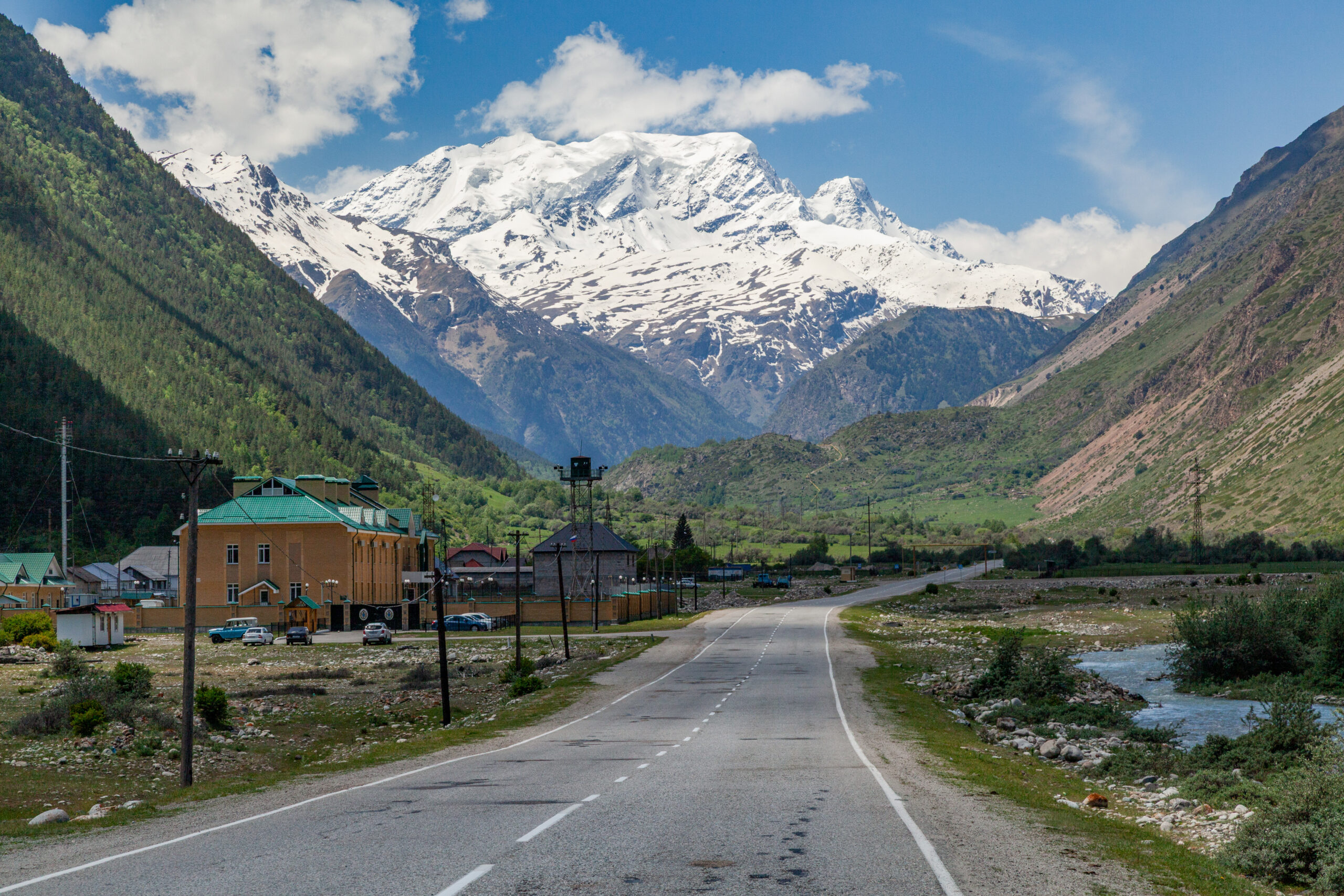
Current local South Route programs remain inexpensive compared with the rest of the Seven Summits. For a U.S.-origin model, however, Russia’s current Level 4 Do Not Travel advisory means the low price should be treated as cost context—not as a recommendation to book the climb now.
Mount Elbrus · Global Summit Guide media libraryVerified Money Table: Fee, Service Price, Inclusions & Gaps
This is the layer missing from the old page. It separates official mandatory fees from representative current operator prices so readers can see what the all-in estimate is built on.
| Peak | Mandatory / official fee reference | Representative current service price | What the service generally includes | Common exclusions / caveats | Source / verification |
|---|---|---|---|---|---|
| Mount Kosciuszko | NSW vehicle entry: AUD $17/day most of year; AUD $29/day winter peak if driving into fee area. No separate summit permit. | No guide required for the normal warm-season walk. | Not applicable. | Flights to Australia, hotels, local transport, food and optional Thredbo lift. | NSW National Parks · checked 12 Sep 2026. |
| Mount Elbrus | Permit / local access normally bundled through operator programs; exact local charges should be rechecked. | Current local South Route programs can run roughly US$1.5K–$1.9K depending service tier. | Typical packages may include local guide, transfers, accommodation, cable cars and group safety equipment. | International travel, personal gear and mountaineering insurance. U.S. State Department: Level 4 Do Not Travel. | U.S. State Department · advisory checked 12 Sep 2026. |
| Kilimanjaro | TANAPA park-fee structure applies; licensed operator required for climbs. | Ultimate Kilimanjaro 8-day Lemosho: US$3,299 for 2026 departures. | Operator program, mountain staff, food, group systems and park-fee administration depending package. | International airfare, tips, insurance, personal gear, extra hotel nights and optional safari. | Ultimate Kilimanjaro · checked 12 Sep 2026. |
| Aconcagua | 2026/27 international Normal Route permit: US$950 presale through 15 Sep 2026; US$1,285 season price per current specialist schedule. | Current guided programs range widely; established Western-led programs are now commonly in the high-$7Ks to roughly $10K before personal trip costs. | Varies by operator: guiding, mountain logistics, some hotels/transfers, meals and group equipment. | Permit may be separate; flights, insurance, personal gear, tips, porters and delays commonly separate. | Aconcagua Experts 2026/27 permit schedule · checked 12 Sep 2026. |
| Denali | NPS 2026 mountaineering fee: US$450; age 24 and under US$350; plus US$15 park entrance unless pass applies. Registration at least 60 days ahead. | Current guided market is roughly US$12K–$15K before personal travel and equipment. | Guide team, group expedition equipment and expedition food/logistics depending operator. | Travel to Alaska/Talkeetna, personal cold gear, insurance, tips and some lodging/meals. | U.S. National Park Service · checked 12 Sep 2026. |
| Carstensz Pyramid | Permit/security/access costs are bundled into operator logistics and can change with Papua access conditions. | Madison Mountaineering: US$26,500 for Oct 15–25, 2026. | Timika logistics, hotel, helicopter to/from base camp and guided climbing support per program. | International travel, personal technical gear, insurance and costs from delays/access disruption; refund terms matter. | Madison Mountaineering · checked 12 Sep 2026. |
| Vinson Massif | No separate summit royalty is the main issue; Antarctic aviation/logistics are embedded in the expedition price. | ALE direct: US$57,900 / 12 days. Alpine Ascents: US$55,500. | Antarctic flights, Antarctic lodging/meals, mountain support, group equipment and guide services depending program. | International round-trip airfare, Punta Arenas hotels/meals, evacuation insurance, tips, personal gear and delay expenses. | ALE · Alpine Ascents · checked 12 Sep 2026. |
| Mount Everest | Nepal spring foreign-climber normal-route royalty: US$15,000 effective 1 Sep 2025. | Alpine Ascents South Col: US$80,000 based on a five-climber team. | That program includes Nepal ground logistics, mountain food/lodging, guides, Sherpa/high-altitude staff, oxygen, group equipment and Nepal administrative fees including permit. | International airfare, personal gear, insurance, gratuities and some upgrades / extra support remain outside the headline expedition fee. | Nepal Department of Tourism · Alpine Ascents · checked 12 Sep 2026. |
Use representative prices to anchor the range—not to claim there is one “correct” operator cost.
A Seven Summits cost ranking is only useful if it distinguishes official fees from commercial services and then normalizes the travel costs those services omit. The final all-in ranges above are planning ranges created from that structure, not copied from one operator.
One Denominator for Every Mountain
If one row includes flights and another does not, the ranking becomes marketing rather than budgeting.
Operator / Guide
The representative service level needed for a realistic supported attempt, normalized by mountain.
Travel & Lodging
International flights from the United States plus normal gateway hotels and ground travel.
Permit, Insurance & Tips
Mandatory mountain fees, appropriate rescue/medical insurance and customary gratuities where relevant.
Training & Major Repeats
The ranking does not load the cost of every preparation mountain or a second Everest/Vinson attempt into the direct-trip number.
Gear is not a flat $5,000 added eight times.
The first technical expeditions create a large equipment build. Later mountains reuse much of it, while Denali/Vinson/Everest add specialized cold or high-altitude systems. Treat gear as a multi-year project asset with peak-specific replacement and upgrades.
Why the First Three Stay Relatively Affordable
Kosciuszko, Elbrus and Kilimanjaro are cheap for very different reasons.
Mount Kosciuszko
The mountain itself is essentially free of expedition fees. NSW park vehicle entry is modest, and a guide is not required for the normal warm-season walk. Airfare and Australian lodging dominate the U.S.-origin budget.
Mount Elbrus
Cable-car-supported South Route logistics and inexpensive local programs keep the theoretical cost low. In 2026, however, U.S. travel warnings, insurance availability, banking and consular constraints are more important than shaving another $500 from the quote.
Kilimanjaro
The route is nontechnical, but licensed guide service and Tanzania’s park-fee structure create a meaningful minimum cost. The range expands quickly with premium operators, private trips, airfare, tips and a safari.
Kilimanjaro Is Where a Low Price Can Tempt Climbers Into the Wrong Itinerary
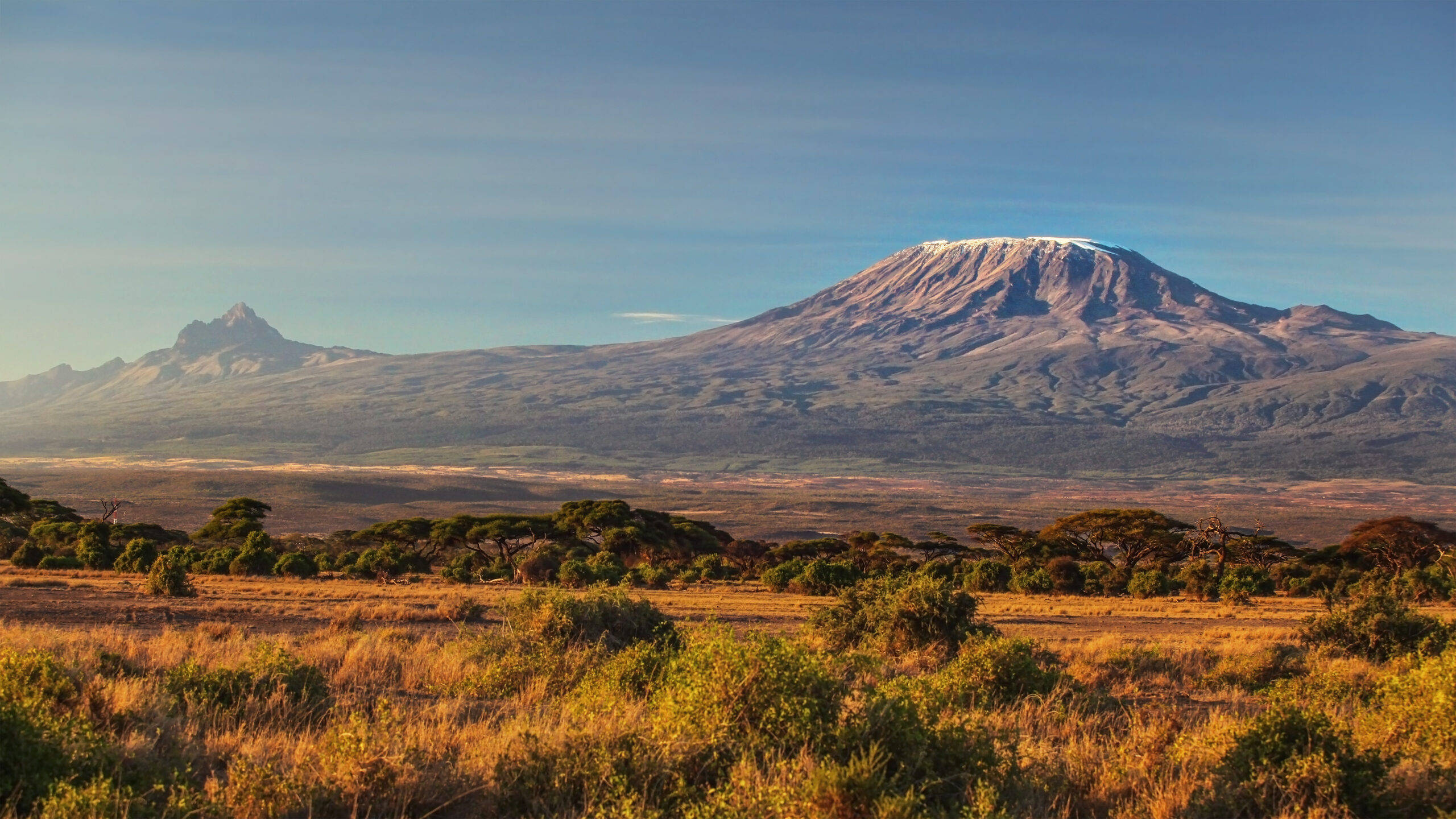
A shorter route can reduce hotel and guide costs while also removing acclimatization time. For a Seven Summits project, the better question is not “What is the cheapest Kili quote?” but “What itinerary gives the best altitude-learning value for the next mountain?”
Mount Kilimanjaro · Global Summit Guide media libraryAconcagua, Denali & Carstensz Change the Budget Model
The project stops behaving like normal adventure travel once expedition logistics, glacier systems or helicopter access become the dominant line item.
Aconcagua
For 2026/27, a current specialist lists the international Normal Route permit at $950 in presale and $1,285 in season. The real budget is driven by a 2–3 week expedition, mules/porters, guide/logistics level, insurance and gateway costs.
Denali
The NPS fee is only $450 in 2026. Guide service, glacier flight, cold-weather equipment, food, sled/expedition systems and time in Alaska dominate the trip. Denali is where gear ownership can materially change the final number.
Carstensz Pyramid
Current 2026 expedition programs cluster around the mid-to-high $20Ks before international travel. Helicopter access, central Papua security/permits and access disruptions make the refund and delay language almost as important as the advertised expedition fee.
Vinson and Everest Can Consume Half the Entire Project
These two mountains are why a Seven Summits plan should be built as a multi-year capital project rather than seven isolated vacations.
Vinson Massif
ALE currently lists $57,900 for its 12-day Mount Vinson trip. Alpine Ascents lists $55,500 and explicitly excludes international airfare, Punta Arenas hotels/meals, evacuation insurance, tips, personal gear and delay costs. That is why a sub-$58K “all-in” floor is no longer defensible.
Mount Everest
Nepal’s spring normal-route royalty is now $15,000 per foreign climber. A current Western-led full-service South Col program is $80,000. Nepali-led options can be lower, but oxygen, high-altitude support, insurance, personal gear and the length of the expedition make Everest the largest normal planning envelope.
Do not compare a $55K Everest operator quote with a $57.9K Vinson direct trip and conclude Vinson is “more expensive.”
Ranking should compare normalized trip budgets, not headline fees. Everest has a wider market and a lower possible operator floor, but its typical supported all-in envelope is larger once permit, oxygen, support model, duration, personal equipment, insurance and travel are normalized.
Everest Is Expensive Before You Count the Mountain That Qualified You for Everest
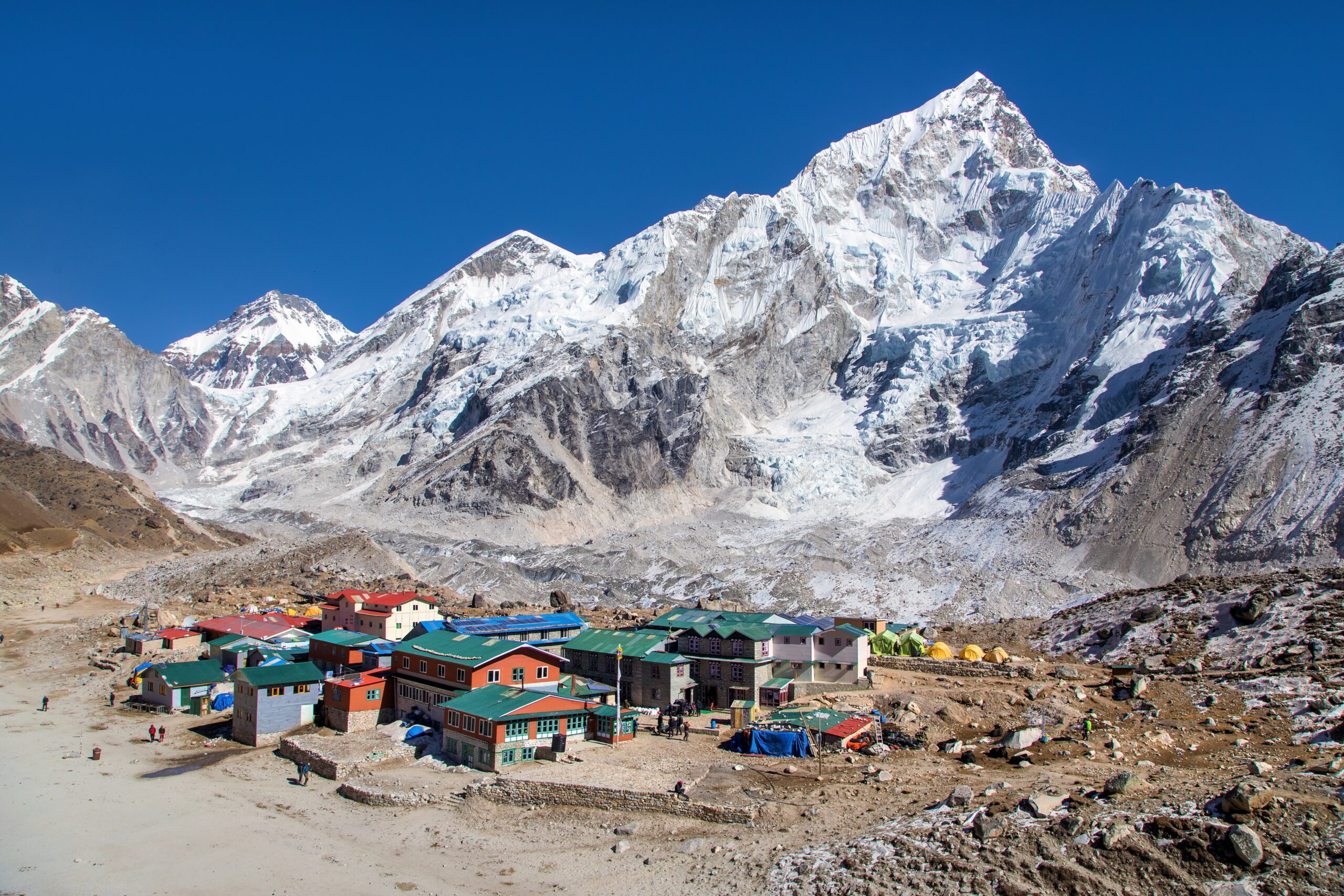
A direct-trip ranking intentionally stops at the Everest trip itself. A real lifetime Seven Summits project often includes Rainier, Orizaba, Ecuador volcanoes, Manaslu, Cho Oyu or other preparation. Those mountains can be excellent investments—but they belong in the lifetime project budget, not hidden inside the Everest row.
Everest region · Global Summit Guide media libraryBass List vs Messner List vs Climbing Both
The choice of Kosciuszko or Carstensz changes the project by tens of thousands of dollars.
Kosciuszko for Australia/Oceania; excludes Carstensz. This uses the same normalized trip model for the other six continental summits.
Carstensz for Oceania; excludes Kosciuszko. Elbrus remains the Europe peak under the modern standard list.
Eight physical summits. This is the cleanest budget if you want to satisfy both interpretations without debate.
Add courses, preparation mountains, gear replacement, premium insurance and a contingency for at least one major repeat.
These totals are arithmetic models, not guarantees.
Exchange rates, seasonal permits, guide pricing, expedition size, airfare and access can move quickly. The purpose of the total is to show project scale and cash-flow needs, not to predict what one specific climber will spend to the dollar.
The Seven Lines Every Quote Needs
Use this checklist before deciding that one operator is cheaper than another.
Guide ratio, staff support, expedition days, group equipment, food and route logistics.
Separate official mountain fees from fees already embedded in the operator package.
Flights, bags, airport transfers, regional flights, hotels and meals before/after the expedition.
Medical, evacuation and cancellation coverage that explicitly fits the altitude and climbing activity.
Boots, cold system, sleeping equipment, technical hardware, duffels and replacements.
Guide/staff gratuities, showers/Wi-Fi, snacks, alcohol, laundry and hotel extras.
Weather delays, evacuation, missed flights, extra hotels and the possibility of a full second expedition.
Track preparation mountains in the lifetime budget so the direct Seven Summits comparison stays consistent.
Cut Friction, Not Safety Margin
The best Seven Summits savings usually happen away from the most safety-critical mountain services.
Airfare, Hotels & Shared Gear
Use flexible dates, points, economy airfare, shared rooms and a multi-year gear strategy. These can reduce project cost without changing the safety system on the mountain.
Guide Package Inclusions
A lower quote may simply move permit, porters, hotel nights, oxygen, rescue systems or food outside the advertised fee. Normalize the inclusions before ranking operators.
Acclimatization, Rescue & Support
Cutting a day from Kilimanjaro, reducing support on Everest or buying insurance that excludes mountaineering can turn a $1,000 “saving” into a failed or financially damaging trip.
How the September 2026 Model Was Rebuilt
The old ranking was structurally good but its Vinson range had fallen below current expedition-service pricing. This rebuild keeps the normalized all-in method and refreshes the anchor prices that materially control the ranking.
Government / official references
Representative current operator references
Verification date: September 12, 2026
Recheck every permit and expedition quote immediately before paying a deposit. Carstensz access, Russia travel conditions, airfare and expedition pricing can move faster than an evergreen comparison page.
Build the Seven Summits Budget One Decision at a Time
This page answers “Which summit costs more?” The resources below answer the next narrower questions: the complete collection, line-item budgeting, insurance, progression and the individual expedition.
Cheapest Seven Summits FAQ
What is the cheapest Seven Summit?
Mount Kosciuszko is the cheapest if you use the Bass list. There is no normal expedition fee for a warm-season ascent, so a U.S.-origin budget is mainly airfare, hotels and Australian ground transport. Roughly $2,200–$3,800 is a useful planning range.
What is the cheapest technical Seven Summit?
Elbrus can still be inexpensive on local-service pricing, but current travel restrictions and advisories matter. Kilimanjaro is nontechnical. If you mean a mountain that introduces glacier/expedition systems in a more conventional current travel setting, the answer depends on nationality and current access rather than price alone.
How much do all Seven Summits cost?
Using this September 2026 normalized U.S.-origin model, the Bass list is roughly $152K–$211K+, the Messner list about $175K–$243K+, and climbing both Kosciuszko and Carstensz is about $177K–$246K+ in direct trip costs.
Why did the Vinson estimate increase?
Because current guide programs alone are now around the mid-$50Ks to high-$50Ks. ALE lists $57,900 and Alpine Ascents $55,500; Alpine Ascents then explicitly excludes international airfare, Punta Arenas hotel/meals, evacuation insurance, tips and personal gear. An older $48K all-in floor no longer survives that comparison.
Why is Everest ranked more expensive than Vinson if some Everest operators quote less?
This ranking is based on a normalized planning midpoint, not the cheapest quote in the market. Everest has a much wider service range, but the current $15,000 spring permit, oxygen, high-altitude staff, expedition duration, insurance and personal equipment push the typical supported all-in envelope above Vinson.
Does the project total include training mountains?
No. The direct-trip total deliberately keeps training peaks separate so every Seven Summit is compared with the same denominator. A realistic lifetime project can cross $260K once courses, preparation mountains, gear replacement and one major repeat are allowed for.
Should I choose an operator based on price?
Price matters, but compare guide ratios, acclimatization, oxygen/support model, medical systems, rescue, included hotels/flights, staff treatment, delay policy and refunds. The cheapest expedition can become the most expensive if it creates a preventable failed attempt.
Was this helpful?
🏔Progression guides
🧭Explore & compare
Global Summit Guide is an independent mountaineering resource founded in 2026. The team combines first-hand trekking and climbing experience with in-depth research and professional health and nutrition review to help climbers choose objectives, prepare properly, and stay safe.
Health, altitude, and nutrition content is reviewed by Taylor Ludlow (Registered Nurse) and Brigg Hoopes (Nutritionist).
What We Don't Know Yet
Mountain information changes quickly. This box explains the limits of what this page can responsibly promise.
- Total trip cost can change with flights, lodging, guide pricing, permits, gear rentals, transportation, and exchange rates.
- Route conditions, snowpack, closures, and weather can change quickly after this page is updated.
- Permit rules, fees, quotas, and reservation windows may change between review cycles.
- Operator availability, pricing, guide ratios, and cancellation terms can change by season.
- Your fitness, altitude response, risk tolerance, and experience level may change what is safe or realistic.
Verify current conditions with official land managers, guide services, local forecasts, and current route reports before booking or climbing.
Mountaineering, rock and ice climbing, glacier travel, and high-altitude activity are inherently dangerous and can result in serious injury or death. The information on Global Summit Guide is provided for general informational and educational purposes only and is not a substitute for professional instruction, qualified guiding, proper equipment, or your own judgment and experience.
Route conditions, weather, snowpack, permits, regulations, and hazards change constantly and may differ from what is described here. Details may be incomplete, out of date, or contain errors. Always verify current information with local authorities, certified guides, and official sources before making any decision in the mountains.
Nothing on this site is medical, legal, or financial advice. Our fitness, acclimatization, altitude, and nutrition content is general in nature; consult a qualified physician before beginning any strenuous exercise program or exposing yourself to high altitude.
You are solely responsible for your own safety and decisions. To the fullest extent permitted by law, Global Summit Guide and its team accept no liability for any loss, injury, damage, or expense arising from use of, or reliance on, this information. By using this site you acknowledge these risks and accept these terms.
Some links on this site may be affiliate links. If you buy through them we may earn a small commission at no extra cost to you; this never affects our recommendations.
Global Summit Guide recommendation path
Next Best Mountain to Research
Use these recommendations to continue the right planning path instead of stopping on one page.
Use current permit, weather, route, and operator information before booking or climbing.
Search Flights, Hotels & Rental Cars
Have the mountain or destination picked? Use Expedia to compare the flights, lodging and rental cars that fit your actual trip dates. For mountain travel, consider arriving early enough for delays and adding a buffer night after the climb before a fixed flight home.
Compare current flight, hotel and car options.
Affiliate disclosure: Global Summit Guide may earn a commission if you book through this link, at no additional cost to you.