
Last updated September 16, 2026
Mount Elbrus Climbing Guide: South Route, Cost, Season & Current Access
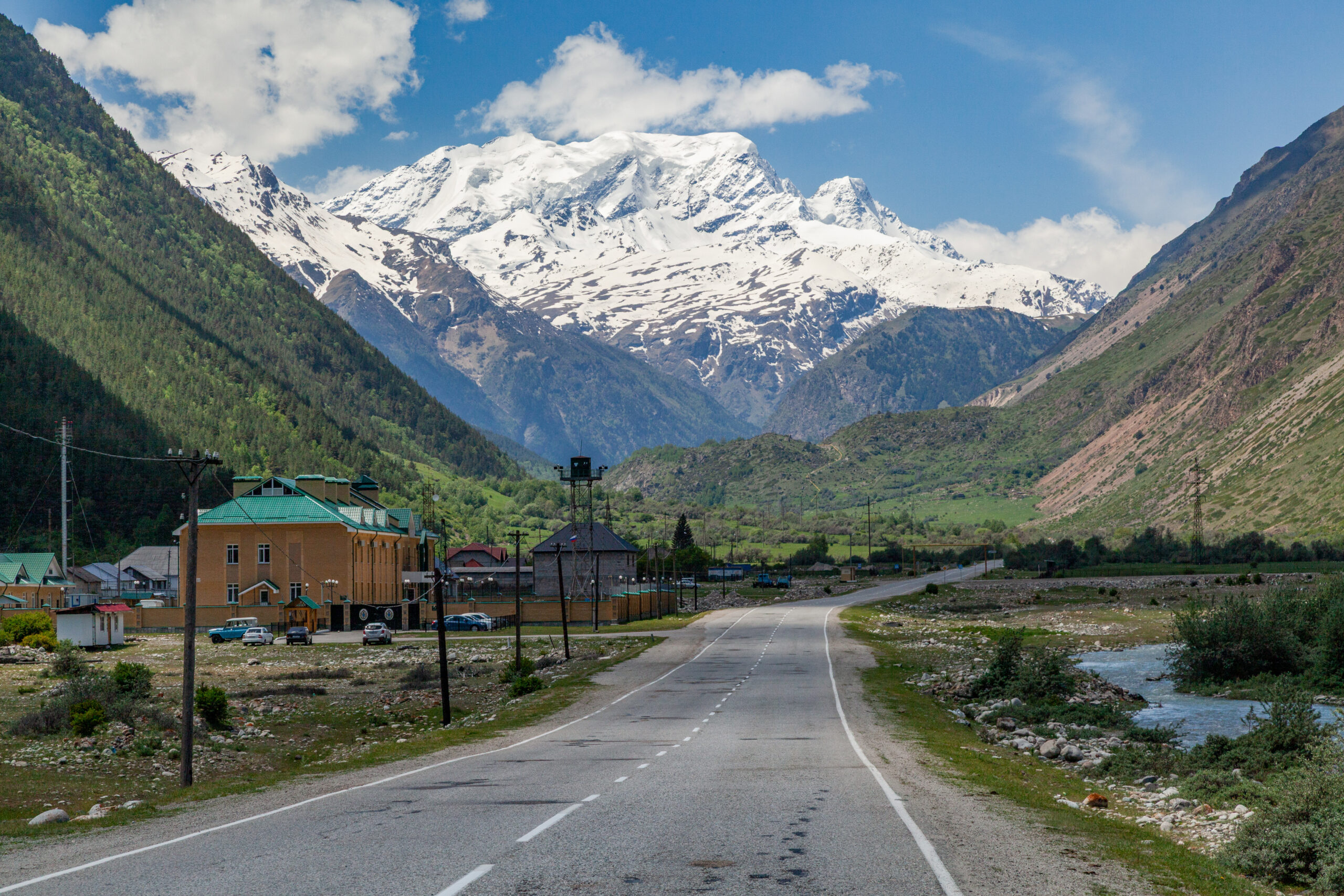
Mount Elbrus is technically one of the more accessible Seven Summits, but it is not currently a routine travel decision for U.S. climbers. The classic South Route is Russian grade 1B, uses the Azau cable-car system to Garabashi at 3,847 m, and is supported by huts and optional snowcat transport. Climbers still need acclimatization, crampon and ice-axe competence, glacier awareness, cold-weather systems and a conservative weather plan. U.S. government guidance currently says not to travel to Russia and specifically not to attempt Mount Elbrus.
Reviewed August 19, 2026 · Russian Mountaineering Federation + Elbrus Resort + EMERCOM + current operator listings
What should you know before climbing Mount Elbrus?
The standard choice is the South Route to the 5,642 m West Summit. The Russian Mountaineering Federation classifies it as 1B. The official Elbrus resort cable car runs from Azau at 2,350 m through Krugozor at 3,000 m and Mir at 3,500 m to Garabashi at 3,847 m. That infrastructure reduces carrying and approach effort, but it can also make poor acclimatization tempting if the itinerary moves uphill too quickly.
A well-designed South itinerary usually spends several days acclimatizing before the summit push. Local 2026 programs are commonly sold in eight- or nine-day formats, while a ten-day plan gives more room for skills practice and one weather reserve. The North Route is a longer and less supported alternative and is classified 2A in the Russian route system.

The travel decision must come before the route decision. The U.S. Department of State currently advises U.S. citizens not to travel to Russia and specifically says not to attempt Mount Elbrus because access passes through the North Caucasus region. Climbers of other nationalities should check their own government guidance, insurance validity and payment pathway before treating a listed departure as practically available.
- Best-known route: South Route.
- South grade: Russian 1B.
- North grade: Russian 2A.
- Best planning season: summer, especially late June–early September.
- Typical South program: 8–10 days.
- Route notification: EMERCOM should be notified before the climb.
Mount Elbrus Quick Facts
Elbrus is a glaciated volcanic massif with two main summits in the western Caucasus.
| Fact | Planning answer |
|---|---|
| West Summit | 5,642 m / 18,510 ft |
| East Summit | 5,621 m / 18,442 ft |
| Range | Western Caucasus, Russia |
| Seven Summits status | Conventional European high point |
| Standard commercial route | South Route from the Azau / Baksan Valley side |
| South Route grade | 1B in the Russian classification |
| North Route grade | 2A for the classic north approach |
| Primary challenges | Altitude, cold, wind, whiteout, glacier travel and summit-day endurance |

The South Route uses major lift infrastructure—but the summit is still a 5,642 m glacier climb.
The cable car removes thousands of metres of approach climbing. It does not remove altitude, cold, weather or the need to descend safely.
South Route Profile
The official Elbrus resort gives a clear lower-mountain elevation ladder from Azau to Garabashi.
Local operators commonly place their high accommodation around the Garabashi zone and use acclimatization outings higher on the South Route before the summit attempt. Optional snowcat transport may shorten the summit-day climb, but whether it is included—and how high it operates—varies by operator and conditions.
The acclimatization trap
Because a cable car can move a climber from 2,350 m to 3,847 m quickly, itinerary quality matters more than transport speed. Use lower acclimatization days and staged higher outings instead of treating mechanical access as acclimatization.
South Route vs North Route
The dedicated route comparison goes deeper; the broad decision is straightforward.
South Route · Russian 1B
- Starts from the Baksan Valley / Azau side.
- Official cable car reaches Garabashi at 3,847 m.
- Multiple hotel and shelter choices.
- Optional snowcat support.
- Most suitable for first-time Elbrus and many Seven Summits climbers.
- More infrastructure and easier logistical retreat.
North Route · Russian 2A
- Classic north route starts from the Emanuel Glade side.
- No equivalent South Route cable-car system.
- Longer approach and greater self-sufficiency.
- More of the vertical gain is climbed on foot.
- Better fit for climbers already comfortable with expedition camp systems.
- Historic connection with the first recorded ascent of the East Summit.
Example 10-Day Elbrus Itinerary
Many local programs are sold in eight or nine days; adding time improves acclimatization and weather flexibility.
How Hard Is Mount Elbrus?
The South Route sits in the easiest Russian mountaineering grade, but the environmental difficulty is substantial.
| Dimension | South Route reality |
|---|---|
| Technical grade | Russian 1B |
| Altitude | 5,642 m is high enough for severe altitude illness. |
| Glacier travel | Crampons, ice axe, harness and rope systems are standard. |
| Weather | Wind, cold and whiteout can turn broad snow slopes into a serious navigation problem. |
| Endurance | Summit day remains long even when mechanical support shortens the start. |
| Descent | Fatigue and poor visibility can make the return more dangerous than the ascent. |
For detailed danger, recent incidents and route-specific safety analysis, use Mount Elbrus Difficulty & Safety.
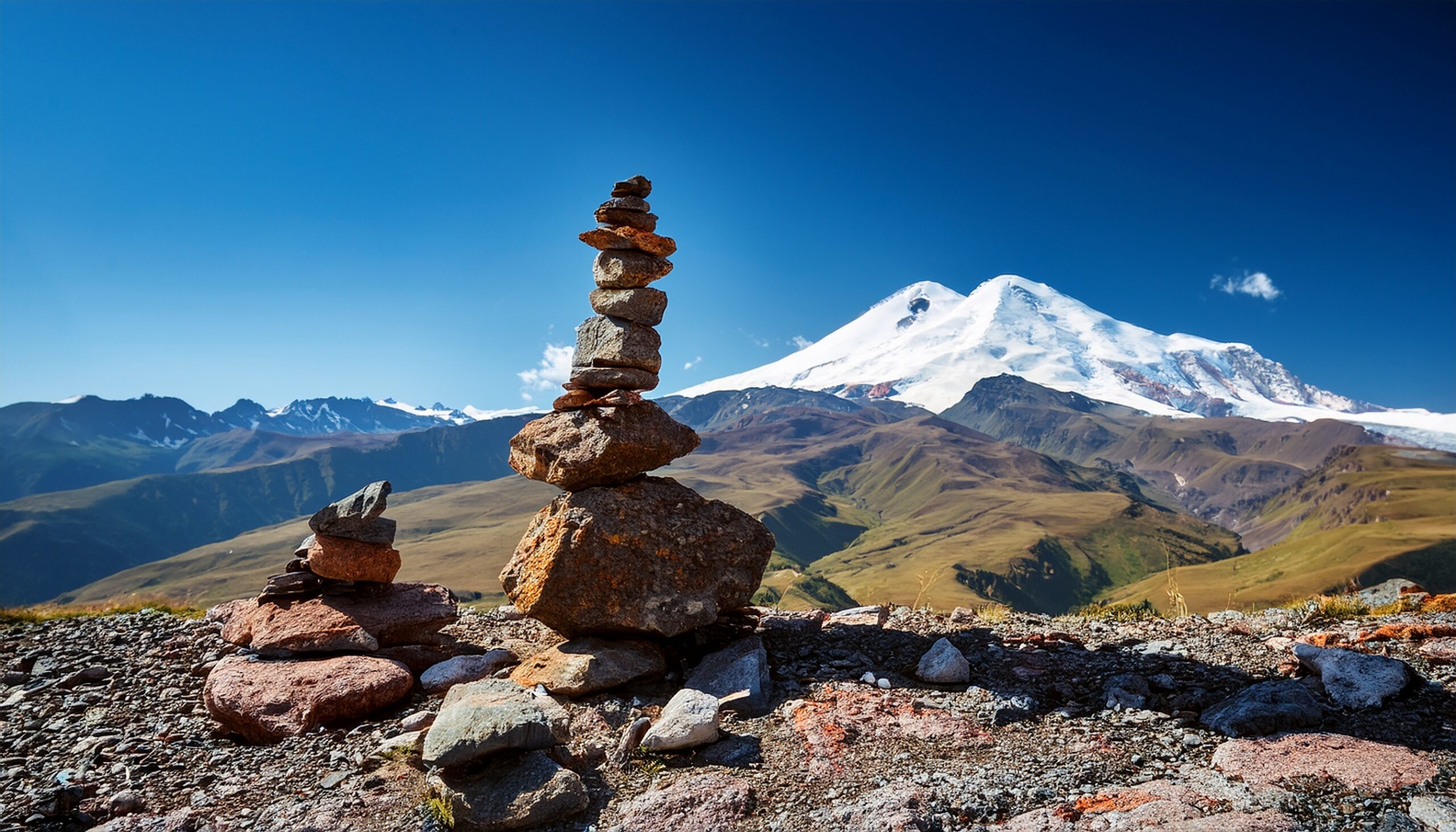
A climb can be operating while still being inadvisable for your nationality.
Current U.S. guidance specifically says not to attempt Mount Elbrus because access passes through the North Caucasus.
Can Foreign Climbers Reach Mount Elbrus?
Commercial programs are still listed, but an available trip is not proof that the trip is appropriate or insurable for every traveler.
| Planning issue | What to verify before paying |
|---|---|
| Government advisory | Your nationality’s current Russia and North Caucasus guidance. |
| Entry permission | Current visa or entry requirements for your passport. |
| Insurance | Written confirmation that Russia, mountaineering and the summit elevation are covered. |
| Payments | How deposits and final balances can legally and practically be paid. |
| Flights | Realistic routing, connection margin and disruption options. |
| Consular support | What government assistance would actually be available in the North Caucasus. |
U.S. climbers
The current U.S. Department of State advisory says do not travel to Russia and specifically do not attempt to climb Mount Elbrus. It also says the U.S. government has no ability to assist U.S. citizens in the North Caucasus region.
Elbrus Registration & Paperwork
There is no single Everest-style summit royalty; practical paperwork is a combination of travel documents and route notification.
EMERCOM route notification
Russia’s emergency ministry says Elbrus climbing groups should notify the appropriate territorial EMERCOM authority before the climb because the route is a high-risk mountain activity. The online tourist-group registration system asks for group, contact and route details.
The Kabardino-Balkaria regional office asks for the planned route, timing, communications information and return-control date. After leaving the route, the group leader should report that the trip has finished.
- Group composition.
- Leader/contact information.
- Planned route.
- Start and finish timing.
- Communications equipment.
- Confirmation after leaving the route.
How Much Does It Cost to Climb Mount Elbrus?
Local operator prices remain relatively low by Seven Summits standards, but the full travel cost can be much higher once insurance, flights and access friction are included.
| Published 2026 example | Price | What still needs verification |
|---|---|---|
| Elbrus Tours · South, 8 days | $1,490 / $1,890 / $1,990 | Accommodation tier, cable cars, snowcat policy, meals, transfers, visa support. |
| Elbrus Tours · South, 9 days | $1,680 / $2,130 / $2,280 | Same inclusion differences plus extra itinerary day. |
| Elbrus 360 · North, 11 days | $1,720 standard / $2,190 comfort | Camp services, transfers, guide ratio and route logistics. |
| Elbrus 360 · North-to-South traverse | $1,890 standard / $2,450 comfort | Route status, extra logistics and cancellation rules. |
Do not treat operator price as total trip cost. Add international travel, visa/entry costs, insurance, equipment, tips, optional snowcat use, extra nights and disruption reserve. Also verify that you can legally and practically pay the operator from your country.
Best Time to Climb Mount Elbrus
Local operators publish departures from spring into early autumn, but late June through early September is the most straightforward planning period for the classic summer climb.
| Period | Planning character | Best for |
|---|---|---|
| May–mid June | Colder, snowier and more variable | Experienced teams and early-season programs |
| Late June–July | Established summer operations and long daylight | Strong general window |
| August | Core commercial season; infrastructure fully active | Most predictable logistics |
| Early September | Cooling temperatures and fewer teams | Late-season climbers with weather flexibility |
| Autumn–spring | Winter or ski-mountaineering character | Specialist programs |
Gear & Training
The South Route does not require elite rock-climbing ability, but climbers should arrive able to use the equipment that keeps a glacier day efficient.
| System | Core preparation |
|---|---|
| Footwear | Warm mountaineering boots compatible with crampons. |
| Snow travel | Crampons and practiced ice-axe use. |
| Glacier | Harness, rope-team procedures and crevasse-awareness appropriate to conditions. |
| Cold | Insulated layers, shell, warm gloves, goggles and backup hand protection. |
| Navigation | Offline route data, headlamp and reliable backup power/communication. |
| Fitness | Long aerobic uphill capacity and enough leg durability for the descent. |
Use the Elbrus Training Plan, Elbrus Gear List and Acclimatization Guide.
Elbrus Weather & Summit-Day Decisions
The route has few technical landmarks high on the mountain, making visibility and wind especially important.
Watch closely
- Upper-mountain wind.
- Cloud and whiteout probability.
- Temperature and wind chill.
- New snow and glacier visibility.
- Team pace above 5,000 m.
Turn around when
- Navigation becomes uncertain.
- Wind makes movement or communication unsafe.
- Altitude symptoms worsen.
- The group falls behind its turnaround schedule.
- The guide ends the attempt.
For the complete hazard and recent-incident analysis, continue to Mount Elbrus Difficulty & Safety.
Mount Elbrus Research Library
Move from the broad mountain decision into the specific question you need answered next.
South vs North
Compare infrastructure, camps, difficulty and expedition style.
Compare routes → SafetyDifficulty & Safety
Russian grade, altitude, weather, rescue registration and recent incidents.
Open safety guide → PaperworkPermits & Fees
Route notification, access and trip paperwork.
Plan paperwork → GearElbrus Gear List
Boots, crampons, layers, glacier equipment and summit-day kit.
Build the kit → TrainingElbrus Training Plan
Build aerobic capacity, leg durability and snow skills.
Start training → ProgressionElbrus Progression
Choose preparation peaks and altitude milestones.
Build progression → ComparisonAconcagua vs Denali vs Elbrus
Compare three very different first major expedition choices.
Compare peaks → CollectorSeven Summits
See where Elbrus fits in the continental-high-point challenge.
Explore Seven Summits →Resolve Access Before Buying More Gear
For many foreign climbers, insurance and destination risk are now as important as route choice.
Mountaineering Insurance
Confirm destination, altitude, rescue and repatriation coverage in writing before paying an operator.
Open Insurance Guide →Best Mountains Before the Seven Summits
If Russia is not an appropriate destination, keep building the same glacier, altitude and expedition skills elsewhere.
See Preparation Peaks →Mount Elbrus FAQ
These answers cover the broad climb-planning questions.
How high is Mount Elbrus?
The West Summit is 5,642 m / 18,510 ft. The East Summit is 5,621 m. The West Summit is the normal Seven Summits objective.
What is the standard route on Mount Elbrus?
The South Route from the Baksan Valley and Azau side is the commercial standard. The Russian Mountaineering Federation classifies the classic South Route to the West Summit as 1B.
How high does the Elbrus cable car go?
The official Elbrus resort cable car runs from Azau at 2,350 m through Krugozor at 3,000 m and Mir at 3,500 m to Garabashi at 3,847 m.
How much does Mount Elbrus cost in 2026?
Current local 2026 examples start around $1,490 for an eight-day South Route program, with comfort and VIP tiers around $1,890–$1,990. North and traverse programs are also available around the high-$1,000s to low-$2,000s. Inclusions vary.
Do I need to register an Elbrus climb?
Russia’s EMERCOM says Elbrus climbing groups should notify the appropriate territorial emergency authority before the route. The online registration system asks for group, contact and route information.
When is the best time to climb Elbrus?
Late June through early September is the most straightforward summer planning period, with July and August providing the deepest commercial schedule. Current weather and route condition still decide the summit window.
Can U.S. citizens climb Mount Elbrus now?
The U.S. Department of State currently advises against travel to Russia and specifically says not to attempt Mount Elbrus because it is in the North Caucasus security environment. U.S. climbers should follow current official guidance.
Is Elbrus a good first Seven Summit?
Technically, the South Route can be an appropriate early Seven Summits objective for a fit climber with proper acclimatization and snow/glacier skills. Current destination-security and travel constraints must be evaluated separately.
How This Elbrus Guide Was Verified
Stable mountain facts come from Russian climbing and resort sources; changing travel and pricing information is date-labeled.
Primary/current sources
- Russian Mountaineering Federation · South Route — West Summit 5,642 m and classic South Route 1B.
- Russian Mountaineering Federation · North Route — classic north route 2A and Emanuel Glade start.
- Official Elbrus Resort — Azau 2,350 m, Krugozor 3,000 m, Mir 3,500 m and Garabashi 3,847 m.
- EMERCOM · Elbrus registration FAQ — route notification and professional-guide recommendation.
- U.S. Department of State · Russia Travel Advisory — current North Caucasus and Mount Elbrus warning.
- Elbrus Tours · 2026 South Route — current eight- and nine-day local price examples.
- Elbrus 360 · 2026 dates and prices — current South, North and traverse examples.
How to use the guide
- Use Russian federation grades rather than forcing a one-to-one Alpine-grade conversion.
- Separate official cable-car elevations from optional snowcat transport.
- Use published operator prices only as source-specific examples.
- Verify insurance and government travel guidance before paying.
- Use EMERCOM’s current route-notification process.
- Use the dedicated difficulty/safety report for incident and mortality analysis.
The South Route Is Straightforward by Seven Summits Standards. The Current Travel Decision Is Not.
Build a staged acclimatization plan, know the glacier systems, compare the South and North routes, and verify the current legal, insurance and security pathway before treating an available expedition as bookable for you.
This peak is one of the Seven Summits — the highest peak on every continent
The Seven Summits are mountaineering’s most iconic geographic challenge — climbing the highest peak on each of the seven continents. See the complete collection covering Bass vs Messner lists, all 7 peaks in detail, full Dick Bass to Nims Purja history, and realistic cost breakdown from $150K to $300K+ across 3-7 years.
View All Seven Summits →🏔 Part of the Seven Summits
One of the highest peaks on each continent. See all 7 with Bass vs Messner lists, costs, and history.
View All Seven Summits →Mount Everest belongs to both the Seven Summits and the 14 Eight-Thousanders
As the highest peak on Earth (8,849m), Mount Everest is the headline summit of mountaineering’s two most iconic collections. The Seven Summits requires climbing the highest peak on every continent; the 14 Eight-Thousanders requires climbing every mountain above 8,000 meters.
Seven Summits → 14 Eight-Thousanders →Mount Elbrus is the Anchor Peak of the Caucasus Range
Mount Elbrus (5,642m) is Europe’s highest peak, a Seven Summit, and the anchor of the Caucasus mountain range — which contains 12 peaks above 5,000 meters, more than the entire European Alps. The full Caucasus collection covers all 10 major peaks across Russia, Georgia, Armenia, and Turkey.
Generally, Elbrus is the most-climbed of the Caucasus high peaks (~15,000-20,000 attempts per year). Specifically, the broader collection includes the technical Bezengi Wall (Dykh-Tau, Shkhara, Koshtan-Tau), the sacred Mount Kazbek in Georgia, biblical Mount Ararat in Turkey, and the Matterhorn-like Ushba.
Caucasus Mountains Collection →Mount Kazbek (Georgia) →Was this helpful?
🏔Related guides
🧭Explore & compare
Global Summit Guide is an independent mountaineering resource founded in 2026. The team combines first-hand trekking and climbing experience with in-depth research and professional health and nutrition review to help climbers choose objectives, prepare properly, and stay safe.
Health, altitude, and nutrition content is reviewed by Taylor Ludlow (Registered Nurse) and Brigg Hoopes (Nutritionist).
What We Don't Know Yet
Mountain information changes quickly. This box explains the limits of what this page can responsibly promise.
- Route conditions, trailhead access, crevasse exposure, stream crossings, and rescue access may vary from published planning guidance.
- Total trip cost can change with flights, lodging, guide pricing, permits, gear rentals, transportation, and exchange rates.
- Visa, passport, vaccination, border, insurance, and local transportation rules may change before your trip.
Verify current conditions with official land managers, guide services, local forecasts, and current route reports before booking or climbing.
Mountaineering, rock and ice climbing, glacier travel, and high-altitude activity are inherently dangerous and can result in serious injury or death. The information on Global Summit Guide is provided for general informational and educational purposes only and is not a substitute for professional instruction, qualified guiding, proper equipment, or your own judgment and experience.
Route conditions, weather, snowpack, permits, regulations, and hazards change constantly and may differ from what is described here. Details may be incomplete, out of date, or contain errors. Always verify current information with local authorities, certified guides, and official sources before making any decision in the mountains.
Nothing on this site is medical, legal, or financial advice. Our fitness, acclimatization, altitude, and nutrition content is general in nature; consult a qualified physician before beginning any strenuous exercise program or exposing yourself to high altitude.
You are solely responsible for your own safety and decisions. To the fullest extent permitted by law, Global Summit Guide and its team accept no liability for any loss, injury, damage, or expense arising from use of, or reliance on, this information. By using this site you acknowledge these risks and accept these terms.
Some links on this site may be affiliate links. If you buy through them we may earn a small commission at no extra cost to you; this never affects our recommendations.
Global Summit Guide recommendation path
Next Best Mountain to Research
Use these recommendations to continue the right planning path instead of stopping on one page.
Use current permit, weather, route, and operator information before booking or climbing.
Search Flights, Hotels & Rental Cars
Have the mountain or destination picked? Use Expedia to compare the flights, lodging and rental cars that fit your actual trip dates. For mountain travel, consider arriving early enough for delays and adding a buffer night after the climb before a fixed flight home.
Compare current flight, hotel and car options.
Affiliate disclosure: Global Summit Guide may earn a commission if you book through this link, at no additional cost to you.