
Last updated September 7, 2026
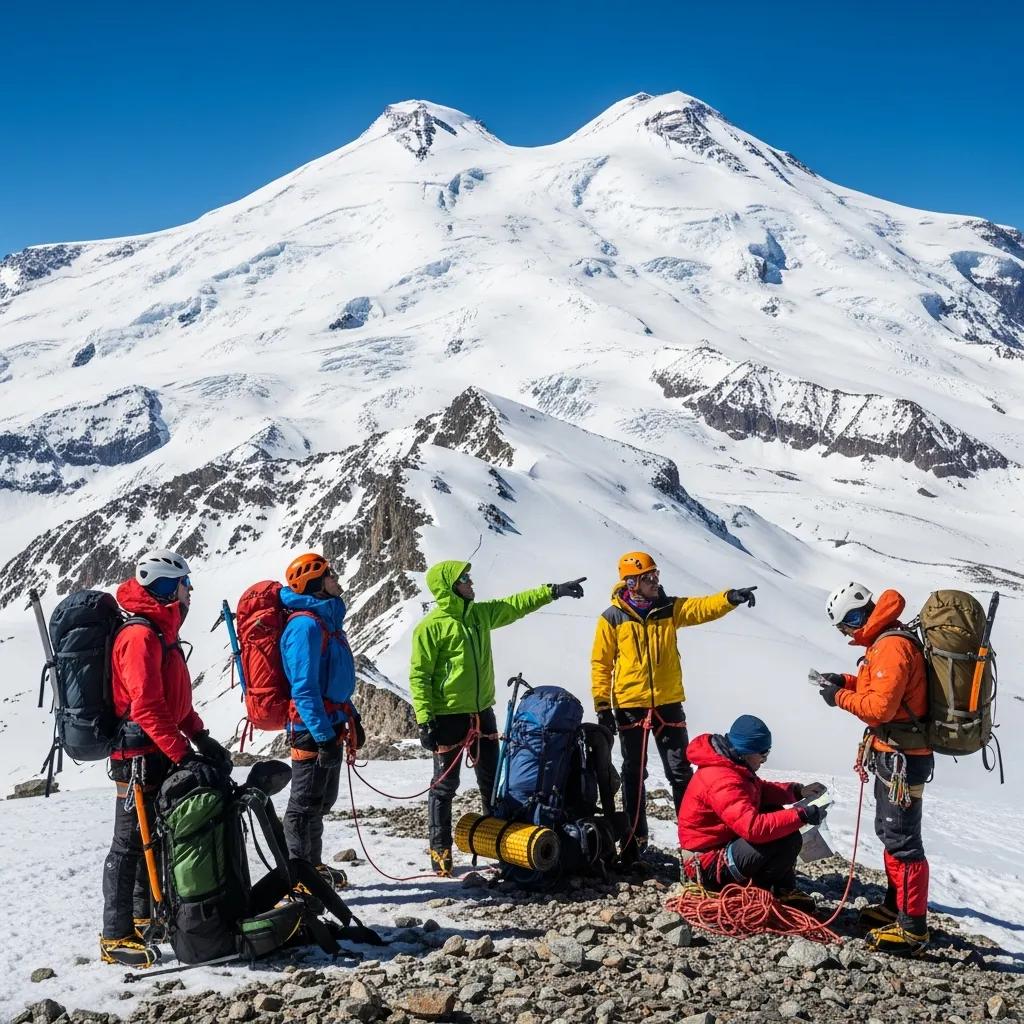
Mount Elbrus Training Plan: How to Prepare for Europe’s Highest Peak
Climbing Mount Elbrus, the highest peak in Europe, is a thrilling adventure that requires careful preparation and training. This comprehensive guide will equip you with the essential knowledge and strategies to successfully ascend this majestic mountain. You will learn about the importance of acclimatization, fitness strategies, hydration and nutrition, and safety considerations, among other critical aspects of your training plan. Many climbers face challenges related to altitude sickness, physical fitness, and logistical planning, but with the right approach, you can overcome these obstacles. This article will provide a detailed roadmap to help you prepare effectively for your Mount Elbrus expedition.
Acclimatization
Acclimatization is a crucial process for climbers aiming to reach high altitudes safely. It involves allowing your body to adjust to lower oxygen levels, which can significantly impact your performance and health. The primary mechanism behind acclimatization is the gradual increase in red blood cell production, which enhances oxygen transport throughout the body. This adjustment helps prevent altitude sickness, a common issue faced by climbers. To effectively acclimatize, climbers should incorporate rest days into their schedule, adhere to the “climb high, sleep low” principle, and monitor symptoms of altitude sickness closely.
Understanding the physiological changes, such as those related to red blood cell function, is key to successful acclimatization.
High Altitude Red Blood Cell Function & Exercise
Oxygen transport by red blood cells is regulated by erythropoiesis and Hb-O2-affinity. The O2carrying capacity is characterized by changes in hematocrit, red blood count or the mass of circulating red blood cells. Erythropoiesis is controlled by the hormone erythropoietin, which induces slow changes of the O2-transport capacity.
Red blood cell function in hypoxia at altitude and exercise, 1994
For those looking to enhance their acclimatization process, Information Hub offers specialized training programs that focus on altitude adaptation techniques. These programs can provide valuable insights and strategies to optimize your acclimatization efforts.
Fitness Strategies
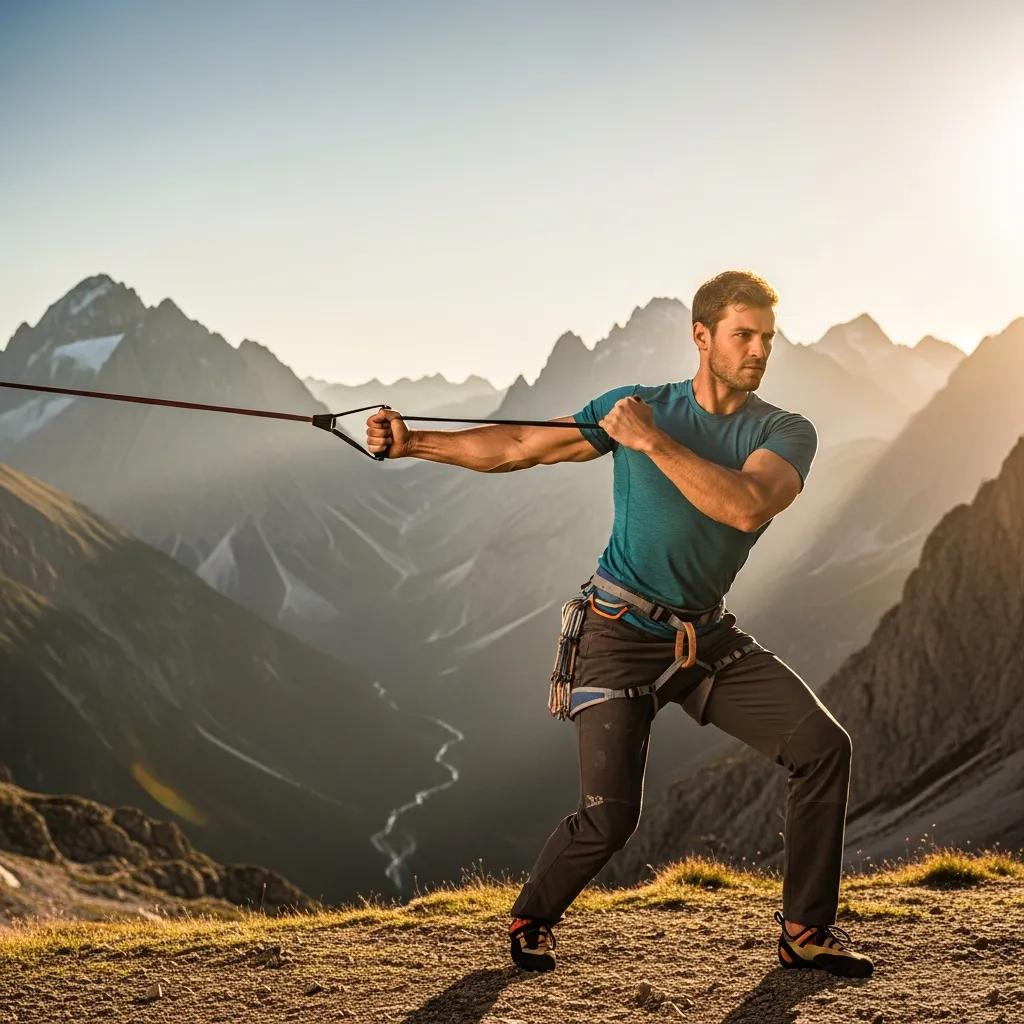
Developing a solid fitness foundation is essential for a successful climb of Mount Elbrus. A well-rounded fitness regimen should include endurance training, strength training, and technical skills practice. Endurance training, such as long-distance hiking or running, builds cardiovascular fitness, which is vital for sustained energy during the climb. Strength training focuses on building muscle endurance, particularly in the legs and core, to support your body during steep ascents.
Additionally, practicing technical skills, such as using crampons and ice axes, is crucial for navigating the mountain’s challenging terrain. Incorporating these elements into your training plan will prepare you physically and mentally for the demands of the climb.
This table outlines the key components of a comprehensive fitness strategy for climbing Mount Elbrus. By focusing on these areas, you can enhance your overall performance and increase your chances of a successful summit.
Hydration and Nutrition
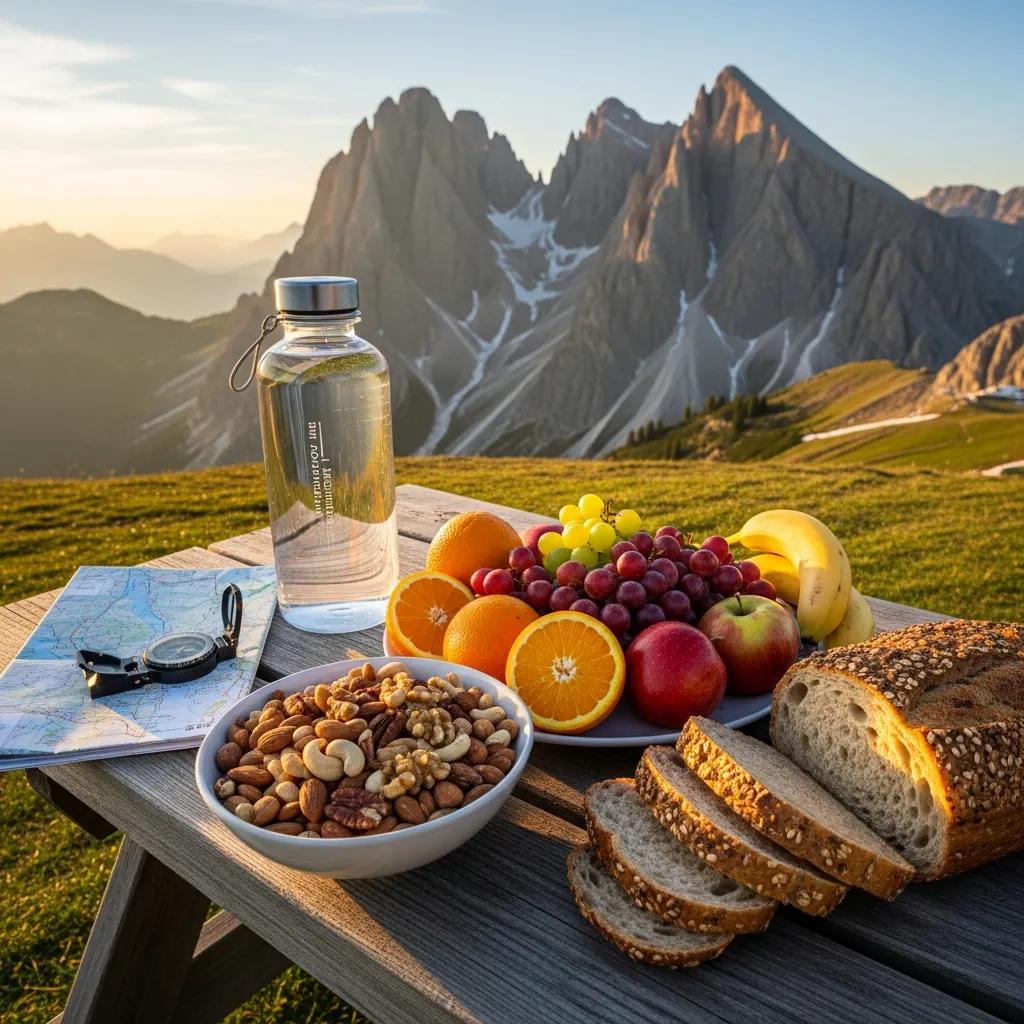
Proper hydration and nutrition are vital for maintaining energy levels and overall health during your training and the climb itself. Hydration targets should be set to ensure you are drinking enough fluids, especially at higher altitudes where dehydration can occur more rapidly. Aim to drink at least 3-4 liters of water daily, adjusting based on your activity level and environmental conditions.
Nutrition plays a significant role in your training regimen. A balanced diet rich in carbohydrates, proteins, and healthy fats will provide the necessary fuel for your body. Monitoring your energy levels and adjusting your intake based on your training intensity is essential for optimal performance.
This approach aligns with expert recommendations for high-altitude nutrition and hydration strategies.
High-Altitude Mountaineering Nutrition & Hydration
Developing nutritional and supplementation strategies for mountaineers in high-altitude conditions is crucial for maintaining physical performance and health. This review focuses on nutrition, hydration and supplementation in high-mountain (>2,500 m) environments, providing practical solutions for mountaineers in the context of nutrition and hydration.
Nutrition, hydration and supplementation considerations for mountaineers in high-altitude conditions: a narrative review, E Karpęcka-Gałka, 2024
Logistics and Planning
Effective logistics and planning are critical components of a successful Mount Elbrus expedition. Creating a detailed itinerary that outlines your climbing schedule, rest days, and acclimatization periods will help ensure a smooth experience. Sharing your plans with friends or family is also important for safety, as it allows others to know your whereabouts.
Identifying water sources along your route and planning for food supplies will further enhance your preparedness. Consider using a checklist to ensure you have all necessary gear and supplies before your departure.
Safety Considerations
Safety should always be a top priority when climbing Mount Elbrus. Recognizing the signs of altitude illness is crucial, as early detection can prevent serious complications. Familiarize yourself with symptoms such as headaches, nausea, and dizziness, and be prepared to descend if these symptoms occur.
Weather preparedness is another essential aspect of safety. Understanding the mountain’s weather patterns and being equipped for sudden changes can make a significant difference in your climbing experience. Additionally, having an emergency plan in place, including communication methods and evacuation routes, is vital for ensuring your safety on the mountain.
Climbing Tips
To maximize your chances of success on Mount Elbrus, consider the following essential climbing tips:
- Conservative Pacing: Maintain a steady pace to conserve energy and reduce the risk of altitude sickness.
- Turnaround Time: Set a specific turnaround time to ensure you return safely, even if you haven’t reached the summit.
- Navigation Skills: Familiarize yourself with the climbing route and practice navigation techniques to avoid getting lost.
These tips can help you stay focused and prepared during your climb, ultimately leading to a more enjoyable experience.
Managing Weather and Terrain Challenges
Mount Elbrus presents various weather and terrain challenges that climbers must navigate. Identifying the best seasons for climbing, typically late spring to early summer, can help you avoid extreme weather conditions. Packing appropriately for varying weather conditions is essential, as temperatures can fluctuate dramatically.
Understanding decision points along your route, such as when to turn back due to worsening weather, is crucial for your safety. Being adaptable and prepared for changing conditions will enhance your climbing experience.
Route Navigation and Time Management
Effective route navigation and time management are vital for a successful ascent of Mount Elbrus. Choosing the right objective based on your skill level and experience will help set realistic expectations for your climb. Creating a detailed logistics plan that includes estimated times for each segment of the climb will aid in managing your time effectively.
For more information on mountain climbing and planning your next adventure, visit Global Summit Guide.
Gear and Safety Protocols
Having the right gear and following safety protocols are essential for a successful climb. Key items to include in your gear list are: the 14 eight thousanders complete guide.
- Clothing Layers: Dress in layers to adapt to changing temperatures and conditions.
- Footwear and Traction: Invest in high-quality mountaineering boots and crampons for optimal traction on icy terrain.
- Emergency and Repair Kit: Carry a kit that includes first aid supplies, repair tools, and essential survival items.
These gear recommendations will help ensure you are well-prepared for the challenges of climbing Mount Elbrus.
Altitude Training Techniques
Incorporating altitude training techniques into your preparation can significantly enhance your performance on Mount Elbrus. Adding rest days to your training schedule allows your body to recover and adapt to the stresses of high-altitude climbing. The “climb high, sleep low” principle is particularly effective, as it encourages your body to acclimatize while still allowing for adequate rest.
This strategy is further supported by research demonstrating its effectiveness in preparing climbers for extreme altitudes.
Climb High Sleep Low Acclimatization Strategy
Pre-acclimatization at a convenient high-altitude location may represent an an appropriate method before climbing a more hostile target mountain. The aim of the present field report was to demonstrate the effectiveness of such pre-acclimatizing applying the ‘‘climb high sleep low’’ maxim for a subsequent rapid ascent to almost 7000 m.
Effects of pre-acclimatization applying the ”climb high and sleep low”maxim:
An example of rapid but safe ascent to extreme altitude, M Burtscher, 2016
To ensure you have the right climbing gear, it’s important to consider quality and safety protocols.
Monitoring symptoms of altitude sickness during your training will help you recognize potential issues before they become serious. By implementing these techniques, you can improve your chances of a successful summit.
Frequently Asked Questions
What is the best time of year to climb Mount Elbrus?
The optimal time to climb Mount Elbrus is typically from late spring to early summer, specifically between May and July. During this period, the weather is generally more stable, and the temperatures are milder, making it safer for climbers. Additionally, the snow conditions are usually favorable, which is crucial for navigating the mountain’s terrain. However, it’s essential to monitor weather forecasts closely, as conditions can change rapidly at high altitudes.
How can I prevent altitude sickness while climbing?
Preventing altitude sickness involves a combination of acclimatization, hydration, and pacing. Gradually ascending to higher altitudes allows your body to adjust to lower oxygen levels. It’s crucial to incorporate rest days into your climbing schedule and adhere to the “climb high, sleep low” principle. Staying well-hydrated by drinking plenty of fluids and recognizing early symptoms of altitude sickness, such as headaches or nausea, can also help mitigate risks. If symptoms worsen, descending to a lower altitude is essential.
What type of gear is essential for climbing Mount Elbrus?
Essential gear for climbing Mount Elbrus includes high-quality mountaineering boots, crampons, and layered clothing to adapt to changing weather conditions. A reliable backpack, hydration system, and a first aid kit are also crucial. Additionally, climbers should carry navigation tools, such as a map and compass, and safety equipment like a helmet and harness. Investing in quality gear not only enhances safety but also improves overall climbing performance.
How should I manage my nutrition during the climb?
Managing nutrition during your climb is vital for maintaining energy levels. Focus on a balanced diet rich in carbohydrates, proteins, and healthy fats in the days leading up to your ascent. During the climb, opt for high-energy snacks like energy bars, nuts, and dried fruits to sustain your energy. It’s also important to stay hydrated, aiming for at least 3-4 liters of water daily, especially at higher altitudes where dehydration can occur more rapidly.
What are the common challenges climbers face on Mount Elbrus?
Climbers on Mount Elbrus often face challenges such as altitude sickness, unpredictable weather, and difficult terrain. Altitude sickness can affect anyone, regardless of fitness level, making acclimatization crucial. Weather conditions can change rapidly, leading to potential hazards like snowstorms or high winds. Additionally, the terrain can be steep and icy, requiring technical skills and proper gear. Being prepared for these challenges is essential for a successful and safe climb.
Is it necessary to have prior climbing experience to summit Mount Elbrus?
While prior climbing experience is not strictly necessary, it is highly beneficial. Mount Elbrus is considered a non-technical climb, but having a background in hiking and basic mountaineering skills can significantly enhance your chances of success. Familiarity with using crampons, ice axes, and navigation techniques will help you navigate the mountain’s challenges more effectively. Training and preparation are key, so consider participating in guided climbs or training courses if you’re new to high-altitude climbing.
What should I do if I experience symptoms of altitude sickness?
If you experience symptoms of altitude sickness, such as headaches, nausea, or dizziness, it’s crucial to take immediate action. First, stop ascending and rest to allow your body to recover. If symptoms persist or worsen, descend to a lower altitude as quickly as possible. Hydration is essential, so drink plenty of fluids. Always communicate with your climbing team about your condition, and do not hesitate to seek help if needed. Prioritizing your health is vital for a safe climbing experience.
Conclusion
Preparing for a successful ascent of Mount Elbrus involves understanding key aspects such as acclimatization, fitness strategies, and safety protocols. By following a comprehensive training plan and prioritizing hydration and nutrition, climbers can enhance their performance and reduce the risk of altitude sickness. Embrace the adventure and take the first step towards your summit by exploring our expert resources and gear recommendations. Start planning your journey to Europe’s highest peak today!
Mount Elbrus Guide Hub
Continue planning your Mount Elbrus climb with our complete guide system covering routes, permits and fees, gear, and training.
Elbrus Training & the Full Guide
Training is one piece of an Elbrus climb. See the full guide, the routes and the progression below.
Was this helpful?
🏔Related training
🧭Explore & compare
Global Summit Guide is an independent mountaineering resource founded in 2026. The team combines first-hand trekking and climbing experience with in-depth research and professional health and nutrition review to help climbers choose objectives, prepare properly, and stay safe.
Health, altitude, and nutrition content is reviewed by Taylor Ludlow (Registered Nurse) and Brigg Hoopes (Nutritionist).
What We Don't Know Yet
Mountain information changes quickly. This box explains the limits of what this page can responsibly promise.
- Weather, snowpack, avalanche risk, road access, and route conditions can change quickly and may be different on your climbing dates.
- Route conditions, trailhead access, crevasse exposure, stream crossings, and rescue access may vary from published planning guidance.
- Gear requirements can change by season, route variation, weather window, personal cold tolerance, and guide-service requirements.
- Fitness and altitude response vary by person; no guide, itinerary, or training plan can guarantee acclimatization or summit success.
Verify current conditions with official land managers, guide services, local forecasts, and current route reports before booking or climbing.
Mountaineering, rock and ice climbing, glacier travel, and high-altitude activity are inherently dangerous and can result in serious injury or death. The information on Global Summit Guide is provided for general informational and educational purposes only and is not a substitute for professional instruction, qualified guiding, proper equipment, or your own judgment and experience.
Route conditions, weather, snowpack, permits, regulations, and hazards change constantly and may differ from what is described here. Details may be incomplete, out of date, or contain errors. Always verify current information with local authorities, certified guides, and official sources before making any decision in the mountains.
Nothing on this site is medical, legal, or financial advice. Our fitness, acclimatization, altitude, and nutrition content is general in nature; consult a qualified physician before beginning any strenuous exercise program or exposing yourself to high altitude.
You are solely responsible for your own safety and decisions. To the fullest extent permitted by law, Global Summit Guide and its team accept no liability for any loss, injury, damage, or expense arising from use of, or reliance on, this information. By using this site you acknowledge these risks and accept these terms.
Some links on this site may be affiliate links. If you buy through them we may earn a small commission at no extra cost to you; this never affects our recommendations.
Global Summit Guide recommendation path
Next Best Mountain to Research
Use these recommendations to continue the right planning path instead of stopping on one page.
Use current permit, weather, route, and operator information before booking or climbing.