
Last updated September 21, 2026
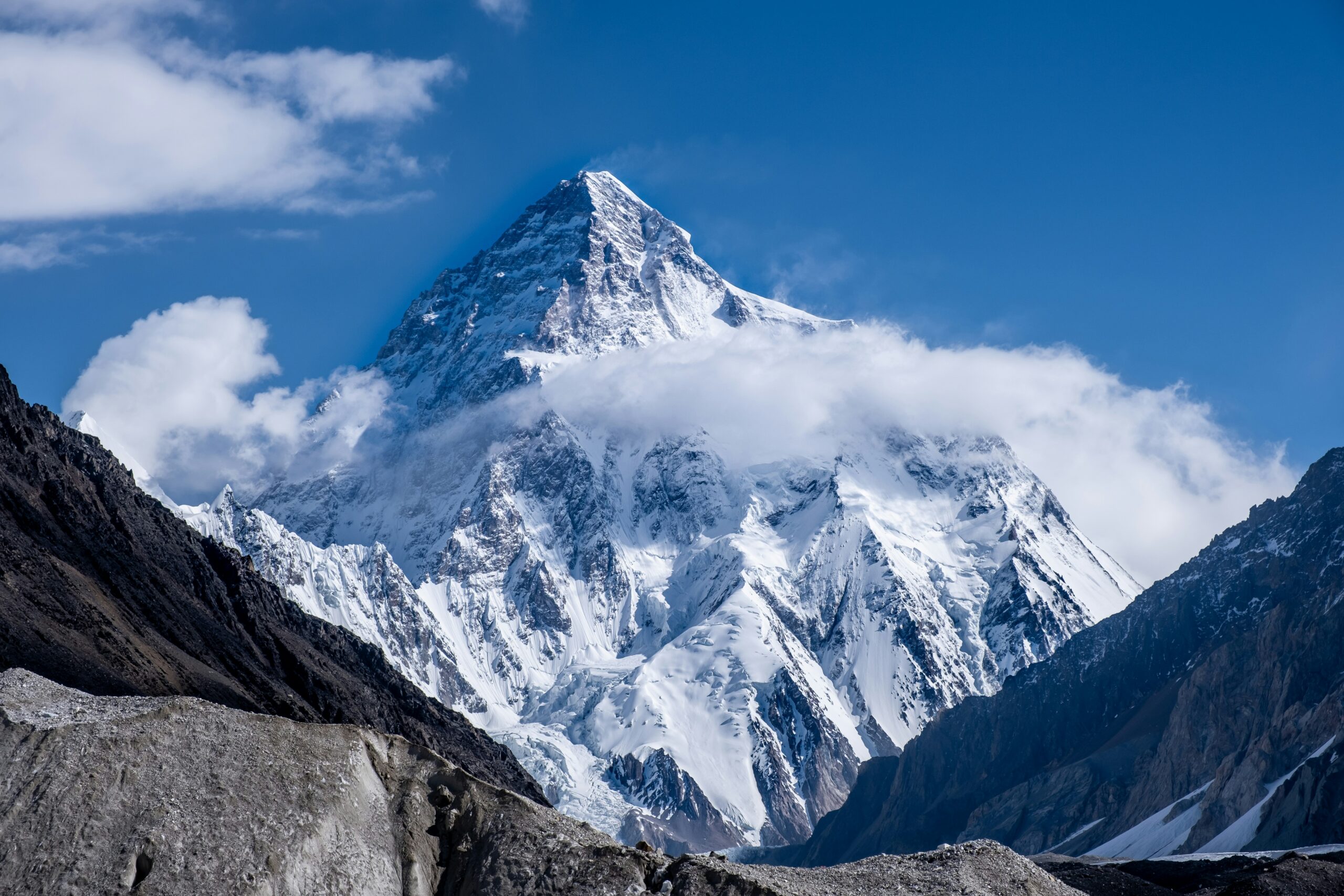
Mount Elbrus Permits & Fees: What You Actually Need
Mount Elbrus does not use an Everest-style summit royalty or a universal “climbing permit” with separate guided and independent prices. The real paperwork is a combination of national-park access, mountain-route notification, Russian entry requirements and any border-zone rules that apply to your exact route and nationality.
Do You Need a Permit to Climb Mount Elbrus?
There is no single universal Elbrus summit permit comparable to the government climbing permits used on Everest, Denali or Aconcagua.
Instead, a normal Elbrus trip can involve several separate administrative layers: Prielbrusye National Park access, EMERCOM route notification, Russian immigration/visa compliance, and—depending on the exact route and traveler— border-zone requirements.
If you climb with a commercial operator, much of the local paperwork may be coordinated for you. That does not remove your responsibility to verify your legal entry status, insurance and the current requirements for your route.
What Mount Elbrus Paperwork Should You Actually Check?
These requirements come from different agencies. Do not collapse them into one fictional “climbing permit.”
| Requirement | Who controls it | Typical South Route relevance | 2026 status |
|---|---|---|---|
| National-park access | Prielbrusye National Park / Elbrus Resort | Yes | 200 RUB per visit |
| EMERCOM route notification | Russian Ministry of Emergency Situations | Yes — mountain-route safety registration | Current registration system active |
| Russian visa / legal entry | Russian immigration / Ministry of Foreign Affairs | Foreign visitors | Depends on nationality |
| Migration registration | Russian immigration system / accommodation provider | Foreign visitors as applicable | Confirm with accommodation / operator |
| Border-zone documentation | Russian FSB Border Service | Depends on exact route / zone / traveler | Verify before departure |
| Guide-service paperwork | Operator / applicable Russian guide regulations | Guided programs | Handled according to program |
| Universal Elbrus summit permit | — | No | No separate Everest-style summit royalty identified |

The Confusion Comes From Mixing Park Access, Rescue Notification and Border Rules.
Each serves a different purpose. Paying the national-park fee does not register your mountain route. Registering with EMERCOM does not replace immigration documents. And neither automatically answers whether your itinerary enters a restricted border zone.
The Verified 2026 Park Fee Is 200 RUB Per Visit.
This is the clearest mandatory local charge currently published by the official Elbrus resort.
200 RUB
The official Elbrus resort states that Prielbrusye National Park charges 200 rubles for each visit by visitors who are not otherwise exempt.
Included With Cable-Car Purchase
When you buy a qualifying Elbrus cable-car ticket or ski pass, the official resort says the national-park charge is already included.
Separate Park Ticket
Visitors who are not using the cable-car system can purchase a separate park-access ticket through the resort system.
A Cable-Car Ticket Can Include Park Access. It Does Not Replace Mountain Registration.
The official lift system is part of the South Route logistics, but the administrative role of the resort is different from the emergency ministry’s route-registration system.
Register Your Elbrus Route With EMERCOM.
Kabardino-Balkaria’s emergency ministry continues to operate an online registration system for tourists and climbing groups.
Rescue Registration Only Helps if the Route Information Is Accurate.
If your summit day, route, communications plan or team changes materially, make sure the information held by the operator and rescue system still describes the trip you are actually making.
Do You Need a Russian Border-Zone Pass for Elbrus?
Do not rely on a universal yes-or-no answer copied from an old climbing guide.
Parts of Elbrus District Are a Border Zone
Russian FSB rules establish a border zone in parts of Kabardino-Balkaria, including Elbrus District near the Georgian frontier. Official regional guidance identifies specific access points and approved tourist and mountaineering routes.
Verify the Exact Route
Ask your operator or the appropriate border authority whether your exact South, North, traverse or side-valley itinerary requires additional border-zone documentation for your nationality.
Your Russian Visa Is Separate From Mountain Paperwork.
Entry requirements depend on nationality and should be resolved before treating any Elbrus expedition as bookable.
Unified E-Visa
Russia’s current unified e-visa system is available only to citizens of countries on the official Ministry of Foreign Affairs list.
Not on the E-Visa List
The United States is not on the current Russian unified e-visa eligibility list. That is separate from the much larger question of whether travel is advisable.
Verify Destination Coverage
Russia’s e-visa rules require eligible foreign travelers to hold medical insurance valid in Russia unless their nationality falls under an exemption. Mountaineering and rescue coverage remain separate insurance questions.
A Visa, Park Ticket and Route Registration Do Not Make the Climb Safe.
Elbrus remains a 5,642-meter glaciated mountain. Paperwork answers whether the trip is administratively possible; training, acclimatization, weather and team judgment answer whether the climb itself is appropriate.
For U.S. Climbers, the Travel Advisory Comes Before the Permit Question.
The U.S. Department of State currently places Russia at Level 4: Do Not Travel. Its North Caucasus guidance specifically tells U.S. citizens: do not attempt to climb Mount Elbrus.
The advisory also says the U.S. government has no ability to help U.S. citizens in the North Caucasus region. That is separate from whether Russian operators are currently selling climbs or whether the mountain itself is open.
Where the Administrative Layers Fit.
Terskol and Azau form the South Route staging area. Garabashi is the top of the official lift system, while the Georgian international border lies south of the Elbrus region.
Mount Elbrus Permits & Fees FAQ.
The most important distinction is between park access, mountain registration and international travel permission.
Do you need a permit to climb Mount Elbrus?
Mount Elbrus does not use one universal Everest-style summit permit. Climbers should instead verify national-park access, EMERCOM route registration, Russian entry requirements and any border-zone rules relevant to the exact route.
How much is the Mount Elbrus national-park fee?
The official Elbrus resort currently lists the Prielbrusye National Park visit fee as 200 Russian rubles per visit.
Is the national-park fee included in the Elbrus cable-car ticket?
The official Elbrus resort says the park fee is included when visitors purchase qualifying cable-car tickets or ski passes through the resort. A separate park ticket can be purchased when the cable car is not being used.
Do climbers need to register with EMERCOM?
Kabardino-Balkaria’s emergency ministry currently operates a route-registration system for tourist groups and individual travelers and asks users to provide route, timing, contact and return information and to report when the trip is complete.
Is EMERCOM registration the same as an Elbrus climbing permit?
No. It is a safety and rescue-notification system, not an Everest-style government summit royalty or climbing license.
Do you need a border permit for Mount Elbrus?
Parts of Elbrus District are within Russia’s regulated border-zone system. Requirements can depend on the exact route, approved access corridor and traveler. Verify the current rule for your itinerary rather than relying on a universal answer.
Do you have to climb Mount Elbrus with a guide?
Do not assume that every independent ascent is universally prohibited simply because commercial guided programs dominate the South Route. Guide-service and notification rules should be checked against the current regulations that apply to your route and trip structure.
Do U.S. citizens need a Russian visa for Mount Elbrus?
U.S. citizens are not on Russia’s current unified e-visa eligibility list. More importantly, the U.S. Department of State currently advises U.S. citizens not to travel to Russia and specifically not to attempt Mount Elbrus.
Can Americans climb Mount Elbrus in 2026?
Russian commercial climbing programs may still operate, but the U.S. Department of State currently classifies Russia as Level 4: Do Not Travel and specifically tells U.S. citizens not to attempt Mount Elbrus. Travelers should follow current government guidance rather than treating commercial availability as a safety endorsement.
How far ahead should I verify Elbrus paperwork?
Resolve nationality-specific entry permission, border-zone requirements and insurance before non-refundable bookings. Confirm the park fee, EMERCOM registration and operator paperwork again immediately before the climb.
Paperwork Is Only One Part of the Decision.
This page owns permits, fees and administrative requirements. The surrounding Elbrus pages handle route, safety, operator and preparation decisions.
Use the Authority That Controls Each Requirement.
- Elbrus Resort — official Prielbrusye National Park fee
- EMERCOM Kabardino-Balkaria — current tourist-group registration information
- EMERCOM Kabardino-Balkaria — September 13, 2026 route-registration reminder
- Russian Ministry of Foreign Affairs — unified e-visa rules
- U.S. Department of State — current Russia and Mount Elbrus travel advisory
Last researched: September 21, 2026. Administrative requirements can change. Verify the current park fee, route notification, immigration status, border-zone rules and travel advice before making non-refundable commitments.
Elbrus Does Not Need a Fictional Permit System. It Needs Accurate Paperwork.
Start with whether travel is appropriate for your nationality. Then resolve legal entry, the national-park visit fee, EMERCOM route notification and any route-specific border requirements. Only after those are clear should permits and paperwork stop being the limiting factor in the climb.
Was this helpful?
🏔Related cost guides
🧭Explore & compare
Global Summit Guide is an independent mountaineering resource founded in 2026. The team combines first-hand trekking and climbing experience with in-depth research and professional health and nutrition review to help climbers choose objectives, prepare properly, and stay safe.
Health, altitude, and nutrition content is reviewed by Taylor Ludlow (Registered Nurse) and Brigg Hoopes (Nutritionist).
What We Don't Know Yet
Mountain information changes quickly. This box explains the limits of what this page can responsibly promise.
- Permit availability, reservation windows, quotas, and official fee rules may change after this page is updated.
- Visa, passport, vaccination, border, insurance, and local transportation rules may change before your trip.
- Route conditions, snowpack, closures, and weather can change quickly after this page is updated.
- Permit rules, fees, quotas, and reservation windows may change between review cycles.
- Operator availability, pricing, guide ratios, and cancellation terms can change by season.
Verify current conditions with official land managers, guide services, local forecasts, and current route reports before booking or climbing.
Mountaineering, rock and ice climbing, glacier travel, and high-altitude activity are inherently dangerous and can result in serious injury or death. The information on Global Summit Guide is provided for general informational and educational purposes only and is not a substitute for professional instruction, qualified guiding, proper equipment, or your own judgment and experience.
Route conditions, weather, snowpack, permits, regulations, and hazards change constantly and may differ from what is described here. Details may be incomplete, out of date, or contain errors. Always verify current information with local authorities, certified guides, and official sources before making any decision in the mountains.
Nothing on this site is medical, legal, or financial advice. Our fitness, acclimatization, altitude, and nutrition content is general in nature; consult a qualified physician before beginning any strenuous exercise program or exposing yourself to high altitude.
You are solely responsible for your own safety and decisions. To the fullest extent permitted by law, Global Summit Guide and its team accept no liability for any loss, injury, damage, or expense arising from use of, or reliance on, this information. By using this site you acknowledge these risks and accept these terms.
Some links on this site may be affiliate links. If you buy through them we may earn a small commission at no extra cost to you; this never affects our recommendations.
Global Summit Guide recommendation path
Next Best Mountain to Research
Use these recommendations to continue the right planning path instead of stopping on one page.
Use current permit, weather, route, and operator information before booking or climbing.
Search Flights, Hotels & Rental Cars
Have the mountain or destination picked? Use Expedia to compare the flights, lodging and rental cars that fit your actual trip dates. For mountain travel, consider arriving early enough for delays and adding a buffer night after the climb before a fixed flight home.
Compare current flight, hotel and car options.
Affiliate disclosure: Global Summit Guide may earn a commission if you book through this link, at no additional cost to you.