
Last updated September 19, 2026
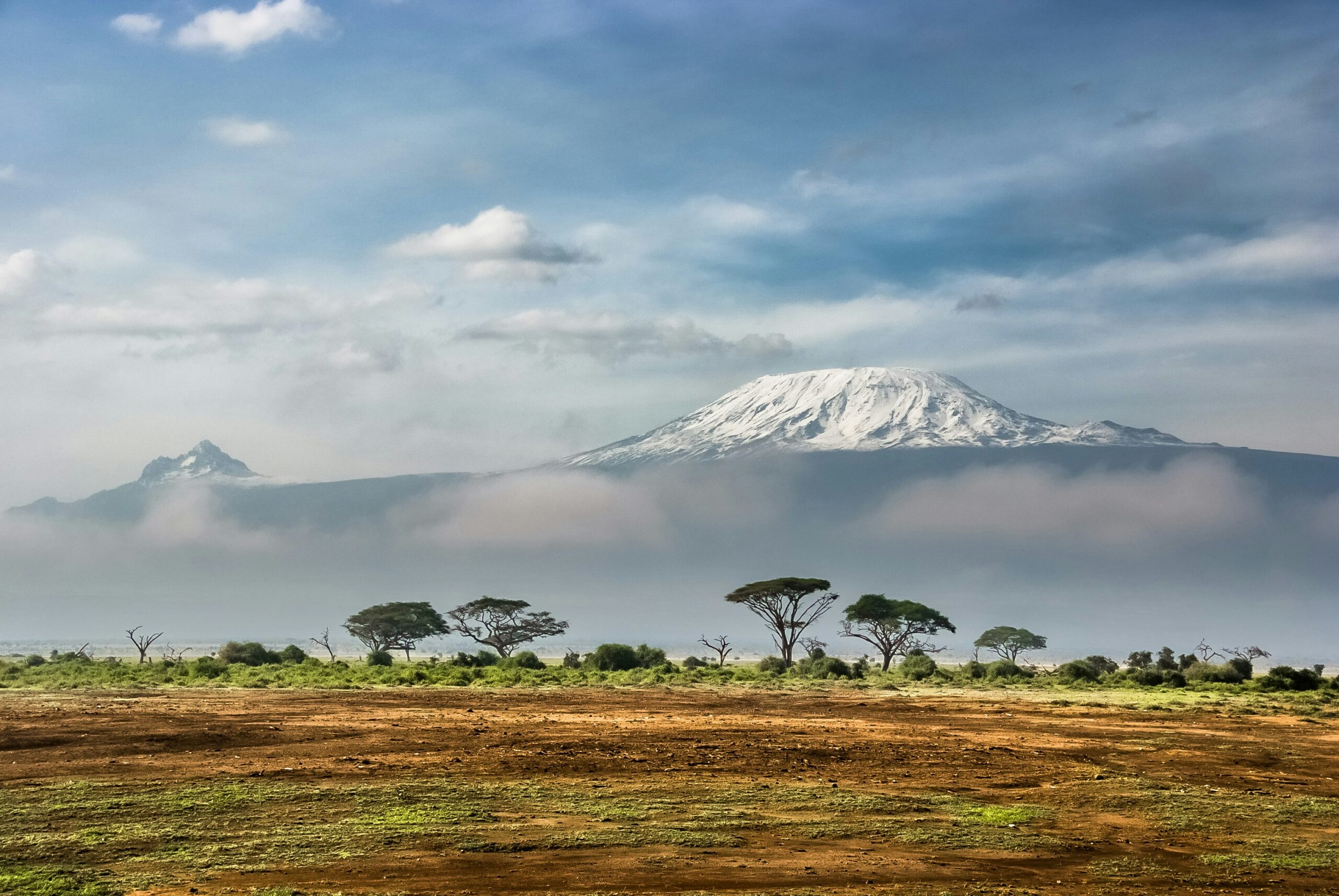
Altitude Acclimatization: How Long It Takes & Safe Ascent Rules
Altitude acclimatization is the body’s adjustment to lower oxygen pressure. The most useful planning rule is not the summit elevation—it is the altitude where you sleep. Once above 3,000 m, current CDC guidance recommends increasing sleeping altitude by no more than about 500 m per night and adding an acclimatization night for every additional 1,000 m gained.
How Long Does Altitude Acclimatization Take?
Your body begins responding within minutes, but the most important acute adjustment for a newly arrived traveler develops over roughly the first 3–5 days. Ventilation increases, the kidneys compensate for the resulting respiratory alkalosis, and oxygenation often improves. Longer-term blood and tissue adaptations continue over weeks.
That does not mean “five days makes you acclimatized to any altitude.” Each new sleeping elevation adds hypoxic stress. A good itinerary therefore controls how fast the sleeping altitude rises rather than counting a fixed number of acclimatization days for the entire mountain.
Medical safety rule
Do not ascend to a higher sleeping altitude while experiencing symptoms of altitude illness. If symptoms worsen despite rest or appropriate treatment at the same elevation, descend. Confusion, loss of coordination, breathlessness at rest or rapidly worsening illness require urgent descent and medical care.
Altitude Acclimatization Planner
The Same Physiology Produces Very Different Mountain Plans
Kilimanjaro builds altitude gradually over days, Everest Base Camp uses repeated lodge stages, Aconcagua uses carries and camp rotations, while Cotopaxi and Pico de Orizaba often require acclimatization elsewhere before a short summit block.
Kilimanjaro · Everest Base Camp · Aconcagua · Cotopaxi · Pico de Orizaba · Teide
The markers show example objectives with different acclimatization problems. They are not route-navigation points.
What Actually Changes When You Acclimatize?
Acute acclimatization is mainly a ventilation-and-kidney story. Red-cell changes matter later, but they do not rescue a rushed weekend itinerary.
Breathing Increases
Lower oxygen pressure stimulates ventilation. Heart rate and breathing effort commonly rise, especially with exertion. This immediate response is normal but does not mean you are already acclimatized.
Acute Acclimatization Builds
Ventilation continues to increase and the kidneys excrete bicarbonate, allowing sustained hyperventilation. This acute phase is the most relevant adaptation window for most trekkers and climbers.
Longer-Term Adaptation Continues
Blood and tissue changes develop over longer exposure. They matter for extended stays and expeditions but are not the primary protection during the first few days after rapid ascent.
Acclimatized does not mean sea-level performance.
Acclimatization improves tolerance and submaximal function, but maximal exercise performance remains lower at altitude. A climber can be appropriately acclimatized and still move much more slowly than at home.

Track Where You Sleep—not the Highest Point You Touch.
A daytime climb to a higher elevation can provide useful exposure. The next night’s sleeping elevation is the variable that should drive the itinerary audit.
Three Rules Should Control the Sleeping-Altitude Plan
CDC’s 2026 Yellow Book summarizes the current Wilderness Medical Society approach for unacclimatized travelers.
When practical, avoid going directly from low altitude to a sleeping altitude of 2,750 m / 9,000 ft or higher in a single day.
Once above 3,000 m / 9,850 ft, increase sleeping altitude by no more than about 500 m / 1,600 ft per night.
Plan an additional acclimatization night for each 1,000 m / 3,300 ft of sleeping-altitude gain.
| Situation | Planning response | Why it matters |
|---|---|---|
| Low altitude → first night ≥2,750 m | Stage the arrival lower when practical, or treat the first 48 hours conservatively. | Abrupt sleeping-altitude gain is a major risk factor for altitude illness. |
| Sleeping above 3,000 m | Keep the next sleeping gain to about 500 m or less. | The night is where prolonged hypoxic exposure occurs. |
| Another 1,000 m accumulated | Add an acclimatization night at the same sleeping altitude. | Gives acute adaptation more time to catch up. |
| Mild symptoms after ascent | Do not move the sleeping altitude higher. | Symptoms override the itinerary. |
| Symptoms worsening at the same altitude | Descend and seek medical care as appropriate. | Worsening illness means the current altitude is not being tolerated safely. |
These are guidance thresholds, not guarantees.
CDC notes that the standard ascent recommendations can still be too fast for some travelers and unnecessarily slow for others. Previous response to a similar altitude and ascent rate is useful planning information, but it does not provide immunity.
Useful Exposure—Not Permission to Make a Bigger Jump Tomorrow
The phrase is valuable when its purpose is understood correctly.
Go Higher
Hike above camp, carry a load to a higher camp or spend part of the day at a higher elevation when the route allows it safely.
Return Lower
Sleep at the lower established camp or village. The higher exposure can be useful without forcing the body to spend the entire night at the new altitude.
Still Respect the Sleeping Gain
A successful acclimatization hike does not erase symptoms or justify a large jump in the next sleeping elevation.

Altitude Acclimatization Has a Fast Phase and a Slow Phase
“How many days?” only makes sense when paired with the altitude at which those days are spent.
| Time after ascent | What is happening | What to do with that information |
|---|---|---|
| First hours | Ventilation and heart rate rise; exertion feels harder; oxygen saturation falls compared with low altitude. | Keep effort modest after abrupt arrival and do not judge the trip from the first afternoon. |
| First 24–48 hours | Acute response is still early; sleep may be poor and AMS symptoms can emerge after the first night. | Use conservative activity and symptom monitoring. |
| Days 3–5 | Ventilatory acclimatization and renal compensation are much more established. | This is why staged ascent and extra nights materially improve an itinerary. |
| After the first week | Adaptation continues, but performance remains below sea-level levels. | Continue controlling sleeping-altitude gain rather than assuming the problem is solved. |
| Weeks | Longer-term hematologic and tissue adaptations continue. | Important to longer expeditions, not a substitute for sensible early ascent. |

Aconcagua Makes the Sleeping-Altitude Logic Visible.
Carry higher, return lower, then move camp only after the higher elevation has become part of the body’s recent exposure history. That is “climb high, sleep low” turned into expedition structure.
Run These Six Checks Before You Call an Itinerary “Acclimatized”
Turn the route into a sequence of sleeping elevations and inspect the jumps.
First Night
Are you flying or driving directly from low altitude to a sleep above about 2,750 m? If yes, the first 48 hours deserve extra conservatism.
Every Night Above 3,000 m
Calculate the sleeping-elevation gain from the previous night. Flag gains greater than about 500 m.
Each 1,000 m Block
Look for an added acclimatization night as the cumulative sleeping altitude rises another 1,000 m.
Acclimatization Days
Ask whether the “rest day” allows an easy higher walk followed by sleep at the same elevation when symptoms are absent.
Escape Route
Know how you will descend if symptoms worsen. A good profile is less forgiving when weather, terrain or logistics make descent difficult.
Individual History
Factor in prior response to a similar altitude and ascent rate. Being strong, young or aerobically fit does not remove altitude-illness susceptibility.
Simple worksheet
For every day, write four numbers: starting sleeping altitude → highest daytime altitude → ending sleeping altitude → sleeping gain from the previous night. The summit elevation belongs in the plan, but it should not hide an aggressive sequence of overnight gains below it.
Five Common Acclimatization Problems—and the Mountain Type That Exposes Each One
These are planning patterns, not substitute itineraries. Use the route-specific guide and current operator plan for the actual elevations.
| Mountain pattern | Typical challenge | What a good plan emphasizes |
|---|---|---|
| Kilimanjaro | Continuous upward trekking with limited ability to retreat to a city between stages. | Longer route, modest sleeping gains, easy pace and higher daytime excursions where built into the route. |
| Everest Base Camp | Repeated lodge-to-lodge sleeping gains across a two-week trek. | Extra nights around key stages and daytime acclimatization walks without moving sleep higher. |
| Aconcagua | High camps above 4,000–5,000 m with load carries and expedition logistics. | Carry high / sleep low rotations, conservative camp moves and enough buffer to hold altitude when needed. |
| Cotopaxi / Chimborazo | Short summit programs attached to very high refuges. | Build acclimatization on lower Ecuador peaks before the summit block rather than expecting one refuge night to do the work. |
| Pico de Orizaba | Short commercial climb where travelers may arrive from much lower elevations. | Use Mexico City, Puebla, lower volcanoes or other recent altitude before moving to high camp. |

Cotopaxi Shows Why “Two-Day Climb” Can Be a Misleading Phrase.
The summit block may be short, but a sensible plan builds altitude beforehand. The real acclimatization itinerary often begins days before the climber reaches the refuge.
Can You Pre-Acclimatize?
Yes—but recent real altitude has a cleaner evidence base than many marketing claims around simulated altitude.
Recent Real Altitude
CDC notes that spending at least two nights above about 2,750 m within the prior 14 days can be useful. Exposure closer to departure is generally more useful.
Staged Arrival
Arriving first at a moderate-altitude city, trailhead or lower camp can create useful real-world exposure before the route’s biggest sleeping jumps.
Altitude Tents
Simulated altitude can be part of a plan, but it should not be used as permission to ignore conservative sleeping-altitude progression once the real trip begins.

Train for the Workload. Acclimatize for the Oxygen.
A strong aerobic engine helps you move uphill, carry weight and recover between days. It does not reliably predict who develops AMS.
Mechanical and Metabolic Work
- Long uphill days
- Loaded pack carrying
- Back-to-back effort
- Movement efficiency
- Recovery from normal exertion
Individual Altitude Susceptibility
- AMS risk from rapid ascent
- HAPE/HACE susceptibility
- Need for sleeping-altitude control
- Need to stop ascending when symptomatic
- Need for descent when illness worsens
Symptoms Override the Schedule
The most important altitude decisions are simple enough to make before the trip.
Do not climb yourself into a medical problem.
- New altitude symptoms: do not ascend to a higher sleeping altitude.
- Symptoms improving at the same altitude: remain conservative and resume ascent only when the person is well enough to do so.
- Symptoms worsening at the same altitude: descend.
- Confusion, impaired coordination, breathlessness at rest or major deterioration: treat as an emergency requiring urgent descent and medical care.
This page intentionally does not prescribe medication doses. Prevention, diagnosis and treatment decisions belong in a dedicated altitude-illness resource and, when relevant, a clinician discussion before travel.

A Rest Day Is Not “Lost Time” When It Prevents the Next Camp From Becoming the Problem.
The fastest safe itinerary is the one your body is actually tolerating—not the one that looked efficient when it was booked months earlier.
Seven Acclimatization Ideas That Cause Bad Decisions
Most errors happen when one useful concept is pushed too far.
Fitness improves climbing performance but does not reliably reduce susceptibility to altitude illness.
One oxygen-saturation reading does not diagnose or rule out AMS. Symptoms, recent ascent and clinical context matter more.
Dehydration can worsen how you feel, but excess water is not a substitute for gradual ascent.
When symptom-free, an easy higher daytime walk followed by sleep at the same elevation can be useful. The purpose is controlled exposure, not fatigue.
No. The next sleeping-altitude gain still matters.
Past response is useful evidence but not immunity. Rate of ascent and health status can differ.
Medication may be appropriate in specific circumstances, but it does not make an aggressive ascent profile automatically safe.
Altitude Acclimatization FAQ
Direct answers to the main planning questions behind high-altitude travel.
What is altitude acclimatization?
Altitude acclimatization is the set of physiological adjustments that helps the body tolerate lower oxygen pressure after ascent. The most important acute changes for travelers involve increased ventilation and renal compensation over the first several days.
How long does it take to acclimatize to altitude?
The crucial acute phase develops over roughly the first 3–5 days after ascent, but adaptation continues beyond that. Every new sleeping elevation creates additional stress, so there is no single number of days that fully acclimatizes someone to an entire mountain.
How fast should I increase my sleeping altitude?
CDC guidance reflecting Wilderness Medical Society recommendations says that once above 3,000 m, sleeping altitude should generally increase by no more than about 500 m per night, with an extra acclimatization night for each additional 1,000 m gained.
What does climb high, sleep low mean?
It means spending part of the day at a higher elevation and returning lower to sleep. The daytime exposure can be useful, but it does not justify ignoring the next night’s sleeping-altitude gain.
Does being very fit prevent altitude sickness?
No. Fitness helps with the physical workload but does not reliably predict susceptibility to acute mountain sickness.
Should I keep ascending if I have altitude symptoms?
Do not ascend to a higher sleeping altitude while symptomatic. If symptoms worsen despite rest or appropriate treatment at the same elevation, descend and seek medical care as appropriate.
Can a pulse oximeter tell me if I am acclimatized?
It can provide context and trends, but a single oxygen-saturation reading cannot diagnose or rule out acute mountain sickness. Symptoms, timing after ascent and the overall clinical situation matter more.
Can I pre-acclimatize before a trip?
Yes. CDC notes that spending at least two nights above about 2,750 m within the prior 14 days can be useful, with exposure closer to departure generally more useful. Pre-acclimatization does not replace a sensible ascent profile on the trip itself.
Medical Guidance Is Anchored to Current High-Altitude Standards
This guide stays focused on acclimatization and itinerary design. Medication, diagnosis and treatment deserve separate medical guidance.
Educational scope
Altitude response varies substantially between people. This guide is not a diagnosis, prescription or individualized medical clearance. People with significant medical conditions, prior severe altitude illness or questions about preventive medication should discuss their itinerary with a clinician familiar with high-altitude medicine.
Altitude Risk, Itinerary Design, Training & Final Preparation
Use this guide to set the sleeping-altitude rules, then move into the connected planning pages that answer the next question.
Build the Trip Around the Nights.
If you can see every sleeping elevation, every large jump and every hold day on one page, acclimatization stops being an abstract concept and becomes a controllable part of the climb.
Was this helpful?
🏔Related training
🧭Explore & compare
Global Summit Guide is an independent mountaineering resource founded in 2026. The team combines first-hand trekking and climbing experience with in-depth research and professional health and nutrition review to help climbers choose objectives, prepare properly, and stay safe.
Health, altitude, and nutrition content is reviewed by Taylor Ludlow (Registered Nurse) and Brigg Hoopes (Nutritionist).
What We Don't Know Yet
Mountain information changes quickly. This box explains the limits of what this page can responsibly promise.
- Fitness and altitude response vary by person; no guide, itinerary, or training plan can guarantee acclimatization or summit success.
- Visa, passport, vaccination, border, insurance, and local transportation rules may change before your trip.
- Route conditions, snowpack, closures, and weather can change quickly after this page is updated.
- Permit rules, fees, quotas, and reservation windows may change between review cycles.
- Operator availability, pricing, guide ratios, and cancellation terms can change by season.
Verify current conditions with official land managers, guide services, local forecasts, and current route reports before booking or climbing.
Mountaineering, rock and ice climbing, glacier travel, and high-altitude activity are inherently dangerous and can result in serious injury or death. The information on Global Summit Guide is provided for general informational and educational purposes only and is not a substitute for professional instruction, qualified guiding, proper equipment, or your own judgment and experience.
Route conditions, weather, snowpack, permits, regulations, and hazards change constantly and may differ from what is described here. Details may be incomplete, out of date, or contain errors. Always verify current information with local authorities, certified guides, and official sources before making any decision in the mountains.
Nothing on this site is medical, legal, or financial advice. Our fitness, acclimatization, altitude, and nutrition content is general in nature; consult a qualified physician before beginning any strenuous exercise program or exposing yourself to high altitude.
You are solely responsible for your own safety and decisions. To the fullest extent permitted by law, Global Summit Guide and its team accept no liability for any loss, injury, damage, or expense arising from use of, or reliance on, this information. By using this site you acknowledge these risks and accept these terms.
Some links on this site may be affiliate links. If you buy through them we may earn a small commission at no extra cost to you; this never affects our recommendations.
Global Summit Guide recommendation path
Next Best Mountain to Research
Use these recommendations to continue the right planning path instead of stopping on one page.
Use current permit, weather, route, and operator information before booking or climbing.