<

Tag: altitude acclimatization

  • Kilimanjaro Lemosho Route: our 7-day trip report with Peak Planet

    Kilimanjaro Lemosho Route: our 7-day trip report with Peak Planet

    Written byGlobal Summit Guide Editorial Team Climbed

    Trip Reports / Kilimanjaro

    Kilimanjaro Lemosho Route: our 7-day trip report with Peak Planet

    7
    Days on the Mountain
    5,895m
    Uhuru Peak Summit
    70km
    Total Distance
    −15°C
    Summit Night Cold
    Part of the Master Guide This trip report is part of our comprehensive mountaineering reference — browse all guides across 12 clusters from one hub. Visit the Hub →

    In July 2025 we climbed Kilimanjaro via the Lemosho route with Peak Planet, summiting Uhuru Peak at sunrise on July 25. This is the day-by-day account of how that climb actually unfolded — what worked, what we didn’t expect, what surprised us, and the small details (frozen water bottles, the food, the exact moment summit night gets hard) that the guidebooks tend to skip. If you’re planning a Kilimanjaro climb on Lemosho or considering Peak Planet as your operator, our hope is that this report gives you the real version, not the marketing one. For the full route comparison and planning context, see our Kilimanjaro climbing guide and the broader master mountaineering hub.

    Route Lemosho · 7 days
    Operator Peak Planet
    Season July 2025 · dry
    Summit date July 25, 2025
    Result Uhuru Peak reached
    Conditions Clear · −15°C summit

    Why we chose Lemosho

    Kilimanjaro has seven established routes, and the choice between them is the single biggest decision a climber makes after picking an operator. We spent weeks comparing options before landing on Lemosho. The decision came down to three factors: success rate, scenery, and acclimatization profile. Lemosho approaches from the west across the Shira Plateau, which means more days at moderate altitude before the summit push. Statistically, that translates to one of the highest success rates of any Kilimanjaro route — around 90% on the 8-day version, mid-80s on the 7-day. We’ve broken down all the route tradeoffs in our how long does it take to climb Kilimanjaro guide, but the short version: Lemosho’s longer approach is what makes it work.

    The scenery argument is real too. Lemosho passes through five distinct ecosystems on the ascent: rainforest, heather, moorland, alpine desert, and arctic summit zone. We’d read trip reports describing the Shira Plateau as one of the most beautiful walks in African mountaineering, and that turned out to be accurate.

    Our Operator

    Peak Planet — what they got right

    Peak Planet runs guided Kilimanjaro climbs with a focus on small group sizes, strong guide-to-climber ratios, and KPAP-verified porter wages. We climbed with them in July 2025 and they were genuinely excellent. The food was consistently good. The guides knew the mountain at the level you want — they read altitude symptoms in our group accurately, paced the climb with the right kind of “pole pole” patience, and made the summit night decisions confidently. Communication before the trip was clear, gear lists were comprehensive, and the team was visible and present at every camp.

    Group sizeSmall group format
    Porter ethicsKPAP-verified wages
    Guide qualityWilderness First Responder certified
    FoodHot meals at every camp

    We don’t earn anything from this recommendation — we paid the same price any other client pays. But after climbing with them and watching how they treated their porter teams, how their guides handled altitude problems in the group, and how the kitchen team produced quality meals at 4,600m, we’d recommend them without reservation to anyone considering Kilimanjaro.

    Day-by-day: how the climb unfolded

    The Peak Planet 7-day Lemosho itinerary follows the standard camp progression: Mti Mkubwa (Big Tree) → Shira 1 → Shira 2/Moir Hut → Barranco → Karanga or Barafu → Barafu summit night → Uhuru → Mweka. Here’s how each day actually felt.

    I

    Londorossi Gate to Mti Mkubwa Camp

    Rainforest ascent · 6 km · 4 hours
    2,360m → 2,780m +420m gain

    The first day is more about logistics than altitude. We met the team at the hotel in Moshi, did the long drive around the western side of the mountain to Londorossi Gate (about 3 hours from town), and then sorted permits and porter loads for what felt like another hour. The actual hike from the trailhead to Mti Mkubwa Camp is short but immersive — dense rainforest with colobus monkeys, dripping moss, and the kind of humid green light you only get inside an equatorial forest.

    By the time we rolled into camp, the porter team had already pitched our tents, laid out the mess tent, and started water boiling for tea. We’d been told this would happen but seeing it the first time still felt remarkable — that team carries everything in on foot, gets there ahead of you, and has camp standing when you arrive. Dinner was hearty: soup, a hot main course, fresh fruit. We slept well at 2,780m, which is barely altitude — for context on what altitude actually does to the body once you’re climbing higher, see our altitude sickness guide.

    II

    Mti Mkubwa to Shira 1 Camp

    Rainforest to moorland · 8 km · 5–6 hours
    2,780m → 3,505m +725m gain

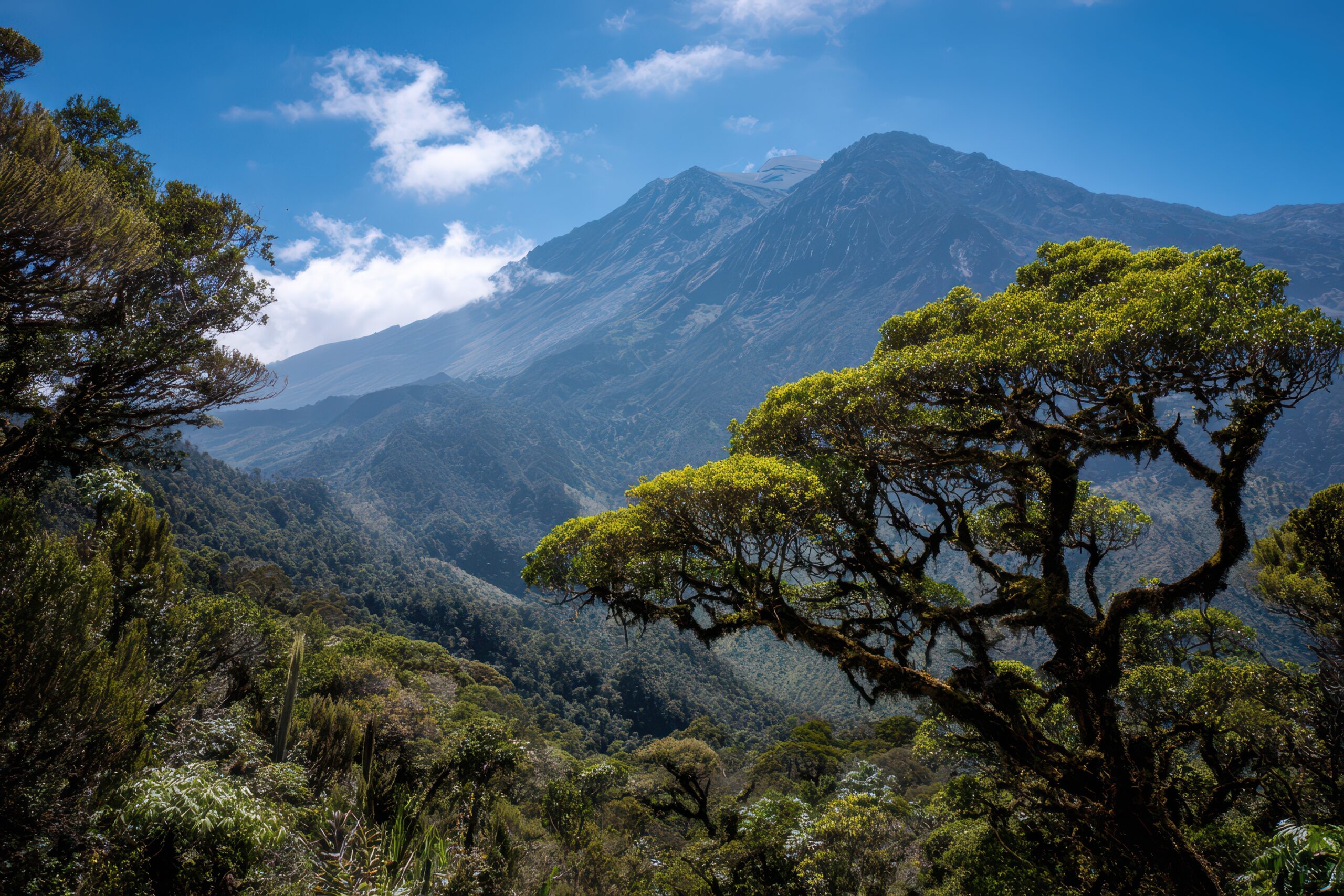
    The day where the landscape transformed completely. We climbed steadily out of the rainforest into the heather and moorland zones, with the trees getting shorter and shorter until they disappeared entirely and we were walking across open ground covered in giant lobelia and senecio plants — the strange tree-ferns that look prehistoric. By midday we were on the Shira Plateau, which is genuinely one of the most beautiful walks any of us had ever done. Open sky in every direction, Kibo (the summit cone) visible for the first time across the plateau, and a sense of scale that no photograph captures.

    This was also the first day where we started feeling altitude. Nothing dramatic — slight breathlessness on steeper sections, a mild headache that passed with hydration and a ginger tea — but enough to remember we were moving toward 4,000m fast. Shira 1 sits at 3,505m and we slept comparatively well there, with a “climb high, sleep low” acclimatization built into the route’s design. Our acclimatization approach, including the climb-high-sleep-low principle, is covered in detail in our altitude acclimatization guide.

    III

    Shira 1 to Shira 2 / Moir Hut

    Plateau crossing · 11 km · 5–6 hours
    3,505m → 3,900m +395m gain

    A long, gentle day across the Shira Plateau itself. The walking was easy — the trail rolls more than climbs — but the altitude started becoming a more consistent presence. By late morning most of us were on a slower cadence than we’d kept the previous days, breathing deliberately and drinking constantly. The guides set a pace that felt almost glacial at first (“pole pole” — slowly, slowly, in Swahili) and we resisted it for the first day before realizing it was the exact right speed. Climbers who push faster on these middle days are the ones who blow up on summit night.

    We arrived at Shira 2 in the early afternoon and had an acclimatization walk up to about 4,200m before returning to camp for dinner. The group was tightening up — by Day 3 you know who’s strong, who’s struggling, who eats well, who doesn’t. We were eating well, which mattered more than we realized at the time.

    IV

    Shira 2 to Barranco Camp via Lava Tower

    Climb high, sleep low · 10 km · 6–7 hours
    3,900m → 4,640m → 3,960m +740m / −680m

    The hardest acclimatization day on the Lemosho route, and intentionally so. We climbed through the alpine desert zone up to Lava Tower at 4,640m, ate lunch there in cold wind with the air noticeably thinner, and then descended a long, knee-pounding 700 meters down to Barranco Camp at 3,960m. Climbing high and sleeping low forces your body to start producing more red blood cells without sustained altitude exposure that would risk acute mountain sickness. Done correctly, it’s the day that makes the rest of the climb work.

    It also felt rough. The combination of altitude at Lava Tower, the long descent on tired legs, and the cumulative fatigue of three previous days hit pretty much everyone at some point. But by the time we got to Barranco — sitting in a beautiful cirque under the Western Breach with the Barranco Wall rising directly behind camp — most of us felt better than we had at lunch. The tent and a hot dinner repaired a lot. For climbers who want to understand the physiology behind why this day works, our high-altitude training program covers acclimatization principles in detail.

    V

    Barranco to Karanga Camp via Barranco Wall

    Wall scramble + ridges · 5 km · 4–5 hours
    3,960m → 3,995m +35m net (deceptive)

    The Barranco Wall is famous and deserves it. From Barranco Camp the trail climbs straight up a 250-meter rock and dirt face that requires hands-on scrambling in places — nothing technical, but more vertical than anything we’d done so far. There’s a section called the Kissing Rock where you press your chest against a vertical face to shuffle around an exposed corner. The whole wall takes about 90 minutes from camp to top.

    What makes the day tough isn’t the wall itself — it’s everything after. From the top of the wall, the trail rolls across a series of ridges and valleys with substantial up-and-down before reaching Karanga Camp. The net elevation gain is almost zero on paper, but the actual day involves probably 600-700m of cumulative climbing. We were tired by the time we got to Karanga, more tired than we’d been on Day 4. Karanga is also where appetites started visibly dropping in the group — a few people ate light at dinner, which is a warning sign at this altitude. Frostbite risk also starts becoming real here as temperatures drop overnight; our frostbite prevention guide covers the warning signs that matter most.

    VI

    Karanga to Barafu Camp · Rest before summit night

    Approach to summit base · 4 km · 3–4 hours
    3,995m → 4,673m +678m gain

    Short day, deliberately. The hike from Karanga to Barafu Camp climbs through the alpine desert across exposed scree slopes, with views of the summit cone looming closer with every hour. Barafu means “ice” in Swahili, and the camp sits on a rocky shoulder at 4,673m where the wind never really stops. We rolled in around 1pm, ate lunch, and were told to sleep until dinner.

    That’s the recipe for summit night: arrive at Barafu with as much daylight rest as you can bank, eat a substantial dinner around 5–6pm, sleep again until 10:30pm, then wake to start the climb at 11pm or midnight. We managed maybe two hours of patchy sleep total across the afternoon and early evening. The wind buffeted the tent the whole time. Nobody slept well.

    VII

    Summit night · Barafu to Uhuru Peak to Mweka

    The day that decides everything · 21 km · 14+ hours
    4,673m → 5,895m → 3,100m +1,222m / −2,795m

    We left Barafu just after 11pm on July 24 in a line of headlamps moving slowly upward through the dark. The temperature dropped fast above camp — we’d started the climb in three layers and were in five by 5,000m. The route from Barafu to Stella Point follows scree slopes that switchback up the southern flank of Kibo for about 1,000 vertical meters. There’s nothing technical about it. What makes it hard is the combination of altitude, cold, sleep deprivation, and the duration: six to eight hours of unbroken upward movement in the coldest hours of the night.

    Around 5,500m the wind picked up. The cold became something we were managing actively rather than passively — wiggling toes on every break, keeping water bottles inside our parkas, switching gloves before fingers numbed. By the time we reached Stella Point at 5,756m, the sun was just starting to lighten the eastern horizon over the curve of Mawenzi peak.

    A moment we won’t forget

    “At Uhuru Peak just after sunrise on July 25, 2025, the first thing we did was reach for water — and discovered that both of our insulated Nalgene bottles had frozen completely solid. We’d put them away two hours earlier still liquid. The cold at the summit was different from anything below — not just numbers on a thermometer, but a specific, hostile quiet that made you understand immediately why Kilimanjaro guides obsess about summit night gear.”

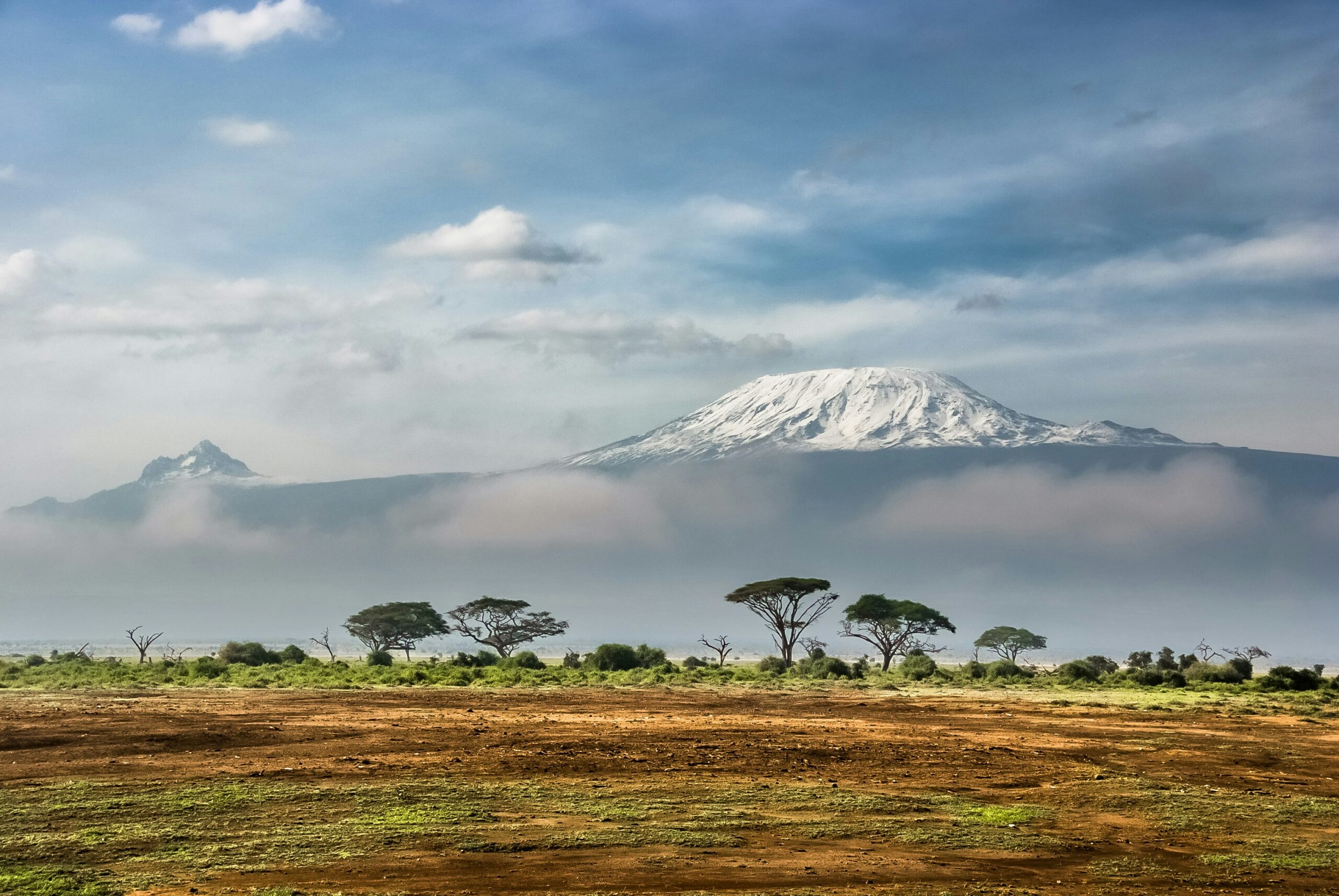
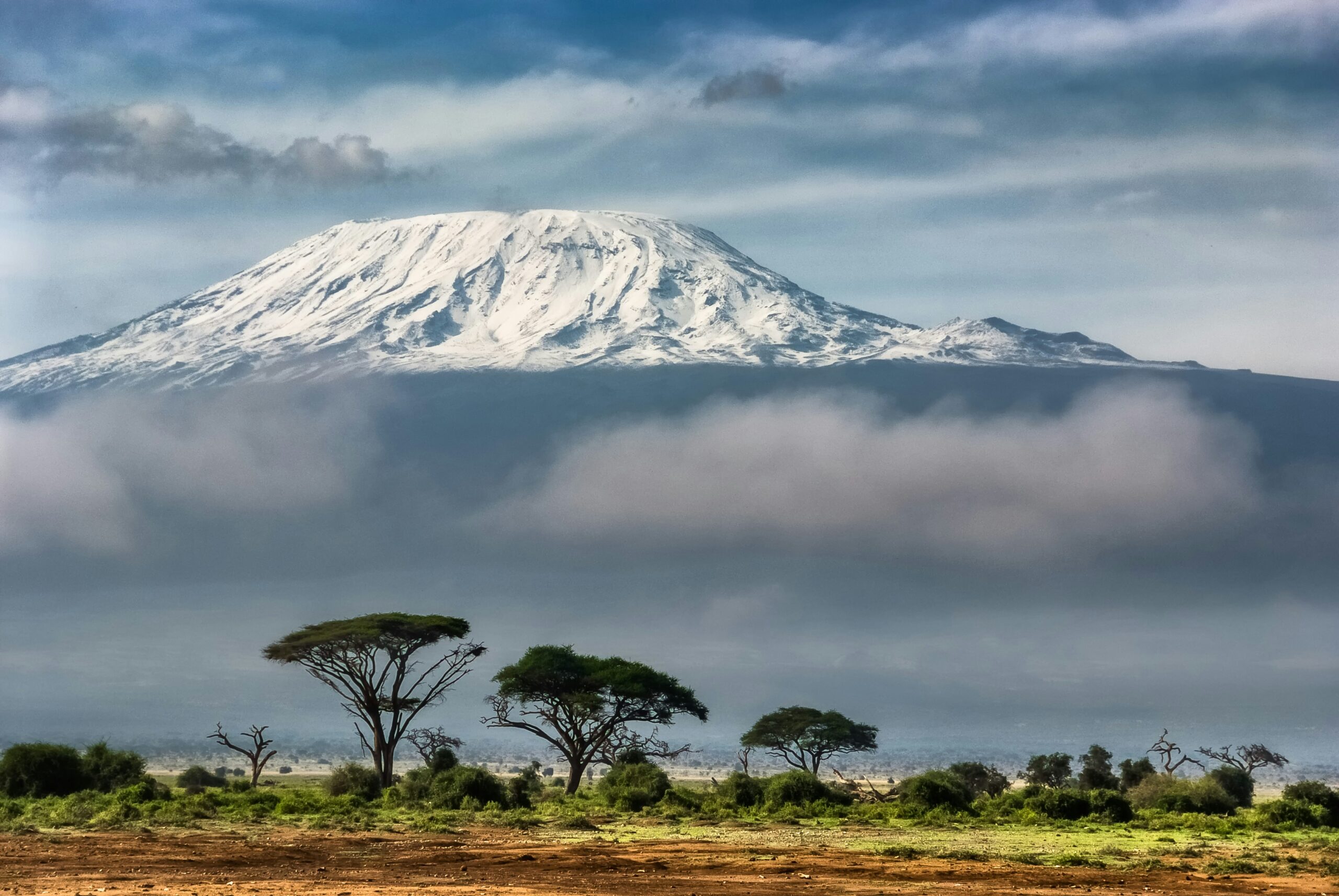
    From Stella Point, the trail rolls along the crater rim for about 45 minutes to Uhuru Peak — Kilimanjaro’s true summit at 5,895m, the highest point in Africa. We summited in clear conditions just after sunrise, with views all the way down to the savannah and across to Mt. Meru in the distance. The summit signs were exactly as photographed by every Kilimanjaro climber before us. We took the same photos. We hugged the guides who got us there. The sense of standing on the highest point in Africa is hard to put into words, but for the broader 7-Summits context Kilimanjaro fits into, our Seven Summits guide covers how each continental high-point relates to the others.

    The descent is its own challenge. From Uhuru you retrace the route to Stella Point, then descend the scree slopes back to Barafu — 1,200 vertical meters down on tired knees. We arrived at Barafu around 10:30am, ate a late breakfast, packed up, and continued descending another 1,500m to Mweka Camp at 3,100m for the night. By the time we collapsed into our tents at Mweka, we’d been moving for roughly 14 hours and descended close to 2,800 vertical meters. Sleep came easily.

    Frozen water on summit night

    Our biggest practical lesson from the climb: even insulated Nalgenes inside packs will freeze on summit night. Hot water from camp before the 11pm start, bottle-cap-down storage so the cap stays liquid, and a wool sock around each bottle is the standard summit-night protocol. Hydration bladders freeze in the hose within 20 minutes — bottles only. We’ll be more aggressive with hot fills next time.

    What worked, what we’d do differently

    Looking back across the seven days, a handful of decisions and details stand out. Some we got right by luck or guidance; some we’d change for next time. The full breakdown of expedition prep we used is in our master mountaineering guide.

    + What worked

    Pole pole pacing from Day 1

    Resisting the urge to push faster on early days kept us all eating, sleeping, and acclimatizing well. Climbers who pushed pace on Days 2–4 were the ones who struggled later. Our altitude breathing techniques guide covers why slow cadence works.

    + What worked

    Eating beyond appetite

    Above 4,000m, appetite drops hard. We made it a rule to finish the protein and starch on every plate even when we weren’t hungry. Energy on summit night came directly from the calories banked at Karanga and Barafu.

    + What worked

    Hydration discipline

    Three to four liters per day, every day. Headaches that started on Day 2 disappeared after we got serious about fluid intake. Tea at every meal helped enormously.

    + What worked

    Trusting Peak Planet’s guides

    The guides paced summit night, called turn-around points for one climber who needed to descend, and read the group’s altitude symptoms accurately. Their judgment carried us when ours was compromised by exhaustion.

    − What we’d change

    Bring expedition mittens, not just gloves

    Our heavyweight gloves were sufficient down to about −10°C. Above 5,500m we wished for mittens with hand warmers. Layered gloves are a compromise; mittens are the right answer for Kilimanjaro summit night.

    − What we’d change

    Hot water in thermoses for summit

    We carried Nalgenes filled with hot water and they still froze. Next time we’d use a vacuum-insulated thermos for at least one of the summit-night liquids — the kind that keeps water hot for 12+ hours.

    − What we’d change

    One more day of acclimatization

    The 7-day Lemosho works, but the 8-day version with a Karanga rest day produces meaningfully better summit success and a less brutal summit night. If we did Kilimanjaro again, we’d take the extra day.

    − What we’d change

    More rest at Barafu

    The wind made sleep at Barafu nearly impossible. Earplugs and a real eye mask would help. Even an extra hour of horizontal time before summit night would have made the climb easier.

    The food, the team, the parts you don’t see in trip reports

    Most Kilimanjaro trip reports focus on the trail, the summit, and the gear. The thing that quietly defined our climb was the team that made it possible — the porters, cooks, and guides who turn a wilderness into a livable expedition.

    The food on Peak Planet’s climb was genuinely good. Hot soups for lunch every day, even at 4,600m. Hearty breakfasts of porridge, eggs, sausage, fresh fruit, and tea. Dinners that included a real protein (chicken, beef, or fish), a starch (rice, pasta, ugali), and vegetables. Birthday cake — actual cake — produced from a kitchen tent at 3,900m on a teammate’s birthday. We have no idea how the cook team baked a cake at altitude, and we never asked because the answer would somehow have made it less magical.

    The porter team carried our duffel bags, the tents, the kitchen equipment, the food, the water — everything. They moved faster than we did, set camp before we arrived, and then carried it all again the next morning. Peak Planet runs KPAP-verified porter wages, which means the team is being paid the standard the Kilimanjaro Porters Assistance Project considers ethical. This matters. The Kilimanjaro porter system has a complicated history we’ll cover in detail in a future story-cluster post, but for the climber considering an operator: ask whether the company is KPAP-registered before you book.

    What this climb cost and what we’d budget for next time

    We’ve broken down Kilimanjaro costs in detail in our dedicated Kilimanjaro cost guide, but here’s the rough shape of what a Peak Planet 7-day Lemosho climb runs in 2025-2026 dollars: $2,500-3,500 per climber for the climb itself (depending on group size), plus $300-500 in mandatory tipping for guides and porters, plus international flights and Tanzania visa, plus 1-2 nights in Moshi or Arusha before and after, plus gear (rented or owned). Total trip cost from a North American departure typically lands in the $4,500-6,500 range.

    The hidden costs — the ones we’d flag for first-time Kilimanjaro climbers — are the gear category and the post-trip fatigue. Quality gloves, a real summit parka, properly broken-in boots, and a good headlamp are not optional. Renting some items in Moshi works for some pieces (down jackets, gaiters) but not for boots and gloves. We covered the full kit in our mountain climbing gear list, the boot-specific tradeoffs in our mountaineering boots guide, and the layering strategy in our layering systems guide. For climbers thinking about Kilimanjaro as their first major peak in a longer mountaineering journey, our master mountaineering hub indexes everything from beginner trekking peaks through 8,000m expeditions.

    Continue reading: our full Kilimanjaro coverage

    This trip report is one piece of our broader Kilimanjaro content. If you’re planning a climb, these are the guides we’d recommend reading next:

    ★ Master Resource

    Every guide, one navigation point

    This Lemosho trip report is part of a comprehensive mountaineering reference covering gear, training, altitude, routes, peak-specific planning, and field reports across all 7-Summits and beyond. Our master hub indexes every guide in one place.

    Browse the Complete Guide →

    Frequently asked questions about climbing Kilimanjaro Lemosho

    How long is the Lemosho route on Kilimanjaro?

    The Lemosho route runs 70 kilometers (43 miles) round-trip from the Londorossi Gate trailhead at 2,360m to Uhuru Peak at 5,895m and back down to Mweka Gate at 1,640m. Most operators run Lemosho as either a 7-day or 8-day itinerary. The 8-day version adds an acclimatization day at Karanga Camp and produces meaningfully higher summit success rates. Our trip ran the 7-day Peak Planet itinerary.

    What is the success rate on the Lemosho route?

    Lemosho is one of Kilimanjaro’s highest-success-rate routes because of its long approach and natural acclimatization profile. Operators report 90-95% success rates on the 8-day version and 85-90% on the 7-day version, compared with 60-65% on the 5-day Marangu route. The route’s western approach across the Shira Plateau gives climbers two extra days above 3,500m before the summit push.

    How cold is Kilimanjaro on summit night?

    Kilimanjaro summit night temperatures typically run between -7°C and -20°C (20°F to -4°F) at Uhuru Peak depending on the season, with wind chill pushing the felt temperature significantly lower. Our July 2025 summit had cold enough conditions that water bottles froze solid at the top despite being inside packs. Insulated bottles or hot water in thermoses are essential. Hydration bladders freeze in the hose almost immediately on summit night.

    Why did our water bottles freeze on Kilimanjaro?

    Water bottles freeze on Kilimanjaro summit night because temperatures at Uhuru Peak routinely drop to -10°C to -20°C and the summit push lasts 6-8 hours. Even insulated Nalgenes inside backpacks can freeze in this combination of extreme cold and prolonged exposure. The standard solution is filling bottles with hot water before the 11pm-midnight start, carrying them inside a parka, and storing them upside-down so the cap stays liquid even as the bottom begins to ice.

    Is Peak Planet a good Kilimanjaro operator?

    Peak Planet is a well-regarded mid-tier Kilimanjaro operator with consistent reviews for guide quality, food, and porter treatment. Our July 2025 climb with them was excellent — knowledgeable guides, generous portions of locally-cooked food, and clear safety protocols throughout. They run KPAP-verified porter wages, which matters ethically. Pricing sits in the $2,500-3,500 range per climber depending on group size and itinerary length.

    What should you eat on Kilimanjaro?

    Kilimanjaro climbing diets emphasize easily-digested carbohydrates, mild flavors that work for upset altitude stomachs, and high caloric density. Quality operators serve cooked meals in mess tents at every camp — typically pasta, rice, soups, stews, eggs at breakfast, and copious tea. As altitude increases above 4,000m, appetites suppress significantly — climbers should eat what they can even when not hungry to maintain energy reserves for summit night.

    What’s the best month to climb Kilimanjaro?

    July through October is the most popular Kilimanjaro climbing window because it falls in Tanzania’s dry season with stable weather, clear summit views, and minimal trail rain. January and February offer warmer temperatures and less crowded trails. March-May (long rains) and November (short rains) have meaningfully wetter conditions and lower success rates. Our July climb had ideal conditions throughout.

    What gear is essential for Kilimanjaro summit night?

    Kilimanjaro summit night essentials include a heavyweight down or synthetic parka, insulated mountaineering pants, four-layer top system, balaclava, expedition-weight gloves with liner gloves (mittens are better), double-layer socks, a sub-zero rated headlamp, and insulated water bottles or thermos. Hand and toe warmers are practical insurance. The summit push leaves Barafu Camp around 11pm-midnight and reaches Uhuru just after sunrise, meaning you climb in the coldest hours of the night for 6-8 hours straight.

  • Altitude Acclimatization Explained: The Science Behind “Climb High, Sleep Low”

    Altitude Acclimatization Explained: The Science Behind “Climb High, Sleep Low”

    Cluster 08 · Altitude, Training & Physiology · Updated April 2026

    Altitude Acclimatization Explained: The Science of Climb High, Sleep Low

    How your body actually adapts to high altitude — the three-phase physiology of acclimatization, ascent rate rules that work, and the climb-high-sleep-low protocol every serious climber lives by. This is the science companion to our altitude sickness guide: less about symptoms, more about the adaptation process itself and how to optimize it.

    3
    Phases of
    adaptation
    300–500
    Meters/day
    ascent rule
    7–14
    Days to
    acclimatize
    10–20%
    RBC
    increase
    Global Summit Guide A guide in Cluster 08 · Altitude, Training & Physiology View master hub →

    Acclimatization is the single most important concept in high-altitude mountaineering — and the single most misunderstood. Most climbers know they’re supposed to “go slow” at altitude, but few understand why a gradual ascent works while rapid ascent fails, what their bodies are actually doing during a rest day, or why fitness and willpower can’t compensate for skipping acclimatization. This guide breaks down the three physiological phases of altitude adaptation, the evidence behind the climb-high-sleep-low protocol, the ascent rate rules endorsed by the Wilderness Medical Society, and why individual response to altitude varies by factors of 10 between people. For altitude illness symptoms and treatment, see our altitude sickness guide. This post focuses on adaptation itself.

    How this guide was built

    Content reflects peer-reviewed altitude medicine research from the Wilderness Medical Society, International Society for Mountain Medicine, and High Altitude Medicine & Biology journal. Ventilatory and hematologic acclimatization data sourced from Hackett & Roach’s foundational altitude medicine research. Ascent rate protocols verified against WMS 2019 Practice Guidelines for Acute Altitude Illness. Pre-acclimatization strategies cross-referenced with Hypoxico and Altitude Tech clinical studies. Reviewed by practicing altitude medicine physicians with expedition experience on Everest, Denali, and Aconcagua. Fact-check date: April 19, 2026.

    What Acclimatization Actually Is

    Altitude acclimatization is not a single change but a cascade of physiological adaptations that occur over hours, days, and weeks. Your body responds to reduced oxygen availability through coordinated changes in breathing, circulation, blood chemistry, and cellular function. Understanding this cascade explains why acclimatization can’t be rushed and why proper protocols produce predictable results.

    Why altitude challenges the body

    At sea level, air pressure pushes oxygen into your lungs efficiently. At altitude, atmospheric pressure drops — the oxygen percentage in air stays the same (~21%), but each breath delivers fewer molecules. At 5,500 m (18,000 ft), atmospheric pressure is roughly half of sea level, so each breath contains about half the oxygen molecules. Your body must compensate through multiple adaptations — that’s acclimatization.

    What acclimatization accomplishes

    • Reduces altitude sickness risk dramatically by improving oxygen delivery.
    • Enables sustained effort at altitudes otherwise impossible.
    • Improves sleep quality — critical for recovery at altitude.
    • Maintains cognitive function at elevations that would otherwise impair judgment.
    • Prevents life-threatening HACE and HAPE in most climbers who acclimatize properly.

    What acclimatization does NOT do

    • Cannot compensate for ascent rates too rapid for your physiology.
    • Does not eliminate the need for rest days.
    • Does not work equally for all individuals.
    • Does not persist long after return to sea level (1-2 weeks typical).
    • Cannot make 8,000 m peaks safe for sustained human habitation — above ~5,800 m, the body slowly deteriorates regardless of adaptation.
    The acclimatization ceiling

    Human physiology has a natural acclimatization ceiling around 5,800 m (19,000 ft). Above this altitude, even fully-acclimatized climbers gradually lose weight, muscle mass, and function. At 8,000+ m (“the death zone”), physiological deterioration is rapid enough that climbers can survive only days before serious consequences. This is why Everest and K2 climbers spend months below 5,800 m acclimatizing, then push through the death zone in brief summit bids. Understanding this ceiling explains why Everest expeditions last 2 months even though actual summit day is less than 24 hours.


    The Three Phases of Acclimatization

    Acclimatization unfolds in a predictable sequence. Each phase has distinct physiological changes, takes a specific amount of time, and provides specific benefits. Understanding each phase helps explain why certain protocols work:

    Phase
    1
    Minutes–Hours
    Immediate Response

    Respiratory & Cardiovascular

    Onset: 0-2 hours at altitude · Full effect: 24 hours

    Your body’s immediate response to reduced oxygen is driven by chemoreceptors in the carotid bodies detecting falling arterial oxygen levels. Within minutes of arriving at altitude, breathing rate and depth increase (hyperventilation), heart rate rises, and pulmonary artery pressure elevates. This is the fast, automatic layer of acclimatization.

    This phase can feel uncomfortable — breathless on mild exertion, racing heart at rest, headache beginning. These sensations are normal adaptive responses, not necessarily warning signs. They indicate your body is trying to compensate for the hypoxic environment.

    • Breathing rate increases 50-100%
    • Heart rate elevates 10-30 bpm at rest
    • Pulmonary artery pressure rises
    • Blood pH shifts toward alkalinity (respiratory alkalosis)
    • Initial diuresis (increased urination)
    • Plasma volume begins to decrease
    • Subjective breathlessness with exertion
    Phase
    2
    1–7 Days
    Ventilatory Acclimatization

    Blood Chemistry Adjustment

    Onset: Day 1 · Plateau: Day 7

    Over the first week at altitude, the kidneys respond to the respiratory alkalosis caused by Phase 1 hyperventilation. By excreting bicarbonate in urine, the kidneys allow blood pH to normalize while ventilation remains elevated. This removes the brainstem “brake” that was slowing breathing to preserve pH, enabling sustained higher ventilation.

    Plasma volume reduction continues, which concentrates red blood cells (hemoconcentration). This provides an immediate boost to oxygen-carrying capacity per unit of blood, though total red blood cell count hasn’t yet increased. Most AMS symptoms resolve during this phase if initial ascent was appropriate.

    • Kidneys excrete bicarbonate to normalize blood pH
    • Sustained elevated breathing rate
    • Plasma volume decreases ~10%
    • Hemoconcentration increases oxygen carrying per unit blood
    • Enhanced oxygen delivery begins
    • Sleep patterns partially normalize
    • Exercise tolerance gradually improves
    • Most AMS symptoms resolve if ascent appropriate
    Phase
    3
    1–4 Weeks
    Hematologic Acclimatization

    Blood Cell Production

    Onset: Day 3-5 · Plateau: Weeks 3-6

    The kidneys detect the ongoing hypoxia and release erythropoietin (EPO), the hormone that stimulates red blood cell production in bone marrow. Over 2-4 weeks, red blood cell count rises 10-20%, substantially increasing the blood’s oxygen-carrying capacity. Hemoglobin levels increase proportionally.

    Beyond 2-3 weeks, cellular and tissue-level adaptations continue. Muscle capillary density increases, allowing better oxygen delivery to working tissue. Mitochondrial efficiency improves, extracting more energy from available oxygen. These changes plateau at 4-6 weeks — beyond that point, there’s diminishing return. This phase is why elite expeditions allow 6-8 weeks of acclimatization before major summit attempts.

    • Erythropoietin (EPO) production accelerates
    • Red blood cell count increases 10-20%
    • Hemoglobin levels rise
    • Oxygen carrying capacity substantially enhanced
    • Muscle capillary density increases (weeks 3+)
    • Mitochondrial efficiency improves
    • Peak acclimatization reached at 4-6 weeks
    • Significant performance improvements noticeable

    Altitude Zones & Acclimatization Requirements

    Different altitude zones impose different physiological demands. The acclimatization requirements scale dramatically with elevation:

    Low
    <1,500 m
    <4,900 ft
    No acclimatization required. Normal function maintained.
    Moderate
    1,500–2,500 m
    4,900–8,200 ft
    Minor effects possible. Most people unaffected. No formal acclimatization.
    High
    2,500–3,500 m
    8,200–11,500 ft
    AMS possible 10-25% of ascents. Rest day protocols begin.
    Very High
    3,500–5,500 m
    11,500–18,000 ft
    AMS common. HACE/HAPE possible. Strict protocols required.
    Extreme
    >5,500 m
    >18,000 ft
    Acclimatization ceiling. Body deteriorates over time even with adaptation.

    Acclimatization requirements by zone

    Altitude ZoneAscent RateRest DaysMedicationsMonitoring
    Low (<1,500 m)No restrictionNone neededNot indicatedNone required
    Moderate (1,500–2,500 m)No restrictionNone typicallyNot indicatedSelf-awareness
    High (2,500–3,500 m)Gradual preferredEvery 3 days if rapidOptional DiamoxDaily self-check
    Very High (3,500–5,500 m)300–500 m/day sleepEvery 1,000 m gainDiamox recommendedLake Louise score daily
    Extreme (>5,500 m)200–300 m/day sleepEssentialDiamox standardMultiple daily checks

    Climb High, Sleep Low: The Foundational Protocol

    Climb high, sleep low is the single most important tactical rule in altitude acclimatization after gradual ascent rate. The principle is straightforward: ascend to a higher altitude during the day for training stimulus and exposure, then descend to a lower altitude for sleeping to allow recovery without sustained hypoxic stress.

    The science behind why it works

    • Daytime altitude exposure triggers acclimatization responses — increased breathing, heart rate, EPO release from the kidneys.
    • Activity at higher altitude provides hypoxic training stimulus without the penalty of extended exposure.
    • Sleeping at lower altitude allows better oxygen saturation during critical recovery hours — often 88-95% SpO2 at sleep altitude vs 75-85% at the higher elevation.
    • Sleep quality at altitude is dramatically worse than at moderate elevation — periodic breathing (Cheyne-Stokes), frequent wake-ups, reduced REM sleep.
    • Poor sleep compounds altitude illness risk, so protecting sleep quality is critical.

    Practical applications in real treks

    • Everest Base Camp trek: Hike to Nangkartshang Peak (5,090 m) during day, sleep at Dingboche (4,410 m). Net gain: 0 m sleeping altitude. Acclimatization benefit: significant.
    • Kilimanjaro Lemosho: Hike to Lava Tower (4,600 m) during day, sleep at Barranco (3,900 m). Net gain: negative 200 m. Acclimatization benefit: dramatic.
    • Aconcagua: Carry loads to Camp 2 (5,500 m), return to Camp 1 (5,000 m) to sleep. Classic expedition tactic.
    • Denali: Triple-carry strategy inherently uses climb-high-sleep-low. Load carries higher, return to sleep lower.

    Quantified benefit

    Research studies comparing direct ascent to climb-high-sleep-low protocols at equivalent maximum altitudes show approximately 40% better acclimatization outcomes when climb-high-sleep-low is applied. Lake Louise AMS scores at matched altitudes are consistently lower. Summit success rates on commercial expeditions correlate strongly with protocol adherence.

    When climb-high-sleep-low applies

    Apply the principle any time sleeping altitude would gain more than 500 m in a single day, during acclimatization rest days at intermediate altitudes, before summit attempts (acclimatization rotations), and when incorporating load carries on expeditions. If terrain forbids descent — for example, at high camps with no lower option — substitute rest days at the same altitude with short higher-altitude hikes. The principle is about preserving sleep oxygen saturation, which can be approximated even without actual descent.


    The Ascent Rate Rules That Work

    The Wilderness Medical Society’s 2019 Practice Guidelines provide the gold standard ascent rate rules. These aren’t arbitrary — they reflect decades of research on hypoxic tolerance and altitude illness rates:

    Standard ascent rate rules

    • Below 2,500 m: No restriction.
    • 2,500–3,000 m: Ascend to sleep at less than 500 m/day gain.
    • 3,000–5,000 m: Ascend to sleep at 300–500 m/day.
    • Above 5,000 m: 200–300 m/day sleeping gain maximum.
    • Rest day rule: Every 1,000 m of cumulative sleeping gain.

    The simplified 2-3-1 rule

    • 2 rest days after 2 days of significant ascent.
    • 3 rest days when ascending above 4,000 m.
    • 1 rest day for every 1,000 m gained above 3,000 m.

    Why the rate varies by altitude

    • Physiological burden increases exponentially with altitude — each 1,000 m above 4,000 m is harder than the last.
    • Available oxygen drops dramatically above 4,000 m.
    • Acclimatization ceiling approached at 5,500 m — body can’t adapt further.
    • Individual variability increases at higher altitudes.

    Flexibility within the rules

    Climbers with prior altitude experience (within 30-60 days) can sometimes ascend faster. Previous AMS history requires stricter adherence. Very fit individuals are not exempt — fitness doesn’t predict altitude tolerance. Listen to your body and adjust pace downward if symptoms develop.

    The consequences of rule violations

    Expedition statistics are brutally clear about ascent rate violations. Climbers who violate ascent rate rules see 25-50% AMS rates, compared to 5-15% for rule-followers. Above 5,000 m, rate violations cause most HACE/HAPE cases. Rescue statistics show most altitude-related fatalities result from ignored ascent rates or inadequate rest days. The rules exist because they work. They’re not arbitrary conservatism — they reflect hard-learned physiology. Following them is not optional for safety at high altitude. See our altitude sickness guide for symptom recognition.


    Pre-Acclimatization Strategies

    For climbers with short trip windows or challenging objectives, pre-acclimatization at home can accelerate in-country adaptation. Four main strategies, each with trade-offs:

    Strategy 1 — Altitude tents and masks

    Hypoxic tent systems simulate altitude while sleeping at home. Users sleep “at” 2,500-4,000 m equivalent, typically 4-8 hours nightly for 3-4 weeks before the trip. Brands include Hypoxico, Altitude Tech, and Higher Peak. Cost: $3,000-$8,000 to purchase, or $200-$400/month to rent. Used by elite endurance athletes and expedition climbers.

    Strategy 2 — Pre-trip altitude trips

    Travel to moderate altitude (2,500-3,500 m) 2-4 weeks before main trip, sleep at altitude for 5-10 days. Good examples: Denver/Aspen trip before Andean or Himalayan expedition. Maintains acclimatization benefit if within 30 days of main trip.

    Strategy 3 — Altitude-specific training

    Intermittent hypoxic training (IHT) with masks. Breath-holding protocols. Exercise at altitude simulator equipment. Altitude training camps in Colorado, Utah, or Ecuador. Often combined with general fitness preparation — see our high-altitude training guide.

    Strategy 4 — Extended in-country itinerary

    Arrive in destination country 7-10 days early. Start at moderate altitude, hike at progressively higher altitudes. Build in acclimatization time before main objective. For example, 1 week trekking to 3,500 m before an Everest or Kilimanjaro attempt.

    What pre-acclimatization achieves

    • Reduces AMS incidence by 30-50%.
    • Accelerates in-country adaptation by 2-5 days.
    • Better sleep quality on arrival at altitude.
    • Potentially faster summit success.
    • Reduced Diamox requirements for some individuals.

    What pre-acclimatization doesn’t replace

    • Proper in-country acclimatization protocols.
    • Ascent rate rules.
    • Rest days.
    • Medications if indicated.

    Why Individuals Respond So Differently

    Individual altitude response varies dramatically — up to 10x difference between people — due to genetic factors and physiological variations that fitness training cannot overcome. This is one of the most important and misunderstood facts about altitude.

    Genetic factors at work

    • HIF gene variants affect hypoxia response at the cellular level.
    • EPO receptor sensitivity varies between individuals.
    • HVR (Hypoxic Ventilatory Response) genetics largely fixed.
    • Vascular response to hypoxia differs significantly.
    • Mitochondrial genetic variations affect oxygen utilization.

    Population-level adaptations

    Tibetan populations developed altitude tolerance over thousands of years — very efficient oxygen use with moderate hemoglobin. Andean populations took a different evolutionary path — higher red blood cell count. Ethiopian highlanders show intermediate adaptation. Sherpa genetic advantage for extreme altitude performance has been well-documented. These adaptations took thousands of generations — they’re not available through individual training.

    The fitness fallacy, one more time

    • Cardiovascular fitness poorly predicts altitude tolerance.
    • Elite athletes commonly get AMS — Olympic marathoners have died of HAPE.
    • Untrained individuals sometimes excel at altitude.
    • VO2 max at sea level doesn’t transfer to altitude performance.
    • Altitude-specific experience matters more than general fitness.

    Your individual pattern is consistent

    The good news: while altitude response varies between people, your own altitude pattern is relatively consistent. Past altitude success predicts future success. Past AMS predicts higher risk. Rate of acclimatization is typically consistent per individual. Keep an altitude journal — track altitudes, symptoms, ascent rates. Over 2-3 trips you’ll know your pattern and can plan accordingly.

    The Sherpa genetic advantage

    Sherpa populations in the Khumbu region have evolved specific genetic adaptations for extreme altitude performance over roughly 10,000 years of high-altitude habitation. Adaptations include more efficient oxygen extraction, different mitochondrial function, and enhanced blood flow patterns. This is why Sherpa guides can often operate at altitudes where Western climbers struggle — it’s not just experience or fitness, it’s physiological inheritance. The lesson: if your genetics don’t grant you Sherpa-level altitude tolerance, respect that limitation. Build climbing progressions that account for your own altitude ceiling, not the guide’s. See our Everest climbing guide for more on Sherpa expedition partnerships.


    Altitude Acclimatization FAQ: Your Common Questions Answered

    What is altitude acclimatization?

    Altitude acclimatization is the physiological process by which your body adapts to reduced oxygen availability at high elevations through a coordinated sequence of respiratory, cardiovascular, and hematologic changes occurring over hours to weeks. Not a single change but a cascade of adaptations beginning within minutes of altitude exposure and continuing to refine for weeks. Partially reversible upon return to sea level. Three phases: Phase 1 immediate response (minutes-hours) — breathing rate increases, heart rate elevates, blood pH shifts, diuresis begins. Phase 2 ventilatory acclimatization (days 1-7) — sustained increased breathing, kidney compensation for alkalosis, plasma volume reduces, oxygen carrying capacity per unit blood increases. Phase 3 hematologic acclimatization (weeks) — erythropoietin stimulates red blood cell production, RBC count increases 10-20% in 2-3 weeks, hemoglobin levels rise, muscle capillary density increases. Why acclimatization matters: reduces altitude sickness risk dramatically, enables sustained effort at otherwise impossible altitudes, improves sleep quality, maintains cognitive function, prevents life-threatening HACE and HAPE. What it does NOT do: cannot compensate for ascent rates too rapid, does not eliminate need for rest days, cannot prevent altitude sickness in all individuals, does not persist long after return to sea level (1-2 weeks), cannot make 8,000 m peaks safe for sustained habitation. Benefit persists 7-14 days after return to sea level, significant loss after 30 days, near-complete loss after 60-90 days. Acclimatization is a SLOW process that cannot be rushed through fitness, willpower, or medication alone. See our altitude sickness guide.

    What does climb high sleep low mean?

    Climb high, sleep low is the foundational altitude acclimatization protocol: ascend to a higher altitude during day for exposure and training stimulus, then descend to a lower altitude for sleeping to allow recovery without sustained hypoxia stress. The science: daytime altitude exposure triggers acclimatization responses (increased breathing, heart rate, EPO release), activity at higher altitude provides hypoxic training stimulus, sleeping at lower altitude allows better oxygen saturation during critical sleep hours, sleep quality at altitude is dramatically worse than at moderate elevation, poor sleep compounds altitude illness risk. Practical application: ascend 800-1,000 m during day hike, return 300-500 m for overnight camp, net sleeping altitude gain of 300-500 m per day, net acclimatization gain greater than direct ascent. Classic examples: Everest Base Camp trek hike to Nangkartshang Peak (5,090 m) during day, sleep at Dingboche (4,410 m). Kilimanjaro hike to Lava Tower (4,600 m), sleep at Barranco (3,900 m). Aconcagua carry loads to Camp 2, return to Camp 1. Denali triple carry strategy uses climb high sleep low inherently. Why works physiologically: hypoxic exposure stimulates red blood cell production without penalty, lower sleeping altitude allows 88-95% oxygen saturation vs 75-85% at higher altitude, cortisol levels lower with better sleep, immune function maintains better, mental acuity preserved, recovery accelerates. Quantified benefit: studies show ~40% better acclimatization than direct ascent. Every high-altitude expedition protocol incorporates it explicitly. Climb high sleep low is the single most important altitude acclimatization principle after gradual ascent rate.

    What is the ascent rate rule for altitude?

    The standard ascent rate rule: above 3,000 m, do not increase sleeping altitude by more than 300-500 m per day, with a rest day for every 1,000 m of sleeping altitude gained. WMS (Wilderness Medical Society) guidelines: below 2,500 m no restriction, 2,500-3,000 m ascend to sleep at less than 500 m/day, 3,000-5,000 m 300-500 m/day, above 5,000 m 200-300 m/day, rest day every 1,000 m of cumulative sleeping gain. Simplified 2-3-1 rule: 2 rest days after 2 days of significant ascent, 3 rest days when ascending above 4,000 m, 1 rest day for every 1,000 m gained above 3,000 m. Practical applications: Everest Base Camp trek Day 1-2 Lukla to Phakding, Day 3 Phakding to Namche Bazaar (830 m gain first time at altitude), Day 4 acclimatization rest day at Namche, Day 5 Namche to Tengboche, Day 6 Tengboche to Dingboche, Day 7 acclimatization day at Dingboche, Day 8 Dingboche to Lobuche with climb-high-sleep-low options, Day 9 Lobuche to Gorak Shep to EBC. Kilimanjaro 7-day Lemosho Days 1-2 below 3,000 m rapid ascent acceptable, Day 3 Crater to Shira Plateau 4,000 m+, Day 4 Barranco via climb-high-sleep-low, Days 5-6 Karanga and Barafu with proper pacing. Why rule varies: physiological burden increases exponentially with altitude, oxygen drops dramatically above 4,000 m, acclimatization ceiling approached at 5,500 m, individual variability increases. Rapid ascent violators see 25-50% AMS rates. Above 5,000 m rate violations cause most HACE/HAPE. Rules exist because they work. See our altitude sickness guide.

    How long does it take to acclimatize to altitude?

    Initial altitude acclimatization takes 7-10 days, with partial acclimatization occurring within 3-5 days at each new altitude and full adaptation to specific altitudes requiring 2-3 weeks. Immediate response (0-2 hours): breathing rate increases within minutes, heart rate elevates immediately, pulmonary artery pressure rises. Rapid phase (2-24 hours): continued hyperventilation, blood pH shifts, diuresis begins, plasma volume decreases. First week (days 1-7): kidney compensation for blood pH, sustained increased ventilation, enhanced oxygen delivery, sleep patterns normalize, exercise tolerance improves, most AMS resolves. Second and third weeks (days 8-21): red blood cell production accelerates, hemoglobin rising, oxygen carrying capacity increases 10-20%, muscular adaptations beginning. Months at altitude (weeks 3+): red blood cell count plateaus, muscle capillary density increases, mitochondrial efficiency improves, maximum achievable acclimatization reached in 4-6 weeks. By destination: moderate altitude (2,500-3,500 m) 2-3 days for most acclimatization, high altitude (3,500-5,500 m) 7-14 days, very high altitude (5,500-8,000 m) 2-4 weeks, extreme altitude (above 8,000 m) no sustainable acclimatization possible. Factors affecting speed: individual genetics (huge variation), prior altitude exposure within 30-60 days, age, fitness level (minimal effect), altitude reached, rate of ascent, hydration, medications (Diamox accelerates), sleep quality. Persistence after descent: benefits persist 7-14 days, significant loss after 30 days, near-complete after 60-90 days. Commercial trekking requires days. Expedition-grade acclimatization requires weeks. Both require respect for the timeline.

    Can you pre-acclimatize before a trip?

    Yes, pre-acclimatization is a legitimate strategy using hypoxic exposure at home to initiate altitude adaptation before traveling. Four strategies: Strategy 1 altitude tents — simulate altitude while sleeping, sea-level users sleep at 2,500-4,000 m equivalent, 4-8 hours nightly for 3-4 weeks before trip, cost $3,000-$8,000 system or $200-$400/month rental, brands Hypoxico, Altitude Tech, Higher Peak. Strategy 2 pre-trip altitude trips — travel to moderate altitude 2-4 weeks before, sleep at 2,500-3,500 m for 5-10 days, Denver/Aspen before Andean or Himalayan expedition, maintains benefit if within 30 days. Strategy 3 altitude-specific training — intermittent hypoxic training with masks, breath-holding protocols, exercise at altitude simulator, altitude training camps Colorado/Utah/Ecuador. Strategy 4 extended in-country itinerary — arrive 7-10 days early, progressive altitude hiking, build acclimatization before main objective, 1 week trekking to 3,500 m before Everest/Kilimanjaro attempt. What it achieves: reduces AMS incidence 30-50%, accelerates adaptation in country by 2-5 days, better sleep quality on arrival, potentially faster summit success. What it doesn’t replace: proper in-country acclimatization, ascent rate rules, rest days, medications. Medical considerations: baseline health check recommended, some conditions contraindicate tents, hemoglobin may increase requiring monitoring, pregnancy precludes tent use. Cost-benefit: budget trek usually unnecessary, moderate expedition (Kilimanjaro, EBC) optional helpful for time-constrained, serious expeditions (Denali, Aconcagua) strongly recommended, 8,000 m peaks essential, commercial Everest standard practice now. Pre-acclimatization is a useful tool but not a shortcut.

    What is the hypoxic ventilatory response?

    Hypoxic Ventilatory Response (HVR) is the automatic increase in breathing rate triggered by low oxygen levels — a critical physiological mechanism that varies significantly between individuals and largely determines acclimatization success. How HVR works: peripheral chemoreceptors in carotid bodies detect falling arterial oxygen levels, brainstem respiratory center receives signal, breathing rate and depth increase automatically, CO2 expelled faster with increased breathing, blood pH shifts toward alkalinity, arterial oxygen saturation improves. Individual variability: HVR varies 5-10x between individuals, largely genetic cannot be changed through training, some individuals have blunted HVR (higher AMS risk), others have robust HVR (better altitude tolerance), measurable in hypoxic chamber testing. Why HVR matters: primary physiological defense against hypoxia, strong HVR means better oxygen delivery at altitude, weak HVR means faster AMS onset, determines initial altitude ceiling, partially correlates with prior altitude success. HVR and altitude performance: elite high-altitude climbers typically have strong HVR, Sherpas have genetically enhanced HVR, Tibetan populations adapted HVR over millennia, individual HVR testing can predict altitude tolerance. HVR blunting factors: sleep (HVR decreases during sleep), alcohol, sedative medications, some sleep aids, aging (modest decline). Practical implications: avoid HVR suppressants before and during altitude trips, sleep apnea treatment critical, don’t take sleeping pills at altitude, minimize alcohol especially before sleep, consider acetazolamide to counter HVR blunting during sleep. Testing: hypoxic chamber testing at altitude medicine clinics, provides quantitative HVR measurement, useful for pre-expedition evaluation, not routinely needed for recreational climbers. HVR is fundamentally genetic but can be supported through good practices.

    How does sleep affect altitude acclimatization?

    Sleep quality at altitude is critical for acclimatization — poor sleep dramatically worsens altitude sickness risk, slows adaptation, and impairs cognitive function. Sleep at altitude challenges: oxygen saturation drops 5-10% lower during sleep vs awake, breathing becomes irregular (Cheyne-Stokes periodic breathing), waking from breath-holding events common, REM sleep reduced, total sleep time decreased, multiple night wake-ups. Physiological issues: periodic breathing 20-40 second cycles of hyperventilation then pauses, oxygen desaturation during apneic pauses, night-time hypoxemia more severe than daytime, cortisol elevated, growth hormone release disrupted, immune function impaired. Impact on climbers: cumulative sleep debt adds to altitude stress, decision-making decreases, physical recovery slowed, summit day compromised by prior nights’ poor sleep, AMS symptoms worsen with sleep deprivation. Improving sleep — acclimatization: follow gradual ascent rules strictly, sleep at lower altitude after climb-high days, allow 2-3 nights at new altitude before continuing, build in acclimatization days. Lifestyle: hydrate throughout day (empty bladder before bed), eat adequate calories (high carbs), exercise during day, sleep with head elevated, use warm sleeping bag, minimize caffeine after noon, avoid alcohol entirely, earplugs if needed. Medications: acetazolamide (Diamox) 125 mg at bedtime reduces periodic breathing, 2x daily benefits sleep, Ambien and benzodiazepines generally AVOIDED (suppress HVR), melatonin safer 3-5 mg before bed. Track: pulse oximeter during sleep, target SpO2 above 75-80% at 4,000+ m, subjective sleep quality, morning AMS symptoms. Good sleep equals faster acclimatization, poor sleep delayed acclimatization. See our altitude sickness guide.

    Why do individuals respond so differently to altitude?

    Individual altitude response varies up to 10x between people — due to genetic factors, prior altitude exposure, and physiological variations that fitness cannot overcome. Genetic factors: HIF gene variants affect hypoxia response, EPO receptor sensitivity varies, hemoglobin response differs, HVR genetics, vascular response to hypoxia, mitochondrial genetic variations. Population adaptations: Tibetan populations thousands of years adaptation very efficient oxygen use, Andean populations different genetic adaptations (higher red blood cell count), Ethiopian highlanders intermediate pattern, Sherpa elite altitude performance linked to genetics, adaptations took thousands of generations not available through training. Non-genetic factors: age (younger typically better but variable), recent altitude exposure (within 60 days), prior AMS history (strong predictor), current health, hydration, fatigue, stress, recent respiratory illness. Fitness fallacy: cardiovascular fitness poorly predicts altitude tolerance, elite athletes commonly get AMS, untrained individuals sometimes excel, VO2 max at sea level doesn’t transfer, altitude-specific fitness matters more. Predictable patterns: past altitude success predicts future, past AMS predicts higher risk, rate of acclimatization typically consistent per individual, altitude ceiling relatively stable per person. Unpredictable factors: different mountains may affect same person differently, year-to-year variations possible, minor illnesses dramatically affect response, stress events impact adaptation. Implications: don’t assume partner’s altitude tolerance is yours, don’t assume past success guarantees future, start conservative on first trip to specific altitude, build in buffer days, listen to YOUR body. High-risk profiles: first-time high altitude traveler, previous severe AMS or HACE/HAPE, cardiopulmonary conditions, medication-dependent conditions, age extremes. Strong performers: regular altitude experience, genetic predisposition, good sleep habits, conservative approach, attentive to body signals. Mountains accept all fitness levels — altitude doesn’t.


    Authoritative Sources & Further Reading

    Content reflects peer-reviewed altitude medicine research:

    • Wilderness Medical Society — WMS 2019 Practice Guidelines for Acute Altitude Illness
    • International Society for Mountain Medicine (ISMM) — Consensus statements on altitude acclimatization
    • High Altitude Medicine & Biology (journal) — Peer-reviewed altitude research
    • Peter Hackett, MD, & Robert Roach, PhD — Foundational altitude medicine research, Institute for Altitude Medicine
    • Himalayan Rescue Association (HRA) — Altitude medicine protocols, aid post data
    • American Alpine Club — Altitude illness reporting
    • Hypoxico, Altitude Tech — Pre-acclimatization technology and clinical studies
    • Reference texts: High Altitude Medicine and Physiology by Ward, Milledge & West; Going Higher by Charles Houston
    Published: March 30, 2026
    Last updated: April 19, 2026
    Next review: July 2026
    Part of the Global Summit Guide

    Back to the Master Hub

    This guide is one of 70 across 12 thematic clusters on Global Summit Guide. The master hub organizes every guide by experience tier, specific peak, skill area, and region.

    View the Hub →

Language »