
Last updated October 1, 2026
The Complete Mountaineering & Hiking Gear Guide
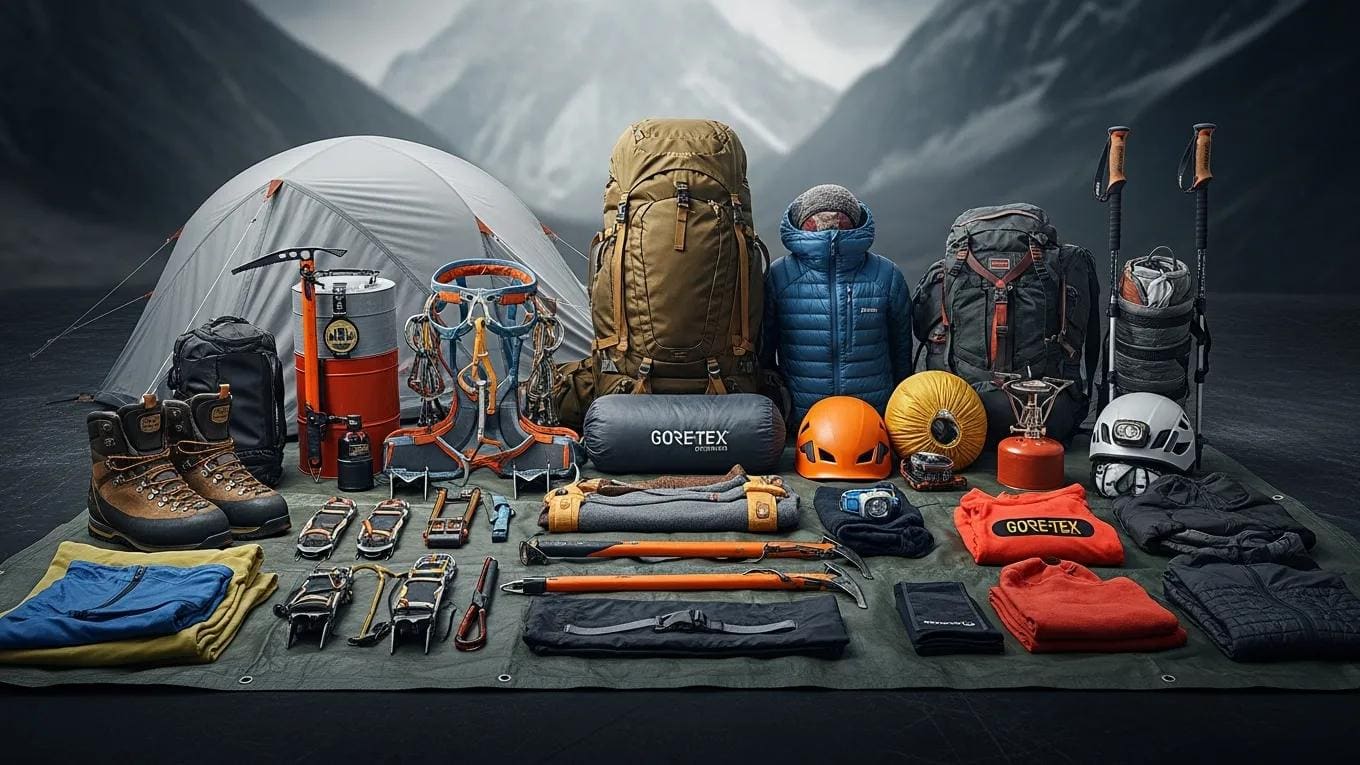
Most beginners try to buy a mountaineering kit. Experienced climbers build a system. Boots have to work with crampons. Layers have to work together without trapping too much moisture. A sleeping bag is only as useful as the pad underneath it. Technical hardware only improves safety when the climber has the skills to use it.
This is the parent guide for every major gear decision on Global Summit Guide. Start with your experience level, match equipment to the objective, then move into the detailed buying guide for the category you actually need.
We may earn a commission when you buy through links on this page. Affiliate disclosure
Do Not Start With a Shopping List. Start With the Objective.
Gear decisions become easier when you stop asking, “What should a mountaineer own?” and start asking, “What does this route require?” A summer trail summit, a multi-day trek, a glaciated volcano and an 8,000-meter expedition can all involve mountains, but the equipment systems are radically different.
Use this page as a router. If you are new, begin with the experience guides. If you already know the category you need, jump directly to footwear, traction, layering, sleep systems, packs, camp gear, safety hardware or navigation. If the trip is already chosen, use the mountain-specific gear lists near the bottom.
The goal is not to own the most gear. It is to arrive with equipment that fits, works together and matches the consequences of the route.
Choose Gear by Your Experience Level
The same equipment means different things to a first-time climber, an intermediate alpinist and an experienced technical mountaineer.
Build the Foundation
Start with fit, layering, simple safety systems and the gear you will reuse on many trips. Avoid buying highly specialized equipment before you know why you need it.
Beginner Gear GuideAdd Technical Capability
Intermediate gear decisions move toward crampon-compatible footwear, more deliberate weather systems, glacier travel and equipment chosen around increasingly technical objectives.
Intermediate Gear GuideOptimize for the Route
Experienced climbers increasingly select equipment around weight, compatibility, redundancy, climbing style and very specific environmental demands.
Expert Technical Gear GuideMatch Gear to the Route You Are Actually Climbing
Mountain names can mislead. The route, season, weather and style of ascent determine the equipment system.
| Objective | Footwear | Traction / Technical | Weather System | Carry / Camp |
|---|---|---|---|---|
| Day hike / non-technical summit | Trail shoes or hiking boots | Usually none beyond seasonal traction | Light layering and rain protection | Daypack, water, food, navigation |
| Multi-day trek | Supportive hiking footwear | Route dependent | Broader temperature range | Sleep, shelter and larger carry system |
| Snow / glacier climb | Crampon-compatible mountaineering boots | Crampons, ice axe, harness and rope system | Cold and wind protection | Mountaineering pack and glacier equipment |
| High-altitude expedition | More insulated mountain footwear | Objective-specific technical equipment | Redundant high-altitude layering | Expedition sleep, shelter and logistics systems |

The Best Individual Product Can Still Be the Wrong Piece of Equipment.
Fit, compatibility, skill and route requirements matter more than owning the most expensive version of every item.
Fit Before Features
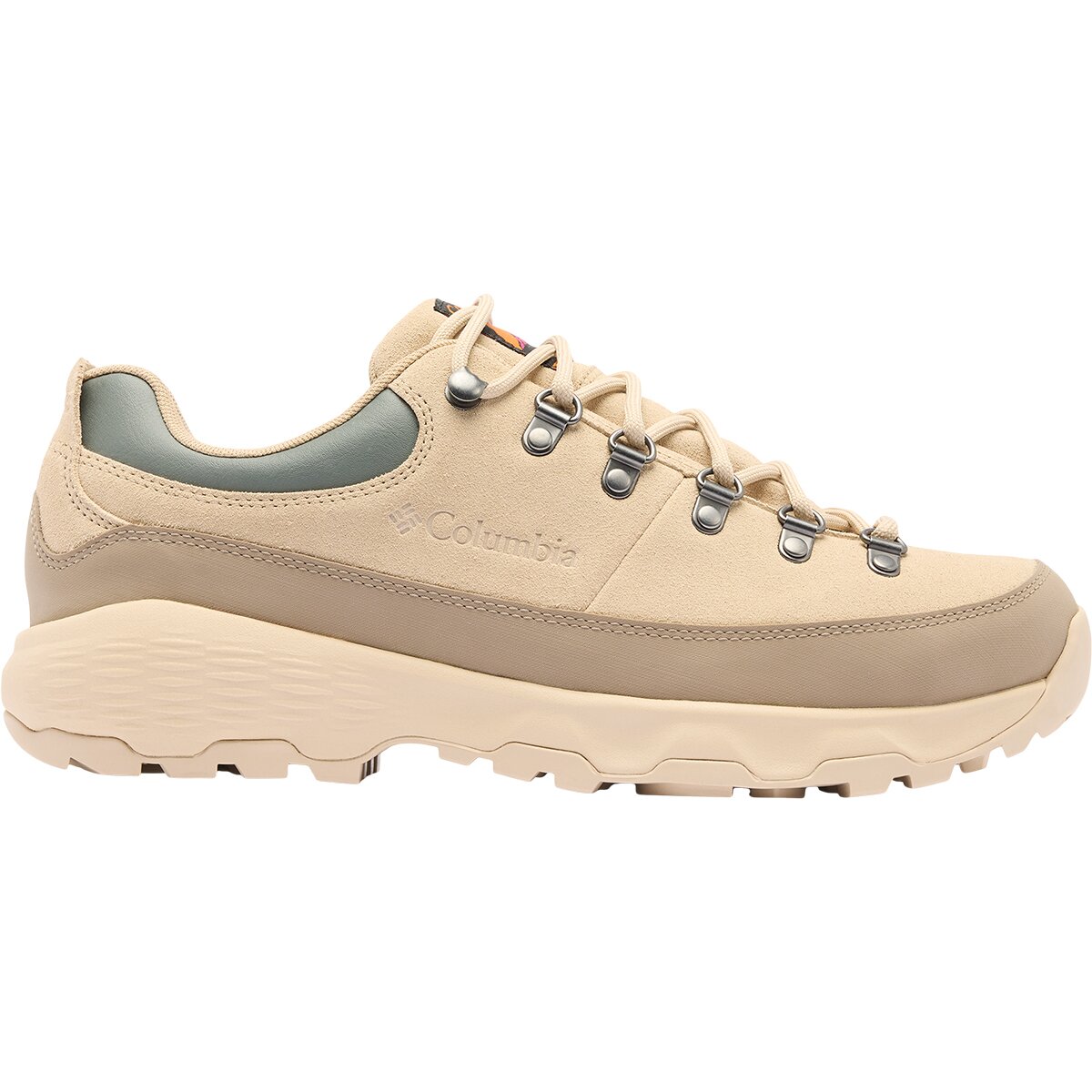
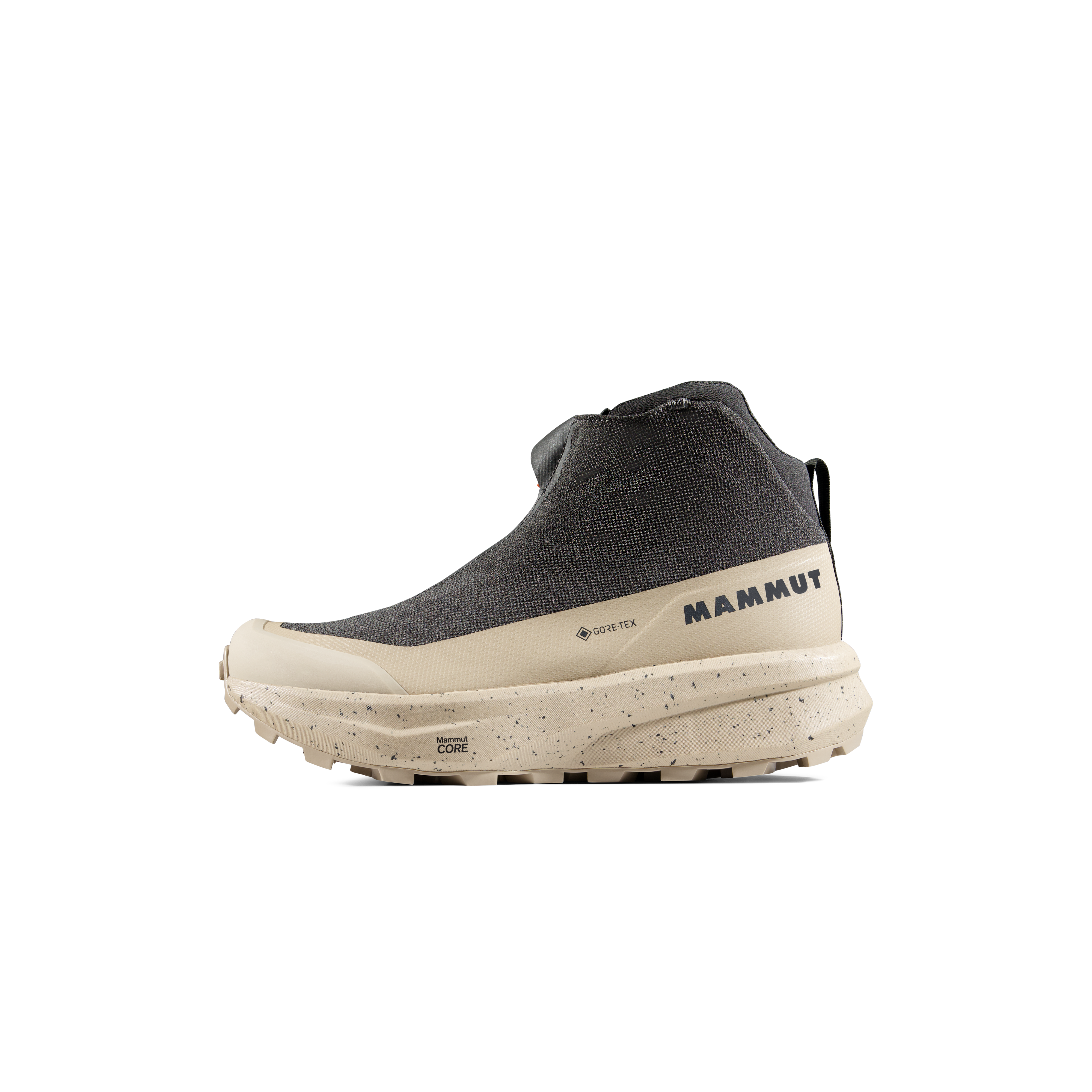
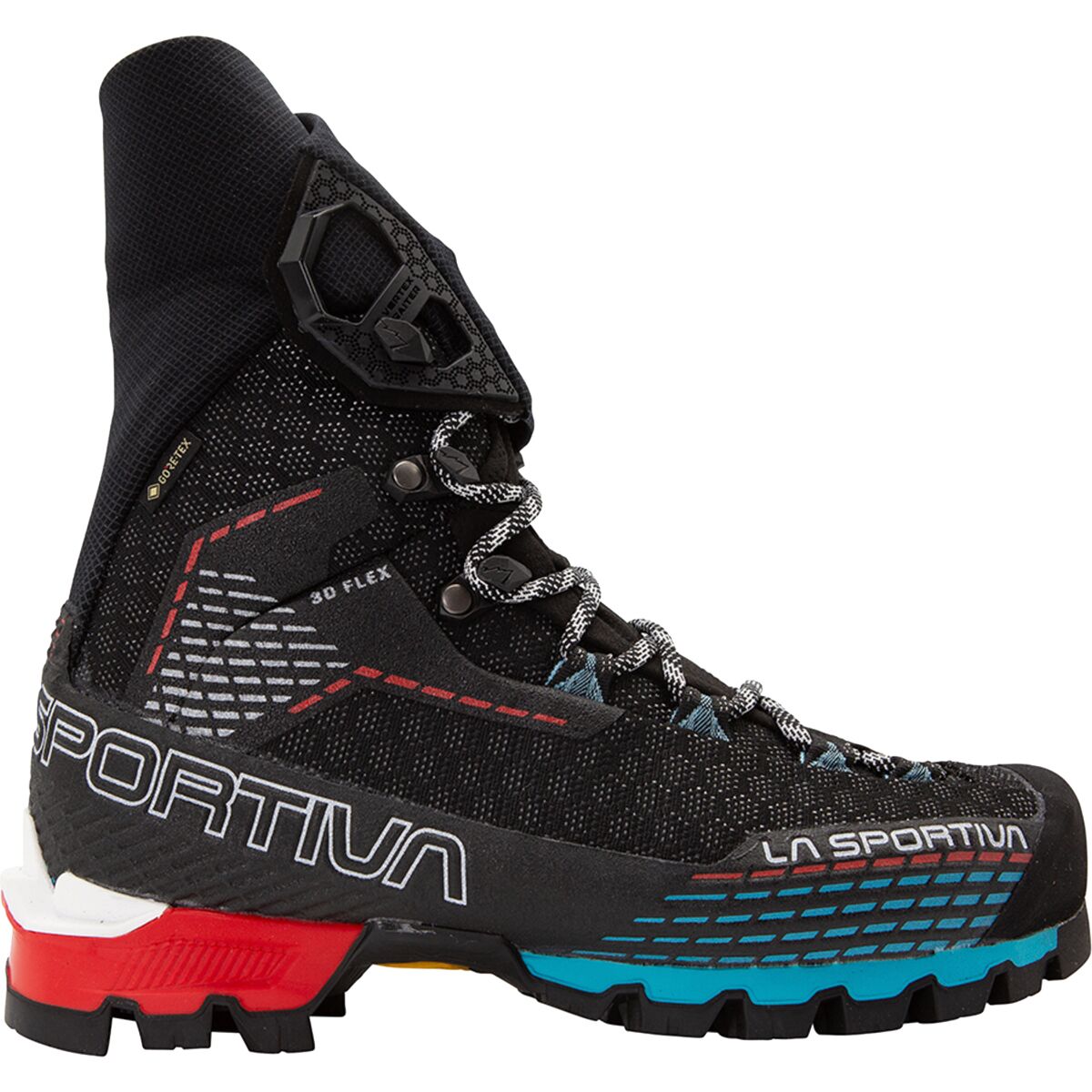
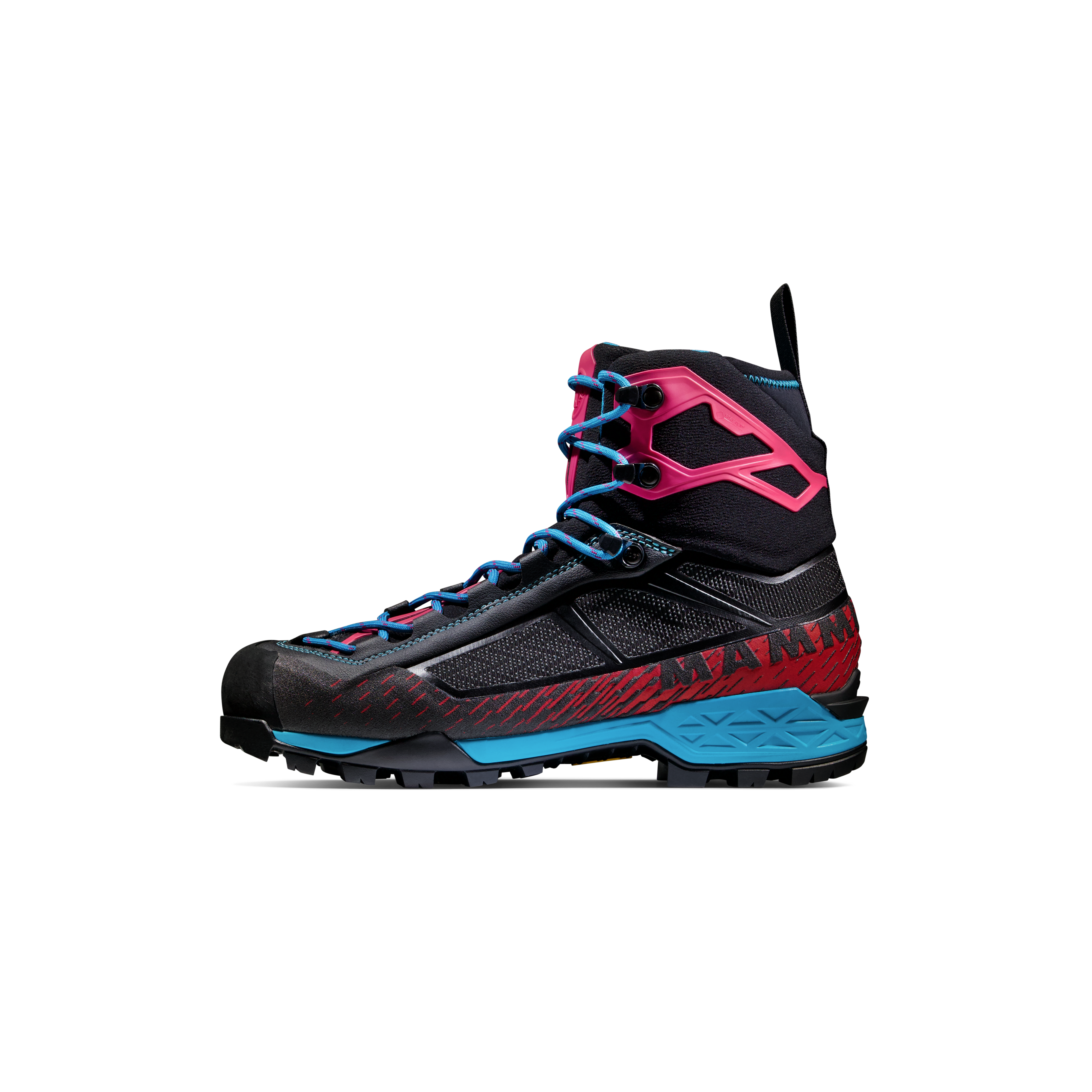
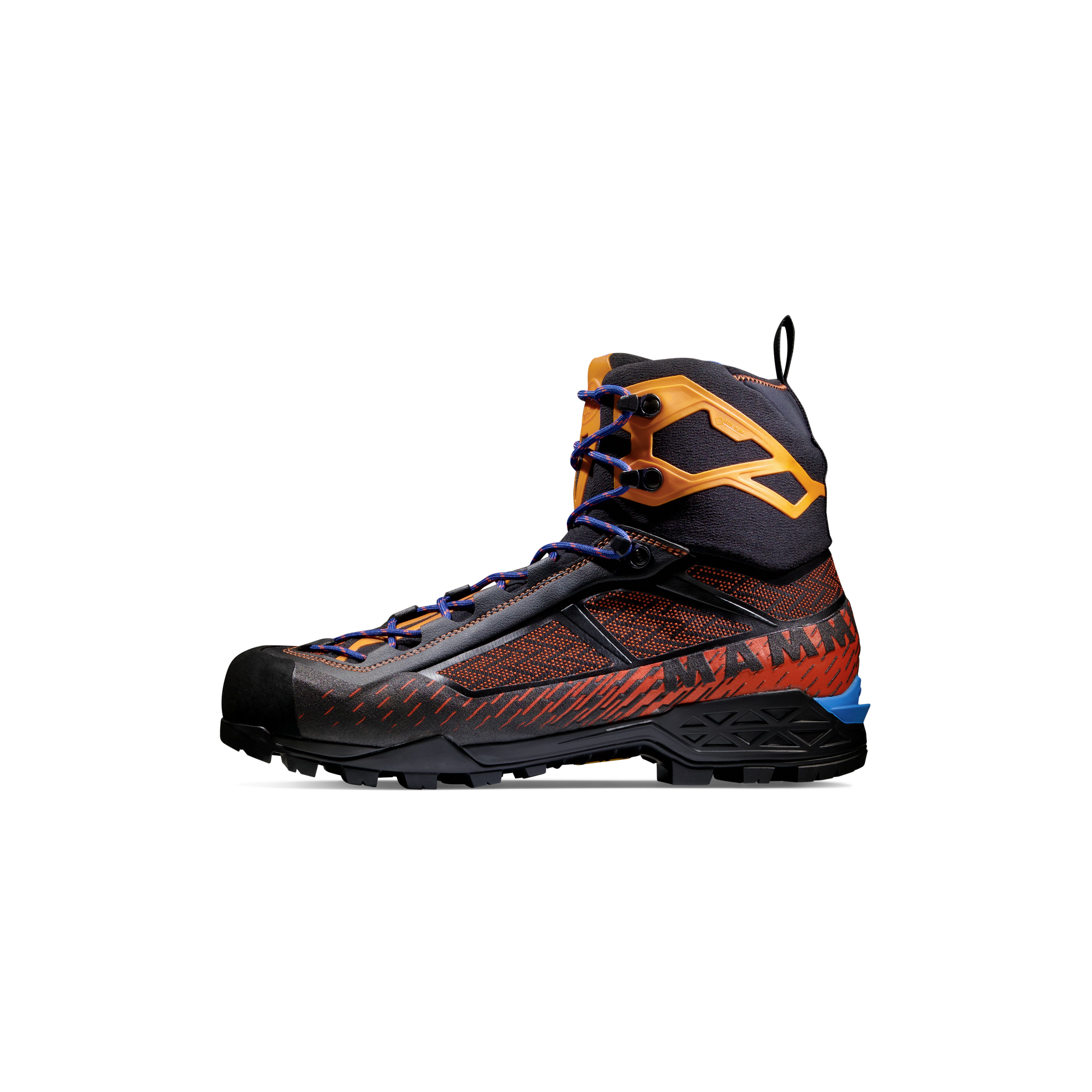
Footwear is the gear decision most likely to affect every hour of the trip. Start with fit, then determine how much support, stiffness, insulation and crampon compatibility the route requires.
A hiking boot is designed primarily for walking. A mountaineering boot becomes progressively stiffer as the terrain becomes steeper, colder and more technical. The correct category is not determined by altitude alone. A warm-weather trek at significant elevation may not need a technical boot, while a lower glaciated climb may require one.
If crampons are involved, verify the boot and binding combination before the trip. Do not assume every mountaineering boot accepts every crampon style.

Current Boot Picks
Live mountaineering and hiking boot inventory. Confirm fit and crampon compatibility before choosing.
Current boot picks
Crampons, Microspikes & Ice Axes
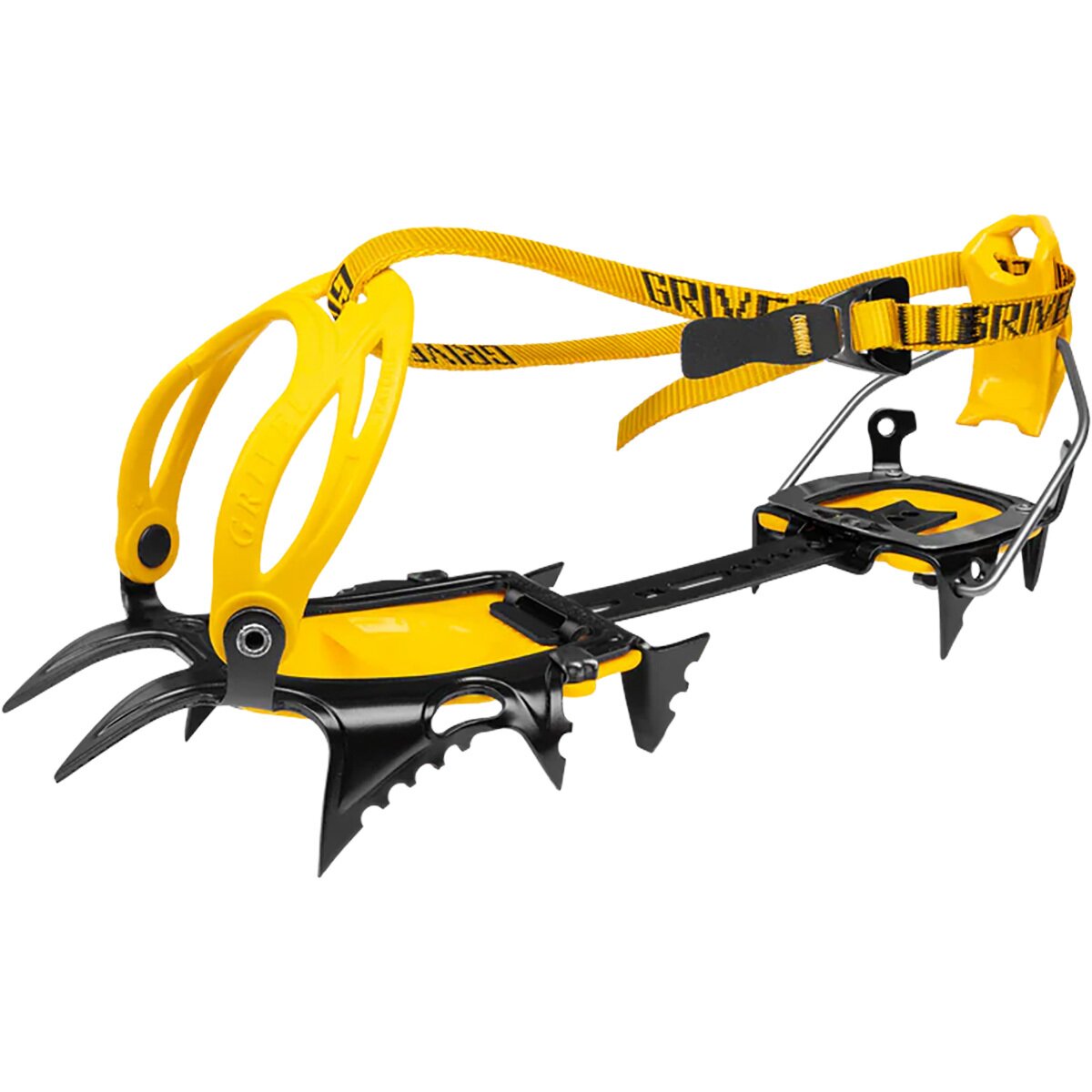
Traction should match the surface. The fact that a trail contains snow does not automatically make crampons the correct tool.
Microspikes are designed for lower-angle icy walking where lightweight traction improves security. Mountaineering crampons are built for firmer snow, steeper terrain and climbing where the points become part of the climber’s movement system. Ice axes add balance, support, step cutting, self-belay or arrest functions depending on the terrain and the tool.
The important distinction is not simply “more traction.” The more technical the equipment becomes, the more its effectiveness depends on technique. Learn how to walk in crampons without catching points on clothing, how to transition safely and how to use an ice axe before the terrain makes those skills urgent.
Crampons & Ice Axes
Crampons & ice axes
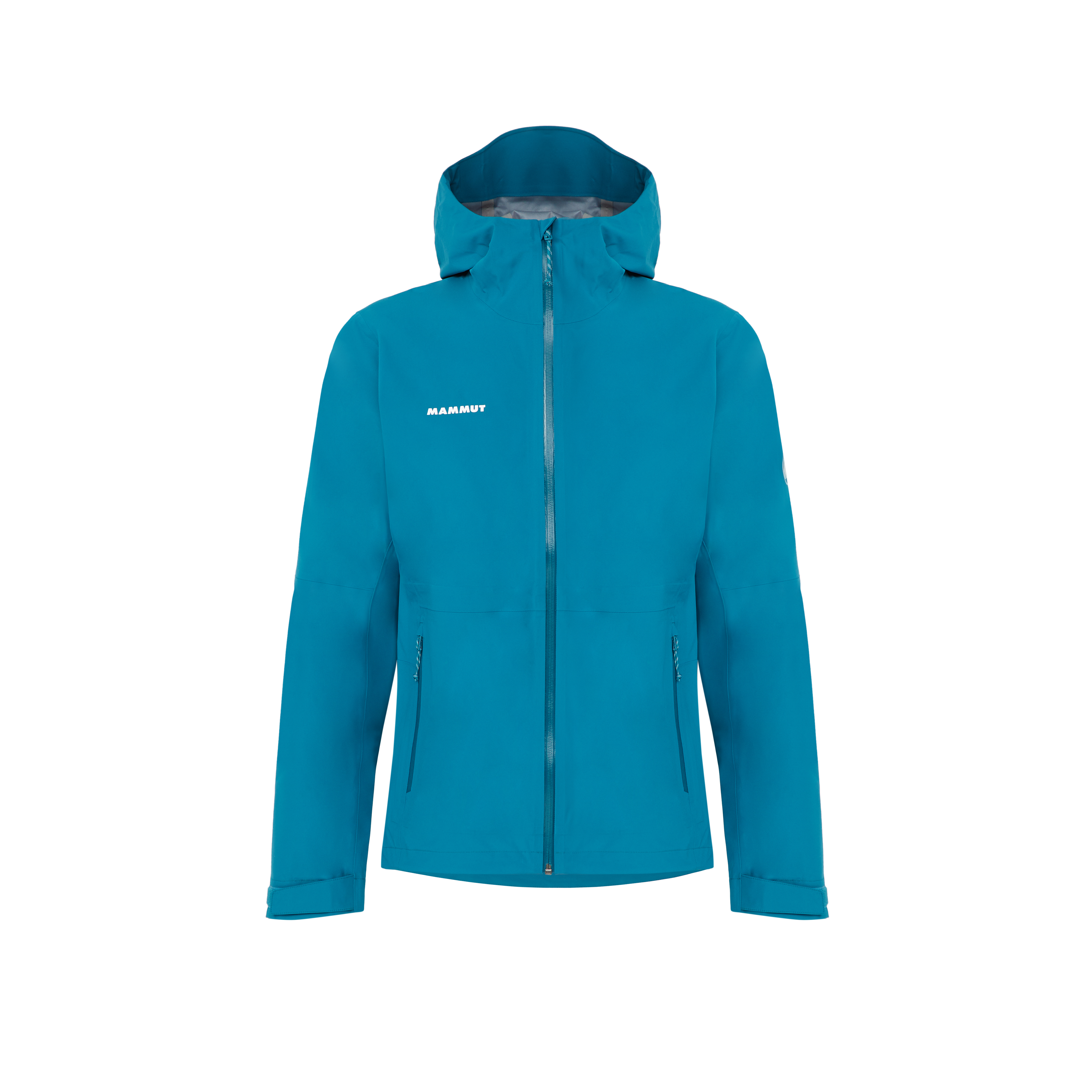
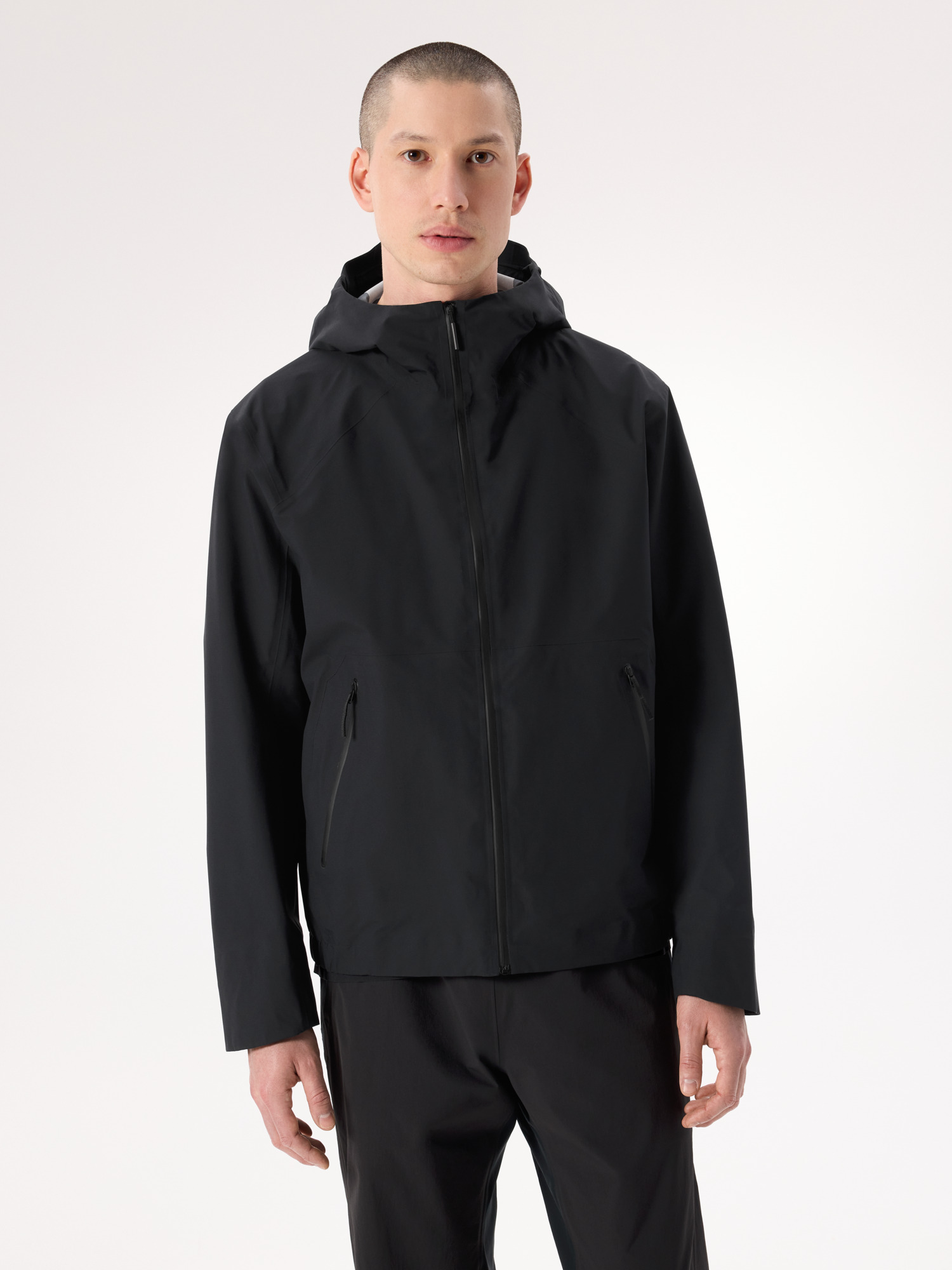
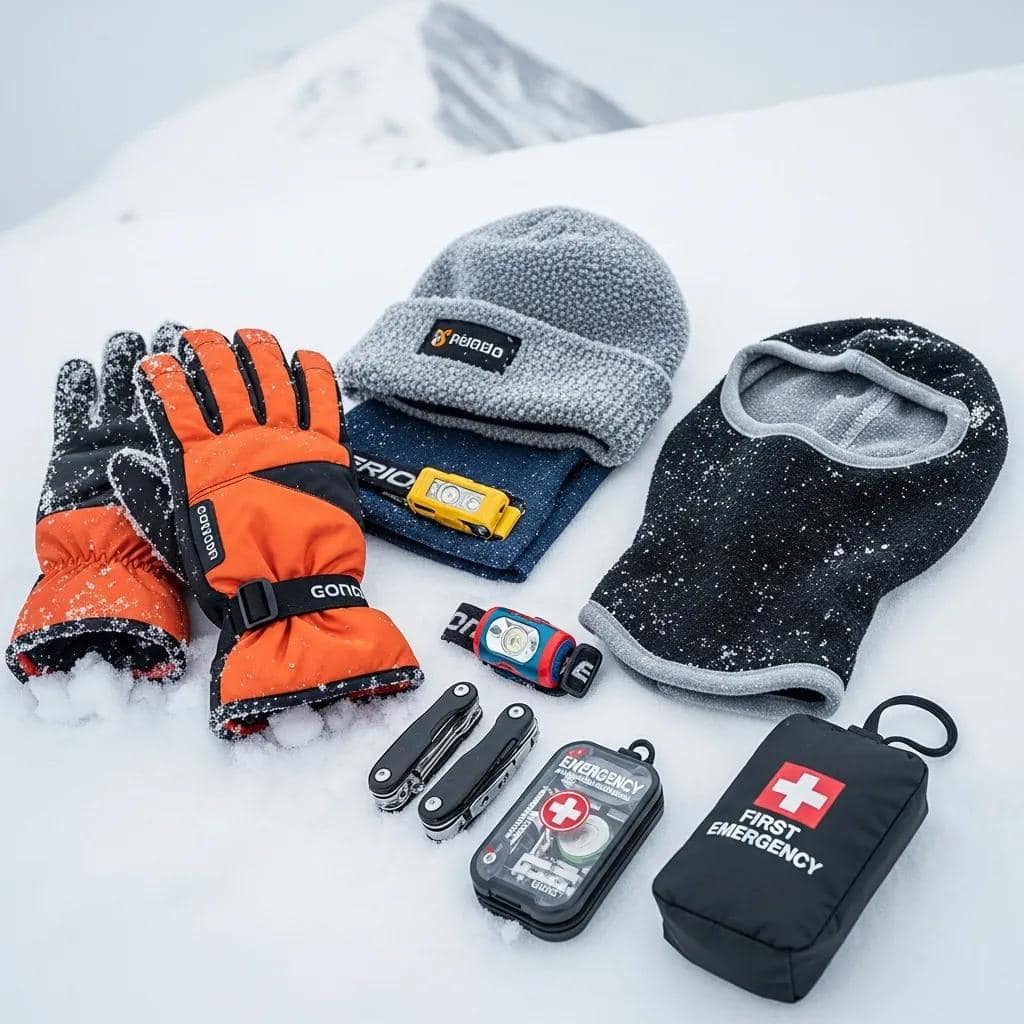
Warmth Is a Layering System
One warm jacket does not create a complete mountain clothing system. Each layer solves a different problem.
Manage Moisture
The first layer moves moisture away from the skin and provides the foundation for the rest of the system.
Active Warmth
Fleece and breathable insulation add warmth while you are moving without forcing the climber into a heavy summit jacket.
Low-Output Warmth
Down or synthetic insulation becomes critical during stops, cold summit pushes and camp.
Block Wind & Precipitation
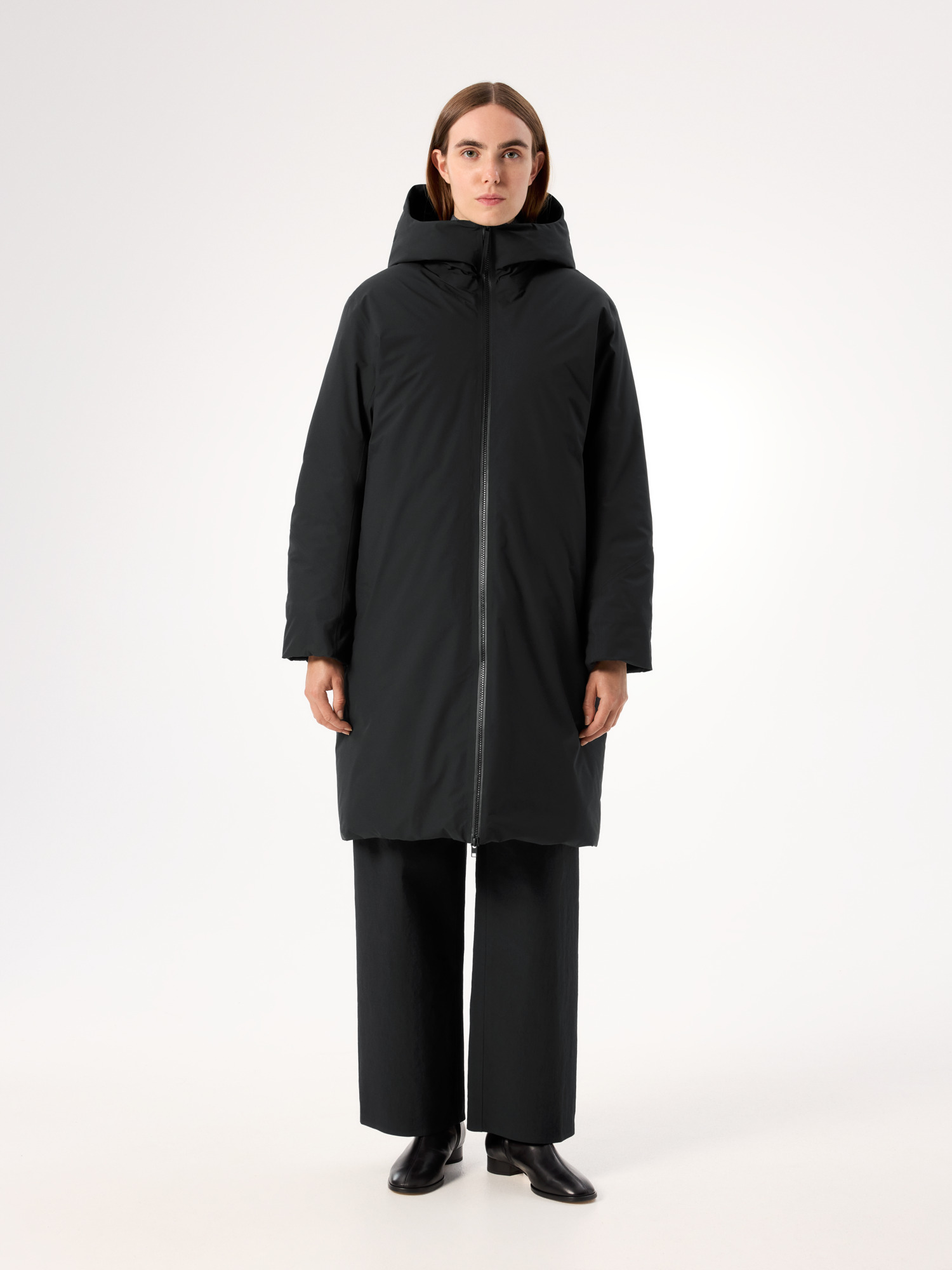
Hardshells protect the insulation system from wind, snow and rain while allowing enough room underneath for the planned layers.
The mistake is judging every layer independently. A base layer that works beautifully by itself may feel restrictive beneath the chosen fleece. A fitted shell may not leave enough room for summit insulation. A huge down jacket may be unnecessary during active climbing but indispensable during long stops. Test the full stack, not just the pieces.
Layering Picks
Layering picks
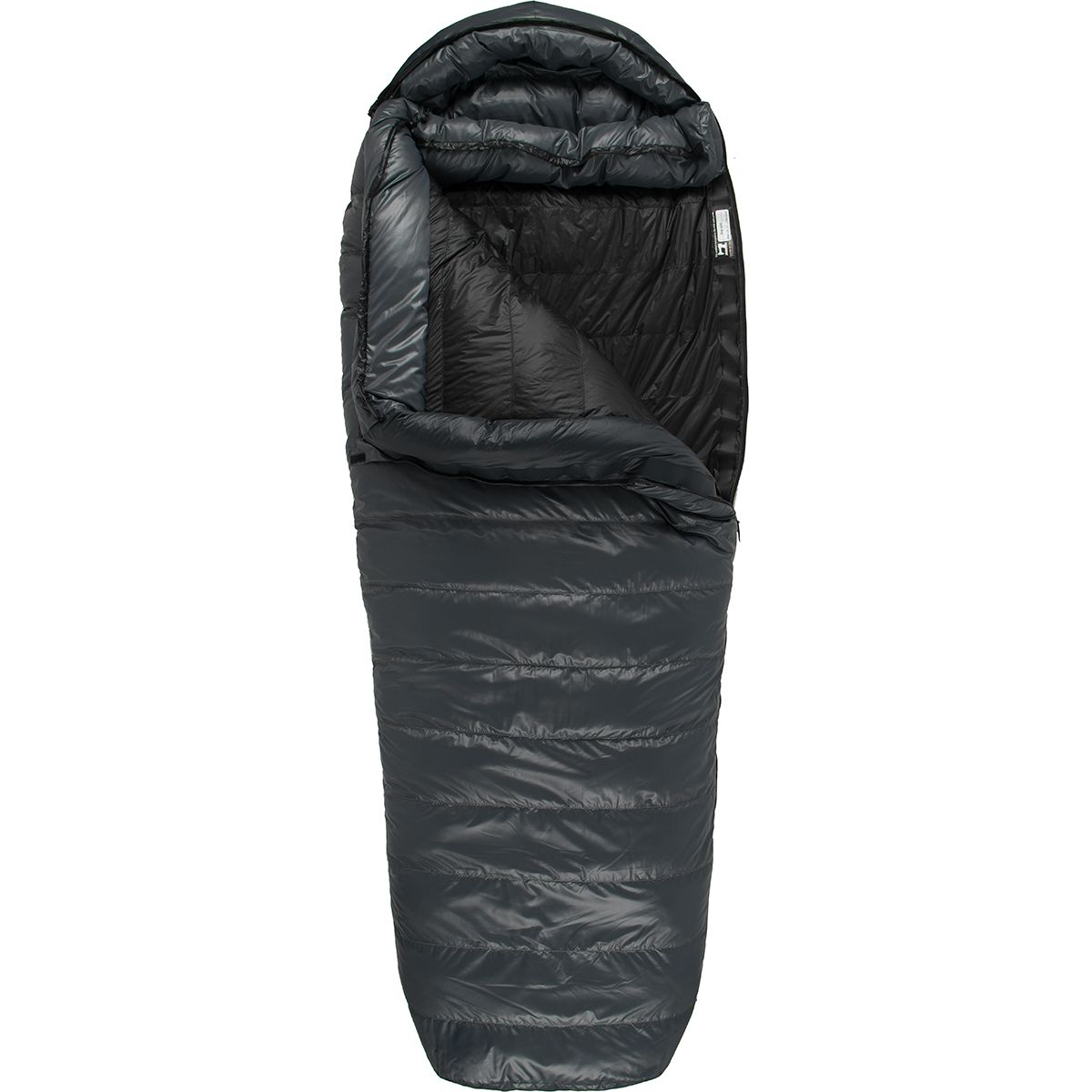
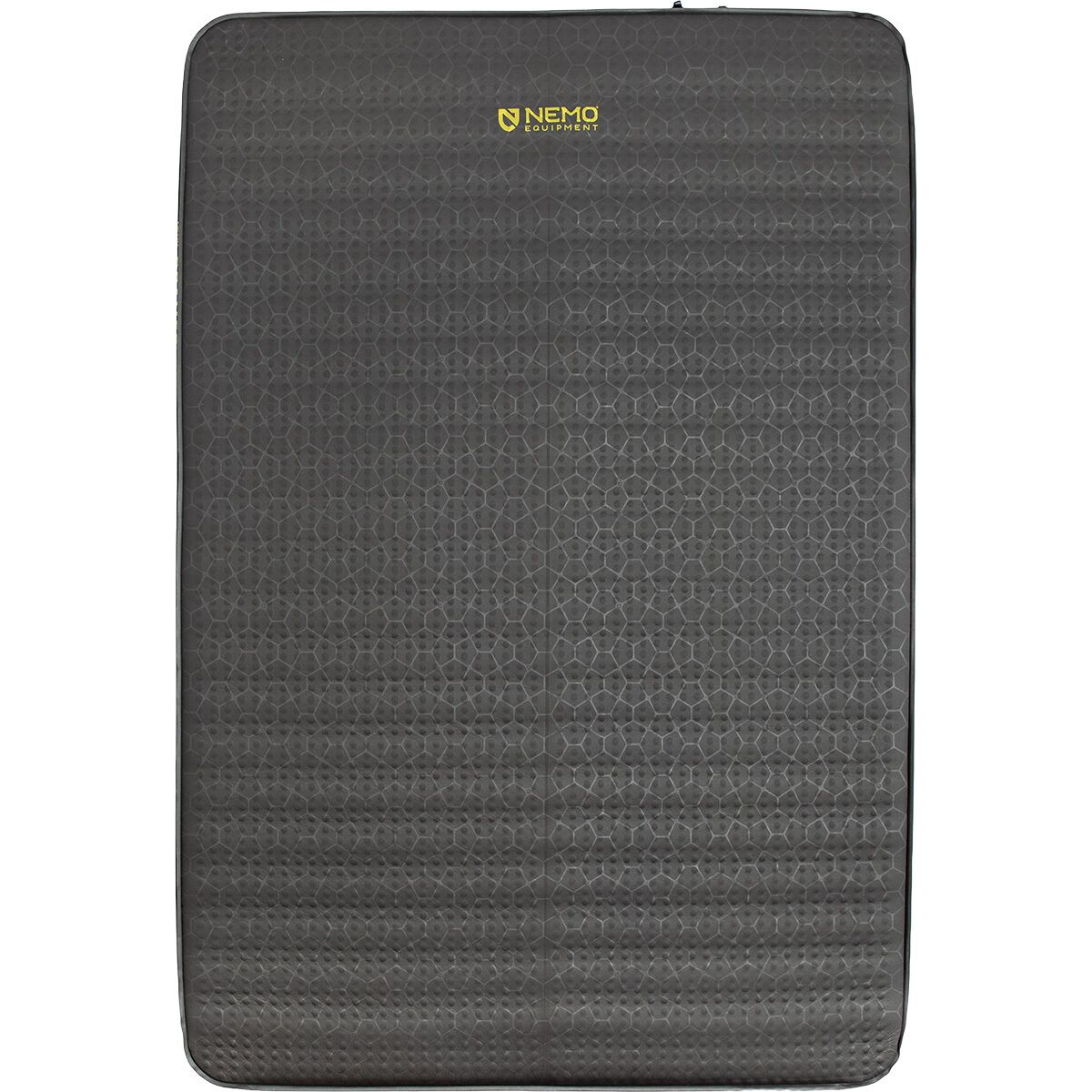
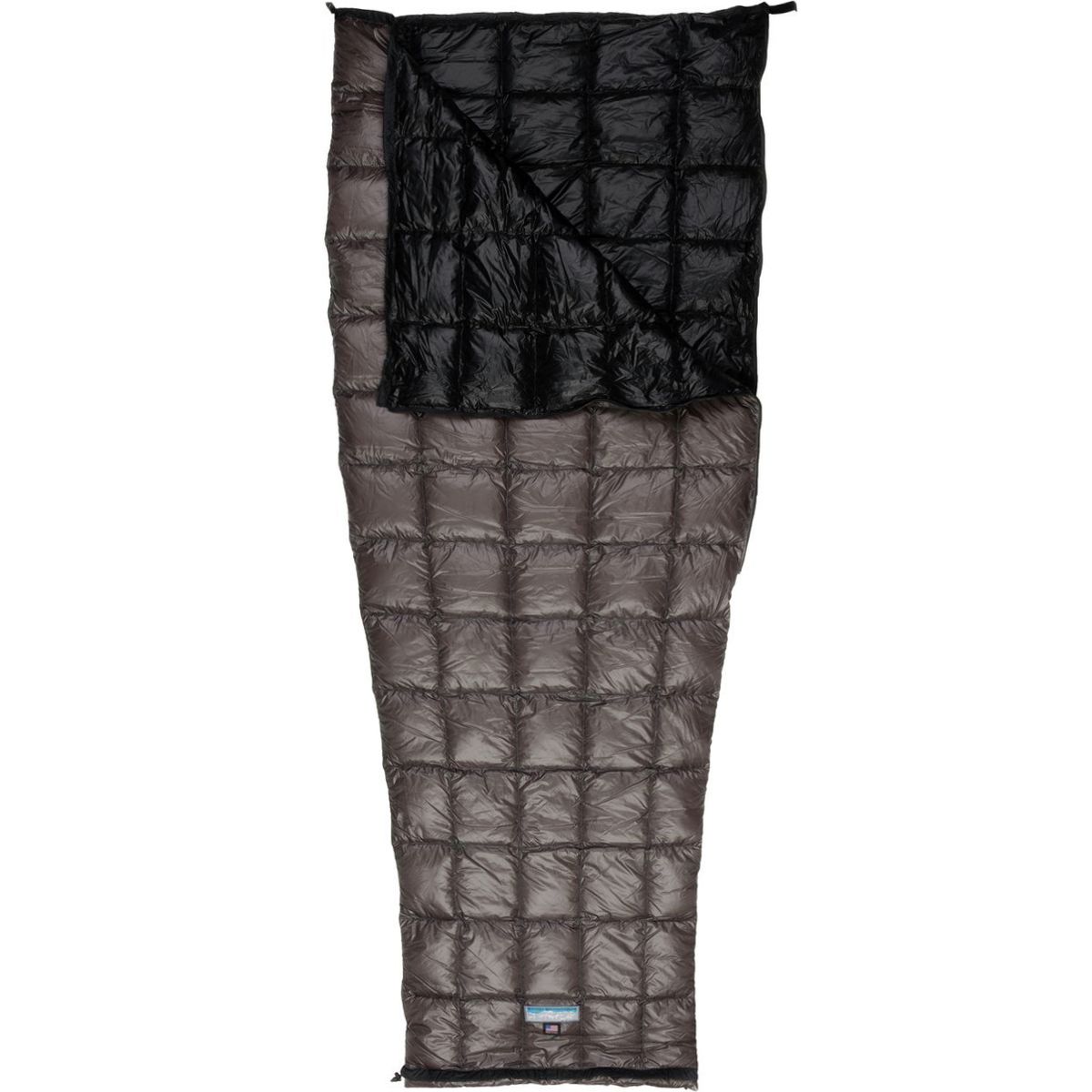
Your Sleeping Bag Is Only Half the Sleep System
Bags, pads and shelters work together. Evaluate them as a complete overnight system.
Start with sleeping-bag temperature information, but understand the difference between comfort and survival-oriented ratings. Then evaluate the pad below the bag. Insulation compressed under your body contributes much less than lofted insulation, which is why the pad’s thermal resistance is a critical part of staying warm.
Shelter changes the equation again. A three-season backpacking tent is designed around lighter conditions and ventilation. A four-season or expedition tent is built around heavier wind, snow loading and prolonged exposure. More protection usually means more weight and bulk, so match the shelter to the environment instead of automatically buying the strongest tent available.
Sleep System Picks
Sleep system picks
- Western MountaineeringWestern Mountaineering Sequoia MF Sleeping Bag: 5F DownFrom $1,020Check price at Back Country (opens in a new tab)
- NEMO Equipment Inc.NEMO Equipment Inc. Roamer Double Sleeping PadFrom $399.95
$449.95Check price at Back Country (opens in a new tab) - Western MountaineeringWestern Mountaineering Everlite Sleeping Bag: 45F Down$438Check price at Back Country (opens in a new tab)
Carry Only What the Objective Requires
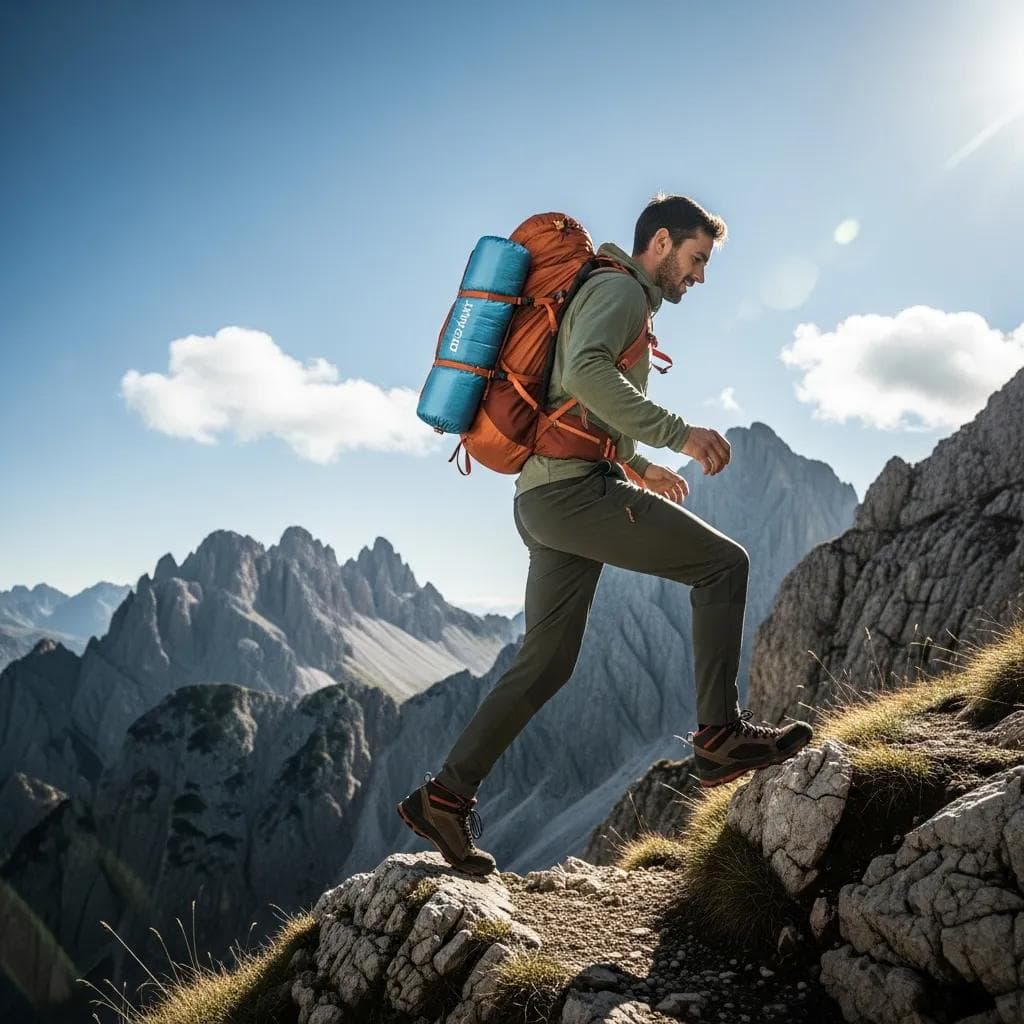
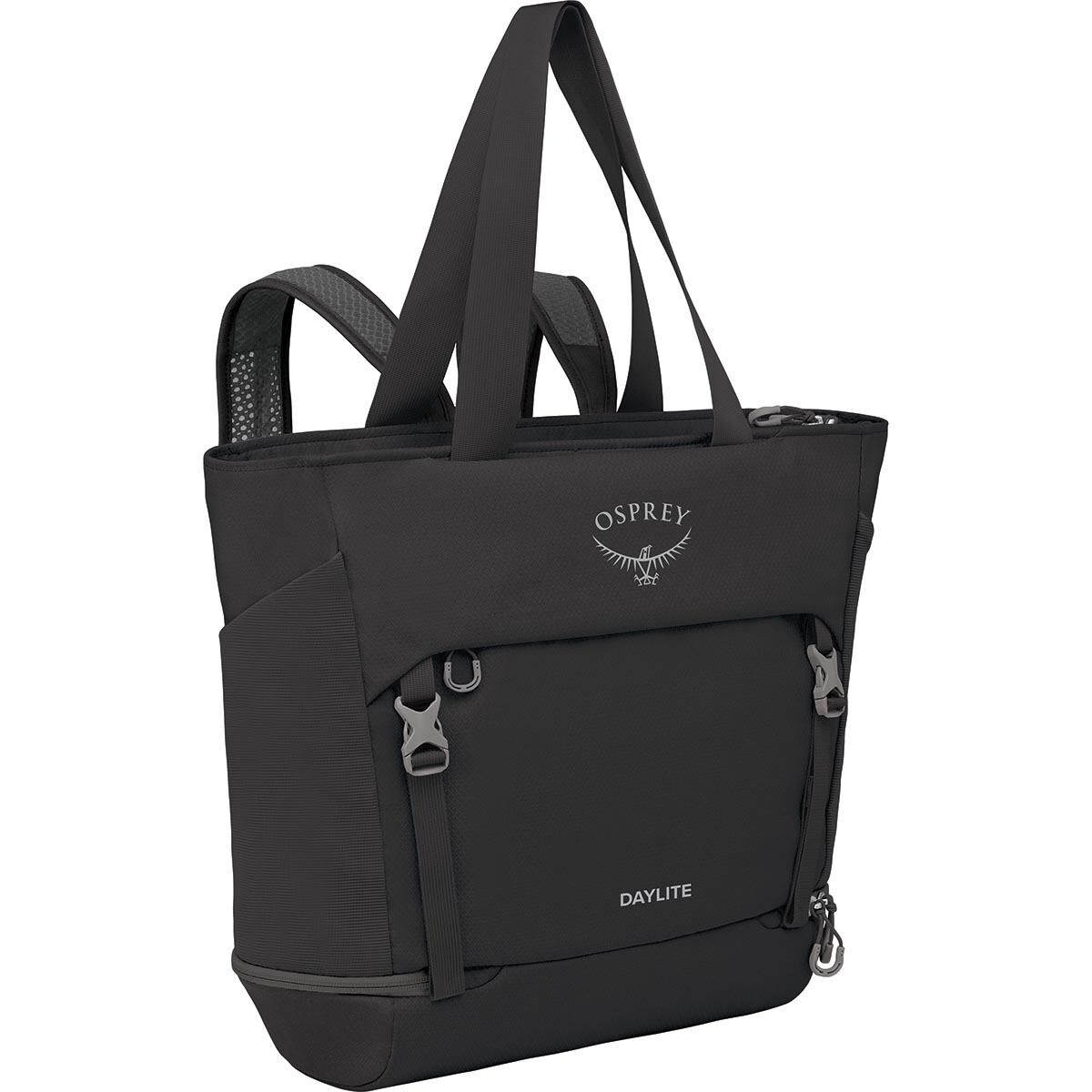
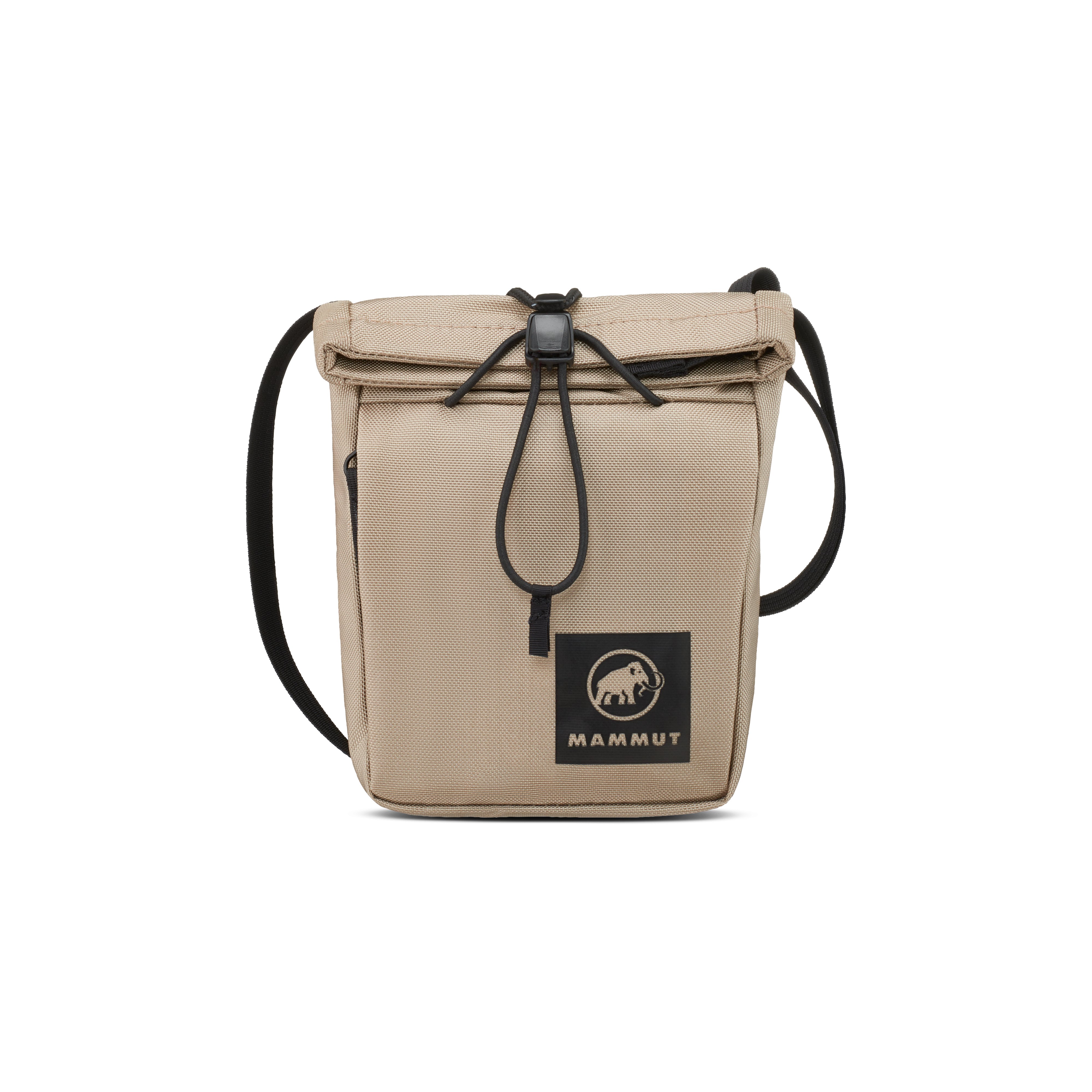
Pack size follows the gear system. A summer day hike may need only a compact daypack. Glacier travel adds technical equipment. Expeditions can involve heavier loads, bulky insulation and multiple carry systems.
Fit comes before capacity. Measure torso length, load the pack before judging comfort and pay attention to how the hipbelt and shoulder harness transfer weight. A larger volume is not automatically better; unused space often becomes an invitation to carry unnecessary gear.
Trekking poles are separate from the pack but closely related to load management. They can improve stability on steep approaches, snow, loose surfaces and long descents, particularly when carrying weight.
Packs & Poles
Packs & poles
Small Camp Decisions Become Big Trip Decisions
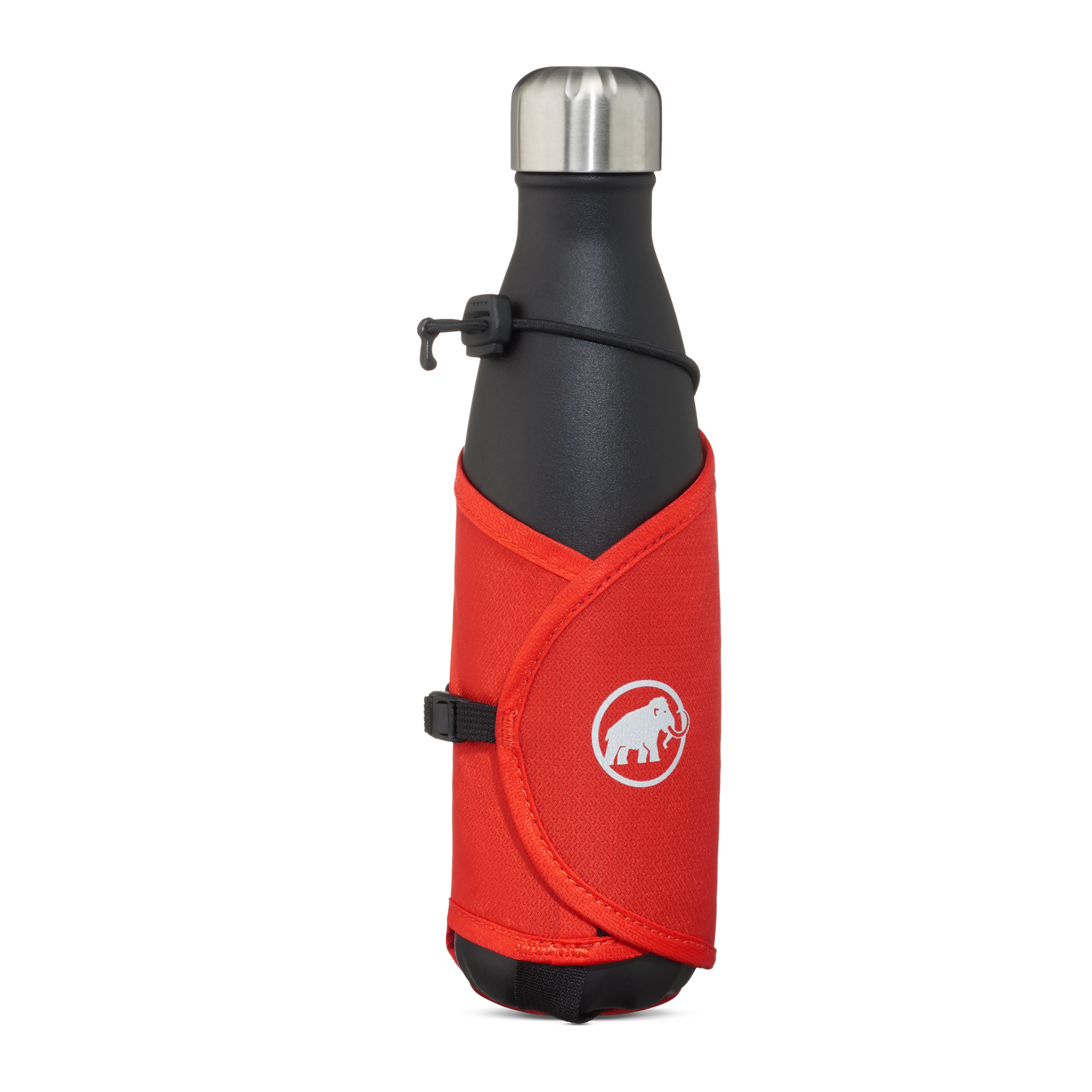
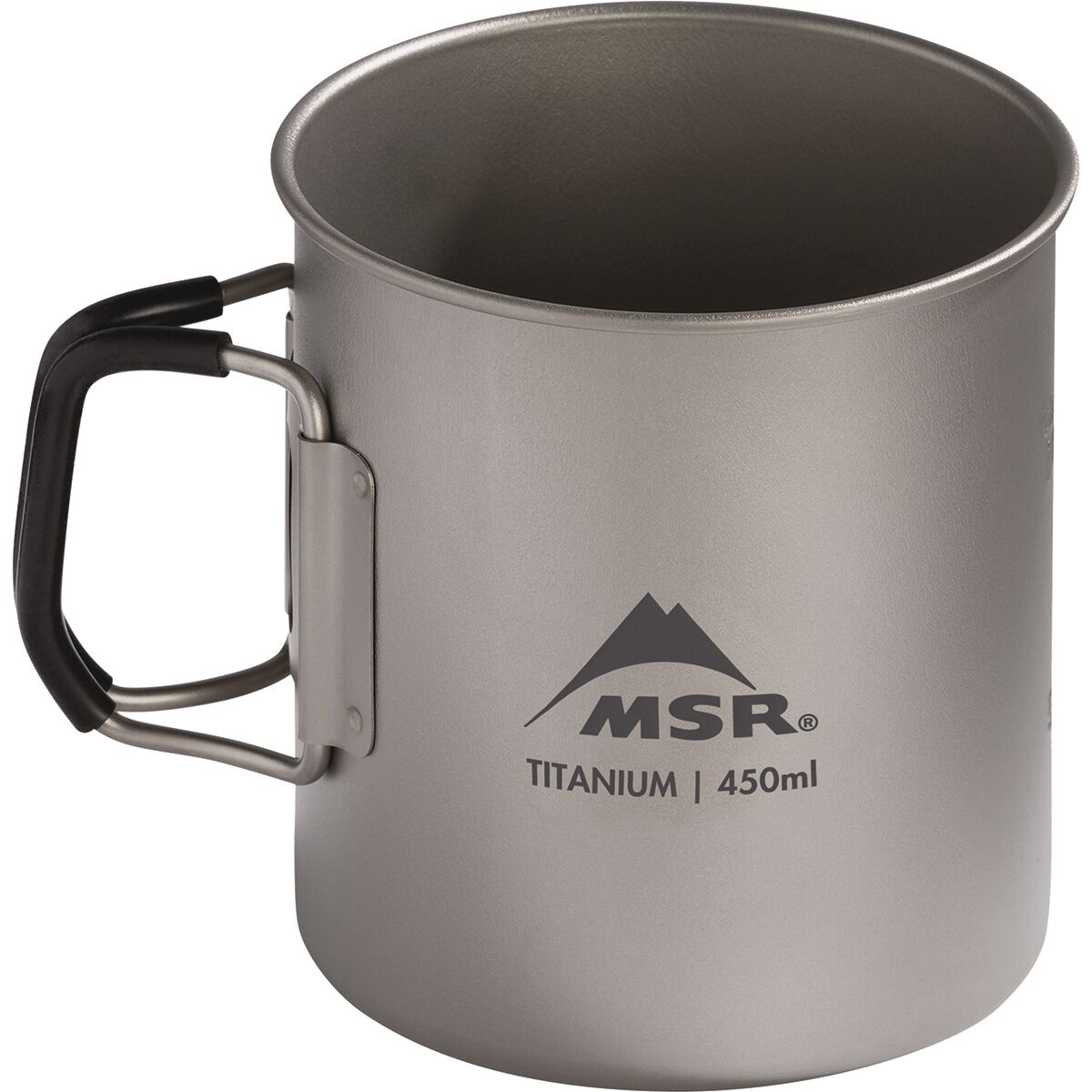
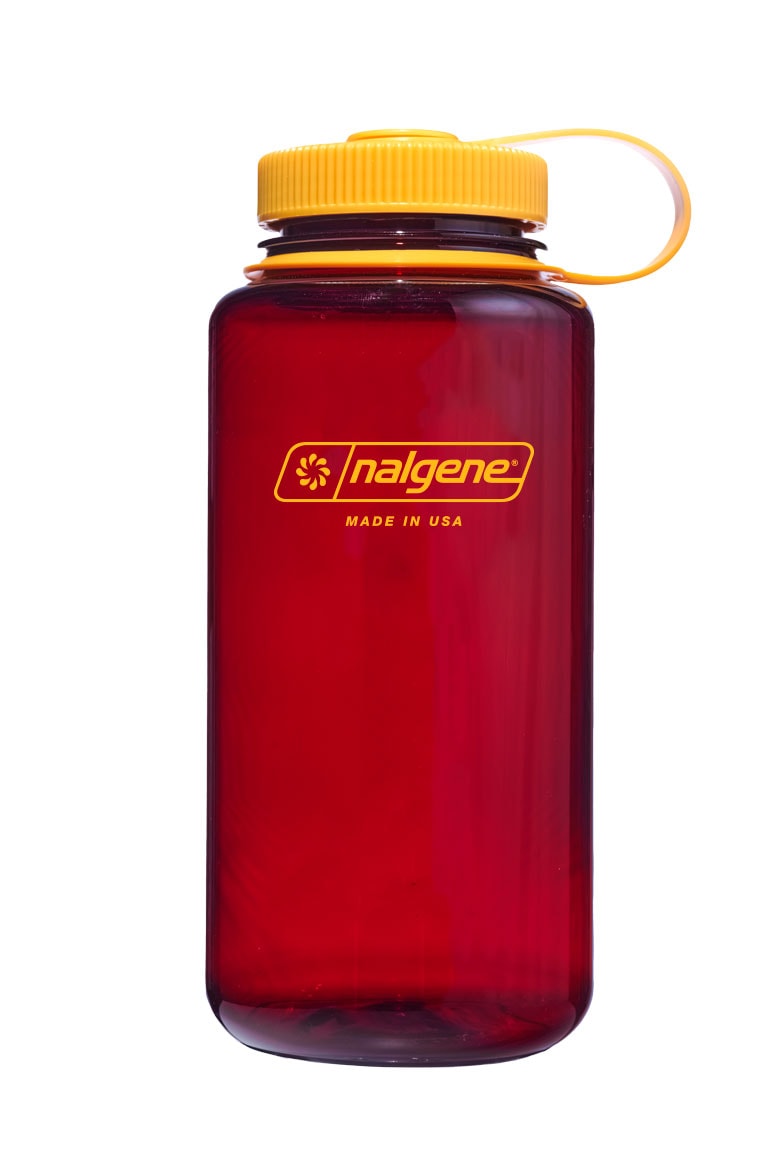
Hydration, water treatment and stove systems are easy to overlook because they are less dramatic than boots or crampons.
Start with water availability. A route with frequent reliable sources creates a different carry system from a dry approach or a freezing high-altitude camp. Filters, purifiers and bottles each solve different problems, and cold can change which solution is practical.
Stove selection should also reflect the environment. Backpacking meals, snow melting, expedition cooking and very cold weather place different demands on fuel and stove performance. The goal is not to own the most complicated kitchen; it is to have a reliable system for the water and calories the trip actually requires.
Compare durable bottle shapes, capacities and trail-use options in our full water-bottle guide before choosing the bottle system for your route.
Water & Camp Gear
Water & camp gear
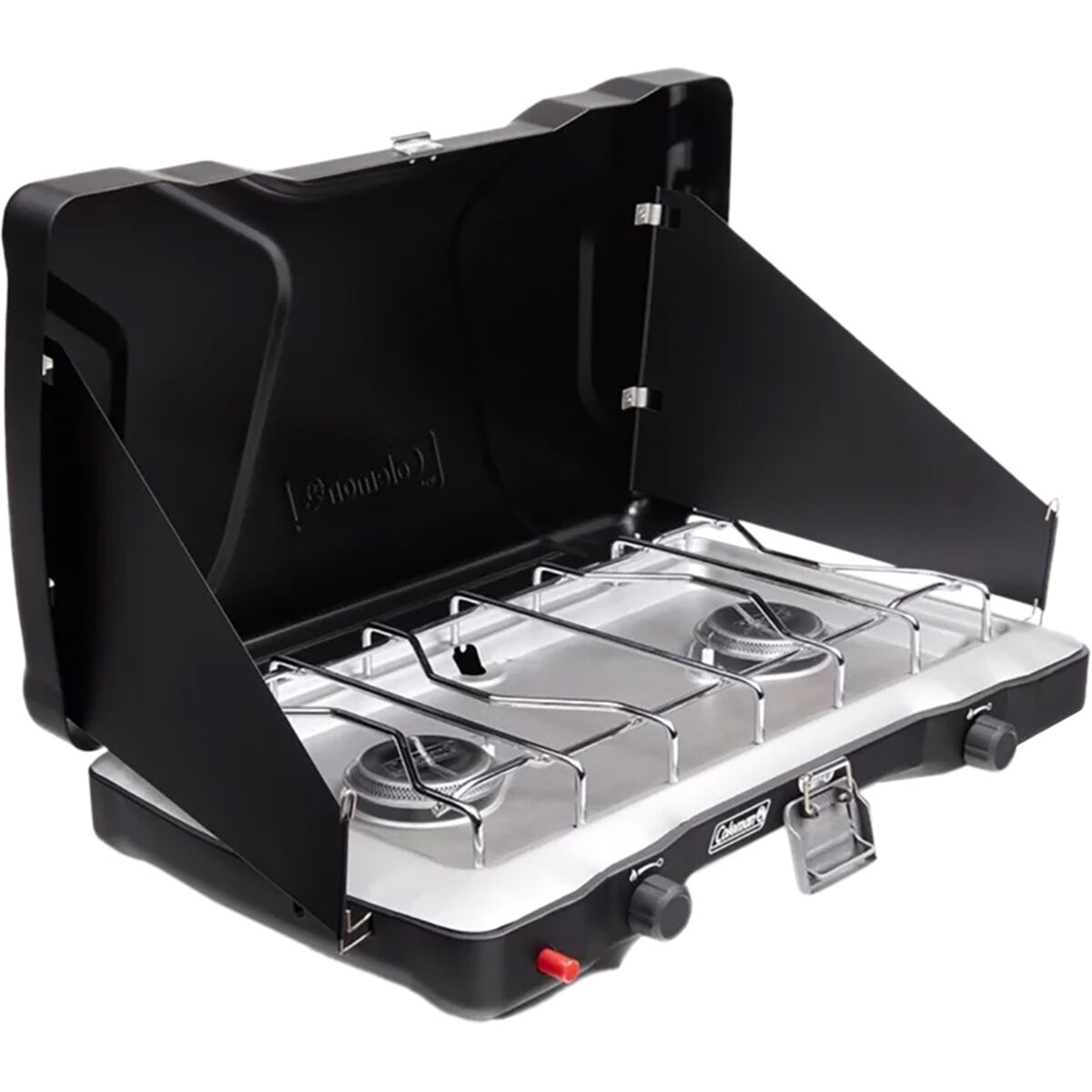
Hardware Without Skills Is Not Safety
Harnesses, helmets and rope systems matter because of the technique around them—not because they are hanging from the pack.
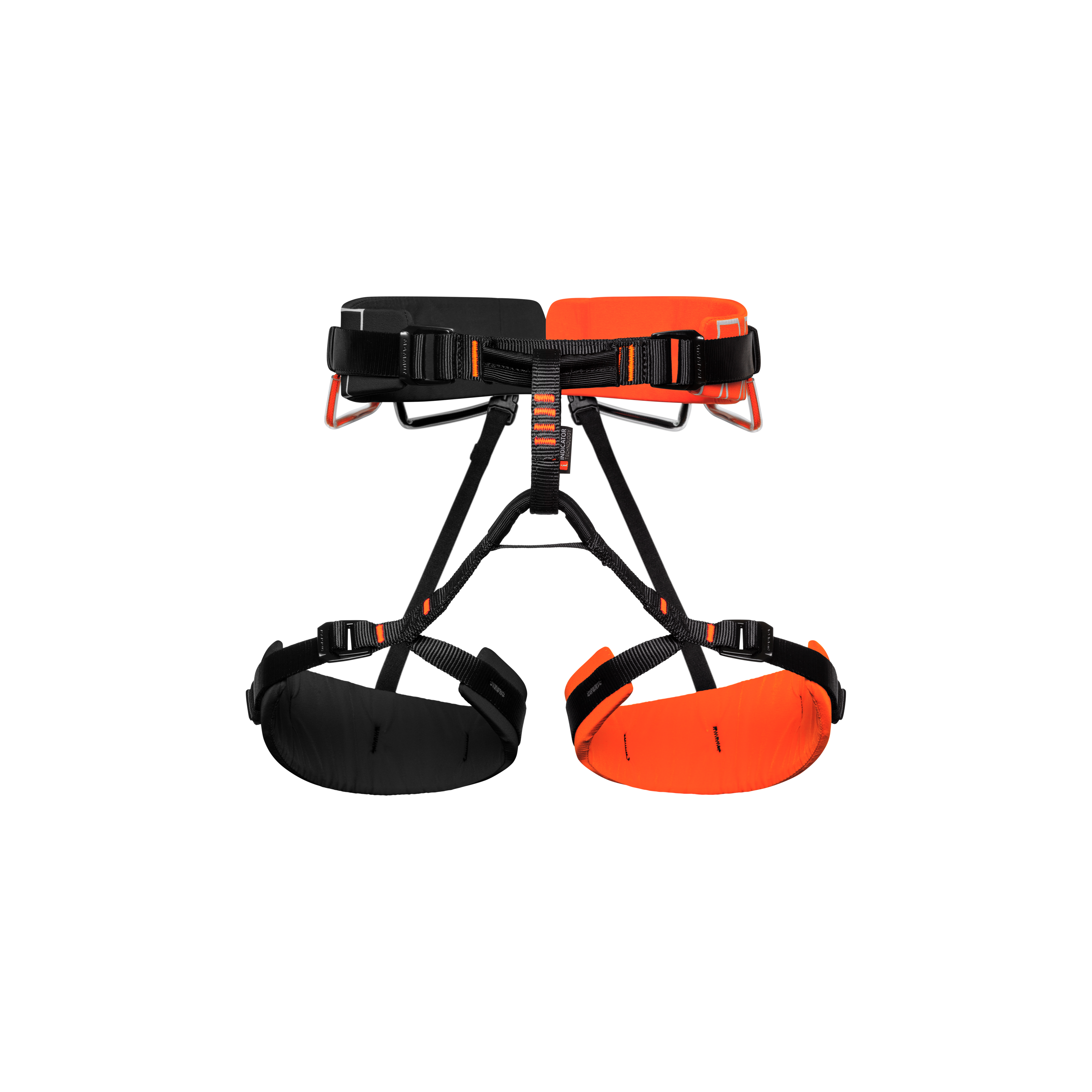
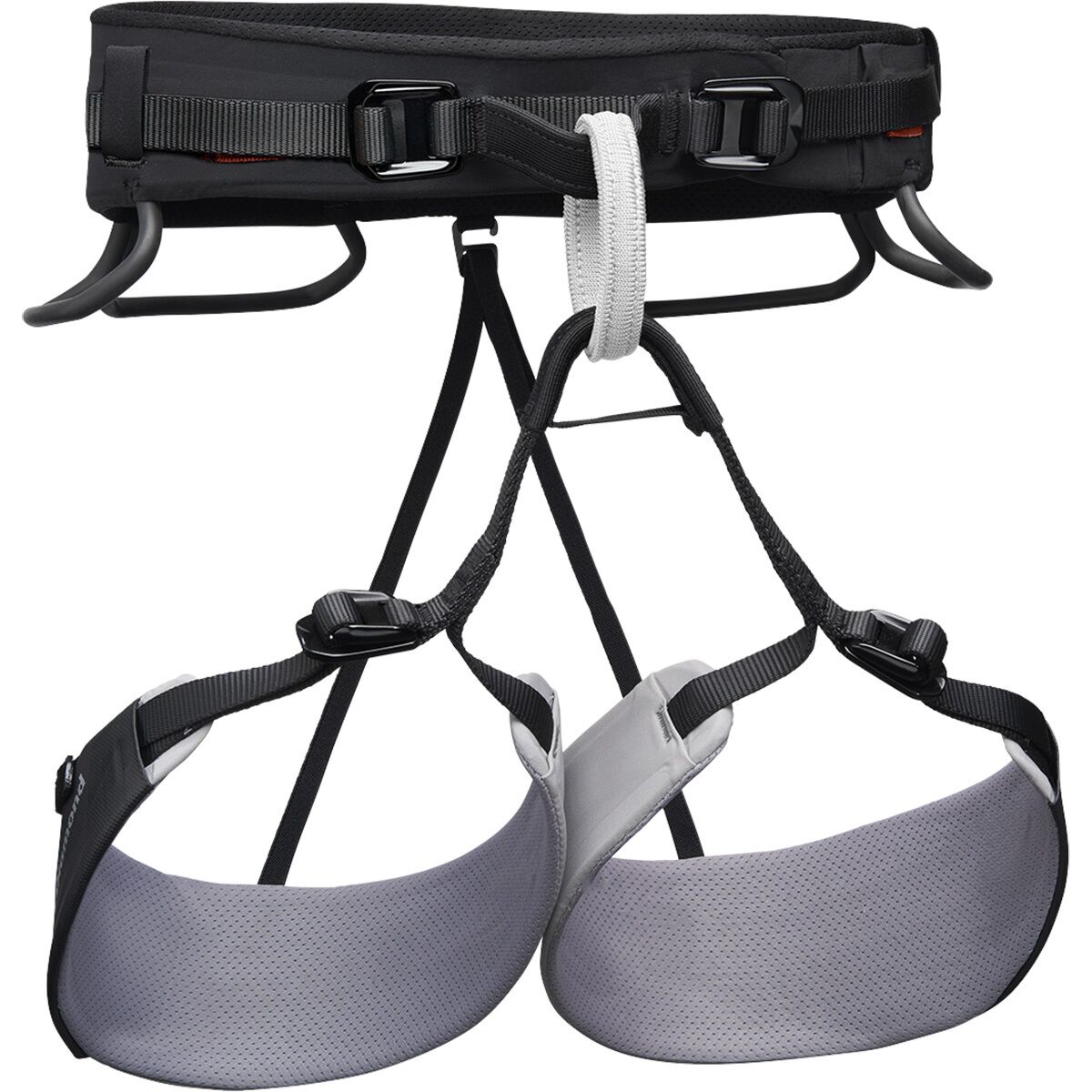
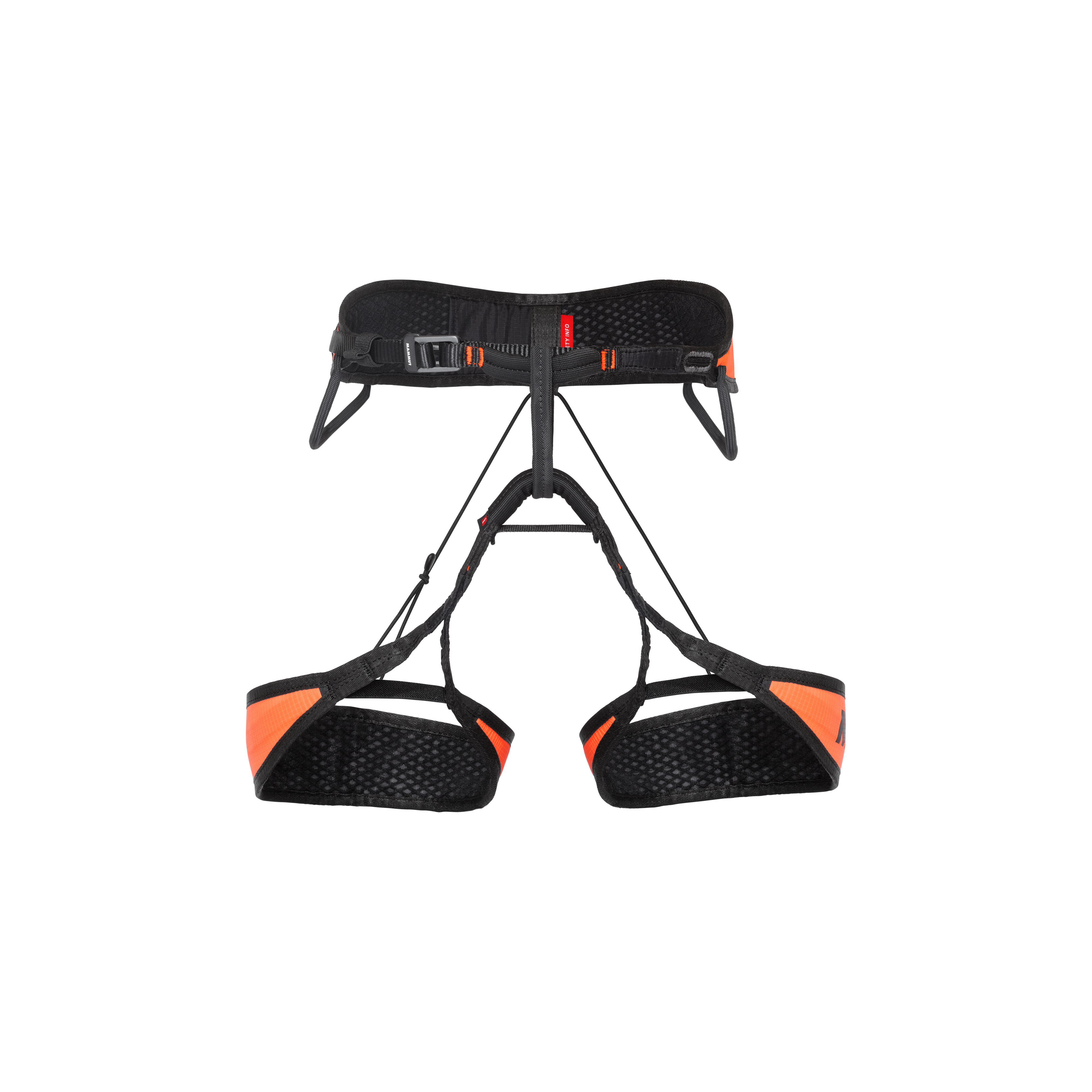
Technical mountaineering equipment should be selected after you understand the system it belongs to. A helmet protects against specific impact hazards. A harness becomes part of a rope-travel, belay or rescue system. Prusiks are useful only when the climber knows how and when to use them. Snow-travel equipment changes with slope, surface and consequences.
This is also where redundancy requires judgment. Carrying duplicate technical hardware without a plan adds weight. Carrying the correct backup for a critical failure can be essential. Learn the techniques, build the system with an experienced instructor or guide when appropriate, then choose hardware around the methods you will actually use.
Helmets & Harnesses
Helmets & harnesses

Women’s Gear Should Begin With Fit—not Labels
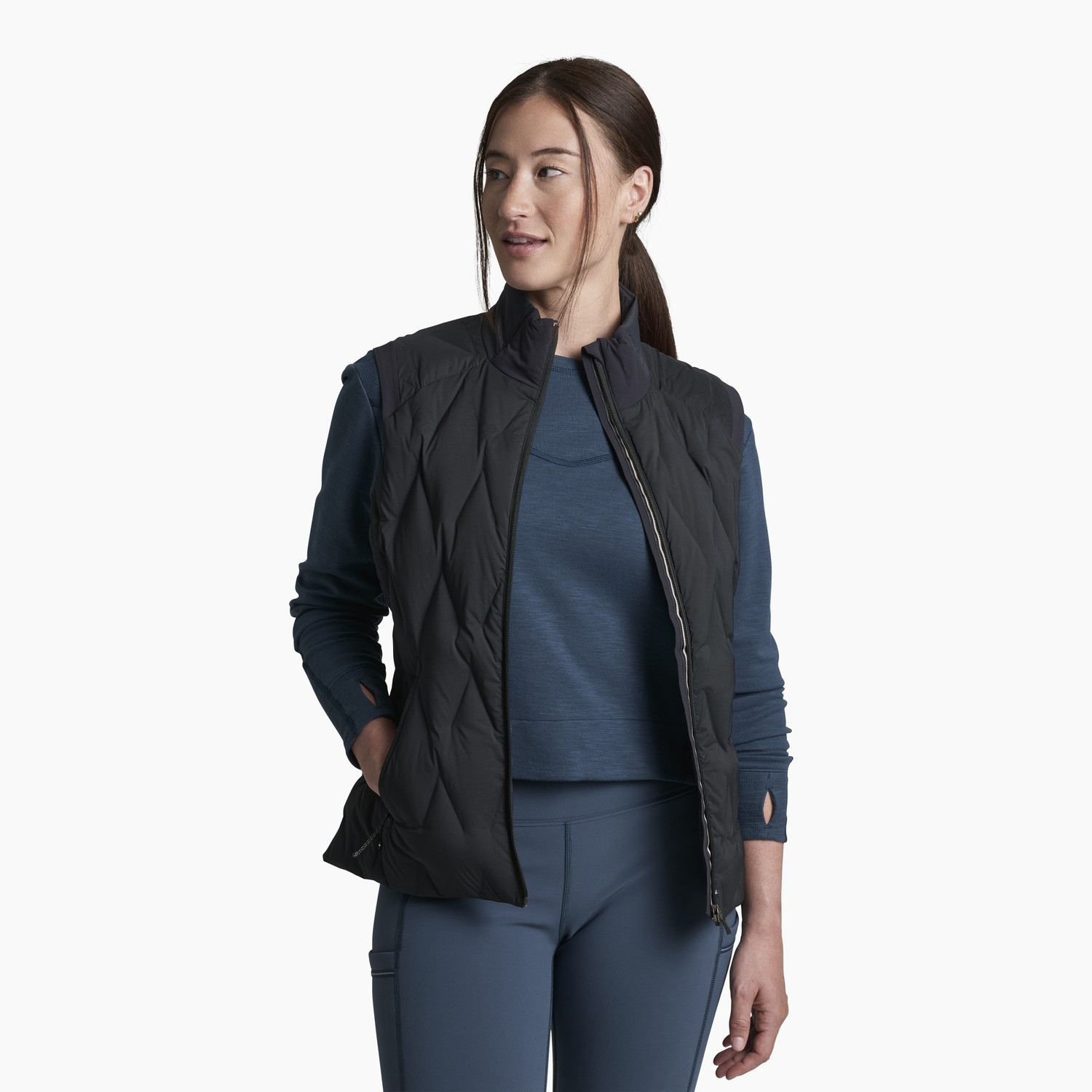
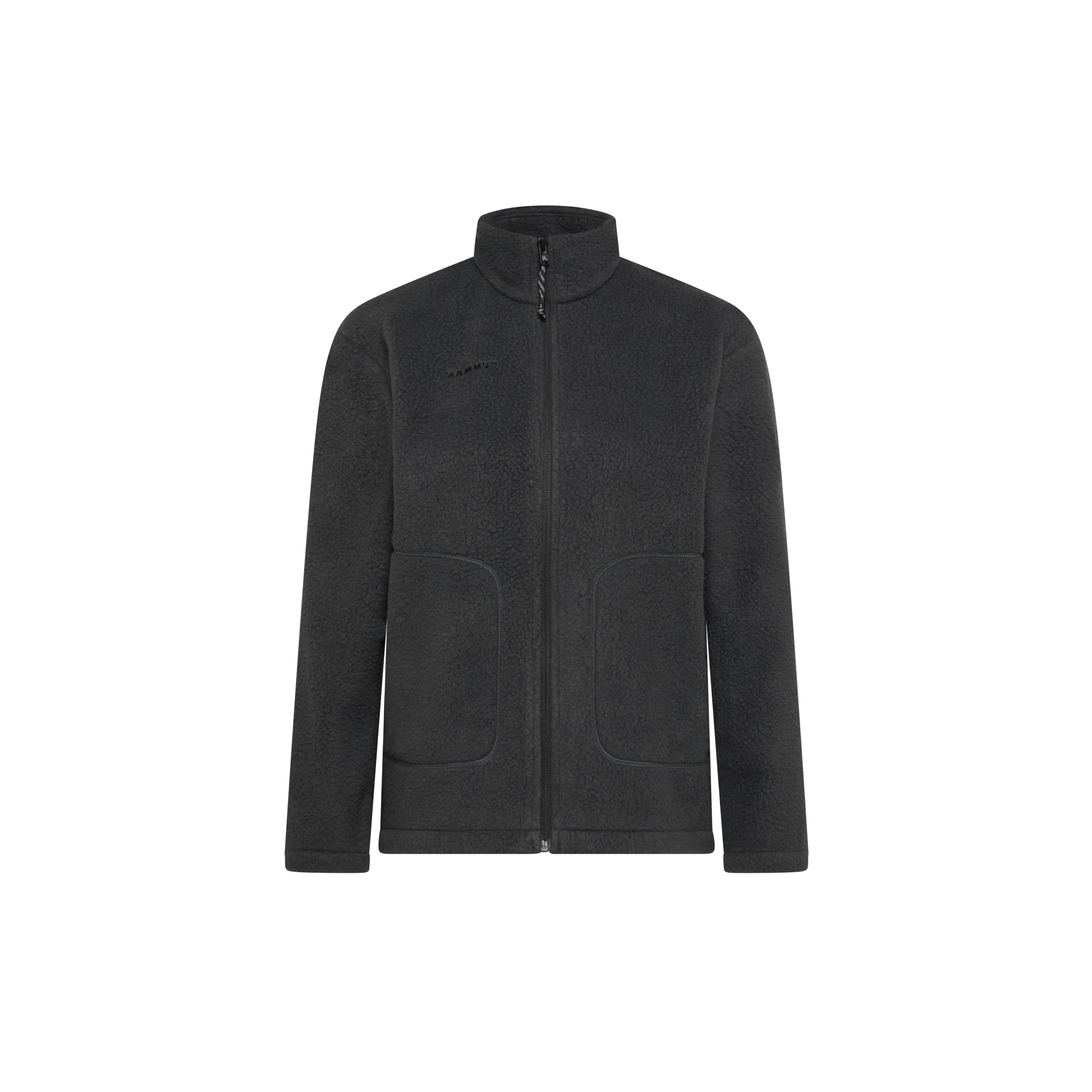
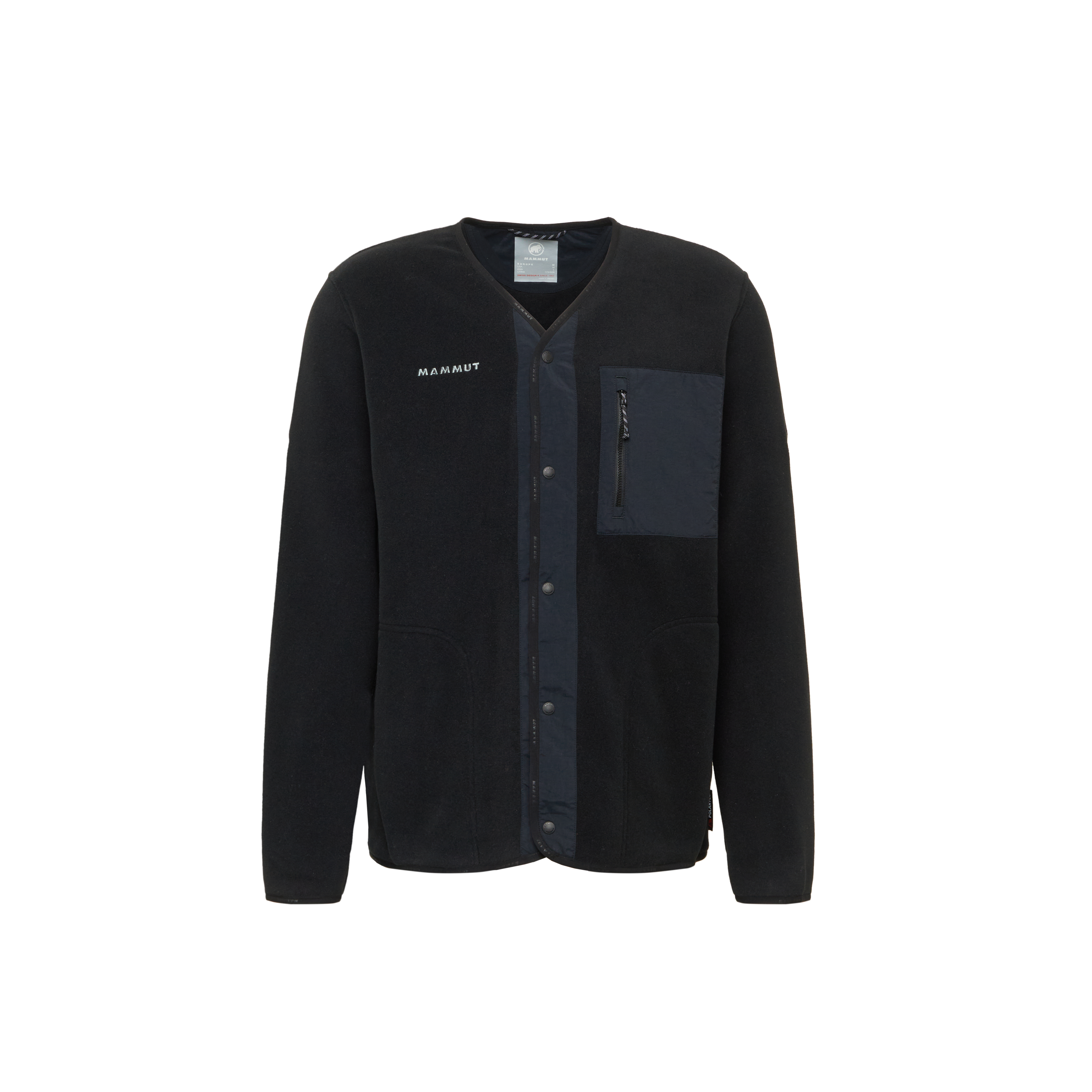
Women’s-specific packs, clothing and footwear can improve fit, but the correct product is the one that works with the individual body and route.
Backpack torso length, hipbelt geometry, footwear last shape, clothing pattern and layering interaction can all change comfort. Use women’s designs as a useful starting point where they improve fit, but do not reject a unisex product that works better for your body.
The full women’s hiking gear guide brings footwear, daypacks, pants, weather layers and trail essentials into one system rather than treating each item in isolation.
Pioneer Camp fits naturally into the women’s clothing portion of the system, particularly hiking pants, trail layers and weather protection. See the full women’s guide for category-specific fit guidance.
Women’s Picks
Women's picks
Gear Lists by Mountain
Once you know the categories, use the list for your mountain.
Mountain-specific lists translate the systems above into a real objective. They help answer the questions a general buying guide cannot: how much insulation, what footwear class, whether technical equipment is needed, how much pack capacity is realistic and where redundancy matters. Use the list as a starting framework, then reconcile it with your route, operator requirements, current conditions and personal equipment.
Africa
North America
Himalaya & Karakoram
Asia-Pacific & Antarctica
Treks & Long Trails

Buy What You Reuse. Rent What You’re Still Learning.
Owning every possible piece of mountaineering equipment is expensive, unnecessary and often counterproductive.
Personal Fit Gear
Footwear, base layers, socks, gloves and packs are highly personal and tend to reward familiarity. If you use them repeatedly, ownership often makes sense.
Specialized Equipment
Crampons, ice axes, technical boots, expedition sleeping systems and some climbing hardware can make sense to rent when you are learning the category or use them rarely.
Know the History
Borrowing can lower costs, but inspect compatibility, condition and service history. Critical safety equipment should never be treated as a mystery item simply because it is free.
The order matters. Build a dependable foundation of reusable equipment, then add specialized systems as your mountains become more technical. This avoids filling a garage with gear selected before you understood your preferences.
Gear on Sale This Week
Current markdowns across our recommended categories, updated automatically.
Gear on sale this week
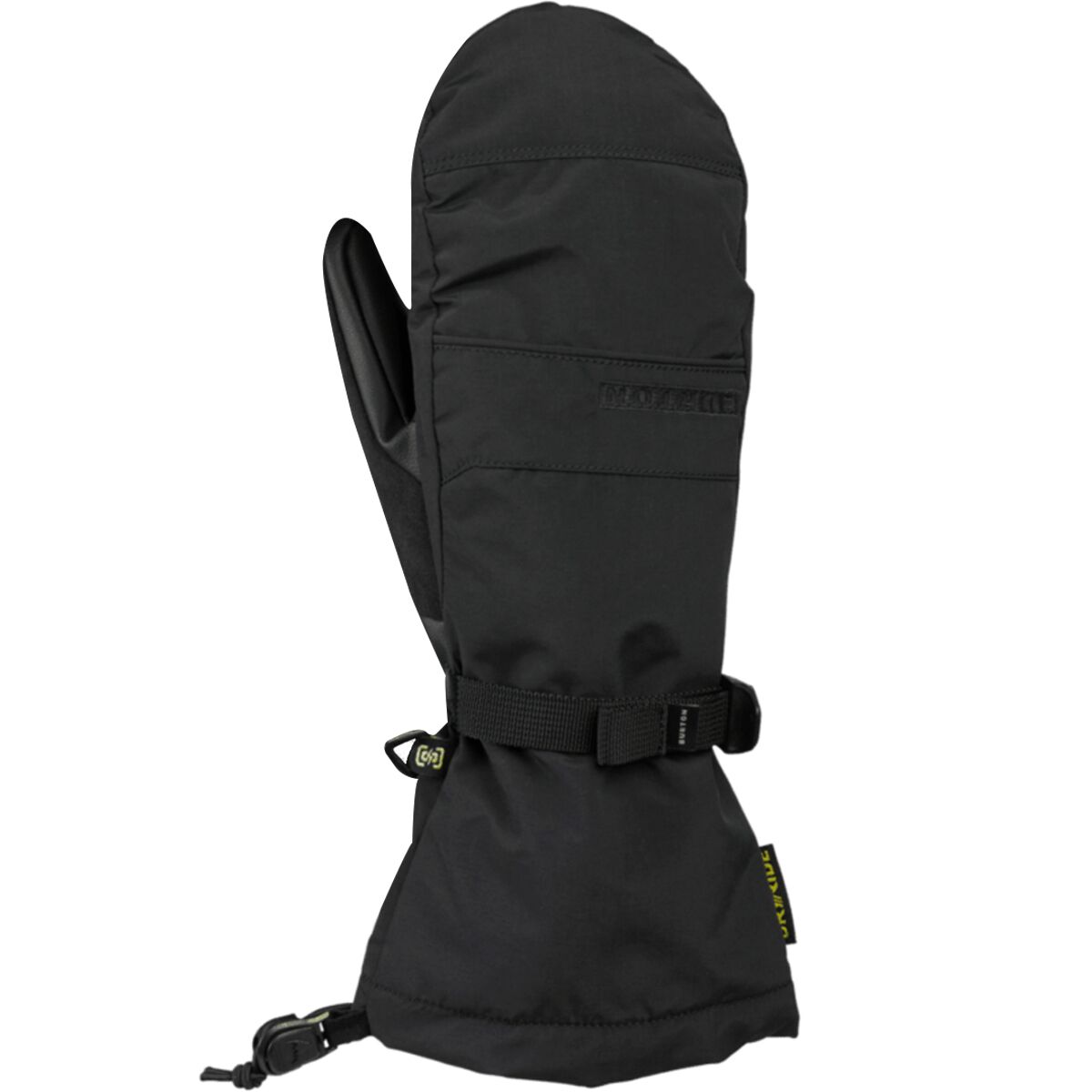
- BurtonBurton Profile Mitten – Women'sFrom $52.95
$529.95Check price at Back Country (opens in a new tab) - F24-SemiannualFuego Down Hooded Pullover – Women'sFrom $80
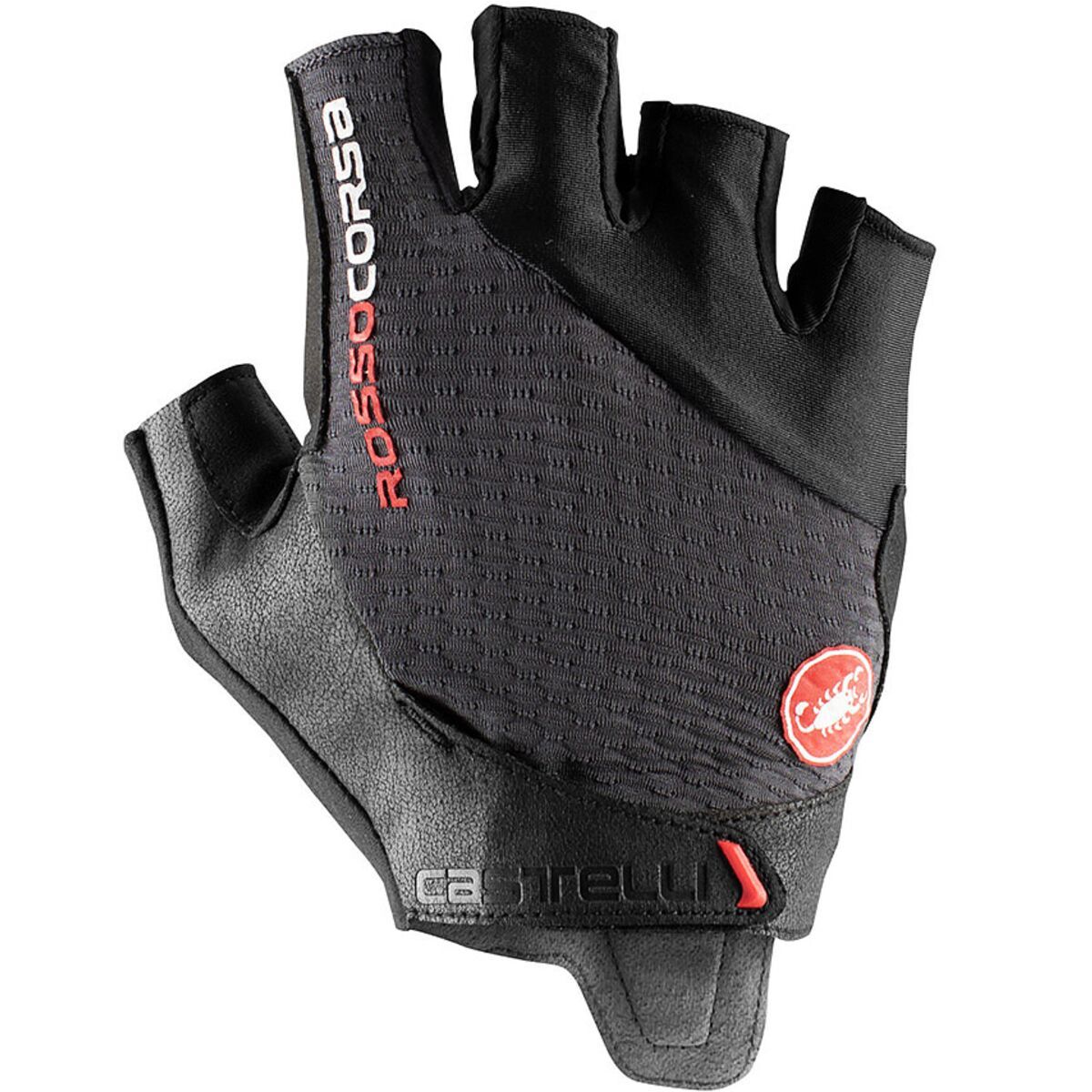
$275Check price at Cotapaxi (opens in a new tab) - CastelliCastelli Rosso Corsa Pro V Glove – Men'sFrom $18
$59.99Check price at Back Country (opens in a new tab)

Your Gear Locker Should Grow With Your Mountains
Progression is the organizing principle. Add equipment when a new objective creates a new requirement.
Your first mountain does not require an Everest equipment room. Start with good footwear, a reliable clothing system, a pack that fits and the basic safety equipment appropriate for the route. As snow, glaciers, technical climbing, winter travel and altitude enter the progression, expand the systems deliberately.
The advantage is more than financial. Equipment you add gradually gets used, adjusted and understood. You learn which features matter to you, how the pieces interact and where a lighter or more specialized option genuinely improves the system.
When you are ready to turn the categories on this hub into an item-by-item packing framework, continue to the complete packing list.

Build the System for the Route—not the Gear Closet for the Dream.
Choose the mountain. Understand the terrain. Identify the systems the route requires. Then buy, rent or borrow the equipment that fits those requirements and practice with it before the trip.
Was this helpful?
Global Summit Guide is an independent mountaineering resource founded in 2026. The team combines first-hand trekking and climbing experience with in-depth research and professional health and nutrition review to help climbers choose objectives, prepare properly, and stay safe.
Health, altitude, and nutrition content is reviewed by Taylor Ludlow (Registered Nurse) and Brigg Hoopes (Nutritionist).
What We Don't Know Yet
Mountain information changes quickly. This box explains the limits of what this page can responsibly promise.
- Gear requirements can change by season, route variation, weather window, personal cold tolerance, and guide-service requirements.
- Visa, passport, vaccination, border, insurance, and local transportation rules may change before your trip.
- Route conditions, snowpack, closures, and weather can change quickly after this page is updated.
- Permit rules, fees, quotas, and reservation windows may change between review cycles.
- Operator availability, pricing, guide ratios, and cancellation terms can change by season.
Verify current conditions with official land managers, guide services, local forecasts, and current route reports before booking or climbing.
Mountaineering, rock and ice climbing, glacier travel, and high-altitude activity are inherently dangerous and can result in serious injury or death. The information on Global Summit Guide is provided for general informational and educational purposes only and is not a substitute for professional instruction, qualified guiding, proper equipment, or your own judgment and experience.
Route conditions, weather, snowpack, permits, regulations, and hazards change constantly and may differ from what is described here. Details may be incomplete, out of date, or contain errors. Always verify current information with local authorities, certified guides, and official sources before making any decision in the mountains.
Nothing on this site is medical, legal, or financial advice. Our fitness, acclimatization, altitude, and nutrition content is general in nature; consult a qualified physician before beginning any strenuous exercise program or exposing yourself to high altitude.
You are solely responsible for your own safety and decisions. To the fullest extent permitted by law, Global Summit Guide and its team accept no liability for any loss, injury, damage, or expense arising from use of, or reliance on, this information. By using this site you acknowledge these risks and accept these terms.
Some links on this site may be affiliate links. If you buy through them we may earn a small commission at no extra cost to you; this never affects our recommendations.
Global Summit Guide recommendation path
Next Best Mountain to Research
Use these recommendations to continue the right planning path instead of stopping on one page.
Use current permit, weather, route, and operator information before booking or climbing.