
Last updated October 1, 2026
Best Water Filters for Hiking & Backpacking: 8 Filters & Purifiers
A backcountry water system is not just a flow-rate decision. Choose it by the organisms you need to remove, the water sources you expect, the number of people you are treating for, the likelihood of freezing, and whether you need filtration or true purification.
For Most U.S. Backcountry Hiking, a Lightweight Hollow-Fiber Microfilter Is the Practical Starting Point—but It Is Not a Universal Purifier.
Sawyer Squeeze, Katadyn BeFree AC, Platypus QuickDraw and LifeStraw Peak Squeeze are built around fast, lightweight treatment of bacteria and protozoa. They make sense when the main concern is ordinary backcountry microbial contamination and the product’s stated pathogen coverage matches the source.
For groups, Platypus GravityWorks 4L is easier to live with than repeatedly squeezing one liter at a time. For awkward or shallow collection points, Katadyn Hiker Pro keeps the familiar pump approach.
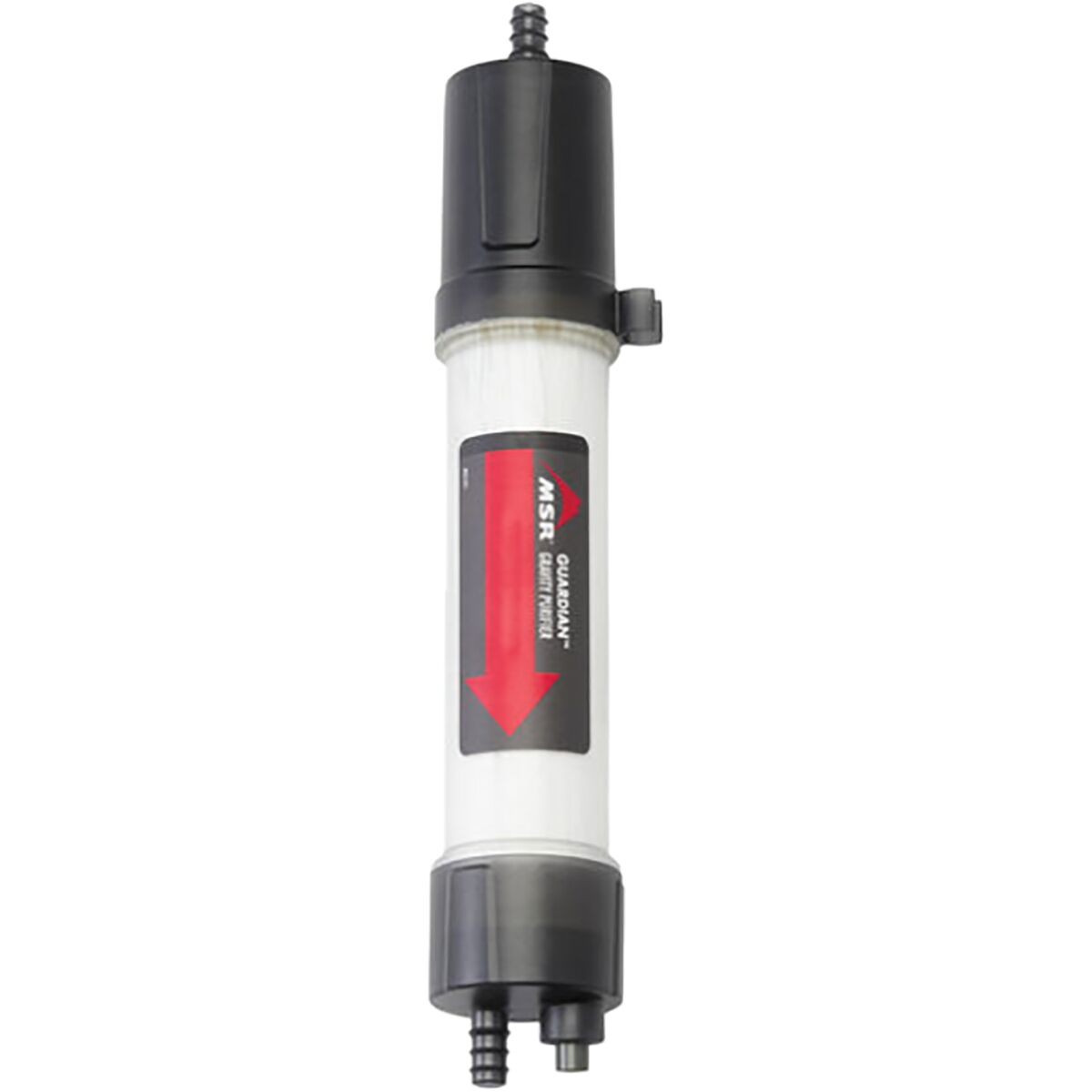
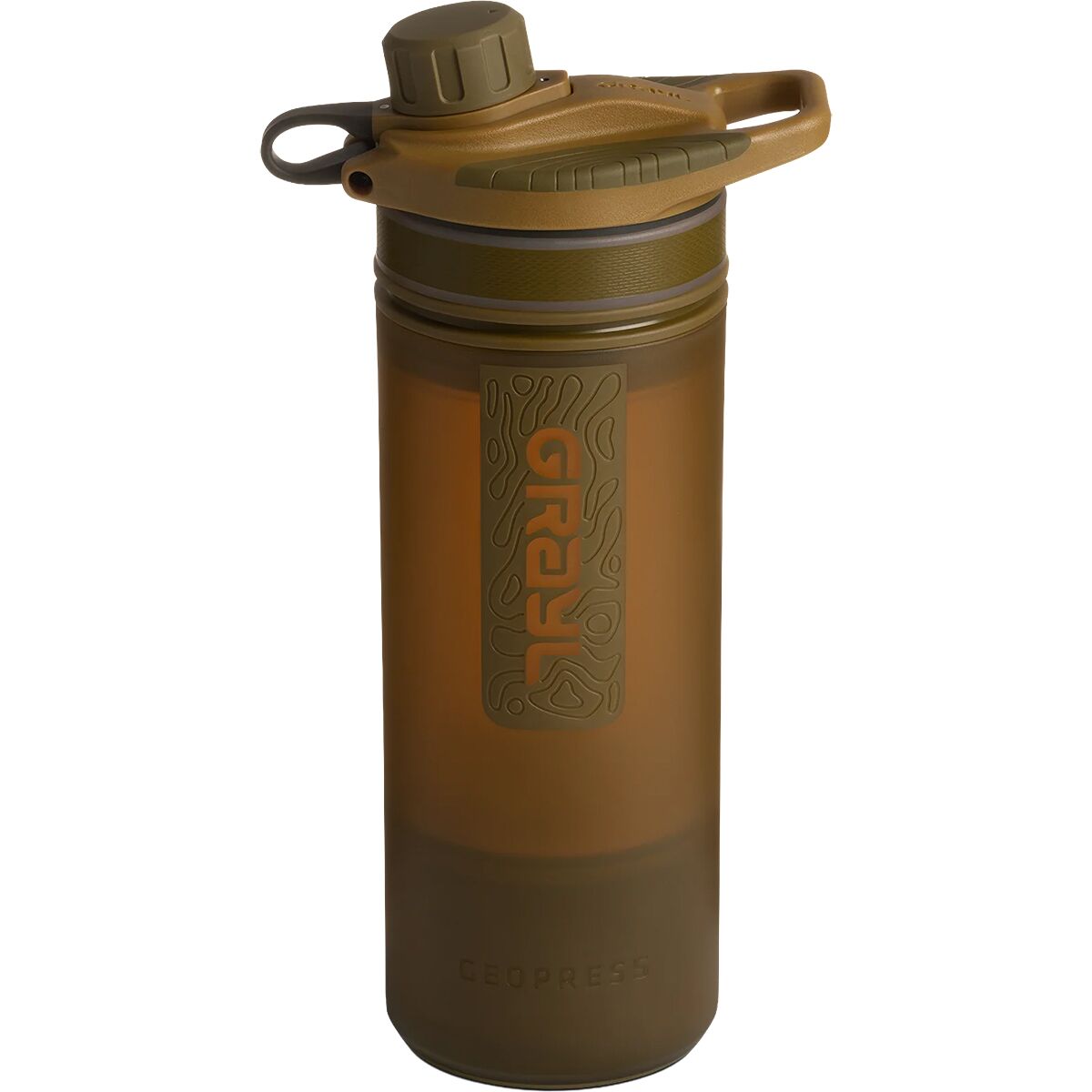
Where viruses are a meaningful concern, step into purifier territory or use an appropriate combined treatment method. MSR Guardian is a pump purifier designed for virus, bacteria and protozoa reduction; GRAYL GeoPress is a press purifier that also uses activated carbon media for taste, odor and specified chemical contaminants.
The CDC’s broader rule is conservative: if water safety is uncertain, boiling is the most reliable germ-killing method; when boiling is impractical, filtration followed by disinfection provides broader coverage than filtration alone.
8 Water Filters & Purifiers Worth Comparing in 2026
These are grouped by use case rather than treated as one universal ranking. Filter performance must match the actual pathogen and contamination risk.
Sawyer Squeeze
A widely compatible 0.1-micron hollow-fiber filter that can run from a squeeze pouch, common 28 mm bottle or gravity-style setup.
- Filter element about 3 oz
- 0.1 micron absolute
- Bacteria + protozoa + microplastics; not a virus purifier
Katadyn BeFree AC 1.0L
A collapsible one-liter system with a fast hollow-fiber element and very low carried weight.
- 1.0L soft flask
- 0.1 micron
- Up to 2 L/min published flow
Platypus QuickDraw
A compact squeeze filter with broad bottle compatibility, field cleaning and an integrity-check procedure.
- 3.3 oz system with 1L reservoir
- Up to 3 L/min published squeeze flow
- Bacteria + protozoa; not viruses
LifeStraw Peak Squeeze 1L
A compact squeeze bottle and membrane filter for trail use, fastpacking and lightweight backpacking.
- 3.2 oz / 102 g
- Up to 2,000 L membrane life
- Bacteria + parasites + microplastics; not viruses
Platypus GravityWorks 4L
A two-reservoir gravity system that treats several liters without pumping or repeated squeezing.
- 4L dirty + clean reservoirs
- 1.75 L/min published flow
- About 11.5 oz claimed weight
Katadyn Hiker Pro
A pump filter with a 0.2-micron glass-fiber cartridge and activated carbon for users who prefer controlled pumping from awkward sources.
- About 1 L/min
- 233 g published weight
- Bacteria + protozoa + sediment; taste/odor reduction
MSR Guardian Purifier
A robust 0.02-micron pump purifier designed for broad pathogen protection and high-volume use.
- Viruses + bacteria + protozoa
- 2.5 L/min published flow
- 17.3 oz claimed weight
GRAYL GeoPress
A bottle-style press purifier that targets viruses, bacteria and protozoa while activated carbon addresses taste, odor and specified chemical contaminants.
- 24 oz / 710 ml capacity
- 15.9 oz purifier weight
- Cartridge rated to 350 cycles / 250 L
| System | Style | Bacteria / protozoa | Viruses | Best use | Main trade-off |
|---|---|---|---|---|---|
| Sawyer Squeeze | Squeeze / gravity capable | Yes | No | General backpacking / thru-hiking | Requires cleaning; wet hollow fibers need freeze protection |
| Katadyn BeFree AC 1L | Squeeze bottle | Yes | No | Fast hiking / light trips | Soft-flask system |
| Platypus QuickDraw | Squeeze | Yes | No | Light backpacking / bottle integration | Not virus-capable |
| LifeStraw Peak Squeeze | Squeeze | Yes | No | Ultralight / simple trail use | No virus or heavy-metal removal claim |
| GravityWorks 4L | Gravity | Yes | No | Pairs / groups / base camp | More hoses and bag volume |
| Katadyn Hiker Pro | Pump | Yes | No | Shallow / awkward sources | Heavier and more work |
| MSR Guardian | Pump purifier | Yes | Yes | International / high-consequence water | Weight and cost |
| GRAYL GeoPress | Press purifier | Yes | Yes | Travel / trekking / broad treatment | Cartridge life and bottle weight |

The Virus Question Changes the Entire Decision.
Most popular backpacking microfilters use hollow fibers with pores small enough to remove bacteria and protozoan parasites such as Giardia and Cryptosporidium. They do not reliably remove viruses.
A purifier adds virus-level protection through finer physical filtration, electroadsorption, chemicals, UV or another validated treatment process.
For ordinary backcountry travel, bacterial and protozoan protection may match the primary water risk. In areas with poor sanitation, heavy human contamination or uncertain infrastructure, virus protection becomes more important.
Match the Treatment to the Contaminant
Clear water can still contain disease-causing organisms. At the same time, microbial treatment does not automatically make chemically contaminated water safe.
Giardia + Cryptosporidium
These parasites are relatively large and are within the design range of many properly rated backpacking microfilters.
E. coli + Salmonella
Use a filter whose absolute pore size and tested claims specifically cover bacteria; the CDC notes 0.3 micron absolute or smaller as a general threshold.
Norovirus + hepatitis A
Ordinary microfilters do not reliably remove enteric viruses. Purification or an appropriate disinfection step is needed when virus risk matters.

Squeeze, Pump, Gravity or Press?
The treatment technology matters, but the user interface determines whether the system still feels practical on day six.
Light + fast
Excellent for one or two hikers. Simple, compact and easy to pair with compatible bottles or soft reservoirs.
Best for groups
Collect several liters, hang the bag and let gravity work while the group sets camp or cooks.
Controlled collection
Useful at shallow or awkward sources where filling a bag is difficult, though pumping adds effort and moving parts.
Broad protection in a bottle
Convenient for international trekking and uncertain sources, with more weight and shorter cartridge life than minimalist microfilters.
Published Flow Rate Is the Best-Case Starting Point
Silt, tannins, cartridge condition, reservoir pressure and cleaning frequency all change real-world output.
1–2 liters at a stop
Squeeze systems excel because setup time is minimal and the filter can often attach directly to the bottle you already carry.
2–4 liters per stop
A high-flow squeeze filter still works, but a 4L gravity system removes repetitive squeezing when both people refill together.
4+ liters repeatedly
Gravity systems become increasingly valuable as total daily water volume climbs, especially around shared camps.

Start With the Best Water You Can Find.
Treatment does not make source selection irrelevant. Prefer clear flowing water over stagnant pools when both are available, and collect upstream from obvious camps, livestock concentration, human waste or heavy sediment whenever practical.
Very silty water can clog hollow-fiber filters quickly. Let sediment settle or use a prefilter when the manufacturer allows it. Tea-colored water and heavy organic material can also reduce flow and complicate treatment.
Do not assume crystal-clear alpine water is safe without treatment. The CDC specifically notes that clear mountain streams can still contain disease-causing germs.

A Wet Hollow-Fiber Filter Must Be Protected From Freezing.
Freezing water expands. In some hollow-fiber filters that expansion can rupture fibers and create a failure that is not obvious from appearance alone.
Keep it warm
Carry the wetted cartridge close to the body when temperatures fall and place it in the sleeping bag overnight if the manufacturer recommends it.
Do not assume it is safe
Use the manufacturer’s integrity-check procedure if one exists. If safe function cannot be verified, switch treatment method or replace the filter.
Clean correctly
Backflush, shake-clean or rehydrate only according to the specific model’s instructions. One brand’s cleaning process may damage another filter.
Carry redundancy in cold
Tablets, boiling capability or a second treatment method reduce the consequence of a frozen or clogged primary system.

Shop Current Water Treatment
Global Summit Guide does not currently have a confirmed dedicated water-filters Gear Ads tag, so this page uses catalog-title searches rather than inventing a tag.
Current Water Filters
Use the filter-versus-purifier framework first, then compare current availability.
Current Water Filters
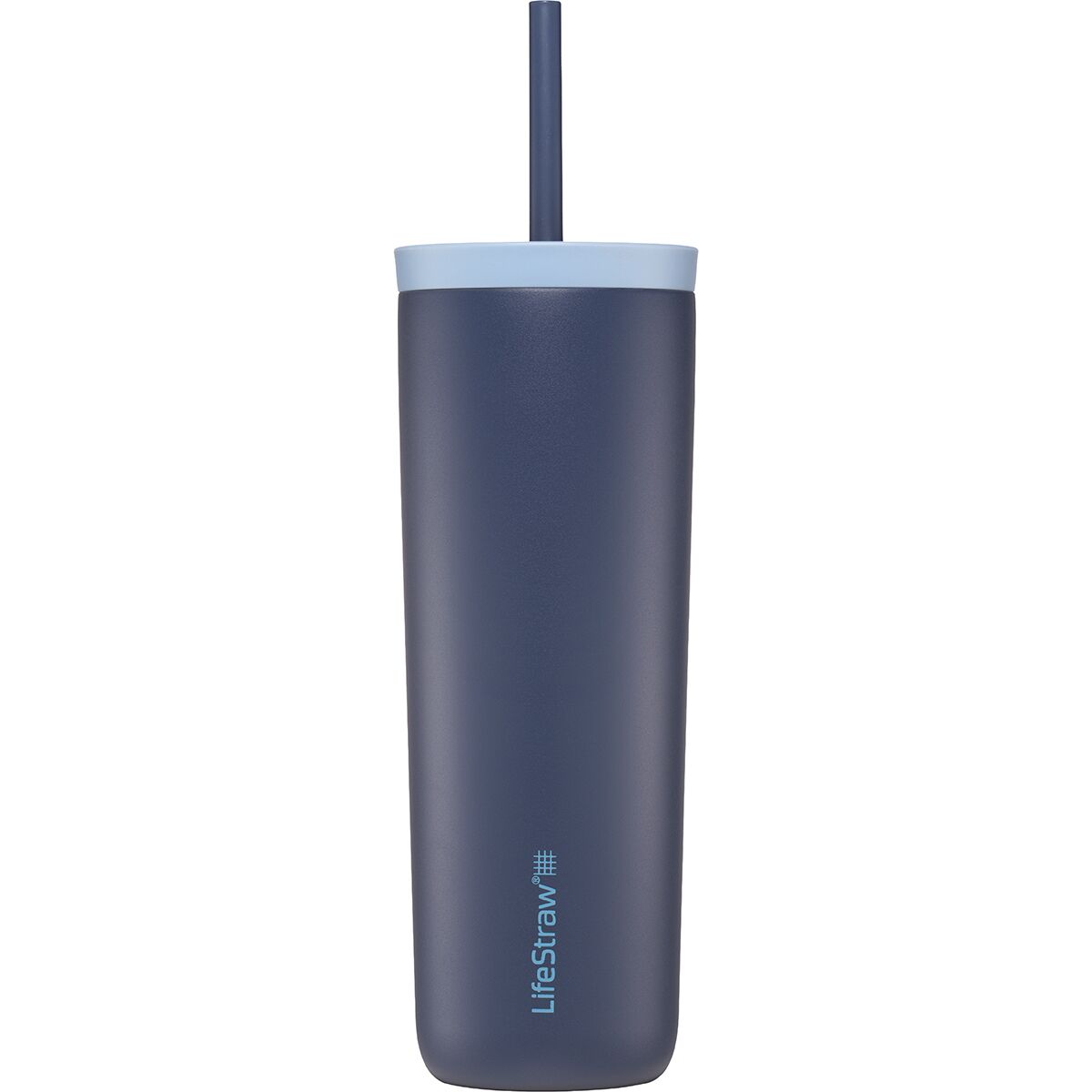
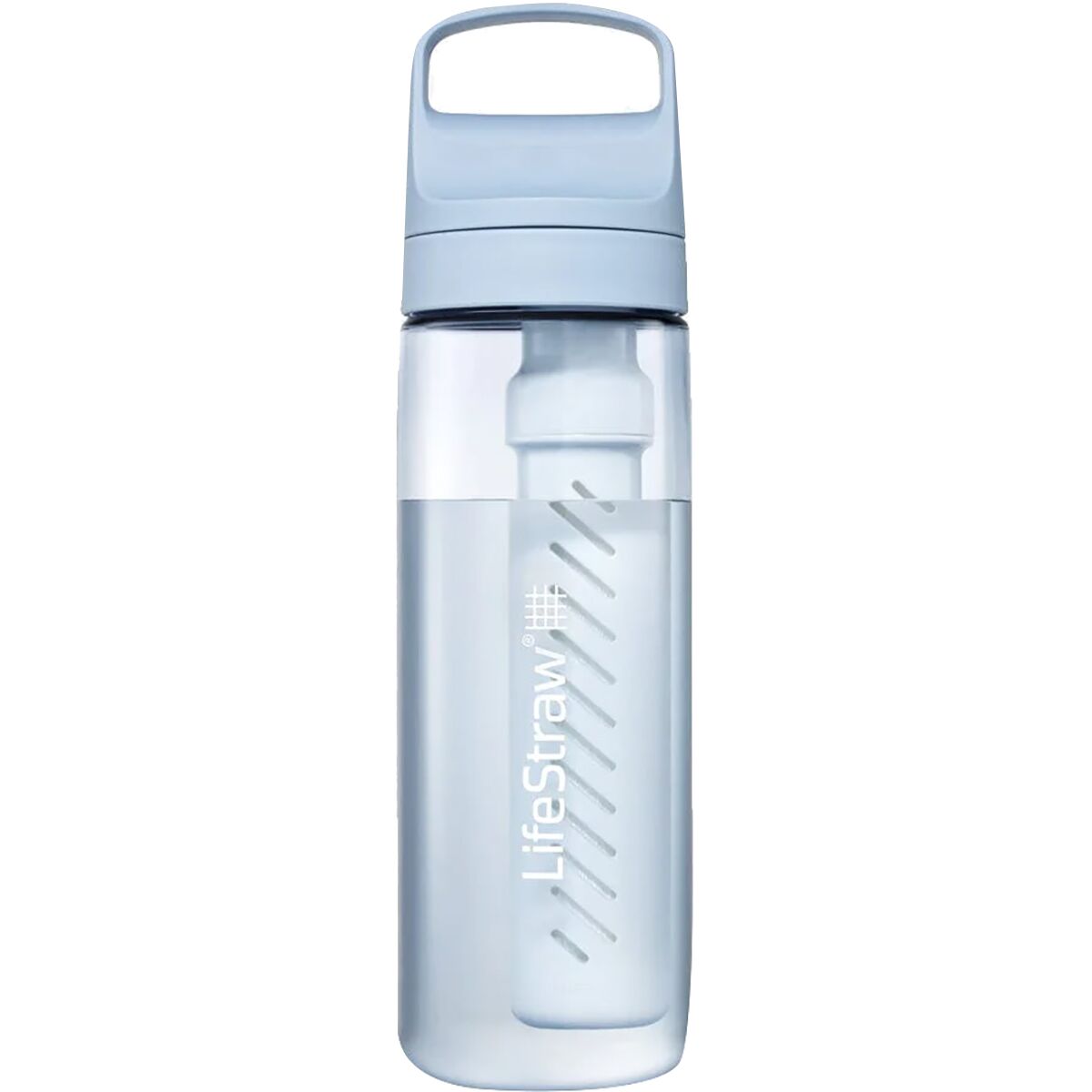
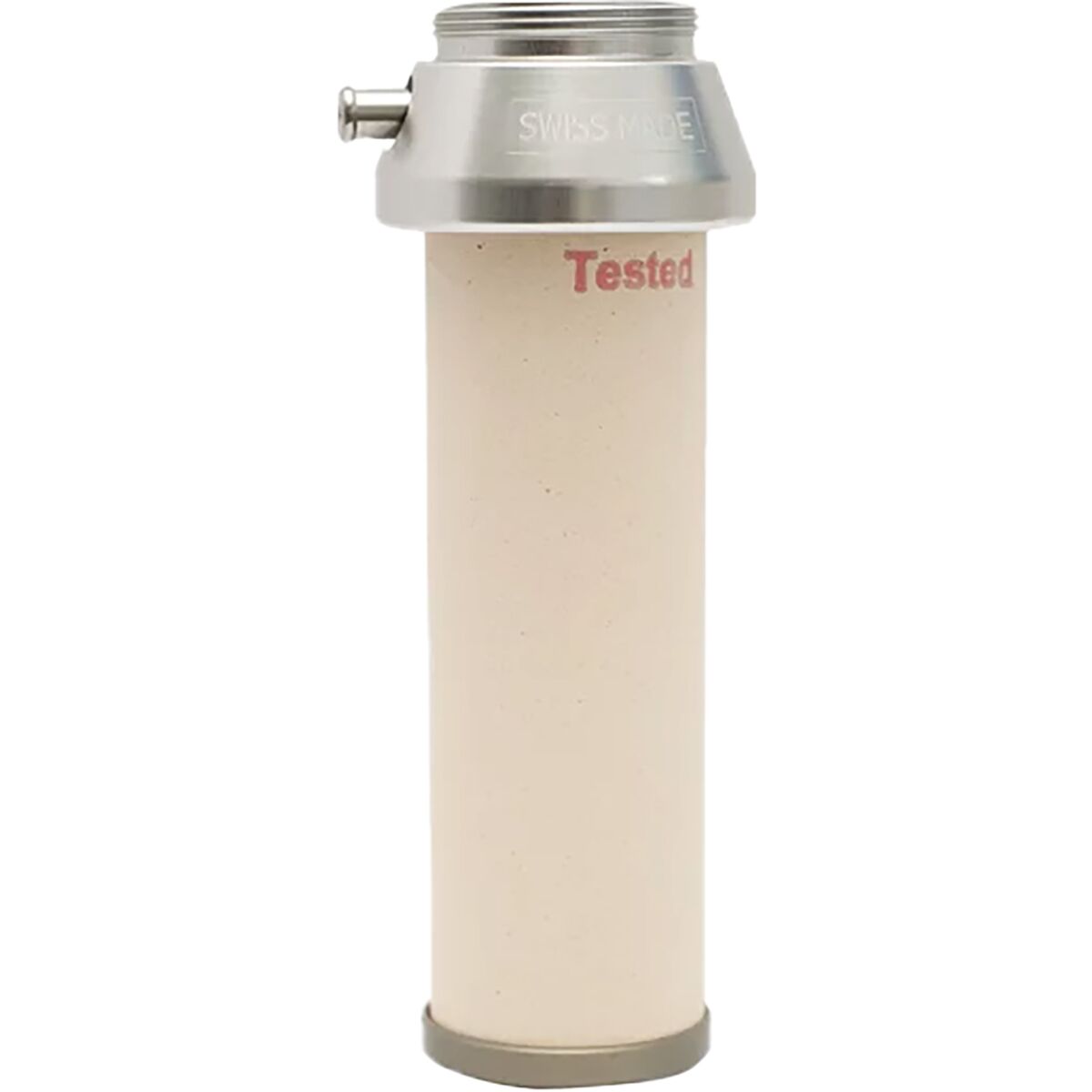
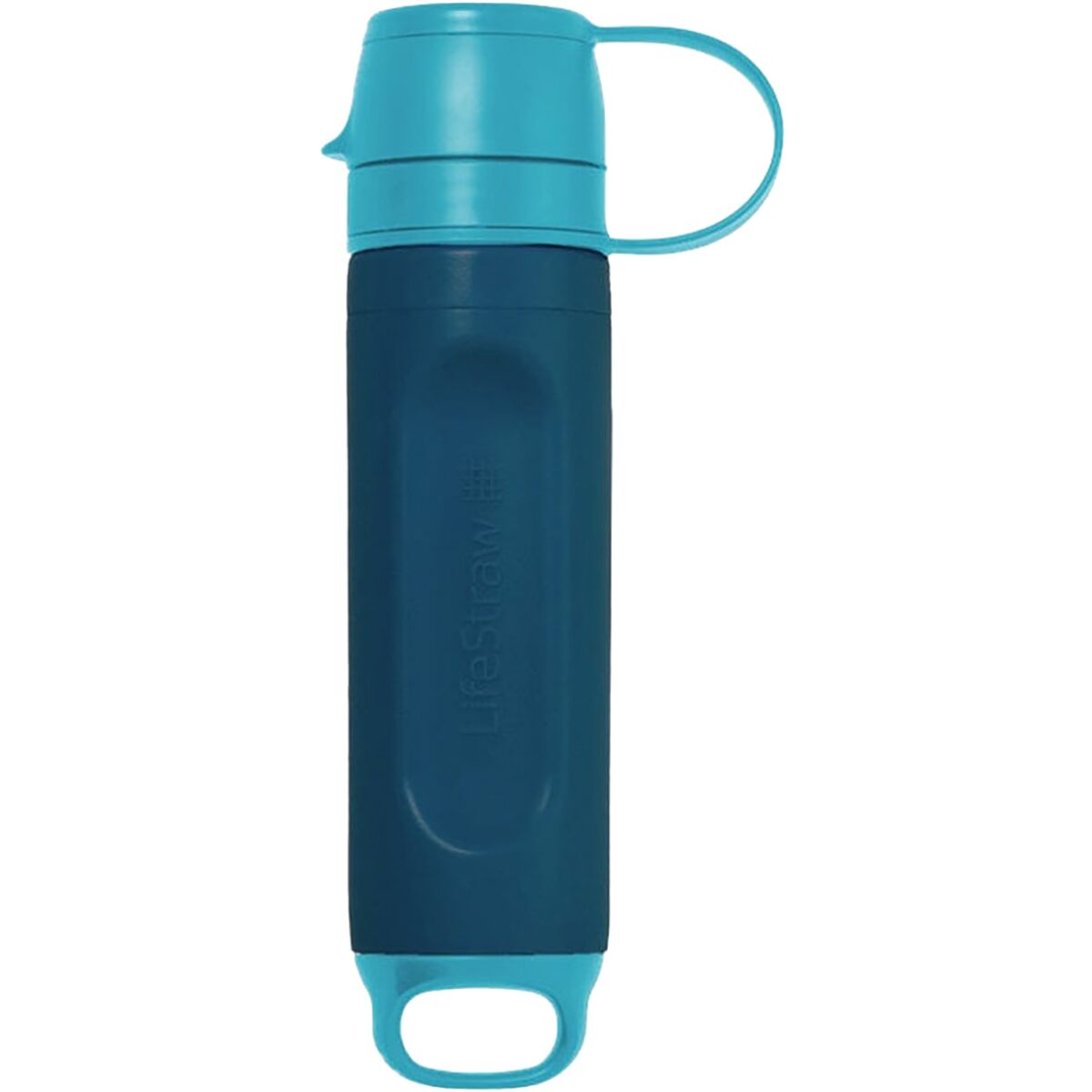
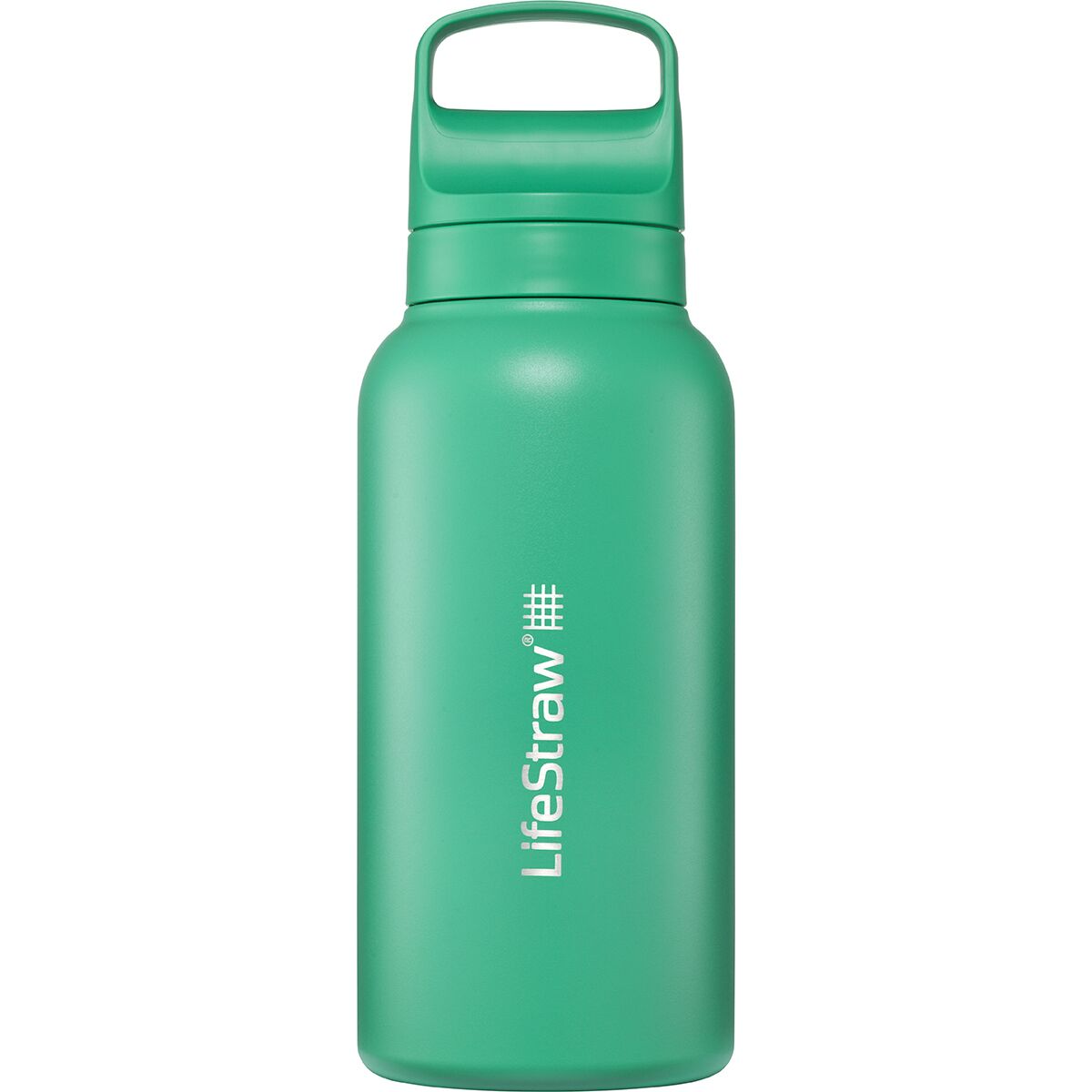
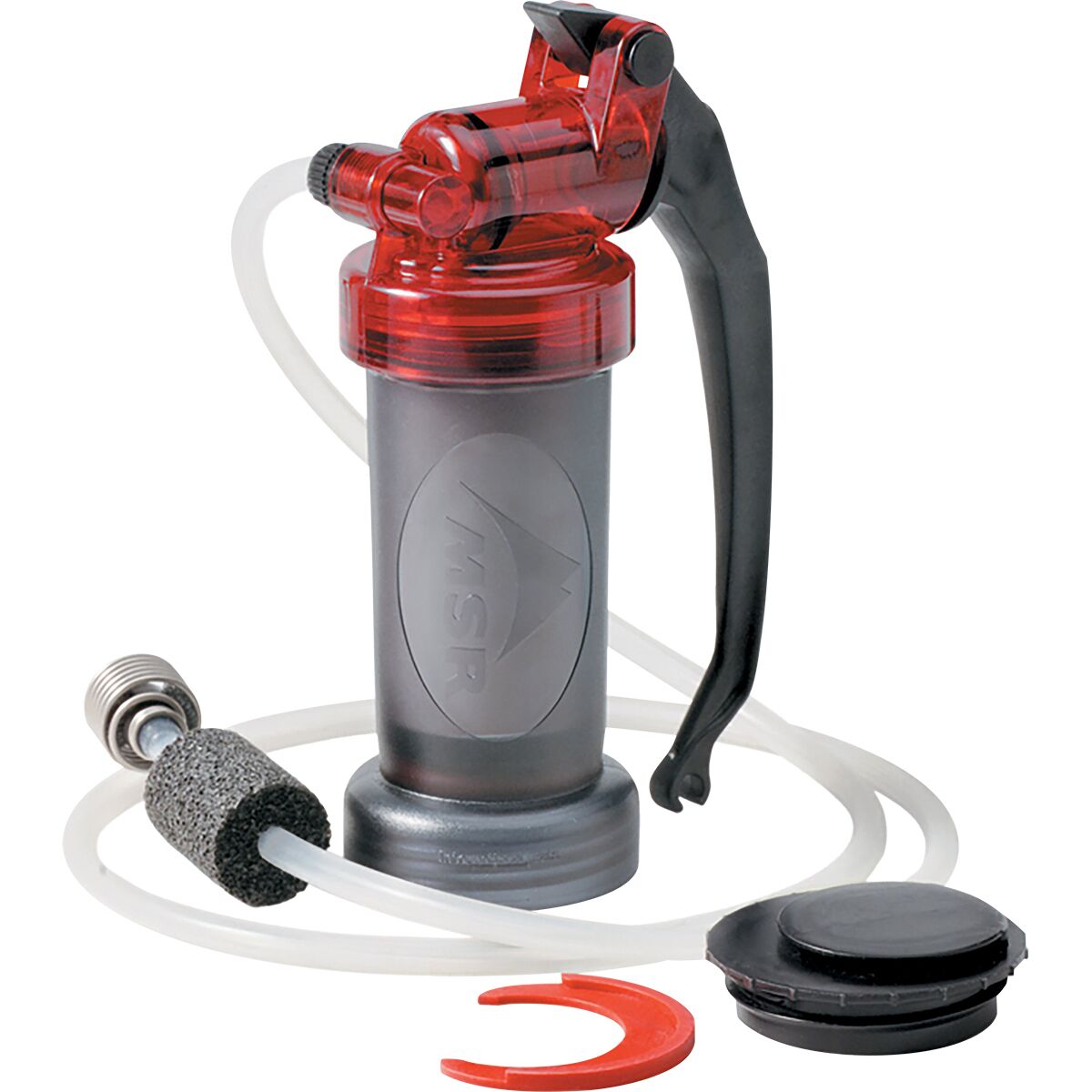
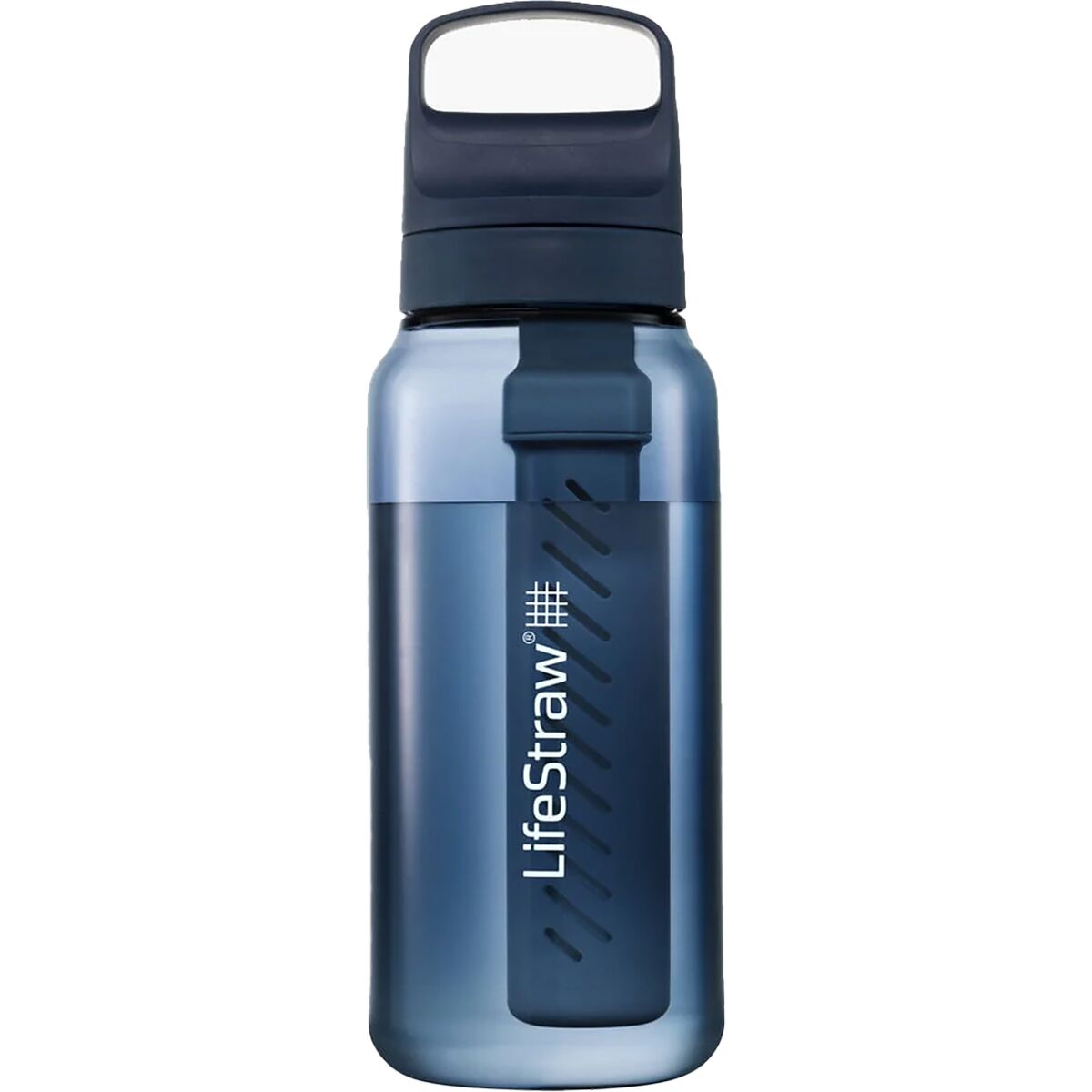
We may earn a commission if you buy through these links, at no extra cost to you. Affiliate disclosure
Current Water Purifiers
Use purifier inventory when virus-level protection or broader treatment is required by the trip.
Current Water Purifiers
How This Water-Filter Guide Is Built
This GAP page separates product choice from water-safety claims so a lightweight trail filter is not presented as equivalent to a true purifier.
Current products + public-health framework
Global Summit Guide rechecked current product information for Sawyer Squeeze, Katadyn BeFree AC 1.0L, Platypus QuickDraw, LifeStraw Peak Squeeze 1L, Platypus GravityWorks 4L, Katadyn Hiker Pro, MSR Guardian and GRAYL GeoPress.
The treatment framework follows current CDC guidance distinguishing parasites, bacteria and viruses; it also preserves the CDC warning that microbial treatment does not make chemically contaminated water safe.
Current published specifications used here include QuickDraw at 3.3 oz for the 1L system and up to 3 L/min, GravityWorks at 1.75 L/min, Guardian at 0.02 micron / 2.5 L/min / 17.3 oz, LifeStraw Peak Squeeze at 3.2 oz and 2,000 L membrane life, and GeoPress at 15.9 oz with a 710 ml capacity.
No fabricated testing or star ratings: the use-case framework is research-based and uses published treatment claims, flow rates, weights, field-maintenance requirements and intended use.
Best Water Filters FAQ
Do backpacking water filters remove viruses?
Most common hollow-fiber microfilters do not. They are primarily designed for bacteria and protozoa. Use a purifier or an appropriate filtration-plus-disinfection strategy when viruses are part of the expected water risk.
What micron size should a water filter have?
The CDC notes that 0.3 micron absolute or smaller can remove bacteria and parasites, while viruses are much smaller. Use the product’s tested pathogen claims and certification—not pore size alone—to decide suitability.
Is boiling better than filtering?
For killing germs, the CDC identifies boiling as the most reliable option. At elevations above 6,500 feet, CDC guidance calls for a rolling boil for three minutes. When boiling is impractical, filtering followed by disinfection provides broader microbial coverage.
Can a filter remove harmful chemicals?
Many ordinary backpacking filters cannot. Some carbon-containing purifiers make specific chemical-reduction claims, but no treatment should be assumed to make a chemically contaminated source safe unless it is tested for that contaminant.
What is the best filter for two or more people?
A gravity system becomes increasingly convenient as group water volume rises because it treats multiple liters while the group handles other camp tasks. A high-flow squeeze filter still works for pairs who value lower weight.
What happens if my filter freezes?
Wet hollow fibers can be damaged by freezing. Follow the specific manufacturer’s instructions and use any available integrity test. If safe operation cannot be confirmed, replace the filter or use another treatment method.
Should I carry backup water treatment?
For remote, long or freezing-condition trips, yes. Tablets, boiling capability or a second treatment method can keep one filter failure from becoming a hydration emergency.
Build the Rest of the Trail System
Thru-Hiking Gear List
Place water treatment inside the complete long-trail loadout.
Carry systemBest Hiking Backpacks
Size water capacity and treatment gear around the pack you actually carry.
Parent pillarMountaineering & Hiking Gear Guide
Connect water treatment to the broader mountain equipment system.
ShelterBest Backpacking Tents
Build the overnight system for long approaches and multi-day trails.
Sleep systemBest Sleeping Pads
Balance water weight with the rest of the overnight equipment load.
Planning toolMountain Gear Planner
Build route-specific water, clothing, shelter and technical gear requirements.
Deep recoveryMountain Weather for Climbers
Heat, storms and freezing temperatures change water capacity and filter-care decisions.
Deep recoveryGear Safety
Treat filter integrity, clean/dirty separation and backup treatment as part of gear safety.
Deep recoveryFinal 72-Hour Checklist
Recheck water sources, treatment method and cold-weather filter protection before departure.
Choose the Contaminant Coverage First. Then Optimize the Weight.
The lightest filter is useful only when it treats the organisms you actually need to address. Match the system to the water risk, protect it from failure, and carry a backup when the route makes untreated water the only alternative.
Was this helpful?
Global Summit Guide is an independent mountaineering resource founded in 2026. The team combines first-hand trekking and climbing experience with in-depth research and professional health and nutrition review to help climbers choose objectives, prepare properly, and stay safe.
Health, altitude, and nutrition content is reviewed by Taylor Ludlow (Registered Nurse) and Brigg Hoopes (Nutritionist).
What We Don't Know Yet
Mountain information changes quickly. This box explains the limits of what this page can responsibly promise.
- Visa, passport, vaccination, border, insurance, and local transportation rules may change before your trip.
- Route conditions, snowpack, closures, and weather can change quickly after this page is updated.
- Permit rules, fees, quotas, and reservation windows may change between review cycles.
- Operator availability, pricing, guide ratios, and cancellation terms can change by season.
- Your fitness, altitude response, risk tolerance, and experience level may change what is safe or realistic.
Verify current conditions with official land managers, guide services, local forecasts, and current route reports before booking or climbing.
Mountaineering, rock and ice climbing, glacier travel, and high-altitude activity are inherently dangerous and can result in serious injury or death. The information on Global Summit Guide is provided for general informational and educational purposes only and is not a substitute for professional instruction, qualified guiding, proper equipment, or your own judgment and experience.
Route conditions, weather, snowpack, permits, regulations, and hazards change constantly and may differ from what is described here. Details may be incomplete, out of date, or contain errors. Always verify current information with local authorities, certified guides, and official sources before making any decision in the mountains.
Nothing on this site is medical, legal, or financial advice. Our fitness, acclimatization, altitude, and nutrition content is general in nature; consult a qualified physician before beginning any strenuous exercise program or exposing yourself to high altitude.
You are solely responsible for your own safety and decisions. To the fullest extent permitted by law, Global Summit Guide and its team accept no liability for any loss, injury, damage, or expense arising from use of, or reliance on, this information. By using this site you acknowledge these risks and accept these terms.
Some links on this site may be affiliate links. If you buy through them we may earn a small commission at no extra cost to you; this never affects our recommendations.
Global Summit Guide recommendation path
Next Best Mountain to Research
Use these recommendations to continue the right planning path instead of stopping on one page.
Use current permit, weather, route, and operator information before booking or climbing.