
Last updated October 1, 2026

Best Sleeping Pads for Backpacking & Mountaineering: 8 Picks by Use
Your sleeping bag slows heat loss to the air. Your sleeping pad slows heat loss into the ground. The best pad is the one whose R-value, weight, thickness, width and durability match the conditions where you will actually sleep.
For Most Backpackers, an ASTM-Tested R 4–5.5 Inflatable Pad Is the Best All-Around Choice.
That range covers a wide span of three-season and cool-weather use without forcing you into the weight and cost of a deep-winter pad. Therm-a-Rest NeoAir XLite NXT, NEMO Tensor All-Season, Big Agnes Rapide SL Insulated, REI Helix and Sea to Summit Ether Light XR all sit in or near this broad-use category.
For snow camping and mountaineering, move higher. Therm-a-Rest NeoAir XTherm NXT is R 7.3, NEMO Tensor Extreme Conditions reaches R 8.5, and current cold-weather pads from EXPED and Sea to Summit also move well above the ordinary three-season range.
If failure consequence matters, a simple closed-cell foam pad such as the Therm-a-Rest Z Lite Sol can serve as a backup layer, puncture barrier and emergency insulation underneath the inflatable.
8 Sleeping Pads Worth Comparing in 2026
The list is grouped by use case rather than treated as one universal ranking. Current specifications were rechecked in September 2026.
Therm-a-Rest NeoAir XLite NXT
A light, compact 3-inch air pad with enough insulation for broad backpacking use.
- R-value 4.5
- Regular: 13 oz
- 3 in. thick
NEMO Tensor All-Season
A quiet, insulated air pad that pushes into colder conditions without moving into deep-winter weight.
- R-value 5.4
- 14.1 oz minimum weight
- 3.5 in. thick
Big Agnes Rapide SL Insulated
A thick, cradled pad with raised outer rails and a strong comfort-to-weight balance.
- R-value 4.8
- 4.25 in. outer rails
- 3-season insulated design
REI Co-op Helix Insulated
A 3-inch insulated pad with a relatively high R-value for general backpacking and cold sleepers.
- R-value 4.9
- Medium: 1 lb 5 oz
- 3 in. thick
Sea to Summit Ether Light XR
A 4-inch-thick Air Sprung Cell pad for backpackers who place comfort above minimum weight.
- R-value 4.1
- Regular: 16.6 oz pad weight
- 3.94 in. thick
Therm-a-Rest NeoAir XTherm NXT
Exceptional insulation for the weight, aimed at winter backpacking and expedition-style cold.
- R-value 7.3
- Regular: 15.5 oz
- 3 in. thick
NEMO Tensor Extreme Conditions
A deep-winter pad with very high insulation and comparatively low weight for the category.
- R-value 8.5
- 1 lb 1 oz minimum
- 3.5 in. thick
Therm-a-Rest Z Lite Sol
A nearly indestructible closed-cell foam pad that works alone in warm weather or under an inflatable for redundancy.
- R-value 2.0
- Regular: 14 oz
- 0.75 in. thick
Specification note: weights vary by size. Use the exact size you plan to buy when comparing grams or ounces.
| Pad | R-value | Thickness | Best use | Main trade-off |
|---|---|---|---|---|
| NeoAir XLite NXT | 4.5 | 3 in. | Ultralight 3-season / year-round mild | Premium price, thinner fabrics |
| NEMO Tensor All-Season | 5.4 | 3.5 in. | Cold 3-season / shoulder season | More expensive than basic pads |
| Big Agnes Rapide SL | 4.8 | 3.5–4.25 in. | Side sleepers / comfort backpacking | Bulkier than minimalist pads |
| REI Helix | 4.9 | 3 in. | Value / general backpacking | Heavier than ultralight leaders |
| Sea to Summit Ether Light XR | 4.1 | 3.94 in. | Maximum comfort / 3-season | More weight for the warmth |
| NeoAir XTherm NXT | 7.3 | 3 in. | Winter / mountaineering | Higher cost |
| NEMO Tensor Extreme | 8.5 | 3.5 in. | Deep winter / expedition cold | Overkill for summer trips |
| Z Lite Sol | 2.0 | 0.75 in. | Summer / backup / redundancy | Bulky and much less cushioned |
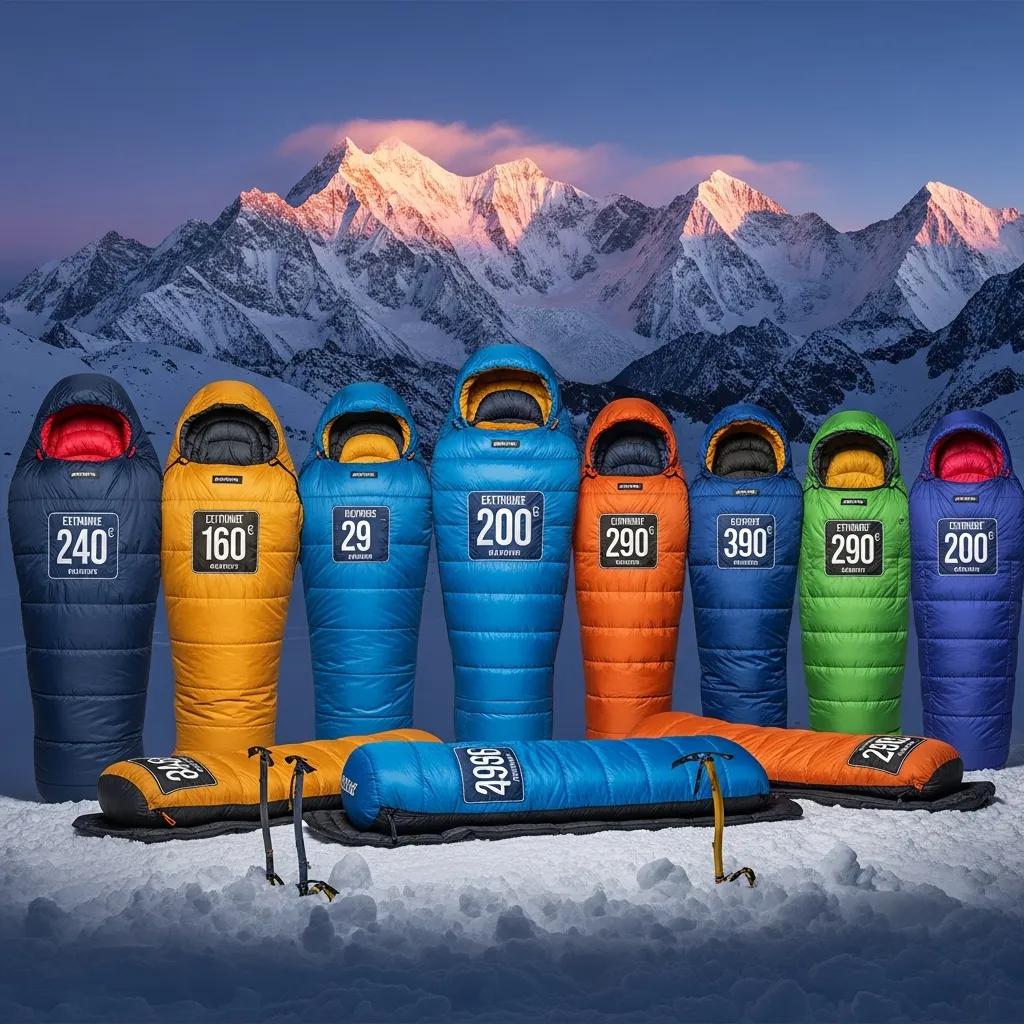
R-Value Measures Resistance to Heat Loss Into the Ground.
Higher R-value means greater insulation. Modern pads sold by major U.S. retailers generally use the ASTM F3340 test standard, which makes comparisons between brands far more useful than older proprietary temperature claims.
As a practical planning framework, REI currently groups pad warmth roughly as: under R 2 for warm nights, R 2–3.9 for cool conditions, R 4–5.4 for cold conditions and R 5.5+ for very cold use.
Do not treat those categories as a guaranteed temperature rating. Ground temperature, wind, snow, tent floor, sleeping bag, clothing, metabolism and whether the pad is fully inflated all affect comfort.
Your Sleeping Bag Cannot Insulate the Ground Side by Itself.
Down or synthetic insulation compressed beneath your body loses much of its loft. The sleeping pad replaces that lost insulation under you.
Controls air-side heat loss
Loft around the top and sides traps air and slows heat loss to the surrounding environment.
Controls ground-side heat loss
Air chambers, reflective films, foam or fiber insulation resist conduction into cold ground.
Fine-tunes the sleeper
Dry base layers, socks and a hat can extend comfort, but they cannot compensate for a seriously under-insulated pad on frozen ground.
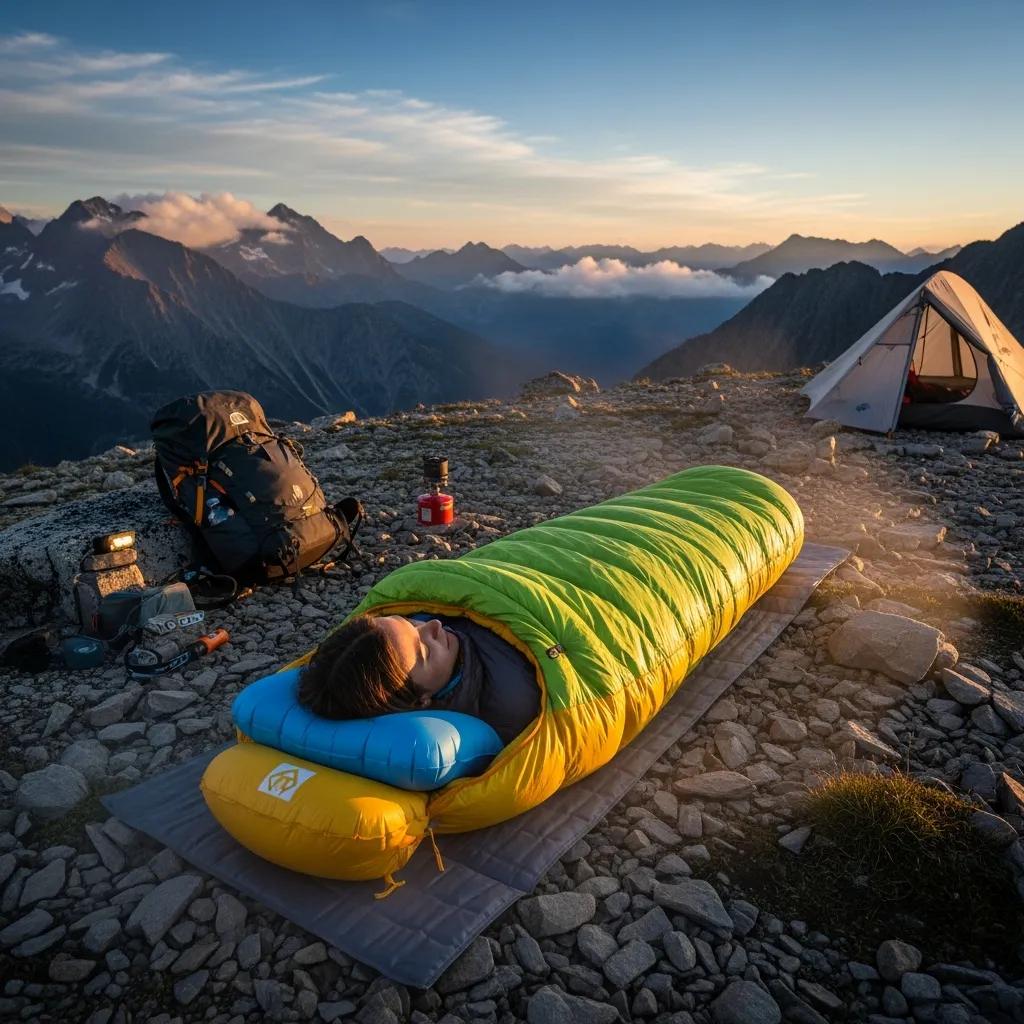
Air vs Self-Inflating vs Closed-Cell Foam
Each design solves a different balance of weight, comfort, insulation and failure risk.
Lightest Comfort
Inflatable pads dominate lightweight backpacking because they deliver several inches of cushion with small packed volume. Their weakness is puncture or valve failure.
Foam + Air Stability
Open-cell foam provides structure and insulation. These pads are usually bulkier but can feel more stable and continue offering some insulation if partially deflated.
Simple Redundancy
No valve, no puncture and instant setup. The trade-offs are low cushion, bulky external carry and modest insulation per unit volume.
Thickness Alone Does Not Decide Whether You Sleep Well.
Side sleepers, broad-shouldered sleepers and restless sleepers should look at width, edge support and baffle shape as closely as pad thickness.
Avoid bottoming out
Three to four inches gives side sleepers much more room to tune pressure than a thin pad.
20 vs 25 inches
A wide pad can improve sleep dramatically for broad shoulders or restless movement, though it adds weight and tent-floor demand.
Control stability
Horizontal, vertical and quilted baffle systems distribute air differently and influence whether the sleeper feels cradled or perched.
Internal films vary
Reflective insulation can make some pads noisier. Current generations have improved, but light sleepers should still consider fabric and internal construction.

On Snow and Frozen Ground, Warmth and Redundancy Become Safety Features.
For ordinary three-season backpacking, a single inflatable pad is usually adequate. For winter camps and mountaineering, a two-pad system becomes attractive because it solves several problems at once.
Place a closed-cell foam pad under the inflatable. It adds R-value, reduces abrasion and preserves some insulation if the air pad is damaged.
For severe cold, high camps or trips where the next replacement is days away, prioritize tested R-value, durable bottom fabric, repair patches, a working pump sack and the ability to keep the pad away from crampon points, sharp rocks and stove damage.
Current Sleeping Pads
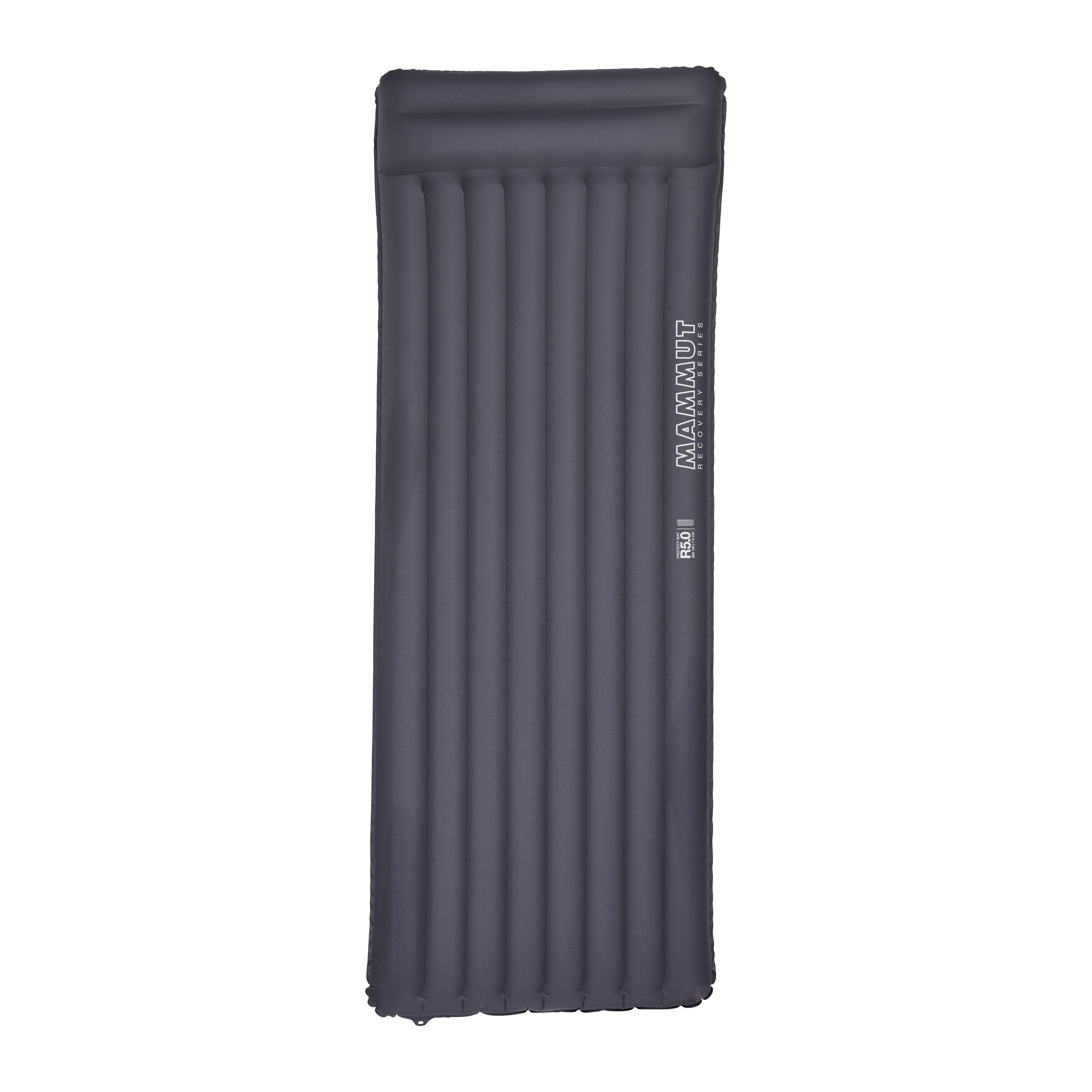
The Global Summit Guide Gear Ads system includes a dedicated sleeping-pads tag, so this page can use a category module instead of a guessed search filter.
Shop Current Sleeping Pads
Compare live sizes and inventory only after deciding the R-value and pad type your trip requires.
Current Sleeping Pads
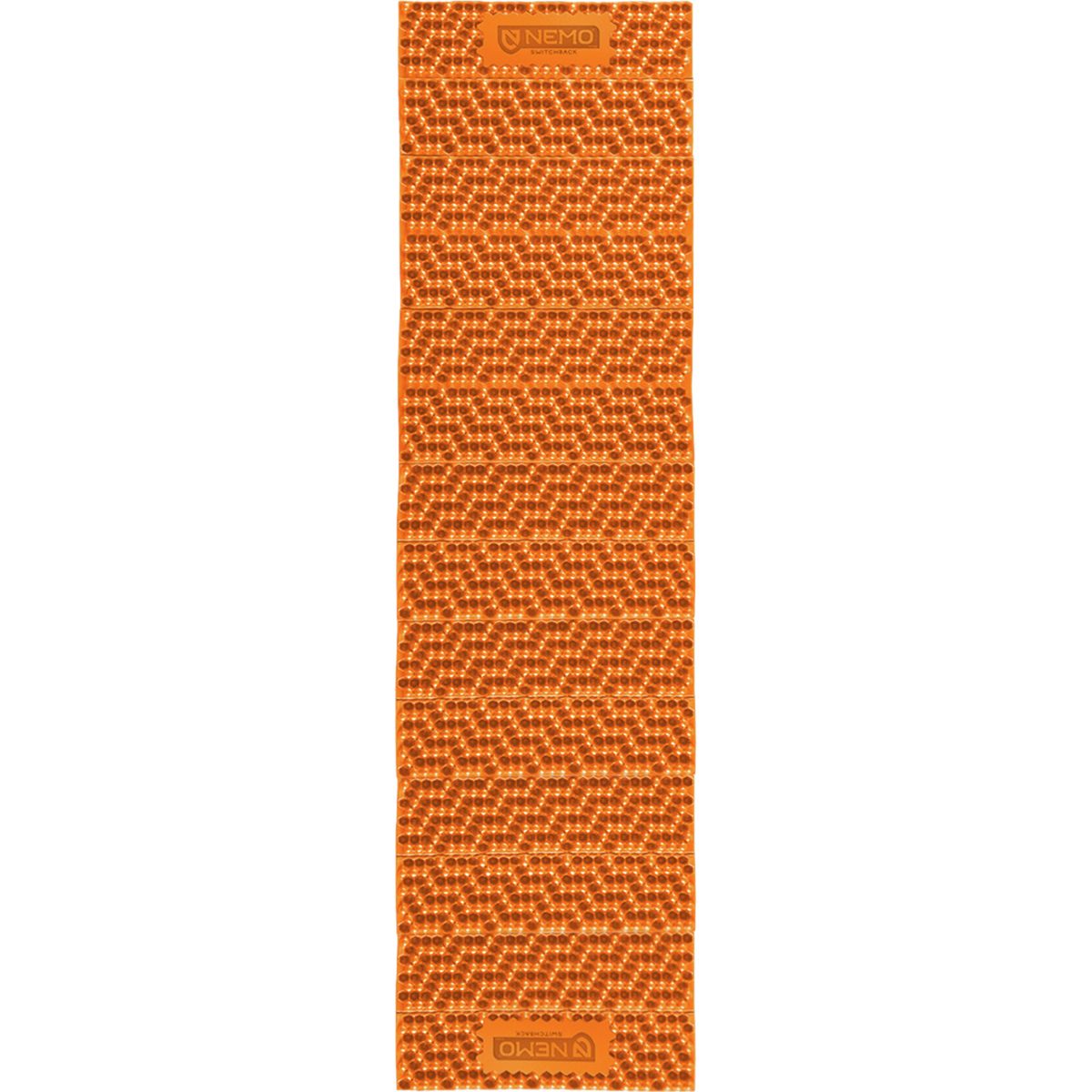
- NEMO Equipment Inc.NEMO Equipment Inc. Switchback Sleeping PadFrom $54.95
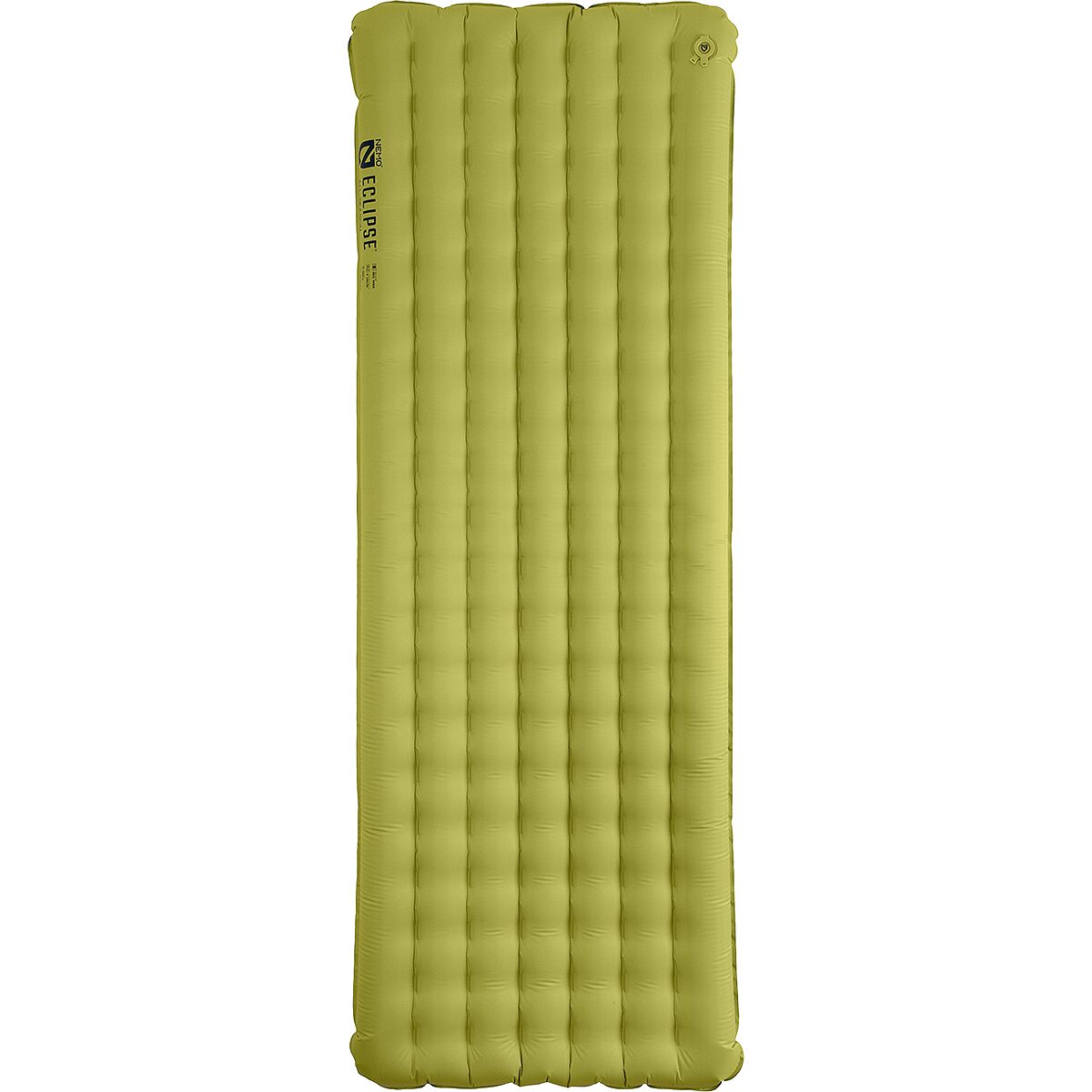
$59.95Check price at Back Country (opens in a new tab) - NEMO Equipment Inc.NEMO Equipment Inc. Eclipse All-Season Sleeping Pad$199.95Check price at Back Country (opens in a new tab)
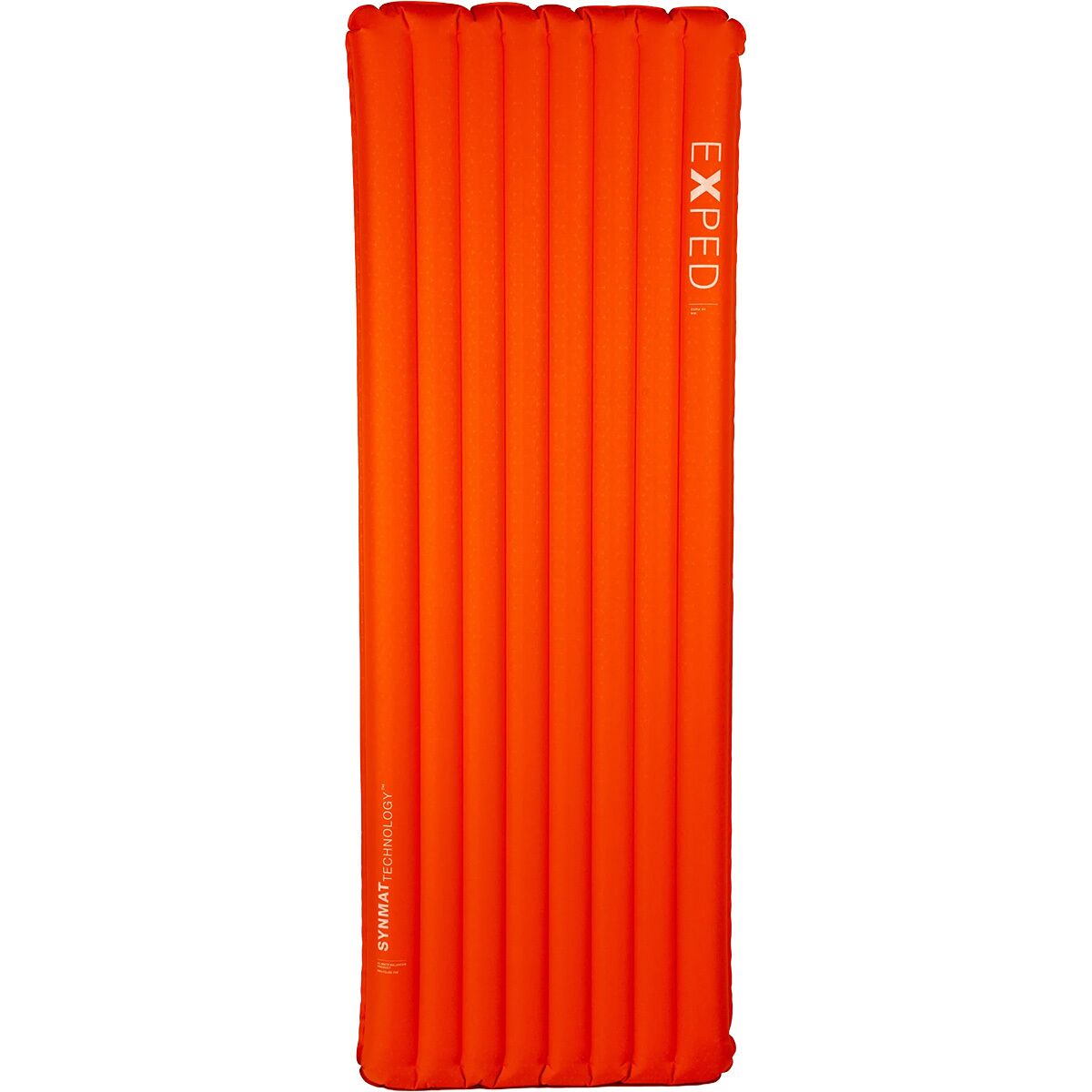
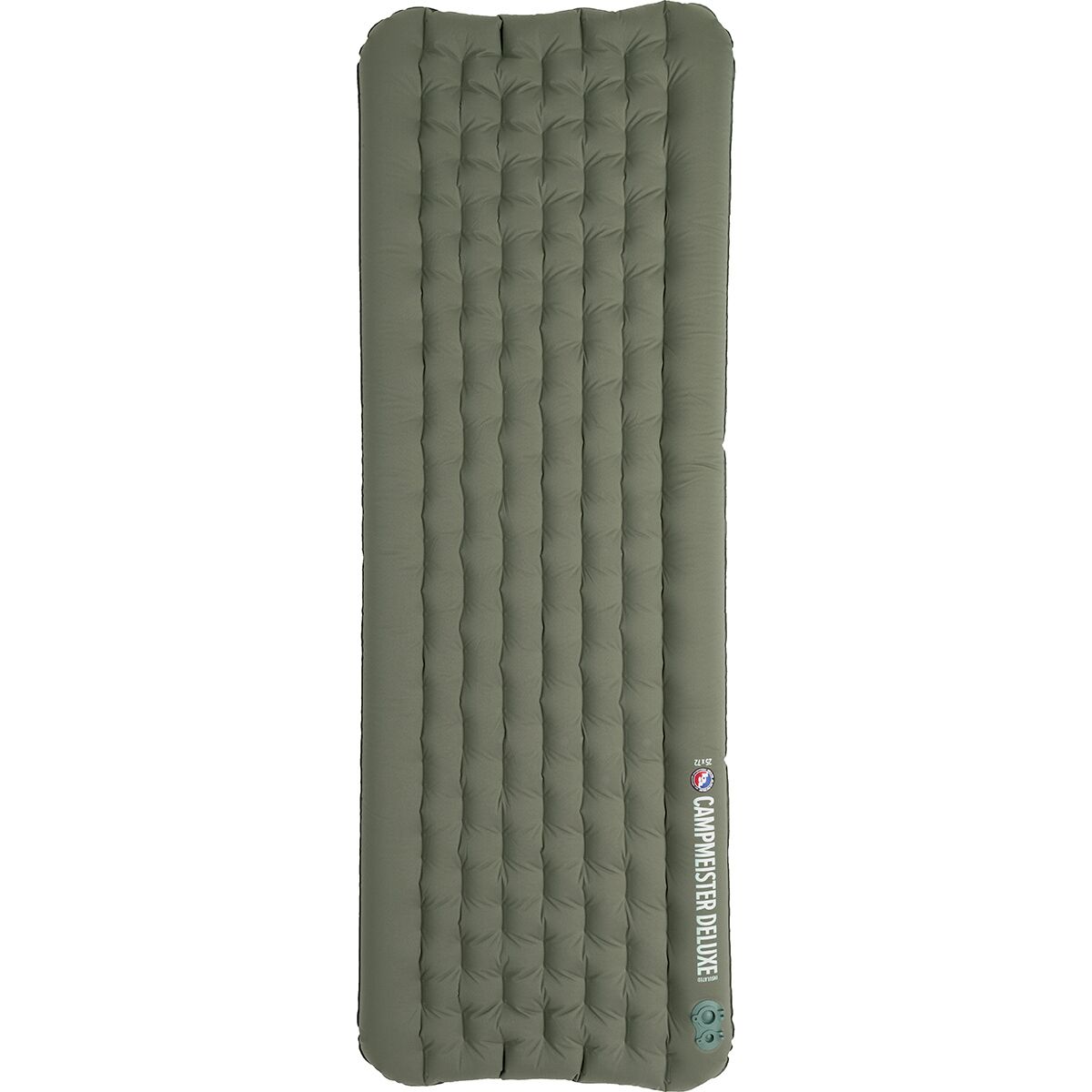
- Big AgnesBig Agnes Campmeister Deluxe Insulated Sleeping PadFrom $269.95
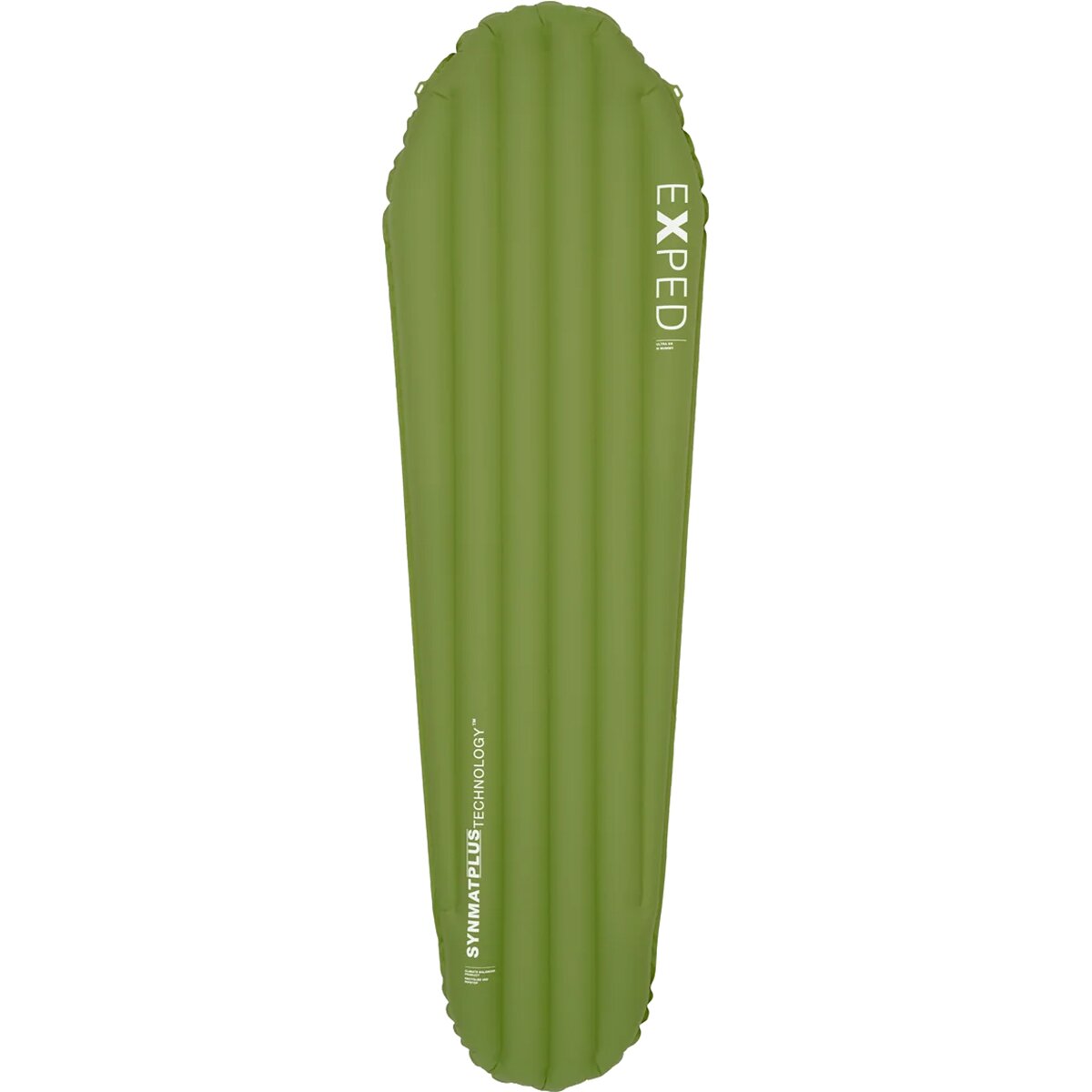
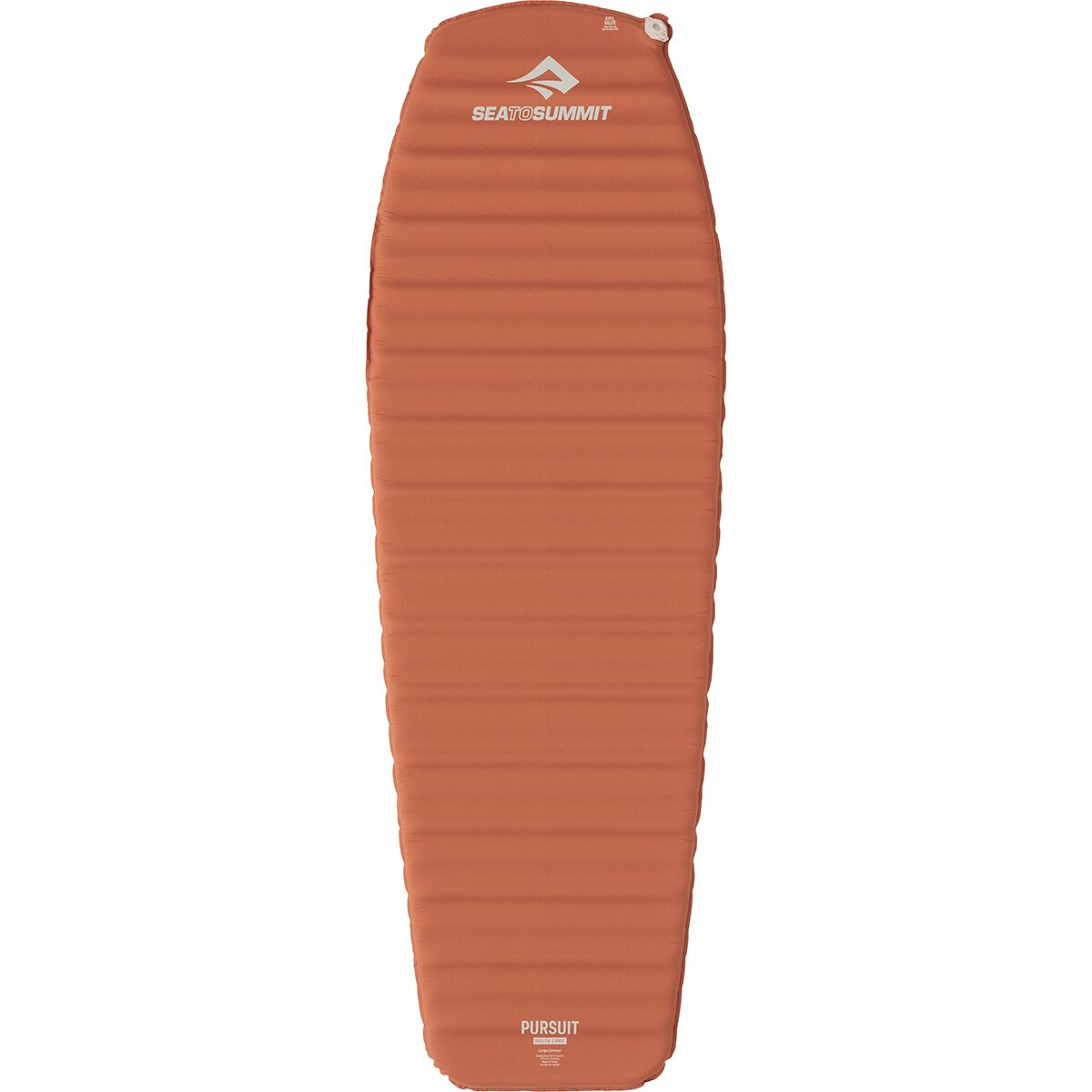
$329.95Check price at Back Country (opens in a new tab) - Sea To SummitSea To Summit Pursuit SI Sleeping PadFrom $149
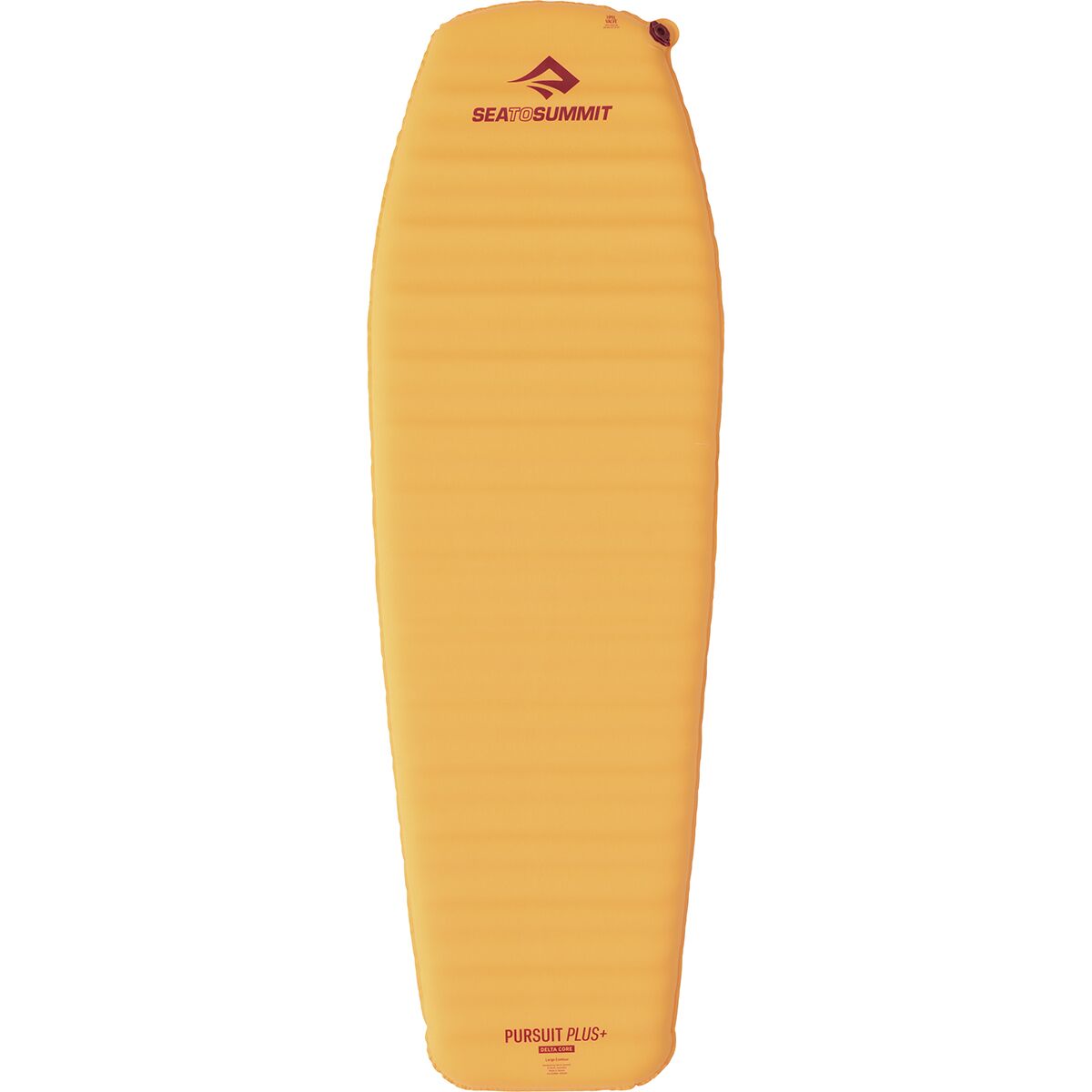
$179Check price at Back Country (opens in a new tab) - Sea To SummitSea To Summit Pursuit Plus SI Sleeping PadFrom $169
$224Check price at Back Country (opens in a new tab)
We may earn a commission if you buy through these links, at no extra cost to you. Affiliate disclosure
Cold-Weather Sleeping Pads
Use the live inventory as a starting point, then verify the current ASTM-tested R-value before buying for snow or expedition use.
Cold-Weather & Premium Sleeping Pads
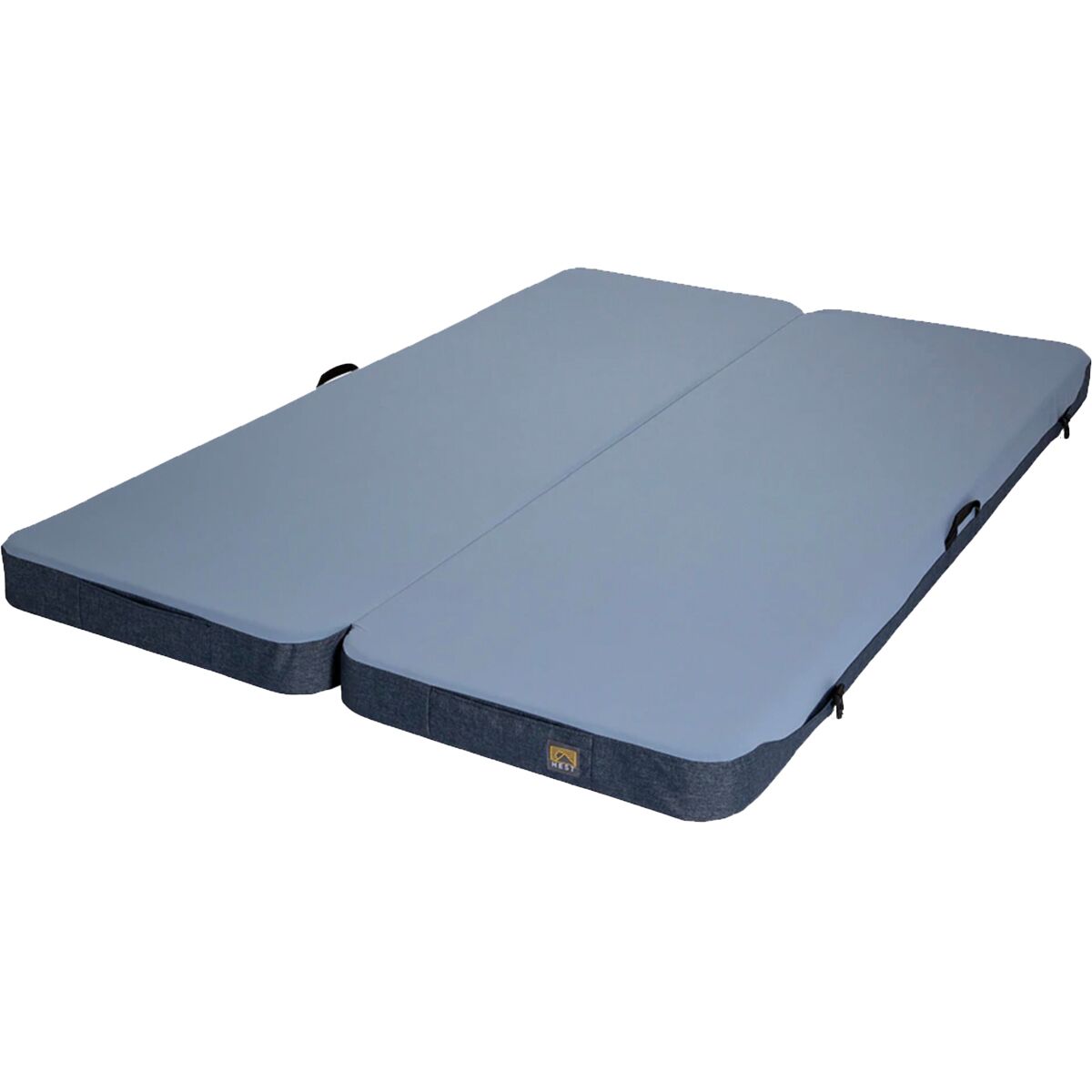
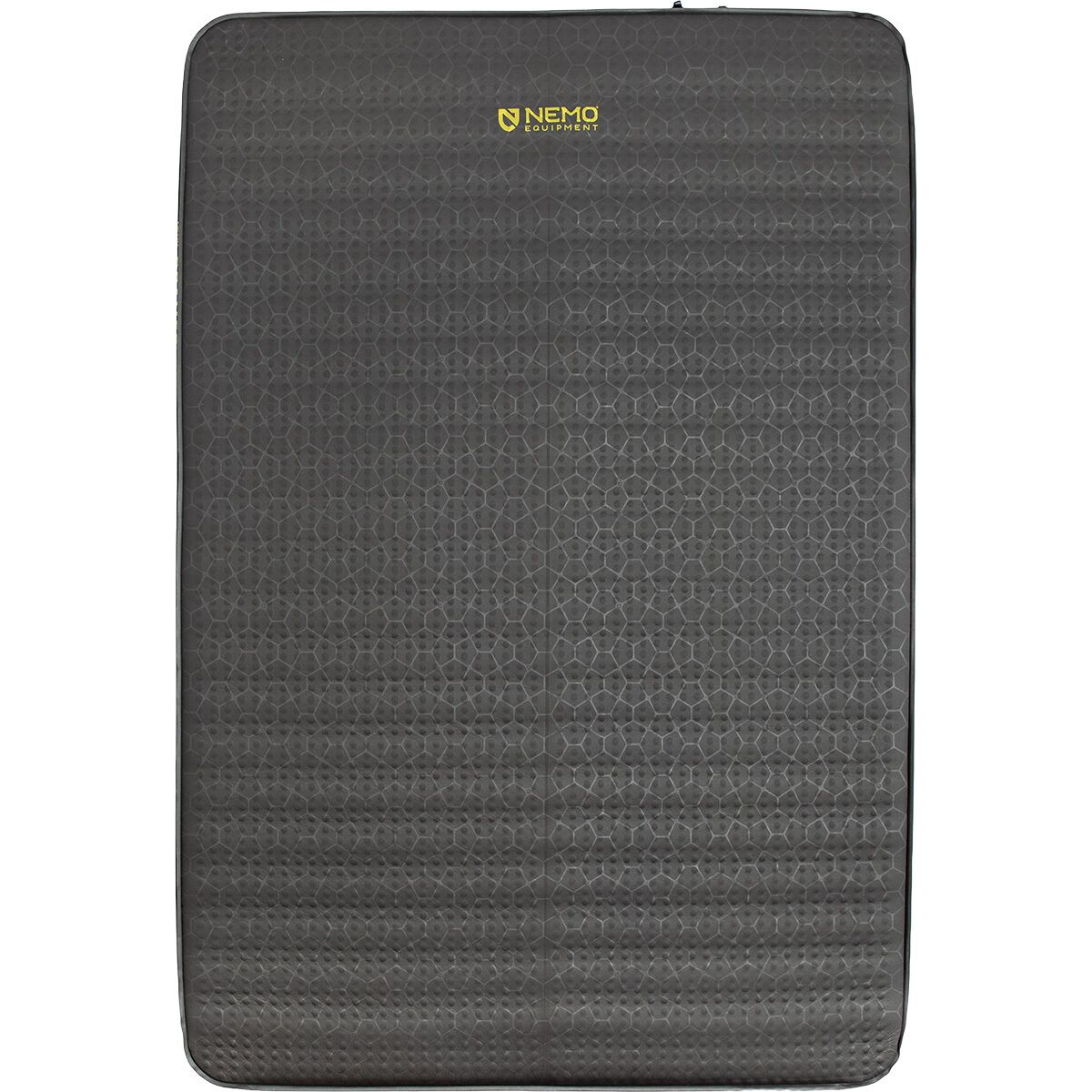
- NEMO Equipment Inc.NEMO Equipment Inc. Roamer Double Sleeping PadFrom $399.95
$449.95Check price at Back Country (opens in a new tab)
Carry the Repair Kit Where You Can Reach It at Night.
A tiny puncture can turn a warm R 7 air pad into a thin groundsheet. Know the repair process before the trip.
Locate the leak
Inflate the pad and use sound, feel or soapy water where practical to identify escaping air.
Prepare the surface
Dry and clean the repair area so the patch or adhesive can bond correctly.
Use the correct kit
Carry manufacturer-compatible patches or field repair materials for the pad fabric and valve system.
Use foam in consequential cold
A closed-cell pad is the simplest insurance against a complete loss of ground insulation.
How This Sleeping-Pad Guide Is Built
This GAP page is designed to own broad “best sleeping pads” intent while supporting both backpacking and high-altitude sleep-system content.
Current product verification, no fabricated testing
Global Summit Guide rechecked current September 2026 product information for Therm-a-Rest NeoAir XLite NXT, NeoAir XTherm NXT and Z Lite Sol; NEMO Tensor All-Season and Tensor Extreme Conditions; Big Agnes Rapide SL Insulated; REI Helix; and Sea to Summit Ether Light XR Insulated.
Current published values used in this guide include XLite NXT R 4.5 at 13 oz in regular, XTherm NXT R 7.3 at 15.5 oz in regular, Tensor All-Season R 5.4, Tensor Extreme Conditions R 8.5, Rapide SL R 4.8, Helix R 4.9 and Ether Light XR R 4.1.
No invented stars or hands-on claims: use-case placement is based on current specifications, pad architecture, R-value, published weight, thickness and intended conditions.
Best Sleeping Pads FAQ
What R-value sleeping pad do I need?
As a practical starting point, under R 2 is warm-weather territory, R 2–3.9 covers cool conditions, R 4–5.4 is a strong cold-weather range, and R 5.5+ is used for very cold nights. Personal cold tolerance and ground conditions still matter.
Is a higher R-value always better?
Higher R-value means greater insulation from the ground, but it may add cost, weight or bulk. For summer use, very high insulation usually provides little practical benefit.
Can I stack two sleeping pads?
Yes. R-values are approximately additive, so stacking foam under an inflatable increases total insulation and adds puncture protection and backup.
Does a sleeping bag rating assume an insulated pad?
Yes. Standard sleeping-bag tests use an insulated sleep system. An excellent sleeping bag can still feel cold on an under-insulated pad because heat is being conducted into the ground.
Is a foam pad safer for mountaineering?
Foam cannot puncture and makes a valuable backup, but it is bulky and less cushioned. Many winter systems combine foam with a high-R inflatable rather than choosing only one.
Should side sleepers buy a thicker pad?
Usually. A 3- to 4-inch pad gives hips and shoulders more room before bottoming out, and wider rectangular versions can improve stability for restless sleepers.
Can I use an R 4 pad in winter?
Possibly in mild winter conditions, but snow and frozen ground often call for more insulation. For severe cold, use the conditions and sleep system—not the season name—to determine the required R-value.
Build the Complete Overnight System
Best Sleeping Bags
Pair ground insulation with the correct bag temperature range.
Backpacking shelterBest Backpacking Tents
Coordinate the sleep system with floor space, condensation and packed weight.
Expedition shelterBest Expedition Base Camp Tents
Scale the overnight system for long-duration cold and supported camps.
Long trailThru-Hiking Gear List
Balance pad warmth and comfort against total carried weight.
Planning toolMountain Gear Planner
Build the sleep system around route, season and camp conditions.
Parent pillarMountaineering & Hiking Gear Guide
Connect sleep equipment to the full mountain gear system.
Deep recoveryMountain Weather for Climbers
Use expected cold, snow and storm duration to set the sleep-system requirement.
Deep recoveryGear Safety
Inspect pads, valves, repair kits and shelter equipment before departure.
Deep recoveryFinal 72-Hour Checklist
Recheck weather, pad condition and repair supplies before the trip.
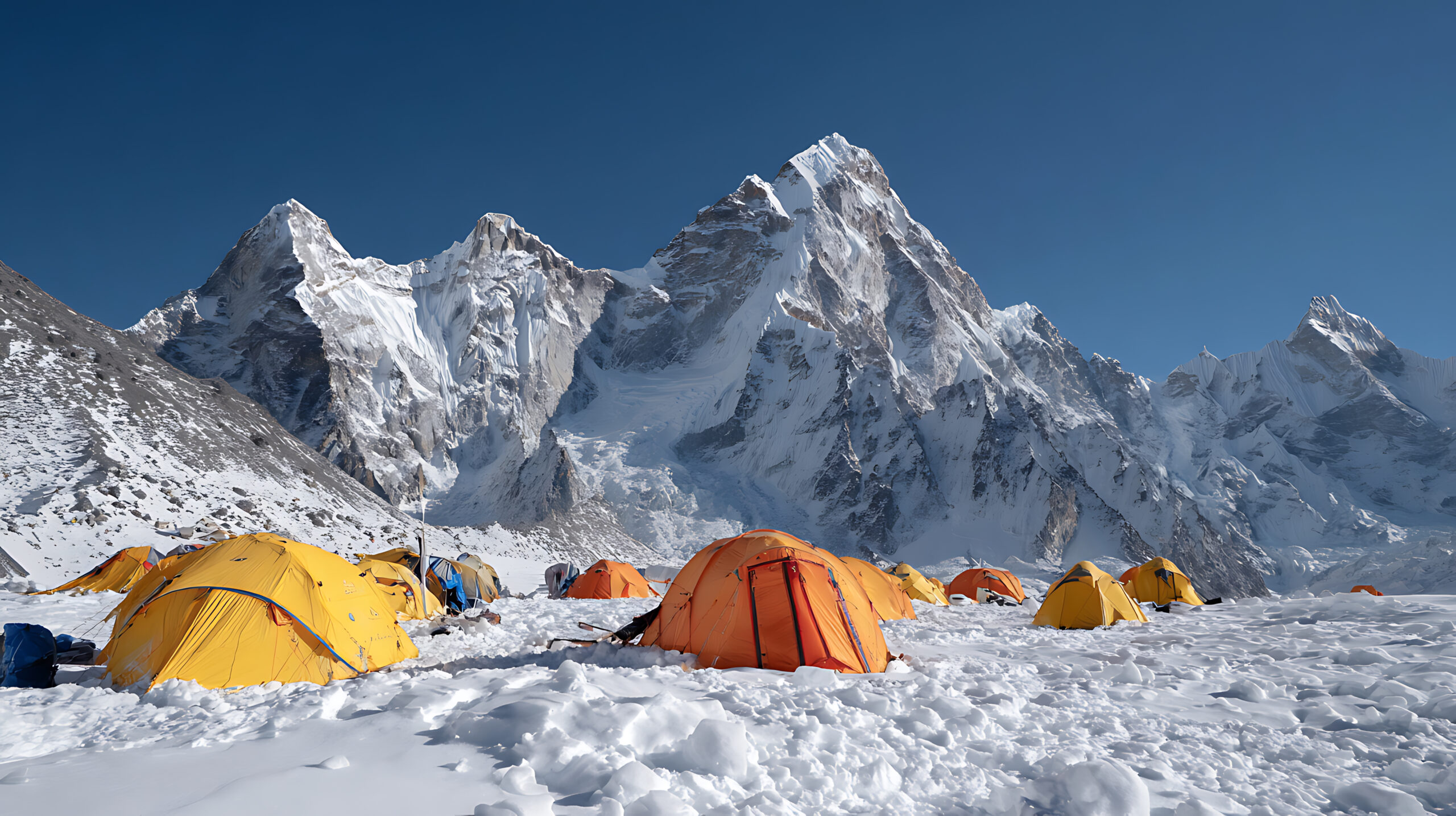
Buy the R-Value First. Then Buy the Comfort.
A thicker, quieter or lighter pad is useful only after it provides enough insulation for the ground beneath you. Match R-value to the coldest realistic conditions, then optimize weight, width and thickness.
Was this helpful?
Global Summit Guide is an independent mountaineering resource founded in 2026. The team combines first-hand trekking and climbing experience with in-depth research and professional health and nutrition review to help climbers choose objectives, prepare properly, and stay safe.
Health, altitude, and nutrition content is reviewed by Taylor Ludlow (Registered Nurse) and Brigg Hoopes (Nutritionist).
What We Don't Know Yet
Mountain information changes quickly. This box explains the limits of what this page can responsibly promise.
- Gear requirements can change by season, route variation, weather window, personal cold tolerance, and guide-service requirements.
- Visa, passport, vaccination, border, insurance, and local transportation rules may change before your trip.
- Route conditions, snowpack, closures, and weather can change quickly after this page is updated.
- Permit rules, fees, quotas, and reservation windows may change between review cycles.
- Operator availability, pricing, guide ratios, and cancellation terms can change by season.
Verify current conditions with official land managers, guide services, local forecasts, and current route reports before booking or climbing.
Mountaineering, rock and ice climbing, glacier travel, and high-altitude activity are inherently dangerous and can result in serious injury or death. The information on Global Summit Guide is provided for general informational and educational purposes only and is not a substitute for professional instruction, qualified guiding, proper equipment, or your own judgment and experience.
Route conditions, weather, snowpack, permits, regulations, and hazards change constantly and may differ from what is described here. Details may be incomplete, out of date, or contain errors. Always verify current information with local authorities, certified guides, and official sources before making any decision in the mountains.
Nothing on this site is medical, legal, or financial advice. Our fitness, acclimatization, altitude, and nutrition content is general in nature; consult a qualified physician before beginning any strenuous exercise program or exposing yourself to high altitude.
You are solely responsible for your own safety and decisions. To the fullest extent permitted by law, Global Summit Guide and its team accept no liability for any loss, injury, damage, or expense arising from use of, or reliance on, this information. By using this site you acknowledge these risks and accept these terms.
Some links on this site may be affiliate links. If you buy through them we may earn a small commission at no extra cost to you; this never affects our recommendations.
Global Summit Guide recommendation path
Next Best Mountain to Research
Use these recommendations to continue the right planning path instead of stopping on one page.
Use current permit, weather, route, and operator information before booking or climbing.