
Last updated October 1, 2026
Best Backpacking Tents: 8 Lightweight Shelters Compared
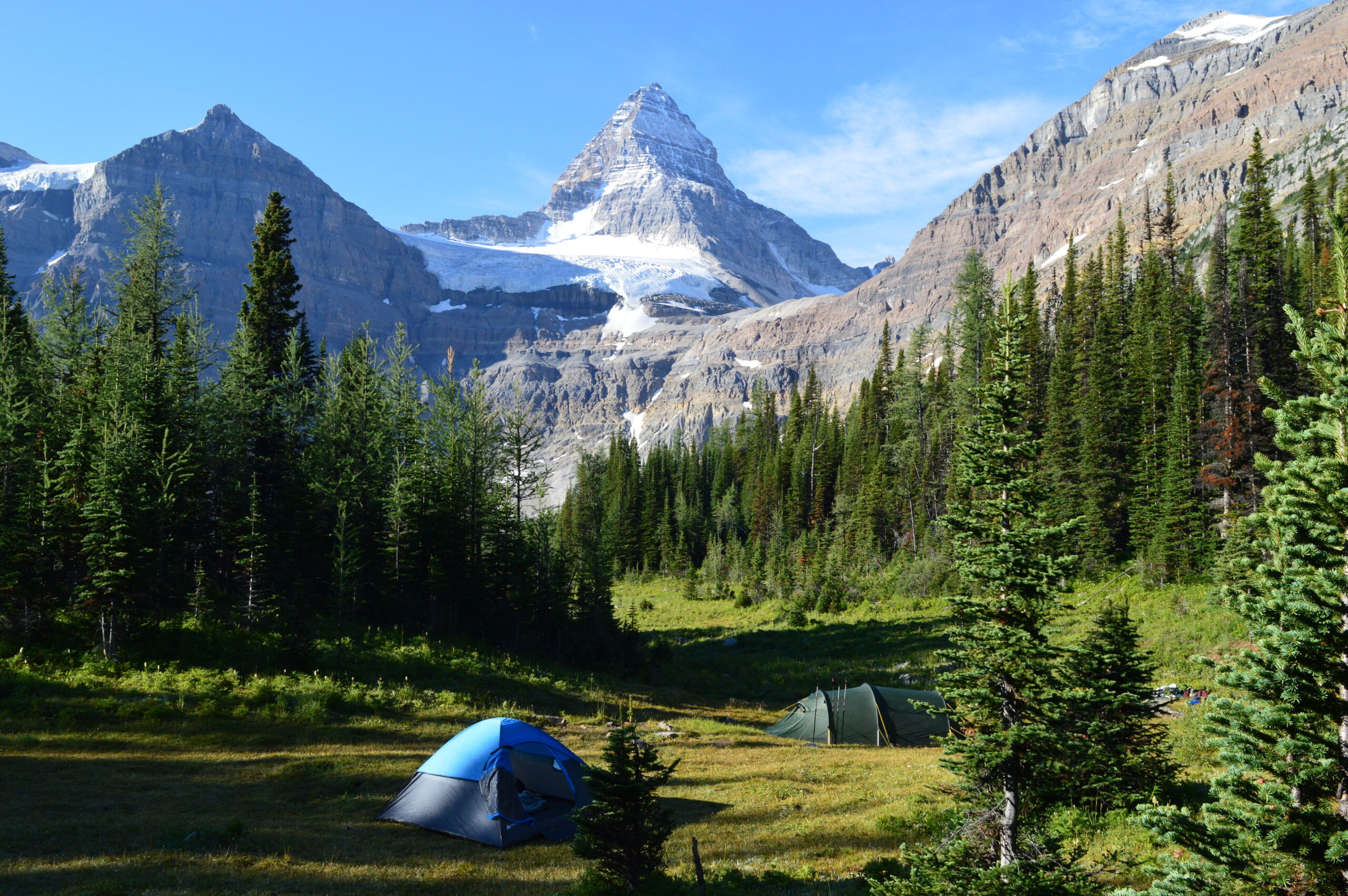
A great backpacking tent is not simply the lightest shelter you can buy. The right tent balances carried weight with floor space, headroom, weather protection, ventilation, setup simplicity and the number of nights you expect to live inside it.
For Most Backpackers, the Sweet Spot Is a Freestanding or Semi-Freestanding 2-Person Tent Around the 2½–4 Pound Packed-Weight Range.
The Big Agnes Copper Spur UL2 sits near the classic lightweight all-around category: around three pounds packaged in current 2026 testing, with two doors and a roomy freestanding shape. NEMO Dagger OSMO 2P goes heavier at 3 lb 15 oz packed but gives substantially more interior and vestibule space. NEMO Hornet OSMO drops closer to the ultralight end, while shelters such as The North Face Stormbreak 2 and Mountain Hardwear Mineral King 3 trade more weight for simpler construction, durability or larger living space.
The better question is not “What is the lightest tent?” It is how much shelter performance can you carry comfortably for the trips you actually take? A two-pound tent that feels cramped on every rainy evening can be the wrong choice, just as a seven-pound tent can be unnecessary for a long-distance trail.
For two backpackers who regularly share a shelter, a lightweight 3-person tent can be a smart comfort upgrade because the components can be split between packs. For solo hikers and thru-hikers, semi-freestanding and trekking-pole shelters make more sense when low weight outranks convenience.
8 Backpacking Tents Worth Comparing in 2026
These are grouped by use case rather than presented as a universal ranking. Current product families and 2026 comparison coverage were rechecked in September 2026.
Big Agnes Copper Spur UL2
A highly refined two-door, two-vestibule shelter that balances low weight with unusually usable interior volume.
- Current 2026 test weight: about 3 lb packaged
- 2 doors · 2 vestibules
- Best for: broad three-season backpacking
NEMO Dagger OSMO 2P
A roomier freestanding shelter for backpackers willing to carry more weight in exchange for generous floor and vestibule space.
- 3 lb 15 oz packed
- 30.6 sq ft floor
- 12.1 + 12.1 sq ft vestibules
NEMO Hornet OSMO 2P
A long-trail-oriented shelter that cuts substantial weight compared with roomier freestanding models.
- Current 2P line sits around two pounds
- 2 doors · 2 vestibules in 2P
- Best for: thru-hiking and low carried weight
MSR Hubba Hubba LT
A current lightweight freestanding family aimed at backpackers who want straightforward setup, solid living space and a familiar double-wall design.
- Freestanding architecture
- Multiple current capacities
- Best for: general backpacking and shared trips
Sea to Summit Telos Evo TR2
A distinctive freestanding shelter with high interior volume, large doors and a ventilation-heavy design.
- 57.3 oz current packed weight
- 2 doors · 2 vestibules
- 3-season freestanding
Big Agnes Tiger Wall UL2
A lighter, more minimal alternative to the Copper Spur for backpackers willing to trade some freestanding convenience for lower weight.
- Ultralight category
- Semi-freestanding geometry
- Best for: long trails and weight-conscious pairs
The North Face Stormbreak 2
A heavier two-person shelter with substantial fabrics, two doors and simple pitching for backpackers who prioritize price and durability.
- 5 lb 14.2 oz total weight
- 30.56 sq ft floor
- 2 doors · 2 vestibules
Mountain Hardwear Mineral King 3
A spacious three-person shelter with symmetrical geometry and large vestibules for backpackers who prioritize living space over ultralight weight.
- About 7 lb 13.7 oz packed
- 42.5 sq ft floor
- 20.9 sq ft total vestibule area
Weight note: brands use different definitions for minimum, trail and packaged weight. Compare like with like. A tent’s real carried weight includes the components you actually bring: fly, body, poles, stakes, guylines, sacks, footprint and repair parts.
| Tent | Architecture | Weight direction | Best use | Main trade-off |
|---|---|---|---|---|
| Big Agnes Copper Spur UL2 | Freestanding | Light | All-around 3-season backpacking | Premium price / lighter fabrics |
| NEMO Dagger OSMO 2P | Freestanding | Mid-light | Two-person comfort | Heavier than ultralight shelters |
| NEMO Hornet OSMO 2P | Semi-freestanding | Ultralight | Thru-hiking / long trails | Less interior structure and margin |
| MSR Hubba Hubba LT | Freestanding | Light | General backpacking | Not the lowest-weight category |
| Sea to Summit Telos Evo TR2 | Freestanding | Mid-light | Ventilation + living space | More complex geometry |
| Big Agnes Tiger Wall UL2 | Semi-freestanding | Ultralight | Long-distance weight savings | Needs careful staking |
| TNF Stormbreak 2 | Freestanding | Heavy | Budget / durable use | High carried weight |
| MHW Mineral King 3 | Freestanding | Heavy | Roomy 2–3 person trips | Not ideal for high-mileage light packs |
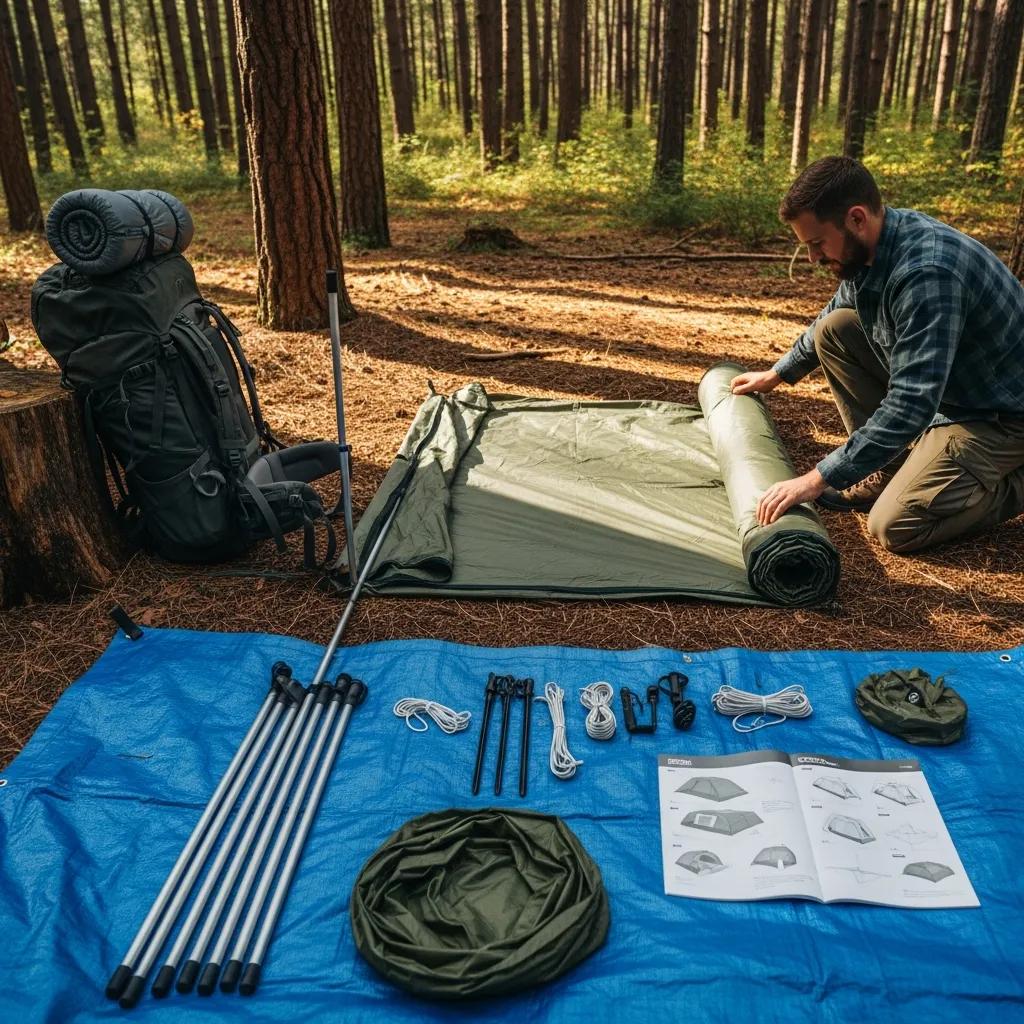
Buy Around the Nights You Actually Spend Outside.
One or two weekends a year: ease of setup, price and durability matter more than cutting every ounce.
Frequent multi-night trips: weight, packed size and storm comfort become more important because the tent is carried repeatedly and lived in longer.
Thru-hiking: low weight and compact volume dominate, but condensation management and repairability matter over months of use.
Two-person trips: decide whether each person values lower pack weight or extra interior space more. A light 3P tent can be excellent for two people.
How Much Should a Backpacking Tent Weigh?
Think in weight per sleeper and trip duration rather than chasing one universal target.
Ultralight territory
Often solo, trekking-pole or aggressively light semi-freestanding shelters. Excellent for long-distance hikers who accept more setup dependence and lighter materials.
Lightweight sweet spot
Many excellent 2P freestanding and semi-freestanding tents live here, balancing manageable carry weight with real storm comfort.
Comfort / durability first
Still backpackable for shorter trips or split loads, but the weight becomes increasingly hard to justify on long trails unless space or durability is the priority.
2-Person vs 3-Person Tents for Two Backpackers
A 3P shelter can be one of the best upgrades for two hikers when the added weight is modest and the components can be split between packs.
| Priority | 2P tent | 3P tent | Better direction |
|---|---|---|---|
| Lowest weight | Strong advantage | More fabric + poles | 2P |
| Two wide sleeping pads | Check taper carefully | Much easier fit | Often 3P |
| Storm-day living | Tighter | More room to sit, change and organize gear | 3P |
| Solo use too | More reasonable | Large solo footprint | 2P |
| Long-distance couples | Lower mass every day | Comfort can justify modest extra weight | Depends on priorities |
Freestanding, Semi-Freestanding or Trekking-Pole?
The more weight you remove from the tent structure, the more the pitch depends on stakes, guylines, trekking poles and campsite quality.
Fast + forgiving
Dedicated poles create most of the structure before staking. Easier to reposition and generally less dependent on perfect soil.
Weight-saving middle ground
Dedicated poles support most of the shelter, but corners or vestibules must be staked for full shape and living space.
Lowest structural weight
Uses poles you already carry, but good tension, stake placement and site selection become more important.
A 3-Season Tent Is a System of Geometry, Pitch and Site Selection.
Hydrostatic-head numbers and fabric denier matter, but wind stability is also controlled by pole geometry, guyline placement, the direction of the tent relative to the storm and how well the stakes hold.
Double-wall shelters usually manage condensation more forgivingly because moisture can collect on the fly rather than directly over the sleeping bag. More mesh improves ventilation but can feel draftier in cold shoulder-season weather.
For winter storms, heavy snow loading or exposed mountaineering camps, move into the 4-season category instead of asking a lightweight backpacking shelter to do a job it was not built for.
Four Setup Decisions That Matter More Than Tent Marketing
A premium shelter pitched badly can perform worse than a simpler tent on a protected, well-drained site.
Avoid depressions
Do not pitch where runoff naturally collects or where the floor sits lower than the surrounding ground.
Reduce broadside exposure
Use natural protection and orient the strongest or narrowest side toward the expected prevailing wind when the design allows.
Protect light fabrics
Clear sharp sticks and rocks. Use a footprint when abrasion risk justifies the added weight.
Use them before the storm
Guy out the shelter while conditions are manageable rather than waiting until wind is already loading the poles and fly.
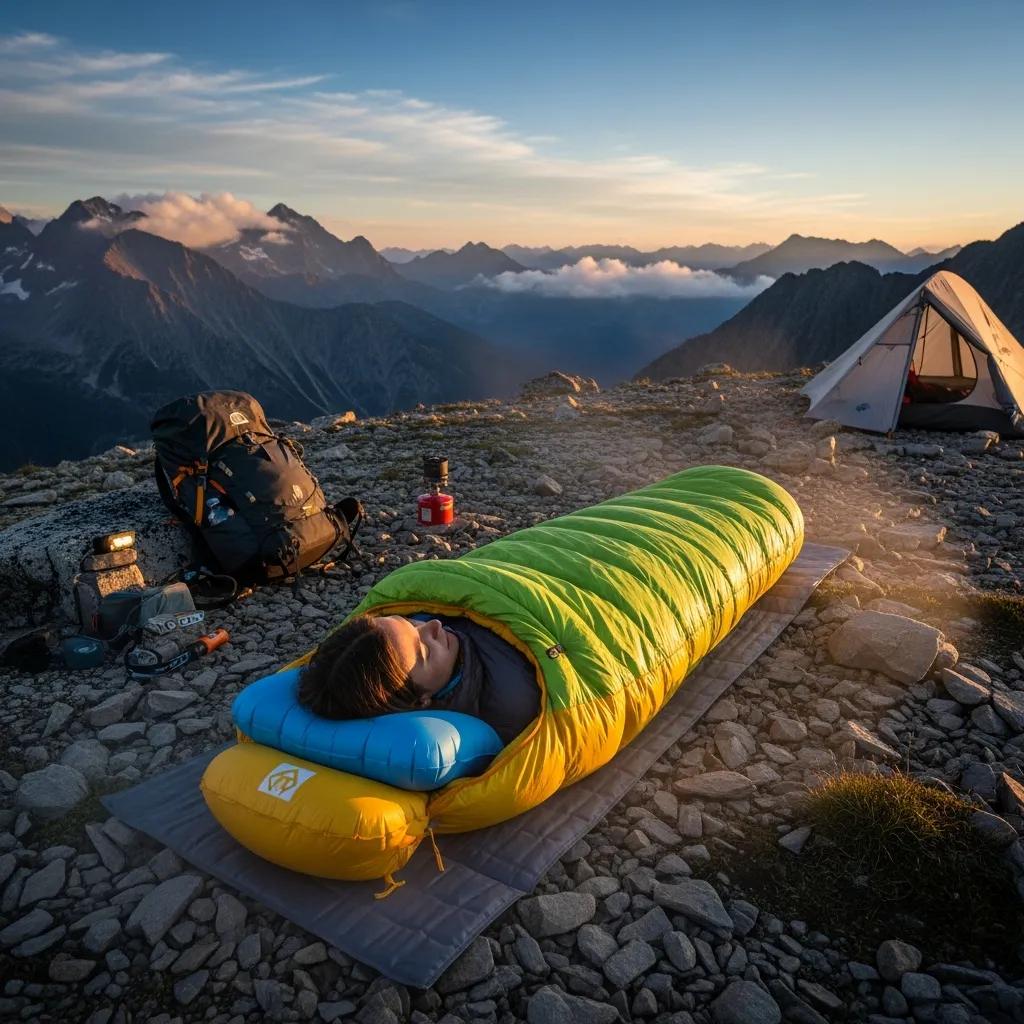
Shop Current Tents
This build uses the established tents Gear Ads tag rather than inventing a backpacking-specific tag. Product availability rotates with the live catalog.
Current Hiking & Backpacking Tents
Use the comparison framework above first, then compare current inventory, capacities and sale pricing.
Current Tents
- Mountain HardwearMountain Hardwear Mineral King 3 All Season Tent$599.99Check price at Back Country (opens in a new tab)
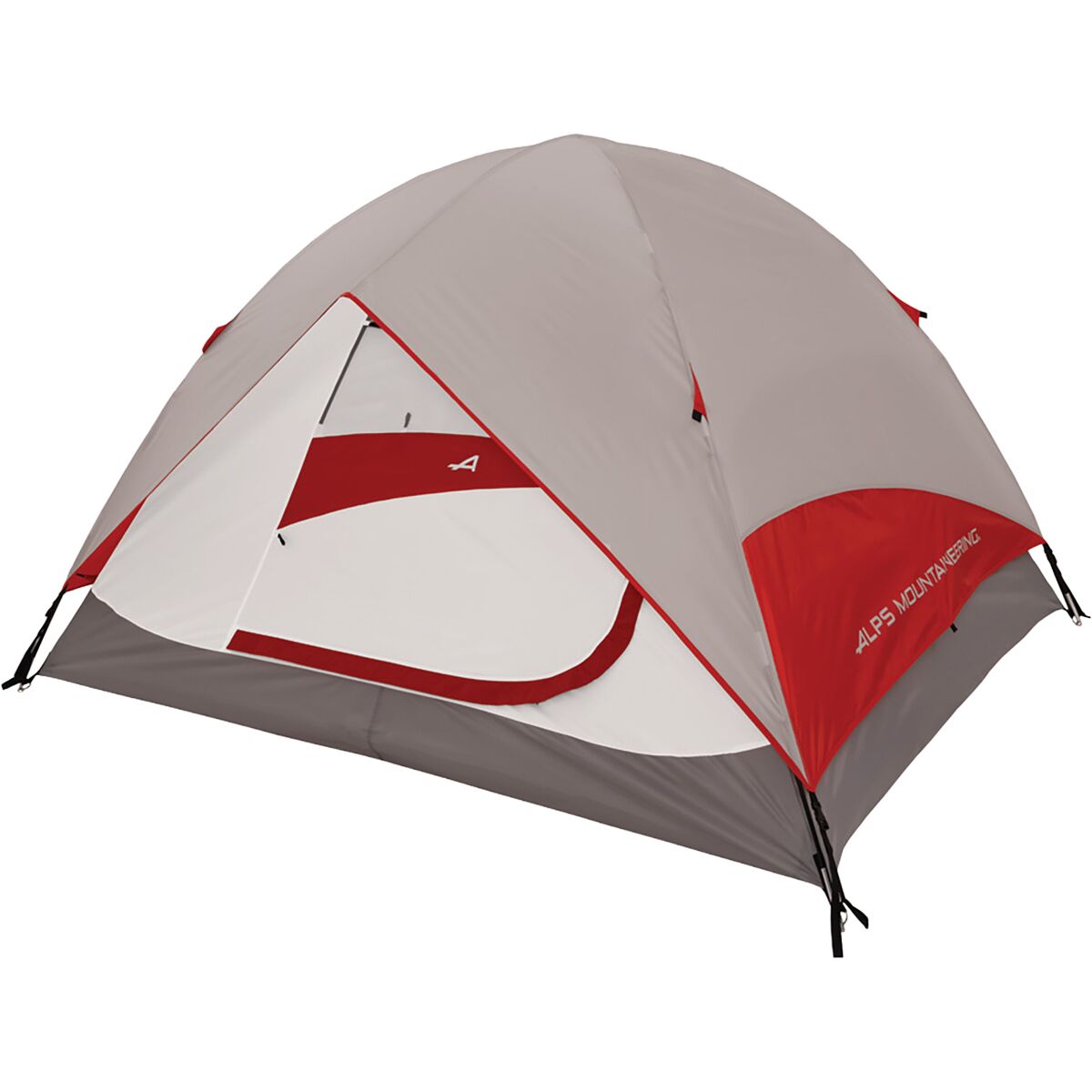
- ALPS MountaineeringALPS Mountaineering Meramac 2 Tent: 2-Person 3-Season$90.99
$129.99Check price at Back Country (opens in a new tab)
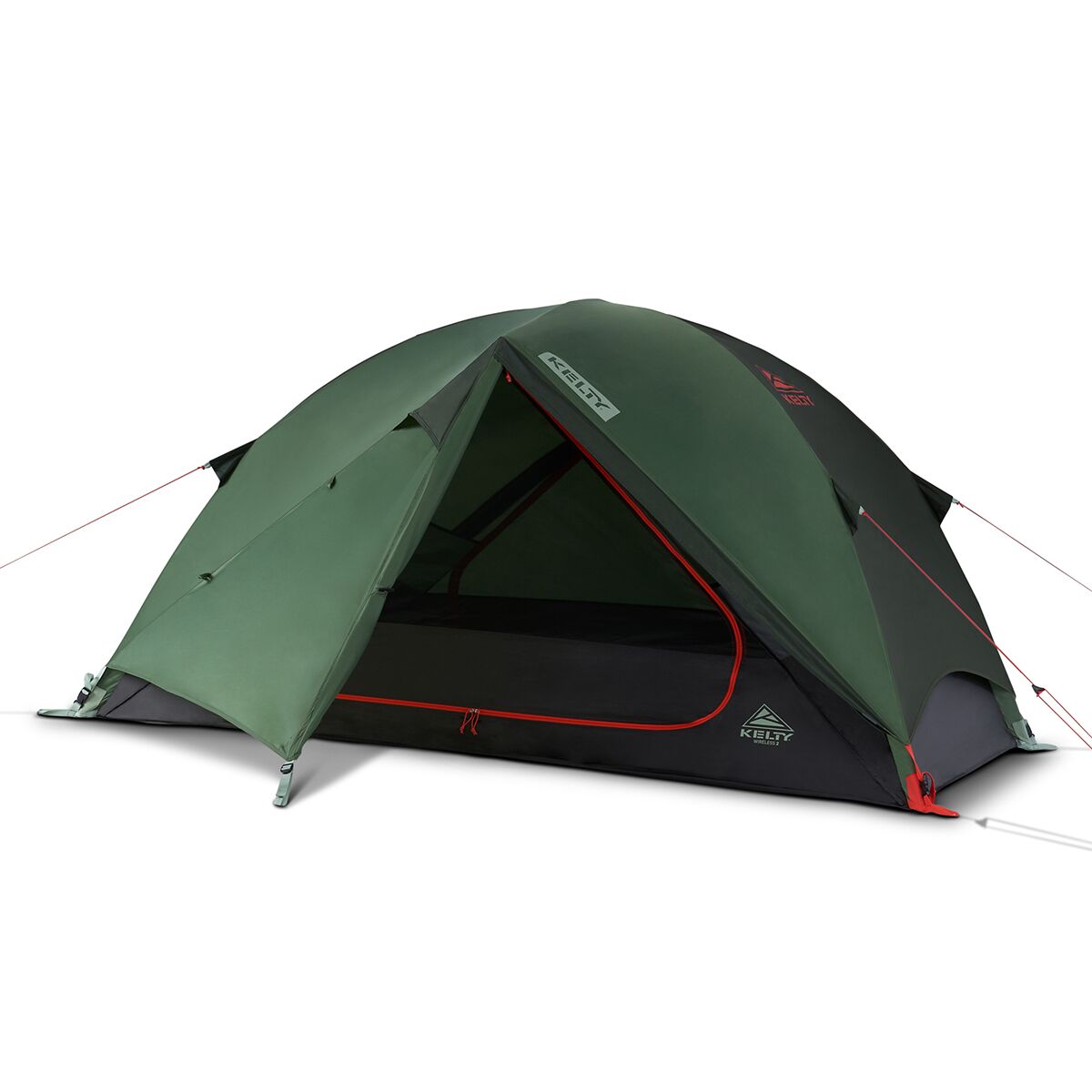
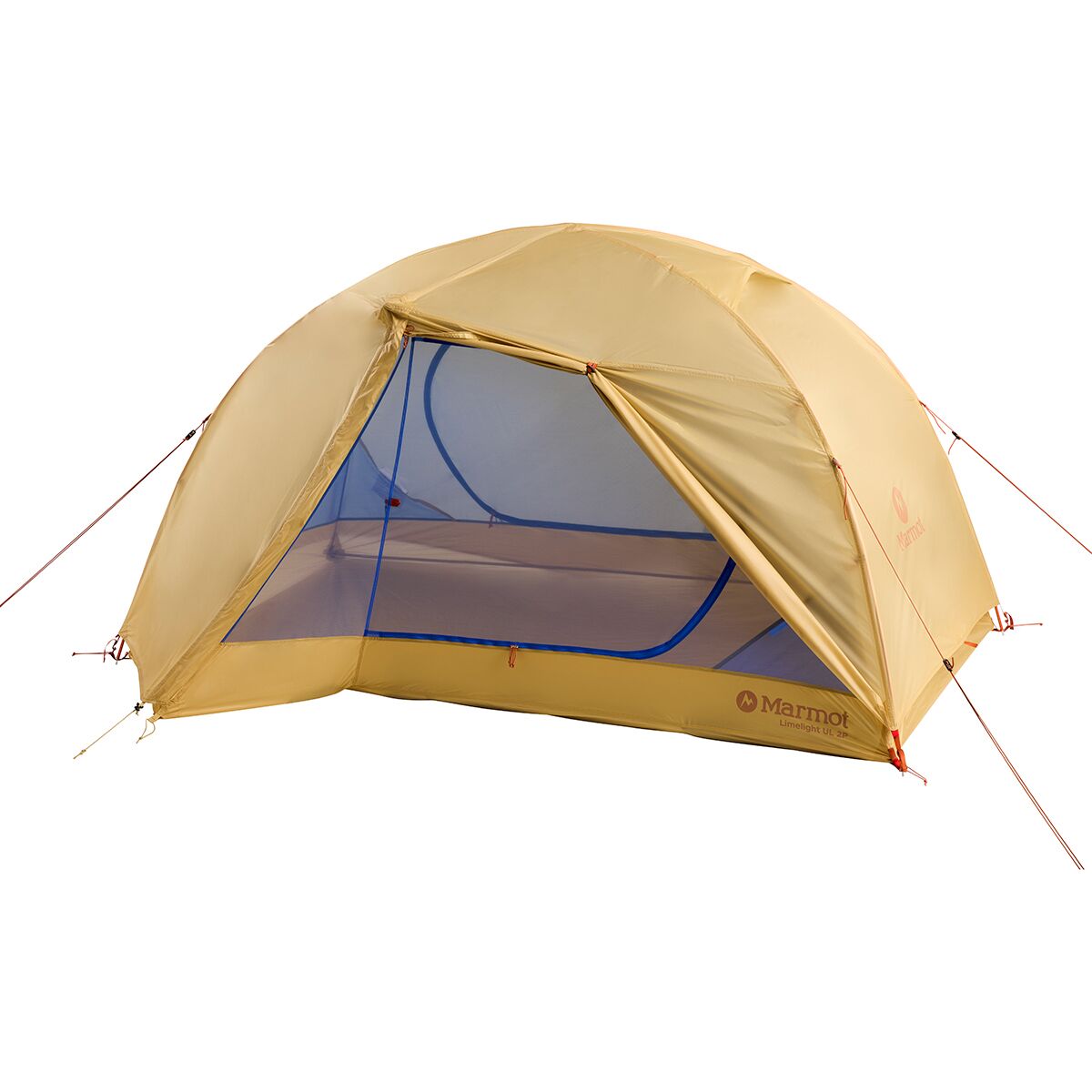
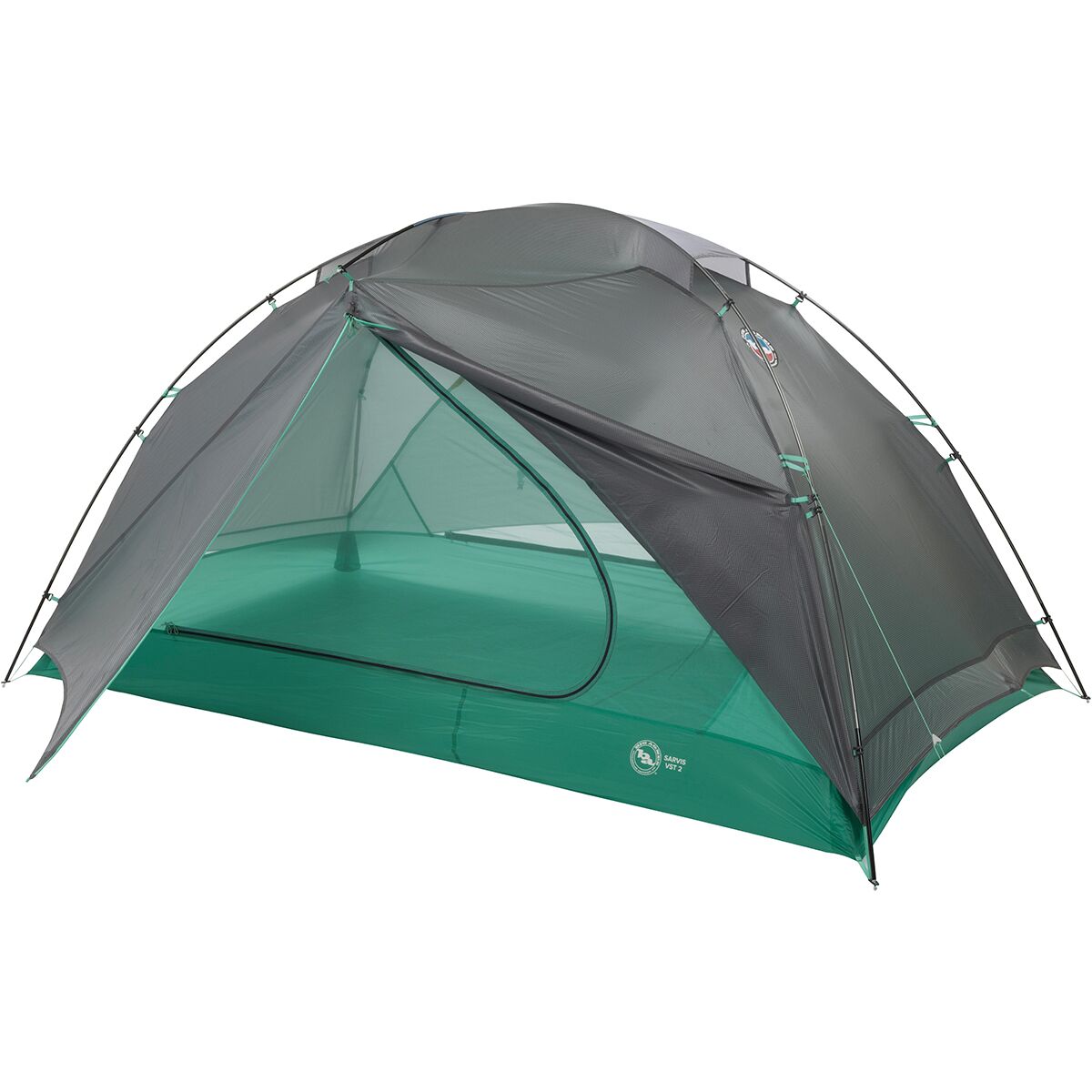
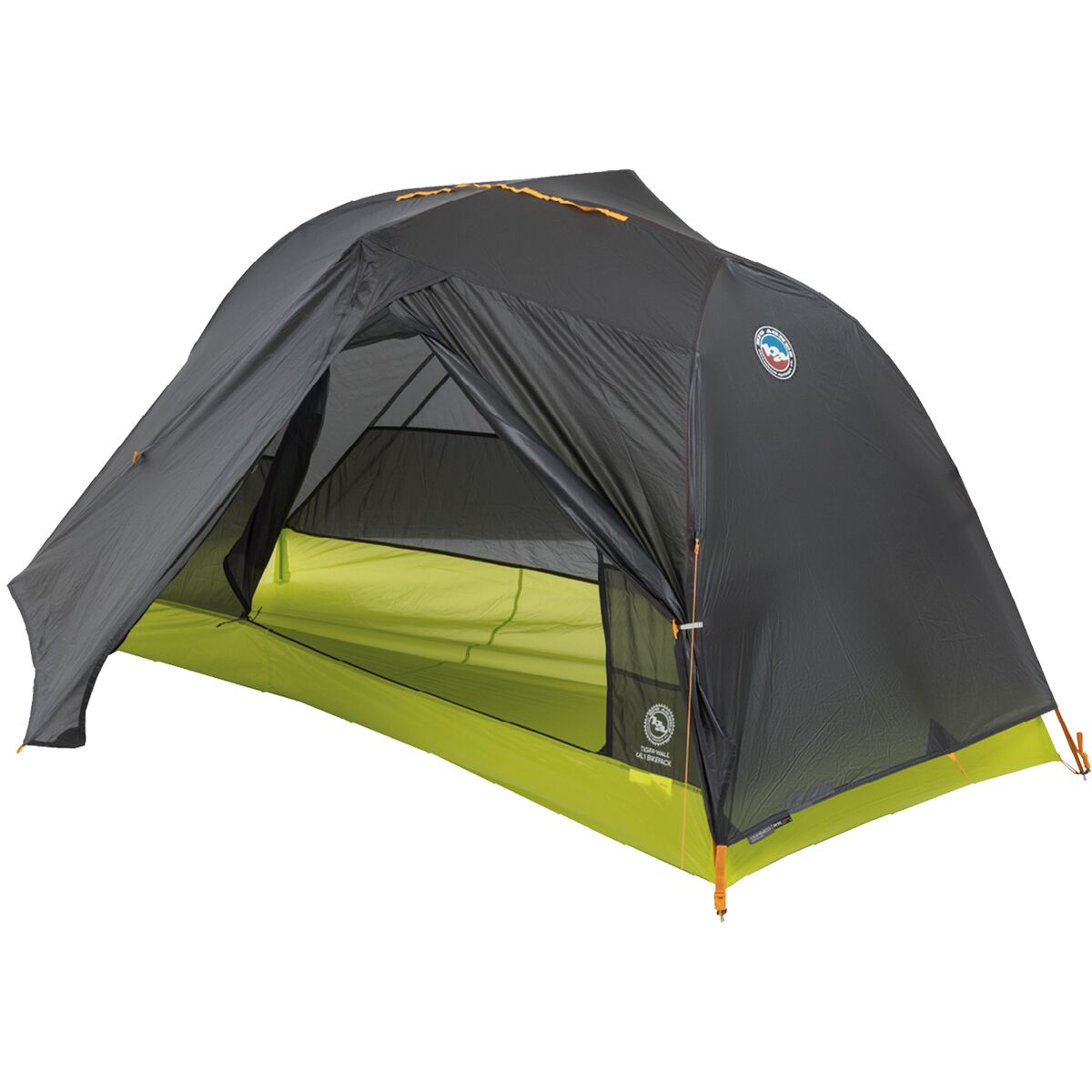
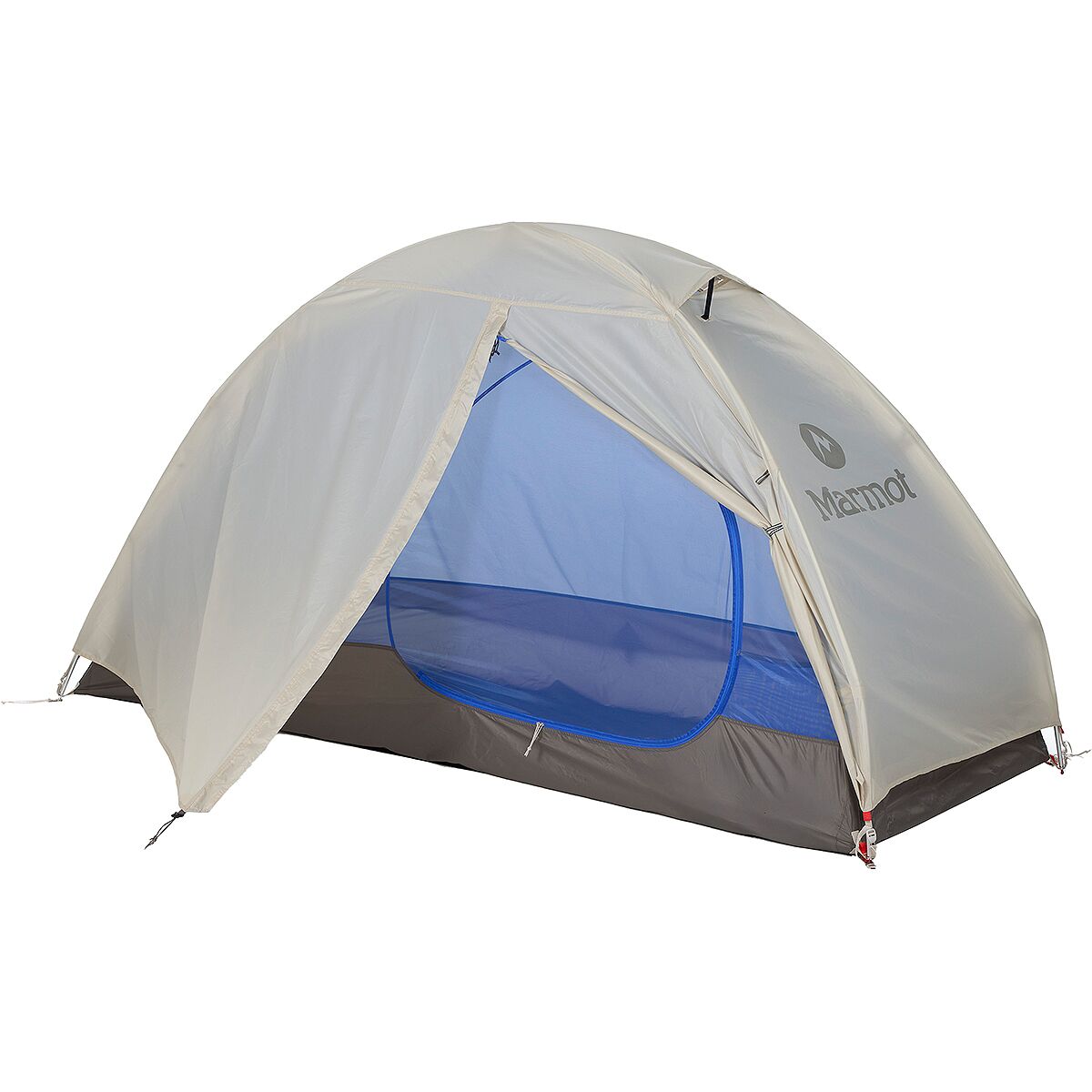
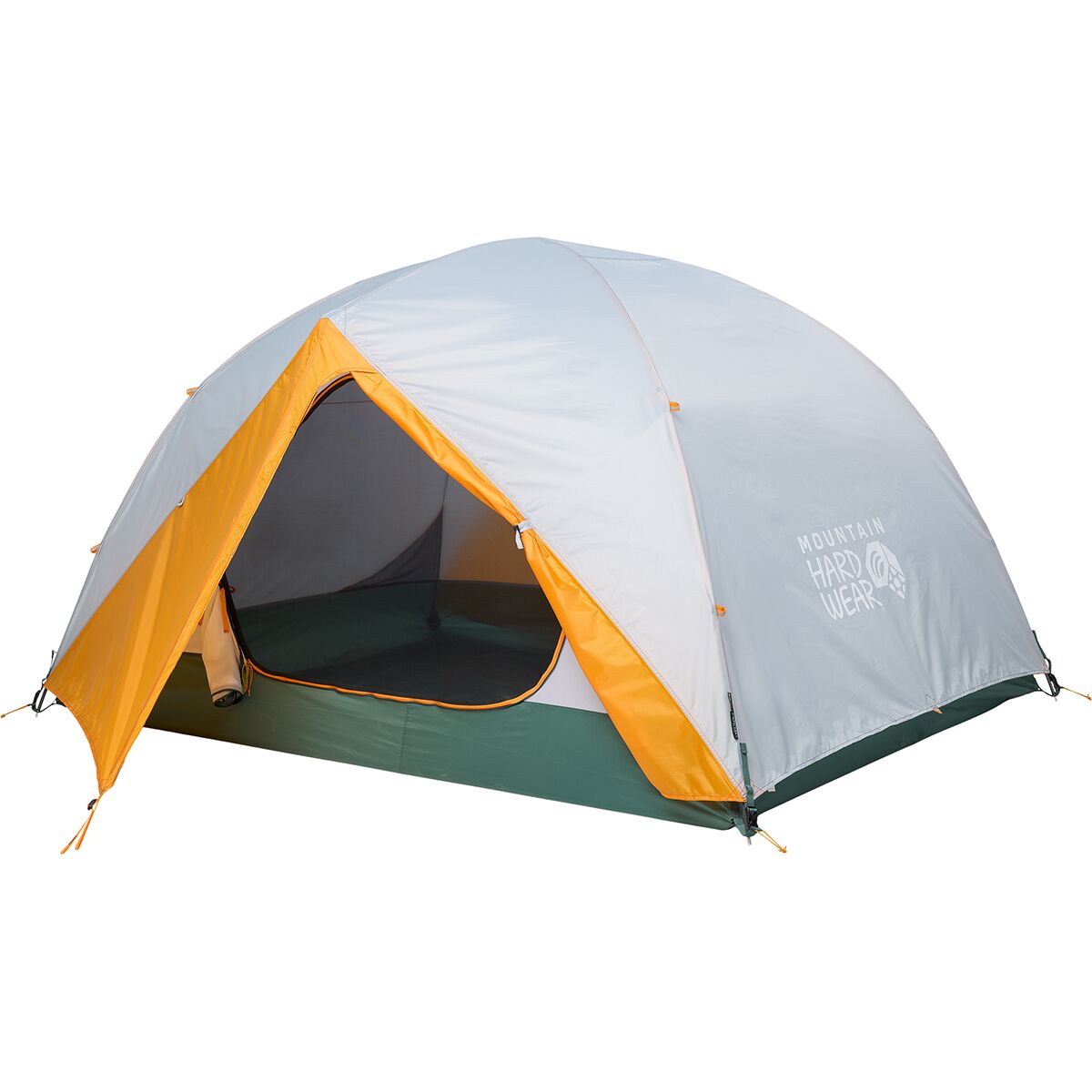
We may earn a commission if you buy through these links, at no extra cost to you. Affiliate disclosure
Current Tent Deals
Sale inventory changes frequently. Recheck capacity, season rating and packed weight before buying.
Current Tent Deals
- ALPS MountaineeringALPS Mountaineering Meramac 2 Tent: 2-Person 3-Season$90.99
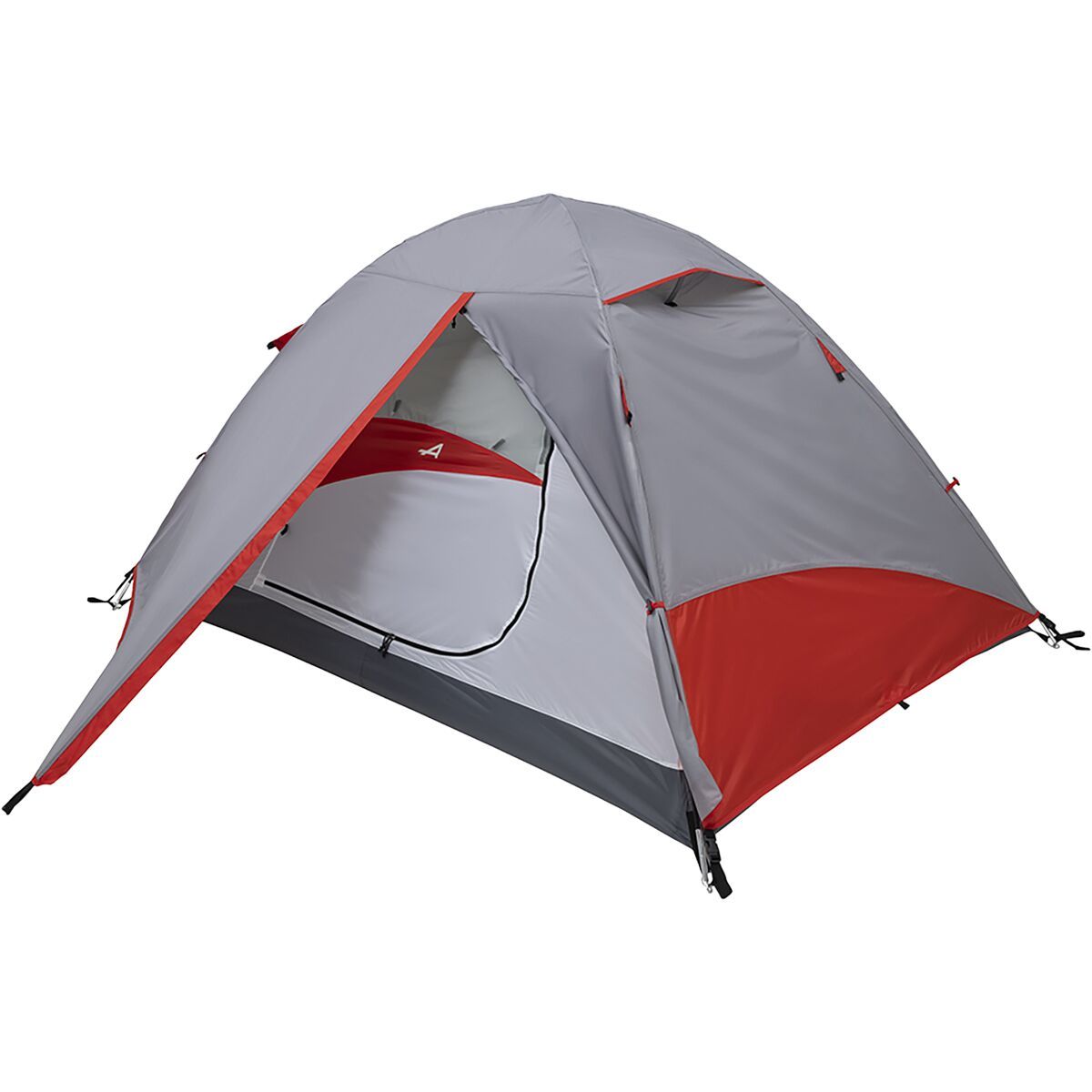
$129.99Check price at Back Country (opens in a new tab) - ALPS MountaineeringALPS Mountaineering Taurus 2 Tent: 2-Person 3-Season$104.99
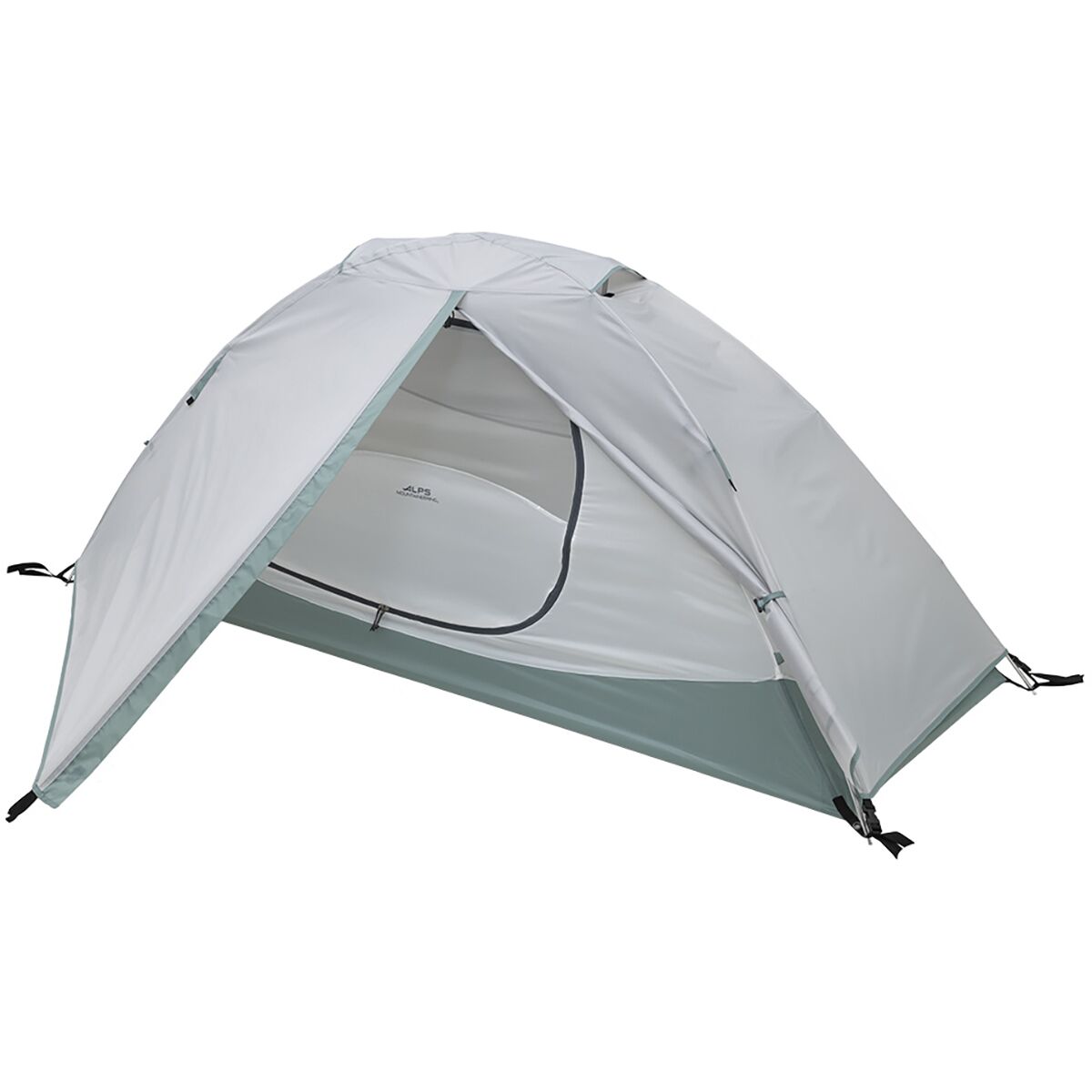
$149.99Check price at Back Country (opens in a new tab) - ALPS MountaineeringALPS Mountaineering Felis 1 Tent$118.99
$169.99Check price at Back Country (opens in a new tab)
Dry It, Protect It and Know How to Repair It.
Lightweight tents save weight partly through lighter fabrics and hardware, so small maintenance habits matter.
Never store damp
Dry the fly, body and footprint completely before long-term storage to reduce mildew and coating damage.
Use gentle methods
Follow the manufacturer’s care instructions; avoid harsh detergents and machine processes unless specifically approved.
Carry a repair sleeve
A simple splint can stabilize a damaged pole well enough to protect the rest of the shelter until permanent repair.
Patch tears early
Small punctures can grow under wind tension. Carry compatible repair tape or patches on longer trips.
How This Backpacking Tent Guide Is Built
This is a new commercial child page designed to own broad “best backpacking tents” intent while keeping expedition and 4-season shelter intent on separate pages.
Current 2026 verification, no fabricated field testing
Global Summit Guide rechecked current 2026 manufacturer information for NEMO Dagger OSMO and Hornet OSMO, Big Agnes Copper Spur, Sea to Summit Telos Evo, The North Face Stormbreak and Mountain Hardwear Mineral King. Current September 2026 testing from REI and June 2026 testing from OutdoorGearLab were used to confirm active backpacking-tent families and category trade-offs.
OutdoorGearLab’s 2026 comparison places Big Agnes Copper Spur UL2 among the leading lightweight freestanding shelters, while REI’s September 2026 tested guide includes Copper Spur, NEMO Hornet OSMO, Sea to Summit Telos Evo, MSR Hubba Hubba LT and Mountain Hardwear Mineral King among its current backpacking selections.
No invented stars or hands-on claims: the page compares current specifications, architecture, weight direction, floor space, intended use and published test coverage.
Best Backpacking Tents FAQ
How much should a backpacking tent weigh?
Many lightweight two-person freestanding tents fall around three to four pounds packed, while ultralight and semi-freestanding shelters can be much lighter. Divide the tent weight by the number of sleepers and balance weight against comfort, durability and weather protection.
Is a 2-person or 3-person tent better for two backpackers?
A 2P tent saves weight. A 3P tent provides noticeably more living space. If two hikers split the load, a lightweight 3P can be a very comfortable choice for longer trips.
Are ultralight tents less durable?
They often use lighter fabrics and hardware, so they generally reward more careful handling and site selection. Durability still varies substantially by design and construction.
Do I need a footprint?
Not always. A footprint reduces abrasion and keeps the tent floor cleaner on rough or wet sites, but it adds weight. Good campsite selection remains important either way.
Is freestanding better than a trekking-pole tent?
Freestanding tents are usually easier to pitch and reposition. Trekking-pole tents can save significant weight but depend more heavily on stake placement and pitch quality. Neither is universally better.
Can I use a 3-season tent in winter?
Not as a default. If heavy snow loading, severe winds or exposed winter conditions are expected, use a shelter designed for those conditions rather than stretching a lightweight 3-season tent beyond its intended role.
What tent size is best for a thru-hike?
Solo hikers often choose a light 1P or compact 2P for livability. Couples commonly choose a 2P to minimize weight or a light 3P when extra room is worth the modest weight increase.
Build the Rest of the Backpacking System
Thru-Hiking Gear List
Fit the shelter into the complete long-distance hiking loadout.
Sleep systemBest Sleeping Bags
Coordinate tent protection with the warmth and moisture strategy of the sleep system.
Pack systemExpedition & Backpack Selection
Match shelter weight and packed volume to the pack you will carry.
Different intentExpedition Base Camp Tents
Move into long-duration group and 4-season expedition shelters.
Trail planningBest Long-Distance Trails for Beginners
Choose a first long trail where shelter weight and repeated setup begin to matter.
Planning pillarHow to Plan a Thru-Hike
Connect shelter selection to route, resupply, season and total pack strategy.
Deep recoveryMountain Weather for Climbers
Use wind, precipitation and storm timing to judge shelter exposure.
Deep recoveryGear Safety
Inspect tent fabrics, poles, stakes and repair systems before departure.
Deep recoveryFinal 72-Hour Checklist
Recheck forecast, campsite conditions and shelter repairs before leaving.
Carry the Lightest Tent You Will Still Be Glad to Live In When the Weather Turns.
Weight matters every mile. Space, ventilation and storm protection matter every night. The best backpacking tent is the shelter that balances both sides of that equation for your actual trips.
Was this helpful?
Global Summit Guide is an independent mountaineering resource founded in 2026. The team combines first-hand trekking and climbing experience with in-depth research and professional health and nutrition review to help climbers choose objectives, prepare properly, and stay safe.
Health, altitude, and nutrition content is reviewed by Taylor Ludlow (Registered Nurse) and Brigg Hoopes (Nutritionist).
What We Don't Know Yet
Mountain information changes quickly. This box explains the limits of what this page can responsibly promise.
- Gear requirements can change by season, route variation, weather window, personal cold tolerance, and guide-service requirements.
- Visa, passport, vaccination, border, insurance, and local transportation rules may change before your trip.
- Route conditions, snowpack, closures, and weather can change quickly after this page is updated.
- Permit rules, fees, quotas, and reservation windows may change between review cycles.
- Operator availability, pricing, guide ratios, and cancellation terms can change by season.
Verify current conditions with official land managers, guide services, local forecasts, and current route reports before booking or climbing.
Mountaineering, rock and ice climbing, glacier travel, and high-altitude activity are inherently dangerous and can result in serious injury or death. The information on Global Summit Guide is provided for general informational and educational purposes only and is not a substitute for professional instruction, qualified guiding, proper equipment, or your own judgment and experience.
Route conditions, weather, snowpack, permits, regulations, and hazards change constantly and may differ from what is described here. Details may be incomplete, out of date, or contain errors. Always verify current information with local authorities, certified guides, and official sources before making any decision in the mountains.
Nothing on this site is medical, legal, or financial advice. Our fitness, acclimatization, altitude, and nutrition content is general in nature; consult a qualified physician before beginning any strenuous exercise program or exposing yourself to high altitude.
You are solely responsible for your own safety and decisions. To the fullest extent permitted by law, Global Summit Guide and its team accept no liability for any loss, injury, damage, or expense arising from use of, or reliance on, this information. By using this site you acknowledge these risks and accept these terms.
Some links on this site may be affiliate links. If you buy through them we may earn a small commission at no extra cost to you; this never affects our recommendations.
Global Summit Guide recommendation path
Next Best Mountain to Research
Use these recommendations to continue the right planning path instead of stopping on one page.
Use current permit, weather, route, and operator information before booking or climbing.