
Last updated July 15, 2026
Optimal Climbing Seasons and Weather for Safe Lhotse Ascents
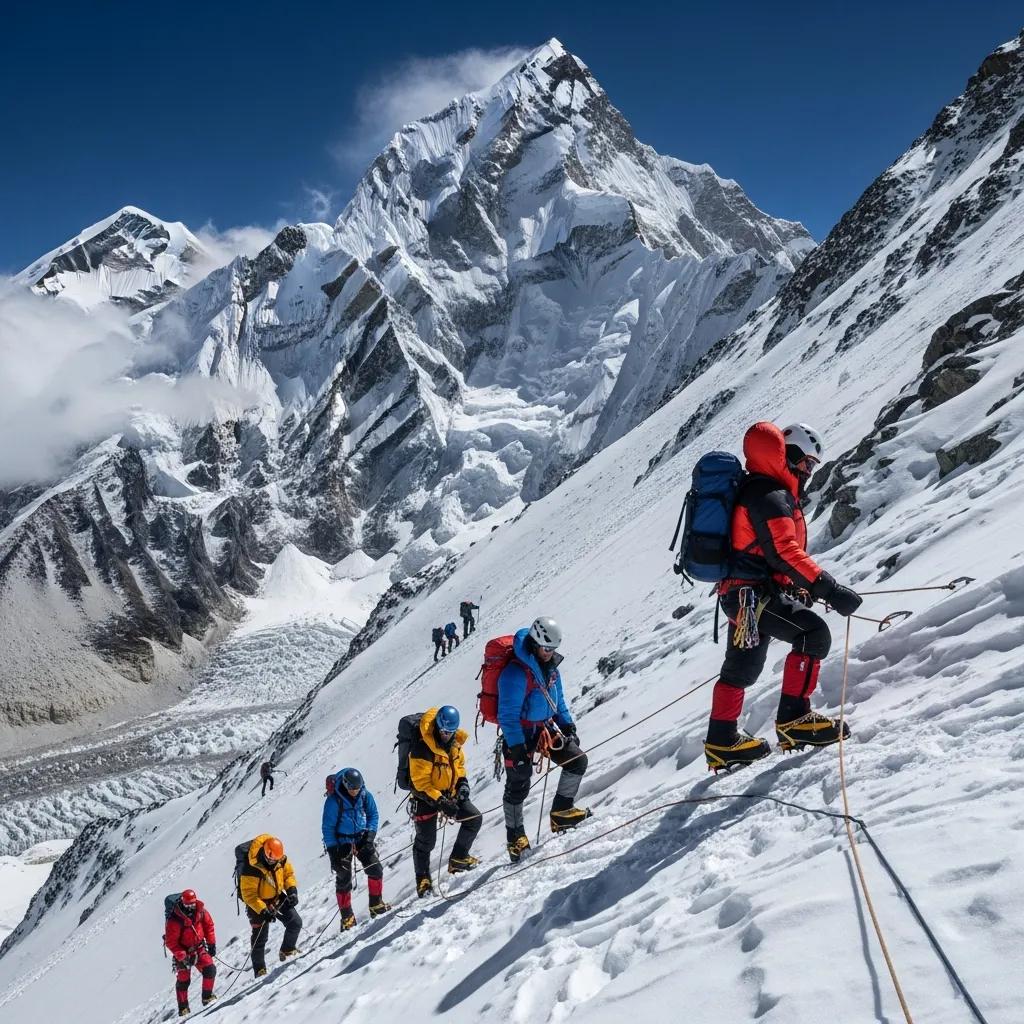
Climbing Lhotse, the fourth highest mountain in the world, presents unique challenges and rewards that are heavily influenced by seasonal weather patterns. Understanding the best time to embark on this expedition is crucial for ensuring safety and success. This guide will delve into the key climbing seasons for Lhotse, the weather conditions that define each season, and the strategies climbers can employ to mitigate risks associated with unpredictable weather. By the end of this article, you will have a comprehensive understanding of when to climb Lhotse, the necessary preparations, and how to optimize your expedition for the best possible experience.
The article will cover essential topics, including the characteristics of each climbing season, the impact of weather on climbing conditions, and the recommended months for summiting Lhotse. Additionally, we will explore how climbers can effectively plan their expeditions by utilizing weather forecasts and historical data.
What Are the Key Climbing Seasons for Lhotse and Their Characteristics?
Lhotse’s climbing seasons are primarily divided into two main periods: spring and autumn, each offering distinct characteristics that influence climbing conditions.
- Spring Climbing Season: This season typically runs from late April to late May. During this time, climbers can expect relatively stable weather, with warmer temperatures and clearer skies. The melting snow and ice create more accessible routes, making it a popular choice for climbers aiming to summit Lhotse.
- Autumn Climbing Season: The autumn season spans from late September to early November. While this period can offer stunning views and fewer climbers, it is also marked by unpredictable weather patterns, including sudden storms and temperature drops. Climbers must be prepared for these challenges, as conditions can change rapidly.
Understanding these seasons is vital for climbers to choose the optimal time for their expedition, ensuring both safety and success.
How Does Spring Season Affect Climbing Conditions on Lhotse?
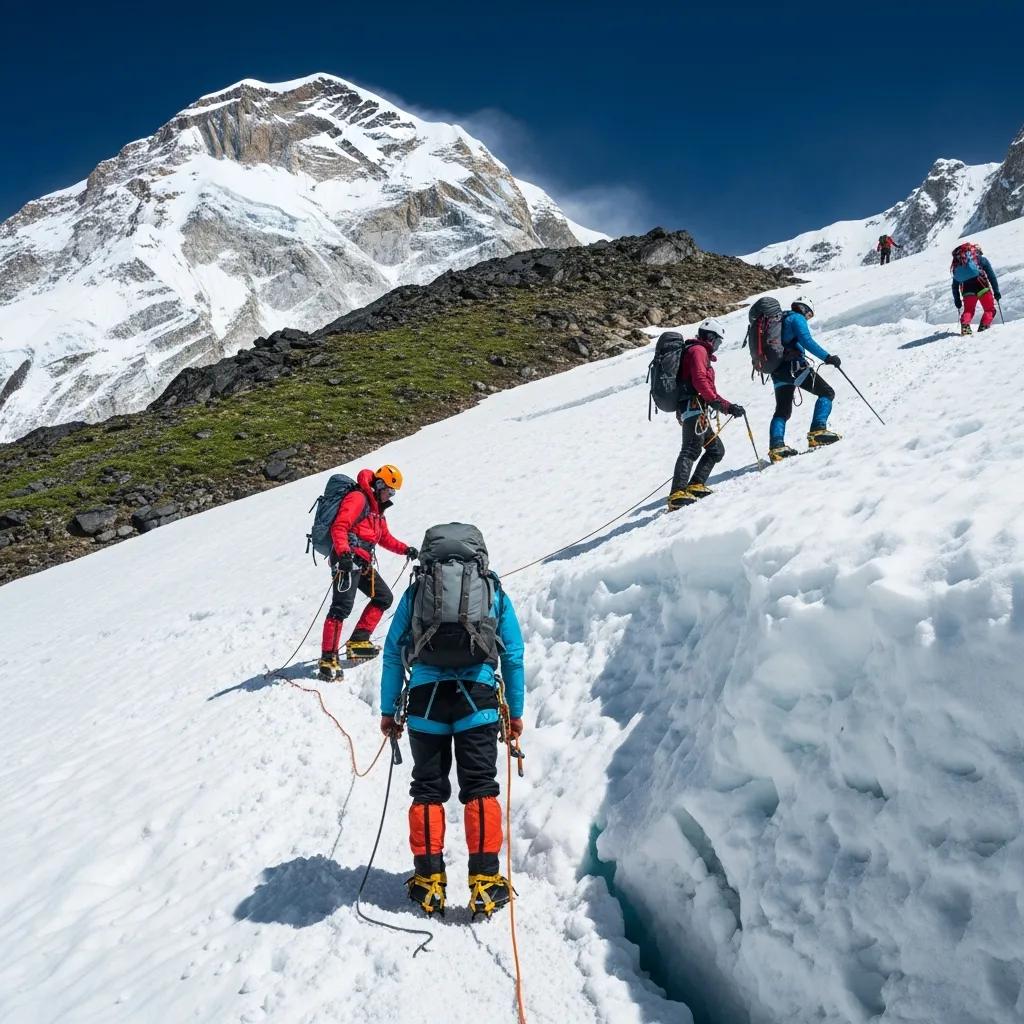
The spring season significantly enhances climbing conditions on Lhotse due to several factors. As temperatures rise, the snow begins to melt, leading to improved route accessibility. This period is characterized by longer daylight hours, which allows climbers to maximize their time on the mountain.
However, spring also presents challenges, such as the risk of avalanches due to melting snow. Climbers must remain vigilant and monitor weather forecasts closely to avoid dangerous conditions. Additionally, the influx of climbers during this season can lead to crowded routes, necessitating careful planning and timing to ensure a successful ascent.
What Are the Weather Patterns and Challenges During Autumn Climbs?
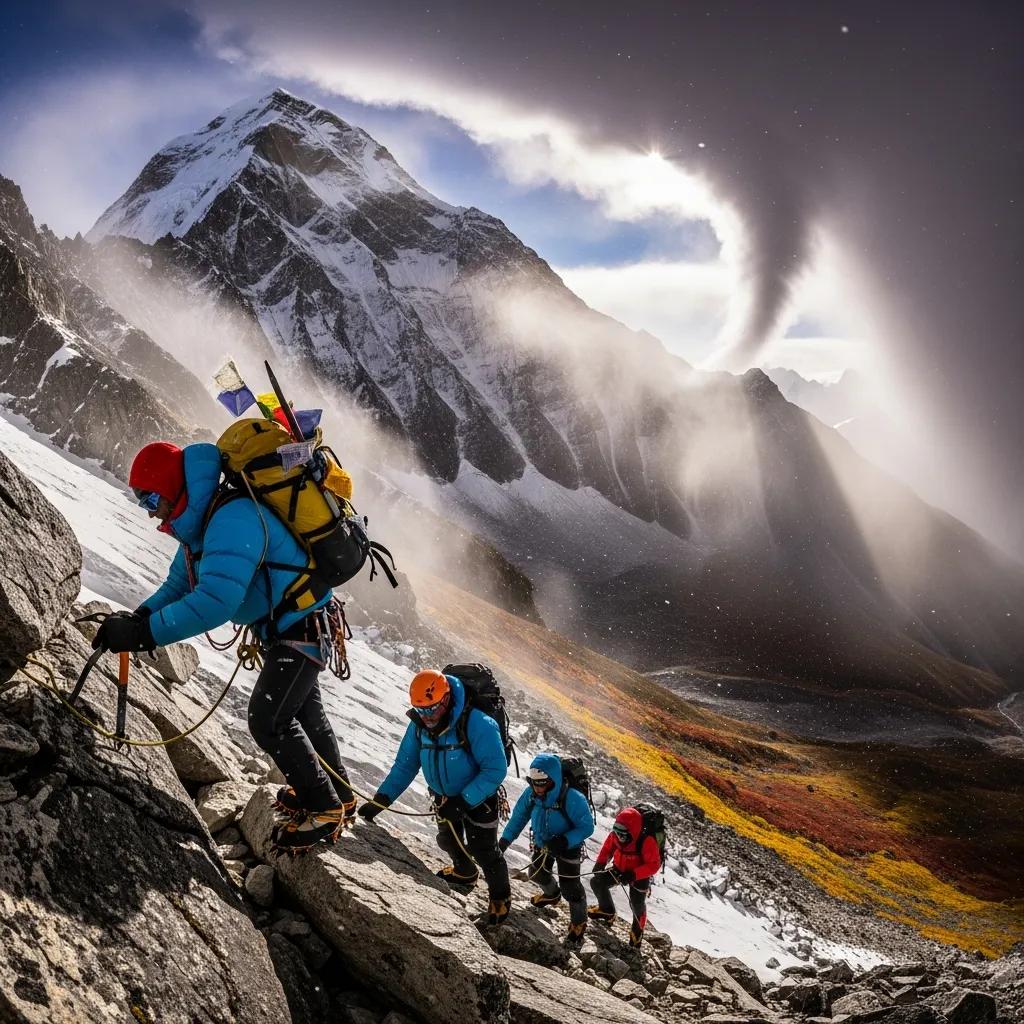
Autumn climbing on Lhotse presents a unique set of weather patterns and challenges. While the scenery is breathtaking, with vibrant fall colors, climbers must contend with rapidly changing weather conditions.
Temperatures can fluctuate significantly, and storms may develop unexpectedly, leading to harsh conditions. The risk of snow and ice accumulation increases, which can make climbing routes more treacherous. Climbers should be prepared for these challenges by equipping themselves with appropriate gear and being ready to adapt their plans as needed.
How Do Weather Conditions Impact Safety and Success on Lhotse Expeditions?
Weather conditions play a critical role in the safety and success of Lhotse expeditions. Unpredictable weather can lead to dangerous situations, including avalanches, rockfalls, and hypothermia.
Climbers must prioritize safety by closely monitoring weather forecasts and being prepared to alter their plans based on real-time conditions. Proper preparation, including the use of high-quality gear and safety equipment, is essential for mitigating risks associated with adverse weather.
What Are the Common Weather Risks on Lhotse Throughout the Year?
Throughout the year, climbers on Lhotse face several common weather risks that can impact their expeditions. These include:
- Avalanches: Particularly during the spring thaw, the risk of avalanches increases as snow melts and destabilizes.
- Sudden Storms: Both spring and autumn can bring unexpected storms that can severely impact visibility and climbing conditions.
- Temperature Drops: Rapid temperature changes can lead to frostbite and hypothermia if climbers are not adequately prepared.
Understanding these risks is crucial for climbers to develop effective strategies for their expeditions.
How Can Climbers Mitigate Weather-Related Hazards on Lhotse?
Climbers can take several proactive steps to mitigate weather-related hazards on Lhotse:
- Thorough Planning: Researching weather patterns and historical data can help climbers choose the best time for their expedition.
- Quality Gear: Investing in high-quality gear, including weather-resistant clothing and safety equipment, is essential for coping with changing conditions. You can find essential equipment at Global Summit Guide.
- Monitoring Weather Forecasts: Regularly checking weather updates allows climbers to make informed decisions and adjust their plans as necessary.
By implementing these strategies, climbers can enhance their safety and increase their chances of a successful summit.
Which Months Are Recommended as the Best Time to Summit Lhotse?
The best months to summit Lhotse are typically May and October. May offers stable weather conditions and longer days, making it ideal for climbing. Conversely, October provides fewer crowds and stunning views, although climbers must be prepared for the potential of sudden weather changes.
Climbers should consider their experience level and preferences when choosing the best month for their expedition.
What Meteorological Data Supports Choosing These Optimal Months?
Meteorological data supports the recommendation of May and October as the best months for summiting Lhotse. Historical weather patterns indicate that these months consistently feature more stable conditions, with lower chances of severe storms and favorable temperatures for climbing.
Climbers can utilize this data to plan their expeditions effectively, ensuring they choose a time that maximizes their chances of success.
How Do Climbing Success Rates Vary by Month Based on Recent Expedition Statistics?
Recent expedition statistics reveal that climbing success rates on Lhotse vary significantly by month.
- May: Success rates are notably higher during this month, with many climbers reaching the summit due to favorable weather conditions.
- October: While success rates are lower than in May, climbers who are well-prepared and adaptable can still achieve their goals.
Understanding these statistics can help climbers make informed decisions about when to attempt their ascent.
What Are the Differences Between Climbing Lhotse in Spring Versus Autumn?
Climbing Lhotse in spring versus autumn presents distinct differences that climbers should consider.
- Weather Stability: Spring generally offers more stable weather, while autumn can be unpredictable.
- Crowd Levels: Spring tends to attract more climbers, leading to crowded routes, whereas autumn may provide a more solitary experience.
- Temperature Variations: Spring temperatures are typically warmer, while autumn can bring cooler conditions that require additional gear.
These differences can significantly impact the climbing experience, and climbers should weigh their options carefully.
How Do Seasonal Weather Variations Influence Climbing Strategies?
Seasonal weather variations necessitate different climbing strategies. In spring, climbers may focus on timing their ascents to avoid peak avalanche risk, while in autumn, they must be prepared for rapid weather changes and potential snow accumulation.
Adapting climbing strategies to align with seasonal conditions is essential for ensuring safety and success on Lhotse.
What Gear Adjustments Are Necessary for Spring Compared to Autumn Expeditions?
Gear adjustments are crucial for successful expeditions in different seasons.
- Spring Gear: Lightweight, breathable clothing is essential for warmer temperatures, along with gear that can handle wet conditions.
- Autumn Gear: Climbers should opt for warmer layers and equipment designed to withstand colder temperatures and potential snowfall.
By tailoring gear to the specific season, climbers can enhance their comfort and safety on the mountain.
What Gear and Preparation Are Essential for Lhotse Climbs in Different Seasons?
Essential gear and preparation for Lhotse climbs vary by season.
- Spring Essentials: Include waterproof jackets, crampons, and lightweight sleeping bags.
- Autumn Essentials: Focus on insulated jackets, heavier sleeping bags, and additional safety equipment for unpredictable weather.
Proper preparation ensures climbers are equipped to handle the challenges presented by each season.
Which Safety Equipment Is Recommended for Variable Weather Conditions?
When climbing Lhotse, having the right safety equipment is vital for navigating variable weather conditions. Recommended equipment includes:
- Avalanche Beacons: Essential for detecting avalanche risks.
- Crampons and Ice Axes: Necessary for traversing icy terrain.
- First Aid Kits: Crucial for addressing any injuries that may occur during the climb.
Investing in high-quality safety equipment can significantly enhance climber safety.
How Should Climbers Adapt Their Gear for Monsoon and Winter Seasons?
Adapting gear for monsoon and winter seasons is essential for climbers on Lhotse.
- Monsoon Gear: Waterproof clothing and gear that can handle heavy rain are crucial.
- Winter Gear: Insulated clothing, snowshoes, and additional safety equipment are necessary to cope with cold temperatures and snow.
By preparing for these conditions, climbers can ensure their safety and comfort during their expeditions.
How to Plan a Successful Lhotse Expedition Considering Seasonal and Weather Factors?
Planning a successful Lhotse expedition requires careful consideration of seasonal and weather factors.
- Research: Thoroughly investigate weather patterns and historical data to choose the best time for your climb.
- Preparation: Ensure you have the right gear and safety equipment for the season.
- Flexibility: Be prepared to adapt your plans based on real-time weather conditions.
By following these steps, climbers can enhance their chances of a successful and safe expedition.
What Are the Critical Steps in Trip Planning for Lhotse Climbs?
Critical steps in trip planning for Lhotse climbs include:
- Route Selection: Choose a route that aligns with your experience level and the season.
- Permits and Regulations: Ensure you have the necessary permits and are aware of local regulations.
- Team Coordination: Assemble a team of experienced climbers and establish clear communication protocols.
These steps are essential for ensuring a well-organized and successful expedition.
How Can Climbers Use Weather Forecasts and Historical Data to Optimize Timing?
Climbers can optimize their timing by utilizing weather forecasts and historical data.
- Forecast Monitoring: Regularly check weather forecasts leading up to the expedition to identify favorable conditions.
- Historical Analysis: Review past weather patterns to understand typical conditions for the chosen climbing months.
By leveraging this information, climbers can make informed decisions that enhance their chances of success.
What Are Frequently Asked Questions About Lhotse Climbing Seasons and Weather?
- What is the best time to climb Lhotse? – The best time to climb Lhotse is typically in May and October, when weather conditions are most favorable.
- What gear is essential for climbing Lhotse? – Essential gear includes weather-resistant clothing, safety equipment, and climbing tools appropriate for the season.
- How can I prepare for unpredictable weather? – Stay informed about weather forecasts, invest in quality gear, and be ready to adapt your plans as conditions change.
What Is the Best Month to Climb Lhotse According to Expert Guides?
According to expert guides, May is often considered the best month to climb Lhotse due to its stable weather conditions and longer daylight hours. Climbers can maximize their chances of success by planning their expeditions during this time.
How Does Weather Affect the Risk of Avalanches and Other Hazards on Lhotse?
Weather significantly affects the risk of avalanches and other hazards on Lhotse. Warmer temperatures during the spring can lead to increased avalanche risk as snow melts and destabilizes. Climbers must remain vigilant and monitor conditions closely to mitigate these risks.
How Does Lhotse Climbing Season Compare to Everest and Other Himalayan Peaks?
Lhotse’s climbing season shares similarities with Everest and other Himalayan peaks, particularly in terms of timing. However, Lhotse may experience different weather patterns and climbing challenges due to its unique geographical features. Understanding these differences can help climbers prepare more effectively for their expeditions.
What Are the Similarities and Differences in Seasonal Weather Patterns?
Seasonal weather patterns on Lhotse exhibit both similarities and differences compared to other Himalayan peaks. While spring and autumn are generally the best climbing seasons across the region, specific weather conditions can vary significantly, impacting climbing strategies and safety considerations.
To learn more about other peaks, visit Global Summit Guide.
How Do Expedition Logistics Vary Between Lhotse and Neighboring Mountains?
Expedition logistics for Lhotse can differ from those of neighboring mountains, such as Everest. Factors such as access routes, permit requirements, and local regulations can influence planning and execution. Understanding these logistical differences is essential for climbers to ensure a smooth expedition.
Planning a climb? Global Summit Guide offers resources for climbers.
Need help? Contact us for more information.
Conclusion
Understanding the optimal climbing seasons for Lhotse is essential for ensuring a safe and successful expedition. By choosing the right time, climbers can benefit from favorable weather conditions, improved accessibility, and enhanced safety. Equip yourself with the necessary knowledge and gear to tackle the challenges of high-altitude climbing. Explore our resources to plan your Lhotse adventure today.
Was this helpful?
🏔Related conditions
🧭Explore & compare
Global Summit Guide is an independent mountaineering resource founded in 2026. The team combines first-hand trekking and climbing experience with in-depth research and professional health and nutrition review to help climbers choose objectives, prepare properly, and stay safe.
Health, altitude, and nutrition content is reviewed by Taylor Ludlow (Registered Nurse) and Brigg Hoopes (Nutritionist).
What We Don't Know Yet
Mountain information changes quickly. This box explains the limits of what this page can responsibly promise.
- Weather, snowpack, avalanche risk, road access, and route conditions can change quickly and may be different on your climbing dates.
- Route conditions, trailhead access, crevasse exposure, stream crossings, and rescue access may vary from published planning guidance.
- Gear requirements can change by season, route variation, weather window, personal cold tolerance, and guide-service requirements.
Verify current conditions with official land managers, guide services, local forecasts, and current route reports before booking or climbing.
Mountaineering, rock and ice climbing, glacier travel, and high-altitude activity are inherently dangerous and can result in serious injury or death. The information on Global Summit Guide is provided for general informational and educational purposes only and is not a substitute for professional instruction, qualified guiding, proper equipment, or your own judgment and experience.
Route conditions, weather, snowpack, permits, regulations, and hazards change constantly and may differ from what is described here. Details may be incomplete, out of date, or contain errors. Always verify current information with local authorities, certified guides, and official sources before making any decision in the mountains.
Nothing on this site is medical, legal, or financial advice. Our fitness, acclimatization, altitude, and nutrition content is general in nature; consult a qualified physician before beginning any strenuous exercise program or exposing yourself to high altitude.
You are solely responsible for your own safety and decisions. To the fullest extent permitted by law, Global Summit Guide and its team accept no liability for any loss, injury, damage, or expense arising from use of, or reliance on, this information. By using this site you acknowledge these risks and accept these terms.
Some links on this site may be affiliate links. If you buy through them we may earn a small commission at no extra cost to you; this never affects our recommendations.
Global Summit Guide recommendation path
Next Best Mountain to Research
Use these recommendations to continue the right planning path instead of stopping on one page.
Use current permit, weather, route, and operator information before booking or climbing.
Search Flights, Hotels & Rental Cars
Have the mountain or destination picked? Use Expedia to compare the flights, lodging and rental cars that fit your actual trip dates. For mountain travel, consider arriving early enough for delays and adding a buffer night after the climb before a fixed flight home.
Compare current flight, hotel and car options.
Affiliate disclosure: Global Summit Guide may earn a commission if you book through this link, at no additional cost to you.