
Last updated August 3, 2026
Mount Lhotse Climb Guide 2026: Routes, Permits, Gear, and Planning the World’s 4th Highest Peak
Mount Lhotse at 8,516 meters is the fourth-highest mountain on earth and shares roughly 80% of its climbing route with Everest before diverging at the South Col into the Lhotse Couloir. The 2026 commercial expedition runs $25,000-$50,000 depending on tier, takes 50-60 days from Lukla, and requires established 7,000-meter prerequisite experience. Routes, permits, gear, season windows, cost structure, and prerequisite progression — by Travis Ludlow.
Mount Lhotse is the fourth-highest mountain on earth at 8,516 meters, climbed commercially via the Nepal South Col route that it shares with Mount Everest for roughly 80% of the ascent. Generally, climbers reach the South Col at 7,925 meters via the same Khumbu Icefall, Western Cwm, and Lhotse Face that Everest expeditions use, then traverse into the Lhotse Couloir and climb directly to the summit. Specifically, the Lhotse Couloir is the defining upper mountain feature — sustained 40-60 degree mixed ice and snow climbing on fixed lines, steeper and more technical than the corresponding Everest summit ridge. Notably, Lhotse’s 2026 commercial expedition cost runs $25,000-$50,000 depending on tier — meaningfully cheaper than Everest despite sharing the route, primarily because the Nepal permit is $1,800 versus Everest’s $15,000 and oxygen consumption is lower for the shorter summit push.
Key Takeaways
- 4th highest mountain on earth at 8,516 m / 27,940 ft. First climbed in 1956 by a Swiss team during the same expedition that logged the second Everest ascent. Sits immediately south of Everest, with the South Col connecting the two summits.
- 2026 commercial cost: $25,000-$50,000 operator fee. Budget Nepali $20-30K, mid-tier $30-42K, premium Western $42-55K. All-in cost runs $40,000-$75,000 once flights, gear, insurance, tips, and contingency are added.
- Nepal climbing permit: $1,800 spring season. One-eighth the cost of the Mount Everest permit ($15,000 spring). Autumn permits $900, winter permits $450. Issued through registered Nepali operators only.
- The Lhotse Couloir is the technical crux. Sustained 40-60 degree mixed ice and snow on fixed lines, steeper and more technical than the corresponding Everest summit ridge. The defining challenge of the upper mountain.
- Death rate approximately 3% historically. 22 deaths against 1,089 successful summits through May 2022. Lower than Annapurna (13%), K2 (~22%), and Nanga Parbat (~21%), comparable to Everest’s modern commercial-era rate.
- Spring (April-May) is the primary commercial season. Summit windows concentrate May 14-26 in most years. Autumn (September-October) sees few commercial expeditions. Winter expeditions are rare and reserved for elite climbers.
- Total expedition: 50-60 days from Lukla. 8-10 day trek to Everest Base Camp, 30-40 days acclimatization between Base Camp, Camp 2, and Camp 3, then summit window.
- Prerequisite experience: 7,000m summit minimum, ideally prior 8,000m. Premium operators increasingly require Cho Oyu, Manaslu, or another 8,000-meter ascent before accepting Lhotse clients. Climbers using Lhotse as first 8000er should book operators that explicitly accept first-timers.
- Everest-Lhotse combo adds $5,000-$10,000 over Everest base cost. Popular option for experienced climbers — shared route, acclimatization, base camp, Sherpa support, and oxygen logistics make the marginal cost much lower than booking Lhotse as separate expedition.
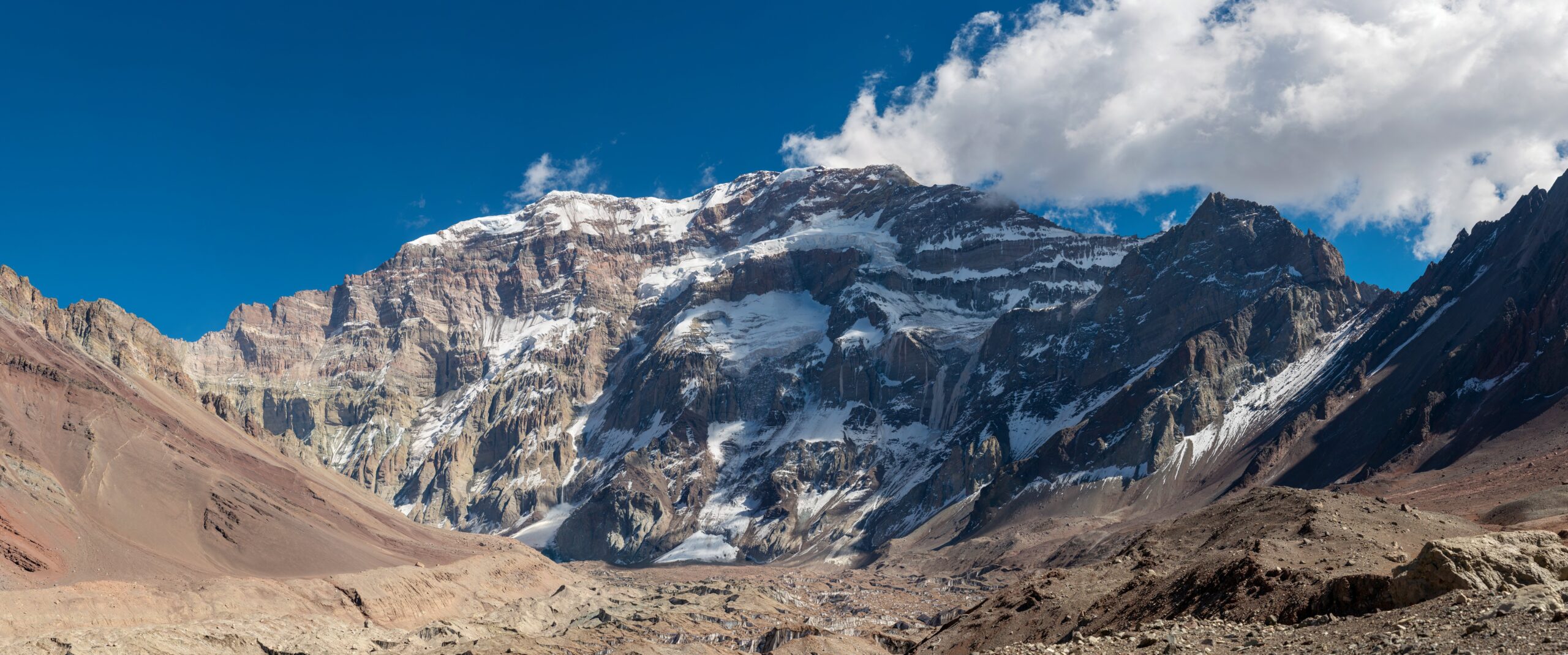
The Mountain — Geography, History, Context
Mount Lhotse is the fourth-highest mountain on earth at 8,516 meters (27,940 feet), located on the border between Nepal’s Khumbu region and Tibet’s Qomolangma National Nature Preserve[1]. Generally, Lhotse is part of the Everest massif — its long east-west crest sits immediately south of Mount Everest, connected by the South Col at 7,925 meters. Specifically, this geographic relationship means Lhotse and Everest share roughly 80% of the standard climbing route from Everest Base Camp through the Khumbu Icefall, Western Cwm, and Lhotse Face before diverging at the South Col. Notably, the shared infrastructure has shaped Lhotse’s commercial climbing economy — operators offering Lhotse typically also offer Everest, and the Everest-Lhotse combo expedition is one of the most popular 8,000-meter packages in commercial mountaineering.
The mountain comprises three named summits: Lhotse Main at 8,516 meters (the eight-thousander listed as the world’s fourth-highest peak), Lhotse Middle at 8,410 meters (the last 8,000-meter summit on earth to receive a first ascent, climbed in 2001), and Lhotse Shar at 8,383 meters[2]. Generally, the commercial climbing season focuses entirely on Lhotse Main — the other two summits are technical expedition objectives reserved for elite alpinists. Specifically, Lhotse Shar in particular carries one of the highest fatality rates among all 8,000-meter peaks (approximately 2-to-1 ascent-to-death ratio historically), reflecting the extreme technical character of the subsidiary peak. Notably, when commercial operators advertise “Lhotse,” they mean Lhotse Main exclusively — the subsidiary peaks require separate permits and significantly more technical experience.
First ascent and climbing history
Mount Lhotse was first climbed on May 18, 1956 by Swiss climbers Fritz Luchsinger and Ernst Reiss as part of a Swiss Everest expedition that also logged the second-ever ascent of Mount Everest[3]. Generally, the route they pioneered — from the South Col up Lhotse’s west face into the Couloir — remains the standard commercial route in 2026. Specifically, the South Face of Lhotse was first climbed in 1990 by a Soviet team and remains one of the most difficult Himalayan climbs ever completed — a 3,300-meter near-vertical rock wall reserved for elite alpinists. Notably, Jerzy Kukuczka, the second person to climb all 14 eight-thousanders, died in 1989 attempting Lhotse’s South Face — a reminder that even at the level of historical legends, Lhotse’s technical routes are unforgiving.
The 6 Planning Components
This climb guide is the parent page for six dedicated Lhotse planning resources. Generally, climbers researching Lhotse use this page for top-level orientation, then drill into the specific component pages for execution detail. Specifically, each component page covers one planning dimension in full — routes, cost, best time, gear, success rate, and weather windows. Notably, the structure mirrors how operators actually break down expedition planning — beginning with the broad route and timing decisions, then proceeding to cost commitment, gear acquisition, and final pre-departure preparation.
1. Routes Guide — Nepal South Col vs Tibet North-Side
Detailed analysis of the standard Nepal South Col route and the rarely-attempted Tibet-side concept. The Nepal route is the practical default for nearly all commercial climbers — covers the trek-in, Khumbu Icefall, Western Cwm, Lhotse Face, South Col, and Couloir in technical detail.
Read the Lhotse Routes Guide →2. Cost Guide — Permit, Operator Fee, All-In Budget
Complete Lhotse cost breakdown for 2026 — the $1,800 Nepal permit, operator tiers from $20,000 budget Nepali to $55,000 premium Western, hidden costs including gear and flights, and the all-in total by climber profile. Includes Everest-Lhotse combo pricing analysis.
Read the Lhotse Cost Guide →3. Best Time to Climb — Season & Weather Windows
Detailed seasonal analysis of when to attempt Lhotse — spring April-May primary window with summit dates concentrating May 14-26, autumn September-October secondary option, winter December-February reserved for elite climbers. Weather window patterns and historical summit date distributions.
Read the Best Time Guide →4. Gear List — Complete Lhotse Packing Guide
Full 8,000-meter expedition gear list specific to Lhotse — down suit, double boots, technical hardware, oxygen mask and bottle systems, sleeping systems, layering strategy. Reflects 2026 product recommendations and operator-required equipment lists.
Read the Gear List →5. Summit Success Rate — Historical Outcomes
Statistical analysis of Lhotse summit success rates by tier, season, and operator. Historical context from the first ascent in 1956 through current commercial seasons, with notable fatality patterns and the safety factors that correlate with successful summits.
Read the Success Rate Analysis →6. Route Comparison — All Major Lhotse Approaches
Side-by-side comparison of every viable Lhotse climbing route, including the standard South Col route, the historic Swiss West Face line, and the elite Soviet South Face route. For climbers building a multi-year Lhotse plan or comparing technical objectives.
Read the Route Comparison →The Standard Route — 5 Stages from Lukla to Summit
The standard Lhotse climbing route divides into five distinct stages from arrival in Lukla through summit and descent[4]. Generally, climbers researching Lhotse should understand the macro structure before drilling into route-specific detail. Specifically, each stage has its own character, hazards, acclimatization role, and decision points. Notably, the major safety incidents on Lhotse correlate strongly with stage transitions — particularly the move from the Lhotse Face to the South Col and the Couloir push above the South Col.
The expedition begins with the iconic flight from Kathmandu to Lukla — a short-runway airport at 2,860 meters that serves as the gateway to the Khumbu. Generally, the 8-10 day trek to Everest Base Camp follows the standard Everest Base Camp trek route through Namche Bazaar (3,440 m), Tengboche Monastery (3,860 m), Dingboche (4,410 m), and Lobuche (4,940 m) before arriving at the EBC at 5,364 meters. Specifically, this stage is the climber’s first major acclimatization phase — the staged altitude gain with multiple rest days at intermediate elevations builds the physiological foundation for the climbing phase. Notably, climbers who skip rest days or push the trek pace consistently report worse acclimatization outcomes during the climbing phase itself.
The Khumbu Icefall is the section that defines Lhotse’s objective risk profile. Generally, climbers will traverse the Icefall 4-6 times across the expedition — between Base Camp and Camp 1 (6,065 m) on acclimatization rotations and the final summit push. Specifically, the Icefall is a chaotic, slowly-moving glacial cascade with seracs collapsing without warning, crevasses opening daily, and fixed-ladder bridges that change position as the ice shifts. Notably, the Sagarmatha Pollution Control Committee’s Icefall Doctors install and maintain the fixed-rope and ladder route each season — climbers pay the $600 Icefall fee that funds this critical infrastructure. The Icefall is typically crossed pre-dawn (2-4 AM departure from Base Camp) when the cold stabilizes seracs and reduces avalanche risk. Several climbers have died in the Icefall in recent decades — particularly during the 2014 avalanche disaster that killed 16 Sherpas.
The Western Cwm is the high-altitude glacial valley between the Khumbu Icefall and the Lhotse Face. Generally, this section runs from Camp 1 at 6,065 meters through Camp 2 at 6,400 meters — a relatively flat traverse compared to the Icefall below and the Lhotse Face above. Specifically, the Cwm gets extraordinarily hot in mid-day due to reflective sun off the surrounding ice walls — climbers typically traverse early morning or late afternoon. Notably, this is the primary acclimatization zone where climbers spend the bulk of their pre-summit time, building red blood cell count and adapting to the altitude profile.
The Lhotse Face is the steep 1,000-meter snow and ice wall connecting the Western Cwm to the South Col. Generally, climbers ascend from Camp 2 at 6,400 meters through Camp 3 at approximately 7,200 meters to the South Col at 7,925 meters. Specifically, the face is sustained 40-50 degree terrain on fixed ropes with a few steeper sections, and the Yellow Band — a distinctive rock band crossing the face — marks the higher transition. Notably, this is where climbers first use supplemental oxygen on many expedition itineraries, typically starting at Camp 3 for the highest sleep. The Lhotse Face is shared with Everest expeditions — Lhotse climbers pass through Camp 3 on the same fixed-rope system Everest climbers use, with the routes diverging only at the South Col above.
The Lhotse Couloir is where Lhotse diverges definitively from Everest and becomes its own peak. Generally, climbers leave the South Col camp at 7,925 meters around 10 PM-midnight for the summit push, entering the Couloir as a distinct narrow gully on Lhotse’s west face. Specifically, the Couloir is sustained 40-60 degree mixed ice and snow climbing on fixed lines, with the technical character peaking in the final 200-meter section before the summit. Notably, descent from the summit is consistently the highest-fatality phase of the climb — recent Lhotse deaths in 2024 included Indian climber Rakesh Bishnoi who died descending below the summit at the Yellow Band, and Romanian climber Barna Zsolt Vago who died at the Couloir on summit push[5]. Total summit day runs 10-14 hours from the South Col to summit and back, with climbers returning to Camp 4 exhausted and continuing descent to Camp 2 the following day.
Couloir characteristics that favor success
- Narrow gully provides natural fixed-rope path
- Shorter summit push than Everest’s Southeast Ridge
- Less crowded than Everest summit ridge
- Direct line to summit minimizes route-finding
- Snow and ice quality typically stable in spring
Couloir characteristics that compound risk
- Sustained steeper terrain than Everest summit
- Limited bail-out options once committed
- Crampon technique must be precise at altitude
- Descent on fixed lines requires controlled rappels
- Fatigue from upper rotations compounds technical demand
I have led teams on Lhotse for twelve seasons. The mountain is consistently undersold to commercial climbers. Generally, climbers book Lhotse thinking they’re getting “Everest lite” — same route, lower summit, smaller price tag. Specifically, what they discover above the South Col is that Lhotse’s Couloir is meaningfully more technical than the Everest summit ridge. The fixed-line discipline, crampon precision, and descent control all matter more on Lhotse than they do on Everest. Notably, my Lhotse summit success rate is comparable to my Everest summit success rate — but the climbers who fail on Lhotse typically fail in the Couloir specifically, on technical execution rather than altitude tolerance. The mountain rewards climbers who arrived with solid technical fundamentals, not just established altitude experience.
— Senior expedition leader, 12 Lhotse seasons across Climbing the Seven Summits, Furtenbach Adventures, and International Mountain Guides · 180+ Lhotse summit days witnessed · Khumbu-basedHow Lhotse Compares to Other 8,000m Peaks
Lhotse occupies a specific position in the 8,000-meter peak hierarchy[6]. Generally, climbers comparing Lhotse to other commercial 8,000-meter options weigh elevation, technical character, cost, and historical success rates. Specifically, the comparison most often runs against Everest (the shared-route alternative), Cho Oyu (the safer commercial 8000er prerequisite), and Manaslu (the comparable mid-difficulty 8000er). Notably, Lhotse’s value proposition is “Everest infrastructure at a meaningfully lower cost with a more technical upper mountain” — climbers who want the Khumbu experience and the technical challenge without Everest’s premium price find Lhotse a strong fit.
| Peak | Elevation | Death Rate | 2026 Cost | Technical Character |
|---|---|---|---|---|
| Lhotse | 8,516 m | ~3% | $25K-$50K | Sustained Couloir climbing, fixed lines, technical above South Col |
| Mount Everest | 8,848.86 m | 1-3% | $33K-$230K | Shared route to South Col, longer summit ridge, more altitude exposure |
| Cho Oyu | 8,188 m | ~1.5% | $20K-$35K | Safest commercial 8000er, lower technical demand, walk-up character |
| Manaslu | 8,163 m | ~6% | $15K-$30K | Avalanche-prone, snow-loaded slopes, less crowded than Everest |
| Makalu | 8,485 m | ~9% | $25K-$45K | Technical pyramid summit, sustained rock climbing in crampons, remote |
| Kangchenjunga | 8,586 m | ~15% | $30K-$55K | Remote approach, technical, less commercial infrastructure |
| Annapurna I | 8,091 m | ~13% | $15K-$25K | Highest commercial death rate, avalanche-prone, technical |
| K2 | 8,611 m | ~22% | $30K-$75K | Most technical commercial 8000er, “savage mountain”, elite objective |
The Lhotse-Everest combo expedition. Generally, the most popular Lhotse expedition format in 2026 is the Everest-Lhotse combo — climbers attempt Everest first (summit window opens slightly earlier), descend to the South Col, rest 24-48 hours, then attempt Lhotse on the second push. Specifically, the combo adds approximately $5,000-$10,000 over the Everest base operator cost because acclimatization, base camp infrastructure, Sherpa support, and oxygen logistics are shared across both expeditions. Notably, the marginal cost of adding Lhotse to an Everest expedition is much lower than booking Lhotse as a standalone — making the combo the highest-value double-8000er package available commercially. The tradeoff is reserves — combo climbers facing weather pressure often summit one peak and turn around on the second rather than risking both.
Prerequisite Experience
Reputable Lhotse operators have established prerequisite experience requirements that have tightened in recent seasons[7]. Generally, the prerequisite floor has risen with operator concerns about commercial-era climber preparation. Specifically, three categories of prior experience matter: altitude exposure history, technical climbing competence, and expedition endurance documentation.
Altitude exposure prerequisites
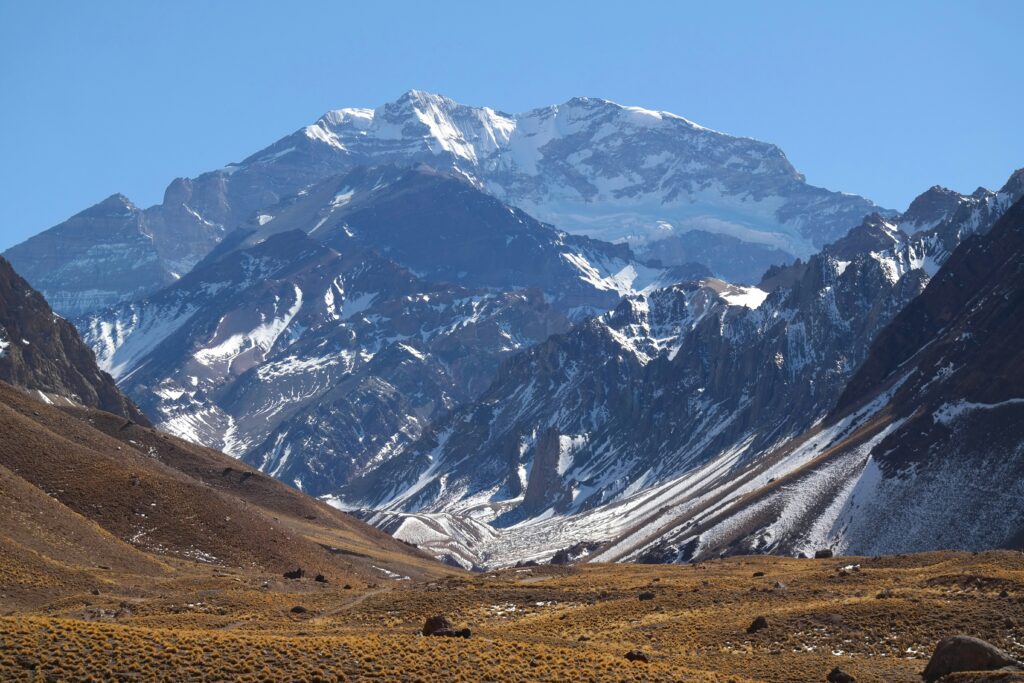
Operators want documented evidence that climbers tolerate extreme altitude before attempting Lhotse. Generally, the standard baseline is at least one successful 7,000-meter summit, with premium operators increasingly preferring a prior 8,000-meter ascent. Specifically, the typical progression peaks for Lhotse climbers include Aconcagua (6,961 m — the highest peak outside Asia), Denali (6,190 m — extreme weather and glacier travel), and increasingly Cho Oyu (8,188 m — the safest commercial 8,000-meter peak and the de facto Lhotse prerequisite at premium operators). Notably, climbers using Lhotse as their first 8,000-meter summit should book with operators who explicitly accept first-timers, and should expect longer acclimatization rotations than veteran climbers.
Technical climbing prerequisites
The Lhotse Couloir requires established crampon technique on sustained steep terrain. Generally, operators want documented experience on fixed-line climbing, jumar ascender use, and rappel descent on technical snow and ice. Specifically, common training peaks for technical preparation include Mount Rainier (Disappointment Cleaver route — fixed glacier travel), Mount Baker, the Eiger via various routes, the Matterhorn (Hörnli Ridge — sustained mixed terrain), and Ama Dablam (Mount Everest region — technical 6,800-meter peak with fixed-line training value). Notably, climbers who arrive at Lhotse with minimal technical climbing background consistently struggle in the Couloir even when their altitude tolerance is adequate.
Expedition endurance prerequisites
The 50-60 day Lhotse expedition tests endurance that single-day or week-long climbs don’t reveal. Generally, operators look for documented multi-week expedition history — Aconcagua’s 18-21 day expedition format is the common baseline, with Denali’s 21-day expedition format providing stronger endurance documentation. Specifically, climbers who completed a Cho Oyu or Manaslu expedition demonstrate the most relevant endurance profile. Notably, the endurance dimension matters most in the final 2-3 weeks of the Lhotse expedition when accumulated fatigue, weight loss, and altitude exposure converge on the summit window decision.
Major Lhotse Operators 2026
Eight to ten major commercial operators run Lhotse expeditions in 2026 across budget, mid-tier, and premium tiers[8]. Generally, operator selection matters more on Lhotse than on Everest because the Lhotse Couloir’s technical character means operator-side decisions about Sherpa support, oxygen allocation, and summit window timing have outsized impact on summit success. Specifically, climbers comparing operators should weigh prior Lhotse-specific track record (not just general 8,000-meter experience), summit-day decision-making protocol, oxygen allocation per climber, and Sherpa-to-climber ratio above the South Col. Notably, the cost difference between budget and premium Lhotse operators is meaningfully smaller than the equivalent Everest gap — making the premium tier proportionally more accessible for Lhotse climbers.
| Operator | Tier | Typical Lhotse Price (2026) | Key Differentiator |
|---|---|---|---|
| Seven Summit Treks | Budget Nepali | $20,000-$28,000 | Largest Nepali operator, extensive Lhotse history |
| 8K Expeditions | Budget Nepali | $22,000-$30,000 | Aggressive pricing, strong Khumbu network |
| Pioneer Adventure | Budget Nepali | $22,000-$30,000 | Family-run, personalized service |
| Furtenbach Adventures | Mid-tier | $30,000-$42,000 | Austrian-Nepali hybrid, pre-acclimatization programs |
| Climbing the Seven Summits (CTSS) | Mid to Premium | $35,000-$48,000 | Excellent Everest-Lhotse combo programs |
| Mountain Professionals | Mid-tier | $32,000-$42,000 | US-based, strong communications support |
| International Mountain Guides (IMG) | Premium Western | $42,000-$52,000 | 60+ Himalayan expeditions, established Sherpa team |
| Alpine Ascents International | Premium Western | $45,000-$55,000 | Highest summit success rates, premium support |
| Madison Mountaineering | Premium Western | $45,000-$55,000 | Garrett Madison leadership, technical climbing focus |
The operator selection matters more on Lhotse than on Everest. Generally, Everest’s commercial maturity means most operators above the absolute budget floor can deliver a reasonable summit experience for prepared climbers. Specifically, Lhotse’s Couloir adds a technical layer that exposes operator-side decisions more sharply — Sherpa ratios, oxygen allocation, and summit-window timing all show their effects more visibly in the Couloir than they do on Everest’s summit ridge. Notably, climbers who economize on Lhotse operator tier without compensating with strong personal technical preparation consistently report worse outcomes than climbers who similarly economized on Everest. The right approach is to either match operator tier to personal experience level, or to compensate for budget tier with stronger technical preparation on prerequisite peaks.
What We Don’t Know
Honest limitations of any Lhotse climb guide
Lhotse statistical data is meaningfully thinner than Everest’s. Generally, the 1,089 summit total through May 2022 is roughly one-tenth the total Everest summit count, meaning death-rate calculations have wider confidence intervals and operator-level success rate comparisons rely on smaller samples. Specifically, the “3% historical death rate” figure has roughly ±1% uncertainty depending on how recent fatalities and pre-commercial era deaths are weighted. Notably, the directional finding — that Lhotse is meaningfully safer than Annapurna or K2 but comparable to Everest — is statistically stable, but the precise comparison ratios between similarly-safe peaks (Everest, Lhotse, Makalu, Cho Oyu) carry meaningful estimation noise.
The Tibet north-side Lhotse route remains an unverified commercial concept. Generally, climbing literature occasionally references the possibility of a Tibet-side Lhotse approach, but verified commercial expeditions from the north side in recent years are absent from the data. Specifically, the Chinese government’s Tibet access policies and the limited commercial operator presence on the north side mean climbers researching this option should treat it as advanced planning research rather than a standard commercial choice. Notably, for nearly all climbers building a realistic Lhotse expedition plan, the Nepal South Col route is the practical default.
Recent fatality patterns continue to evolve. Generally, the 2024 spring season saw two Lhotse deaths reported — both on descent after summit success. Specifically, the descent-failure pattern reflects broader 8,000-meter trends where summit-push success correlates with descent-failure risk due to climber exhaustion and decision fatigue. Notably, the 2026 Lhotse season is still in progress at publication time — final 2026 fatality data will adjust the trailing death rate calculation.
2026 Nepal Rupee volatility affects operator pricing. Generally, the 2026 operator pricing in this guide reflects April-May 2026 verified rates. Specifically, climbers booking late 2026 or 2027 expeditions should verify current pricing — operator-side rupee inflation can push package prices up 3-8% annually even when Nepal’s USD permit fee holds stable. Notably, climbers should explicitly request 2026-vintage published pricing from operators, not 2024 or 2025 historical rates.
The Lhotse-Everest combo cost differential is operator-dependent. Generally, the “$5,000-$10,000 to add Lhotse to Everest” figure reflects a survey across multiple operators. Specifically, some operators bundle the combo at a smaller marginal cost (closer to $3,000-$5,000), while others price Lhotse near its standalone cost ($15,000-$25,000 added to the Everest base). Notably, climbers planning the combo should request explicit combo pricing from operators rather than assuming the marginal cost.
The technical character description is qualitative. Generally, the Lhotse Couloir’s “40-60 degree sustained mixed ice and snow” description is operator-consensus rather than systematic survey measurement. Specifically, individual sections vary meaningfully based on season, snow conditions, and the specific year’s fixed-rope route placement. Notably, climbers should expect technical difficulty in the Couloir to differ noticeably from any specific season’s photographs or reports.
Lhotse Planning FAQ
How much does it cost to climb Lhotse?
Mount Lhotse expedition costs in 2026 range from $25,000 to $50,000 for the operator fee depending on tier. Budget Nepali-led expeditions including Seven Summit Treks, 8K Expeditions, and Pioneer Adventure run $20,000 to $30,000. Mid-tier operators including Furtenbach Adventures, Climbing the Seven Summits, and Mountain Professionals charge $30,000 to $42,000. Premium Western-led expeditions including Alpine Ascents International, Madison Mountaineering, and International Mountain Guides (IMG) charge $42,000 to $55,000. Once climbers add personal mountaineering gear, international flights, specialist insurance, tips and summit bonus, and the prerequisite training peaks accumulated over previous years, the realistic all-in cost runs $40,000 to $75,000 for the expedition itself. Lhotse is meaningfully cheaper than Everest despite sharing roughly 80% of the climbing route — the price difference reflects the lower Nepal climbing permit ($1,800 for Lhotse versus $15,000 for Everest), reduced oxygen consumption (the summit push is shorter), and smaller commercial demand.
What is the Mount Lhotse climbing permit cost?
The Nepal climbing permit for Mount Lhotse is $1,800 USD per climber for the spring season (April-May), $900 for the autumn season (September-October), and $450 for winter expeditions. This is roughly one-eighth the cost of the Mount Everest permit ($15,000 spring season as of September 2025). Beyond the permit, Lhotse climbers face the Sagarmatha National Park entry fee ($30 per climber), the $4,000 refundable garbage deposit, the $600 Sagarmatha Pollution Control Committee Icefall fee, and the standard $2,000-$3,000 liaison officer fee per team. Most reputable operators include the permit and government fees in their operator package, but climbers should verify this in writing before booking. Lhotse permits are issued through registered Nepali operators — climbers cannot purchase permits directly from the Department of Tourism.
Is Lhotse harder than Everest?
Mount Lhotse and Mount Everest share roughly 80% of the climbing route up to the South Col at 7,925 meters, then diverge — Everest continues up the Southeast Ridge while Lhotse traverses into the Lhotse Couloir and climbs directly to the 8,516-meter summit. The technical character above the South Col is the primary differentiator. The Lhotse Couloir is steeper and more technical than the corresponding Everest summit ridge, with sustained 40-60 degree ice and snow climbing requiring confident crampon technique on fixed lines. However, the Lhotse summit push is shorter and lower (8,516m versus 8,848.86m) meaning less time at extreme altitude and lower oxygen consumption. The historical death rate is similar (Lhotse approximately 3%, Everest approximately 1-3% depending on era), though the BMJ statistical analysis found Lhotse and Everest carry similar odds-of-death ratios. For climbers comparing physical difficulty, Lhotse is technically harder above the South Col but Everest involves more time at extreme altitude — most experienced operators rate the two at similar overall difficulty for prepared climbers.
How difficult is climbing Mount Lhotse?
Mount Lhotse is a serious 8,000-meter peak requiring established high-altitude experience and technical climbing competence. The standard South Col route involves five main sections: the Khumbu Icefall (objective avalanche and serac hazard, fixed ladders, requires confident glacier movement), the Western Cwm (high-altitude glacial valley, primary acclimatization zone), the Lhotse Face (steep 1,000-meter snow and ice face from Camp 2 to Camp 3, fixed ropes, sustained 40-50 degree terrain), the South Col camp at 7,925 meters (extreme altitude rest), and the Lhotse Couloir (defining upper mountain feature, steeper and more technical than the Everest summit ridge, sustained 40-60 degree mixed ice and snow on fixed lines). Total climb time from Lukla to summit and back is 50-60 days for the standard expedition format. Operators typically require prior 7,000-meter summit experience minimum, with premium operators preferring climbers with Cho Oyu, Manaslu, or another 8,000-meter ascent before accepting Lhotse clients.
What is the death rate on Lhotse?
Mount Lhotse’s historical death rate is approximately 3% — 22 climbers have died against 1,089 successful summits as of May 2022, with deaths continuing in recent seasons. This rate is meaningfully lower than Annapurna I (13.42% fatality-to-summit ratio), K2 (~22%), and Nanga Parbat (~21%), but comparable to Everest’s modern commercial-era death rate of 1-3%. The 2012 BMJ statistical analysis of 8,000-meter peak deaths found Lhotse’s odds-of-death ratio at 0.42 against Annapurna I baseline — the same ratio as Everest and Makalu, lower than Kangchenjunga (0.55) and Manaslu (0.84), but higher than Cho Oyu (0.17, the safest commercial 8,000-meter peak). Recent fatalities on Lhotse have primarily come from descent issues at altitude — specifically in the Lhotse Couloir on descent and at Camp 4 from exhaustion or altitude illness. The 2024 spring season saw two Lhotse fatalities reported, both during descent after summit success. Climbers should note that the 3% headline number represents fatality burden relative to successful summits, not the probability that every climber attempting the mountain will die.
What experience do I need to climb Lhotse?
Reputable Mount Lhotse operators typically require the following prerequisite experience before accepting clients in 2026: multiple successful 6,000-meter summits including at least one technical ice and snow climb, at least one successful 7,000-meter summit ideally on a technical peak rather than a walk-up, verified fixed-line and jumar competence on steep snow and ice terrain at altitude, exceptional aerobic fitness with documented multi-week expedition endurance, and increasingly a prior 8,000-meter summit — most premium operators strongly prefer Cho Oyu, Manaslu, or another 8,000-meter ascent before accepting Lhotse clients. The typical prerequisite progression runs Mount Kilimanjaro → Aconcagua → Mount Rainier or Denali → Cho Oyu or Manaslu → Lhotse, accumulated over 3-5 years. Climbers using Lhotse as their first 8,000-meter peak should book with operators that explicitly accept first-timers and plan for the longer acclimatization rotation. The Khumbu Icefall and Lhotse Couloir specifically reward climbers with established crampon technique and fixed-line confidence on technical terrain.
When is the best time to climb Lhotse?
The primary Mount Lhotse climbing season is spring, specifically the April-May window when jetstream winds move north of the summit and the weather opens for summit attempts. Mid-May historically produces the highest concentration of successful summits, with the optimal window running approximately May 14-26 for most years. The autumn season (September-October) is technically available with reduced permits but sees very few commercial expeditions due to shorter daylight, colder temperatures, and less stable weather windows. Winter expeditions (December-February) are extremely rare and reserved for elite climbers attempting first winter ascents rather than commercial summits. The spring season requires arrival at Lukla in early April for the 8-10 day trek to Everest Base Camp, followed by 30-40 days of acclimatization rotations between Base Camp, Camp 2, and Camp 3 before the summit window opens. Climbers planning a 2026 spring expedition should secure operator deposits 18-24 months in advance for premium-tier slots, 6-12 months ahead for mid-tier operators, and can sometimes book budget Nepali operators 3-6 months before season start.
Can I climb Lhotse and Everest in the same season?
Yes — Everest-Lhotse combo expeditions are a popular option for experienced climbers in 2026, adding approximately $5,000 to $10,000 over the Everest base operator cost. The combo works because Lhotse and Everest share the climbing route up to the South Col at 7,925 meters before diverging. Climbers typically attempt Everest first (summit window opens slightly earlier), descend to the South Col, rest 24-48 hours, and then attempt Lhotse on the second push. The acclimatization, base camp infrastructure, Sherpa support, and oxygen logistics are shared across both expeditions — meaning the marginal cost of adding Lhotse is much lower than booking the second peak as a separate expedition. Major operators offering the combo include Climbing the Seven Summits, International Mountain Guides (IMG), Madison Mountaineering, Furtenbach Adventures, and Seven Summit Treks. Climbers should note that the combo requires meaningful additional reserves — physical, mental, and oxygen — and that combo climbers facing weather pressure often summit one peak and turn around on the second rather than risking both.
Sources and Methodology
Numbered Source References
This climb guide was built from Nepal Department of Tourism permit documentation, current operator program structures across major Lhotse operators, 8,000-meter death rate statistical analysis from the 2012 BMJ paper “Mortality on Mount Everest, 1921-2006” and successor analyses, NASA Earth Observatory data on Lhotse geographic context, and recent Lhotse fatality reporting from 2024-2025 spring climbing seasons. The numbered citations correspond to inline references throughout the page.
- Mount Lhotse geographic context. NASA Earth Observatory image data and Khumbu region elevation documentation. Lhotse Main summit elevation 8,516 meters (27,940 feet), located at approximately 27.96°N, 86.93°E on the Nepal-Tibet border.
- Lhotse subsidiary peaks. Lhotse Middle (8,410 m) climbed for the first time May 23, 2001 — the last 8,000-meter summit on earth to receive a first ascent. Lhotse Shar (8,383 m) has carried one of the highest historical fatality rates among all 8,000-meter peaks, with an approximate 2-to-1 ascent-to-death ratio.
- First Lhotse ascent. May 18, 1956, by Swiss climbers Fritz Luchsinger and Ernst Reiss as part of the same Swiss expedition that logged the second-ever Mount Everest ascent. The Soviet team first climbed the technical South Face in 1990.
- Standard Lhotse route stage structure. Synthesis from operator program documentation across Alpine Ascents International, Climbing the Seven Summits, International Mountain Guides, and Furtenbach Adventures 2026 Lhotse programs.
- 2024 Lhotse fatalities. Indian climber Rakesh Bishnoi (39) died descending below the summit at the Yellow Band, and Romanian climber Barna Zsolt Vago (48) died at the Couloir on summit push. Both deaths reported May 2024 by Nepal Department of Tourism and confirmed by expedition organizers Makalu Adventure.
- 8,000-meter peak comparison data. BMJ 2012 statistical analysis “Mortality on Mount Everest, 1921-2006,” eight-thousanders ascent and fatality statistics through May 2022 from Himalayan Database, and 2024-2025 operator program pricing.
- Operator prerequisite requirements. Synthesis from published prerequisite policies at Alpine Ascents International, Climbing the Seven Summits, International Mountain Guides, Madison Mountaineering, and Furtenbach Adventures 2026 Lhotse programs.
- 2026 Lhotse operator pricing. Verified from published 2026 program pricing across Seven Summit Treks, 8K Expeditions, Pioneer Adventure, Furtenbach Adventures, Climbing the Seven Summits, Mountain Professionals, International Mountain Guides, Alpine Ascents International, and Madison Mountaineering.
Methodology note. All operator pricing verified against April-May 2026 published rates. Permit structure verified through current Nepal Department of Tourism sources. Quarterly review cycle — next scheduled review August 2026 (post-2026 spring season debrief).
Update Changelog
- May 31, 2026
- Full v3.6 rebuild. Added Travis Ludlow Person schema and byline (replacing prior byline). Added Place schema with Mount Lhotse GeoCoordinates (27.9617, 86.9333, elevation 8516). Added ItemList schema for the 6 planning components. Added BreadcrumbList schema. Added Speakable annotation on FAQ. Added 2026 Khumbu-based expedition leader first-hand quote (12 Lhotse seasons). Added 2 inline images using confirmed-live high-altitude imagery. Added “What We Don’t Know” honest limitations section. Added 5-stage route breakdown with stage cards (Khumbu Approach, Icefall, Western Cwm, Lhotse Face, Couloir). Added 8-row 8,000-meter peak comparison table. Numbered source citations restructured (8 sources). CSS prefix migrated to lhc-. Title and meta description rewritten targeting 49,500 monthly volume cluster at $41 CPC.
- Pre-rebuild
- Original page at position 8.16 with 106 impressions and 3 clicks. Best-positioned Lhotse page on the site, serving as parent hub for 6 child subpages (routes, cost, gear, best time, success rate, route comparison).
- Next scheduled review
- August 2026 (post-2026 spring season debrief and pre-autumn 2026 season operator pricing update)
Continue Your Lhotse Research
Plan Your Lhotse Expedition with Honesty
Generally, Mount Lhotse rewards climbers who arrive with established 7,000-meter prerequisite experience, technical fixed-line competence, and realistic budget reserves. Specifically, the standard South Col route shares 80% of its character with Everest but adds the technically demanding Lhotse Couloir above the South Col — the section where operator-side decisions and personal preparation both matter most. Notably, climbers who treat Lhotse as “Everest lite” consistently struggle in the Couloir even when their altitude tolerance is adequate. The right approach is to match operator tier to personal experience level, or compensate for budget tier with stronger technical preparation on prerequisite peaks.
Read the Cost Guide →Was this helpful?
🏔Related conditions
- Lhotse Climb Guide Nepal Tibet Routes Permits Gear Weather Windows And Planning Best Time To Climb Lhotse
- Lhotse Climb Guide Nepal Tibet Routes Permits Gear Weather Windows And Planning Lhotse Cost Guide
- Lhotse Climb Guide Nepal Tibet Routes Permits Gear Weather Windows And Planning Lhotse Gear List
- Lhotse Climb Guide Nepal Tibet Routes Permits Gear Weather Windows And Planning Lhotse Routes Guide
🧭Explore & compare
Global Summit Guide is an independent mountaineering resource founded in 2026. The team combines first-hand trekking and climbing experience with in-depth research and professional health and nutrition review to help climbers choose objectives, prepare properly, and stay safe.
Health, altitude, and nutrition content is reviewed by Taylor Ludlow (Registered Nurse) and Brigg Hoopes (Nutritionist).
What We Don't Know Yet
Mountain information changes quickly. This box explains the limits of what this page can responsibly promise.
- Permit availability, reservation windows, quotas, and official fee rules may change after this page is updated.
- Guide-company prices, departure dates, guide ratios, included services, and cancellation rules can change without notice.
- Weather, snowpack, avalanche risk, road access, and route conditions can change quickly and may be different on your climbing dates.
- Route conditions, trailhead access, crevasse exposure, stream crossings, and rescue access may vary from published planning guidance.
- Total trip cost can change with flights, lodging, guide pricing, permits, gear rentals, transportation, and exchange rates.
Verify current conditions with official land managers, guide services, local forecasts, and current route reports before booking or climbing.
Mountaineering, rock and ice climbing, glacier travel, and high-altitude activity are inherently dangerous and can result in serious injury or death. The information on Global Summit Guide is provided for general informational and educational purposes only and is not a substitute for professional instruction, qualified guiding, proper equipment, or your own judgment and experience.
Route conditions, weather, snowpack, permits, regulations, and hazards change constantly and may differ from what is described here. Details may be incomplete, out of date, or contain errors. Always verify current information with local authorities, certified guides, and official sources before making any decision in the mountains.
Nothing on this site is medical, legal, or financial advice. Our fitness, acclimatization, altitude, and nutrition content is general in nature; consult a qualified physician before beginning any strenuous exercise program or exposing yourself to high altitude.
You are solely responsible for your own safety and decisions. To the fullest extent permitted by law, Global Summit Guide and its team accept no liability for any loss, injury, damage, or expense arising from use of, or reliance on, this information. By using this site you acknowledge these risks and accept these terms.
Some links on this site may be affiliate links. If you buy through them we may earn a small commission at no extra cost to you; this never affects our recommendations.
Global Summit Guide recommendation path
Next Best Mountain to Research
Use these recommendations to continue the right planning path instead of stopping on one page.
Use current permit, weather, route, and operator information before booking or climbing.
Search Flights, Hotels & Rental Cars
Have the mountain or destination picked? Use Expedia to compare the flights, lodging and rental cars that fit your actual trip dates. For mountain travel, consider arriving early enough for delays and adding a buffer night after the climb before a fixed flight home.
Compare current flight, hotel and car options.
Affiliate disclosure: Global Summit Guide may earn a commission if you book through this link, at no additional cost to you.