
Peak-by-peak guides
Explore the World’s Most Important Mountain Climbing Guides
Compare peaks by difficulty, altitude, region, season, and planning demands—so you can choose smarter from first summit to full expedition.
Explore the World’s Most Important Mountain Climbing Guides
The Global Summit Guide mountain database is built for hikers, trekkers, alpinists, expedition climbers, and serious planners who want more than a simple list of peaks. This page helps you compare mountains by region, elevation, climbing style, season, route difficulty, altitude demands, logistics, permits, training needs, and overall expedition commitment.
Whether you are choosing your first beginner-friendly summit, researching a classic alpine objective, comparing volcano climbs, studying the Seven Summits, or exploring the world’s 8,000-meter peaks, this database is designed to help you move from inspiration to a realistic plan.
Each live mountain guide connects into deeper resources on routes, cost, best time to climb, gear, training, safety, operators, and progression planning so you can understand not only where to go, but whether the mountain is the right next objective for your current experience level.
Start with your goal
Compare mountains by difficulty, region, cost, season, route type, and readiness before choosing your next objective.
Featured peak regions
Start with these popular regions, then drill into routes, difficulty, and planning essentials for each peak.
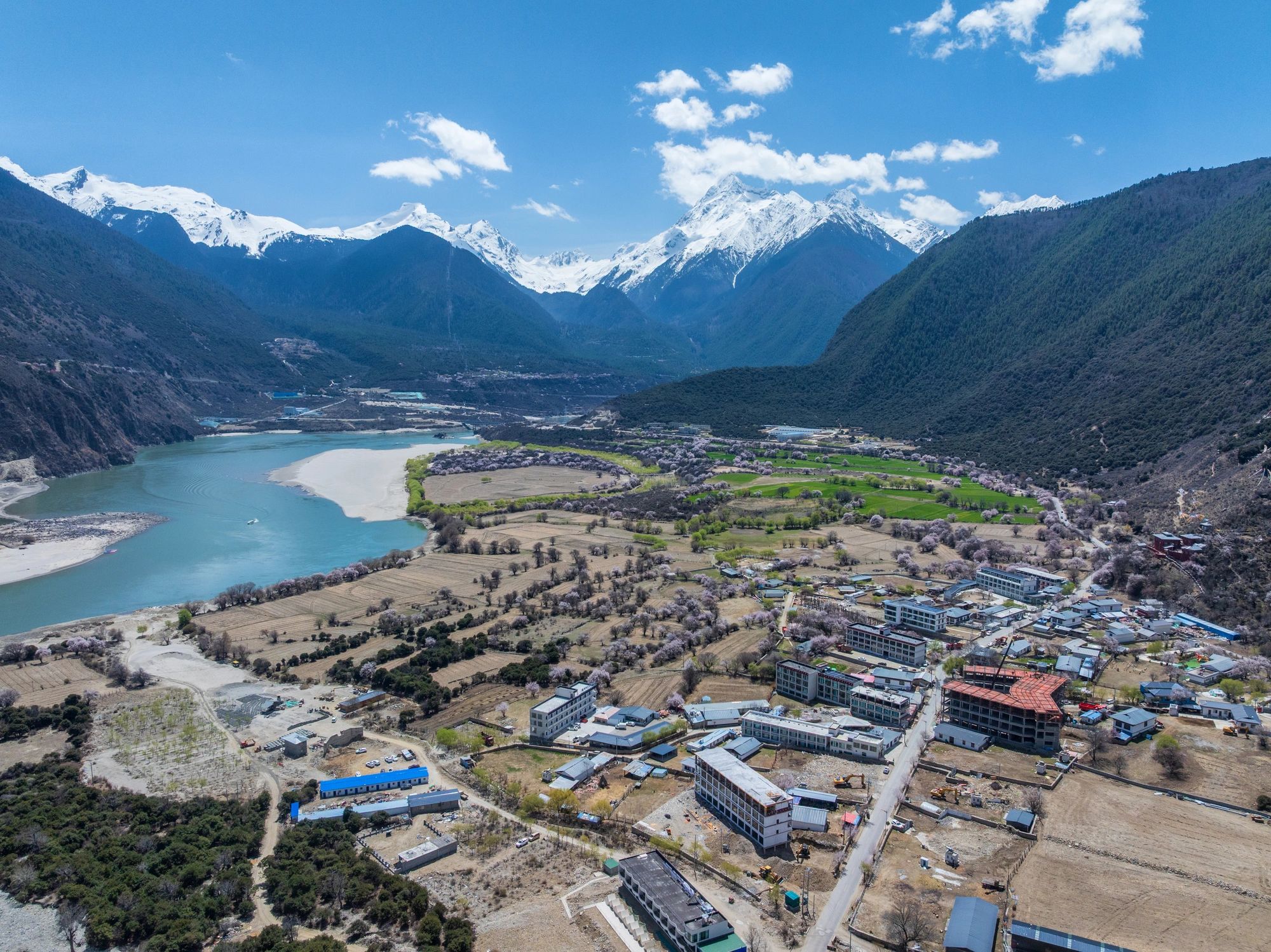
Himalaya
High altitude objectives, permits, and expedition logistics.
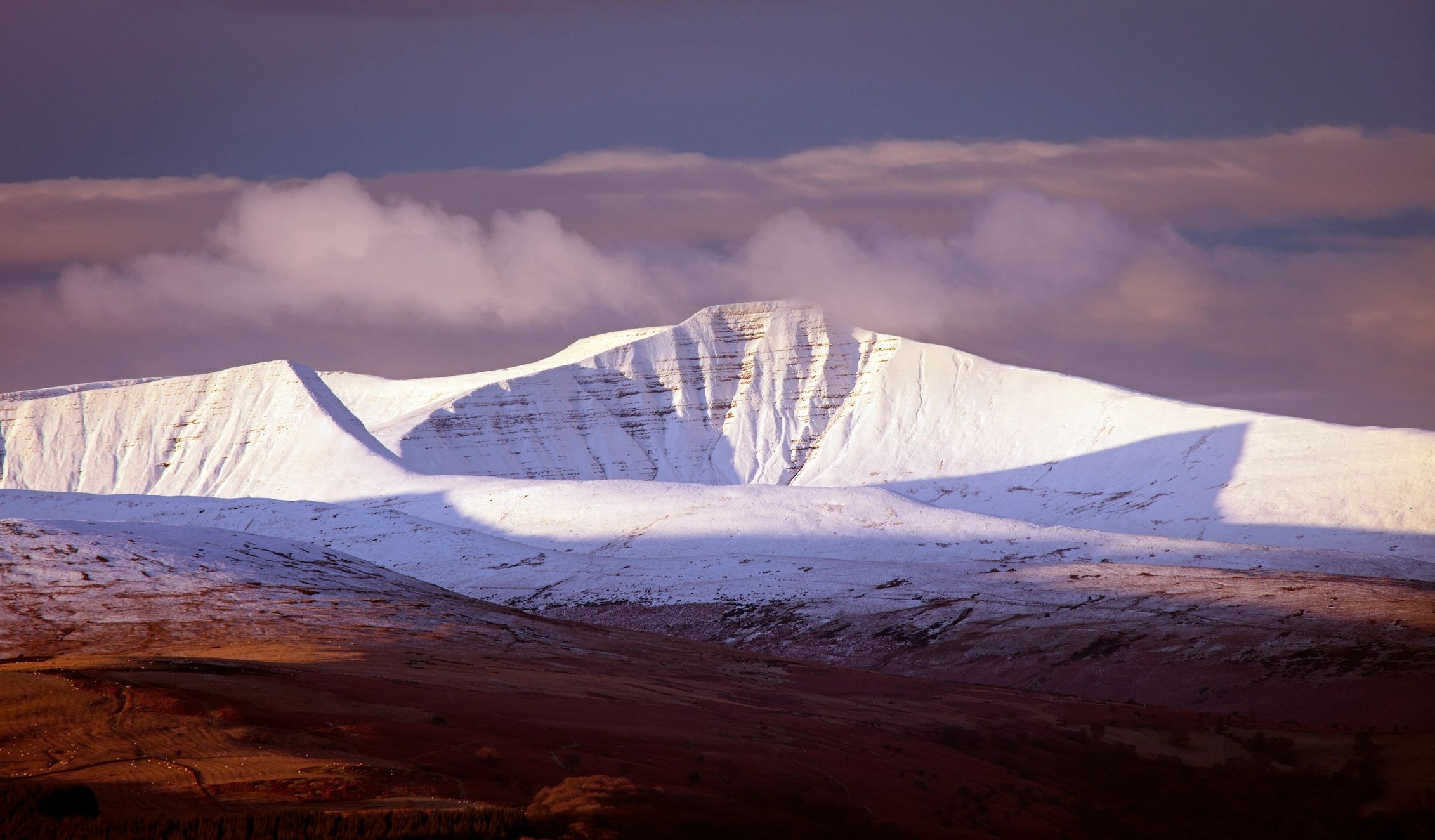
Alps
Classic routes, huts, and glacier travel basics.
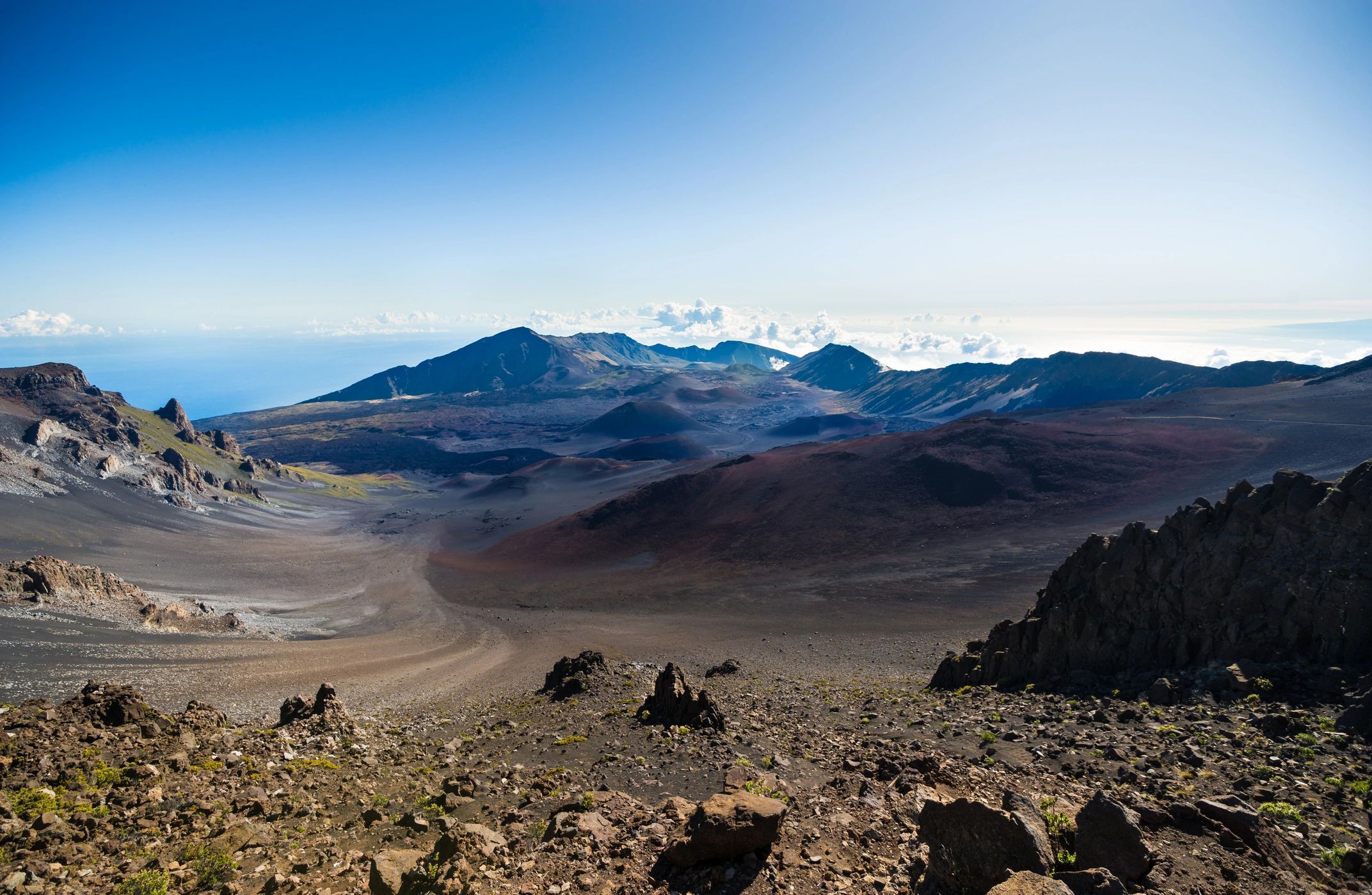
Andes
Big volcanoes, dry seasons, and acclimatization strategy.
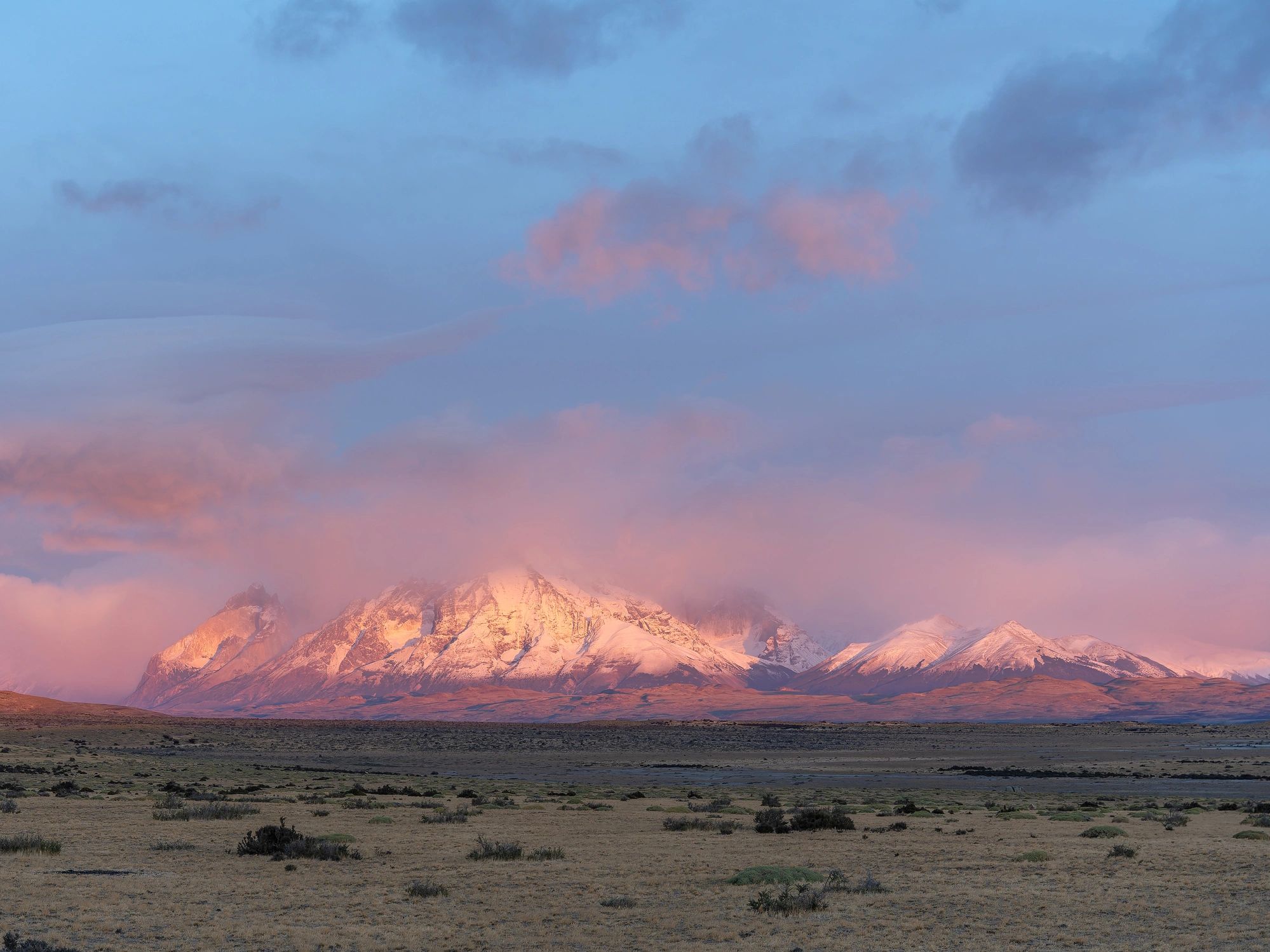
Patagonia
Weather windows, technical terrain, and approach hikes.
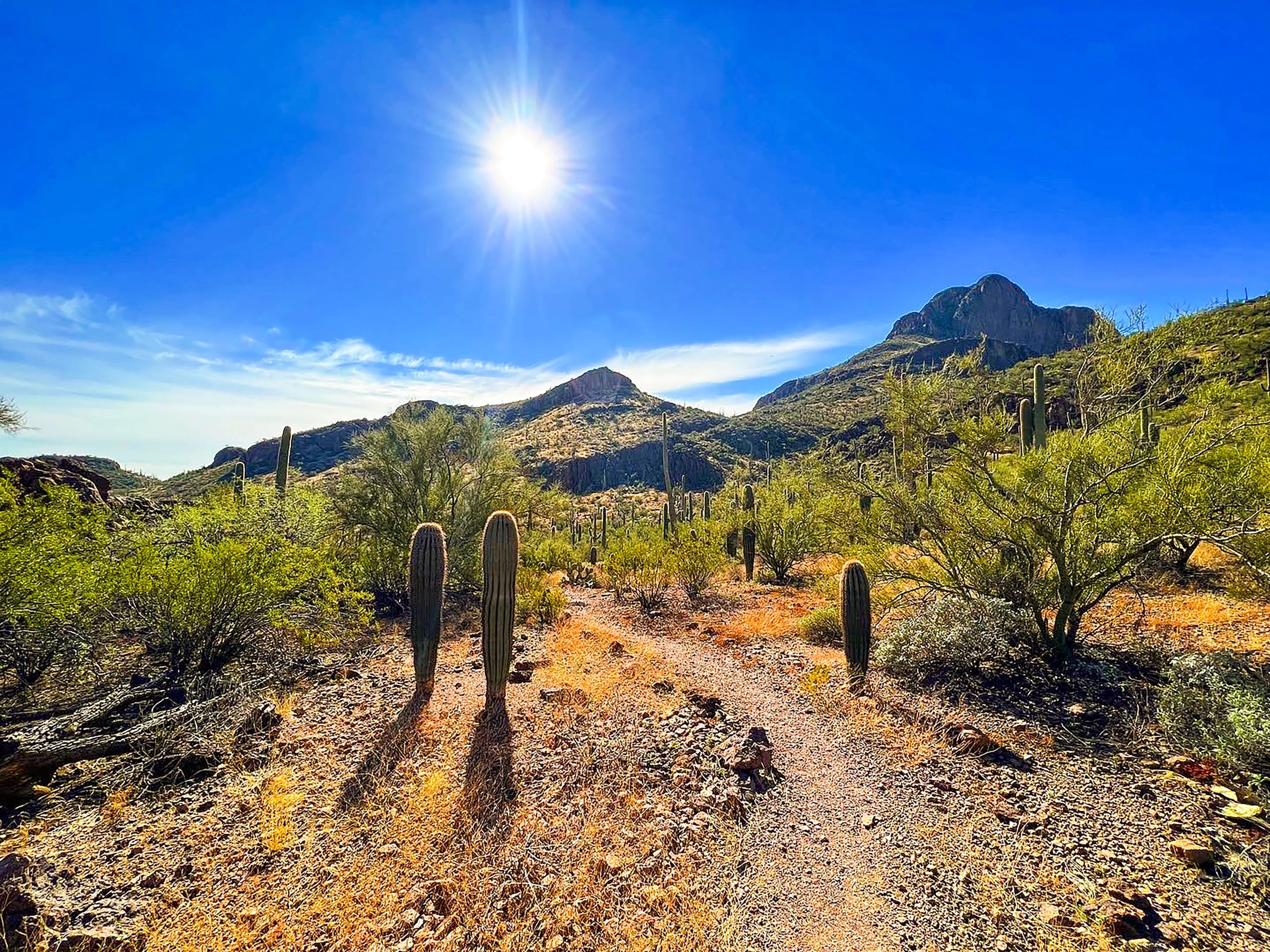
Desert & Sky Islands
Heat, water planning, and shoulder-season hikes.
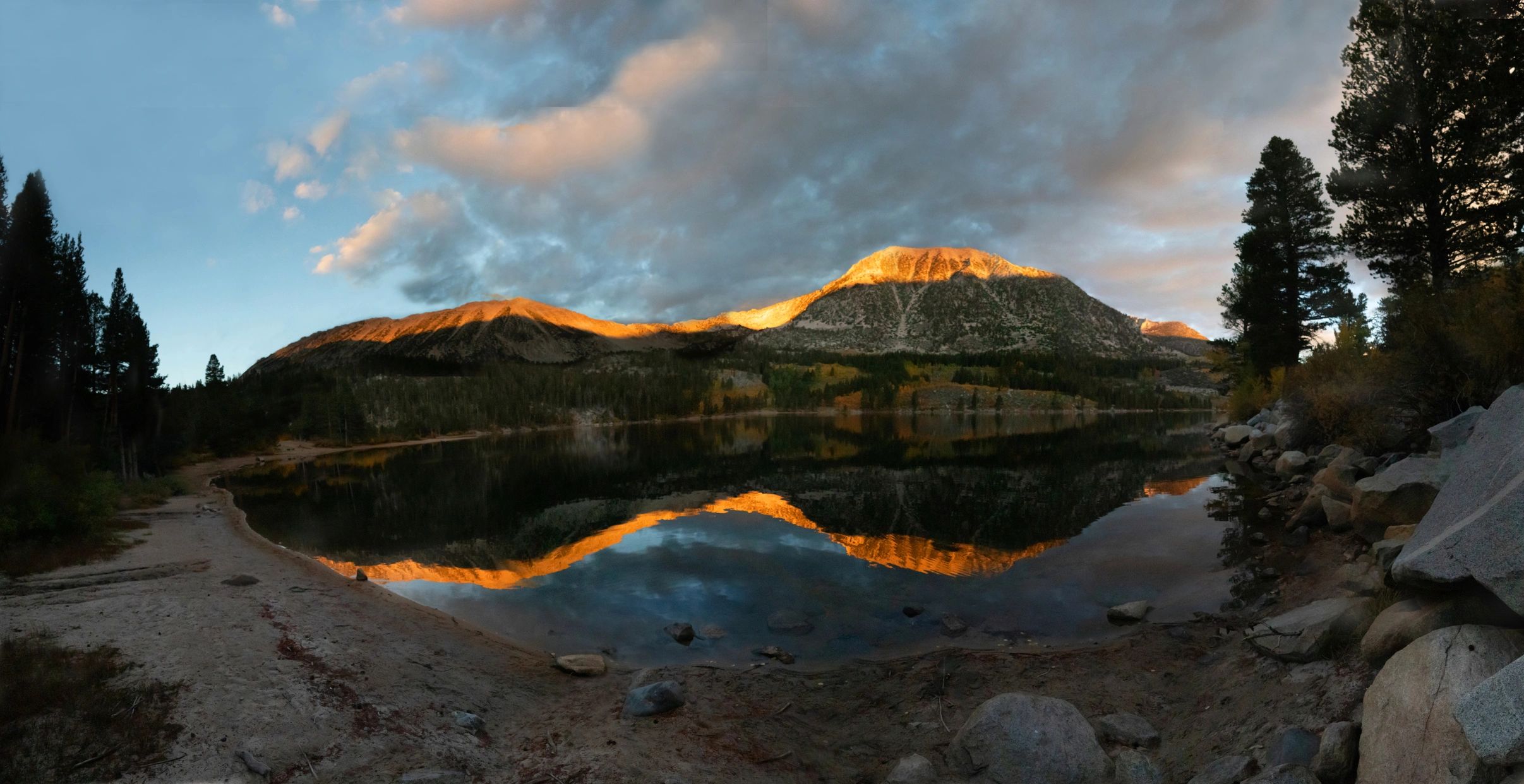
Lakes & Ridges
Scenic treks with navigation and timing tips.
How to Use the Global Summit Guide Mountain Database
Use the search, category, and live-status filters below to narrow the mountain list by region, climbing style, elevation profile, and planning goal. Start with a broad collection such as the Himalaya, Alps, Andes, Seven Summits, Cascade Volcanoes, Mexico Volcanoes, Africa’s highest peaks, Patagonia, Antarctica, or Nepal Trekking Peaks. Then drill into individual mountains to compare routes, cost, season, logistics, and preparation requirements.
Beginner Objectives
Start with trekking peaks, non-technical volcanoes, state high points, and guided introductory climbs that help you learn pacing, weather judgment, gear systems, and altitude awareness.
Beginner guide →Intermediate Objectives
Look for glacier routes, longer alpine days, crampon and ice axe use, rope-team travel, and peaks that require stronger fitness and better mountain decision-making.
Intermediate guide →Advanced Objectives
Research technical alpine routes, remote expeditions, cold-weather climbs, complex logistics, high-consequence terrain, and serious altitude exposure before committing.
Expert guide →Complete 500-mountain expedition guide database
165 live of 500 total mountains
| # | Mountain | Category | Status |
|---|
Mountain Difficulty Levels: From First Summits to Major Expeditions
Elevation is only one part of mountain difficulty. A lower alpine route with glacier travel, weather exposure, route-finding, and technical terrain can be more serious than a higher trekking peak with a clear trail and guided support. Use this framework to match your next mountain to your current skills, fitness, budget, and risk tolerance.
| Difficulty Level | Best For | Typical Mountain Type | Helpful Next Step |
|---|---|---|---|
| Beginner | Strong hikers, first-time altitude travelers, and guided trekking clients. | Non-technical trails, trekking peaks, volcanoes, and lower alpine summits. | Read the beginner guide → |
| Intermediate | Climbers learning snow travel, crampon use, ice axe skills, and basic glacier systems. | Glacier climbs, alpine routes, moderate altitude peaks, and multi-day objectives. | Build intermediate skills → |
| Advanced | Experienced climbers with strong fitness, route judgment, rope skills, and technical background. | Technical alpine routes, remote peaks, cold-weather climbs, and serious exposure. | Study expert objectives → |
| Expedition | Highly prepared climbers or guided expedition clients committing to major altitude and logistics. | Seven Summits, 8,000-meter peaks, polar expeditions, and multi-week climbs. | Plan expedition training → |
Find the Best Mountain for Your Next Objective
Not every climber is searching by mountain name. Many are trying to answer a bigger planning question: What should I climb next, what can I afford, what skills do I need, and how do I build toward larger summits?
I want my first real mountain climb
Start with beginner-friendly objectives, non-technical peaks, guided climbs, and mountains that teach pacing, preparation, and basic safety.
I want to build toward the Seven Summits
Compare the stepping-stone peaks that prepare climbers for altitude, snow, glacier travel, cold, logistics, and longer expedition timelines.
I want to compare routes
Use route comparisons to understand approach style, exposure, difficulty, timing, mountain hazards, and which line best fits your experience.
I want to understand summit odds
Study how weather, altitude, route conditions, acclimatization, permits, operator support, and mountain difficulty affect summit success.
I need to estimate the cost
Model the full expedition budget: permits, flights, guide fees, gear, lodging, insurance, local transport, and contingency costs.
I need an altitude plan
Use acclimatization planning to think through sleeping elevation, rest days, summit timing, conservative pacing, and altitude-risk management.
What you’ll find in every guide
Plan with confidence
Each peak page is built to help you choose the right objective, prepare properly, and travel responsibly.
Route overview
Key lines, difficulty, elevation gain, and typical time on route.
Season & conditions
Best windows, snow/ice considerations, and weather patterns to watch.
Permits & logistics
Access, fees, required paperwork, and transport notes.
Safety essentials
Altitude risk, turnaround criteria, and emergency planning reminders.
Compare Mountains Before You Commit to a Climb
Choosing a mountain should not be based on elevation alone. Before you book a guide, buy gear, request time off, or commit to a route, compare the full picture: altitude, technical difficulty, season, cost, permits, training, acclimatization, operator support, and realistic turnaround criteria.
Peak Comparison Tool
Compare two mountains side by side before choosing your next objective.
Expedition Budget Calculator
Estimate the real cost of permits, guides, flights, gear, insurance, and logistics.
Acclimatization Builder
Create a conservative altitude schedule for higher-elevation objectives.
Fitness Assessment
Check whether your current fitness fits the mountain you want to climb.
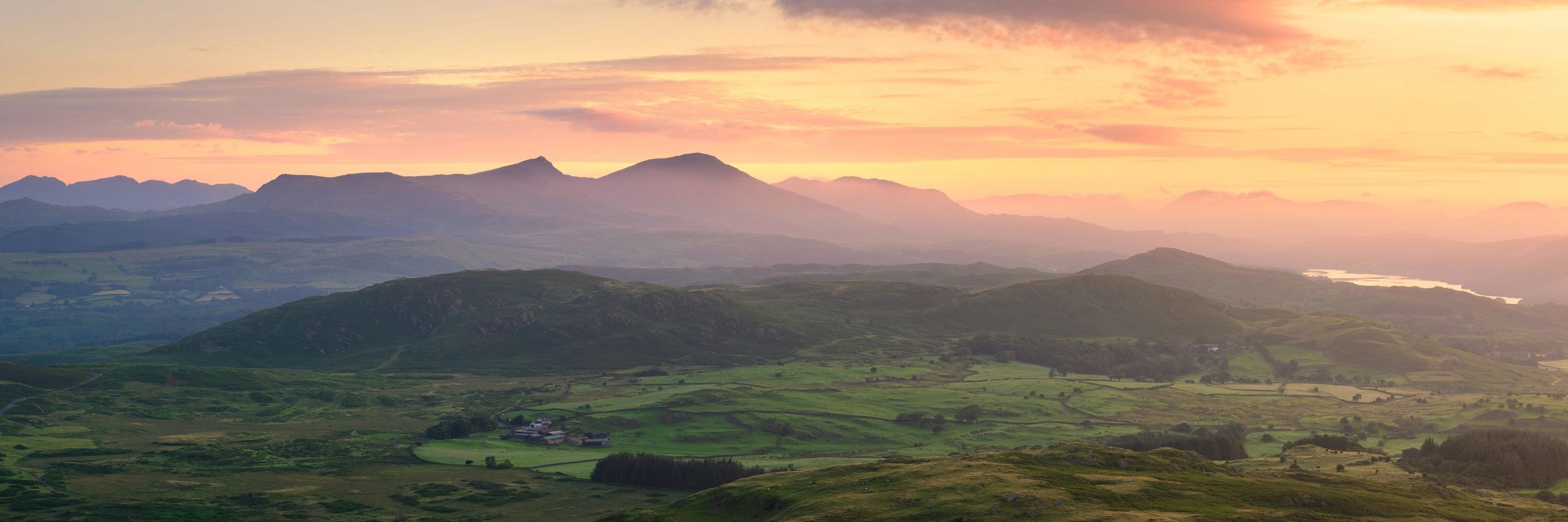
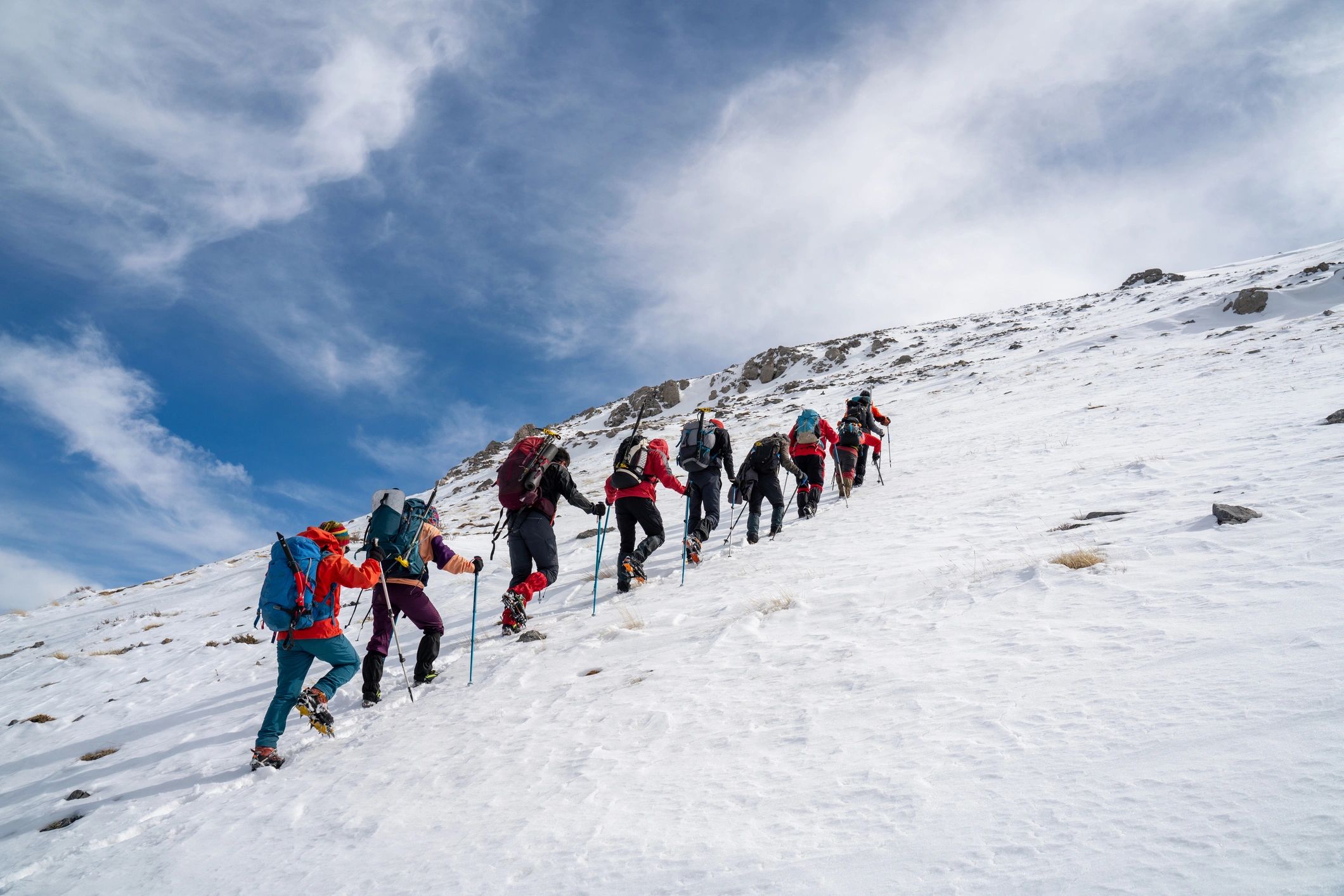
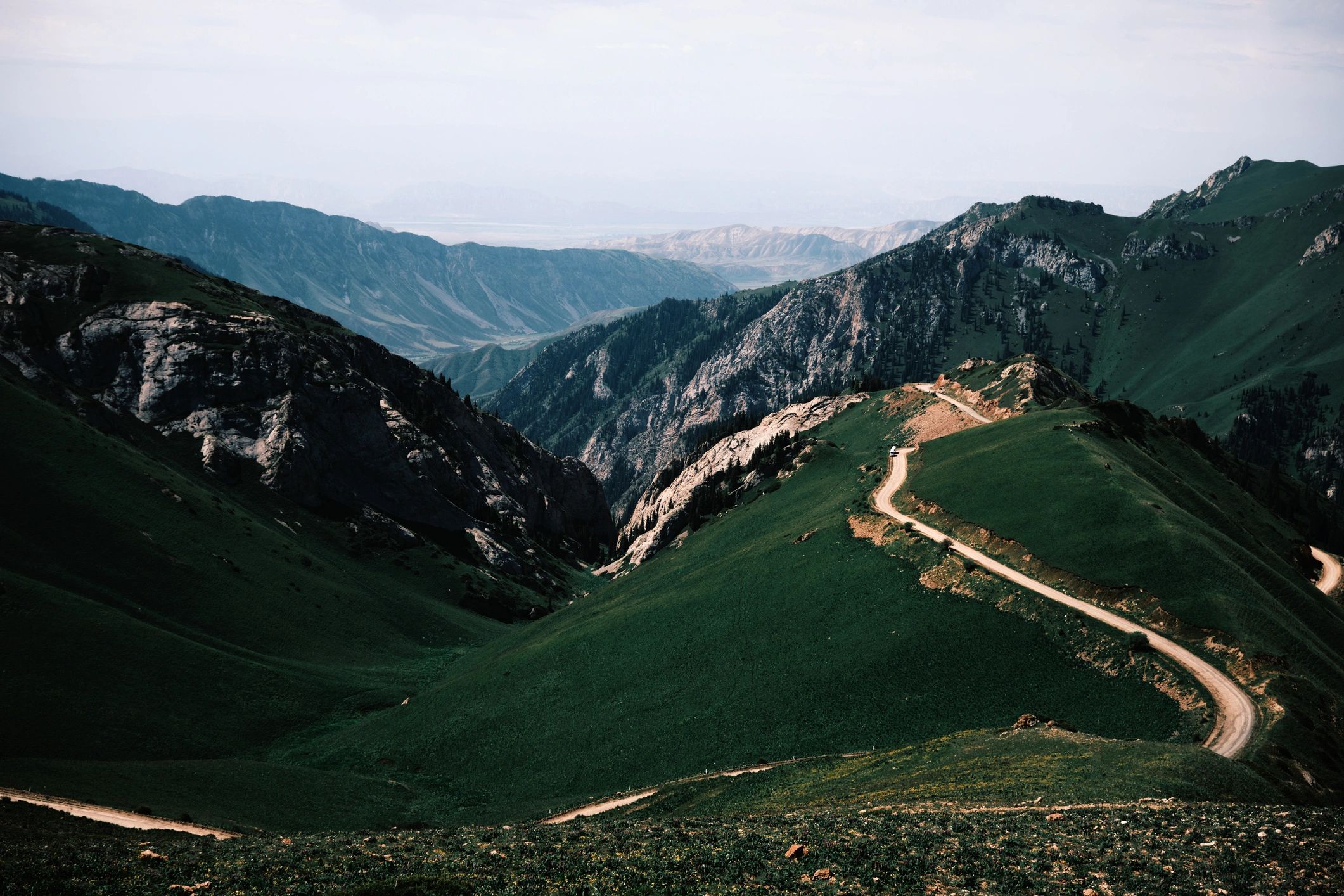
Climbing Terrain Inspiration: Volcanoes to Glaciated Ridgelines
A quick look at the variety of terrain you’ll encounter—from volcanic calderas to glaciated ridgelines.

Peaks FAQ
Quick answers to common planning questions before you pick an objective.
How do you rate route difficulty?
We summarize common grading systems where relevant and add plain-language notes on steepness, exposure, technical skills, and objective hazards.
Do you include GPX tracks?
When available, we link to official sources or reputable community tracks and include route descriptions so you’re not dependent on a single file.
What altitude guidance do you provide?
Expect acclimatization tips, red-flag symptoms, conservative pacing guidance, and decision points—especially for peaks above 2,500–3,000m.
How current is the permit information?
We note the last-checked date and link to official agencies. Always verify locally—rules and fees can change quickly.
Can beginners use these guides?
Yes. Many peaks are day-hike friendly. Use the route overview, season notes, and safety section to match objectives to your experience.
How can I suggest a peak to add?
Send us a note via the contact page with the peak name, region, and what you’d like to see covered.
Ready to choose your next summit?
Build your plan in minutes
Use our checklists, itinerary templates, and altitude-safety guidance to turn inspiration into a realistic, safe objective.