
Choose your next mountain with confidence
Global Summit Guide is an independent, peak-by-peak resource for hikers and mountaineers. We help you plan smarter, move safer, and progress toward bigger summits with clear information you can actually use.
Make big mountains feel more navigable
We turn complex objectives into clear, practical guidance: routes and key decision points, permit and season notes, altitude and weather considerations, and downloadable checklists you can actually use. Whether you are planning a first high-altitude trek or refining your expedition systems, the goal is the same, to help you prepare with confidence.
The mountaineering information landscape is fragmented. Climbers end up piecing together operator websites, outdated trip reports, scattered park documentation, and gear-forum threads to plan a single expedition. Global Summit Guide exists to consolidate that work. We publish one trusted reference per peak that pulls together what a climber needs into a single page they can return to throughout planning.
How we build each guide
Every peak guide follows a consistent structure, so you can compare objectives quickly: approach options, route overview, hazards, acclimatization notes, and planning essentials. Every page is built to the same editorial standards, comparable structure, sourced statistics, dated reviews, and honest limitations.
Peak-by-peak route guidance
Key approaches, route options, seasonality, and difficulty notes, written for real decisions rather than marketing.
Permits, logistics, and itineraries
Practical checklists for access, permits, transport, acclimatization days, and contingency time, built around current-year regulations.
Altitude and risk management
Symptoms, prevention, and turnaround criteria, plus the weather and objective hazards specific to each peak’s altitude profile.
Gear checklists that match the objective
Layering systems, footwear, and essentials tailored to conditions, from trekking peaks to technical alpine routes.
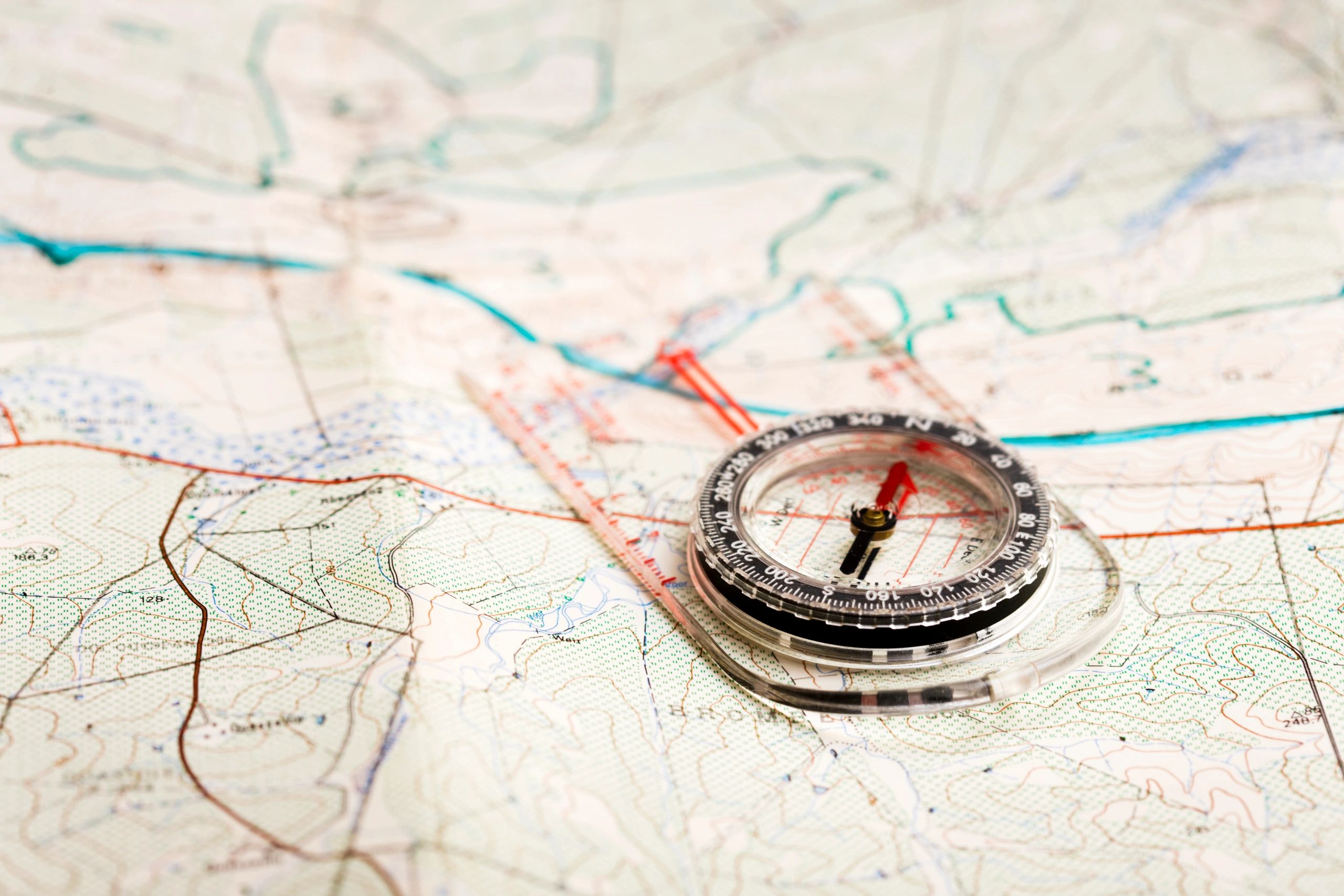
We prioritize clarity over hype. That means leading with what matters most on the mountain: timing, terrain, conditions, and the skills required. When details vary by region, we call it out and link you to the right planning resources rather than glossing over the complexity.
Meet the team
We are a small group of writers and route-obsessed planners who love early starts, clean maps, and well-packed kits. Our backgrounds span trekking, alpine travel, and expedition logistics, and each of us leads a specialty: route research, altitude and safety, and gear systems. Every guide passes through the right pair of eyes before it goes live.
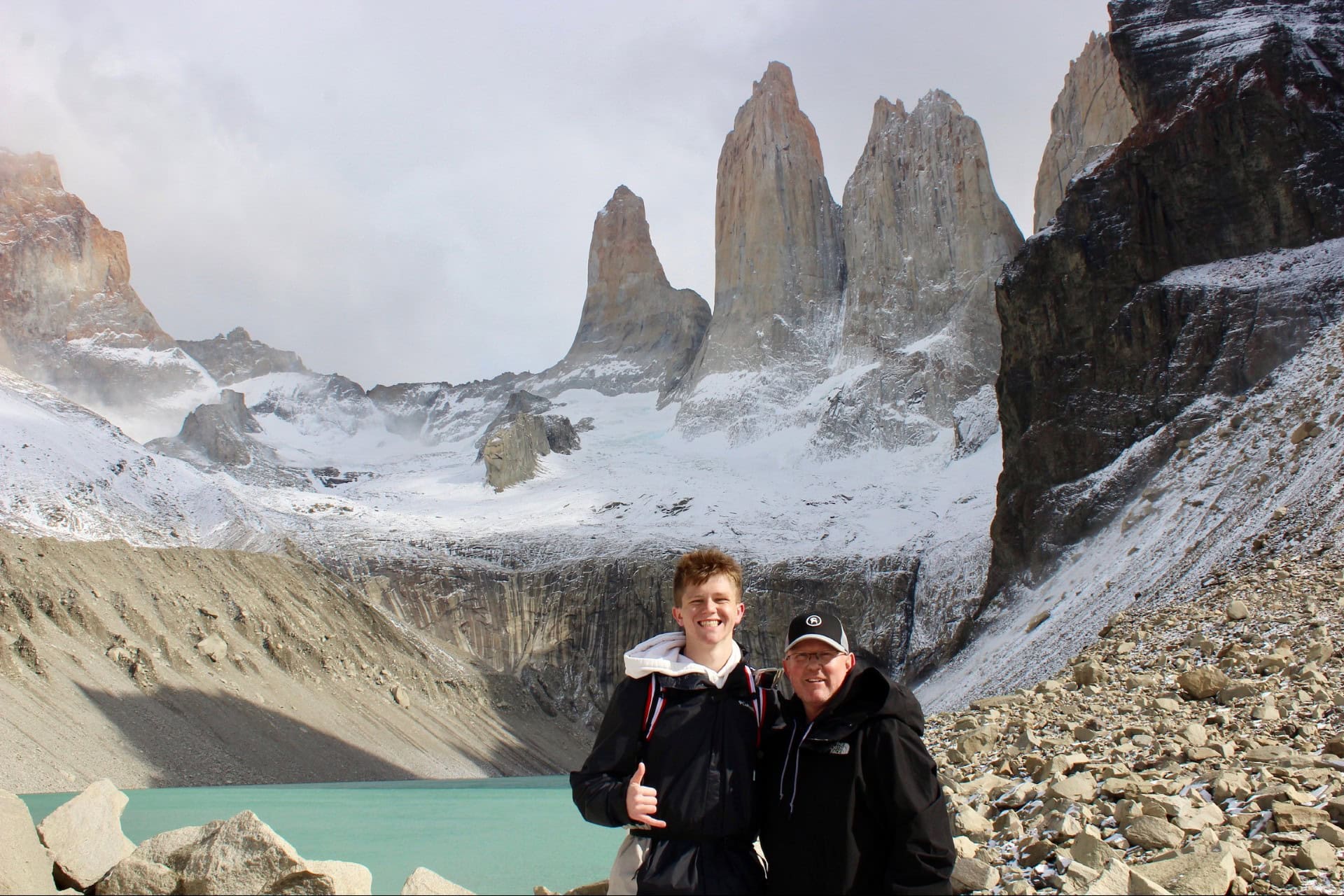
Travis Ludlow
Travis turns trip reports, maps, and seasonal notes into clear route breakdowns, so you know what to expect and what to train for.
Travis founded Global Summit Guide and leads its editorial direction and route research. He synthesizes trip reports, topographic maps, operator program documents, and seasonal weather records into the route comparisons the site publishes, reviews those comparison pages before they go live, and keeps the methodology consistent across the library. The master mountain list and the progression-plan structure sit under his editorial oversight.
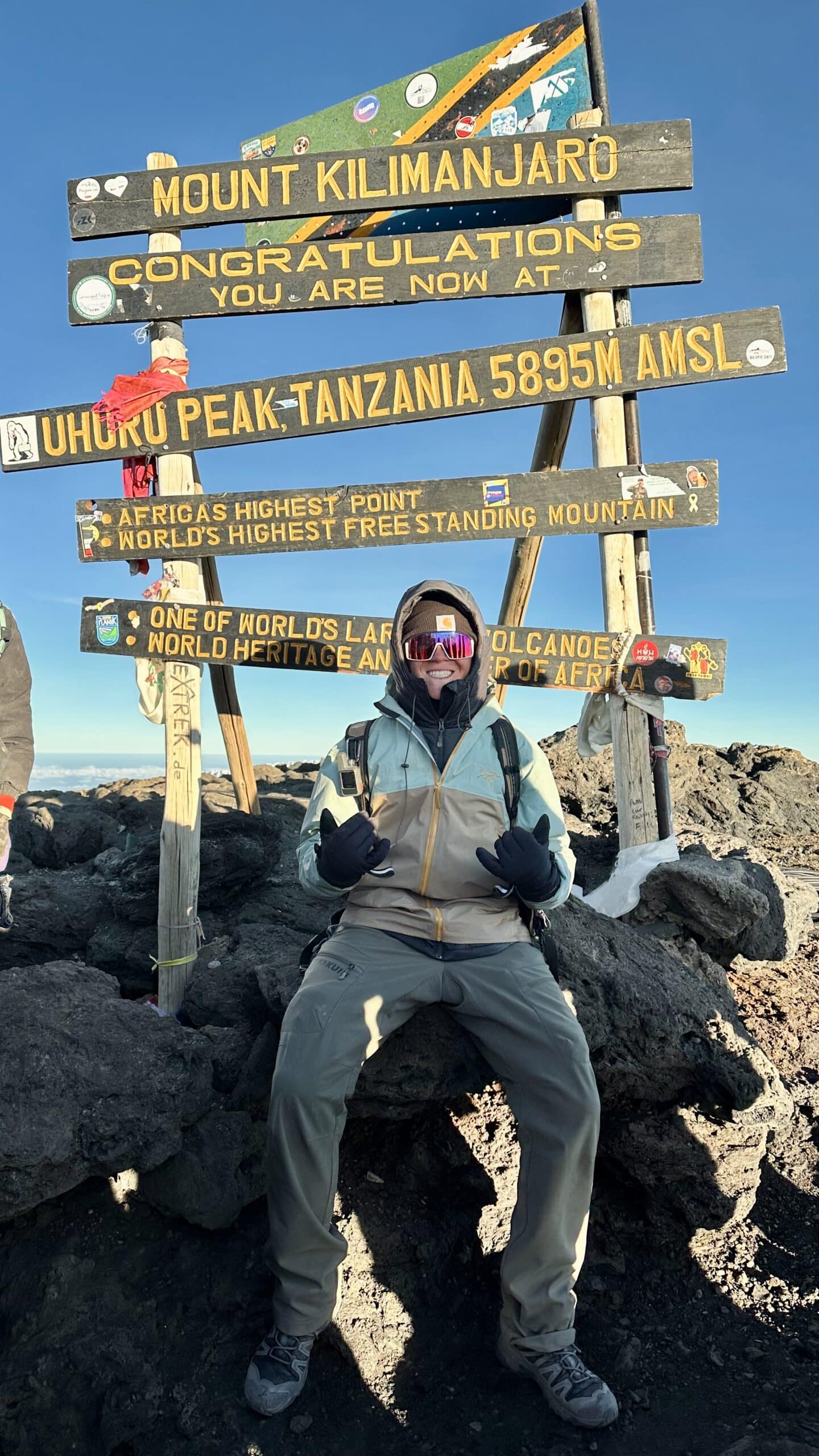
Dawson Ludlow
Dawson focuses on acclimatization, risk management, and decision-making, so you can travel more responsibly at altitude.
Dawson leads climbing and mountaineering coverage and reviews the safety, altitude, and risk content across the site. He builds the acclimatization and turnaround-decision material from published high-altitude medicine guidance, and the AMS risk calculator and objective-hazard protocols are his to maintain. He is Wilderness First Aid certified, and Kilimanjaro is the peak he has summited himself, which anchors the practical side of that work.
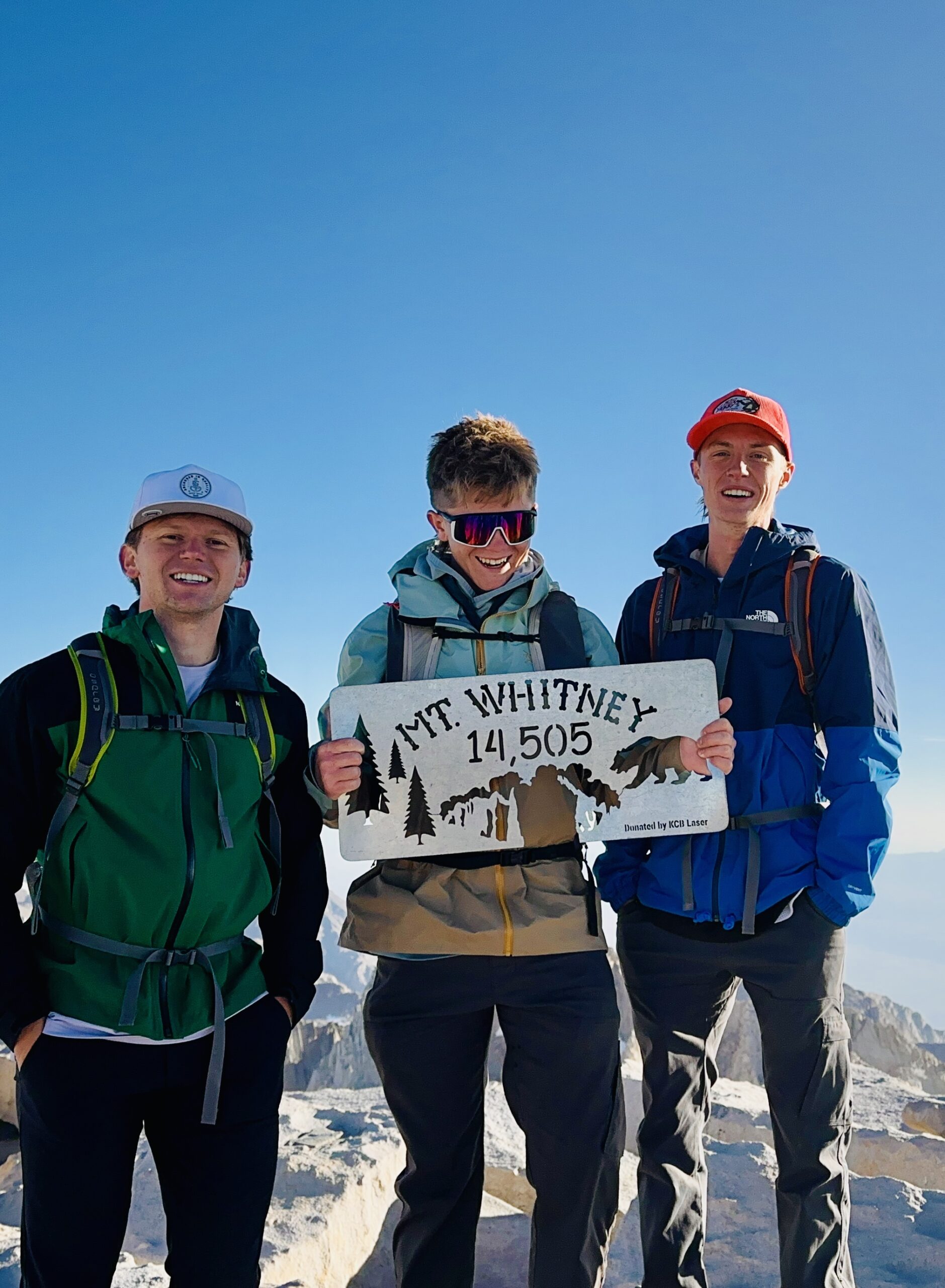
Walker Ludlow
Walker builds practical gear checklists and packing systems for everything from day hikes to multi-week expeditions.
Walker leads gear research, equipment testing, and packing-system content. He maintains the peak-specific gear lists across the library, including Aconcagua, Denali, and Everest, and builds the layering-system and high-altitude clothing guidance climbers check before a trip. The printable gear checklists are his to build and keep current.
What makes our guides different
The mountaineering content landscape is full of operator-sponsored material dressed up as editorial coverage. We built Global Summit Guide as an explicit alternative: independent, sourced, dated, and honest about what we know and what we do not. The standards below are not marketing claims. They are the principles every page is built to.
Independent perspective
We have no operator partnerships that compromise our coverage. Operator comparisons come from honest evaluation, not sponsored placement.
Sourced statistics
Every numeric claim, from summit success rates to fatality counts to permit pricing, is sourced. When data is uncertain or estimated, we say so.
Dated content
Every page shows a last-updated date and a next scheduled review. Pricing, permits, and operator status change, and we keep up.
Honest limitations
Every guide includes a section on what we do not know, where the data has gaps, and where local knowledge is required.
Comparable methodology
Every peak follows the same evaluation approach, so you can compare one objective to another without translation.
Safety-first framing
The mountain wins more often than not. Our guides lead with turnaround criteria, weather discipline, and the limits of fitness against altitude.
From research to publication
Every peak page follows the same path from initial research to publication. These are deeply researched references rather than rapid posts, and each step has a named owner.
Source synthesis
Travis works from a broad base for each peak, trip reports, operator program documents, park ranger reports, topographic data, and seasonal weather records, before drafting begins.
Methodology mapping
Every guide follows the same evaluation criteria and structure, so two peaks can be compared on the same terms rather than through marketing language.
Safety and altitude review
Dawson reviews the safety, altitude, and risk content on every guide, verifying acclimatization protocols, summit-day decision models, and hazard analysis. Health and medical material is reviewed by Taylor Ludlow, RN.
Gear systems verification
Walker checks each gear list against current pricing, availability, and the actual temperature and weather profile of the mountain.
Publication and ongoing review
Every page launches with a last-updated date and a next scheduled review. Pricing, permits, and operator status are re-verified twice yearly, and sooner when conditions change.
Reader-first, and independent
Our readers are people preparing for real trips: first high-altitude climbers, Seven Summits aspirants, Andes-bound teams, and Alps regulars. We do not run paid testimonials, and we do not accept operator payment to shape coverage, so what you read here is our own assessment. If a guide helped you, or missed something, tell us through the share your summit experience form and we will use it to make the reference better.
Ready to choose your next mountain?
Browse the peak library, take the Which Mountain Should You Climb quiz, or reach out directly. Whether it is a first high-altitude trek or a refined expedition system, we are here to help you prepare with confidence.
Was this helpful?
🏔Related guides
🧭Explore & compare
What We Don't Know Yet
Mountain information changes quickly. This box explains the limits of what this page can responsibly promise.
- Visa, passport, vaccination, border, insurance, and local transportation rules may change before your trip.
- Route conditions, snowpack, closures, and weather can change quickly after this page is updated.
- Permit rules, fees, quotas, and reservation windows may change between review cycles.
- Operator availability, pricing, guide ratios, and cancellation terms can change by season.
- Your fitness, altitude response, risk tolerance, and experience level may change what is safe or realistic.
Verify current conditions with official land managers, guide services, local forecasts, and current route reports before booking or climbing.
Mountaineering, rock and ice climbing, glacier travel, and high-altitude activity are inherently dangerous and can result in serious injury or death. The information on Global Summit Guide is provided for general informational and educational purposes only and is not a substitute for professional instruction, qualified guiding, proper equipment, or your own judgment and experience.
Route conditions, weather, snowpack, permits, regulations, and hazards change constantly and may differ from what is described here. Details may be incomplete, out of date, or contain errors. Always verify current information with local authorities, certified guides, and official sources before making any decision in the mountains.
Nothing on this site is medical, legal, or financial advice. Our fitness, acclimatization, altitude, and nutrition content is general in nature; consult a qualified physician before beginning any strenuous exercise program or exposing yourself to high altitude.
You are solely responsible for your own safety and decisions. To the fullest extent permitted by law, Global Summit Guide and its team accept no liability for any loss, injury, damage, or expense arising from use of, or reliance on, this information. By using this site you acknowledge these risks and accept these terms.
Some links on this site may be affiliate links. If you buy through them we may earn a small commission at no extra cost to you; this never affects our recommendations.
Global Summit Guide recommendation path
Next Best Mountain to Research
Use these recommendations to continue the right planning path instead of stopping on one page.
Use current permit, weather, route, and operator information before booking or climbing.