
Last updated September 4, 2026
{ “@context”: “https://schema.org”, “@graph”: [ { “@type”: [ “WebPage”, “Article” ], “@id”: “https://globalsummitguide.com/mountains/denali-climb-guide-alaska-usa/#article”, “url”: “https://globalsummitguide.com/mountains/denali-climb-guide-alaska-usa/”, “headline”: “Denali Climbing Guide: West Buttress, Difficulty, Cost & Readiness”, “description”: “Plan a Denali climb with the West Buttress route, NPS registration, expedition length, costs, guide options, sled-and-pack training, weather, camps and readiness standards.”, “dateModified”: “2026-09-04T09:36:33+00:00”, “inLanguage”: “en-US”, “articleSection”: “Mountain Guides”, “image”: [ “https://globalsummitguide.com/wp-content/uploads/2026/06/AdobeStock_231359324-scaled.jpeg” ], “about”: { “@type”: “Mountain”, “name”: “Denali”, “elevation”: “6190 m” }, “author”: { “@type”: “Person”, “name”: “Travis Ludlow”, “url”: “https://globalsummitguide.com/about/” }, “publisher”: { “@type”: “Organization”, “name”: “Global Summit Guide”, “url”: “https://globalsummitguide.com/” } }, { “@type”: “BreadcrumbList”, “itemListElement”: [ { “@type”: “ListItem”, “position”: 1, “name”: “Home”, “item”: “https://globalsummitguide.com/” }, { “@type”: “ListItem”, “position”: 2, “name”: “Mountains”, “item”: “https://globalsummitguide.com/mountains/” }, { “@type”: “ListItem”, “position”: 3, “name”: “Denali”, “item”: “https://globalsummitguide.com/mountains/denali-climb-guide-alaska-usa/” } ] }, { “@type”: “FAQPage”, “mainEntity”: [ { “@type”: “Question”, “name”: “What is the standard route on Denali?”, “acceptedAnswer”: { “@type”: “Answer”, “text”: “The West Buttress is the standard Denali route and the route used by the large majority of climbers. It is technically moderate by major-mountain standards but physically and logistically demanding.” } }, { “@type”: “Question”, “name”: “How long does it take to climb Denali?”, “acceptedAnswer”: { “@type”: “Answer”, “text”: “Most West Buttress expeditions plan roughly 17 to 24 days on the mountain, with extra weather margin built into the itinerary.” } }, { “@type”: “Question”, “name”: “Do I need a guide for Denali?”, “acceptedAnswer”: { “@type”: “Answer”, “text”: “No guide is legally required for experienced independent climbers, but many climbers use one of the NPS-authorized guide services for logistics, glacier travel systems, route knowledge and expedition support.” } }, { “@type”: “Question”, “name”: “How difficult is Denali?”, “acceptedAnswer”: { “@type”: “Answer”, “text”: “The West Buttress is not highly technical compared with elite alpine routes, but the combination of 6,190 metres of altitude, severe cold, crevasses, heavy pack-and-sled hauling, storms and a long expedition makes Denali a major mountaineering objective.” } }, { “@type”: “Question”, “name”: “What is the biggest physical challenge on Denali?”, “acceptedAnswer”: { “@type”: “Answer”, “text”: “Sustained hauling under load is one of the defining challenges. Climbers commonly move with both a heavy backpack and a sled while climbing for many hours over glacier terrain.” } }, { “@type”: “Question”, “name”: “When is the Denali climbing season?”, “acceptedAnswer”: { “@type”: “Answer”, “text”: “The main West Buttress climbing season runs in late spring and early summer, typically from May into early July, when glacier access and daylight are favorable.” } }, { “@type”: “Question”, “name”: “Do I need prior glacier experience?”, “acceptedAnswer”: { “@type”: “Answer”, “text”: “Yes. Denali climbers should already be competent in roped glacier travel, crevasse rescue, crampon use, self-arrest, cold-weather camping and multi-day expedition systems.” } }, { “@type”: “Question”, “name”: “What should I climb before Denali?”, “acceptedAnswer”: { “@type”: “Answer”, “text”: “The best progression proves glacier travel, expedition camping, cold management, rope systems and sustained load hauling. There is no single mandatory prerequisite mountain.” } } ] } ] } @import url(‘https://fonts.googleapis.com/css2?family=DM+Serif+Display:ital@0;1&family=Outfit:wght@300;400;500;600;700&display=swap’); .gsg-denali66{–navy:#071a2b;–navy2:#102a43;–blue:#214f75;–gold:#d4913a;–gold2:#f0b45d;–cream:#f7f2e8;–paper:#fffdfa;–ink:#122a44;–muted:#657482;–line:#e4d7bd;–soft:#eef5f8;–green:#356b57;–red:#934a3d;–amber:#98611c} .gsg-denali66,.gsg-denali66 *{box-sizing:border-box}.gsg-denali66{background:var(–paper);color:var(–ink);font-family:’Outfit’,Arial,sans-serif;line-height:1.64;overflow-x:clip}.gsg-denali66 a{color:var(–blue);text-decoration:none}.gsg-denali66 a:hover{color:var(–navy)}.gsg-denali66 img{max-width:100%;display:block}.gsg-denali66 h1,.gsg-denali66 h2,.gsg-denali66 h3{font-family:’DM Serif Display’,Georgia,serif;font-weight:400;line-height:1.08;margin-top:0}.gsg-denali66 p{margin-top:0}.gsg-denali66-container{width:min(1120px,calc(100% – 44px));margin:auto}.gsg-denali66-section{padding:70px 0}.gsg-denali66-band{background:#f8f4ec}.gsg-denali66-soft{background:var(–soft)}.gsg-denali66-kicker{display:block;color:var(–amber);font-size:.72rem;font-weight:800;letter-spacing:1.2px;text-transform:uppercase;margin-bottom:9px}.gsg-denali66-section-head{display:grid;grid-template-columns:1fr minmax(280px,430px);gap:32px;align-items:end;margin-bottom:28px}.gsg-denali66-section-head h2{font-size:clamp(2.2rem,4vw,3.7rem);color:var(–navy);margin:0}.gsg-denali66-section-head p{color:var(–muted);font-size:.92rem;margin:0} /* HERO */ .gsg-denali66-hero{position:relative;min-height:72svh;display:flex;align-items:center;overflow:hidden;background:#e7ddd2}.gsg-denali66-hero-image{position:absolute!important;inset:0!important;width:100%!important;height:100%!important;object-fit:cover!important;object-position:center 48%!important;z-index:0!important}.gsg-denali66-hero:after{content:””;position:absolute;inset:0;background:linear-gradient(90deg,rgba(248,244,236,.99),rgba(248,244,236,.94) 43%,rgba(248,244,236,.57) 68%,rgba(248,244,236,.08));z-index:1}.gsg-denali66-hero-inner{position:relative;z-index:2;width:min(1120px,calc(100% – 44px));margin:auto;padding:60px 0}.gsg-denali66-breadcrumb{display:flex;flex-wrap:wrap;gap:7px;font-size:.74rem;color:#536b7a;margin-bottom:18px}.gsg-denali66-hero h1{max-width:1060px;color:var(–navy);font-size:clamp(3rem,5.7vw,5.8rem);letter-spacing:-.04em;margin:0 0 18px}.gsg-denali66-hero h1 em{color:#98611c}.gsg-denali66-lead{max-width:930px;color:#405a6b;font-size:clamp(1rem,1.5vw,1.18rem);margin-bottom:23px}.gsg-denali66-actions{display:flex;flex-wrap:wrap;gap:10px}.gsg-denali66-btn{display:inline-flex;align-items:center;justify-content:center;min-height:48px;padding:11px 19px;font-size:.82rem;font-weight:800;border:1px solid transparent}.gsg-denali66-btn-primary{background:var(–navy);color:#fff!important}.gsg-denali66-btn-secondary{background:#fff;color:var(–navy)!important;border-color:rgba(7,26,43,.22)}.gsg-denali66-trust{display:flex;flex-wrap:wrap;gap:9px 18px;margin-top:18px;color:#445d6c;font-size:.75rem}.gsg-denali66-trust span:before{content:”✓”;color:#98611c;margin-right:6px} /* WORDPRESS COLLISION GUARD */ .gsg-denali66 .gsg-denali66-hero .avatar, .gsg-denali66 .gsg-denali66-hero img.avatar, .gsg-denali66 .gsg-denali66-hero .user-avatar, .gsg-denali66 .gsg-denali66-hero .author-avatar, .gsg-denali66 .gsg-denali66-hero .wp-user-avatar, .gsg-denali66 .gsg-denali66-hero [class*=”avatar”], .gsg-denali66 .gsg-denali66-hero [class*=”author”] img:not(.gsg-denali66-hero-image){display:none!important;visibility:hidden!important} /* STATS + DIRECT ANSWER */ .gsg-denali66-stats{display:grid;grid-template-columns:repeat(5,1fr);max-width:1120px;margin:-30px auto 0;position:relative;z-index:4;background:var(–cream);border:1px solid var(–line)}.gsg-denali66-stats div{padding:20px 12px;text-align:center;border-right:1px solid var(–line)}.gsg-denali66-stats div:last-child{border-right:0}.gsg-denali66-stats strong{display:block;color:var(–navy);font:400 1.55rem ‘DM Serif Display’,serif}.gsg-denali66-stats span{display:block;color:var(–muted);font-size:.61rem;text-transform:uppercase}.gsg-denali66-byline{display:flex;flex-wrap:wrap;justify-content:space-between;gap:10px;padding:16px 0;border-bottom:1px solid var(–line);font-size:.76rem;color:var(–muted)} .gsg-denali66-answer{display:grid;grid-template-columns:1.15fr .85fr;gap:26px;background:#fff;border:1px solid var(–line);border-top:5px solid var(–gold);padding:31px;margin-top:27px}.gsg-denali66-answer h2{font-size:2.3rem;color:var(–navy);margin-bottom:12px}.gsg-denali66-answer p{color:#526a7a}.gsg-denali66-chips{display:grid;grid-template-columns:1fr 1fr;gap:8px}.gsg-denali66-chip{background:var(–cream);border:1px solid var(–line);padding:11px}.gsg-denali66-chip span{display:block;color:#98611c;font-size:.61rem;text-transform:uppercase;font-weight:800}.gsg-denali66-chip b{font-size:.79rem;color:var(–navy)} .gsg-denali66-alert{margin-top:20px;padding:20px;background:#fff8ef;border:1px solid #e8cda6;border-left:5px solid var(–gold);font-size:.83rem;color:#665a4b}.gsg-denali66-alert-red{background:#fff3f1;border-color:#e1b6af;border-left-color:var(–red);color:#704d47}.gsg-denali66-alert-green{background:#f0f7f3;border-color:#c7ddd1;border-left-color:var(–green);color:#496256}.gsg-denali66-toc{margin-top:23px;background:#fff;border:1px solid var(–line);padding:22px}.gsg-denali66-toc h2{font-size:1.45rem;color:var(–navy)}.gsg-denali66-toc-grid{display:grid;grid-template-columns:repeat(4,1fr);gap:7px}.gsg-denali66-toc-grid a{padding:9px 10px;border:1px solid #edf0f1;font-size:.74rem;font-weight:800} /* DECISION */ .gsg-denali66-decision{display:grid;grid-template-columns:repeat(4,1fr);gap:12px}.gsg-denali66-decision-card{background:#fff;border:1px solid var(–line);border-top:4px solid var(–gold);padding:21px}.gsg-denali66-decision-card span{color:#98611c;font-size:.63rem;text-transform:uppercase;font-weight:800}.gsg-denali66-decision-card h3{font-size:1.45rem;color:var(–navy);margin:15px 0 8px}.gsg-denali66-decision-card p{font-size:.79rem;color:var(–muted)} /* TABLE */ .gsg-denali66-tablewrap{overflow:auto;background:#fff;border:1px solid var(–line)}.gsg-denali66 table{width:100%;border-collapse:collapse;min-width:1080px}.gsg-denali66 th{padding:13px;background:var(–navy);color:#fff;text-align:left;font-size:.67rem;text-transform:uppercase;letter-spacing:.6px}.gsg-denali66 td{padding:13px;border-bottom:1px solid #edf0f1;color:var(–muted);font-size:.79rem;vertical-align:top}.gsg-denali66 td strong{color:var(–navy)}.gsg-denali66-pill{display:inline-block;padding:3px 7px;background:var(–cream);font-size:.61rem;color:#765d34;font-weight:800;text-transform:uppercase} /* ROUTE CARDS */ .gsg-denali66-ranking{display:grid;grid-template-columns:repeat(2,1fr);gap:14px}.gsg-denali66-hike{position:relative;background:#fff;border:1px solid var(–line);padding:24px}.gsg-denali66-num{position:absolute;right:17px;top:12px;color:#dbc7a4;font:400 2.3rem ‘DM Serif Display’,serif}.gsg-denali66-hike small{display:block;padding-right:55px;color:#98611c;font-size:.63rem;text-transform:uppercase;font-weight:800}.gsg-denali66-hike h3{padding-right:55px;font-size:1.65rem;color:var(–navy);margin:15px 0 5px}.gsg-denali66-meta{font-size:.72rem;font-weight:700;color:#557083;margin-bottom:11px}.gsg-denali66-hike p{font-size:.81rem;color:var(–muted)}.gsg-denali66-verdict{background:var(–cream);border-left:3px solid var(–gold);padding:10px 11px;font-size:.76rem;color:#536675;margin:12px 0}.gsg-denali66-more{font-size:.75rem;font-weight:800} /* PHOTO */ .gsg-denali66-photo{position:relative;min-height:520px;display:flex;align-items:end;overflow:hidden}.gsg-denali66-photo img{position:absolute;inset:0;width:100%;height:100%;object-fit:cover}.gsg-denali66-photo:after{content:””;position:absolute;inset:0;background:linear-gradient(0deg,rgba(7,26,43,.89),rgba(7,26,43,.03) 72%)}.gsg-denali66-photo-copy{position:relative;z-index:2;width:min(1120px,calc(100% – 44px));margin:auto;padding:50px 0}.gsg-denali66-photo-panel{max-width:900px;background:rgba(7,26,43,.83);border-left:5px solid var(–gold);padding:25px}.gsg-denali66-photo-panel h2{font-size:clamp(2.3rem,4.5vw,4rem);color:#fff}.gsg-denali66-photo-panel p{color:#e4edf1} /* GRIDS */ .gsg-denali66-grid{display:grid;grid-template-columns:repeat(2,1fr);gap:14px}.gsg-denali66-card{background:#fff;border:1px solid var(–line);padding:22px;display:flex;flex-direction:column}.gsg-denali66-card>span{color:#98611c;font-size:.63rem;text-transform:uppercase;font-weight:800}.gsg-denali66-card h3{font-size:1.48rem;color:var(–navy);margin:15px 0 8px}.gsg-denali66-card p,.gsg-denali66-card li{font-size:.8rem;color:var(–muted)}.gsg-denali66-card ul{padding-left:18px}.gsg-denali66-card b{margin-top:auto;font-size:.74rem} /* JOURNEY */ .gsg-denali66-journey{background:var(–navy);border-top:5px solid var(–gold);padding:30px}.gsg-denali66-journey h2{font-size:2.3rem;color:#fff}.gsg-denali66-journey p{color:#dbe7ed;max-width:890px}.gsg-denali66-path{display:flex;flex-wrap:wrap;gap:7px 10px;color:#cbd8df;font-size:.66rem;text-transform:uppercase;font-weight:800;margin:17px 0}.gsg-denali66-path .gsg-denali66-active{color:var(–gold2)}.gsg-denali66-journey-grid{display:grid;grid-template-columns:repeat(4,1fr);gap:8px;margin:18px 0}.gsg-denali66-journey-choice{background:#fff;padding:14px}.gsg-denali66-journey-choice span{display:block;color:#98611c;font-size:.58rem;text-transform:uppercase;font-weight:800}.gsg-denali66-journey-choice strong{display:block;color:var(–navy);font-size:.83rem;margin-top:4px}.gsg-denali66-journey-choice p{color:var(–muted);font-size:.69rem;margin:5px 0 0} /* METHOD + FAQ */ .gsg-denali66-method{display:grid;grid-template-columns:1fr 1fr;gap:15px}.gsg-denali66-method article{background:#fff;border:1px solid var(–line);padding:23px}.gsg-denali66-method h3{font-size:1.45rem;color:var(–navy)}.gsg-denali66-method p,.gsg-denali66-method li{font-size:.8rem;color:var(–muted)} .gsg-denali66-faq{display:grid;gap:8px}.gsg-denali66-faq details{background:#fff;border:1px solid var(–line)}.gsg-denali66-faq summary{padding:17px 19px;font-weight:800;color:var(–navy);cursor:pointer}.gsg-denali66-faq p{padding:0 19px 18px;color:var(–muted);font-size:.82rem}.gsg-denali66-final{padding:76px 22px;text-align:center;background:var(–cream)}.gsg-denali66-final h2{font-size:clamp(2.3rem,5vw,4rem);color:var(–navy)}.gsg-denali66-final p{max-width:790px;margin:0 auto 20px;color:var(–muted)} @media(max-width:1000px){.gsg-denali66-stats{grid-template-columns:repeat(3,1fr)}.gsg-denali66-decision,.gsg-denali66-journey-grid{grid-template-columns:repeat(2,1fr)}}@media(max-width:920px){.gsg-denali66-section-head,.gsg-denali66-answer,.gsg-denali66-method{grid-template-columns:1fr}}@media(max-width:700px){.gsg-denali66-container,.gsg-denali66-hero-inner{width:min(100% – 28px,1120px)}.gsg-denali66-section{padding:50px 0}.gsg-denali66-hero{min-height:82svh;align-items:flex-end}.gsg-denali66-stats{grid-template-columns:repeat(2,1fr);margin-top:0}.gsg-denali66-ranking,.gsg-denali66-grid,.gsg-denali66-decision,.gsg-denali66-journey-grid,.gsg-denali66-toc-grid{grid-template-columns:1fr}}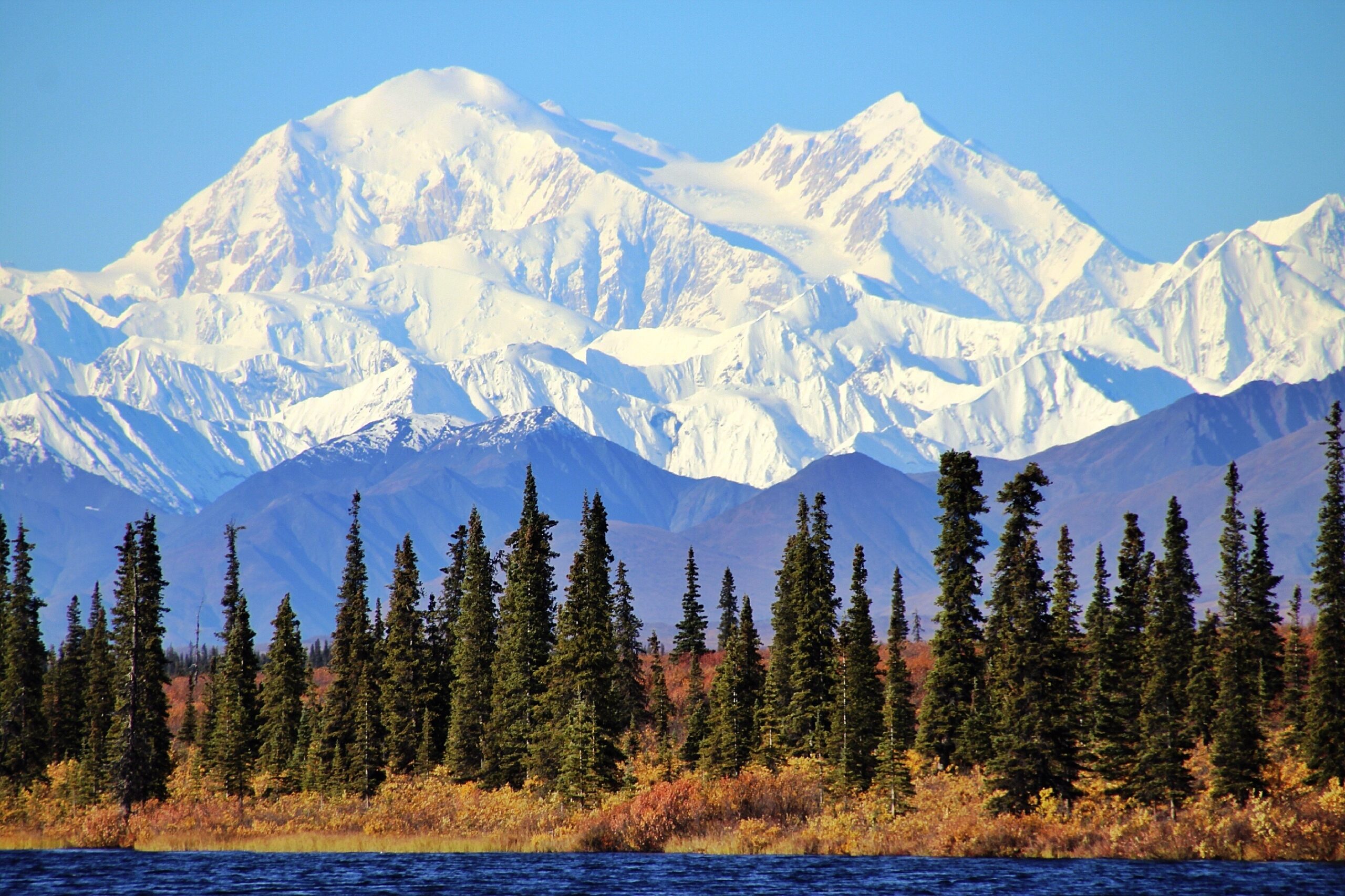
Denali Climbing Guide: West Buttress, Difficulty, Cost & Readiness
The West Buttress is the standard Denali route, but Denali is not a “non-technical Seven Summit.” The climb is defined by glacier travel, crevasse risk, severe cold, altitude, heavy pack-and-sled hauling, long expedition days and weather delays that can trap teams in camp for days.
Should You Climb Denali?
Yes—if you already have glacier, cold-weather and expedition competence. Denali is a strong next objective for climbers who want a serious self-supported or guided expedition without moving directly into the technical complexity of harder Himalayan or Karakoram peaks.
If you have only done trekking peaks or short guided 4,000–5,000 m climbs, Denali is usually too large a jump.
The Decisions That Matter Most
| Decision | Best default | Why |
|---|---|---|
| First Denali route | West Buttress | The standard route and the logical first Denali line |
| Guide or independent | Match your glacier/expedition skill | Strong independent teams do not need a guide; many first-timers benefit from one |
| Training focus | Heavy pack + sled | Denali rewards durable hauling capacity more than gym strength alone |
| Schedule | Build weather margin | Storm days are part of the expedition, not an exception |
| Biggest skill gap | Glacier/rescue systems | Crevasse management is foundational on the lower mountain |
| Readiness test | Cold multi-day expedition | You need to prove systems before Alaska |
West Buttress: The Normal Denali Route
The West Buttress is the route used by the vast majority of Denali climbers. It begins with a ski-plane landing on the Kahiltna Glacier and climbs through a series of camps while teams ferry loads higher, cache gear and food, and acclimatize before moving upward.
The route is not a walk-up. Climbers travel roped on glaciers, manage crevasse exposure, haul both backpack and sled loads, ascend fixed lines on steeper terrain above 14,000 Camp, and then move through the upper mountain toward High Camp and the summit ridge.
The Main Camp Progression
| Camp / zone | Role |
|---|---|
| Kahiltna Glacier landing | Expedition start, gear organization and first glacier movement |
| Lower camps | Load carrying, caching and early acclimatization |
| 11,000 Camp | Major lower-mountain staging point |
| 14,000 Camp | Primary acclimatization base and weather hold zone |
| Headwall / fixed lines | Steeper transition to upper mountain |
| 17,000 High Camp | Summit staging area with limited recovery margin |
| Summit day | Long high-altitude push with exposed upper terrain |
Exact camp locations, snow bridges and route details move from season to season. Use current NPS and guide-service route information rather than treating old GPS coordinates as fixed truth.
Why Denali Is So Hard
6,190 m
High enough for significant acclimatization demands and real high-altitude impairment.
Arctic-style exposure
Wind and severe cold can turn ordinary camp tasks into time-consuming work.
Pack + sled
Heavy hauling is sustained across multiple days rather than concentrated on one summit push.
Crevasse terrain
Roped glacier travel and rescue systems are not optional background skills.
Long delays
Teams may wait days for a safe move or summit window.
Expedition systems
Even guided clients must participate in camp and load-management systems.
Denali Registration & Required Lead Time
Denali climbing requires advance National Park Service registration. The long-standing planning rule is to complete registration at least 60 days before the climb, and climbers should verify the current application process, fees and mountaineering orientation requirements directly with Denali National Park before booking non-refundable travel.
Denali Season: May Through Early July
The main West Buttress season runs through late spring and early summer. May offers colder conditions and often firmer lower-glacier travel; June brings longer daylight and the heart of the commercial season; later starts can encounter warmer lower-glacier conditions and more difficult crevasse travel.
Do not choose dates from climatology alone. Current snowpack, glacier condition, forecast and expedition logistics should decide the exact strategy.
What Does a Denali Expedition Cost?
Denali cost varies dramatically between independent and guided teams, so a single universal total is misleading. Build the budget by component.
| Cost component | Planning note |
|---|---|
| Guide service | Largest difference between independent and commercial climbs |
| NPS registration | Required administrative cost; verify current fee |
| Talkeetna flight | Ski-plane access to Kahiltna Glacier |
| Gear | Extreme-cold boots, sleep system, expedition clothing and glacier equipment |
| Food / fuel | Multi-week expedition supply |
| Travel / lodging | Anchorage and Talkeetna nights plus weather margin |
| Insurance | Confirm technical mountaineering and evacuation coverage |
For current operator pricing, use the Denali operator comparison rather than hard-coding rapidly changing prices here.
Are You Ready for Denali?
| Readiness gate | You should be able to say yes |
|---|---|
| Glacier travel | I am comfortable roped on crevassed glaciers |
| Crevasse rescue | I understand and have practiced rescue systems |
| Crampons / axe | I can move efficiently on firm snow and ice |
| Cold camp | I have lived and functioned in winter/expedition-style camps |
| Load hauling | I can sustain repeated heavy pack-and-sled days |
| Altitude | I have a realistic acclimatization framework and prior altitude experience |
| Expedition systems | I can manage food, fuel, gear, waste and camp routines for weeks |
| Judgment | I am willing to wait or turn around rather than force a schedule |
Denali Quick Facts: Elevation, Location, Route, Duration & Permits
Denali Progression Plan
Build prerequisite glacier, cold and expedition experience.
Build progression → BookingDenali Operators
Compare NPS-authorized guide services and program structure.
Compare guides → CurrentWest Buttress Conditions
Check current route and seasonal conditions.
Check conditions → Deep recoveryTrain for Denali
Build pack-and-sled durability and expedition endurance.
Open training → Deep recoveryDenali Summit Success
Keep success-rate analysis separate from the broad parent.
See success data → WeatherMountain Weather
Use a weather framework that matches multi-day expedition decisions.
Read weather → SafetyFrostbite Prevention
Cold injury prevention matters more here than on most commercial climbs.
Read frostbite → PlanningMountaineering Insurance
Verify rescue and expedition coverage before Alaska.
Review insurance → GearMountain Climbing Gear
Use the universal gear framework, then layer in Denali-specific cold systems.
Open gear guide → JourneyMy Climb
Save registration dates, guide, training milestones, logistics and weather buffer.
Build Denali plan →What This Denali Parent Owns
Evergreen parent scope
- West Buttress as the first-route default.
- Broad difficulty and workload.
- Registration lead time and planning sequence.
- Camp progression and expedition structure.
- Cost categories and readiness gates.
Kept on child pages
- Live West Buttress conditions.
- Operator pricing and guide-company comparison.
- Detailed training plan.
- Prerequisite-mountain progression.
- Summit-success statistics.
This separation prevents the parent from competing with its own supporting pages.
Denali Quick Facts: Elevation, Location, Route, Duration & Permits
What is the normal route?
The West Buttress is the standard route used by most Denali climbers.
How long does Denali take?
Most expeditions plan roughly 17–24 days on the mountain, depending on acclimatization and weather.
Do I need a guide?
No, not if you are fully competent for independent glacier and expedition travel. Many climbers still choose NPS-authorized guide services.
How difficult is Denali?
Technically moderate on the West Buttress, but very demanding in altitude, cold, load hauling, glacier travel and expedition duration.
What is the biggest physical challenge?
Repeated heavy pack-and-sled hauling over many days.
When is the season?
Late spring through early summer, typically May into early July.
Do I need glacier experience?
Yes. Roped glacier travel and crevasse rescue competence are core readiness requirements.
What should I climb before Denali?
Use a progression that proves glacier travel, cold camping, altitude tolerance, rope systems and expedition load hauling.
Train for 20 Days of Expedition Work, Not One Summit Day.
Denali rewards durable systems: hauling, camp efficiency, cold management, glacier competence, acclimatization and patience. Build those before Alaska, and summit day becomes the final step rather than the first real test.
This peak is one of the Seven Summits — the highest peak on every continent
The Seven Summits are mountaineering’s most iconic geographic challenge — climbing the highest peak on each of the seven continents. See the complete collection covering Bass vs Messner lists, all 7 peaks in detail, full Dick Bass to Nims Purja history, and realistic cost breakdown from $150K to $300K+ across 3-7 years.
View All Seven Summits →🏔 Part of the Seven Summits
One of the highest peaks on each continent. See all 7 with Bass vs Messner lists, costs, and history.
View All Seven Summits →Mount Everest belongs to both the Seven Summits and the 14 Eight-Thousanders
As the highest peak on Earth (8,849m), Mount Everest is the headline summit of mountaineering’s two most iconic collections. The Seven Summits requires climbing the highest peak on every continent; the 14 Eight-Thousanders requires climbing every mountain above 8,000 meters.
Seven Summits → 14 Eight-Thousanders →Was this helpful?
🏔Related guides
🧭Explore & compare
Global Summit Guide is an independent mountaineering resource founded in 2026. The team combines first-hand trekking and climbing experience with in-depth research and professional health and nutrition review to help climbers choose objectives, prepare properly, and stay safe.
Health, altitude, and nutrition content is reviewed by Taylor Ludlow (Registered Nurse) and Brigg Hoopes (Nutritionist).
What We Don't Know Yet
Mountain information changes quickly. This box explains the limits of what this page can responsibly promise.
- Guide-company prices, departure dates, guide ratios, included services, and cancellation rules can change without notice.
- Weather, snowpack, avalanche risk, road access, and route conditions can change quickly and may be different on your climbing dates.
- Route conditions, trailhead access, crevasse exposure, stream crossings, and rescue access may vary from published planning guidance.
- Total trip cost can change with flights, lodging, guide pricing, permits, gear rentals, transportation, and exchange rates.
- Gear requirements can change by season, route variation, weather window, personal cold tolerance, and guide-service requirements.
Verify current conditions with official land managers, guide services, local forecasts, and current route reports before booking or climbing.
Mountaineering, rock and ice climbing, glacier travel, and high-altitude activity are inherently dangerous and can result in serious injury or death. The information on Global Summit Guide is provided for general informational and educational purposes only and is not a substitute for professional instruction, qualified guiding, proper equipment, or your own judgment and experience.
Route conditions, weather, snowpack, permits, regulations, and hazards change constantly and may differ from what is described here. Details may be incomplete, out of date, or contain errors. Always verify current information with local authorities, certified guides, and official sources before making any decision in the mountains.
Nothing on this site is medical, legal, or financial advice. Our fitness, acclimatization, altitude, and nutrition content is general in nature; consult a qualified physician before beginning any strenuous exercise program or exposing yourself to high altitude.
You are solely responsible for your own safety and decisions. To the fullest extent permitted by law, Global Summit Guide and its team accept no liability for any loss, injury, damage, or expense arising from use of, or reliance on, this information. By using this site you acknowledge these risks and accept these terms.
Some links on this site may be affiliate links. If you buy through them we may earn a small commission at no extra cost to you; this never affects our recommendations.
Global Summit Guide recommendation path
Next Best Mountain to Research
Use these recommendations to continue the right planning path instead of stopping on one page.
Use current permit, weather, route, and operator information before booking or climbing.