
Last updated August 2, 2026
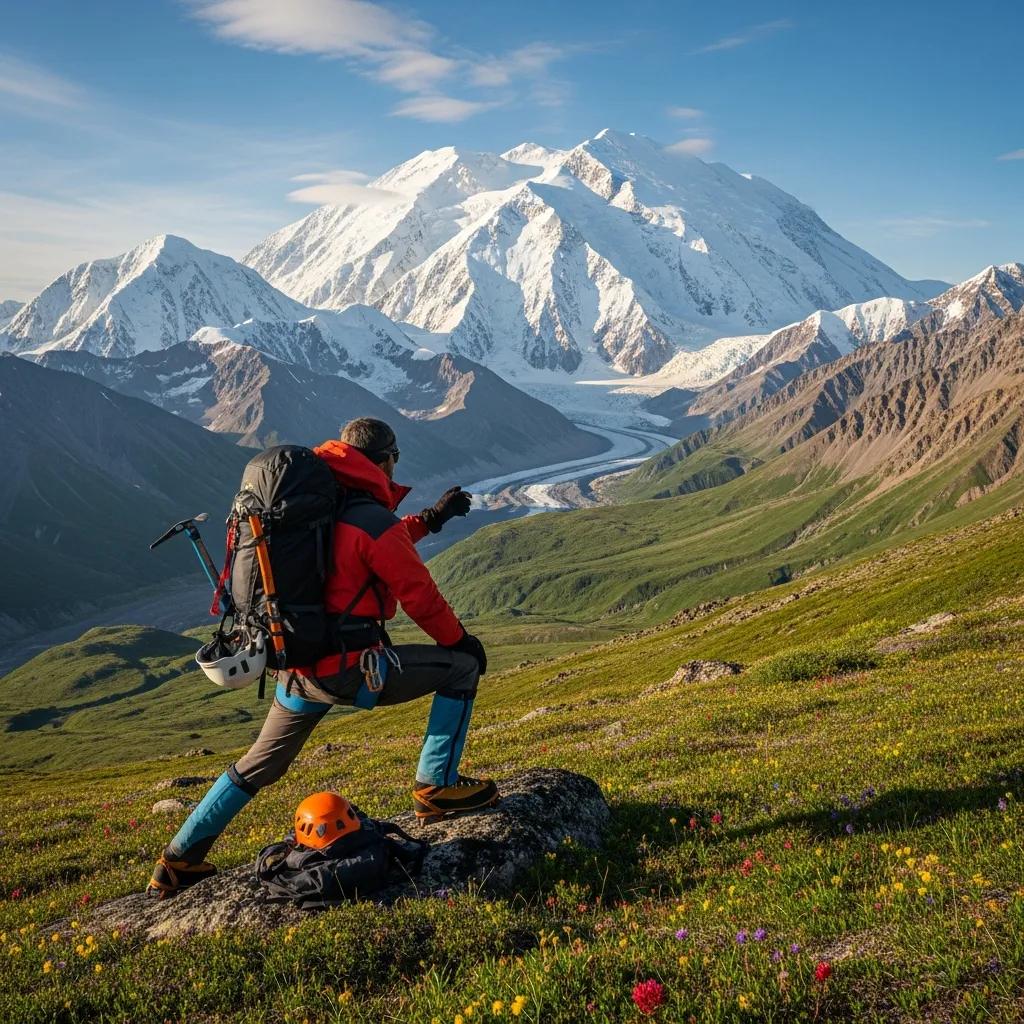
Denali Training Plan: How to Prepare for North America’s Highest Peak
Climbing Denali, North America’s highest peak, is a formidable challenge that requires extensive preparation and training. This guide will provide you with essential insights into the physical fitness requirements, training exercises, and acclimatization strategies necessary for a successful ascent. Many climbers underestimate the rigorous demands of Denali, which can lead to difficulties during the expedition. By understanding the training plan components and implementing effective strategies, you can enhance your chances of reaching the summit safely. This article will cover the essential physical fitness requirements, endurance and strength exercises, methods to assess your readiness, altitude training benefits, acclimatization strategies, necessary gear, safety protocols, nutrition management, and expedition planning.
Key Physical Fitness Requirements for Summiting Denali
Climbing Denali demands a high level of physical fitness, characterized by endurance, strength, and mental resilience. The essential fitness requirements include cardiovascular endurance, muscular strength, and flexibility. Climbers should aim for a baseline fitness level that allows them to carry heavy loads over long distances while navigating challenging terrain. A well-rounded fitness regimen will prepare climbers for the physical demands of the ascent, which can include steep inclines, harsh weather conditions, and the need for sustained energy over several days.
Key Physical Fitness Requirements for Summiting Denali
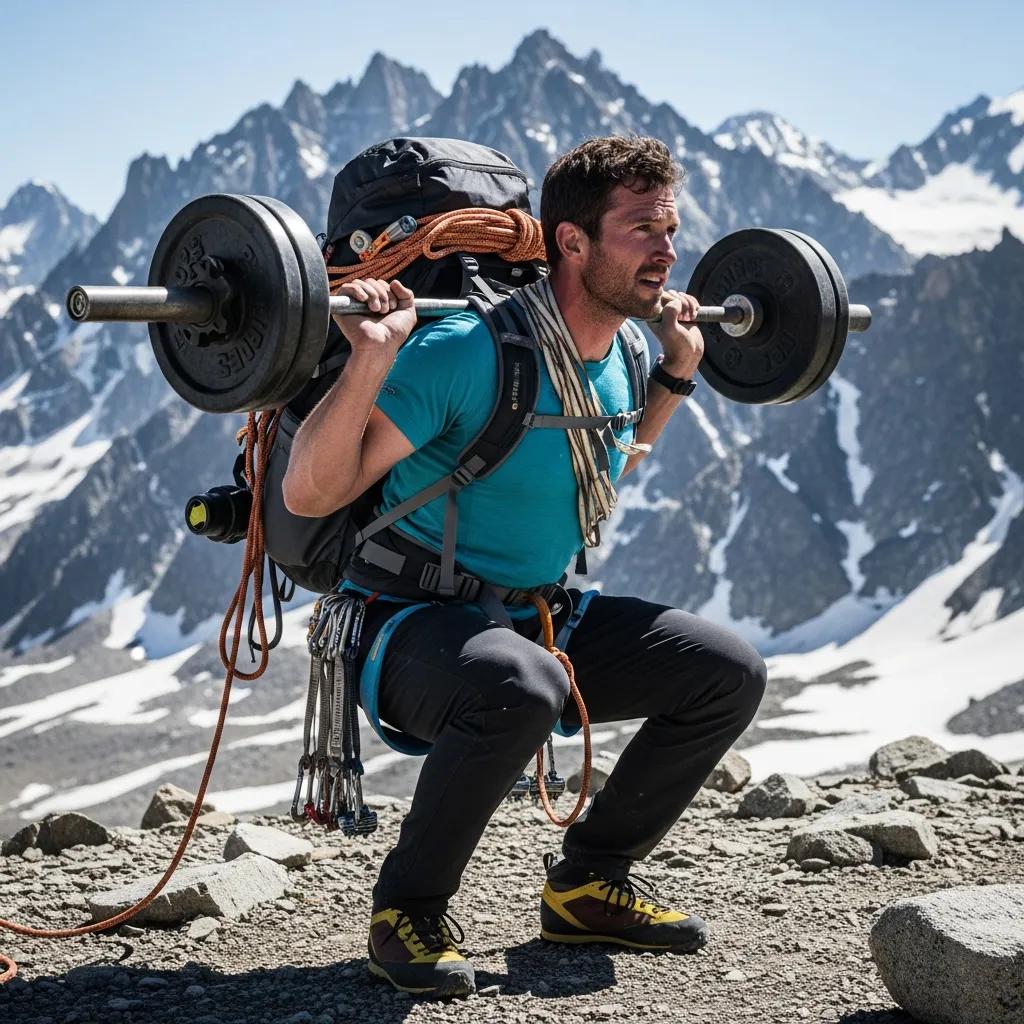
To build the necessary fitness for Denali, climbers should focus on a combination of endurance and strength exercises. Recommended exercises include:
- Running or Hiking: Engaging in long-distance running or hiking with a weighted backpack helps build cardiovascular endurance and leg strength.
- Weight Training: Incorporating exercises like squats, deadlifts, and lunges enhances overall body strength, particularly in the legs and core.
- Cross-Training: Activities such as cycling, swimming, or rowing can improve cardiovascular fitness while reducing the risk of overuse injuries.
These exercises should be performed regularly, with a focus on gradually increasing intensity and duration to build stamina and strength effectively.
How to Assess and Track Your Physical Readiness for Denali?
Assessing your physical readiness for Denali involves monitoring various fitness metrics and recognizing signs of acclimatization. Key methods include:
- Fitness Tests: Regularly perform fitness tests, such as timed hikes or runs, to gauge improvements in endurance and strength.
- Hydration and Nutrition Tracking: Keep a log of your hydration and nutrition intake to ensure you are meeting your body’s needs during training.
- Recognizing Symptoms: Be aware of altitude illness symptoms, such as headaches or nausea, which can indicate inadequate acclimatization.
By consistently tracking these factors, climbers can make informed adjustments to their training plans and ensure they are adequately prepared for the expedition.
Identifying and developing key competencies is crucial for high-altitude mountaineers to ensure preparedness and peak performance.
Mountaineering Readiness & Competencies
This review aims to move this idea forward by identifying readiness strategies and competencies of high-altitude mountaineers. Climbing-specific challenges are summarized and individual competencies for physical, technical and mental readiness
Preparedness and Peak Performance for Mountaineering Tourists, 2023
How Does Altitude Training Enhance Your Readiness for Denali’s Elevation?
Altitude training enhances climbers’ readiness for Denali by improving their body’s ability to adapt to lower oxygen levels. This training typically involves spending time at high elevations to stimulate physiological changes, such as increased red blood cell production and improved oxygen utilization. These adaptations can lead to better performance during the climb, as climbers will be more efficient in utilizing oxygen at high altitudes. Incorporating altitude training into your regimen can significantly enhance your acclimatization process and overall climbing performance.
Further research underscores the importance of verifying the effectiveness of preacclimatization strategies before undertaking high-altitude expeditions.
Effective Preacclimatization for High Altitude
of each preacclimatization strategy, verify that the strategy induced acclimatization before ascending high altitudes, and confirm whether the strategy-induced acclimatization remained
Effectiveness of preacclimatization strategies for high-altitude exposure, 2013
What Are Proven Acclimatization Strategies to Prevent Altitude Sickness?
Effective acclimatization strategies are crucial for preventing altitude sickness during a Denali expedition. Key strategies include:
- Gradual Ascent: Ascend slowly to allow your body time to adjust to higher elevations.
- Rest Days: Incorporate rest days into your climbing schedule to facilitate acclimatization.
- Climb High, Sleep Low: This principle encourages climbers to ascend to higher altitudes during the day and return to lower elevations to sleep, promoting better acclimatization.
Implementing these strategies can help mitigate the risks associated with altitude sickness and enhance your overall climbing experience.
What Essential Gear and Safety Protocols Are Required for Denali Expeditions?
Preparing for a Denali expedition requires careful consideration of essential gear and safety protocols. Climbers should ensure they have the following:
- Clothing Layers: Proper layering is crucial for insulation and moisture management in extreme weather conditions.
- Navigation Tools: GPS devices, maps, and compasses are essential for safe navigation in the wilderness.
- Emergency Readiness: Carrying a first aid kit, communication devices, and emergency supplies is vital for safety.
These components are critical for ensuring a successful and safe expedition on Denali.
Which Climbing Gear Is Critical for Safety and Success on Denali?
The right climbing gear is essential for both safety and success on Denali. Key items include:
- Crampons: Essential for traction on icy surfaces, crampons are a must-have for any climber.
- Ice Axes: Used for self-arrest and climbing steep sections, ice axes are critical for safety.
- High-Altitude Tents: Specialized tents designed for extreme conditions provide necessary shelter during the climb.
Selecting high-quality gear that meets the demands of Denali’s environment can significantly impact your climbing experience.
What Safety Measures and Emergency Protocols Should Climbers Follow?
Safety measures and emergency protocols are vital for climbers on Denali. Key protocols include:
- Packing Essentials: Ensure you have all necessary gear, including safety equipment and navigation tools.
- Navigation Skills: Develop strong navigation skills to avoid getting lost in challenging terrain.
- Emergency Readiness: Familiarize yourself with emergency procedures and ensure all team members are aware of their roles in case of an emergency.
Following these protocols can enhance safety and preparedness during the expedition.
How Should Nutrition and Hydration Be Managed During Denali Training and Climb?
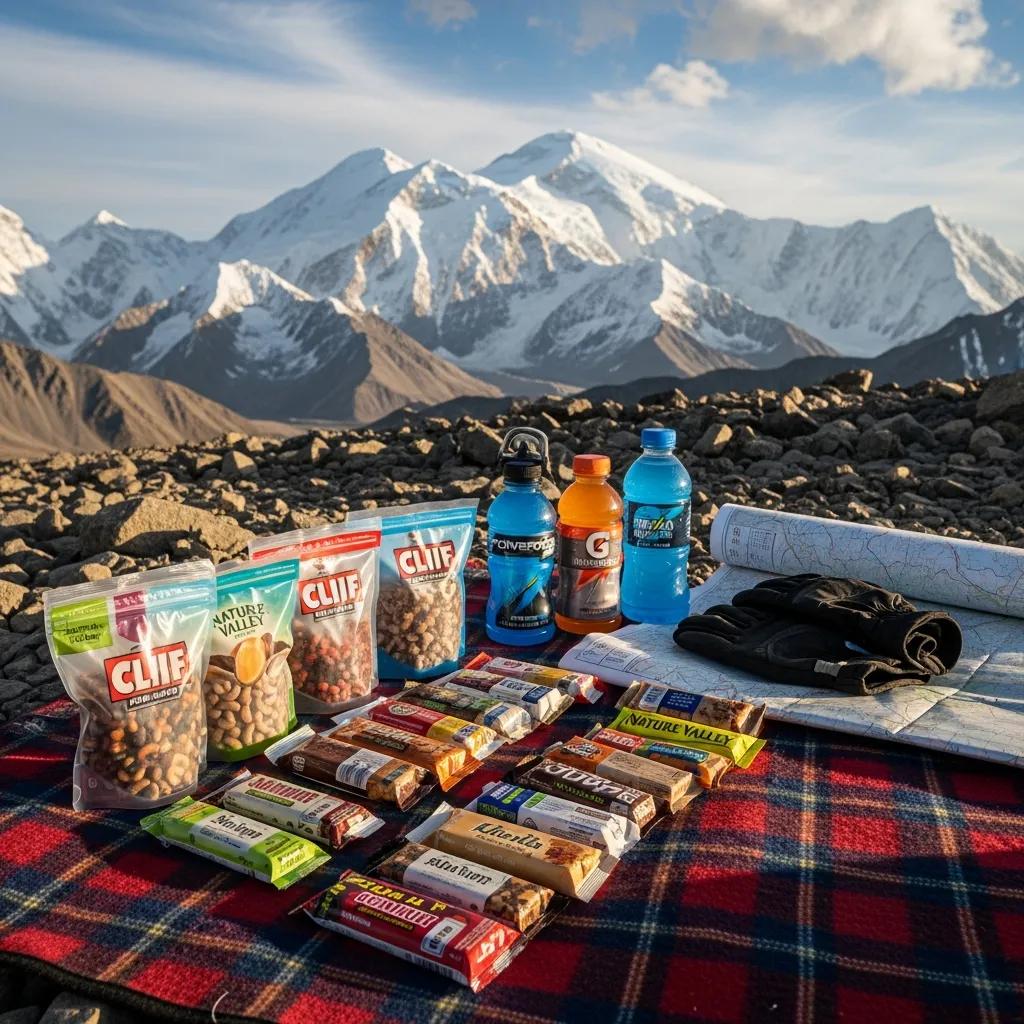
Proper nutrition and hydration management are crucial for maintaining energy levels during training and the climb. Key strategies include:
- Hydration Strategies: Drink plenty of fluids to stay hydrated, especially at high altitudes where dehydration can occur more rapidly.
- Caloric Intake Planning: Plan meals to ensure adequate caloric intake, focusing on high-energy foods that are easy to digest.
- Nutrition During Acclimatization: Pay attention to nutrition during acclimatization periods to support your body’s adjustment to altitude.
Implementing these strategies can help climbers maintain optimal performance throughout their training and during the climb.
What Are Recommended High-Altitude Nutrition Plans for Climbers?
High-altitude nutrition plans should focus on meeting the unique energy and hydration needs of climbers. Recommended components include:
- High-Calorie Foods: Incorporate calorie-dense foods such as nuts, energy bars, and dried fruits to meet energy demands.
- Electrolyte-Rich Beverages: Use electrolyte drinks to replenish lost minerals and maintain hydration.
- Balanced Meals: Ensure meals are balanced with carbohydrates, proteins, and fats to support sustained energy levels.
These nutrition plans can help climbers optimize their performance and recovery during high-altitude expeditions.
How to Maintain Proper Hydration in Cold, High-Altitude Conditions?
Maintaining proper hydration in cold, high-altitude conditions can be challenging. Key strategies include:
- Preventing Water from Freezing: Use insulated containers to keep water from freezing during the climb.
- Hydration Plans: Establish a hydration schedule to ensure consistent fluid intake throughout the day.
- Monitoring Water Intake: Keep track of your water consumption to avoid dehydration, which can impair performance.
What Are the Key Steps in Planning a Successful Denali Expedition?
Planning a successful Denali expedition involves several key steps:
- Choosing the Right Objective: Define your climbing goals and select a route that matches your skill level.
- Permits and Regulations: Obtain the necessary permits and familiarize yourself with regulations governing Denali.
- Logistics and Itinerary Planning: Develop a detailed itinerary that includes travel arrangements, gear lists, and contingency plans. For more detailed logistics and itinerary planning, consider consulting resources that specialize in expedition preparation.
How to Obtain Permits and Navigate Denali Trip Logistics?
Obtaining permits and navigating logistics for a Denali trip requires careful planning. Key considerations include:
- Permit Requirements: Research the specific permits needed for climbing Denali and ensure they are obtained well in advance.
- Trailhead Access: Familiarize yourself with trailhead access points and transportation options to reach the starting point of your climb.
- Registration Processes: Complete any necessary registration processes to comply with park regulations.
By addressing these logistical aspects, climbers can ensure a smoother expedition experience.
What Are Best Practices for Scheduling and Organizing Your Climbing Timeline?
Effective scheduling and organization are crucial for a successful climbing timeline. Best practices include:
- Choosing the Right Objective: Set realistic goals based on your experience and fitness level.
- Season and Weather Considerations: Monitor weather patterns and choose a climbing window that minimizes risks.
- Decision Points and Turnarounds: Establish clear decision points for assessing progress and determining when to turn back if conditions worsen.
These practices can help climbers stay on track and make informed decisions during their expedition.
What Recent Data and Success Stories Inform Effective Denali Training?
Recent data and success stories provide valuable insights into effective Denali training. Analyzing expedition statistics can reveal trends in training benchmarks and success rates. Many climbers have shared their experiences, highlighting the importance of comprehensive training plans that include physical conditioning, mental preparation, and teamwork. These stories serve as inspiration and guidance for future climbers.
What Do 2024-2026 Expedition Statistics Reveal About Training Benchmarks?
Expedition statistics from 2024-2026 indicate that climbers who adhere to structured training plans are more likely to succeed. Key benchmarks include:
- Training Duration: Successful climbers typically engage in at least 8-12 weeks of dedicated training prior to their expedition.
- Fitness Levels: Higher fitness levels correlate with improved success rates, emphasizing the importance of endurance and strength training.
- Acclimatization Practices: Climbers who implement effective acclimatization strategies report fewer instances of altitude sickness. For more information on gear and safety, consult experienced guides.
How Have Climbers Overcome Challenges: Lessons from Denali Success Stories?
Lessons from Denali success stories reveal how climbers have overcome challenges through preparation and resilience. Many climbers emphasize the importance of teamwork, communication, and adaptability in the face of unexpected obstacles. By learning from these experiences, future climbers can better prepare for the unique challenges that Denali presents. These stories serve as a testament to the power of determination and the value of thorough training and planning.
To further enhance your preparation, consider exploring resources like Global Summit Guide, which offers comprehensive information on various mountain expeditions.
Conclusion
Preparing for a Denali expedition is a multifaceted journey that enhances physical fitness, mental resilience, and safety awareness. By implementing a structured training plan, climbers can significantly improve their chances of a successful ascent while minimizing risks associated with altitude sickness. Embrace the challenge and take the first step towards your Denali adventure by exploring our comprehensive resources. Start your journey today and equip yourself with the knowledge needed for a safe and rewarding climb.
Denali Climbing Guide Hub
Continue planning your Denali expedition with our complete system covering routes, permits, weather, gear, and training.
Was this helpful?
🏔Related peaks nearby
🧭Explore & compare
Global Summit Guide is an independent mountaineering resource founded in 2026. The team combines first-hand trekking and climbing experience with in-depth research and professional health and nutrition review to help climbers choose objectives, prepare properly, and stay safe.
Health, altitude, and nutrition content is reviewed by Taylor Ludlow (Registered Nurse) and Brigg Hoopes (Nutritionist).
What We Don't Know Yet
Mountain information changes quickly. This box explains the limits of what this page can responsibly promise.
- Weather, snowpack, avalanche risk, road access, and route conditions can change quickly and may be different on your climbing dates.
- Gear requirements can change by season, route variation, weather window, personal cold tolerance, and guide-service requirements.
- Fitness and altitude response vary by person; no guide, itinerary, or training plan can guarantee acclimatization or summit success.
Verify current conditions with official land managers, guide services, local forecasts, and current route reports before booking or climbing.
Mountaineering, rock and ice climbing, glacier travel, and high-altitude activity are inherently dangerous and can result in serious injury or death. The information on Global Summit Guide is provided for general informational and educational purposes only and is not a substitute for professional instruction, qualified guiding, proper equipment, or your own judgment and experience.
Route conditions, weather, snowpack, permits, regulations, and hazards change constantly and may differ from what is described here. Details may be incomplete, out of date, or contain errors. Always verify current information with local authorities, certified guides, and official sources before making any decision in the mountains.
Nothing on this site is medical, legal, or financial advice. Our fitness, acclimatization, altitude, and nutrition content is general in nature; consult a qualified physician before beginning any strenuous exercise program or exposing yourself to high altitude.
You are solely responsible for your own safety and decisions. To the fullest extent permitted by law, Global Summit Guide and its team accept no liability for any loss, injury, damage, or expense arising from use of, or reliance on, this information. By using this site you acknowledge these risks and accept these terms.
Some links on this site may be affiliate links. If you buy through them we may earn a small commission at no extra cost to you; this never affects our recommendations.
Global Summit Guide recommendation path
Next Best Mountain to Research
Use these recommendations to continue the right planning path instead of stopping on one page.
Use current permit, weather, route, and operator information before booking or climbing.