
Last updated September 5, 2026
Mulhacén Hiking Guide: Routes, Difficulty, Shuttle & Best Time
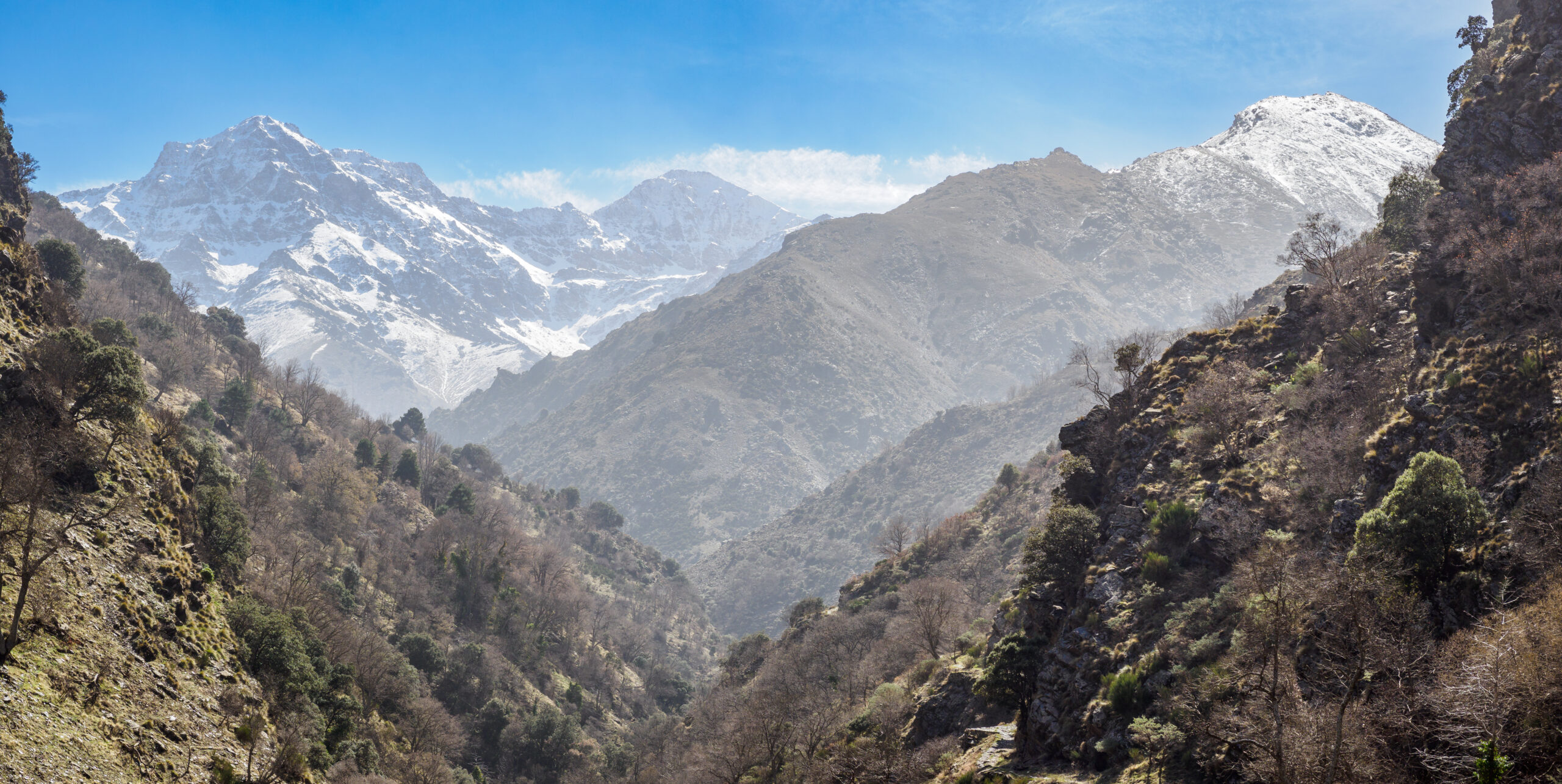
Mulhacén is the highest mountain in mainland Spain and the Iberian Peninsula, but in dry summer conditions its standard southern routes are hiking rather than technical climbing. The real decisions are which approach to use, whether the seasonal Capileira high-mountain transport is operating, how much distance and ascent you want, and how your body will handle a rapid trip to 3,479 meters.
Pick Mulhacén by Logistics First, Then by Distance.
For the shortest practical summer summit day, start with the seasonal high-mountain service from Capileira. The current Sierra Nevada park page says the south-side SIAC microbus operates in summer and autumn, runs from Capileira toward the high country, reaches the Paraje del Cascajar and makes an intermediate stop at Puerto Molina. The exact operating date, stop and return arrangement should be confirmed before you calculate your hiking mileage.
For an independent one-day hike, Hoya del Portillo is the cleaner choice. It adds substantial distance and ascent, but you are not planning the entire day around a fixed transport return. Trevélez via Siete Lagunas is the scenic, strenuous alternative, while Hoya de la Mora makes the most sense when the goal is a long high traverse that also includes Veleta.
In snow-free summer conditions, none of those normal hiking approaches is defined by technical climbing. The difficulty comes from long hours on foot, 3,479-meter altitude, high-elevation weather, an exposed summit plateau and the consequences of a navigation error when cloud closes in.
Mulhacén Essential Facts
The summit is approachable in summer, but it is high enough that a short route can still feel harder than a longer low-elevation hike.
| Fact | Mulhacén | Why it matters |
|---|---|---|
| Elevation | 3,479 m / 11,414 ft | High enough for noticeable altitude effects, especially after a rapid ascent from Granada or the coast. |
| Geographic status | Highest mainland Spain + Iberian Peninsula | Mount Teide in the Canary Islands is higher within Spanish territory. |
| Range | Sierra Nevada, Andalusia | Broad, exposed high terrain where wind, sun, cloud and thunderstorms can dominate the day. |
| Normal summer character | Non-technical hiking on standard snow-free routes | Physical endurance and judgment matter more than climbing technique in dry conditions. |
| Snow-season character | Mountaineering conditions possible | Snow and ice can require crampons, an ice axe, winter navigation and avalanche awareness. |
| Best short-route base | Capileira | Closest practical base for the south-side seasonal transport and Hoya del Portillo approaches. |
| Emergency number | 112 | Do not assume reliable mobile coverage on every section of the mountain. |
Which Mulhacén Route Should You Take?
These are planning ranges, not promised GPS totals. Your exact distance changes with the parking point, transport stop, route variant, detours and descent.
| Route style | Planning range | Ascent | Typical day | Best for | Main catch |
|---|---|---|---|---|---|
| SIAC / upper south-side access | Often ~12–13 km when the high drop-off matches the expected route start; recalculate from your booked stop | Often ~760–900 m | ~5–8 hr | Shortest summer option | Seasonal service, fixed logistics and a potentially changing drop-off. |
| Hoya del Portillo | ~23–28 km | ~1,300 m | ~8–12 hr | Strong independent hikers | Longer day; private-vehicle access stops below the upper restricted road. |
| Trevélez via Siete Lagunas | ~26–30 km | ~1,900–2,100 m | ~10–14 hr as a hard day; often better over two days | Scenery and a fuller mountain journey | Big vertical gain and a more demanding timetable. |
| Hoya de la Mora / Veleta | ~22–25 km | 1,200 m+ with re-ascent | ~9–12+ hr | Very fit hikers pairing major Sierra Nevada summits | Long high traverse; do not mistake a high start for an easy day. |
You Want the Shortest Practical Summer Day
This is the strongest fit for a first Mulhacén hike if the seasonal service is operating and you are comfortable planning around its return. Confirm the exact high stop first; old trip reports may describe a different endpoint.
You Prefer Independence Over Convenience
The day is longer, but your summit decision is no longer tied to a microbus pickup. This is often the better option for strong hikers who value schedule flexibility more than mileage reduction.
The Route Is Part of the Experience
Siete Lagunas gives the ascent a much bigger landscape and a stronger sense of journey. It is not the efficient route to the summit; it is the route to choose because you want the approach itself.
You Want Veleta and Mulhacén Together
The high northern start can look deceptively easy on a map. The traverse is still a long day at altitude with extra ascent on the return and meaningful exposure to changing weather.
The Shuttle Can Simplify the Hike—If You Plan Around the Actual Service.
Do not copy a departure time, ticket price or historic drop-off from a blog and assume it applies to your date.
What the park currently says
The official Capileira information-point page describes the Servicio de Interpretación de Altas Cumbres (SIAC), Vertiente Sur as a guided microbus service from Capileira into the high Sierra Nevada. It currently lists Paraje del Cascajar as the upper destination, with an intermediate stop at Puerto Molina, and says the service operates only during the summer–autumn season.
That wording matters because a route calculation built around another historical stop can be wrong before you take your first step. Treat the reservation confirmation as the source of truth for your date.
The microbus guide is not your summit guide. The service provides transport and interpretation; you still need your own hiking plan, navigation, weather decision and turnaround margin.
Check that the south-side service is actually running on the day you plan to hike.
Save the real drop-off and pickup point, not the one in an old GPX or trip report.
Distance and ascent should start from the stop on your reservation, not a generic “shuttle route” number.
Give altitude, wind, navigation and a slower descent room before the final pickup.
Mulhacén Map: Know Which Side of the Mountain You Are Using
This embedded map is for orientation. It is not a substitute for an offline topographic map, a route-specific GPX track or the ability to navigate the summit plateau in poor visibility.
Best base for seasonal SIAC access and Hoya del Portillo. This is the most practical side for a short first summer ascent.
Starting point for the long Siete Lagunas approach. More vertical, more scenery and a stronger case for an overnight plan.
High northern start near the ski area. Best for the long Veleta–Mulhacén traverse rather than the quickest summit route.
Open high terrain can become disorienting in cloud, wind or snow. Save the descent line and key junctions before leaving the trailhead.
Build the Day Around the Failure Points.
The summit itself is straightforward in good summer conditions. Most planning errors happen around transport, pace, altitude, weather and the descent.
Capileira makes sense for the south side. Trevélez makes sense for Siete Lagunas. Avoid adding an unnecessary pre-dawn commute.
Use AEMET’s Sierra Nevada mountain forecast, not a Granada city forecast. Look at wind, cloud, precipitation and freezing level.
Do not spend your early margin trying to hold a low-elevation hiking pace. A steady first half usually creates a better descent.
A fixed shuttle return, building cloud or a slower group is a reason to turn, not an invitation to compress the descent.
Do Not Assume High-Route Refills
Carry enough for your exact route and temperature. Summer sun and dry air can increase demand, and refuge services should not be assumed while Poqueira’s staffed reopening remains unresolved.
Save the Return Before the Summit
The broad high terrain is easy to understand when the sky is clear. Save the pickup, key junctions and descent track before you need them in cloud.
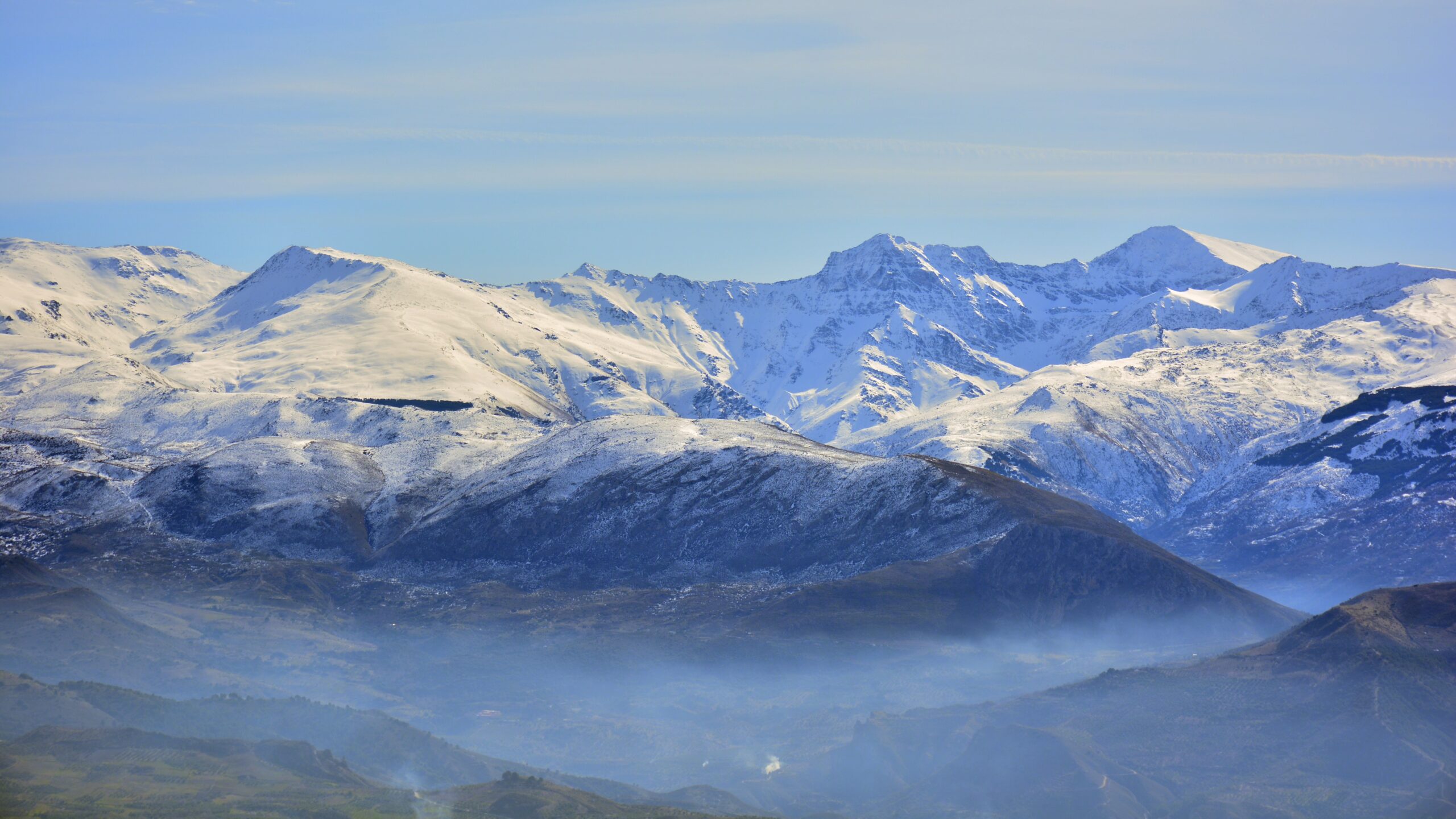
The Same Mountain Can Be a Summer Hike and a Winter Mountaineering Day.
“Non-technical” describes the normal snow-free summer route, not Mulhacén in every month. Snow, ice, wind and poor visibility can change the equipment, route choice and level of experience required without changing the trail name.
How Hard Is Mulhacén?
In dry summer conditions, the standard south-side route is technically easy. That does not make every Mulhacén itinerary easy.
Low in Snow-Free Summer Conditions
Normal southern hiking lines do not require roped climbing or technical rock protection when dry. The final summit ground is walking terrain.
Technical grade is not the main obstacle.Route Choice Changes Everything
A short shuttle-assisted day and a Trevélez ascent are not the same undertaking. Distance and vertical gain can move the mountain from a moderate high hike to a very strenuous full day.
Judge the itinerary, not only the summit.3,479 m Is High Enough to Slow Strong Hikers
A fit hiker can still develop headache, nausea, unusual fatigue or poor coordination after a rapid ascent from low elevation. Fitness is not protection from altitude illness.
Build pace and turnaround margin.Exposure Is the Serious Summer Variable
High wind, hard sun, thunderstorms, cloud and abrupt cooling can matter more than the trail surface. The upper mountain provides little shelter.
Use the summit-area forecast.Easy Terrain Can Become Hard to Read
The plateau can feel obvious in clear weather and vague in cloud or snow. Tracks are not a replacement for knowing the descent line.
Carry offline navigation.Summer Descriptions Stop Applying
If the route is snow-covered or icy, assess the surface as a mountaineering problem. Crampons or an axe only help if you know how and when to use them.
Conditions set the grade.Best Time to Hike Mulhacén
July through September is the broadest window for straightforward hiking. Use the calendar to pick a trip window and current conditions to pick the actual day.
| Period | Likely character | Main concern | How to plan |
|---|---|---|---|
| Winter | Mountaineering | Snow, ice, wind, avalanche terrain | Route-specific winter skills, equipment and conservative weather selection. |
| Spring | Highly variable | Freeze-thaw, snow cover, changing access | Do not assume hiking conditions from a warm valley forecast. |
| June | Transition | Residual high snow possible | Check current surface conditions before deciding on footwear and traction. |
| July–August | Primary hiking season | Sun, heat, storms, wind, crowds | Start early, carry sun/water margin and watch the mountain forecast. |
| September | Often excellent for hiking | Cooler mornings, shorter days, first weather shifts | A strong planning month when the mountain remains dry. |
| October | Shoulder season | Short daylight, wind, possible early snow | Add weather margin and check both transport operation and current snow. |
Altitude Can Be the Difference Between a Comfortable Day and a Slow One.
Mulhacén is not Himalayan altitude, but 3,479 meters is high enough that rapid ascent from near sea level can be felt.
Do Not Use Fitness as an Altitude Test
Strong aerobic fitness helps you hike uphill; it does not reliably predict who will develop altitude symptoms. A first visit to the Sierra Nevada should include extra pace margin rather than an aggressive time target.
Take New Symptoms Seriously
Headache, nausea, dizziness, unusual fatigue or worsening coordination are not problems to “push through” simply because the trail is technically easy. Descent remains the practical response to worsening altitude illness.
If you are arriving from the coast or flying into Spain shortly before the hike, read Altitude Acclimatization Explained before choosing your pace and itinerary.
Permits, Road Access and Rules Are Separate Questions.
A normal summit hike and an overnight camp do not have the same administrative requirements.
| Issue | Current planning position | What to do |
|---|---|---|
| Ordinary individual day hike | No general summit permit is identified in the current visitor material we checked. | Still check temporary closures and route-specific access before departure. |
| Upper south-side road | High access is controlled; SIAC provides seasonal public transport from Capileira. | Do not assume you can simply drive to the shuttle’s upper stop. |
| Seasonal microbus | Officially listed for summer–autumn. | Confirm operating day, reservation, stop and return directly. |
| Bivouac / lightweight overnight | Regulated and subject to prior communication and location/time rules. | Use the Sierra Nevada prior-communication process before planning an overnight. |
| Large groups / more tents | Additional authorization can apply. | Check the exact park thresholds rather than treating a group trip like an individual hike. |
| Temporary closures | Can affect facilities or routes independently of summit access. | Read current Sierra Nevada visitor notices immediately before travel. |
Do Not Assume Refugio Poqueira Is Available for Staffed Lodging Yet.
The park’s current facility page and formal closure notice contain different pieces of the transition, so the safe planning approach is explicit confirmation.
Staffed Refuge Closed for Renovation
The Sierra Nevada visitor portal’s formal closure notice says Refugio Poqueira continues closed to the public because of renovation work.
Open the closure notice →Bivouac Zone Open; Guarded Refuge “Next Opening”
The current Poqueira facility page says the bivouac area is open and the guarded refuge is awaiting reopening. That is progress, but it is not the same thing as a confirmed staffed reservation.
Open current Poqueira listing →Where to Stay for Mulhacén
The best base changes with the trailhead. Choosing lodging first can force you into a worse summit-day schedule.
Capileira
The natural base for SIAC and Hoya del Portillo. Sleeping in the village removes a long morning transfer from Granada and gives you more room for transport check-in or last-minute service changes.
Best overall hiking baseGranada
Excellent for a broader Andalusia itinerary, but less efficient on summit morning. A fixed microbus departure makes a same-day drive less forgiving than a simple trailhead start.
Best city baseTrevélez
Choose Trevélez because you want the long scenic approach. It gives the route its cleanest logistics and makes more sense for a two-day outing than trying to bolt it onto a Granada-based day.
Best scenic-route basePradollano / Hoya de la Mora Side
Use the ski-area side when your objective is a high traverse and Veleta combination. It is not the efficient choice for a simple first ascent of Mulhacén.
Best northern high-route baseWhat to Carry on Mulhacén
The route is simple enough that extra gear does not compensate for poor weather judgment or a bad surface decision.
Hiking Kit + Weather Margin
- Supportive hiking footwear
- Sun hat, sunscreen and sunglasses
- Warm layer and wind/rain shell
- Water and food for the full route
- Offline navigation and backup power
- Headlamp even on a planned day hike
Decide From the Snow Line
- Check current snow cover before choosing traction
- Add gloves and insulation margin
- Expect shorter usable daylight
- Do not carry crampons as a substitute for knowing how to travel on snow
Treat It as a Mountaineering Objective
- Mountaineering footwear as conditions require
- Crampons and ice axe where appropriate
- Winter navigation competence
- Avalanche awareness and route-specific judgment
- More conservative weather and turnaround thresholds
Carry Enough to Descend Late
Most hikers pack for the summit photo and forget the slower return. Headlamp, warm layer, food, water and navigation reserve matter most when the day runs longer than expected.
Mulhacén vs Spain’s Other Famous High Peaks
Mulhacén’s distinction is geographic, not that it is automatically Spain’s hardest or highest mountain in every sense.
| Mountain | Elevation | Distinction | Normal summer character |
|---|---|---|---|
| Mount Teide | Higher than Mulhacén | Highest mountain in Spain, on Tenerife | High volcanic hiking with separate access/permit considerations. |
| Mulhacén | 3,479 m | Highest mainland Spain + Iberian Peninsula | Non-technical hiking on normal snow-free southern routes. |
| Aneto | 3,404 m | Highest mountain in the Pyrenees | More technical normal ascent because of glacier/snow and exposed summit terrain. |
| Veleta | 3,396 m | Major Sierra Nevada summit | Frequently paired with longer high routes from the ski-area side. |
For a broader progression, compare Aneto, browse the best mountains in Europe, or use our country highpoints guide.
Check These Before You Leave for the Mountain
Seasonal transport, refuge operation, weather and temporary park restrictions can change after an evergreen hiking guide is published.
Official SIAC / Capileira Information Point
Use for current high-mountain transport description, contact details and the official schedule-booking link.
Open official Capileira page →Sierra Nevada Mountain Forecast
Use the mountain bulletin for wind, cloud, precipitation, freezing level and high-elevation conditions rather than relying on Granada weather.
Open AEMET Sierra Nevada →Refugio Poqueira Facility Status
Current facility listing for bivouac/refuge status, contact details and access information.
Open Poqueira listing →Prior Communication for Bivouac / Overnight Activity
Use the official park process if your trip includes bivouacking or lightweight overnight camping rather than an ordinary day hike.
Open overnight-use rules →Mulhacén Hiking FAQ
How high is Mulhacén?
Mulhacén is 3,479 meters (11,414 feet) high. It is the highest mountain in mainland Spain and the Iberian Peninsula. Mount Teide on Tenerife is higher within Spanish territory.
What is the best route up Mulhacén?
For most summer hikers, seasonal high-mountain transport from Capileira gives the shortest practical approach when it is operating. Hoya del Portillo is the better independent one-day choice, Trevélez via Siete Lagunas is the scenic long route, and Hoya de la Mora suits very fit hikers who want to combine Mulhacén with Veleta.
Is Mulhacén a difficult hike?
In dry, snow-free summer conditions, the standard southern routes are non-technical hiking. The difficulty comes from altitude, distance, exposed terrain, weather and navigation. A long route such as Trevélez is much harder physically than a shuttle-assisted south-side approach.
How does the Capileira shuttle to Mulhacén work?
The official Sierra Nevada page describes seasonal SIAC microbus access from Capileira during summer and autumn, currently reaching Paraje del Cascajar with an intermediate stop at Puerto Molina. Confirm the date, booking, exact stop and return arrangement before calculating your hike.
Do you need a permit to hike Mulhacén?
Current park visitor information does not identify a general summit permit for an ordinary individual day hike. Upper-road access, seasonal transport, bivouacking, overnight camping, organized activities and temporary closures are separate matters and can have their own rules.
Is Refugio Poqueira open in 2026?
The current visitor portal says the bivouac zone is open and the staffed refuge is awaiting reopening, while the formal March 27 closure notice says the refuge remains closed for renovation. Do not depend on staffed lodging until reopening and your reservation are explicitly confirmed.
When is the best time to hike Mulhacén?
July through September is the broadest snow-free hiking window. Snow can linger into early summer, and thunderstorms, wind or early autumn snow can change the mountain quickly. Current conditions should overrule the calendar.
Can you hike Mulhacén from Granada in one day?
Yes, strong hikers can, but sleeping in Capileira is usually the cleaner plan for a south-side summit day. It removes the early drive and gives more margin around seasonal transport check-in, parking and return times.
Can beginners hike Mulhacén?
A fit hiker with solid mountain-day experience can find the normal dry summer route technically straightforward, but a complete beginner should not underestimate the altitude, route length, exposed weather and navigation. Snow or ice changes the answer completely.
Is the map on this page enough for navigation?
No. The embedded map is for orientation. Carry a proper offline topographic map or route track for your chosen approach and know how to identify the descent when cloud or darkness removes obvious visual cues.
Mulhacén Is Straightforward When the Logistics Are Straight.
For a first dry-season ascent, start with Capileira and confirm the seasonal transport. If you want independence, accept the longer Hoya del Portillo day. Choose Trevélez for scenery and Hoya de la Mora for the Veleta traverse. Then let current snow, AEMET’s mountain forecast and your pace at altitude decide whether the summit is still a good plan that morning.
Was this helpful?
🏔Related peaks nearby
🧭Explore & compare
Global Summit Guide is an independent mountaineering resource founded in 2026. The team combines first-hand trekking and climbing experience with in-depth research and professional health and nutrition review to help climbers choose objectives, prepare properly, and stay safe.
Health, altitude, and nutrition content is reviewed by Taylor Ludlow (Registered Nurse) and Brigg Hoopes (Nutritionist).
What We Don't Know Yet
Mountain information changes quickly. This box explains the limits of what this page can responsibly promise.
- Route conditions, trailhead access, crevasse exposure, stream crossings, and rescue access may vary from published planning guidance.
- Visa, passport, vaccination, border, insurance, and local transportation rules may change before your trip.
- Route conditions, snowpack, closures, and weather can change quickly after this page is updated.
- Permit rules, fees, quotas, and reservation windows may change between review cycles.
- Operator availability, pricing, guide ratios, and cancellation terms can change by season.
Verify current conditions with official land managers, guide services, local forecasts, and current route reports before booking or climbing.
Mountaineering, rock and ice climbing, glacier travel, and high-altitude activity are inherently dangerous and can result in serious injury or death. The information on Global Summit Guide is provided for general informational and educational purposes only and is not a substitute for professional instruction, qualified guiding, proper equipment, or your own judgment and experience.
Route conditions, weather, snowpack, permits, regulations, and hazards change constantly and may differ from what is described here. Details may be incomplete, out of date, or contain errors. Always verify current information with local authorities, certified guides, and official sources before making any decision in the mountains.
Nothing on this site is medical, legal, or financial advice. Our fitness, acclimatization, altitude, and nutrition content is general in nature; consult a qualified physician before beginning any strenuous exercise program or exposing yourself to high altitude.
You are solely responsible for your own safety and decisions. To the fullest extent permitted by law, Global Summit Guide and its team accept no liability for any loss, injury, damage, or expense arising from use of, or reliance on, this information. By using this site you acknowledge these risks and accept these terms.
Some links on this site may be affiliate links. If you buy through them we may earn a small commission at no extra cost to you; this never affects our recommendations.
Global Summit Guide recommendation path
Next Best Mountain to Research
Use these recommendations to continue the right planning path instead of stopping on one page.
Use current permit, weather, route, and operator information before booking or climbing.
Search Flights, Hotels & Rental Cars
Have the mountain or destination picked? Use Expedia to compare the flights, lodging and rental cars that fit your actual trip dates. For mountain travel, consider arriving early enough for delays and adding a buffer night after the climb before a fixed flight home.
Compare current flight, hotel and car options.
Affiliate disclosure: Global Summit Guide may earn a commission if you book through this link, at no additional cost to you.