
Last updated September 29, 2026

Best Ice Axes for Mountaineering: 8 Picks by Terrain & Use
The best ice axe is not the most technical one. It is the tool that matches the steepest recurring terrain, your actual route, the correct shaft length and the type of movement you need—from low-angle glacier travel to steep alpine ice.
For Most Mountaineers, Start With One Classic Axe in the Correct Length—Not a Pair of Technical Ice Tools.
Glacier travel, snow climbing, self-arrest practice and many standard alpine routes are best served by a classic or mildly curved mountaineering axe. Petzl Summit Evo, Black Diamond Raven Pro, Grivel Air Tech Evo and Blue Ice Bluebird all occupy that broad all-round category.
Ultralight axes such as the Black Diamond Venom LT Classic become attractive for ski mountaineering and fast alpine objectives where carried weight matters. More technical tools such as Petzl Sum’Tec belong on steeper snow and ice where repeated placements, stronger shafts and hand rests add real value.
Modern EN 13089 language uses Type 1 and Type 2. Older B/T labels still appear in legacy references and even on some current retailer or manufacturer pages, but Type 1/Type 2 is the cleaner framework for this guide.
8 Ice Axes Worth Comparing in 2026
The list is organized by terrain and function rather than a universal ranking. Current manufacturer lines were rechecked in September 2026; retail prices are left to the live affiliate module because inventory changes.
Petzl Summit Evo
A curved but still walking-friendly classic mountaineering axe designed for alpine trips where snow travel transitions into steeper terrain.
- Lengths: 52, 59, 66 cm
- Weight: 400 g in 52 cm
- Pick / shaft: Type 1
Black Diamond Raven Pro
A lightweight, slightly curved classic axe with stainless-steel head and a long size range for general mountaineering and glacier travel.
- Lengths: 50–75 cm
- Weight: from 370 g
- Current BD label: CEN-B
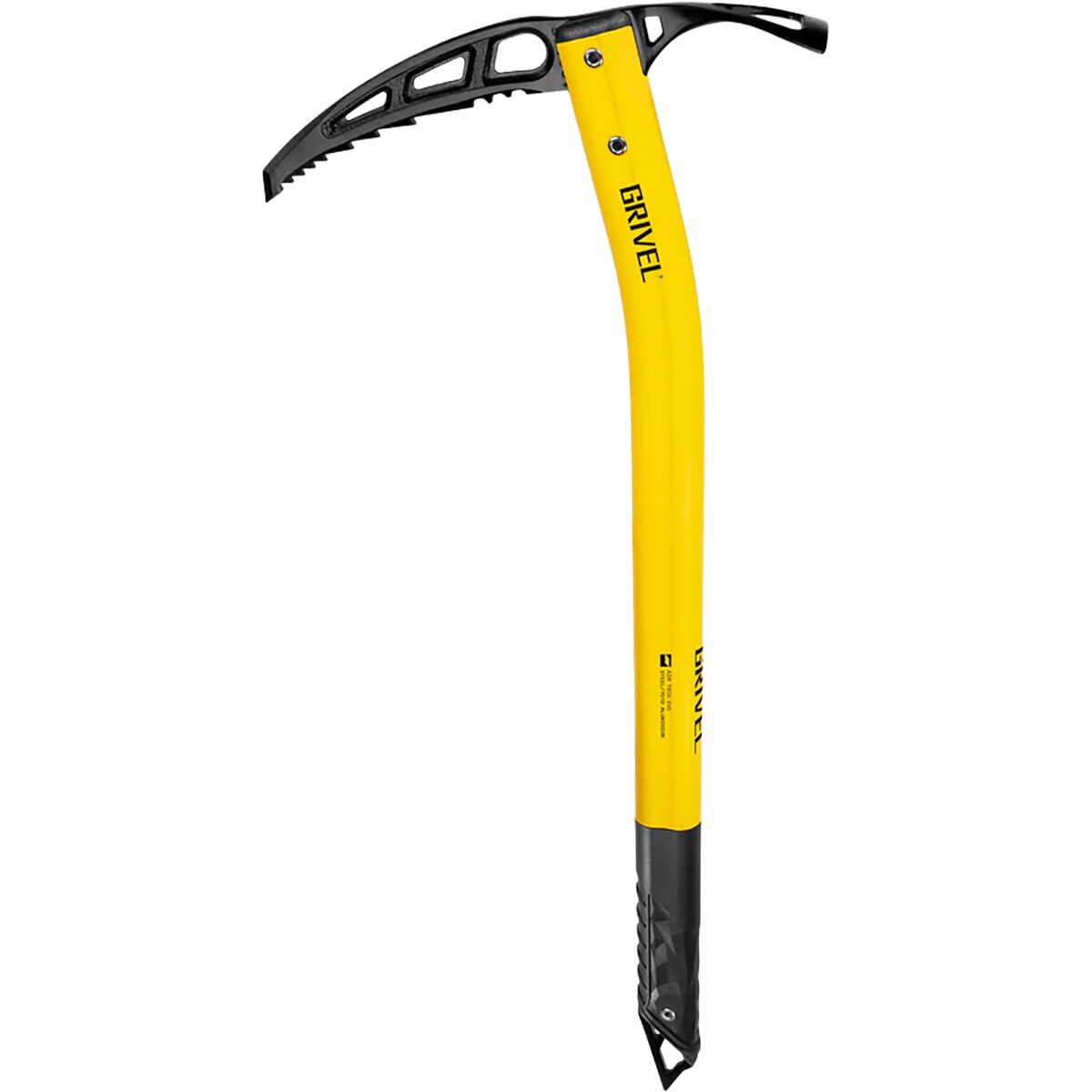
Grivel Air Tech Evo
A forged-head Type 2 axe that bridges classic mountaineering and more technical alpine terrain without becoming a dedicated ice tool.
- Lengths: 48, 53, 58, 66 cm
- Weight: 420 g in 48 cm
- EN 13089 Type 2 · UIAA 152
Petzl Glacier Linkin
A light, straight-shaft glacier axe with removable leash and broad length range for walking-heavy snow and glacier objectives.
- Lengths: 50, 60, 68, 75 cm
- Weight: 340 g in 50 cm
- Pick / shaft: Type 1
Blue Ice Bluebird
A hot-forged stainless-steel classic axe with a curved shaft and sliding pommel, designed for classic alpinism and ski touring.
- Lengths: 45, 49, 54, 60 cm
- Weight: about 363 g in 45 cm
- EN 13089 Type 1
Black Diamond Venom LT Classic
An exceptionally light modular axe for ski mountaineering and fast alpine objectives where the tool spends meaningful time carried.
- Published weight: 240 g
- Replaceable steel pick + spike
- Best for fast-and-light terrain, not walking support
Blue Ice Akila Adze
A compact Type 1 axe with reverse-curve pick and integrated hand rest for climbers who want low weight without giving up technical capability.
- Length: 49 cm
- About 345 g class
- Best for ski mountaineering + technical alpinism
Petzl Sum’Tec
A modular Type 2 axe with curved shaft, adjustable hand rest and technical pick for steeper snow, ice and mixed alpine terrain.
- Length: 52 cm
- Weight: 470 g
- Pick / shaft: Type 2
Editorial note: Global Summit Guide does not claim hands-on testing of every model. The shortlist uses current manufacturer specifications, standards language, intended terrain and the existing GSG selection framework.
| Model | Category | Length / weight reference | Best terrain | Why compare it |
|---|---|---|---|---|
| Petzl Summit Evo | Classic / mildly curved | 52–66 cm · 400 g at 52 | Classic alpine | Excellent bridge from walking to steeper snow |
| BD Raven Pro | Classic technical piolet | 50–75 cm · from 370 g | Glaciers + general mountaineering | Wide size range |
| Grivel Air Tech Evo | Type 2 all-rounder | 48–66 cm · 420 g at 48 | Classic + technical alpine | Higher-strength category |
| Petzl Glacier Linkin | Glacier axe | 50–75 cm · 340 g at 50 | Walking-heavy glacier travel | Low weight + long size range |
| Blue Ice Bluebird | Classic Type 1 | 45–60 cm · ~363 g at 45 | Classic alpinism | Forged stainless head + curved shaft |
| BD Venom LT Classic | Ultralight modular | 240 g | Ski / fast alpine | Extremely low carried weight |
| Blue Ice Akila Adze | Short Type 1 technical | 49 cm · ~345 g | Ski + technical alpine | Compact with hand rest |
| Petzl Sum’Tec | Type 2 modular | 52 cm · 470 g | Steep snow + ice | Technical pick + adjustable hand rest |

Choose the Terrain Before You Choose the Axe.
Ask one question first: what is the steepest terrain where I will repeatedly use the tool? Low-angle glacier travel favors a classic axe that is comfortable to carry by the head and easy to plunge. Steeper snow favors a shorter shaft and more curve. Repeated ice placements push the decision toward Type 2 and eventually dedicated ice tools.
Then choose length, certification category, pick shape and weight. A highly technical tool is not automatically safer or more useful on a standard glacier route.
Type 1 vs Type 2 Ice Axes
The current EN 13089 framework is more useful than the old B/T shorthand that still appears in older gear literature.
Classic mountaineering
The standard category for ordinary snow travel, walking, glacier use and classic mountaineering. It is not automatically “weak.”
Higher-strength technical use
Designed for stronger loading and harder technical use. The extra strength does not make it the best choice for every route.
Legacy terminology
You may still see B and T on product pages. Treat them as older language, not the primary framework for a new buying guide.
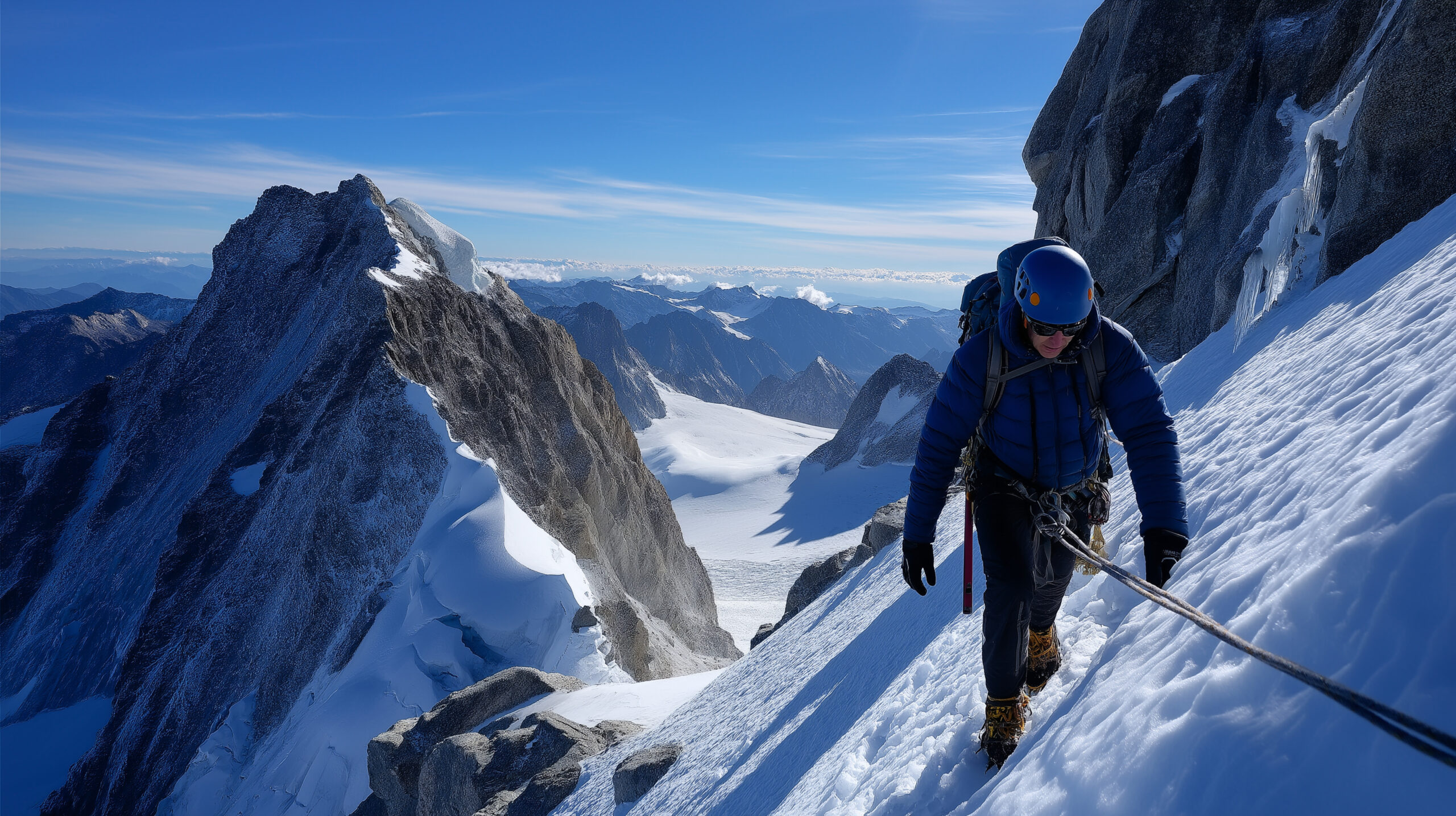
What Length Ice Axe Do You Need?
Body height gives a starting range, but terrain should make the final decision. Steeper terrain generally favors shorter tools.
| Climber height | General starting range | Lean longer when | Lean shorter when |
|---|---|---|---|
| Under 5’5″ / 165 cm | ~50–55 cm | Low-angle walking dominates | Steep snow or compact carry matters |
| 5’5″–5’8″ / 165–173 cm | ~55–58 cm | Glacier travel dominates | More active placements are expected |
| 5’8″–5’11” / 173–180 cm | ~58–62 cm | Walking-heavy route | Steeper alpine terrain |
| 5’11″–6’2″ / 180–188 cm | ~60–65 cm | Low-angle support matters | Technical movement matters more |
| Over 6’2″ / 188 cm | ~63–70 cm | Long glacier approaches | Route is steep or tool is technical |
Classic Ice Axe vs Technical Ice Tool
A pair of aggressive ice tools solves a different problem than one mountaineering axe.
Snow + glacier travel
Designed for piolet-canne, support, self-arrest practice, step cutting and general mountaineering.
Steeper snow + alpine ice
Curvier shaft, stronger construction and hand-rest options add control without fully becoming a waterfall-ice tool.
Sustained steep ice + mixed
Highly curved shafts, specialized picks and multiple grips are built around repeated placements and hanging positions.

Which Ice Axe Category Fits the Objective?
Use the steepest recurring terrain, not the mountain name alone. Conditions can change a route’s tool requirements.
| Terrain | Default direction | Typical length | Models to compare | What else matters |
|---|---|---|---|---|
| Low-angle glacier | Classic Type 1 | Longer general range | Petzl Glacier Linkin · BD Raven Pro | Rope-team and crevasse skills |
| Classic alpine snow | Classic / mildly curved | ~50–65 cm | Petzl Summit Evo · Blue Ice Bluebird | Crampons + arrest practice |
| Steeper alpine terrain | Curved / Type 2 option | Shorter end | Grivel Air Tech Evo · Petzl Sum’Tec | Placement technique |
| Ski mountaineering | Compact + light | Often short | BD Venom LT · Blue Ice Akila | Carry weight + packability |
| Technical ice / mixed | Dedicated tools | Specialized | Move beyond classic piolets | Technical crampons + protection skills |

Current Ice Axes Through Backcountry
The live module pulls from the Global Summit Guide gear catalog, so retail inventory and pricing can change without hard-coding stale product links.
Shop Current Ice Axes
Use the terrain, length and Type 1 / Type 2 framework above first. Then compare current inventory.
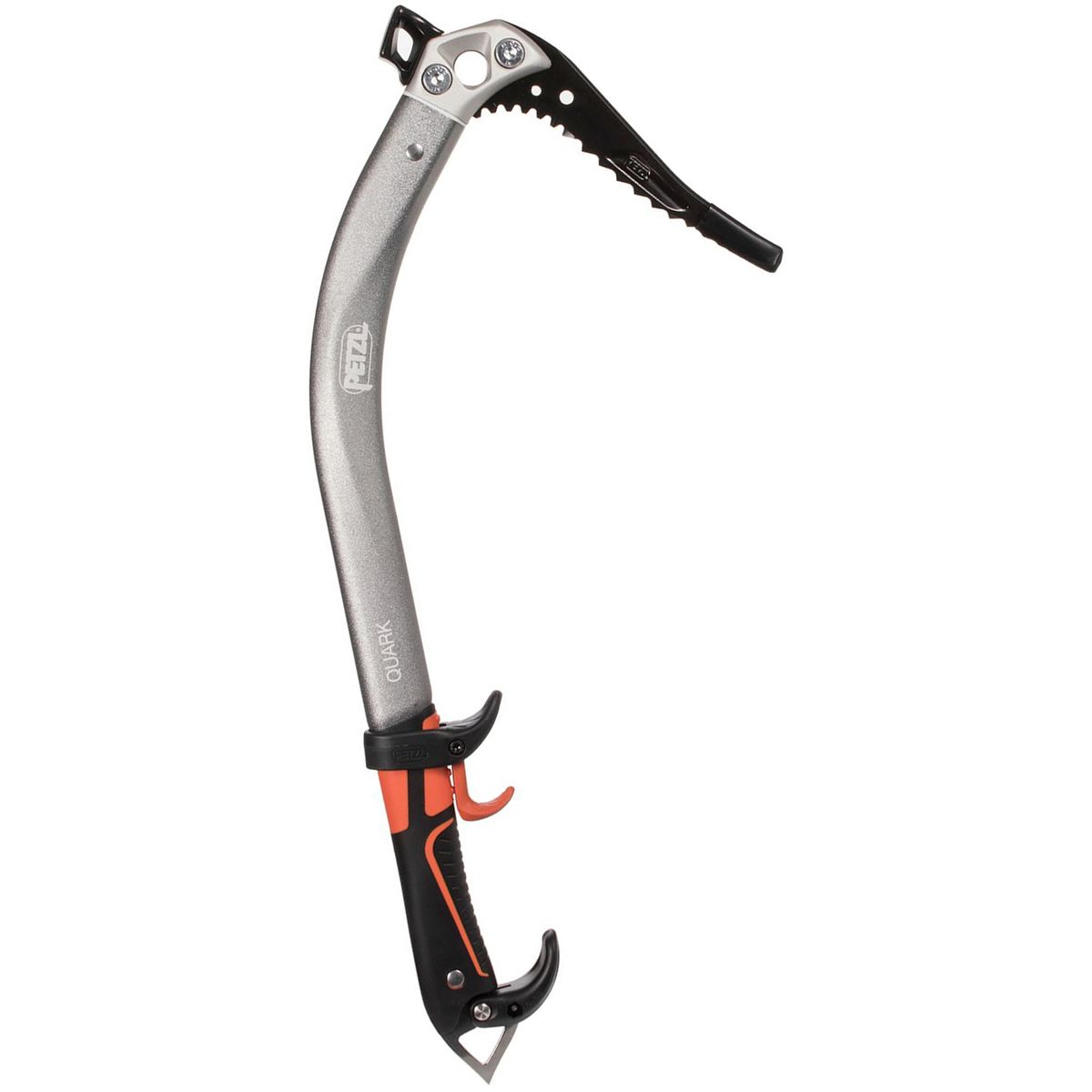
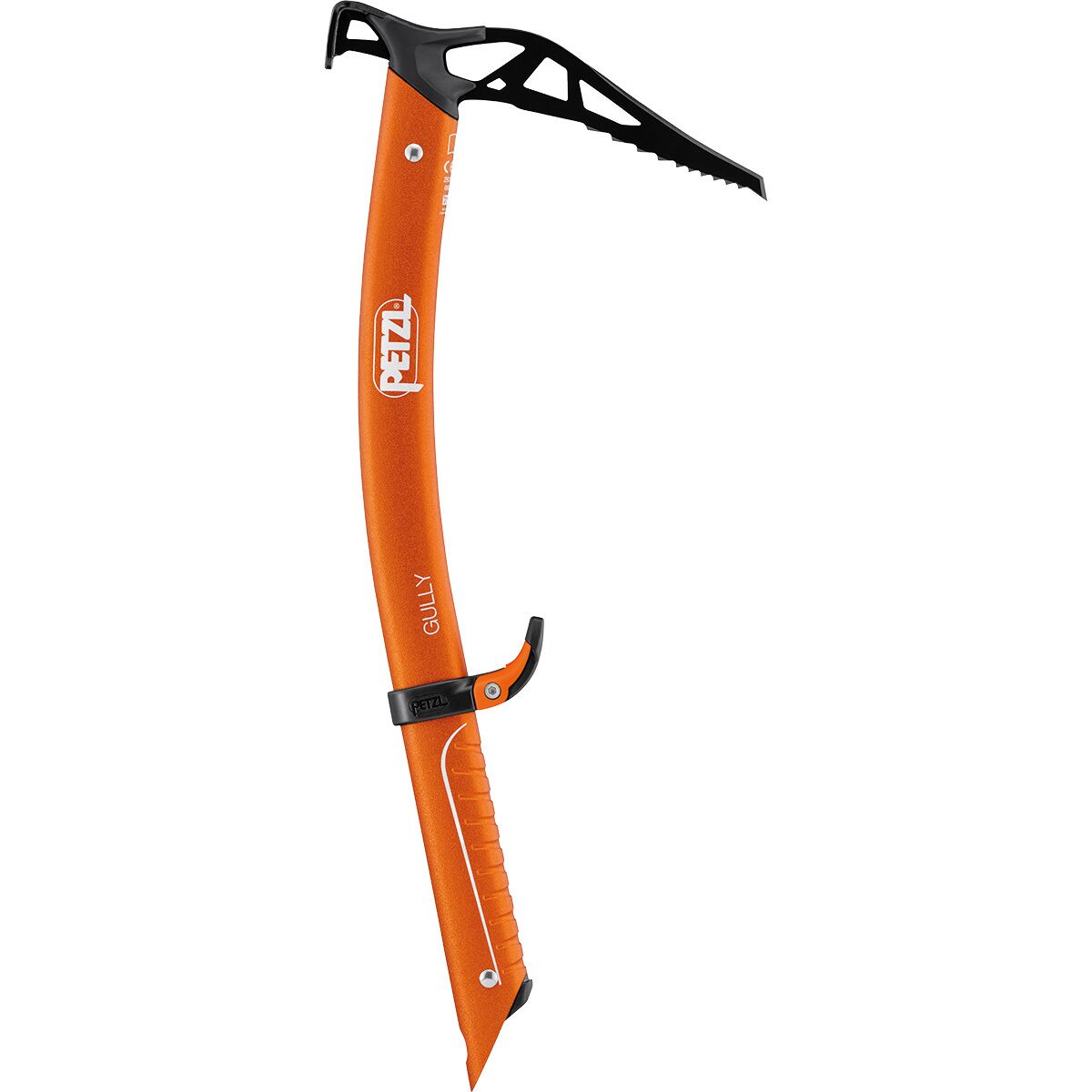
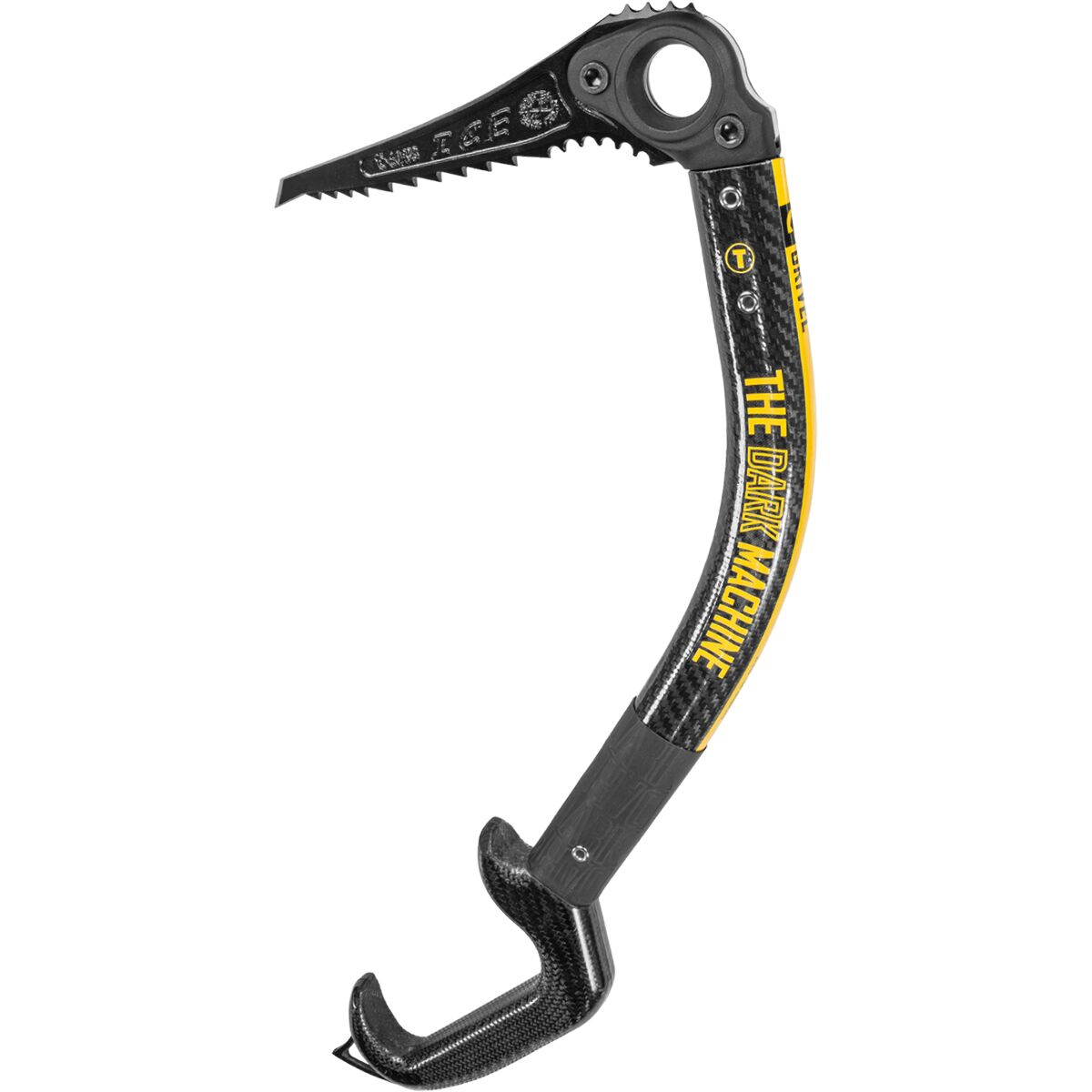
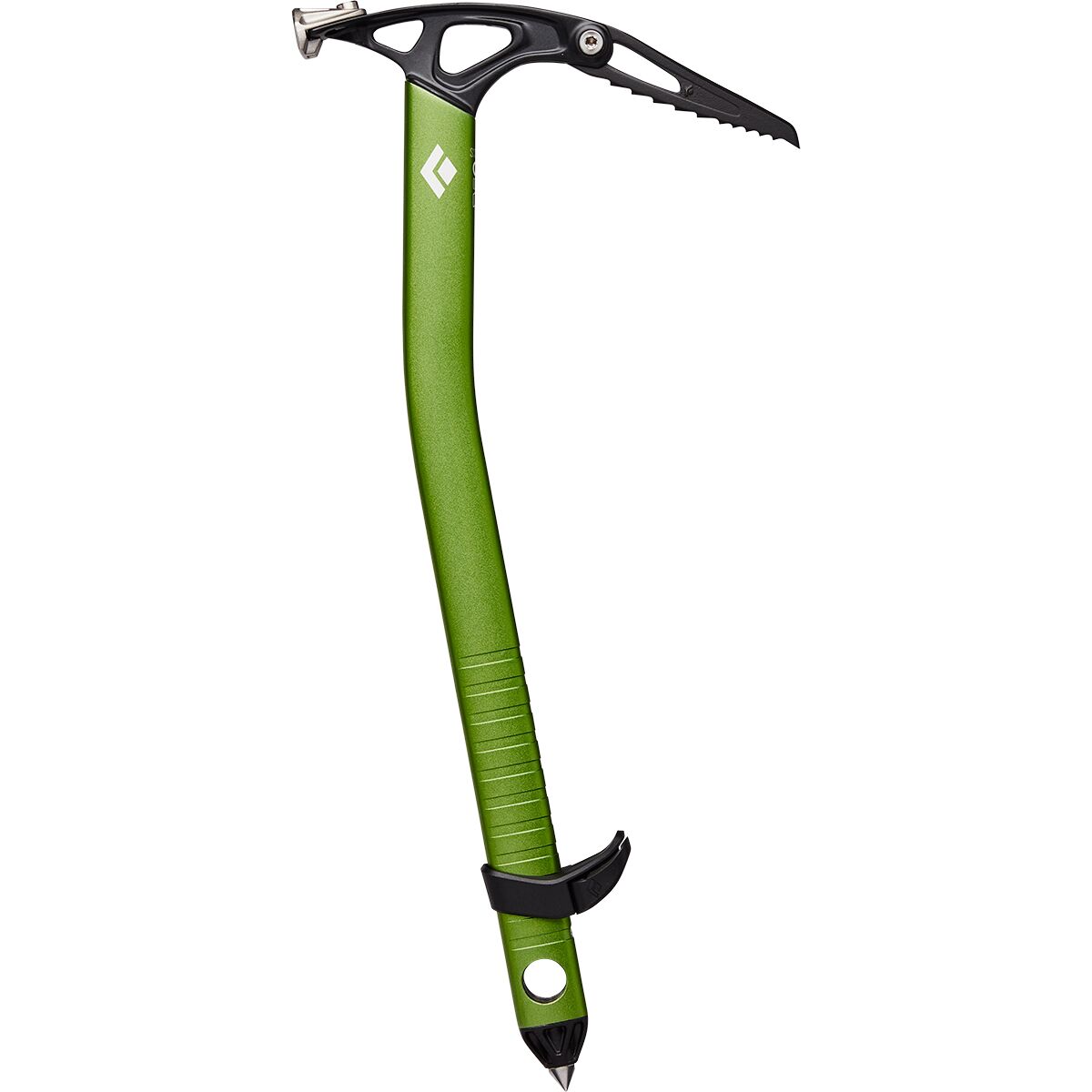
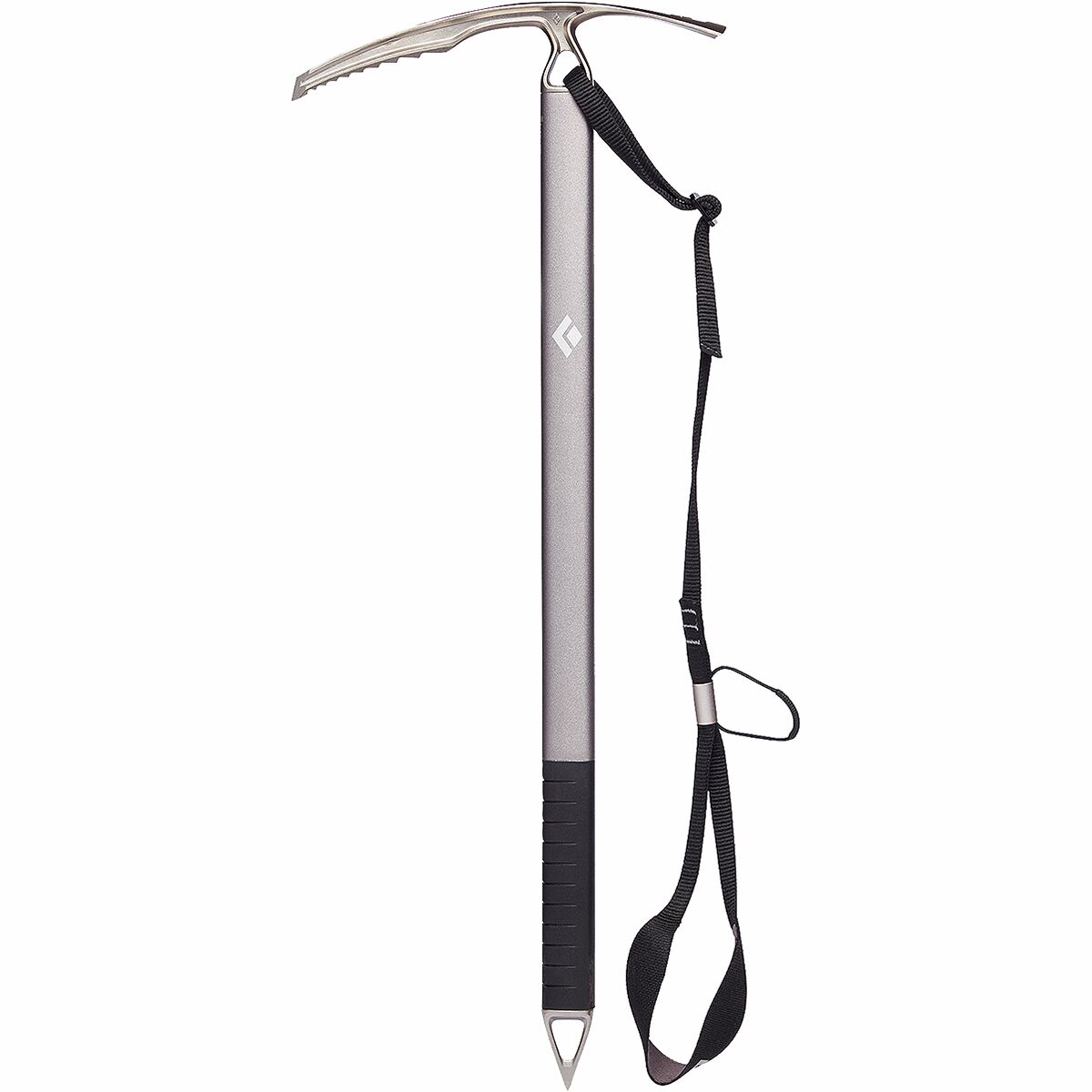
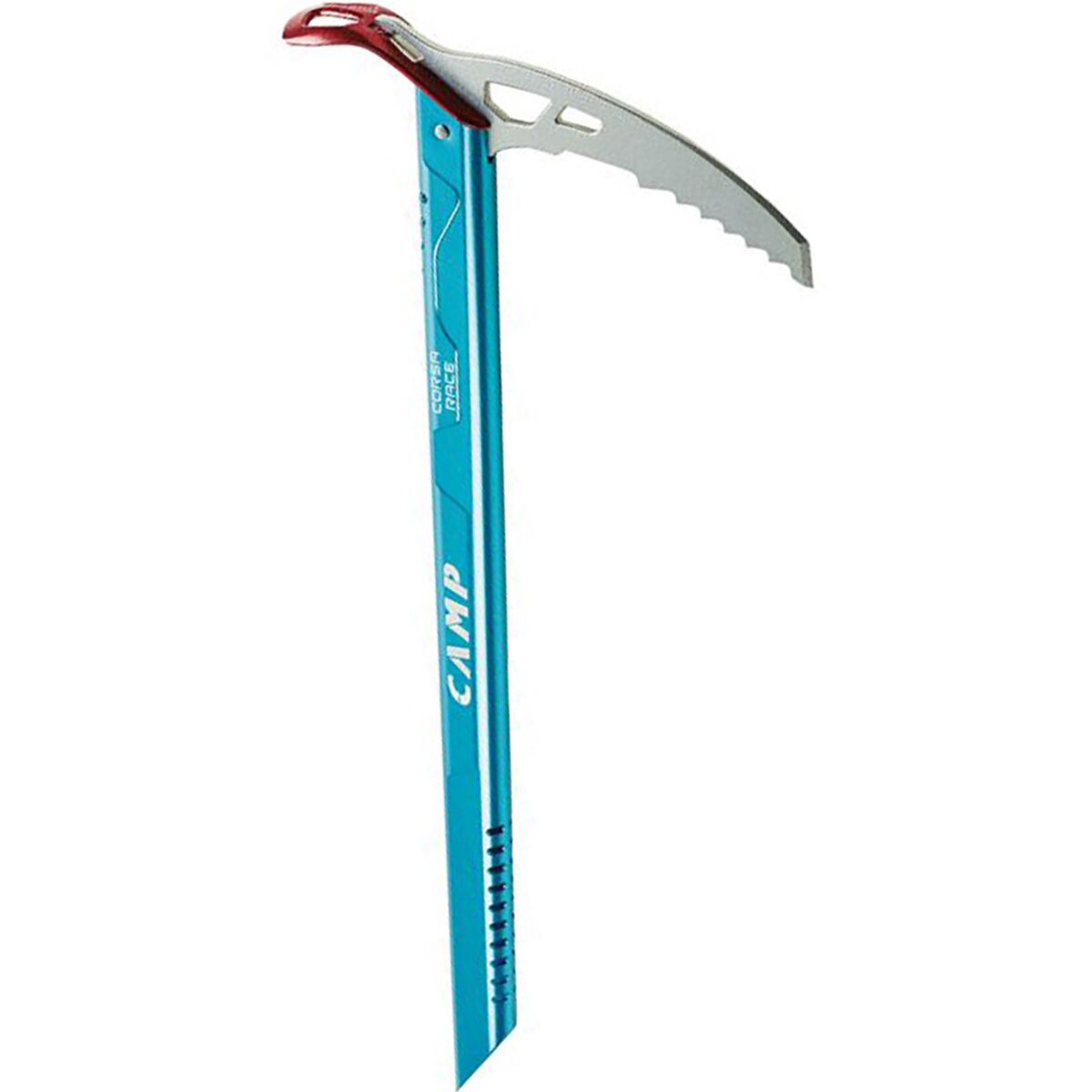
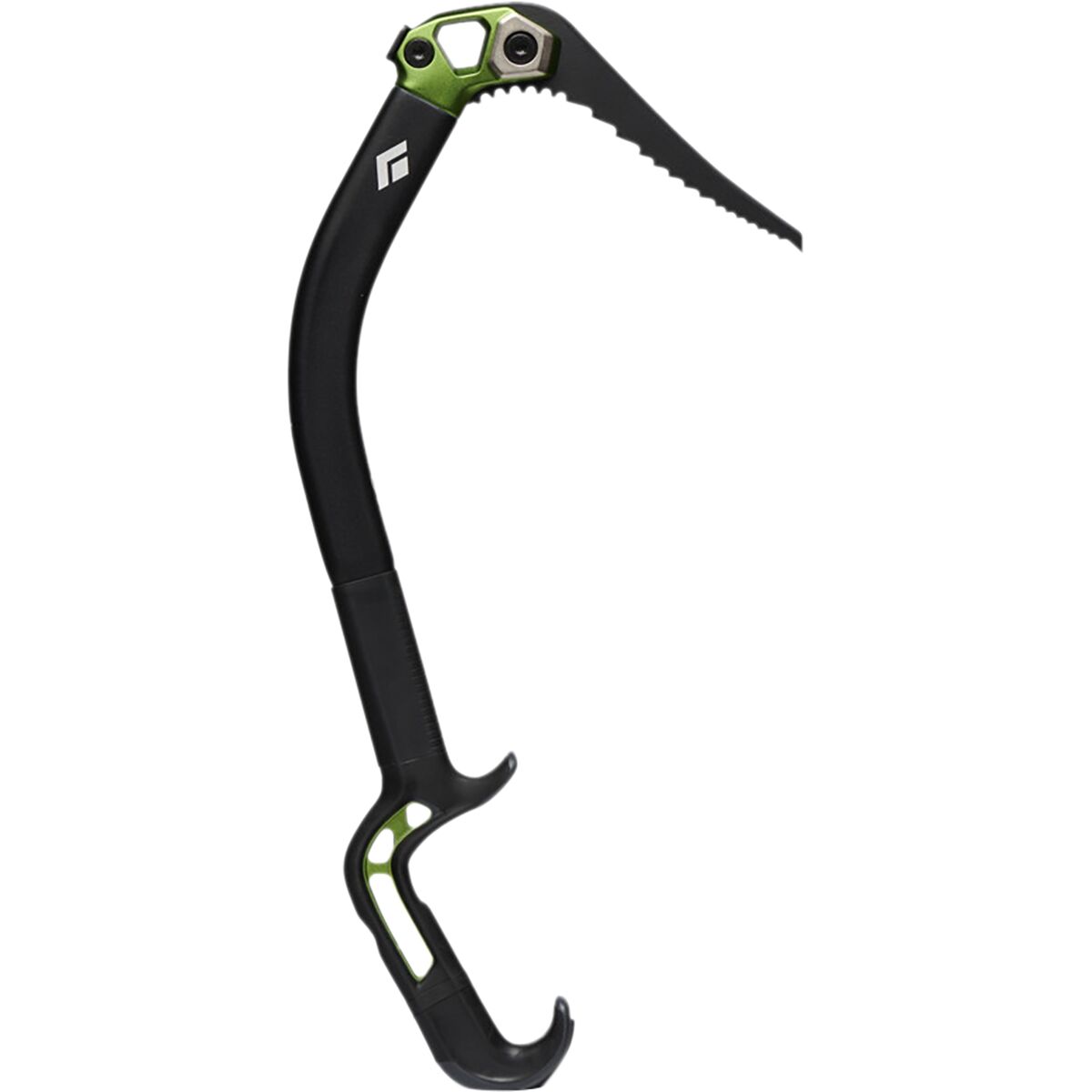
- Black DiamondBlack Diamond Raven Grip Ice Axe$169.95Check price at Back Country (opens in a new tab)
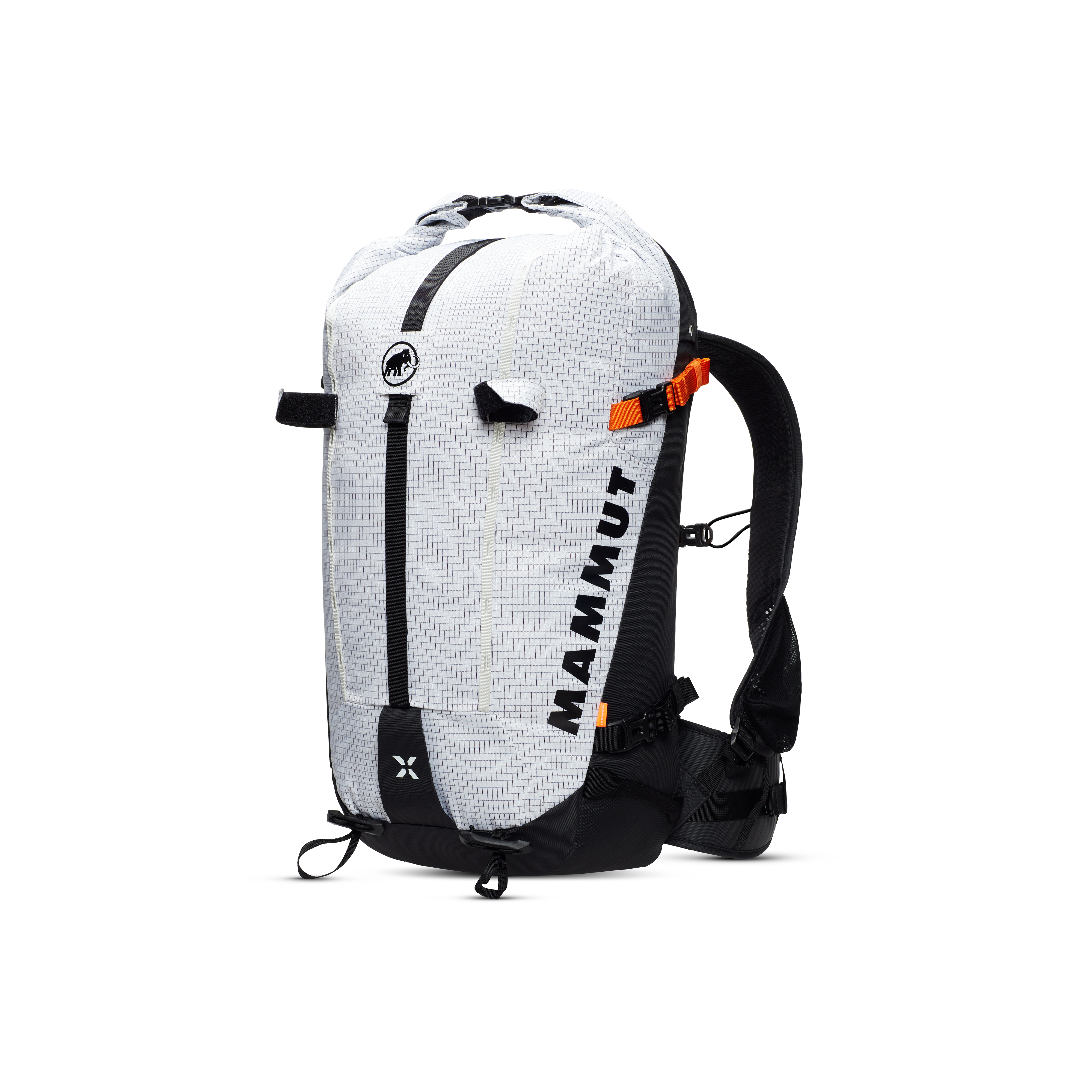
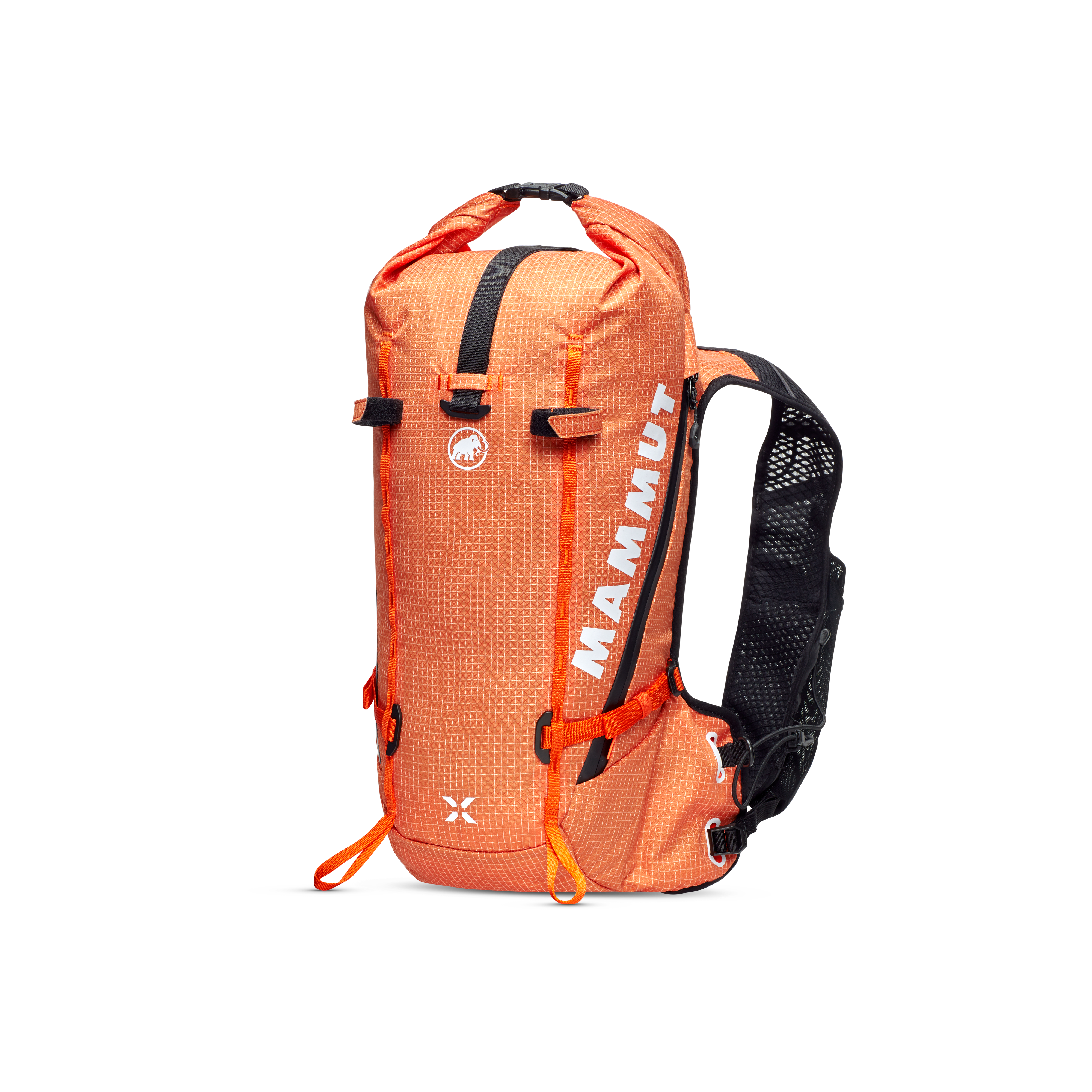
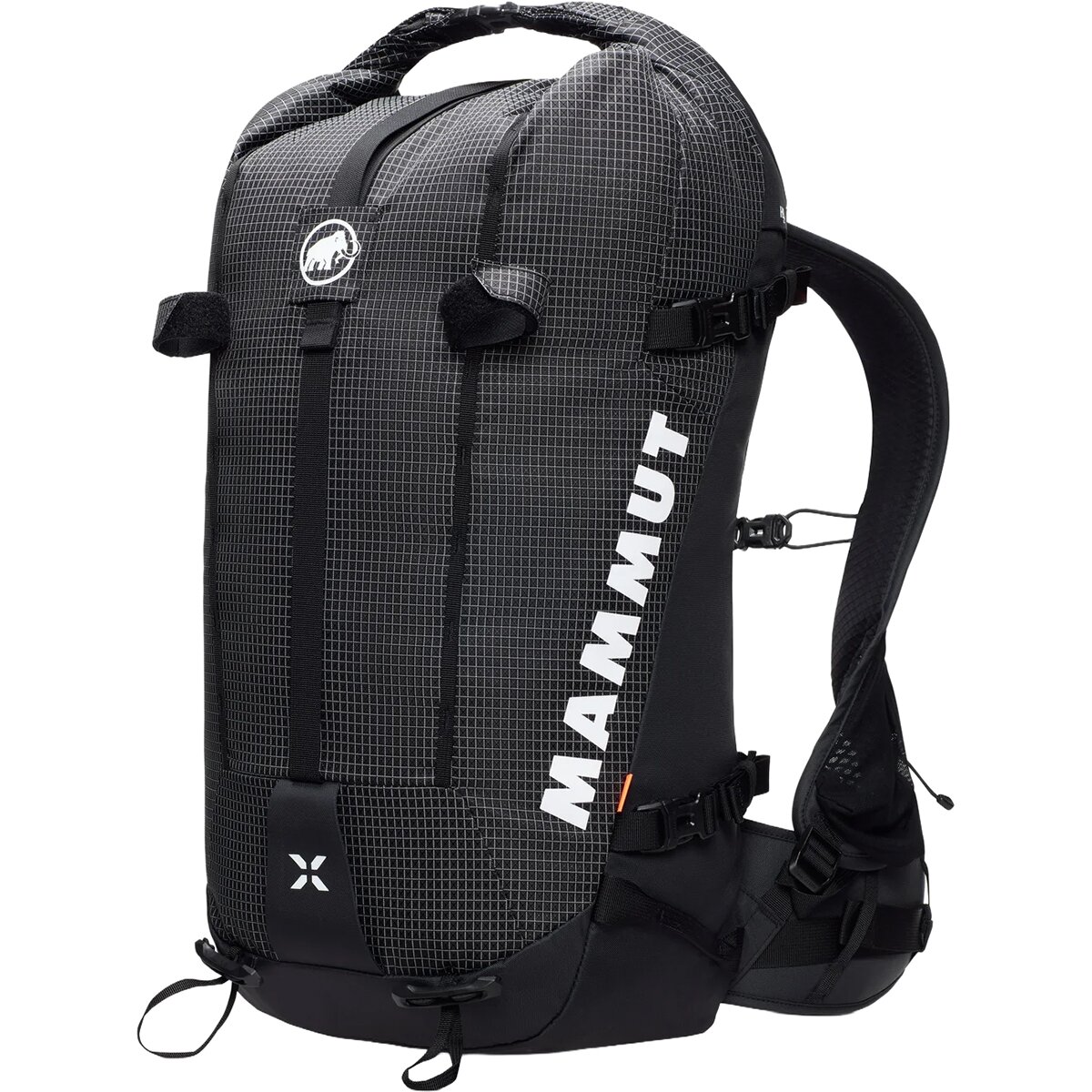
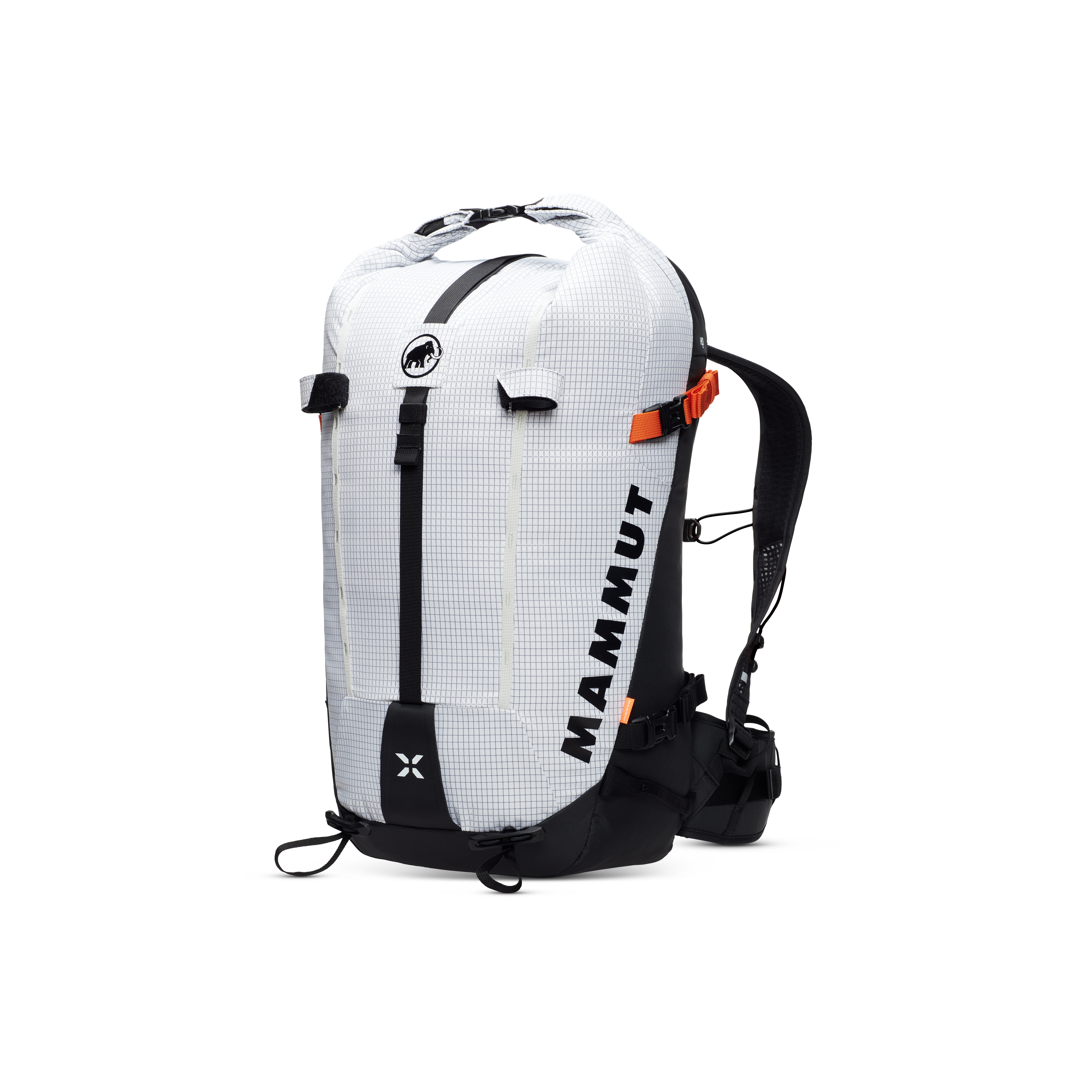
Mammut Trion Packs: Carry the Axe Securely
Mammut’s current Trion mountaineering packs include dedicated ice-axe attachments. This partner placement is intentionally about carrying the tool rather than pretending Mammut currently offers a competing ice-axe line.
Mammut Trion mountaineering packs
Pick, Adze, Spike, Shaft & Grip All Change How the Axe Works.
Pick: classic positive-clearance picks favor secure snow and ice anchoring; more technical reverse-curve geometry improves repeated placements.
Adze: useful for chopping steps, platforms and clearing snow. Ski-focused tools sometimes minimize this to save weight.
Spike: matters when using the axe as a cane in hard snow. Ultralight designs may reduce spike size or use lighter construction.
Shaft: straight shafts excel at plunging. Curved shafts improve hand clearance and swing as terrain steepens.
Grip / hand rest: increasingly valuable on steep terrain, but can interfere with plunging if the design is too technical for walking-heavy routes.
Practice Before the Route Depends on the Axe.
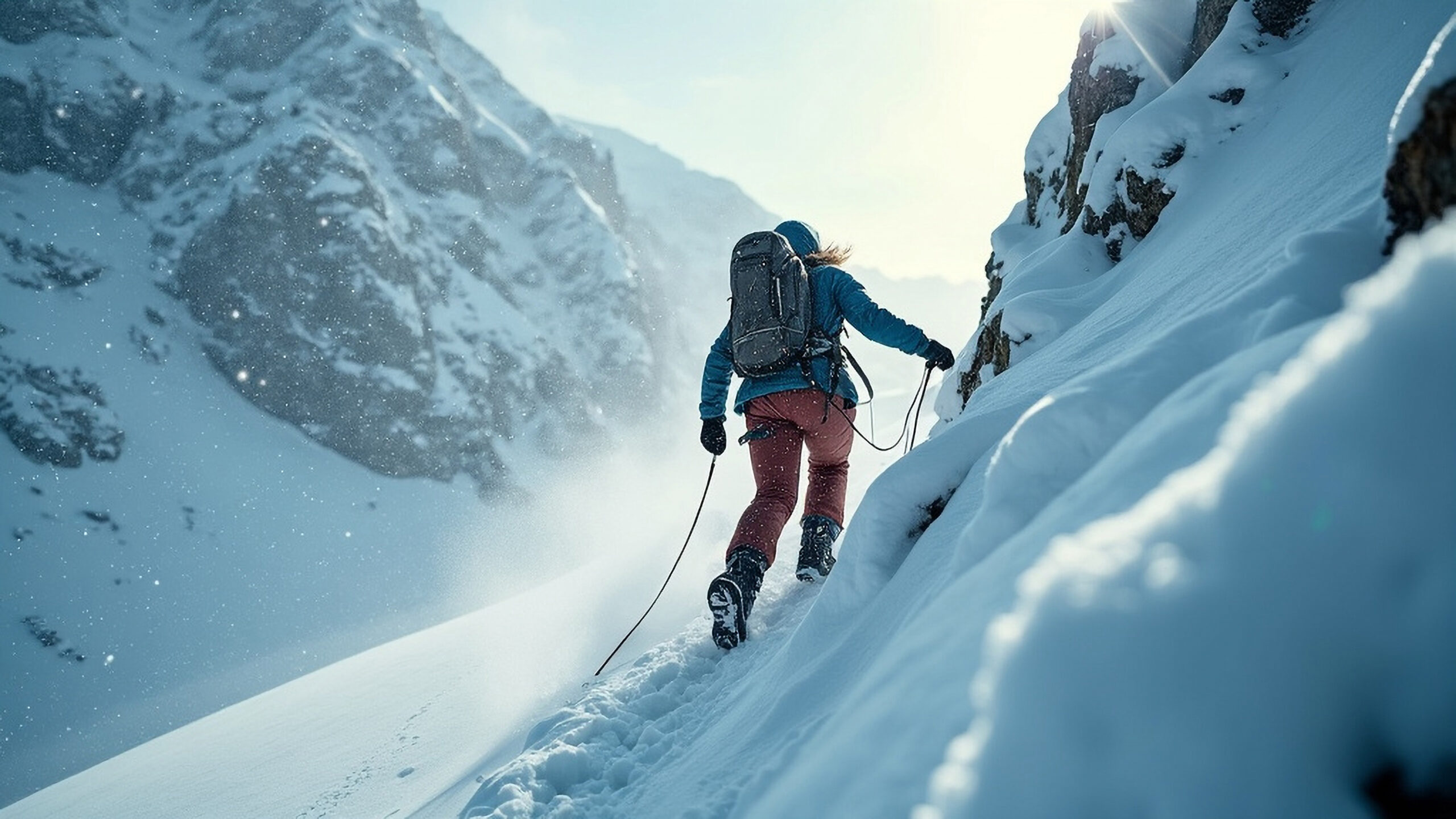
Owning the correct axe does not create self-arrest, glacier-travel or steep-snow competence.
Hand changes
Learn how to move the axe from uphill hand to uphill hand while changing direction.
Plunge + step technique
Practice using the shaft and pick as support without creating awkward body positions.
Safe practice slope
Practice self-arrest in controlled terrain with instruction before exposure.
Rope-team system
An ice axe does not replace roped glacier travel or crevasse-rescue training.
How This Ice Axe Guide Is Built
The rebuild keeps the technically useful Type 1 / Type 2 and sizing framework from the existing page, but moves current product comparison and affiliate inventory much earlier to match the new buyer-guide role.
Current manufacturer verification, without non-affiliate outbound links
Current product lines were rechecked in September 2026 against Petzl, Black Diamond, Grivel and Blue Ice materials. Petzl Summit Evo, Glacier Linkin and Sum’Tec remain current; Black Diamond Raven Pro and Venom LT Classic remain current; Grivel Air Tech Evo and Blue Ice Bluebird / Akila remain current.
The page retains modern EN 13089 Type 1 / Type 2 terminology and UIAA 152 context. Manufacturer names are listed for transparency, but this published HTML intentionally avoids sending readers to non-affiliate manufacturer or retailer links.
No fabricated testing: this is a research-based buyer guide and selection framework. It does not claim that Global Summit Guide field-tested every model.
Best Ice Axes FAQ
What is the best ice axe for general mountaineering?
For glacier travel, snow climbing and classic mountaineering, a classic or mildly curved axe in the correct length is usually the most versatile starting point. Petzl Summit Evo, Black Diamond Raven Pro, Grivel Air Tech Evo and Blue Ice Bluebird are useful comparison models.
What length ice axe do I need?
For many climbers using a general mountaineering axe, roughly 50–65 cm is a useful starting range. Taller climbers and low-angle travel may favor longer lengths, while steeper terrain favors shorter tools.
What is the difference between Type 1 and Type 2?
Type 1 is the standard EN 13089 category used for classic mountaineering and snow travel. Type 2 is the higher-strength category for harder technical use. Older B/T terminology may still appear on some pages.
Do I need one ice axe or two?
Most glacier travel and classic mountaineering uses one axe. Sustained steep ice and mixed climbing commonly uses a pair of technical ice tools rather than two classic walking axes.
Should a beginner buy a technical ice tool?
Usually not for a first standard glacier or snow climb. Buy the tool the current route requires. A highly curved technical tool can be less convenient for ordinary walking, plunging and self-arrest practice.
Should I use an ice axe leash?
Leash use depends on the tool, route and technique. A leash can reduce the chance of dropping the axe but can complicate hand changes. Follow current instruction for the specific terrain and tool.
Can I learn self-arrest from an article?
No. Use articles to understand the concept, then practice with qualified instruction on a safe snow slope before relying on the skill in exposed terrain.
Build the Complete Snow-and-Ice System
Mountaineering & Hiking Gear Guide
Place the axe inside the complete technical equipment system.
TractionBest Mountaineering Crampons
Match crampons to the exact boot and terrain.
FootwearHow to Choose Mountaineering Boots
Build the boot-crampon-axe system from the ground up.
TechniqueHow to Use an Ice Axe
Move from buying the tool to carrying, plunging and using it correctly.
Snow travelSnow Travel Gear
See when poles, microspikes, crampons and an axe belong together.
Planning toolMountain Gear Planner
Build the kit around the actual route and conditions.
Deep recoveryGlacier Travel Basics
Connect the axe to rope-team movement and crevasse risk.
Deep recoveryIce Axe Self-Arrest
Understand the critical skill that must be practiced before consequential snow.
Deep recoveryBest Mountains to Learn Glacier Travel
Choose progression objectives where snow and glacier skills can be built deliberately.
Choose the Mountain First. Then Choose the Axe.
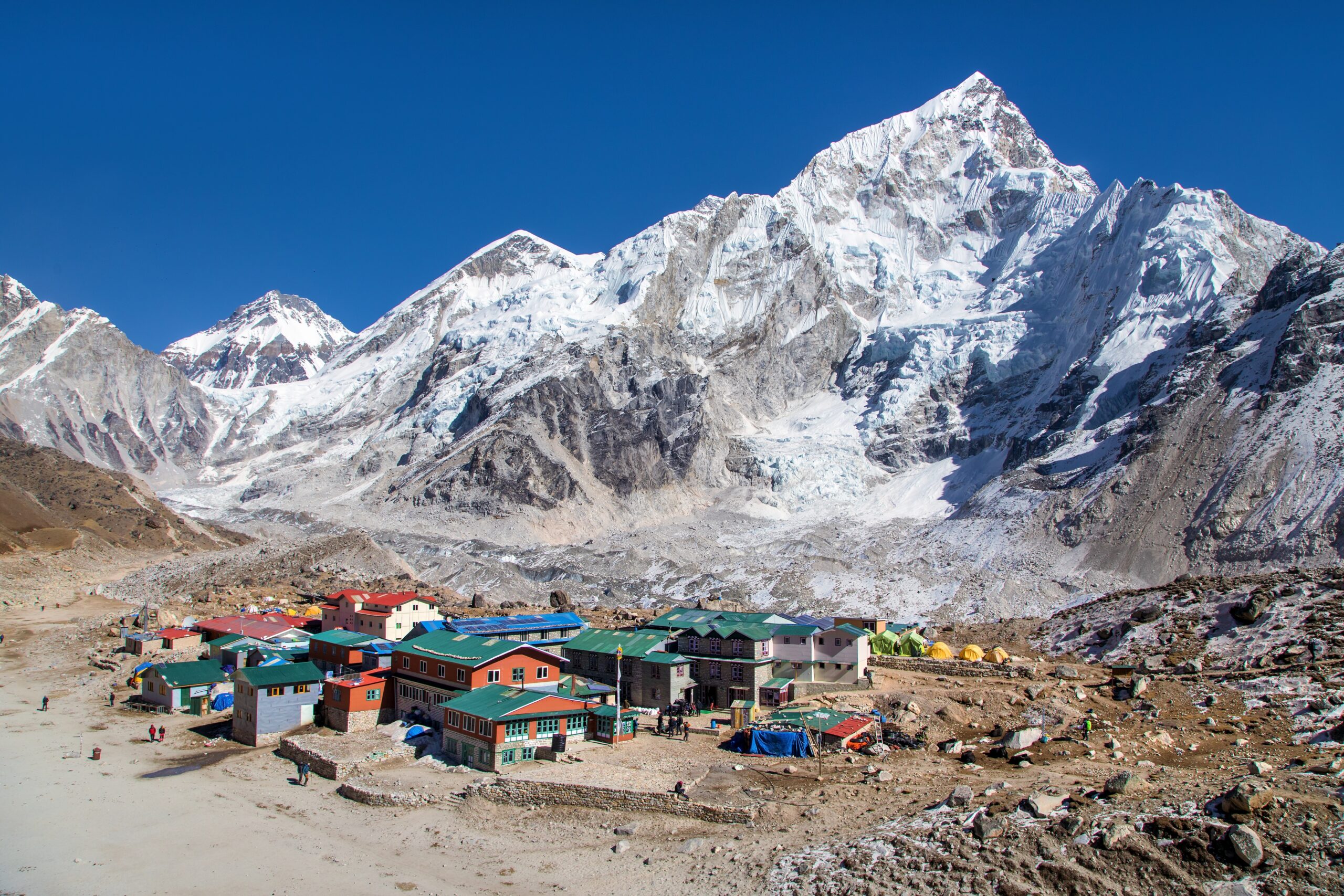
The right first ice axe is usually the least-specialized tool that safely matches the route, length requirement and terrain. Technical tools earn their place when the terrain—not ambition—demands them.
Was this helpful?
🏔Related gear guides
🧭Explore & compare
Global Summit Guide is an independent mountaineering resource founded in 2026. The team combines first-hand trekking and climbing experience with in-depth research and professional health and nutrition review to help climbers choose objectives, prepare properly, and stay safe.
Health, altitude, and nutrition content is reviewed by Taylor Ludlow (Registered Nurse) and Brigg Hoopes (Nutritionist).
What We Don't Know Yet
Mountain information changes quickly. This box explains the limits of what this page can responsibly promise.
- Visa, passport, vaccination, border, insurance, and local transportation rules may change before your trip.
- Route conditions, snowpack, closures, and weather can change quickly after this page is updated.
- Permit rules, fees, quotas, and reservation windows may change between review cycles.
- Operator availability, pricing, guide ratios, and cancellation terms can change by season.
- Your fitness, altitude response, risk tolerance, and experience level may change what is safe or realistic.
Verify current conditions with official land managers, guide services, local forecasts, and current route reports before booking or climbing.
Mountaineering, rock and ice climbing, glacier travel, and high-altitude activity are inherently dangerous and can result in serious injury or death. The information on Global Summit Guide is provided for general informational and educational purposes only and is not a substitute for professional instruction, qualified guiding, proper equipment, or your own judgment and experience.
Route conditions, weather, snowpack, permits, regulations, and hazards change constantly and may differ from what is described here. Details may be incomplete, out of date, or contain errors. Always verify current information with local authorities, certified guides, and official sources before making any decision in the mountains.
Nothing on this site is medical, legal, or financial advice. Our fitness, acclimatization, altitude, and nutrition content is general in nature; consult a qualified physician before beginning any strenuous exercise program or exposing yourself to high altitude.
You are solely responsible for your own safety and decisions. To the fullest extent permitted by law, Global Summit Guide and its team accept no liability for any loss, injury, damage, or expense arising from use of, or reliance on, this information. By using this site you acknowledge these risks and accept these terms.
Some links on this site may be affiliate links. If you buy through them we may earn a small commission at no extra cost to you; this never affects our recommendations.
Global Summit Guide recommendation path
Next Best Mountain to Research
Use these recommendations to continue the right planning path instead of stopping on one page.
Use current permit, weather, route, and operator information before booking or climbing.