
Last updated October 1, 2026
Best Kilimanjaro Tour Operators (2027): 10 Companies Compared
Choosing a Kilimanjaro operator is mostly a decision about route length, safety systems, porter welfare, support style and price transparency — not just brand recognition. We compare 10 strong Kilimanjaro companies and show which operators best fit first-timers, value-focused climbers, premium trekkers and travelers seeking longer acclimatization schedules.
The Best Kilimanjaro Operator Depends on Route Length, Support Model and Budget.
Ultimate Kilimanjaro remains our strongest all-around first look because it combines clear public pricing, multiple seven-to-nine-day route choices, substantial planning information and a long reputation among North American climbers.
Climb Kili is one of the clearest public value options. Peak Planet becomes especially interesting if you want longer itineraries. Tusker Trail stands out for premium safety emphasis and mountain comfort. Altezza Travel is one of the strongest large Tanzania-based direct operations.
The most important idea on this page is simple: do not choose the company before choosing the itinerary. A strong operator cannot create acclimatization time that is not built into the schedule. For many first-time altitude trekkers, the first screen should be seven to nine mountain days, followed by guide systems, emergency procedures, porter welfare and then price.
Best Kilimanjaro Operators by Traveler Type
These are best-fit recommendations rather than a universal safety ranking. The right company changes depending on your budget, itinerary preference, previous altitude experience and preferred level of support.
Ultimate Kilimanjaro
A strong starting point for first-time climbers who want clear prices, multiple route-length choices and extensive preparation material.
Climb Kili
Transparent pricing makes the tradeoffs easier to understand without automatically dropping to an overly compressed itinerary.
Peak Planet
Longer route options make Peak Planet especially interesting for climbers prioritizing acclimatization time.
Tusker Trail
A long-established premium specialist with an emphasis on longer programs, mountain support and comfort.
Intrepid Travel
Well suited to solo travelers who prefer a recognizable international small-group structure and familiar booking process.
Altezza Travel
Broad route inventory, direct Tanzania operations, private and group departures and integrated safari logistics.
10 Kilimanjaro Tour Operators Compared
Prices are examples from publicly available operator information and can change by season, route, group size and inclusions. Always request the current written trip price before booking.
| Rank | Operator | Published Price Signal | Route / Format | Best For | Responsibility Signal | Our Verdict |
|---|---|---|---|---|---|---|
| 1 | Ultimate Kilimanjaro | Approx. $2,939 Machame · $3,299 8-day Lemosho · $3,649 Northern Circuit | 7–9 day scheduled and private options | First-time climbers wanting an easy comparison starting point | Strong signal | Best all-around first look |
| 2 | Climb Kili | Approx. $2,795 7-day Machame · $2,995 8-day Lemosho | Direct specialist | Value-focused climbers | Strong signal | Best public value |
| 3 | Peak Planet | Approx. $2,859 Machame · $3,169 Lemosho · $3,469 Northern Circuit | Longer 9–11 day route formats | Climbers prioritizing acclimatization | Strong signal | Best long-itinerary value |
| 4 | Tusker Trail | Approx. $3,180 Machame · $6,340 Lemosho · $6,790 Spiral | Premium longer-format expeditions | Premium safety and comfort | Strong signal | Premium safety-first fit |
| 5 | Intrepid Travel | Varies by departure | International small-group structure | Solo travelers | Confirm exact local structure | Easy mainstream booking option |
| 6 | Altezza Travel | Route and group-size dependent | Large Tanzania-based operation | Climbers wanting broad direct-local logistics | Review exact package | Strong local platform |
| 7 | Alpine Ascents | Premium · confirm current quote | Expedition-guiding ecosystem | Seven Summits progression climbers | Package specific | Strong brand-continuity option |
| 8 | Thomson Treks | Grand Traverse from about $9,190 | Longer premium route formats | Travelers prioritizing maximum acclimatization and support | Very strong signal | Elite premium long-route choice |
| 9 | Kandoo Adventures | Approx. $2,565 Machame · $3,235 Lemosho | Packaged international departures | UK and global travelers | Strong signal | Solid global mid-range option |
| 10 | Zara Tours | Request current quote | Established local operator | Travelers comparing classic Moshi-based companies | Compare exact package | Long-running local option |
How to Choose a Kilimanjaro Operator in the Right Order
Many climbers choose in the wrong sequence. They start with company names, then marketing, then price. A stronger process starts with itinerary length.
For many first-time altitude trekkers, seven to nine mountain days provides a stronger acclimatization framework.
Decide whether you want value-focused, premium comfort, direct local, solo small-group or broader expedition-brand support.
Compare guide training, oxygen, health monitoring, tents, food, porter welfare and emergency systems.
Now compare the company, exact inclusions, price and whether its strengths actually match your priorities.
If budget is the main driver
Begin with Climb Kili, Ultimate Kilimanjaro and Kandoo. Avoid saving money solely by shortening the itinerary.
If acclimatization is the priority
Begin with Peak Planet, Thomson Treks and Tusker Trail.
If premium support is the priority
Begin with Tusker Trail, Thomson Treks and Alpine Ascents.
What Your Kilimanjaro Fee Actually Pays For
Kilimanjaro prices vary because companies are packaging very different route lengths, staffing systems, camp setups and levels of planning support.
The useful price question
The better question is not simply: “Who is cheapest?”
Ask: “What exact route length, staff structure and support level am I receiving for this price?”
A transparent mid-range operator running an eight-day Lemosho can be a better purchase than a premium brand offering a more compressed itinerary.
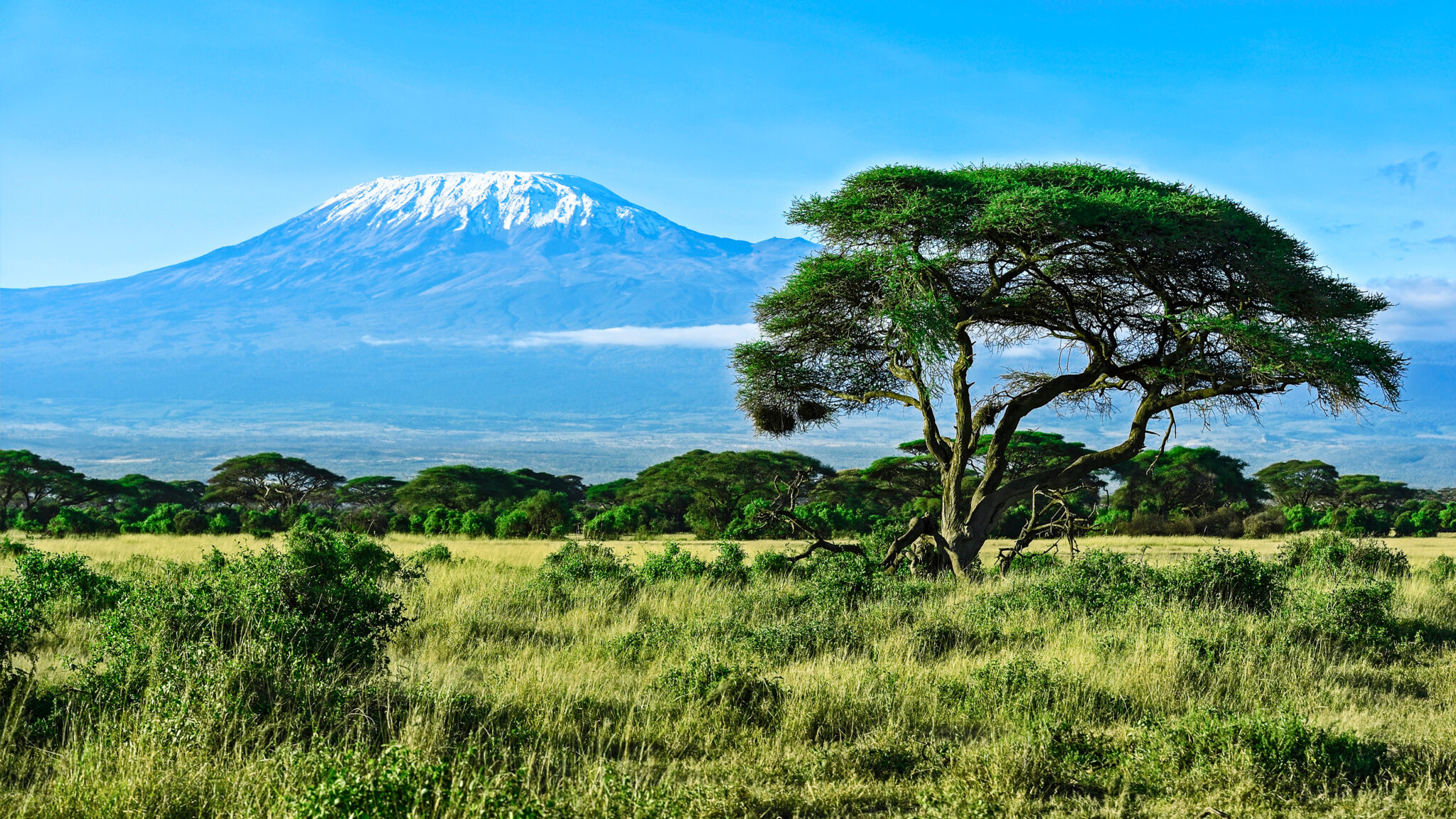
Why Route Length Matters More Than Many Brand Differences
These bars illustrate planning margin rather than a published summit-success percentage. Individual altitude response varies significantly.
Machame 7
Strong mainstream first choice and widely available.
Lemosho 8
One of our favorite first-time Kilimanjaro itinerary structures.
Northern Circuit 9
Excellent for climbers prioritizing acclimatization time.
Marangu 5–6
Can fit certain travelers, but usually is not our first recommendation for a first altitude trip.
Our Kilimanjaro Operator Methodology
1. Itinerary quality
Does the company offer sensible seven-to-nine-day options rather than emphasizing compressed itineraries?
2. Price transparency
Are route-by-route prices and inclusions easy to find and compare?
3. Porter welfare
Responsible-travel participation, load limits, staff treatment, food and equipment all matter.
4. Safety systems
We look for visible health monitoring, emergency oxygen, guide training, evacuation systems and good summit-night management.
5. Support model
Direct-local, premium specialist, solo group travel and expedition-brand continuity all suit different climbers.
6. Planning usefulness
The best company websites actually help people make better decisions before paying a deposit.
The Best Kilimanjaro Operators in Detail
Use these profiles after deciding what kind of Kilimanjaro climb you actually want.
Ultimate Kilimanjaro
Ultimate Kilimanjaro is our strongest overall comparison anchor because it creates a very understandable buying process for first-time climbers: clear route-by-route prices, multiple route lengths and substantial planning information.
Strong route selection, transparent planning material and a very useful first operator to benchmark against competitors.
Compare the exact guide structure, route dates and inclusions against the current quote you receive.
Climb Kili
Climb Kili earns a high position because the value proposition is easy to understand. A sensible seven- or eight-day itinerary is available without forcing climbers into the shortest possible climb.
Transparent pricing and competitive route choices.
Value-conscious travelers who still want enough mountain days.
Peak Planet
Peak Planet is particularly interesting for people asking the right question: how can I buy more acclimatization time without immediately moving into ultra-premium pricing?
Long route formats give climbers a substantial acclimatization advantage compared with compressed itineraries.
Compare current inclusions and group structure with Ultimate Kilimanjaro and other mid-market operators.
Tusker Trail
Tusker is not competing primarily on the lowest price. Its proposition is more about mountain support, longer programs, medical awareness and an upgraded camp experience.
Intrepid Travel
Intrepid fits travelers who value a familiar international booking structure, social group atmosphere and straightforward trip planning.
Altezza Travel
Altezza offers broad route inventory, group and private trips and integrated Tanzania safari logistics, making it a powerful direct-local option.
7. Alpine Ascents
Especially interesting for climbers who may continue into larger guided mountaineering objectives after Kilimanjaro.
8. Thomson Treks
A premium option distinguished by longer itineraries, serious acclimatization design and a high-support trip model.
9. Kandoo Adventures
A strong packaged global option, especially relevant to UK and international travelers.
10. Zara Tours
A long-standing Moshi-based local operator worth including in any broader direct-local comparison.
Porter Welfare Is an Important Screen — But Not the Whole Decision
What a good signal looks like
Transparent pay practices, load limits, adequate staff gear, good food and responsible-travel participation are all positive signs.
What it does not tell you
It does not automatically tell you whether the itinerary is long enough, whether the summit-night strategy is strong or whether the company fits your budget and travel style.
Our approach
Use porter welfare as an important filter and then keep comparing the full expedition system.
12 Questions Every Kilimanjaro Operator Should Answer Clearly
A good company should be able to explain why that itinerary fits your experience.
Ask about symptoms, pulse oximetry and escalation procedures.
Clarify whether oxygen is emergency-only or part of a broader medical protocol.
Ask how staffing changes with group size.
Camp recovery matters more than many first-time climbers expect.
Compare total cost rather than just the mountain package.
Ask about pacing, start time and how slower climbers are handled.
Hydration and nutrition become important performance variables at altitude.
Load limits, food, clothing and payment systems should be transparent.
Ask which guide descends and how the remainder of the group is supported.
Private trips may improve pacing flexibility but often increase cost significantly.
Tips, gear rental, flights and additional hotel nights can change the final trip cost.
Kilimanjaro Route Orientation
Operator choice only makes sense inside route choice. Compare Machame, Lemosho, Northern Circuit, Rongai and Marangu according to route length, scenery, traffic and acclimatization needs.
Geographic orientation only. Exact route lines, camps and trailhead logistics depend on your itinerary and operator.
Which Kilimanjaro Operator Fits You?
Price-conscious first-timer
Start with: Climb Kili, Ultimate Kilimanjaro, Kandoo
Route target: 7-day Machame or 8-day Lemosho
Best acclimatization margin
Start with: Peak Planet, Thomson Treks, Tusker
Route target: 9+ day options
Premium / comfort-focused
Start with: Tusker, Thomson, Alpine Ascents
Solo traveler
Start with: Intrepid, Ultimate, Kandoo
Direct Tanzania operator
Start with: Altezza, Climb Kili, Zara
Seven Summits progression
Start with: Alpine Ascents, Tusker
Kilimanjaro Operator Questions
What makes a good Kilimanjaro operator?
A strong operator combines a sensible itinerary, visible emergency systems, good guide structure, fair porter treatment, transparent pricing and a route recommendation that fits the climber rather than simply selling the shortest departure.
What is the best Kilimanjaro operator for most first-time climbers?
Ultimate Kilimanjaro is our strongest all-around first look because of its route mix, pricing transparency and planning information. Climb Kili and Peak Planet may be better choices when value or longer acclimatization schedules are your biggest priorities.
How much should climbing Kilimanjaro cost?
Many serious mid-range climbs on sensible seven- and eight-day itineraries fall roughly in the high-$2,000s to mid-$3,000s. Premium specialists and long high-support trips can cost much more.
Is the cheapest Kilimanjaro operator automatically bad?
No. A low price is not automatically a warning sign. The important question is what route length, staffing, porter system and mountain support sit behind that price.
How many days should I spend climbing Kilimanjaro?
For many first-time altitude trekkers, seven to nine mountain days is a strong planning range. Individual acclimatization varies, but more time generally gives the body a better opportunity to adapt than a compressed itinerary.
Is responsible-travel or porter-welfare participation enough by itself?
No. It is an important positive signal, but climbers should still compare route length, guide ratios, health-monitoring systems, camp quality, inclusions and overall operator fit.
Build the Rest of Your Kilimanjaro Climb
How This Kilimanjaro Operator Guide Was Built
Global Summit Guide combines current operator information, our operator-comparison methodology and first-hand Kilimanjaro experience from our 2025 climb.
- Route quality and acclimatization time receive significant weight.
- Transparent published pricing is rewarded.
- Porter-welfare participation is treated as an important signal rather than an automatic endorsement.
- Different support models are compared according to traveler fit rather than pretending every operator sells an identical product.
- We do not fabricate star ratings or artificial safety scores.
Always verify directly before booking: current prices, route dates, guide ratios, cancellation terms, emergency procedures and exact inclusions.
What Our Own Lemosho Climb Taught Us About Choosing an Operator
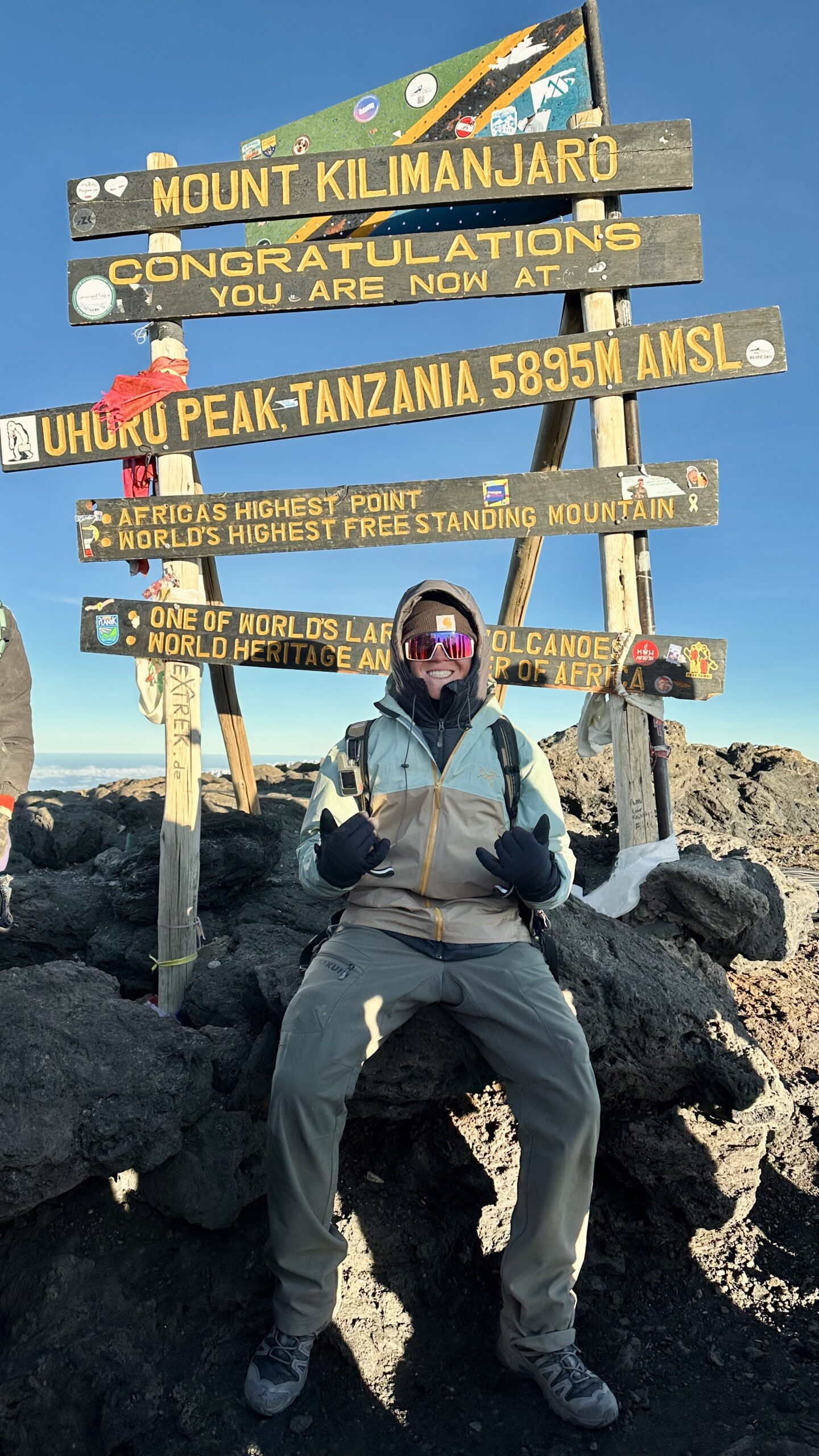
Kilimanjaro is the one mountain on this site our team has actually climbed. Dawson Ludlow, our Climbing and Mountaineering Lead, reached Uhuru Peak by the Lemosho route with African Walking Company. We have not climbed with all ten companies compared above, so what follows is not a first-hand review of each operator. It is the shortlist of things that only became obvious once we had lived a full Kilimanjaro climb – the factors that should shape which company you trust, and the questions earlier on this page.
The Slow Pace Is the Product
On the mountain, the single most important thing a guide does is protect the group from going too fast. “Pole pole” is not decoration; it is acclimatization strategy. The operators worth paying for are the ones whose guides hold a disciplined slow pace even when the fittest client wants to push ahead.
Ask: how do guides manage pace differences in the group?You Watch How the Crew Is Treated, Every Day
Porter and crew welfare is not an abstract badge – it is visible in front of you the whole climb: loads, food, sleep, gear and shelter. A responsible-travel roster is a screening signal, but the daily reality on the mountain is the real test. It is also, honestly, part of whether the trip feels right.
Ask: how are loads checked and crew equipment and food provided?Summit Night Is Where the Support Model Is Tested
The midnight start, the cold and the thinning air change the problem entirely. This is where guide-to-client ratio and who carries and controls emergency oxygen matter most – not on the gentle lower days. A company that looks similar on paper can feel very different in those hours above 5,000 metres.
Ask: what is the ratio above high camp, and who controls the oxygen?Uhuru Is the Midpoint, Not the Finish
Reaching the summit can hide how depleted a climber is, and the long descent after a midnight start is its own event. A good operator plans for continued food, water, pacing and observation on the way down. The support that ends at the summit sign is the support that was never really there.
Ask: what does the support plan look like after Uhuru?Daily Checks and Real Turnaround Authority
Altitude does not care about fitness. The companies we would trust monitor climbers daily and give their guides clear, unquestioned authority to turn a client around. Vague reassurance is a warning sign; a written protocol and a guide empowered to enforce it is what you actually want.
Ask: what is measured, how often, and who can force a descent?The Extra Days Were the Acclimatization
The strongest lesson from a longer route is the simplest: time on the mountain is what lets your body adjust. Route length is the lever you control, and no operator can add acclimatization that is not in the schedule. Be wary of any company steering a first-timer toward the shortest possible itinerary.
Ask: how many true mountain days, not trip days, are on this program?First-hand experience: Dawson Ludlow, Climbing & Mountaineering Lead (Uhuru Peak via Lemosho). Comparison research and editing: Travis Ludlow. Medical review: Taylor Ludlow, RN.
Was this helpful?
🧭Explore & compare
Global Summit Guide is an independent mountaineering resource founded in 2026. The team combines first-hand trekking and climbing experience with in-depth research and professional health and nutrition review to help climbers choose objectives, prepare properly, and stay safe.
Health, altitude, and nutrition content is reviewed by Taylor Ludlow (Registered Nurse) and Brigg Hoopes (Nutritionist).
What We Don't Know Yet
Mountain information changes quickly. This box explains the limits of what this page can responsibly promise.
- Guide-company prices, departure dates, guide ratios, included services, and cancellation rules can change without notice.
- Comparisons simplify complex decisions; the better mountain depends on current conditions, skills, timing, budget, and risk tolerance.
- Visa, passport, vaccination, border, insurance, and local transportation rules may change before your trip.
Verify current conditions with official land managers, guide services, local forecasts, and current route reports before booking or climbing.
Mountaineering, rock and ice climbing, glacier travel, and high-altitude activity are inherently dangerous and can result in serious injury or death. The information on Global Summit Guide is provided for general informational and educational purposes only and is not a substitute for professional instruction, qualified guiding, proper equipment, or your own judgment and experience.
Route conditions, weather, snowpack, permits, regulations, and hazards change constantly and may differ from what is described here. Details may be incomplete, out of date, or contain errors. Always verify current information with local authorities, certified guides, and official sources before making any decision in the mountains.
Nothing on this site is medical, legal, or financial advice. Our fitness, acclimatization, altitude, and nutrition content is general in nature; consult a qualified physician before beginning any strenuous exercise program or exposing yourself to high altitude.
You are solely responsible for your own safety and decisions. To the fullest extent permitted by law, Global Summit Guide and its team accept no liability for any loss, injury, damage, or expense arising from use of, or reliance on, this information. By using this site you acknowledge these risks and accept these terms.
Some links on this site may be affiliate links. If you buy through them we may earn a small commission at no extra cost to you; this never affects our recommendations.
Global Summit Guide recommendation path
Next Best Mountain to Research
Use these recommendations to continue the right planning path instead of stopping on one page.
Use current permit, weather, route, and operator information before booking or climbing.
Search Flights, Hotels & Rental Cars
Have the mountain or destination picked? Use Expedia to compare the flights, lodging and rental cars that fit your actual trip dates. For mountain travel, consider arriving early enough for delays and adding a buffer night after the climb before a fixed flight home.
Compare current flight, hotel and car options.
Affiliate disclosure: Global Summit Guide may earn a commission if you book through this link, at no additional cost to you.