<
How to Choose and Vet an Expedition Operator
Choosing a Mountaineering Operator: Complete 2026 Guide to Guide Companies | Global Summit Guide
Operator Intelligence · Pillar Guide · Updated April 2026

Choosing a Mountaineering Operator: The Complete 2026 Guide

The operator you hire controls more of your expedition than you probably realize — your guide ratio above the high camp, how many bottles of oxygen you climb with, whether your summit push waits out a weather window or pushes into it, and who is holding the radio when something goes wrong at 8,000 meters. Gear can be replaced. Routes can be changed. The operator you booked six months ago cannot. This guide walks through how to evaluate a mountaineering company the way an experienced climber does — what the certifications actually mean, what the ratios actually buy you, and which questions separate a serious outfit from a well-marketed one.

8
Evaluation
criteria
$30K–$160K
Everest price
spread
40+ pts
Success rate
variance
Zero
Paid
placements

Most first-time expedition climbers spend weeks researching boots and days researching operators. The ratio should be reversed. On Everest in a given season, the spread between operators is extraordinary — expedition prices run from roughly $30,000 with budget Nepali outfits to $160,000+ with premium Western-led flash expeditions, for the same mountain, the same route, the same weather windows. Summit success rates across operators in the same year can differ by forty points or more. Safety records diverge just as sharply. These differences are not random. They track directly to the eight variables this guide covers — and a climber who understands them can read an operator’s website in ten minutes and know whether they belong on the shortlist.

How this guide was researched

This guide draws on published operator documents (contracts, itineraries, cancellation schedules), client interviews across recent seasons, post-expedition reports, and direct conversation with operators. Claims are cross-referenced against at least two independent sources before publication. Operator pages are verified twice yearly — before the spring Himalaya season and before the autumn Karakoram and Cho Oyu seasons. We accept no payment in exchange for coverage, placement, or favorable treatment. Fact-check date: April 18, 2026.

Why Operator Choice Matters More Than People Realize

The stakes rise with the mountain. On Rainier or Aconcagua, a weak operator costs you a summit. On Denali, it can cost you toes. On the 8,000-meter peaks, it can cost you your life. Choosing well is not about finding the most expensive company or the one with the most famous guides — it is about matching an operator’s actual operating model to the climb you are attempting and the climber you currently are.

Everest price range
$30K–$160K+
Same mountain, same route, 5x spread
Success rate variance
40+ points
Between operators in the same season
Sherpa insurance floor
$15K–$20K
Nepali regulatory minimum per climber
Everest summit bonus
$1.5K–$3K
Expected per Sherpa, paid in cash
All-in cost markup
15–25%
Above the headline quote on 8,000m
Booking lead time
12–24 mo
Standard to premium flash

A climber who understands these variables can read an operator’s website in ten minutes and know whether they belong on the shortlist. A climber who does not will default to price, reputation, or whichever company advertised hardest on Instagram. The sections that follow break down the eight variables that matter, in the order an experienced climber would weigh them.


How to Evaluate a Mountaineering Operator

The eight variables below are what separate serious operators from the rest. Read them in order — they build on each other, and the later ones (cancellation, safety, client fit) only make sense once you understand the earlier ones (ratios, certifications, oxygen).

01
Operational Variable

Guide Ratios: What 1:1, 1:2, and 1:3 Actually Mean

Guide ratio is the single most important operational variable on a big mountain, and it is also the one operators describe most loosely. A “1:2 ratio” on a company’s website can mean half a dozen different things depending on where on the mountain you are and what day it is.

The ratio changes with altitude. On most Everest expeditions, the ratio at base camp is functionally irrelevant — everyone is eating dal bhat in the dining tent. The ratio on the Khumbu Icefall rotation matters more. The ratio above the South Col on summit night matters most of all, and it is often different from the ratio advertised. A company marketing “1:2 guiding” may run 1:2 up to Camp 3 and then shift to 1:1 with a personal climbing Sherpa for the summit push — which is actually what you want — or it may run 1:2 all the way to the top, which on a bad-weather summit day is where accidents happen.

Western guide vs climbing Sherpa. Most 8,000-meter expeditions run a two-tier system: a Western lead guide (IFMGA-certified, usually) responsible for decision-making, and climbing Sherpas who handle the ropes, loads, and one-on-one support on the hill. When an operator says “1:1,” ask immediately: 1:1 with the Western guide, or 1:1 with a climbing Sherpa? Both are valid models. They are not the same product.

Ratio upgrades. Many mid-tier operators sell a base package at 1:3 or 1:2 with the option to upgrade to a personal climbing Sherpa for an additional $8,000 to $15,000. On Everest specifically, this upgrade is worth serious consideration for any climber who is not already confident at altitude. It is the difference between having someone beside you on the summit ridge and hoping the group stays together.

What to ask the operator

What is the ratio on summit day above the South Col? Is that with a Western guide or a climbing Sherpa? What happens if I turn around and the rest of the group continues — who comes down with me?

02
Credentials

Certifications: IFMGA, AMGA, UIAGM, and Where Nepal Fits

IFMGA / UIAGM (International Federation of Mountain Guides Associations) is the international gold standard. A guide with the IFMGA pin has passed rock, ice, ski, and alpine exams through a multi-year program, typically six to eight years end-to-end. On technical terrain — Denali’s West Buttress in bad conditions, the Eiger, anything in the Alps — IFMGA certification is the credential that matters.

AMGA (American Mountain Guides Association) is the U.S. body and the pathway American guides take to IFMGA. An AMGA-certified Alpine Guide is IFMGA-equivalent for most practical purposes on North American terrain.

NNMGA (Nepal National Mountain Guide Association) is Nepal’s IFMGA-affiliated body. A NNMGA-certified Sherpa has passed the same international curriculum as a Western IFMGA guide. As of the mid-2020s the number of fully IFMGA-certified Nepali guides is still small (roughly 60 to 80), and they command premium rates. When a Nepali-led operator can put an NNMGA guide on your rope team, that is a serious credential.

What certification does not tell you. A company can advertise “IFMGA guides” and mean that the lead Western guide on the expedition is certified, while the climbing Sherpas actually working next to you on summit day are not. This is not necessarily a problem — experienced Everest Sherpas without certification often have more 8,000-meter summits than the certified Western guide does — but it is a thing to be clear-eyed about.

What to ask the operator

Is my lead guide IFMGA-certified? Are any of the climbing Sherpas NNMGA-certified? How many 8,000-meter summits does my assigned Sherpa have?

03
Life Support

Oxygen Strategy on High Peaks

Oxygen is where operators differentiate most aggressively and where marketing language is thickest. “Unlimited oxygen” is the phrase you will see most often, and it means almost nothing without specifics.

Bottles per climber. The relevant number is total bottles allocated to you personally over the expedition. A budget Everest operator may include four bottles. A mid-tier operator includes five to seven. Premium operators include seven to nine, plus reserves staged at the South Col. More bottles means more margin — higher flow rates, more sleep oxygen, more reserve if the weather window extends.

Flow rates. Oxygen flows in liters per minute. Most climbers summit Everest at 2–3 LPM. Going higher (4 LPM) makes the mountain feel meaningfully smaller but burns bottles fast. Sleep oxygen at Camps 3 and 4 is typically 0.5–1 LPM. When an operator says “unlimited oxygen,” ask what flow rate they plan for summit day.

Sleep oxygen. Sleeping on oxygen at Camp 3 (7,200m) and Camp 4 (7,950m) materially improves recovery and summit-day performance. Budget operators often skip sleep oxygen to save bottles. Premium operators include it as standard. This is one of the cleanest price-to-performance markers on an Everest expedition.

Masks and regulators. Summit Oxygen and Poisk are the two dominant systems. Both work. What matters is that your mask fits properly (tested before you leave base camp, not at Camp 2) and that the regulator has been maintained.

What to ask the operator

How many bottles per climber total? What flow rate on summit day? Is sleep oxygen included at Camps 3 and 4? Is there a reserve bottle staged above the South Col per climber?

04
Staffing Model

Sherpa and Porter Support: What the Structure Reveals

The staffing model of an expedition tells you more about the operator than almost any other single thing.

The three roles. Climbing Sherpas are the mountaineers who work above base camp — fixing ropes, carrying loads to the high camps, and climbing one-on-one with clients on summit day. High-altitude porters typically work the lower stretch, moving loads between base camp and Camp 2 on Everest or equivalent. Base camp staff — cooks, kitchen hands, base camp managers — run the logistics below the mountain. A serious operator has clear roles and adequate staffing in all three tiers.

The ethics layer. Sherpa and porter welfare is a real differentiator, and it is increasingly something clients are evaluating. The markers: fair wages (a climbing Sherpa on Everest should earn at minimum several thousand dollars for the season plus summit bonuses), proper insurance (life insurance of at least $15,000–$20,000 per climbing Sherpa is now standard and required by Nepali regulation), and load limits that match international labor norms. Operators who are proud of their staffing model will tell you about it without being asked.

Nepali-owned vs Western-owned. Nepali-owned operators (Seven Summit Treks, Imagine Nepal, 8K Expeditions) have grown from small outfits into major forces. Western-owned operators (IMG, Alpenglow, Madison, Furtenbach) typically partner with Nepali staffing agencies or have long-standing relationships with specific Sherpa teams. Neither model is inherently safer or more ethical — the spread within each category is wider than the spread between them. Judge the individual operator, not the flag.

What to ask the operator

What is the wage and bonus structure for my climbing Sherpa? What insurance do they carry? How long has my assigned Sherpa worked with your company?

05
Contract Terms

Cancellation and Refund Policies

This is the clause almost nobody reads carefully and almost everybody regrets not reading. On a $60,000 expedition, the cancellation terms can be the difference between losing a deposit and losing the entire fee.

The standard structure. Most operators use a tiered cancellation schedule tied to days before departure. A typical structure: full refund minus a small admin fee more than 180 days out; 50% refund between 90 and 180 days; 25% refund between 60 and 90 days; no refund inside 60 days. Premium operators sometimes run tighter schedules, and budget operators sometimes run looser ones on paper while being harder to actually collect from. Read the exact schedule, not the summary.

Who bears the risk of what. The critical distinction is between client-side cancellations (injury, lost job, visa problems) and operator-side or force-majeure cancellations (permit pulled, route closed, expedition cancelled). A climber-friendly policy gives meaningful credit or refund when the operator cancels and when permits or force majeure intervene. Many policies do not — they keep your money and offer a future-season credit, sometimes with price escalation.

Medical cancellations. If you develop HAPE at Camp 2 and are evacuated, you have not received the expedition you paid for. Almost no operator refunds in this case — the expedition was delivered, you were the one unable to continue. This is what travel insurance with cancel-for-medical-reasons and trip-interruption coverage exists for, and it is non-negotiable on an 8,000-meter trip.

Operator-side cancellation. What happens if the operator cancels the expedition? This happened multiple times during COVID, happens occasionally when permits are delayed, and happens every few years when a company over-sells and pulls the plug. The policy should spell out whether you get a refund, a credit, or a credit with an expiration date. Credits with 12-month expirations on an expedition that runs once a year are functionally worthless.

What to ask the operator

Send me the full cancellation schedule in writing. What is your policy if you cancel the expedition? What is your policy if the permit is delayed or pulled? Are credits transferable to a different climber or a different peak?

06
Risk Infrastructure

Safety Record and Evacuation Protocols

Operators will not volunteer their safety record. You have to ask, and you have to know what to ask for.

What “safety record” actually means. It is not a single number. It is a combination of client fatalities, Sherpa fatalities, serious injuries, and evacuations, over a defined number of expeditions. A company that has run forty Everest expeditions with zero client fatalities is in a different category than one that has run four. Both may advertise a “perfect safety record.” Neither should be evaluated without volume context. The death rate by mountain data helps contextualize operator records against the underlying peak risk.

Medical staff on expedition. On a big peak, ask whether the operator carries a dedicated expedition doctor at base camp for the full season, uses a shared clinic (Everest ER at base camp is the classic example — excellent but shared across many teams), or relies on the lead guide’s wilderness-medicine training. All three are defensible models; the differences matter when someone on your team develops pulmonary edema at 2 AM.

Evacuation coverage. On Everest specifically, helicopter evacuation from Camp 2 and below is now routine and has saved many lives. The operator should be able to tell you which helicopter company they work with, what the typical response time is, and whether evacuation costs are covered by your deposit or billed against your travel insurance. (Almost always the latter — which is why your insurance needs to include helicopter evacuation to at least 6,000 meters, which many standard policies do not.)

Gamow bags and oxygen. A portable altitude chamber (Gamow bag or CERTEC) at base camp is standard equipment with serious operators. Bottled oxygen at base camp for emergency use is also standard. These are small items that signal whether the operator has thought the problem through.

What to ask the operator

How many expeditions have you run on this peak, and what is your client-fatality record across all of them? Do you carry a dedicated expedition doctor? Which helicopter company do you work with? Do you have a Gamow bag at base camp?

07
Matching

Client Type Fit: Matching the Operator to the Climber You Are

An operator that is excellent for one climber can be a poor fit for another. Honest self-assessment is the variable most first-time expedition climbers skip.

First-timers on an 8,000er. If this is your first 8,000-meter peak, you want an operator with a strong teaching culture, a high guide ratio (1:1 with a climbing Sherpa at minimum on summit day), a conservative turn-around discipline, and a track record of running novice-friendly programs. IMG, Adventure Consultants, and CTSS fit this profile. What you do not want is a flash expedition that assumes you arrive already acclimatized and already skilled.

Experienced climbers. If you have done Denali, Aconcagua, and a 7,000er, your priorities shift. You can trade guide ratio for speed, or team size for flexibility. You may actively prefer a smaller operator where the lead guide knows your name and you are not being managed through a large group.

Speed-focused climbers. Flash expeditions — 3 to 4 weeks total rather than the traditional 8 to 10 — use pre-acclimatization protocols (hypoxic tents at home, or pre-expedition rotations on a lower peak) to compress the timeline. This is the right model for a climber who cannot take two months off work but can train intensively beforehand. Alpenglow pioneered the commercial flash model; Furtenbach has pushed it further.

Skills-development climbers. Some climbers want the expedition to make them better, not just to get them to the summit. This is a different product — smaller groups, more instruction, more time spent on technique. Madison and boutique outfits like Mountain Trip lean into this.

Budget-conscious climbers. The budget end of the market is dominated by Nepali-owned operators who can run expeditions at a fraction of Western prices because their staff, permits, and logistics costs are structurally lower. The quality spread at the budget end is wide — some are excellent, some are genuinely dangerous. A $35,000 Everest expedition is not automatically a bad expedition. It is an expedition where you need to ask every question on this page twice.

What to ask yourself

Am I buying a summit, a learning experience, a fast timeline, or a bucket-list check? Do I want to climb with an operator whose model I will be comfortable with when conditions go sideways?

08
Financial Due Diligence

Price Transparency: Reading the Quote

The price on the homepage is rarely the price you will pay. Understanding the gap is a basic competence for booking an expedition.

What is typically included. Permits, base camp services, climbing Sherpa support, oxygen (with the caveats above), group equipment, in-country transport from a defined start point, and base camp food. Most reputable operators include these as standard.

What is commonly excluded. International flights, visa fees, hotel nights in Kathmandu or Lima or Anchorage before and after the expedition, personal climbing gear, trekking insurance and climbing insurance, helicopter evacuation fees (billed to your insurance), summit bonuses and tips for Sherpa staff (expected and significant — on Everest, $1,500 to $3,000 per climber is the norm), oxygen upgrades, personal Sherpa upgrades, and satellite communication beyond shared base camp Wi-Fi.

The tipping line. Summit bonuses are the most misunderstood item. On Everest, Sherpa staff expect summit bonuses paid directly in cash, separate from the expedition fee. This is not a gratuity in the Western sense — it is a structural part of their compensation and has been for decades. Budget operators sometimes advertise lower headline prices by excluding summit bonuses that premium operators fold into the fee. Verify this explicitly.

The real cost. Add the excluded items and a realistic Everest budget starts 15 to 25 percent above the headline quote. A $45,000 expedition is closer to $55,000 all-in for most climbers. A $75,000 expedition is closer to $85,000. Build your budget on the all-in number, not the headline.

What to ask the operator

Send me a line-item list of what is and is not included. What do you recommend as a tipping budget? Is sleep oxygen included? Is a personal climbing Sherpa included or an upgrade?


Compare Operators by Peak

Operator choice is peak-specific. An outstanding Everest operator may be a middling Denali operator and have no Aconcagua program at all. The comparisons below pull the variables above into a side-by-side view for each peak.

Live · Updated 2026

Everest Operators Compared

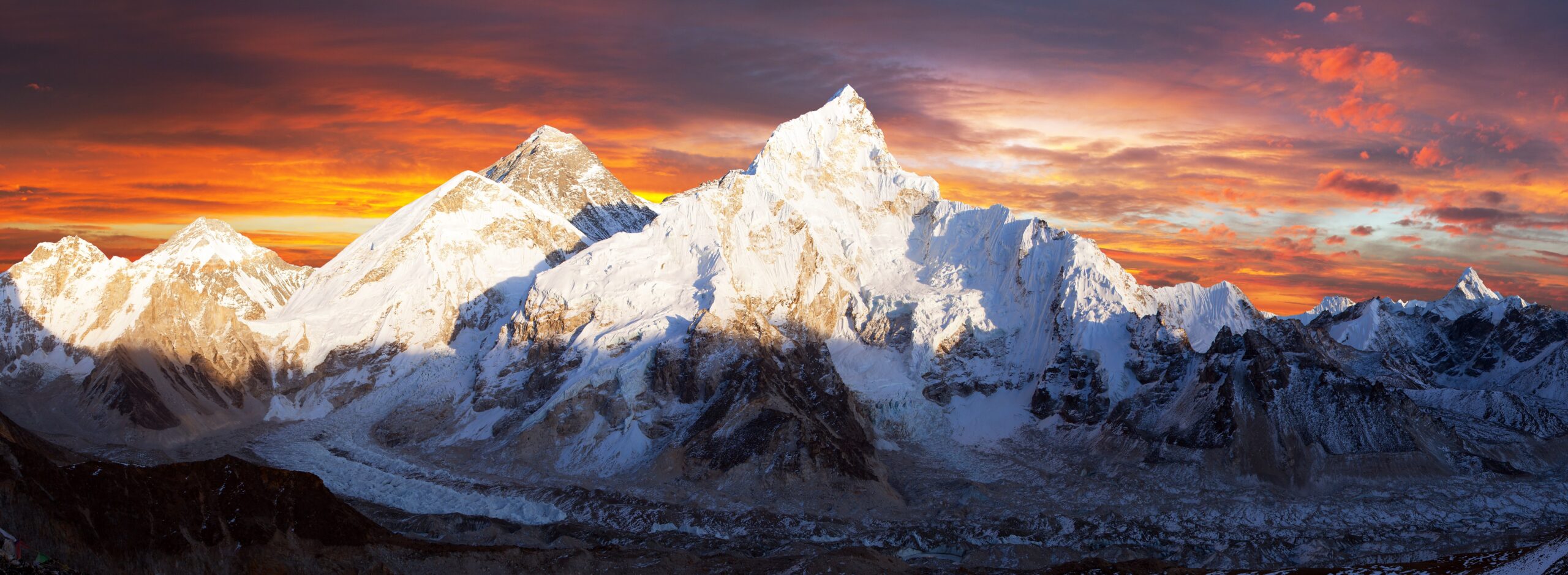
8,849 m · Nepal & Tibet

Ten operators ranked across guide ratio, oxygen allocation, cancellation terms, and client-type fit. Updated for the 2026 season.

View Comparison →
Coming Soon

Denali Operators Compared

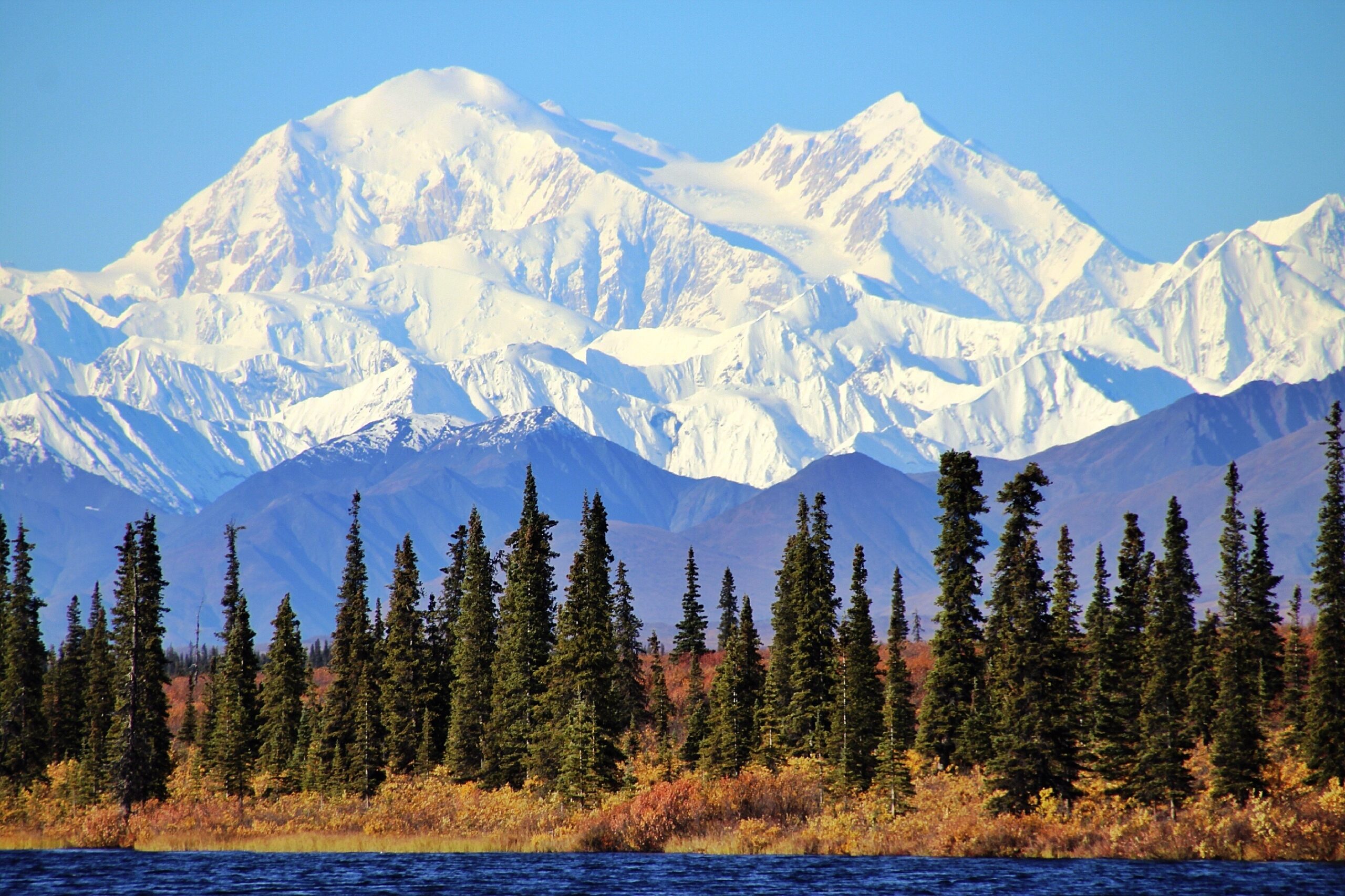
6,190 m · Alaska

The six concessionaires permitted by the National Park Service, compared across guiding style, expedition length, and skills emphasis.

In Research
Coming Soon

Aconcagua Operators Compared

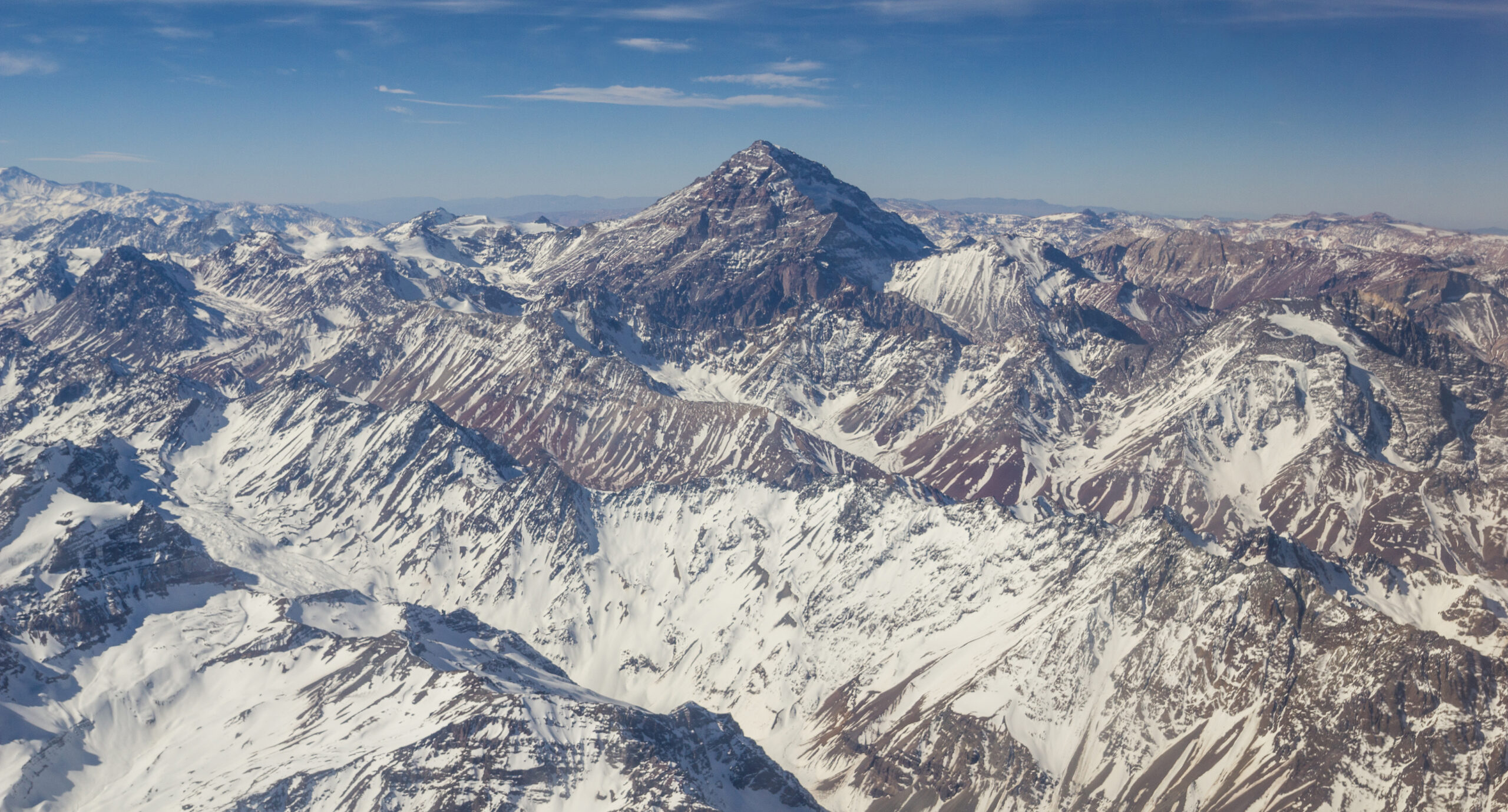
6,961 m · Argentina

Normal Route and Polish Traverse outfits, with attention to acclimatization schedules and mule-supported vs fully-portered logistics.

In Research
Coming Soon

Cho Oyu Operators Compared

8,188 m · Nepal & Tibet

Tibet-side and Nepal-side programs, with the permit and logistics context that makes Cho Oyu different from its 8,000m neighbors.

In Research


Editorial Standards

Our Evaluation Methodology

Trust is earned by showing the work. Here is how we source, update, and fund operator coverage — and what would get an operator removed from our recommendations.

How we source

Published operator documents (contracts, itineraries, cancellation schedules, safety statements), client interviews across recent seasons, post-expedition reports, and direct conversation with operators. We do not publish claims we cannot substantiate from at least two independent sources.

How often we update

Operator policies, pricing, and staffing shift season to season. We verify every operator page twice a year — once before the spring Himalaya season and once before the autumn Karakoram and Cho Oyu seasons — and tag every page with a “last verified” date.

How we are funded

We accept no payment from operators in exchange for coverage, placement, or favorable treatment. We participate in some affiliate and referral programs; these relationships do not influence ranking and are disclosed on individual operator pages.


Frequently Asked Questions

How much should an Everest expedition cost?

All-in, a realistic 2026 Everest budget runs from roughly $40,000 at the budget end to $160,000+ at the flash-expedition premium end. Most Western-led mid-tier programs fall between $65,000 and $90,000 once flights, gear, insurance, and summit bonuses are included. Quotes below $35,000 warrant extra scrutiny on oxygen allocation, Sherpa wages, and insurance coverage.

Is a Western-led team safer than a Nepali-led team?

No, not inherently. The safety spread within each category is wider than the spread between them. The top Nepali-owned operators match or exceed Western operators on logistics and staff welfare; the bottom end of both categories has serious issues. Judge the individual operator against the variables in this guide, not the nationality of the ownership.

What’s the difference between a guided climb and a logistics-only expedition?

A guided climb includes a lead guide (typically IFMGA) making decisions about weather windows, turn-around calls, and pacing, usually supported by climbing Sherpas. A logistics-only expedition provides permits, base camp, oxygen, and climbing Sherpas but no Western guide — the client is expected to make their own decisions on the mountain. Logistics-only runs 30 to 50 percent cheaper and is appropriate only for experienced 8,000-meter climbers.

Do I need IFMGA guides on an 8,000er?

On Everest and Cho Oyu, experienced climbing Sherpas without IFMGA certification often outperform certified Western guides in terms of terrain experience and summit counts. IFMGA certification matters more on technical 8,000ers (K2, Nanga Parbat) and on peaks where decision-making under novel conditions is a larger share of the guide’s job. On the commercial Everest route, summit count and route familiarity matter at least as much as the certification.

What questions should I ask an operator before booking?

The most revealing single question is: “What happens if I turn around at Camp 4 and the rest of the group continues to the summit — who comes down with me?” The answer tells you whether the guide ratio is real, whether the operator has thought through the actual logistics of a turn-around, and whether you will be cared for on the worst day of the expedition. Follow it with the cancellation-policy and oxygen-allocation questions from sections above.

How far in advance should I book?

Twelve to eighteen months is standard for Everest and the major 8,000ers. Premium operators and flash expeditions sell out earlier — eighteen to twenty-four months is not unusual for Alpenglow, Furtenbach, or Madison. Budget operators often have availability closer to the season but the tradeoff is less time for training, pre-acclimatization, and insurance arrangement.

What’s not usually included in the quoted price?

International flights, visas, pre- and post-expedition hotel nights, personal climbing gear, climbing and evacuation insurance, helicopter evacuation costs, Sherpa summit bonuses and tips ($1,500–$3,000 on Everest), oxygen upgrades, and personal Sherpa upgrades. Budget on 15 to 25 percent above the headline quote for a realistic all-in cost.

Can I switch operators after paying a deposit?

Usually no, or only at significant financial loss. Deposits are non-refundable at almost every reputable operator, and permit fees paid to the host country are non-transferable. If you have real concerns about an operator after paying a deposit, the question becomes whether to eat the deposit and switch or to proceed with a company you no longer trust. The answer is almost always to switch.


Ready to Choose?

Take This Guide With You When You Make the Calls

Questions the operator cannot answer are as informative as questions they can. If you know your peak, start with the Everest comparison. If you’re still deciding between companies, the four featured profiles above show how the variables play out in practice.

Compare Everest Operators →