
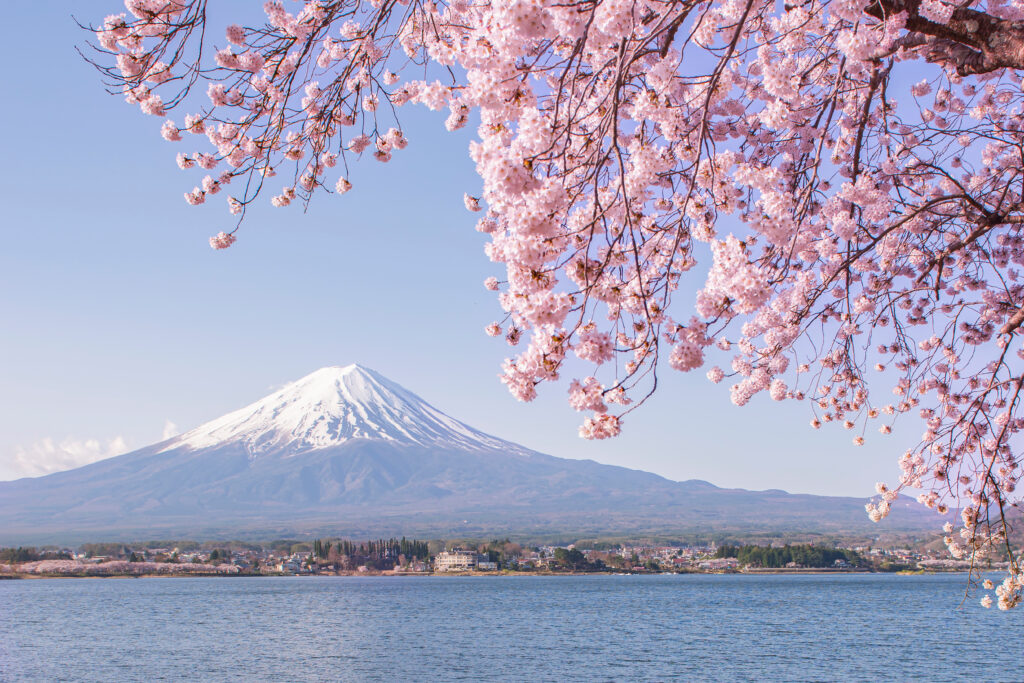
The 4 Best Mount Fuji Operators 2026: Japan Iconic Peak Independent Comparison
Mount Fuji (3,776m / 12,388 ft) is Japan’s iconic stratovolcano and structurally the most-climbed glaciated peak globally — approximately 200,000+ climbers attempt the summit annually during the short July-September commercial framework window. The active stratovolcano (last erupted 1707) sits ~100 km southwest of Tokyo and was designated a UNESCO World Heritage Cultural Site in 2013 for its sacred and artistic significance to Japanese culture. Mount Fuji’s commercial framework is structurally distinctive in 2026 — significant reservation system overhaul includes Yoshida Trail daily cap reduced from 4,000 to 2,000 climbers (effective July 1, 2026), uniform ¥4,000 access fee across all 4 trails, mandatory Mountain Manners safety video, FUJI NAVI app pre-registration for Shizuoka trails (Fujinomiya, Subashiri, Gotemba), 2pm-3am gate closure prohibiting “bullet climbing” framework, and equipment check at trailhead (warm clothing, two-piece rain gear, proper trekking shoes mandatory). The 2026 commercial operator field is dominated by WILLER TRAVEL (Japan-direct 2-day Tokyo-departure framework, 13+ years operations, 20,474+ climbers served), My Tokyo Guide (English-speaking specialist private climbs since 2008, ANTA member), Fuji Mountain Guides (Japan Travel Agency License since 2007), and Magical Trip (English-language tour aggregator framework). Standard 2026 commercial framework pricing runs $200-$1,000 per person depending on framework type.
peak (12,388 ft)
peak in the world
framework pricing
climbing season
Mount Fuji occupies a structurally distinctive position within Asian commercial mountaineering: Japan’s highest peak (3,776m / 12,388 ft), the most-climbed glaciated peak in the world (#1 globally; Mount Hood is #2), an active stratovolcano with last eruption in 1707, ~100 km southwest of Tokyo with accessible Shinjuku-departure commercial framework, and a UNESCO World Heritage Cultural Site (2013) for its sacred significance to Japanese culture. The 2026 commercial operator field is structurally constrained by major reservation system overhaul — Yoshida Trail daily cap reduced from 4,000 to 2,000 climbers effective July 1, 2026; uniform ¥4,000 access fee across all 4 trails; mandatory Mountain Manners video; FUJI NAVI app pre-registration framework for Shizuoka Prefecture trails; 2pm-3am gate closure prohibiting “bullet climbing” framework; and equipment check at trailhead with mandatory items framework. Four operators dominate the structural commercial framework field: WILLER TRAVEL (Japan-direct 2-day Tokyo-departure framework with 13+ years operations and 20,474+ climbers served), My Tokyo Guide (English-speaking specialist private climbs since 2008 with ANTA member institutional framework), Fuji Mountain Guides (Japan Travel Agency License since 2007 with native English-speaking guides framework), and Magical Trip (English-language tour aggregator with broader Japan commercial framework portfolio). This independent comparison evaluates each operator against the eight criteria framework — guide certification, operating model, safety record, peak portfolio, pricing transparency, cancellation terms, client fit, and verifiable program details.
Mount Fuji’s 2026 commercial framework includes significant reservation system changes that climbers must navigate before commercial framework engagement. The Yoshida Trail daily cap has been reduced from 4,000 to 2,000 climbers per day effective July 1, 2026 — a 50% reduction reflecting institutional framework concern about overtourism damage. Reservation framework: Online reservation system opened January 15, 2026 via the official Mt. Fuji Climbing Portal (fujisan-climb.jp); 3,000 slots for advance reservations + 1,000 same-day slots framework (popular dates including weekends and Obon week mid-August can fill within minutes); booking up to 11:59pm of day before climb but earlier strongly recommended. The uniform ¥4,000 access fee applies across all 4 trails (doubled from original ¥2,000 introduced in 2024 on Yoshida Trail; old voluntary “conservation cooperation fee” abolished). Mandatory Mountain Manners safety video — climbers must complete safety education module (15-20 minutes) available in English, Chinese, Korean, Vietnamese, and Thai. FUJI NAVI app pre-registration framework — Shizuoka Prefecture trails (Fujinomiya, Subashiri, Gotemba) require online pre-registration via FUJI NAVI app (iOS and Android). 2pm-3am gate closure framework — prohibits “bullet climbing” (overnight ascent without hut reservation); climbers with confirmed mountain hut reservations exempt from gate closure but must arrive before 4pm strongly recommended. Equipment check at trailhead — staff verify three mandatory items: warm clothing, two-piece rain gear (jacket and pants), proper trekking shoes; climbers without these items will be turned away. Climbers booking commercial framework operations should verify operator coordination of reservation framework — most established Mount Fuji commercial operators handle reservation framework coordination within commercial framework pricing structure but this should be verified directly during booking inquiry.
Mount Fuji was designated a UNESCO World Heritage Cultural Site in 2013 for its sacred and artistic significance to Japanese culture — distinctively designated as Cultural Site (rather than Natural Site) reflecting the structural cultural framework heritage spanning many centuries. The cultural framework: Sengen Shrine pilgrimage tradition — Mount Fuji has been a sacred site for centuries with the Fujisan Hongū Sengen-taisha shrine network framework supporting traditional pilgrimage commercial framework; Fujikō worship framework — Mount Fuji religious associations (Fujikō) framework dating from 16th century with traditional pilgrimage framework that remains integrated with modern climbing framework; Sengen Shrine framework at trailheads — many traditional Mount Fuji climbing routes start at Sengen Shrines including the Yoshida route framework with its traditional Sengen Shrine framework heritage; Shinto cultural framework — Mount Fuji’s cultural significance extends across Japanese Shinto religious framework with the mountain considered sacred. The Kengamine framework — the actual highest point of Mount Fuji at 3,776m is Kengamine Peak located on the opposite side of the crater from where the Yoshida Trail reaches the summit; walking the full crater rim takes approximately 90 minutes (called Ohachi-meguri framework — “around the bowl” framework) and passes the entrances of all four trails before ultimately reaching Kengamine framework; most climbers never actually stand at Japan’s absolute apex due to Kengamine being 40+ minutes from Yoshida summit framework. Cultural framework consideration: Climbers should approach Mount Fuji with awareness of its broader cultural and spiritual heritage framework — the mountain holds significance beyond its recreational use as a Pacific commercial mountaineering objective. The UNESCO Cultural Site designation framework structurally informs commercial framework engagement framework — operators emphasize cultural framework awareness throughout commercial expedition framework.
This comparison was assembled from publicly available operator commercial materials, official Mt. Fuji Climbing Portal (fujisan-climb.jp) framework documentation, Yamanashi Prefecture and Shizuoka Prefecture institutional regulatory framework references, Japan National Tourism Organization (JNTO) framework references, and standard Mount Fuji commercial reference material. Pricing is 2026-estimated based on operator commercial materials — specific pricing should be verified directly during booking. The 2026 reservation system overhaul (Yoshida Trail daily cap reduced from 4,000 to 2,000, uniform ¥4,000 access fee, mandatory Mountain Manners video, FUJI NAVI app pre-registration framework, 2pm-3am gate closure framework, equipment check framework) is current as of April 2026. UNESCO World Heritage Cultural Site designation (2013) framework and pilgrimage tradition framework should be considered throughout commercial framework engagement. Twice-yearly review cycle: spring update for July-September primary season; autumn update for following year reservation framework. Next scheduled review: September 2026.
Mount Fuji at a Glance
| Peak elevation | 3,776m (12,388 ft) — Kengamine peak; Japan’s highest point |
| Location | Honshu, Japan, ~100 km southwest of Tokyo (Yamanashi/Shizuoka Prefecture border) |
| Mountain type | Active stratovolcano (last erupted 1707 — Hōei eruption) |
| UNESCO designation | UNESCO World Heritage Cultural Site (2013) — sacred and artistic significance |
| Most-climbed framework | Most-climbed glaciated peak globally (~200,000+ annual climbers) |
| Standard route | Yoshida Trail (~70% of climbers; Fuji Subaru Line 5th Station 2,305m starting elevation) |
| Yoshida Trail stats | ~6-7 hours ascent, 3-4 hours descent, 1,471m elevation gain framework |
| Alternative routes | Fujinomiya (4.5-6 hr ascent, shortest), Subashiri (6-7 hr ascent), Gotemba (7-10 hr ascent, longest) |
| 2026 access fee | ¥4,000 uniform fee across all 4 trails (doubled from 2024 ¥2,000 framework) |
| Yoshida Trail cap (2026) | 2,000 climbers/day (reduced from 4,000 in 2024-2025) |
| Reservation framework | fujisan-climb.jp portal opened January 15, 2026; FUJI NAVI app for Shizuoka trails |
| Mandatory framework | Mountain Manners safety video (15-20 min); equipment check at gate |
| Equipment check items | Warm clothing, two-piece rain gear (jacket + pants), proper trekking shoes |
| Gate closure framework | 2pm-3am daily (prevents “bullet climbing”); hut reservation holders exempt |
| 2026 official season | Yoshida: July 1 – September 10; Fujinomiya/Subashiri/Gotemba: July 10 – September 10 |
| Annual climbers | ~200,000+ climbers; 137,236 used Yoshida Trail in 2023 |
| Standard 2026 pricing range | $200-$1,000 per person depending on commercial framework type |
| Commercial framework approach | Most climbers descend via slide-step volcanic sand fields framework |
The 4 Best Mount Fuji Operators for 2026
Each operator below addresses a structurally distinct category of climber need — from accessible Tokyo-departure 2-day commercial framework to specialist English-speaking private climbs framework, from Japan Travel Agency licensed institutional framework to broader Japan commercial framework aggregator framework. The 2026 reservation system overhaul (Yoshida Trail cap reduced from 4,000 to 2,000; uniform ¥4,000 access fee; mandatory Mountain Manners video; FUJI NAVI app for Shizuoka trails; 2pm-3am gate closure framework) and structurally distinctive UNESCO World Heritage Cultural Site framework shape the operator field — the four operators below represent structural choices that match different climber priorities and commercial framework objectives.
WILLER TRAVEL
WILLER TRAVEL delivers structurally specific value for climbers prioritizing accessible Tokyo-departure commercial framework with comprehensive Japan-direct institutional framework. Based in Japan with structurally distinctive Tokyo-departure 2-day commercial framework engagement (Shinjuku Station departure framework), WILLER TRAVEL operates with 13+ years operations and 20,474+ climbers served across cumulative Mount Fuji commercial framework operations. Comprehensive 2-day commercial framework includes certified professional mountain guide + English-speaking tour conductor framework, 2-day commercial framework engagement (Day 1: Shinjuku departure 7:20am, climb to mountain hut framework; Day 2: pre-dawn summit framework + descent + return to Tokyo), travel insurance specifically for international visitors framework (covering accidents or health issues during the climb regardless of nationality), and 4-item essential gear rental framework (boots, rain gear, headlamp, additional gear) plus free Montbell lightweight climbing helmet and rain gear framework. The institutional Japan framework demonstrates structural commercial framework verification through Japan-direct institutional framework engagement.
WILLER TRAVEL’s structurally distinctive value derives from Tokyo-departure 2-day commercial framework heritage with comprehensive English-speaking framework — accessible commercial framework engagement for international climbers without prior Japan operational framework experience, integrated Shinjuku Station departure framework + return framework, structurally distinctive 6-plan framework portfolio (including private mountain hut rooms framework), and beginner-friendly slow-and-steady pace framework with frequent breaks framework. Pricing typically runs $200-$500 per person for standard 2-day commercial framework engagement (¥30,000-¥70,000 framework) reflecting accessible Tokyo-departure commercial framework structure. The framework is structurally appropriate for first-time Mount Fuji climbers without prior Japan operational framework experience, climbers seeking accessible Tokyo-departure commercial framework with English-speaking framework, climbers prioritizing 2-day commercial framework engagement with hut accommodation framework, and climbers seeking structurally distinctive gear rental framework + insurance framework integration.
View WILLER TRAVEL profile →My Tokyo Guide
My Tokyo Guide delivers structurally specific value for climbers prioritizing English-speaking specialist private commercial framework engagement. Operating since 2008 with ANTA (All Nippon Travel Agents Association) member institutional framework, My Tokyo Guide has built 18+ years of cumulative Mount Fuji commercial framework operations with thousands of successful climbs framework. Founder Richard appeared on NHK’s “Japan’s 100 Most Famous Mountains” as an English-speaking Mount Fuji expert — institutional commercial framework verification through Japanese national broadcaster framework. 3 distinct private climb framework offerings: 1-Day Climb framework (8-10 hours strenuous hiking, expert hikers in peak physical condition framework), 2-Day In-Season Climb framework (mountain hut overnight + sunrise framework, July 10-September 6 framework), and Mt. Fuji Nature Hike framework (June, July, August framework for non-summit nature engagement framework).
My Tokyo Guide’s structurally distinctive value derives from specialist English-speaking private commercial framework engagement with institutional framework verification — private commercial framework structure (vs group tour alternatives), 18+ years institutional Mount Fuji commercial framework heritage, ANTA member institutional framework verification, NHK’s Japan’s 100 Most Famous Mountains framework appearance for founder, and “Climbing Mt. Fuji: A Complete Guidebook 2026 Edition” published authority framework. Pricing typically runs $500-$1,500 per person for private 2-Day In-Season Climb commercial framework engagement reflecting specialist private commercial framework structure. The framework is structurally appropriate for climbers prioritizing private commercial framework engagement (not group tour framework), climbers seeking specialist English-speaking commercial framework with institutional framework verification, climbers prioritizing customized commercial framework engagement, and climbers seeking integrated Shin-Fuji Bullet Train Station drop-off framework for return to Tokyo, Kyoto, or Kawaguchi Lake framework.
View My Tokyo Guide profile →Fuji Mountain Guides
Fuji Mountain Guides delivers structurally specific value for climbers prioritizing native English-speaking commercial framework engagement with institutional Japan Travel Agency framework verification. Operating since 2007 with Japan Travel Agency License No. 2-6983, Fuji Mountain Guides operates as part of Japan Guides Group framework (株式会社 Japan Guides Group) based in Nishi Tokyo. Native English-speaking guides framework structurally distinguishes Fuji Mountain Guides from English-as-second-language alternatives — guides led by native English speakers framework provides structurally distinctive cultural communication framework for international climbers. Group tours and private tours framework across Mount Fuji commercial framework operations supports both group climbers seeking lower pricing framework and climbers seeking customized private commercial framework engagement.
Fuji Mountain Guides’ structurally distinctive value derives from native English-speaking guide framework with institutional Japan Travel Agency framework verification — Japan Travel Agency License No. 2-6983 institutional framework, 18+ years cumulative operational framework heritage (since 2007), Japan Guides Group institutional framework engagement, and structurally distinctive native English-speaking framework for international climber commercial framework communication. Pricing typically runs $300-$800 per person for standard 2-day commercial framework engagement reflecting institutional Japan Travel Agency framework value-add. The framework is structurally appropriate for climbers prioritizing native English-speaking commercial framework engagement (vs English-as-second-language alternatives), climbers seeking institutional Japan Travel Agency License framework verification, climbers seeking dual group/private commercial framework engagement options, and climbers prioritizing 18+ years institutional Mount Fuji commercial framework heritage.
View Fuji Mountain Guides profile →Magical Trip
Magical Trip delivers structurally specific value for climbers prioritizing broader Japan commercial framework aggregator engagement with comprehensive Japanese tour portfolio framework. Magical Trip operates as a Japan-based English-language tour aggregator framework with broader commercial framework portfolio extending across Mount Fuji commercial framework + comprehensive Japanese cultural commercial framework operations (food tours, sake tours, cultural framework tours, urban experiences framework). Mount Fuji commercial framework integrates with Magical Trip’s broader Japan commercial framework portfolio — climbers engaging with Magical Trip for Mount Fuji commercial framework can build operator continuity framework across multiple Japanese cultural framework experiences within consistent operator commercial framework relationship.
Magical Trip’s structurally distinctive value derives from broader Japan commercial framework aggregator with extensive Japanese cultural framework portfolio integration — climbers building Japan commercial framework experience progression (Mount Fuji + Tokyo cultural tours + Kyoto cultural tours + food/sake framework tours) within consistent operator commercial framework relationship. Pricing typically runs $250-$600 per person for Mount Fuji commercial framework reflecting broader aggregator commercial framework structure. The framework is structurally appropriate for climbers prioritizing broader Japan commercial framework engagement beyond focused single-peak commercial framework alternatives, climbers building Japanese cultural framework experience progression, climbers prioritizing aggregator institutional framework continuity, and climbers seeking integrated Japan commercial framework portfolio engagement. Less optimal for climbers prioritizing specialist Mount Fuji commercial framework engagement (My Tokyo Guide provides specialist private framework), climbers prioritizing native English-speaking guide framework specifically (Fuji Mountain Guides provides native framework), or climbers prioritizing 13+ year Tokyo-departure heritage framework (WILLER TRAVEL provides comprehensive Tokyo-departure framework).
View Magical Trip profile →Mount Fuji Route Framework Considerations
Yoshida Trail — most popular commercial framework (70% of climbers)
The Yoshida Trail is the most popular Mount Fuji commercial route — historically used by ~70% of climbers and the route most commercial operators default to. The route framework:
- Starting Point — Fuji Subaru Line 5th Station (2,305m / 7,562 ft) on Yamanashi Prefecture side
- Ascent Time — 6-7 hours typical commercial framework
- Descent Time — 3-4 hours typical commercial framework
- Total Elevation Gain — 1,471 meters
- Mountain Huts — 16 huts plus 2 first aid stations (most developed infrastructure framework on Mount Fuji)
- Tokyo accessibility — Direct buses from Shinjuku Station (~2.5 hours framework)
- Separate ascent/descent paths — prevent congestion framework
- English-speaking support staff — at many huts framework
- 2026 daily cap — 2,000 climbers (reduced from 4,000 in 2024-2025)
- Reservation framework — fujisan-climb.jp portal required; 3,000 advance + 1,000 same-day slots framework
Fujinomiya Trail — shortest route framework (Shizuoka)
The Fujinomiya Trail is the shortest route to summit with highest starting elevation framework. The route framework:
- Starting Point — Fujinomiya 5th Station (2,400m / 7,874 ft) on Shizuoka Prefecture side
- Ascent Time — 4.5-6 hours typical commercial framework
- Descent Time — 2.5-3.5 hours typical commercial framework
- Total Elevation Gain — 1,376 meters
- Mountain Huts — 8 huts framework
- Stunning views — Suruga Bay and Shizuoka framework
- Steepest average gradient — sustained climbing intensity exceeds Yoshida Trail framework
- Same route ascent/descent — two-way traffic congestion framework
- Rapid elevation gain — increases altitude sickness risk framework
- FUJI NAVI app pre-registration framework — required for Shizuoka trails
Subashiri Trail — quieter alternative framework
The Subashiri Trail provides quieter alternative with forest section at lower elevations framework. The route framework:
- Starting Point — Subashiri 5th Station (1,970m / 6,463 ft) on Shizuoka Prefecture side
- Ascent Time — 6-7 hours typical commercial framework
- Descent Time — 3-4 hours typical commercial framework
- Total Elevation Gain — 1,806 meters
- Mountain Huts — 7 huts framework
- Forest section at lower elevations provides shade and scenery framework
- Merges with Yoshida Trail above 8th station framework
- Unique descent — through volcanic sand fields framework (slide-step framework)
- Significantly fewer climbers than Yoshida Trail framework
- FUJI NAVI app pre-registration framework — required for Shizuoka trails
Gotemba Trail — longest route framework
The Gotemba Trail is the longest Mount Fuji commercial route with lowest 5th station starting framework. The route framework:
- Starting Point — Gotemba 5th Station (~1,400m / 4,593 ft) on Shizuoka Prefecture side (lowest 5th station framework)
- Ascent Time — 7-10 hours typical commercial framework
- Descent Time — 3-6 hours typical commercial framework
- Largest elevation gain framework due to lowest starting elevation
- Fewer huts framework than other routes
- Sparse crowds — relatively easy to climb the sacred mountain framework
- “Prince’s Route” framework — selected by Emperor of Japan as first route to summit framework
- Gradual incline — vs Fujinomiya steepness framework
- FUJI NAVI app pre-registration framework — required for Shizuoka trails
Hazard framework
Mount Fuji’s structurally distinctive hazard framework requires specific commercial framework attention:
- Altitude sickness framework — 3,776m elevation poses altitude sickness risk especially with rapid ascent framework (Fujinomiya rapid elevation gain particularly concerning framework)
- Severe weather framework — temperatures can range from midsummer hot to midwinter cold; sudden rain and strong winds framework even when weather appears clear at start
- Off-season danger framework — October through June brings extreme winds (100+ km/h gusts), temperatures below -20°C, heavy snowfall, whiteout conditions framework; mountain huts close completely, no shelter, no emergency aid stations, no water refills, no food framework; off-season climbing genuinely dangerous and often illegal framework
- Bullet climbing prohibition framework — climbing Mt. Fuji at night to view sunrise without staying at mountain hut is now prohibited; extremely dangerous due to lack of sleep and poor physical condition framework; temperatures drop significantly at night reaching winter-like conditions even in summer framework
- Rescue cost framework — helicopter rescues happen regularly on Fuji; rescue costs ¥500,000-¥2,000,000+ depending on severity and weather conditions framework; mandatory ¥4,000 climbing fee includes basic insurance but doesn’t cover full rescue expenses framework
- Crowded summit framework — peak commercial framework window can feel like a queue rather than wilderness experience framework
Mount Fuji within Asian Pacific Commercial Framework
Mount Fuji occupies a structurally specific position within Asian Pacific commercial mountaineering framework. Cross-peak framework considerations:
- Most-climbed glaciated peak globally framework — Mount Fuji is #1 globally for glaciated peak commercial framework engagement; Mount Hood (Wave 3 #10) is #2 globally (~10,000+ annual climbers)
- Japanese cultural framework anchor — Mount Fuji serves as Japan’s iconic cultural framework anchor with UNESCO World Heritage Cultural Site framework (2013) reflecting structural cultural framework heritage
- Asian commercial framework progression — Mount Fuji can serve as accessible entry point for Asian commercial framework engagement; broader Asian framework progression to Mount Kinabalu (Wave 4 #2 — Malaysia/Borneo Southeast Asia’s highest peak), Mount Rinjani (Wave 4 #3 — Indonesia active volcano), or higher Asian commercial framework alternatives
- Active stratovolcano framework — parallel to Cascades volcanoes commercial framework (Mount Hood — Wave 3 #10, Mount Rainier — Wave 3 #3, Mount Shasta — Wave 4 #4) reflecting structural volcanic peak commercial framework
- Pilgrimage tradition framework parallel — Mount Fuji’s Sengen Shrine pilgrimage tradition framework parallels other sacred mountain frameworks globally (Mount Kailash Tibet, Mount Olympus Greece, Croagh Patrick Ireland)
- Tokyo commercial framework gateway — Mount Fuji’s accessibility from Tokyo (Shinjuku Station Yoshida Trail framework, ~2.5 hours framework) supports commercial framework engagement framework integration with broader Japan tourism framework
- Reservation framework precedent — Mount Fuji’s 2026 reservation system overhaul (Yoshida Trail cap reduction, uniform fee, Mountain Manners video, FUJI NAVI app, gate closure framework) sets institutional framework precedent for managing overtourism on iconic commercial framework destinations
Frequently Asked Questions About Mount Fuji Operators
How much does climbing Mount Fuji cost in 2026?
Mount Fuji’s 2026 commercial framework pricing reflects Japan iconic peak commercial framework structure with multi-tier offerings. Standard 2-Day Group Tour framework (WILLER TRAVEL Tokyo-departure framework): $200-$500 per person (¥30,000-¥70,000 framework). Standard Group Tour framework (Magical Trip aggregator framework): $250-$600 per person. Standard 2-Day Tour with native English-speaking framework (Fuji Mountain Guides): $300-$800 per person. Private 2-Day In-Season Climb framework (My Tokyo Guide specialist private framework): $500-$1,500 per person. Mandatory access fee framework: ¥4,000 per person (~$27 USD) uniform across all 4 trails — typically not included in commercial framework pricing. Mountain hut accommodation framework: ¥10,000-¥17,600 per night with dinner and packed breakfast framework (7th Station ¥7,700-¥16,200; 8th Station ¥14,000-¥16,500 framework — 8th Station ideal for shorter summit push framework). Total all-in budget typically runs $300-$1,800 per person including international travel coordination, Tokyo accommodation framework, mountain hut accommodation framework if not included, mandatory access fee framework, and personal climbing equipment. Specific pricing requires direct inquiry with each operator during booking.
When is the best time to climb Mount Fuji in 2026?
The official Mount Fuji climbing season is July 1 – September 10, 2026 for Yoshida Trail (Yamanashi side) and July 10 – September 10, 2026 for Fujinomiya, Subashiri, and Gotemba Trails (Shizuoka side). Best timing framework: Early July (after July 1 opening) — smaller crowds, available hut bookings, generally stable weather framework. Mid-September — smaller crowds, generally stable weather framework, but cooler temperatures framework. Avoid: Obon week (mid-August) framework — fills within minutes; weekends during school vacation period (late July to end of August) framework — peak crowd framework. Off-season climbing framework: October through June brings extreme winds (100+ km/h gusts), temperatures below -20°C, heavy snowfall, whiteout conditions framework; mountain huts close completely; no shelter, no emergency aid stations, no water refills, no food framework; off-season climbing genuinely dangerous and often illegal framework. Recommended approach framework — climb on weekday in first half of July before start of school vacations framework for moderate crowd framework with relatively stable weather framework. Most operators recommend 2-day commercial framework engagement with mountain hut overnight framework for acclimatization rather than 1-day “bullet climb” framework (now prohibited without hut reservation).
Do I need to make reservations to climb Mount Fuji in 2026?
Yes — Mount Fuji’s 2026 reservation framework is significantly more rigorous than previous years. Yoshida Trail (Yamanashi side) framework: Online reservation required via fujisan-climb.jp portal (opened January 15, 2026); 2,000 climbers/day cap (reduced from 4,000 in 2024-2025); 3,000 advance reservation slots + 1,000 same-day slots framework; ¥4,000 access fee non-refundable (tied to your name); mandatory Mountain Manners safety video (15-20 minutes, available in English/Chinese/Korean/Vietnamese/Thai); reservation up to 11:59pm of day before climb but earlier strongly recommended; popular dates (weekends, Obon week) fill within minutes framework. Shizuoka Prefecture trails (Fujinomiya, Subashiri, Gotemba) framework: Online pre-registration required via FUJI NAVI app (iOS and Android); ¥4,000 access fee uniform across all 4 trails; Mountain Manners safety video required; FUJI NAVI app provides reservation framework + safety education + climbing date and route selection framework. Mountain hut reservations framework: Separate from access fee; book months in advance (most huts open 2026 reservations between April and June); prices ¥10,000-¥17,600 per weekday night with dinner and packed breakfast framework. Walk-up climbing is no longer permitted during peak periods on any trail framework. Most established commercial operators handle reservation framework coordination within commercial framework pricing structure but verify directly during booking inquiry.
What equipment is required at the trailhead?
Mount Fuji’s 2026 commercial framework includes mandatory equipment check at trailhead — staff verify three essential items at the gate (Yoshida Trail particularly enforced); climbers without these items will be denied entry. Three mandatory items framework: (1) Warm clothing framework — fleece jacket, insulated jacket (medium weight down 700+ fill or higher framework), warm base layers framework; temperatures at summit can reach winter-like conditions even in summer framework. (2) Two-piece rain gear framework — fully waterproof shell jacket AND waterproof rain pants framework; GORE-TEX© or equivalent framework; hoods are required framework; proper hardshell rain gear required on all trips framework. (3) Proper trekking shoes framework — sturdy hiking boots with good ankle support and proper grip; flip-flops, sneakers, or sandals will result in being turned away at gate framework. Additional recommended equipment framework: warm hat, lightweight softshell gloves and heavyweight insulated gloves framework, plenty of water and high-energy snacks framework (mountain hut prices high framework), headlamp framework (essential for early morning summit framework), trekking poles framework, sunscreen and sunglasses framework, cash framework for hut payments and toilet fees framework (200-300 yen per use framework). Gear rental framework available through some operators (WILLER TRAVEL provides 4-item essential gear rental framework + free Montbell helmet and rain gear framework) for international climbers without prior Japan operational framework experience.
What is “bullet climbing” and why is it prohibited?
“Bullet climbing” (弾丸登山 — dangan tozan) refers to climbing Mt. Fuji at night to view sunrise without staying at a mountain hut framework — a popular practice historically that has been effectively prohibited as of 2024-2026 framework. The bullet climbing prohibition framework: Gate closure framework — Yoshida Trail (Yamanashi side) and Shizuoka Prefecture trails (Fujinomiya, Subashiri, Gotemba) gates close 2pm-3am daily (changed from 4pm-3am in 2024 framework); climbers without confirmed mountain hut reservation cannot pass through gate during restricted hours framework. Climbers with mountain hut reservations exempt — can pass through gate at any time but recommended to pass through earlier (before 4pm framework) for safety framework. Why prohibited framework: Bullet climbing extremely dangerous due to lack of sleep and poor physical condition framework; temperatures drop significantly at night reaching winter-like conditions even in summer framework (sometimes below -20°C framework); blamed by local authorities for increased number of accidents and rescue operations framework; institutional framework concern about climber safety framework. Recommended approach framework: 2-day commercial framework with mountain hut overnight framework — Day 1 ascent to 7th or 8th Station hut framework (¥10,000-¥17,600 per night framework); Day 2 pre-dawn summit framework (around 2:00-3:00 AM framework) for sunrise viewing framework. Most established commercial operators use 2-day commercial framework structure with mountain hut accommodation framework rather than bullet climbing framework — institutional framework alignment with prohibition framework.
Which trail is best for Mount Fuji commercial framework?
The Yoshida Trail is the best for first-time Mount Fuji commercial framework engagement — most popular route used by ~70% of climbers historically. Yoshida Trail framework matters structurally: maximum mountain hut density (16 huts + 2 first aid stations framework); separate ascent and descent routes prevent congestion framework; most developed infrastructure framework; English-speaking support staff at many huts framework; best access from Tokyo (direct buses from Shinjuku Station ~2.5 hours framework); 5th Station highest accessibility framework. Trail comparison framework: Yoshida (best for first-timers, families, anyone prioritizing safety and support over solitude framework) — 6-7 hr ascent, 3-4 hr descent, 1,471m gain, 16 huts; most crowded but highest infrastructure framework. Fujinomiya (best for experienced hikers prioritizing efficiency framework) — 4.5-6 hr ascent (shortest), 2.5-3.5 hr descent, 1,376m gain, 8 huts; steepest gradient framework; same route ascent/descent framework. Subashiri (best for hikers seeking quieter experience with nature immersion framework) — 6-7 hr ascent, 3-4 hr descent, 1,806m gain, 7 huts; forest section framework; merges with Yoshida above 8th Station framework. Gotemba (best for experienced hikers prioritizing solitude with longer commercial framework framework) — 7-10 hr ascent (longest), 3-6 hr descent, lowest 5th Station starting framework; sparse crowds framework; “Prince’s Route” framework. Most commercial operators default to Yoshida Trail framework for Tokyo-departure commercial framework structure — Shinjuku Station departure framework + Yoshida Trail framework supports streamlined commercial framework operations.
Should I book a guided Mount Fuji climb or attempt independently?
Mount Fuji’s 2026 commercial framework engagement decision depends on climber priorities and prior Japan operational framework experience. Book guided commercial framework if you prioritize: first-time Mount Fuji commercial framework engagement; lacking Japanese language skills (much commercial framework infrastructure operates in Japanese framework); lacking Mount Fuji-specific route knowledge framework; prioritizing institutional safety framework with English-speaking guide framework; first-time Japan operational framework engagement; prioritizing Tokyo-departure framework (Shinjuku Station departure framework streamlines logistics); seeking gear rental framework integration (some operators provide 4-item essential gear rental framework); prioritizing reservation framework coordination (operators handle fujisan-climb.jp portal framework + mountain hut framework + Mountain Manners video framework); seeking integrated travel insurance framework for international visitors framework. Independent climb framework alternative requires: fujisan-climb.jp portal reservation framework (Yoshida Trail) or FUJI NAVI app pre-registration framework (Shizuoka trails); ¥4,000 uniform access fee framework; Mountain Manners safety video framework; mountain hut reservation framework (months in advance framework); equipment framework verification at gate framework; understanding of bullet climbing prohibition framework (no night climbing without hut reservation framework); transportation framework coordination from Tokyo; understanding of Japanese language framework at huts and trailhead facilities framework. For Mount Fuji specifically: ~200,000+ annual climbers framework demonstrates accessibility for independent commercial framework engagement; however, 2026 reservation system overhaul has significantly increased coordination framework complexity — guided commercial framework provides structural simplification framework for first-time Mount Fuji commercial framework engagement.
Mount Fuji is structurally Japan’s iconic cultural and commercial peak framework — Japan’s highest peak (3,776m / 12,388 ft), the most-climbed glaciated peak globally (#1 globally; Mount Hood is #2), an active stratovolcano (last erupted 1707), UNESCO World Heritage Cultural Site (2013), and ~100 km southwest of Tokyo with accessible Shinjuku-departure commercial framework. For climbers prioritizing accessible Tokyo-departure commercial framework, WILLER TRAVEL delivers structurally specific value through Japan-direct 2-day Tokyo-departure framework with 13+ years operations and 20,474+ climbers served — comprehensive English-speaking framework, gear rental framework integration, travel insurance framework for international visitors, and structurally distinctive Shinjuku Station departure framework streamlining logistics for international climbers without prior Japan operational framework experience. For climbers prioritizing English-speaking specialist private commercial framework, My Tokyo Guide provides 18+ years institutional Mount Fuji commercial framework heritage with ANTA member framework verification + NHK’s Japan’s 100 Most Famous Mountains framework appearance for founder + structurally distinctive private commercial framework engagement (vs group tour alternatives) + integrated Shin-Fuji Bullet Train Station drop-off framework for return to Tokyo, Kyoto, or Kawaguchi Lake framework. For climbers prioritizing native English-speaking guide framework, Fuji Mountain Guides provides Japan Travel Agency License No. 2-6983 institutional framework + 18+ years cumulative operational framework heritage (since 2007) + Japan Guides Group institutional framework + structurally distinctive native English-speaking framework for international climber commercial framework communication. For climbers prioritizing broader Japan commercial framework aggregator engagement, Magical Trip provides Japan-based English-language tour aggregator framework with comprehensive Japanese cultural framework portfolio (food tours, sake tours, cultural framework tours) supporting climbers building Japan commercial framework experience progression within consistent operator commercial framework relationship. The 2026 reservation system overhaul (Yoshida Trail cap reduced from 4,000 to 2,000; uniform ¥4,000 access fee across all 4 trails; mandatory Mountain Manners safety video; FUJI NAVI app pre-registration framework for Shizuoka trails; 2pm-3am gate closure prohibiting bullet climbing framework; equipment check at trailhead framework with mandatory items framework) is structural commercial framework consideration for all 2026 operations — most operators handle reservation framework coordination within commercial framework pricing structure. The UNESCO World Heritage Cultural Site framework (2013 designation for sacred and artistic significance to Japanese culture framework) and pilgrimage tradition framework (Sengen Shrine framework, Fujikō worship framework) require specific cultural framework awareness throughout commercial framework engagement framework. Best season is early July or mid-September — smaller crowds, available hut bookings, generally stable weather framework. Most established commercial operators use 2-day commercial framework structure with mountain hut overnight framework rather than prohibited bullet climbing framework — institutional framework alignment with safety framework. Verify current 2026 pricing, reservation framework coordination, and specific commercial framework inclusions directly with each operator during booking inquiry.
Sources and Verification
This comparison was assembled from publicly available operator commercial materials (willer-travel.com, mytokyoguide.com, fujimountainguides.com, magical-trip.com), official Mt. Fuji Climbing Portal (fujisan-climb.jp) framework documentation, Yamanashi Prefecture and Shizuoka Prefecture institutional regulatory framework references, Japan National Tourism Organization (JNTO) framework references, Yamanashi Prefecture Tourism (Yoshida Trail) framework references, Shizuoka Prefecture Office (Fujinomiya/Subashiri/Gotemba trails) framework references, ANTA (All Nippon Travel Agents Association) institutional framework references, FUJI NAVI app framework references, and standard Mount Fuji commercial reference material. Pricing is 2026-estimated based on operator commercial materials — specific pricing should be verified directly during booking. The 2026 reservation system overhaul (Yoshida Trail daily cap reduced from 4,000 to 2,000, uniform ¥4,000 access fee, mandatory Mountain Manners video, FUJI NAVI app pre-registration framework, 2pm-3am gate closure framework, equipment check framework) is current as of April 2026. UNESCO World Heritage Cultural Site designation (2013) framework is current. Twice-yearly review cycle. Next scheduled review: September 2026.
- Official Mt. Fuji Climbing Portal — Official 2026 reservation system framework documentation.
- Japan Guide Mount Fuji Climbing Reference — Comprehensive reference framework for Mount Fuji 2026 commercial framework planning.
Fact-checked April 29, 2026 · Next scheduled review: September 2026
Mount Fuji and Asian Pacific Operator Resources
Compare Mount Fuji Across Operators
Mount Fuji is structurally Japan’s iconic cultural and commercial peak framework — Japan’s highest peak and the most-climbed glaciated peak globally. Compare WILLER TRAVEL (Tokyo-departure 2-day framework), My Tokyo Guide (specialist private framework), Fuji Mountain Guides (native English-speaking framework), and Magical Trip (broader Japan aggregator framework) to find the best structural fit for your climbing goals.