
Last updated September 14, 2026
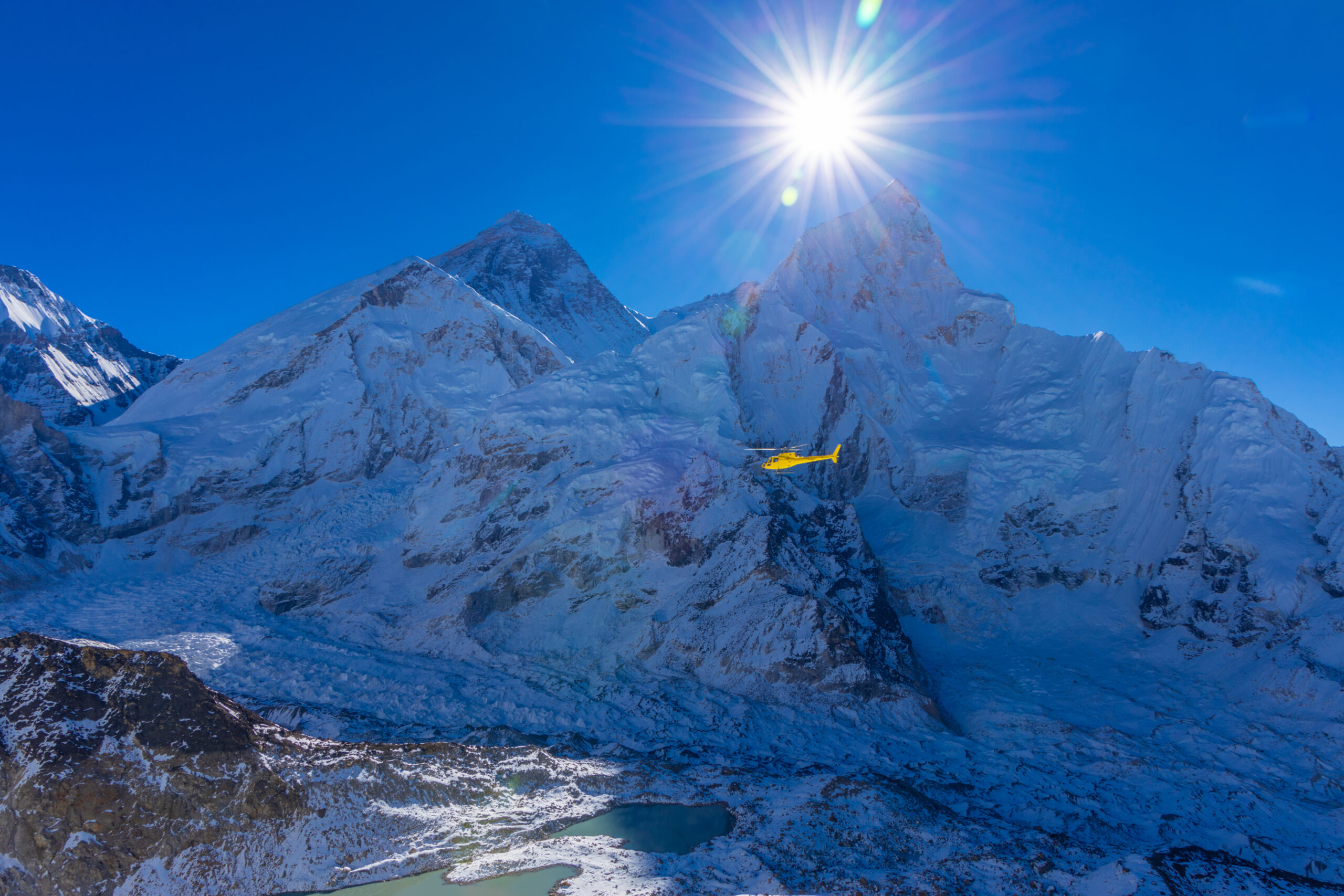
The Seven Summits: Cost, Difficulty, Seasons & Best Climbing Order
Compare the highest mountain on every continent through the factors that actually shape a multi-year project: altitude, technical skill, cold, remoteness, current access, seasonal timing, expedition cost and the progression required before Everest.
Updated August 5, 2026 · Reviewed for 2026 permits, access and published program pricing · Approximately 22–26 minutes
What are the Seven Summits?
Everest, Aconcagua, Denali, Kilimanjaro, Elbrus and Vinson appear on both recognized lists. The Bass list adds Mount Kosciuszko; the Messner list adds Carstensz Pyramid. Both lists use Elbrus for Europe. Climbers who want to satisfy both definitions complete eight mountains.
- Best first high-altitude summit: Kilimanjaro for many climbers.
- Most technical standard climb: Carstensz Pyramid.
- Hardest day-to-day expedition: often Denali.
- Hardest overall: Everest because altitude dominates.
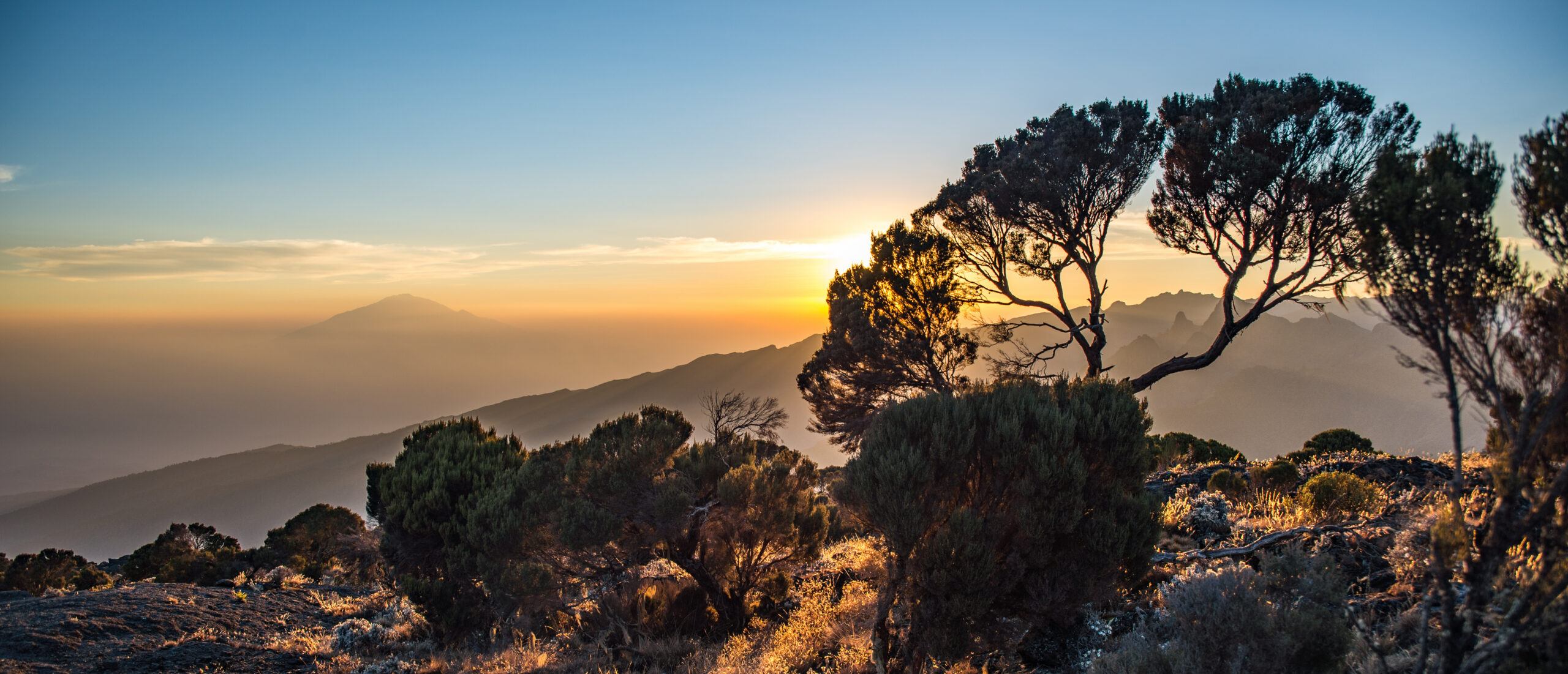


The Seven Summits List
Eight mountains appear because the accepted Bass and Messner versions define the Australia–Oceania continent differently.
| Peak | Continent | Elevation | List | Primary Challenge | 2026 Planning Cost | Common Season |
|---|---|---|---|---|---|---|
| Mount Everest | Asia | 8,848.86 m / 29,032 ft | Both | Extreme altitude and long expedition exposure | $45,000–$150,000+ | April–May |
| Aconcagua | South America | 6,961 m / 22,838 ft | Both | Altitude, wind and expedition duration | $4,500–$11,000+ | December–February |
| Denali | North America | 6,190 m / 20,310 ft | Both | Cold, crevasses, loads and self-sufficiency | $8,000–$15,000+ | May–July |
| Mount Kilimanjaro | Africa | 5,895 m / 19,341 ft | Both | Rapid altitude gain on a non-technical trek | $2,000–$6,000+ | Jan–Mar; Jun–Oct |
| Mount Elbrus | Europe | 5,642 m / 18,510 ft | Both | Glacier travel, weather and current access | $2,500–$6,000+ | June–September |
| Mount Vinson | Antarctica | 4,892 m / 16,050 ft | Both | Polar cold and aviation logistics | $57,900 direct ALE program | November–January |
| Carstensz Pyramid | Oceania | 4,884 m / 16,024 ft | Messner | Technical limestone and unstable access | $25,000–$35,000+ | Access dependent |
| Mount Kosciuszko | Australia | 2,228 m / 7,310 ft | Bass | Alpine walking and weather | $200–$1,000* | November–April |
*Kosciuszko excludes international airfare and a wider Australia itinerary. All figures are broad planning ranges, not live quotes. Everest, Vinson and Carstensz usually dominate the budget, while airfare, insurance, personal equipment and repeat attempts determine the final project total.
One collection, four different difficulty systems.
Everest is the altitude extreme. Denali is the self-sufficiency and cold test. Carstensz is the technical rock test. Vinson is the remote logistics test. A simple elevation ranking does not describe the challenge.
Compare the Seven Summits Peak by Peak
Filter the collection by list or search for the capability that matters: altitude, glacier, rock, cold, access, cost or expedition logistics.
Filter all eight recognized peaks
Search by mountain, continent or challenge, then open the complete mountain parent.
Mount Everest
8,848.86 m / 29,032 ftEverest is not the most technical standard-route climb in the collection, but no other Seven Summit combines its altitude, expedition length, oxygen dependence, fixed-line traffic and consequence. It belongs last or close to last, after serious high-altitude and expedition experience.
Aconcagua
6,961 m / 22,838 ftThe Normal Route is non-technical in normal conditions, but the elevation makes Aconcagua a serious test of acclimatization, pacing, camp life and decision-making. It is often the best bridge between an introductory altitude summit and Denali or Everest.
Denali
6,190 m / 20,310 ftDenali combines crevasse hazard, severe cold, sled hauling, heavy packs and sustained team work. Even guided climbers participate in expedition systems. Many climbers consider it the hardest day-to-day experience of the Seven Summits.
Mount Kilimanjaro
5,895 m / 19,341 ftKilimanjaro isolates the altitude variable without requiring glacier or rope skills. A longer itinerary teaches pacing, recovery, summit-night discipline and how the body responds near 6,000 metres, making it the default first summit for many projects.
Mount Elbrus
5,642 m / 18,510 ftElbrus introduces crampons, ice axe use and glaciated terrain on the standard South Route. In 2026 the climb cannot be separated from current Russia travel advisories, insurance exclusions, banking, visa and consular limitations.
Mount Vinson
4,892 m / 16,050 ftThe standard route is technically moderate for a competent glacier climber, but Antarctica makes planning unforgiving. Flights, fuel, rescue, baggage, weather delays and cold systems drive the cost and require mature expedition habits.
Carstensz Pyramid
4,884 m / 16,024 ftCarstensz is the most technical standard climb in the collection. It requires exposed rock movement, fixed ropes, rappelling and efficient transitions. Central Papua security, permits, helicopter delays and refund terms can matter more than the calendar.
Mount Kosciuszko
2,228 m / 7,310 ftKosciuszko is the highest mountain on mainland Australia and the original Bass-list summit. Normal warm-season routes are maintained walks, but snow, wind, road closures and alpine conditions still require planning.

Seven deposits do not create a progression. Each mountain should prove a capability the next mountain needs.
Build the project through altitude, glacier systems, cold, load hauling, technical rock, remote logistics and finally death-zone expedition experience.
Bass List vs Messner List
The recognized disagreement is Kosciuszko versus Carstensz—not Elbrus versus Mont Blanc.
The Bass List
Dick Bass’s original project uses Mount Kosciuszko as the Australia summit.
- Seventh summit: Mount Kosciuszko, 2,228 m
- Highest point on mainland Australia
- Normally completed as an alpine walk
- Original list completed by Dick Bass in 1985
- Uses Mount Elbrus for Europe
The Messner List
The geographic Oceania definition replaces Kosciuszko with Carstensz Pyramid.
- Seventh summit: Carstensz Pyramid, 4,884 m
- Highest mountain in Oceania
- Technical exposed rock and fixed ropes
- First completed by Patrick Morrow in 1986
- Uses Mount Elbrus for Europe
The Bass list preserves the historical challenge. The Messner list creates a more complete mountaineering test. Climbers who want an unambiguous personal record often complete both, treating Kosciuszko as an Australia travel objective and Carstensz as a later technical expedition.
Current Access & Planning Issues
Travel advisories, permits, route access, insurance eligibility and commercial programs can change faster than elevations or continental definitions.
| Peak | Verify Before Booking | Why It Matters in 2026 |
|---|---|---|
| Mount Elbrus | Government advisory, visa, banking, insurance and consular limitations | The U.S. lists Russia at Level 4, and the UK advises against all travel. An advertised departure does not resolve personal travel risk. |
| Carstensz Pyramid | Central Papua security, licensed local partner, permits, helicopter and refund terms | Current U.S. advice says do not travel to Central Papua; emergency assistance is limited. |
| Denali | 60-day registration, $450 2026 mountaineering fee, orientation and authorized guide status | Registration is a fixed planning deadline, and the fee changed from older published amounts. |
| Mount Vinson | Departure date, baggage, weather buffer, insurance and delay terms | ALE lists a 12-day, $57,900 program; weather can extend the travel window. |
| Aconcagua | Season permit, route category, online purchase and approved services | Mendoza administers seasonal permits and requires advance online ticketing. |
| Mount Kosciuszko | Track conditions, winter road closures, snow and park alerts | The Charlotte Pass summit walk is 18.6 km return and snowbound in winter. |
| Mount Everest | Permit rules, operator license, experience screen, oxygen and Tibet access | Rules and access differ by year and side of the mountain. |
Do not freeze 2026 access information into a timeless statement.
Use dated language and recheck official authorities before deposits, flights and insurance. A page can accurately explain the planning problem while still acknowledging that the answer may change next season.
The Seven Summits in Order of Difficulty
This ranking combines altitude, technicality, cold, workload, objective hazard, expedition length and remoteness. It is not a universal verdict for every climber.
| Practical Rank | Peak | Main Reason | Important Qualification |
|---|---|---|---|
| 1 · Easiest | Mount Kosciuszko | Maintained alpine walking routes | Weather, snow and winter access still create alpine risk. |
| 2 | Mount Kilimanjaro | Non-technical standard routes | Rapid altitude gain causes many medical turnarounds. |
| 3 | Mount Elbrus | Basic glacier skills on the standard route | Whiteout navigation and current travel access add complexity. |
| 4 | Aconcagua | Non-technical Normal Route | At 6,961 m, altitude and wind make it a serious expedition. |
| 5 | Carstensz Pyramid | Most technical standard rock climb | Lower altitude, but exposure, rope systems and access matter. |
| 6 | Mount Vinson | Polar cold and remoteness | The climbing is moderate; logistics drive the seriousness. |
| 7 | Denali | Heavy loads, crevasses, cold and self-sufficiency | Many climbers rank it harder than Everest day to day. |
| 8 · Hardest overall | Mount Everest | Extreme altitude, duration and consequence | Carstensz has harder rock, but Everest’s altitude dominates. |
A technically experienced rock climber may place Carstensz lower. A strong high-altitude climber may find Aconcagua easier than Elbrus. An independent expedition climber may consider Vinson straightforward but Denali much harder. The disagreement reflects the different dimensions inside the word “difficulty.”
The Best Order to Climb the Seven Summits
The order is a development framework, not a race or a universal prescription.
Kilimanjaro
Learn pacing and discover how the body responds near 6,000 metres without technical climbing.
Build: altitude awarenessElbrus or Equivalent
Add crampons, ice axe use, cold movement and glaciated terrain when access is appropriate.
Build: basic glacier systemsAconcagua
Test high camps, wind, expedition recovery and prolonged movement near 7,000 metres.
Build: expedition altitudeDenali
Prove cold management, rope-team competence, load hauling and team self-sufficiency.
Build: complete expedition systemsCarstensz
Add exposed technical rock, fixed ropes, rappelling and efficient transitions at height.
Build: technical rockVinson
Apply mature systems in a remote polar environment where logistics and cold leave little room for error.
Build: polar marginEverest
Attempt the altitude capstone only after high-altitude, fixed-line and expedition systems are proven.
Build: final death-zone projectKosciuszko
Complete the Bass-list summit whenever an Australia trip fits; it does not drive the technical progression.
Complete: historical listElbrus may be impractical for some climbers under current travel conditions. Substitute an appropriate glacier mountain such as Rainier, Baker, Orizaba or an Alpine objective to build the missing skill, then return to Elbrus only when access and risk align with your circumstances.

The preceding mountains should make fixed lines, expedition life, cold systems and conservative decisions familiar before the death zone.
The Seven Summits are most valuable when the sequence produces a more capable climber rather than merely a completed checklist.
How Much the Seven Summits Cost
The operator fee is only one line. A useful project model includes international travel, permits, equipment, insurance, tips, delays and repeat attempts.
| Budget Tier | Estimated Full-Project Range | What It Assumes | What Moves It Higher |
|---|---|---|---|
| Cost-conscious | $120,000–$165,000 | Selective local operators, careful airfare, limited upgrades and no major repeats | Access substitutions, medical delays, gear replacement and reattempts |
| Mid-range planning model | $140,000–$230,000 | Commercial support on major peaks, realistic travel and a multi-year equipment build | Premium Everest support, private rooms, extra oxygen and flexible travel |
| Premium | $230,000–$325,000+ | High-end operators, low ratios, private guiding and broader travel flexibility | Private Vinson or Carstensz logistics, business-class flights and repeats |
Vinson’s current direct ALE program is listed at $57,900. Carstensz programs commonly enter the mid-$20,000s or higher. Everest support spans a very wide market. Those three peaks can consume most of the full budget before international flights, equipment and failed attempts are included.
Use the itemized Seven Summits cost project for line-by-line examples and the cost ranking for a peak-by-peak comparison.
The cheapest operator can become the most expensive outcome.
Compare guide ratios, acclimatization, oxygen, weather, medicine, staff treatment, rescue, included flights and refund terms. A failed under-supported attempt may add an entire expedition to the project.
How Long the Seven Summits Take
Three to six years or longer is a realistic project range for many climbers, especially when the journey begins before technical mountaineering experience is established.
Experience
Preparation mountains, courses and failed attempts can add valuable years before the final summit.
Skills cannot be purchased instantlySeasons
Everest, Denali, Aconcagua and Vinson occupy different windows across both hemispheres.
Calendars limit annual combinationsBudget
Vinson, Carstensz and Everest may require multiple saving cycles after earlier peaks are complete.
Cash flow shapes sequenceRepeats & Access
Weather, health, politics or logistics may end an expedition without a summit.
Contingency belongs in the planA one- or two-year completion is possible for a well-funded climber who already has the complete skill set and can secure every seasonal window. It should not be presented as the normal model for a climber beginning with hiking experience.
History & Completion Records
The project began as one climber’s geographic goal and developed into mountaineering’s best-known continental challenge.
Dick Bass completed the original list in 1985, finishing on Everest at age 55 and using Mount Kosciuszko for Australia. Patrick Morrow completed the first Messner-version circuit in 1986 using Carstensz Pyramid for Oceania.
No single international governing body records every Seven Summits completion. Registries may depend on voluntary submissions, use different verification standards, distinguish between Bass and Messner lists or omit climbers who never applied for inclusion. The responsible statement is that hundreds have completed a recognized version—not one supposedly exact worldwide total without a defined registry.
Completion should identify the list.
A clear record states Bass, Messner or both. “Seven Summits completed” without naming the definition leaves the central geographic distinction unresolved.
The Seven Summits Planning Library
This collection defines the complete challenge. The resources below each own one narrower decision.
Seven Summits for Beginners
Choose between Kilimanjaro, Elbrus and Aconcagua as a first continental summit.
Open resource → PathYour Path to the Seven Summits
Generate a personalized order based on completed peaks, experience, budget and available timeline.
Open resource → PreparationMountains to Climb Before the Seven Summits
Build altitude, glacier, rock and expedition skills before starting or resuming the list.
Open resource → Real costSeven Summits Itemized Cost Project
See peak-by-peak operator, travel, permit, gear, insurance and contingency examples.
Open resource → Cost rankingCheapest Seven Summits Ranked
Compare the mountains by realistic project cost rather than operator fee alone.
Open resource → ComparePeak Comparison Tool
Place any two continental summits side by side across difficulty, cost, season and logistics.
Open resource → BudgetExpedition Budget Calculator
Model the next expedition with permits, flights, equipment, insurance and contingency.
Open resource → TrainingExpedition Training Plans
Match training to trekking, glacier, altitude, rock or polar expedition demands.
Open resource →Seven Summits FAQ
Concise answers to the questions most closely tied to the collection’s primary search intent.
What are the Seven Summits?
The Seven Summits are the highest mountains on the seven continents: Everest in Asia, Aconcagua in South America, Denali in North America, Kilimanjaro in Africa, Elbrus in Europe, Vinson in Antarctica, and either Mount Kosciuszko in Australia or Carstensz Pyramid in Oceania.
What is the difference between the Bass and Messner lists?
The lists differ only in the Australia–Oceania summit. The Bass list uses Mount Kosciuszko, the highest point on mainland Australia. The Messner list uses Carstensz Pyramid, the highest mountain in Oceania. Both lists use Mount Elbrus for Europe.
Should I climb seven or eight mountains?
Completing either recognized list is a Seven Summits completion. Climbers who want to remove the Bass-versus-Messner ambiguity climb both Kosciuszko and Carstensz, producing an eight-mountain project.
Which Seven Summit is easiest?
Kosciuszko is easiest on the Bass list because normal warm-season routes are maintained alpine walks. Kilimanjaro is the most accessible true high-altitude summit and is the strongest first step for many climbers.
Which Seven Summit is hardest?
Everest is hardest overall because of extreme altitude, expedition length and consequence. Denali may be harder day to day because of load hauling, glacier work and cold. Carstensz is the most technical standard rock climb.
What is the practical order from easiest to hardest?
A useful standard-route ranking is Kosciuszko, Kilimanjaro, Elbrus, Aconcagua, Carstensz, Vinson, Denali and Everest. The middle order changes depending on whether technical climbing, cold, remoteness or altitude is weighted most heavily.
What is the best order to climb the Seven Summits?
A common progression is Kilimanjaro, a glacier objective such as Elbrus or an appropriate substitute, Aconcagua, Denali, Carstensz, Vinson and Everest. Kosciuszko can fit whenever an Australia trip is practical.
How much does it cost to climb all Seven Summits?
A realistic 2026 mid-range planning model is approximately $140,000 to $230,000 for commercially supported expeditions, international travel and a multi-year equipment build. Premium support, private guiding, repeat attempts and travel upgrades can push the project above $300,000.
How long does the Seven Summits challenge take?
Three to six years or longer is a realistic range for many climbers. The project crosses both hemispheres, requires different seasonal windows, demands skill development and may include repeat attempts or years devoted to saving for Vinson, Carstensz and Everest.
Who completed the Seven Summits first?
Dick Bass completed the original Bass list in 1985, finishing on Everest. Patrick Morrow completed the first Messner-version circuit in 1986 with Carstensz Pyramid.
Sources, Methodology & Limits
Elevations and definitions are stable. Prices, advisories, permits, access and operating programs require dated verification.
How the Collection Was Built
- Peak elevations and list definitions use established geographic and mountaineering records.
- Mountain difficulty is separated into altitude, technicality, cold, workload, remoteness and access.
- 2026 cost ranges combine current mountain parents, operator publications and official fees.
- Access sections use official government and land-management sources where available.
- Progression is based on adding one major skill or environment at a time.
- First-hand experience is disclosed for Kilimanjaro; the remaining coverage is research-based.
Current Sources to Recheck
- Denali National Park for registration, 60-day deadline and annual mountaineering fee.
- Antarctic Logistics & Expeditions for Vinson price, dates, baggage and flight terms.
- Mendoza Province for Aconcagua permits, categories and online sales.
- NSW National Parks for Kosciuszko tracks, snow and road closures.
- Government travel advisories for Russia and Central Papua.
- Nepal and Tibet authorities for Everest permits, requirements and access.
What We Do Not Know Yet
- Operator prices, guide ratios, oxygen plans and departure dates can change after publication.
- Russia and Central Papua access, insurance and security conditions may change quickly.
- Permit fees and reservation procedures can change between climbing seasons.
- Weather, route conditions and rescue capability vary during every expedition.
- No ranking can predict which mountain will be hardest for one climber.
- No source can guarantee acclimatization, summit success or a fixed project cost.
Confidence: High for the collection definition, elevations and broad progression; medium for current cost and access examples until rechecked for a specific departure.
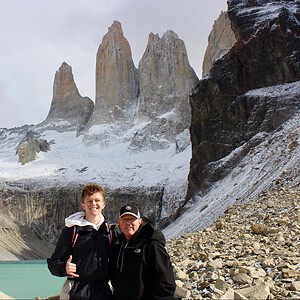
A parent hub for every continental summit
Travis Ludlow organizes the Seven Summits cluster around mountain parents, progression, cost, tools and decision-specific children. Safety review is provided by Dawson Ludlow, who brings first-hand Kilimanjaro experience; altitude and medical review is provided by Taylor Ludlow, RN.
Read the editorial standards and team background →Choose the List. Build the Skills. Protect the Multi-Year Project.
The most useful Seven Summits plan is not the fastest possible order. It is the sequence that turns every expedition into preparation for the next without betting the entire project on one premature climb.
Climb the Seven Summits
The highest peak on every continent — full route, permit, cost, and safety guides for each. Oceania has two accepted answers, so both are here.
Was this helpful?
🏔Progression guides
🧭Explore & compare
Global Summit Guide is an independent mountaineering resource founded in 2026. The team combines first-hand trekking and climbing experience with in-depth research and professional health and nutrition review to help climbers choose objectives, prepare properly, and stay safe.
Health, altitude, and nutrition content is reviewed by Taylor Ludlow (Registered Nurse) and Brigg Hoopes (Nutritionist).
What We Don't Know Yet
Mountain information changes quickly. This box explains the limits of what this page can responsibly promise.
- Weather, snowpack, avalanche risk, road access, and route conditions can change quickly and may be different on your climbing dates.
- Route conditions, trailhead access, crevasse exposure, stream crossings, and rescue access may vary from published planning guidance.
- Total trip cost can change with flights, lodging, guide pricing, permits, gear rentals, transportation, and exchange rates.
- Fitness and altitude response vary by person; no guide, itinerary, or training plan can guarantee acclimatization or summit success.
- Comparisons simplify complex decisions; the better mountain depends on current conditions, skills, timing, budget, and risk tolerance.
Verify current conditions with official land managers, guide services, local forecasts, and current route reports before booking or climbing.
Mountaineering, rock and ice climbing, glacier travel, and high-altitude activity are inherently dangerous and can result in serious injury or death. The information on Global Summit Guide is provided for general informational and educational purposes only and is not a substitute for professional instruction, qualified guiding, proper equipment, or your own judgment and experience.
Route conditions, weather, snowpack, permits, regulations, and hazards change constantly and may differ from what is described here. Details may be incomplete, out of date, or contain errors. Always verify current information with local authorities, certified guides, and official sources before making any decision in the mountains.
Nothing on this site is medical, legal, or financial advice. Our fitness, acclimatization, altitude, and nutrition content is general in nature; consult a qualified physician before beginning any strenuous exercise program or exposing yourself to high altitude.
You are solely responsible for your own safety and decisions. To the fullest extent permitted by law, Global Summit Guide and its team accept no liability for any loss, injury, damage, or expense arising from use of, or reliance on, this information. By using this site you acknowledge these risks and accept these terms.
Some links on this site may be affiliate links. If you buy through them we may earn a small commission at no extra cost to you; this never affects our recommendations.
Global Summit Guide recommendation path
Next Best Mountain to Research
Use these recommendations to continue the right planning path instead of stopping on one page.
Use current permit, weather, route, and operator information before booking or climbing.
Start Planning Your Next Mountain Adventure
Found a mountain, hiking region or destination worth exploring? Use Expedia to start comparing the flights, places to stay, rental cars and travel options that can turn the idea into a realistic trip.
Explore current travel options for your next destination.
Affiliate disclosure: Global Summit Guide may earn a commission if you book through this link, at no additional cost to you.