
Last updated October 3, 2026
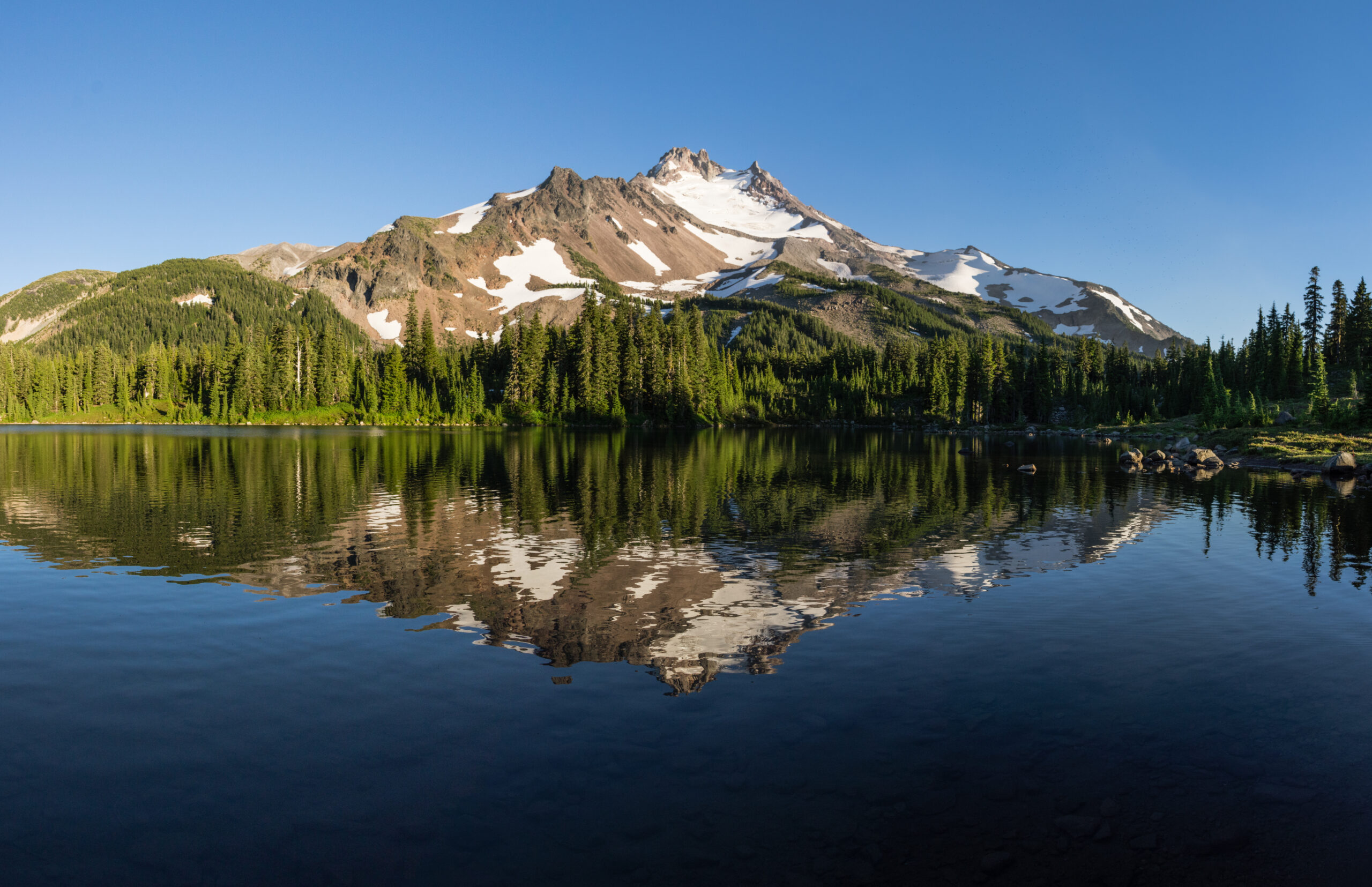
Hiking Comparisons: Which Trail or Trek Is Right for You?
Tour du Mont Blanc or Walker’s Haute Route? Pacific Crest Trail or Continental Divide Trail? Everest Base Camp or Annapurna Circuit? Inca Trail or Salkantay? Compare the world’s great hikes and treks by difficulty, distance, elevation, accommodation, resupply, cost, season and the kind of trail experience you actually want.
Do Not Choose a Trail From Distance or Scenery Alone.
Two trails of similar length can feel completely different. One may use staffed mountain huts while another requires camping and food carries. One may have exceptional waymarking and daily villages while another demands navigation, remote resupply and several days between easy exits.
Start with the experience you want to live every day: hut-to-hut, wilderness backpacking, high-altitude trekking, inn-to-inn walking, a continuous thru-hike or a shorter destination trek.
Comparison Pages Sit Between Discovery and Planning.
Parent hubs help you discover the major trails. Comparison pages narrow two or three finalists. Individual trail guides then handle the detailed itinerary, permits, huts, camps, transport and gear.
The Same Word “Trek” Covers Very Different Trail Systems.
Alpine hut networks, American wilderness corridors, Himalayan teahouse routes and Patagonian circuits require very different daily systems even when the total trip length appears similar.
TMB, Haute Route and Alta Via comparisons center on difficulty, accommodation and logistics.
AT, PCT and CDT decisions depend heavily on terrain, season, navigation and town access.
EBC, Annapurna and Manaslu comparisons are as much about acclimatization as trail difficulty.
Trip structure and reservation systems can matter as much as mileage.
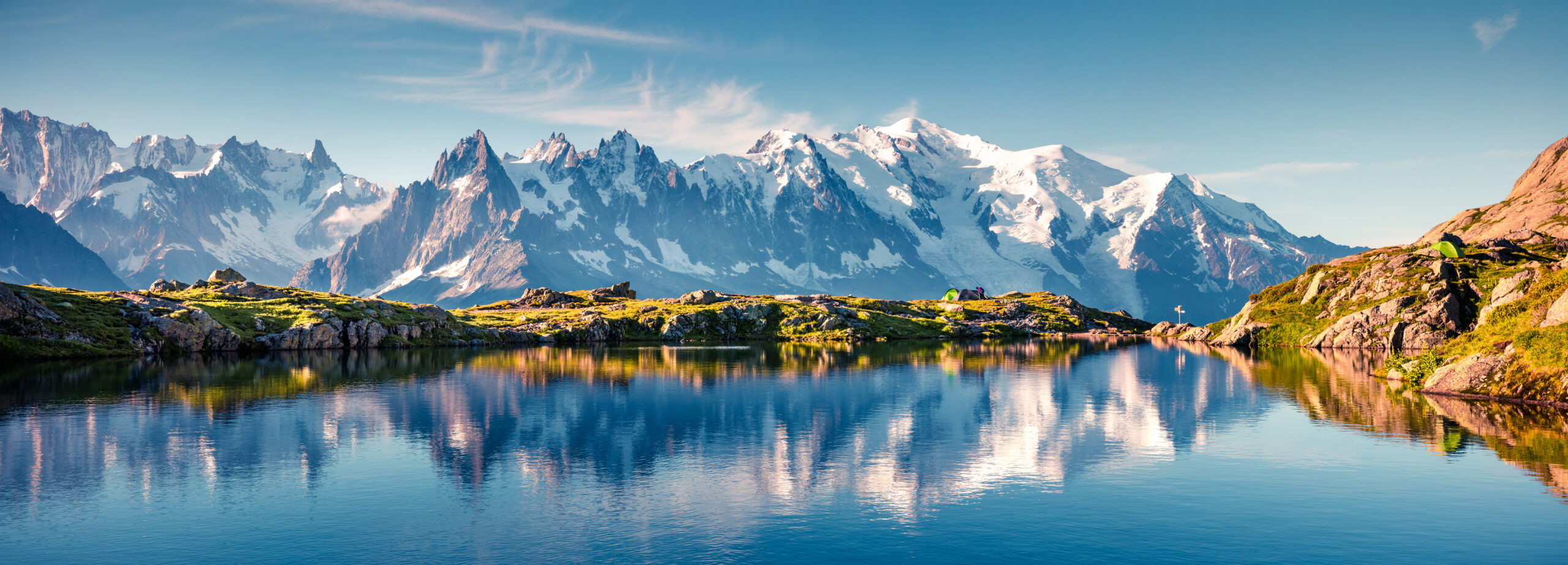
Europe’s Famous Trails Are Not Interchangeable.
Tour du Mont Blanc emphasizes a polished hut-and-village circuit. Walker’s Haute Route increases the mountain challenge. GR20 is rougher and more committing. Alta Via 1 combines spectacular Dolomite scenery with an established rifugio system.
European Hiking & Trek Comparisons
Compare hut systems, trail difficulty, altitude, weather, accommodation and trip length across Europe’s major long-distance walking routes.
Tour du Mont Blanc vs Walker’s Haute Route
Classic Alpine circuit versus a more demanding Chamonix-to-Zermatt crossing.
Compare the trails → Hut-to-hut EuropeTour du Mont Blanc vs Alta Via 1
Three-country Alpine circuit versus the Dolomites’ classic rifugio trek.
Compare the trails → Difficulty contrastGR20 vs Tour du Mont Blanc
Rough, rocky Corsican terrain versus a more accessible Alpine circuit.
Compare the trails → European hut treksGR20 vs Alta Via 1
Physical commitment and scrambling versus Dolomite hut-to-hut travel.
Compare the trails → Beginner vs AlpineWest Highland Way vs Tour du Mont Blanc
Lower-altitude Scottish walking versus sustained Alpine pass crossings.
Compare the trails → Accessible international treksLaugavegur vs West Highland Way
Icelandic volcanic wilderness versus Scotland’s classic inn-to-inn route.
Compare the trails → Trail systemsEurope vs USA Long-Distance Trails
Huts, villages and transport versus wilderness camping and resupply systems.
Compare trail cultures →
The AT, PCT and CDT Ask for Different Kinds of Resilience.
The Appalachian Trail brings constant climbing, humidity, roots, rain and a dense trail community. The PCT adds desert water strategy, Sierra snow and long western mileage. The CDT adds more navigation, remoteness and route choice.
U.S. Thru-Hike & Long-Trail Comparisons
Compare trail culture, terrain, resupply, weather, navigation, distance and the logistical commitment required for America’s major long-distance trails.
PCT vs Appalachian Trail
Western distance and seasonal strategy versus eastern climbing and trail culture.
Compare PCT & AT → Triple CrownPCT vs Continental Divide Trail
Established western corridor versus a more remote, navigationally complex journey.
Compare PCT & CDT → Triple CrownAppalachian Trail vs CDT
Dense eastern trail infrastructure versus the remote Continental Divide.
Compare AT & CDT → Western USAJohn Muir Trail vs Colorado Trail
Sierra granite and permit pressure versus a longer Colorado high-country journey.
Compare the trails → Pacific NorthwestWonderland Trail vs Timberline Trail
Two famous volcano circuits around Rainier and Mount Hood.
Compare the circuits → Three-trail comparisonAT vs PCT vs CDT
Understand the complete Triple Crown and what makes each trail different.
Compare the Triple Crown → Commitment styleSection Hiking vs Thru-Hiking
Complete a trail continuously or build it across multiple seasons.
Compare hiking styles → Utah day hikesMount Timpanogos vs Mount Nebo
Compare two of Utah’s major high-elevation hiking objectives.
Compare the hikes →International Thru-Hike Comparisons
These comparisons matter when the choice is not just between two trails, but between different countries, resupply systems, wilderness cultures and travel commitments.
Te Araroa vs Pacific Crest Trail
New Zealand end-to-end travel versus the American West’s defining long trail.
Compare the trails → Adventure styleHigh Route vs Thru-Hike vs Summit Trek
Choose the style of mountain journey before choosing the specific trail.
Compare trip styles → International systemsEurope vs USA Long Trails
Compare huts, towns, camping, wilderness, navigation and resupply.
Compare systems →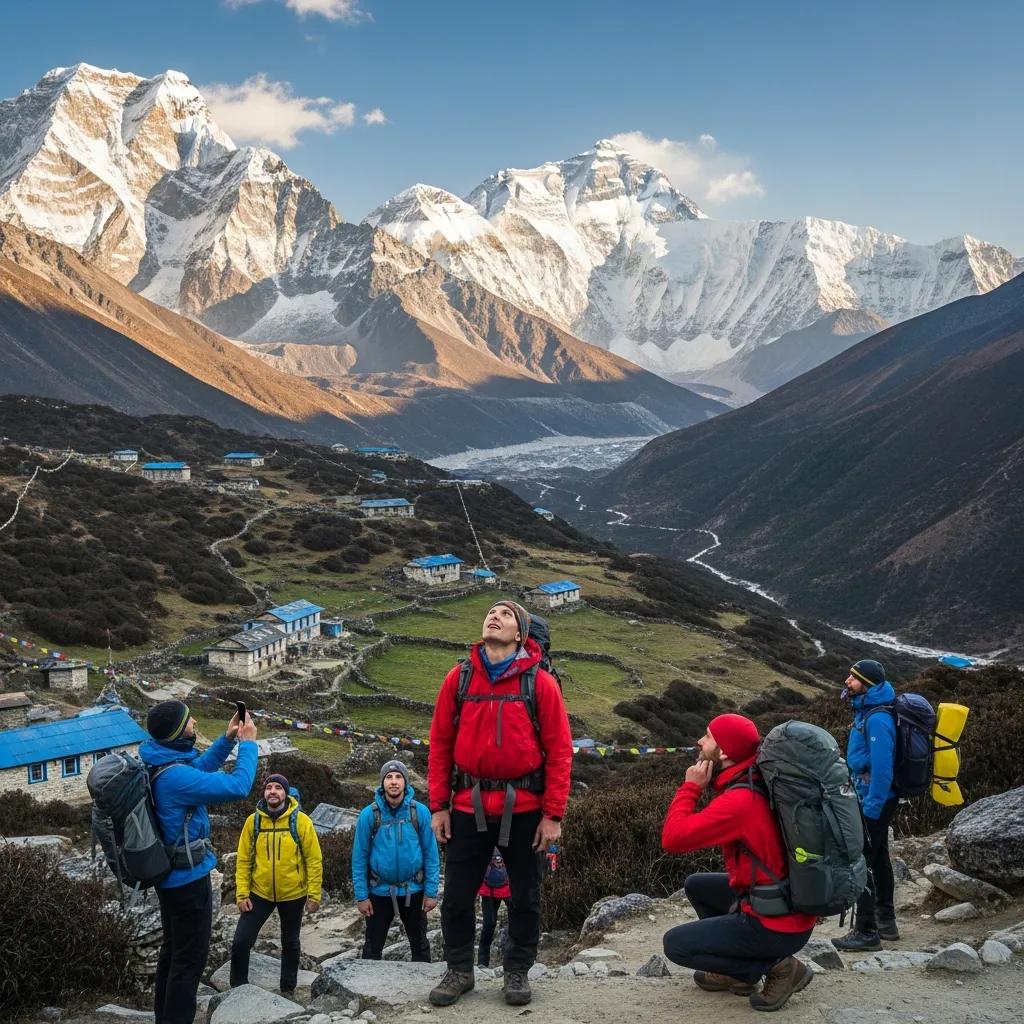
In Nepal, the Real Comparison Is Often Altitude, Crowds and Journey Style.
Everest Base Camp follows an out-and-back journey through the Khumbu. Annapurna creates a dramatic mountain crossing. Manaslu offers a more restricted and generally quieter circuit. The right trek depends on much more than which mountain names are most famous.
Nepal Trek Comparisons
Compare altitude profiles, route shape, teahouses, permit systems, crowds and the amount of time each Himalayan trek requires.
Everest Base Camp vs Annapurna Circuit
Khumbu out-and-back trek versus a classic high-pass circuit.
Compare the treks → NepalEverest Base Camp vs Manaslu Circuit
World-famous Khumbu infrastructure versus a quieter restricted circuit.
Compare the treks → Nepal circuitsAnnapurna Circuit vs Manaslu Circuit
Two major Himalayan circuits with different crowds, permits and logistics.
Compare the circuits →
Some Comparisons Are Really About Trip Structure.
Inca Trail permits, Torres del Paine reservations and Patagonia’s transport systems can determine the practical experience before trail difficulty ever enters the conversation.
Peru & Patagonia Trek Comparisons
Compare iconic destination treks where reservations, weather, scenery, trip length and access can be as important as physical difficulty.
Inca Trail vs Salkantay Trek
Classic permit-controlled archaeological route versus a higher mountain trek.
Compare the treks → Torres del PaineW Circuit vs O Circuit
Patagonia’s shorter classic versus the full Paine Massif circuit.
Compare W & O → PatagoniaW Trek vs O Trek vs Huemul Circuit
Three very different Patagonia trekking experiences placed side by side.
Compare all three → Trip styleSelf-Guided vs Guided Patagonia
Compare independence, logistics, cost and support.
Compare trip styles → Destination choiceArgentine vs Chilean Patagonia
El Chaltén and Argentina versus Torres del Paine and southern Chile.
Compare destinations →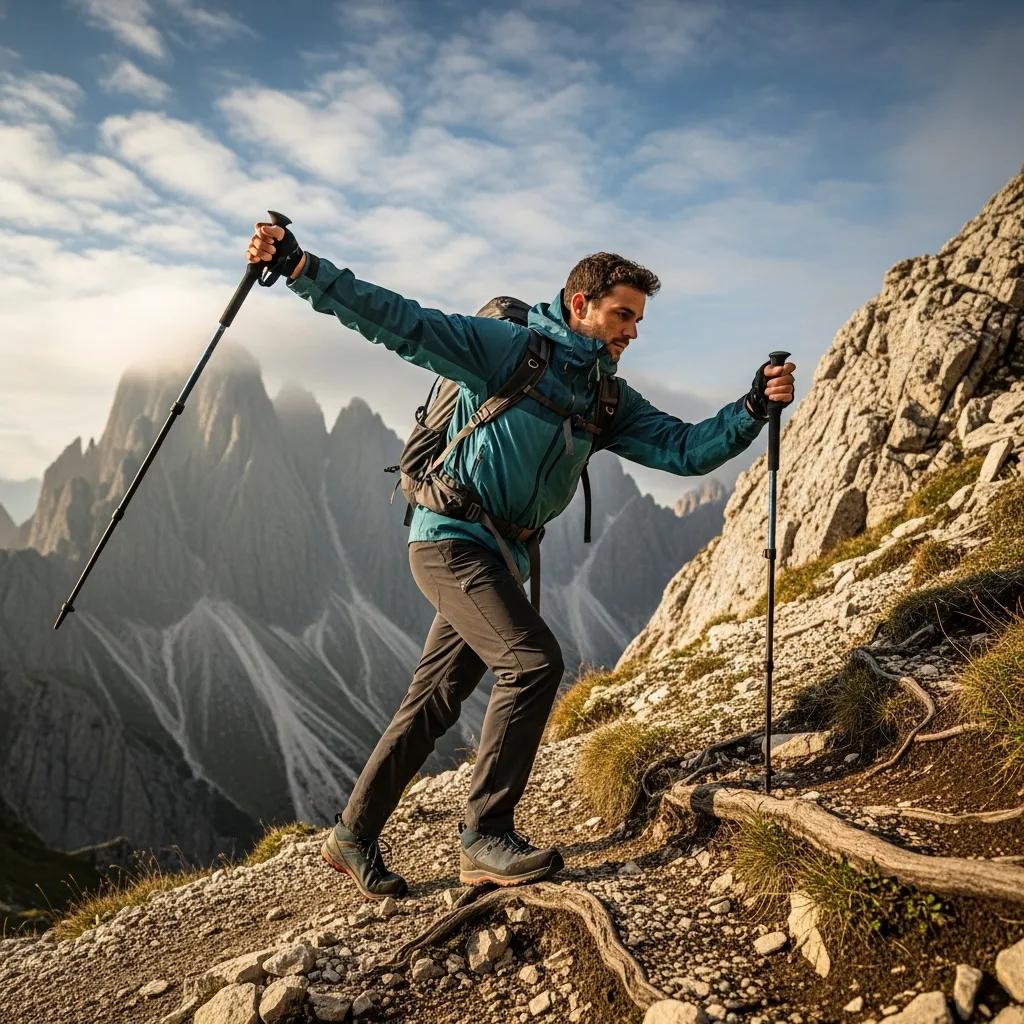
Sometimes the First Decision Is What Kind of Hiking You Want to Do.
Day hiking, trekking, backpacking, section hiking and thru-hiking overlap, but they create very different demands on time, gear, logistics and self-sufficiency.
Hiking Style & Adventure Comparisons
Use these pages when you are deciding what type of trip fits your available time and experience before choosing the exact route.
Section Hiking vs Thru-Hiking
Complete a route continuously or build the trail across multiple seasons.
Compare styles → Adventure typeHigh Route vs Thru-Hike vs Summit Trek
Compare three very different ways to structure a major mountain journey.
Compare styles → TerminologyHiking vs Trekking vs Mountaineering
Understand where walking ends and technical mountain travel begins.
Compare disciplines → ProgressionHiking vs Mountain Climbing
When a hiking objective becomes a mountaineering objective.
Compare disciplines → Support levelSelf-Guided vs Guided Trekking
Compare independence, cost, support and logistics.
Compare styles → Trail cultureEurope vs USA Long Trails
Compare hut-and-village systems with long wilderness corridors.
Compare systems →Turn the Choice Into a Real Hiking Plan.
Once the trail is chosen, move into timing, budget, resupply, gear and training instead of continuing to compare indefinitely.
How to Plan a Thru-Hike
Build your complete timeline around permits, mileage, resupply, transportation, training and contingency.
Plan the Hike →Thru-Hike Cost
Understand gear, travel, trail-town spending, lodging, food and emergency reserve.
Build a Budget →Thru-Hike Resupply
Compare buying on trail, mailing boxes and planning carries between resupply points.
Plan Resupply →Thru-Hiking Gear List
Build a trail system around shelter, sleep, footwear, clothing, water and electronics.
Build Your Gear List →Frequently Asked Questions
How should I compare two hiking trails?
What is the difference between a trail comparison and a trail guide?
Is the shorter trek always easier?
Should a beginner choose a hut-to-hut trek first?
Where should I start if I do not know which trail to choose?
Where do pilgrimage comparisons belong?

The Best Trail Is the One Whose Ordinary Days You Actually Want to Live.
Do not choose only from the summit photo or the famous name. Compare the walking, accommodation, resupply, weather, crowds, terrain and daily logistics. Then choose the route whose difficult days still sound like a journey worth taking.
Was this helpful?
Global Summit Guide is an independent mountaineering resource founded in 2026. The team combines first-hand trekking and climbing experience with in-depth research and professional health and nutrition review to help climbers choose objectives, prepare properly, and stay safe.
Health, altitude, and nutrition content is reviewed by Taylor Ludlow (Registered Nurse) and Brigg Hoopes (Nutritionist).
What We Don't Know Yet
Mountain information changes quickly. This box explains the limits of what this page can responsibly promise.
- Weather, snowpack, avalanche risk, road access, and route conditions can change quickly and may be different on your climbing dates.
- Route conditions, trailhead access, crevasse exposure, stream crossings, and rescue access may vary from published planning guidance.
- Total trip cost can change with flights, lodging, guide pricing, permits, gear rentals, transportation, and exchange rates.
- Comparisons simplify complex decisions; the better mountain depends on current conditions, skills, timing, budget, and risk tolerance.
Verify current conditions with official land managers, guide services, local forecasts, and current route reports before booking or climbing.
Mountaineering, rock and ice climbing, glacier travel, and high-altitude activity are inherently dangerous and can result in serious injury or death. The information on Global Summit Guide is provided for general informational and educational purposes only and is not a substitute for professional instruction, qualified guiding, proper equipment, or your own judgment and experience.
Route conditions, weather, snowpack, permits, regulations, and hazards change constantly and may differ from what is described here. Details may be incomplete, out of date, or contain errors. Always verify current information with local authorities, certified guides, and official sources before making any decision in the mountains.
Nothing on this site is medical, legal, or financial advice. Our fitness, acclimatization, altitude, and nutrition content is general in nature; consult a qualified physician before beginning any strenuous exercise program or exposing yourself to high altitude.
You are solely responsible for your own safety and decisions. To the fullest extent permitted by law, Global Summit Guide and its team accept no liability for any loss, injury, damage, or expense arising from use of, or reliance on, this information. By using this site you acknowledge these risks and accept these terms.
Some links on this site may be affiliate links. If you buy through them we may earn a small commission at no extra cost to you; this never affects our recommendations.
Global Summit Guide recommendation path
Next Best Mountain to Research
Use these recommendations to continue the right planning path instead of stopping on one page.
Use current permit, weather, route, and operator information before booking or climbing.