
Last updated September 16, 2026
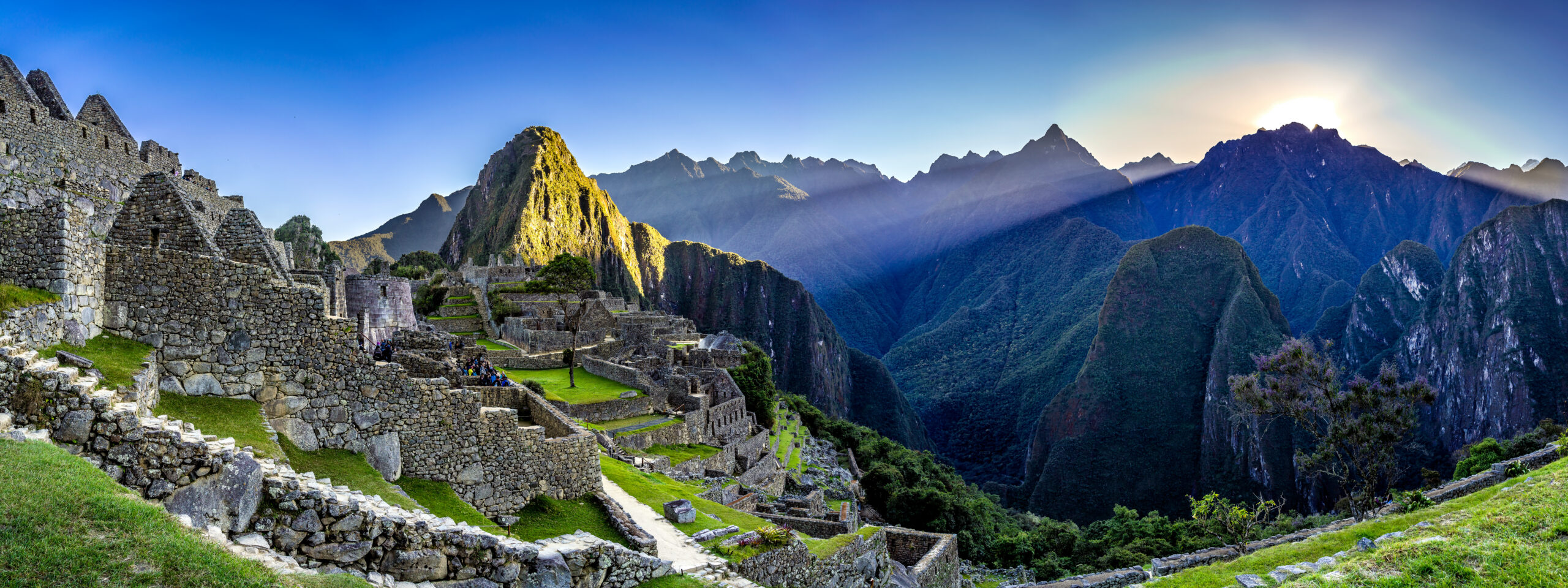
Best Hikes in Peru: Inca Trail, Salkantay, Huayhuash & More
Peru has two world-class trekking identities: Inca routes around Cusco and high alpine trekking around Huaraz. Compare the ten hikes that best represent both—then choose by altitude, permit pressure, remoteness, scenery and the kind of trip you actually want.
The Inca Trail Is Peru’s Best Classic Hike. Huayhuash Is Its Best Serious Circuit.
Choose the Classic Inca Trail if the historic approach to Machu Picchu is the point of the trip. Choose Salkantay for a higher, wilder Machu Picchu alternative. Choose Santa Cruz for a first multi-day trek from Huaraz, Huayhuash for a remote high-altitude circuit, and Ausangate for the strongest combination of high passes, glaciated scenery and living Andean culture.
For a single day from Huaraz, Laguna 69 is the standout—but its roughly 4,600-metre destination makes it an altitude hike, not a casual sightseeing walk.
Peru Gets Easier When You Choose the Type of Mountain Trip First
“Best hike in Peru” is not one question. A traveler who wants Inca history, a hiker who wants glacial wilderness and a strong trekker who wants repeated 5,000-metre passes are shopping for different trips.
Choose Cusco.
Build around the Inca Trail, Salkantay, Lares or a Choquequirao extension. This is the strongest choice when archaeology and the Machu Picchu finish matter as much as the hiking.
Choose Huaraz.
Santa Cruz, Laguna 69 and the wider Cordillera Blanca replace ruins with glaciated valleys, turquoise lakes and 5,000- to 6,000-metre skyline.
Choose Huayhuash or Ausangate.
Both demand stronger acclimatization and comfort with remote multi-day trekking. Huayhuash is the harder alpine circuit; Ausangate adds a stronger cultural landscape.
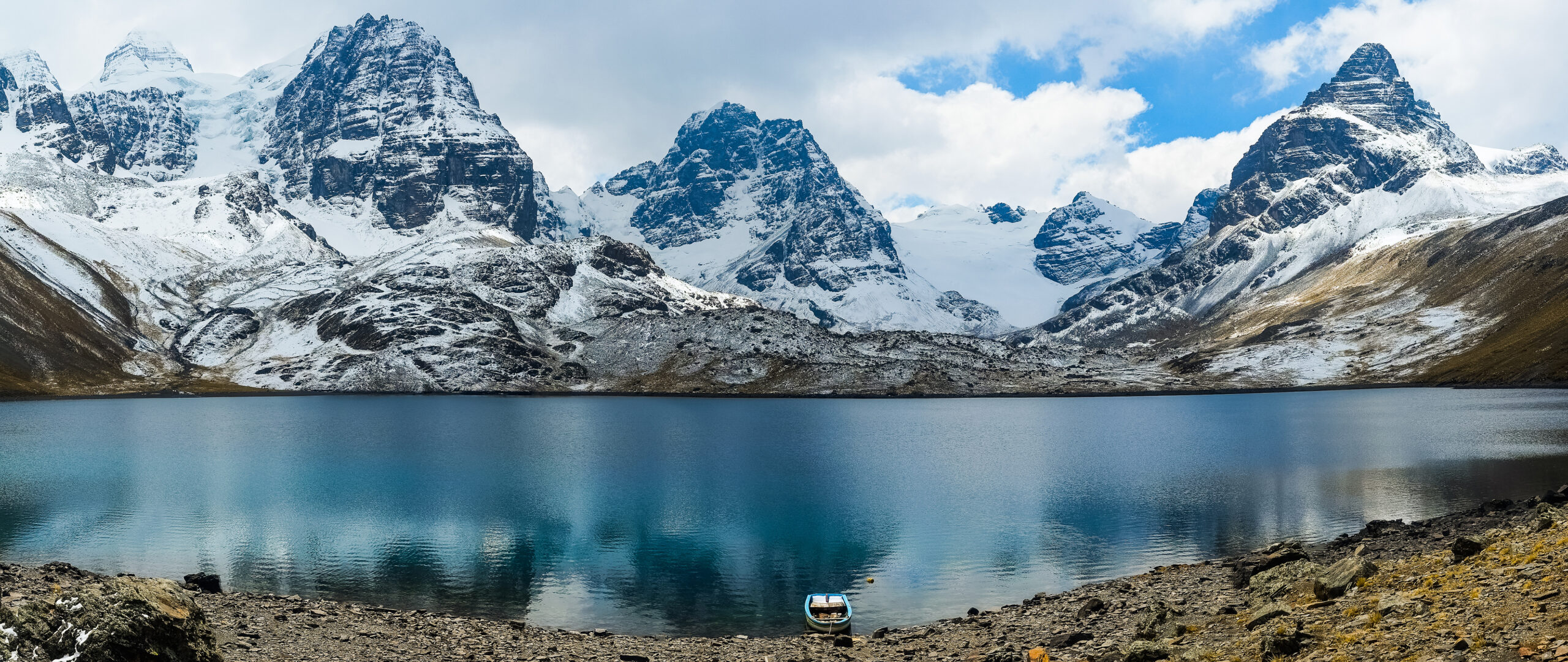
Huaraz Changes the Answer to “What Is Peru’s Best Hike?”
Cusco owns the iconic cultural routes. Huaraz owns Peru’s most concentrated alpine trekking: glacial lakes, high passes and access to the Cordillera Blanca and Huayhuash.
The 10 Best Hikes in Peru
This ranking rewards distinctive experience, scenery, route quality and how strongly each hike represents a major Peru trekking style. It is not a difficulty ranking.
Classic Inca Trail to Machu Picchu
The Classic Inca Trail wins because the route itself is the destination: original Inca road, cloud forest, stone staircases and archaeological sites build toward an arrival at Machu Picchu through Intipunku.
Its weakness is flexibility. Access is controlled, the trail is not an independent backpacking route, and prime dry-season dates require advance planning.
Best for: the historic walk into Machu Picchu.Salkantay Trek
Salkantay is the stronger choice when mountains matter more than original Inca paving. The route climbs toward the glaciated Salkantay massif, crosses a high puna pass and drops toward cloud-forest country.
It does not use the same Classic Inca Trail access system, but Machu Picchu admission and the trek’s local logistics still need separate planning.
Best for: a higher, wilder approach to Machu Picchu.Santa Cruz Trek
Santa Cruz is the cleanest introduction to the Cordillera Blanca: big valleys, turquoise water, dramatic granite-and-ice peaks and a high pass that feels properly alpine without requiring Huayhuash-length commitment.
The modest day count can hide the altitude. Arriving from Lima and starting immediately is a poor use of a short itinerary.
Best for: alpine reward with manageable commitment.Cordillera Huayhuash Circuit
Huayhuash is the route for hikers who want the Andes to feel like an expedition without becoming a technical climb. The circuit links camps beneath Yerupajá, Siula Grande and a compact wall of glaciated summits.
Its beauty comes with commitment. Travel time, camping systems, weather and cumulative altitude matter more here than on a four-day classic.
Best for: experienced multi-day trekkers.Ausangate Circuit
Ausangate moves through broad high-Andean landscapes of glaciers, colored ridges, lakes, hot springs, alpaca herds and Quechua communities around one of southern Peru’s sacred mountains.
The route lives high almost continuously, making it less forgiving than a trek that briefly touches one high pass and then descends.
Best for: remote high altitude with cultural texture.Choquequirao Trek
Choquequirao is the answer for hikers who want a major Inca site that still requires effort to reach. The route drops deep into the Apurímac canyon and demands the vertical gain back out.
It is easy to underestimate because the elevation headline looks less intimidating than Ausangate or Huayhuash.
Best for: archaeology with fewer crowds and serious vertical relief.Lares Trek
Lares is less about a single iconic mountain and more about how people live in the high Andes. The route connects small communities, weaving traditions, lakes and high valleys.
It can be a better fit for mixed groups than Salkantay, but “cultural” should not be read as “low.”
Best for: villages and cultural immersion.Laguna 69
Laguna 69 delivers the compressed Cordillera Blanca experience: valley walking, waterfalls, a hard final climb and an electric-blue glacial lake under huge ice-and-rock walls.
The risk is using it too early. Distance alone makes the route look approachable, but the lake is higher than the summits of many famous European mountains.
Best for: a high-impact alpine day after acclimatization.Colca Canyon
Colca is Peru’s counterpoint to the glacial Andes. The route drops through an enormous canyon landscape, links villages and adds one of South America’s best-known condor-viewing areas.
The hard part is the vertical profile. A long descent can disguise how much climbing waits on the exit.
Best for: canyon scenery and a lower-altitude contrast.Rainbow Mountain / Palccoyo
Vinicunca earns its fame: mineral bands create a landscape unlike anything else in this list. Palccoyo can be the more relaxed alternative for travelers who want colored ridges without making one congested viewpoint the entire day.
Both should be treated as altitude objectives. Short walking distance does not reduce the physiological cost of being around 5,000 metres.
Best for: an acclimatized high-altitude day trip.
Salkantay Is the Mountain-First Alternative to the Inca Trail
The trade is straightforward: less original Inca road and less controlled-route structure, but a higher pass, bigger glaciated scenery and a trek that feels more like a mountain journey before the Machu Picchu finish.
Peru Hike Comparison Table
Distances and day counts vary by direction, operator and route variation. Use these as decision ranges, then verify the exact itinerary before booking.
| Trek | Base | Typical time | Altitude character | Best for | Planning pressure |
|---|---|---|---|---|---|
| Classic Inca Trail | Cusco / Sacred Valley | 4 days | High pass ~4,215 m | Historic Machu Picchu approach | Very high · controlled access |
| Salkantay | Cusco / Mollepata | ~5 days | Pass ~4,630 m | Mountain-focused Machu Picchu trek | Medium · route + citadel |
| Santa Cruz | Huaraz | 3–5 days | Punta Unión ~4,750 m | First Cordillera Blanca multi-day | Medium · park + logistics |
| Huayhuash | Huaraz / gateways | 8–12 days | Repeated 4,600–5,000 m passes | Experienced circuit hikers | High · remote systems |
| Ausangate | Cusco | 5–7 days | Sustained very high terrain | Culture + high wilderness | Medium · local logistics |
| Choquequirao | Cusco / Apurímac access | 4–5+ days | Big canyon relief | Quiet Inca archaeology | Medium · transport + camps |
| Lares | Sacred Valley | 3–4 days | High valleys and passes | Culture and flexible pacing | Medium · route varies |
| Laguna 69 | Huaraz | 1 day | Destination ~4,600 m | High-impact alpine day | Medium · park access |
| Colca Canyon | Arequipa / Colca | 2–3 days | Large descent + ascent | Canyon scenery and condors | Low–medium |
| Vinicunca / Palccoyo | Cusco | 1 day | ~5,000 m terrain | Color and photography | Low–medium |

Huayhuash Rewards Time More Than Speed
The route’s strength comes from cumulative days in the high Andes. Shortening a serious circuit is not simply a faster version of the same experience—it changes acclimatization, recovery, logistics and how much of the range you actually see.
What Is the Best Peru Hike If You Have 7, 10 or 14 Days?
Trip length should include arrival, acclimatization and transport—not only the number of nights advertised on the trail.
Choose One Compact Objective
Do not spend the entire week in buses and airports. Strong fits include a Cusco/Sacred Valley base with one day hike plus a short trek, or a focused Huaraz trip with acclimatization and Laguna 69.
- Best cultural focus: Lares + Sacred Valley
- Best alpine focus: Huaraz + Laguna 69
- Best canyon focus: Arequipa + Colca
One Major Trek + Acclimatization
This is the cleanest window for the Classic Inca Trail, Salkantay, Santa Cruz or a carefully paced Ausangate itinerary once travel days are included.
- Classic Peru: Cusco + 4-day Inca Trail
- Mountain Peru: Huaraz + Santa Cruz
- Higher commitment: Ausangate with real acclimatization
Serious Circuit Territory
Two weeks makes Huayhuash realistic because the trip can absorb acclimatization, gateway transport, the circuit itself and at least a small weather/logistics margin.
- Best serious trek: Huayhuash
- Best culture + wilderness: Ausangate + Cusco
- Best mixed trip: one major trek + Machu Picchu
Cusco, Huaraz and Arequipa Create Three Different Peru Hiking Trips
The fastest way to make a Peru itinerary coherent is to stop treating the whole country as one trail network. Choose one main base, use it to acclimatize, and let the best routes near that base do most of the work.
The culture-and-trekking trip
Best for the Inca Trail, Salkantay, Lares, Ausangate, Rainbow Mountain and Machu Picchu.
The alpine hiking trip
Best for Santa Cruz, Laguna 69, the Cordillera Blanca, Huascarán National Park and access toward Huayhuash.
The canyon-and-volcano trip
Best for Colca Canyon, condor country and a southern Peru itinerary that contrasts with the high glacier ranges.
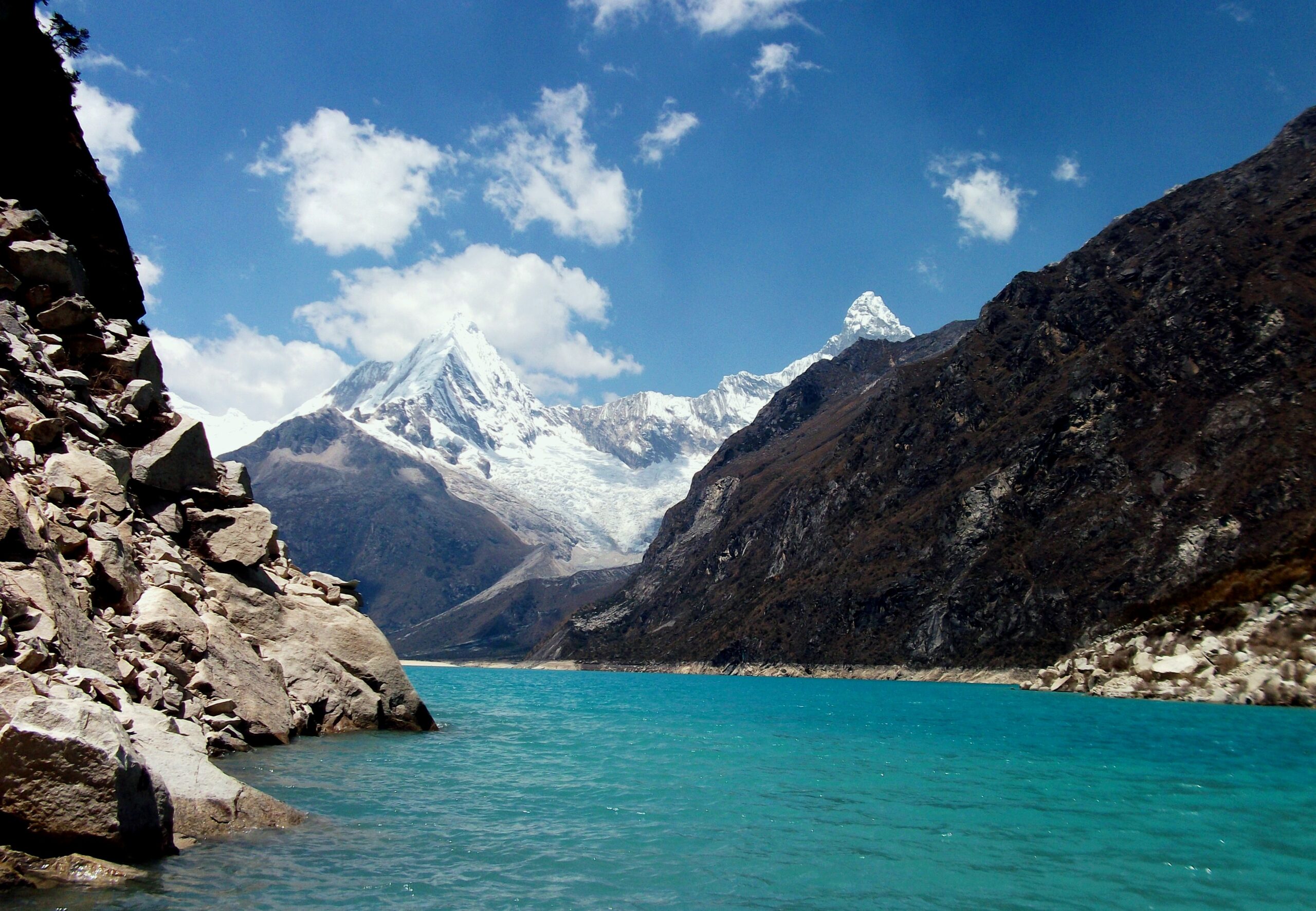
Shorter Does Not Mean Easier When the Trail Starts Above 3,000 Metres
Cusco and Huaraz are acclimatization bases, not merely hotel stops. A one-day lake hike near 4,600 metres can be physiologically harder than a much longer hike at low elevation.
What Should You Reserve First for a Peru Hiking Trip?
The scarce item depends on the route. Book the bottleneck first, then build the rest of the trip around it.
Lock the Controlled Pieces First
Start with an authorized Inca Trail arrangement and the correct Machu Picchu entry plan. Do not buy rigid flights around a trail date that has not been confirmed.
Protect Acclimatization + Transport
The route itself may be more flexible than the Inca Trail, but the useful sequence is still fixed: arrive, acclimatize, confirm current park/logistics details, then start the high objective.
Confirm the Support Model
Decide whether the trip is independent, locally supported or fully guided, then confirm camps, community arrangements, transport and contingency days before locking the rest of the itinerary.
Peru Has Several Reservation Systems. Do Not Treat Them as One Permit.
The most common planning mistake is assuming that “I booked my trek” means every controlled part of the trip is covered.
| Planning item | Where it matters | What is verified for 2026 | Best action |
|---|---|---|---|
| Inca Trail access | Classic Inca Trail network | SERNANP says entry is through authorized travel/tourism agencies. The network closed for annual maintenance in February 2026 and reopened March 1. | Choose an authorized agency first and verify the exact route/date before purchasing flights. |
| Machu Picchu ticket | Citadel visit after any approach | Peru’s Ministry of Culture uses timed circuits and the official TuBoleto sales channel. A 5,600-person daily maximum applies on specified 2026 high-demand dates. | Match the citadel ticket and circuit to the day and arrival pattern of your trek. |
| Huascarán National Park access | Laguna 69, Santa Cruz and Cordillera Blanca routes | SERNANP publishes current one-day, 2–3-day and 4–30-day fees and currently directs visitors to use authorized tourism operators. | Check route conditions, operator status and ticket category before travel. |
| Community / camp arrangements | Huayhuash, Ausangate and local routes | These are route-specific and can change between communities, seasons and service styles. | Confirm the route, camping support, local payments and cash needs with current local sources. |
May Through September Is the Broad Hiking Window
The dry southern winter creates the most reliable broad conditions for Cusco and the high ranges, but “dry season” does not remove cold nights, high wind, afternoon weather or crowd pressure.
| Period | Best use | Advantages | Watch-outs |
|---|---|---|---|
| May | Early dry season | Greener landscapes, improving weather, good shoulder value. | Residual wet-season effects can linger at altitude. |
| June–August | Core high-season trekking | Broadest dry-weather reliability for high trails. | Peak demand, cold nights and strong Machu Picchu booking pressure. |
| September | Late dry season | Strong mountain-hiking month with potentially less demand. | Season begins transitioning; verify current high-route conditions. |
| April / October | Shoulder-season trips | Can balance space and weather for flexible hikers. | Greater variability and less margin for aggressive fixed itineraries. |
| November–March | Selective lower / cultural travel | Greener country and lower crowds in some places. | Rain, mud and cloud; Inca Trail network closes in February for maintenance. |

Ausangate Lives High—Not Just at One Pass
The difficulty is cumulative. Multiple nights and passes in very high terrain mean that acclimatization quality, cold tolerance and day-after-day recovery matter more than the headline distance.
Peru’s Hiking Difficulty Is Often Physiological Before It Is Technical
Many routes are non-technical, but rapid arrival from sea level, sleeping high and crossing multiple 4,000- to 5,000-metre passes changes how a route feels—and how conservative the itinerary should be.
Acclimatize Before the Objective
Spend real time adapting in Cusco, the Sacred Valley or Huaraz. Easy walks and normal sleep at altitude are more useful before the main trek than trying to save a vacation day by starting immediately.
Build altitude margin first.Train for Repeated Climbing Days
Stairs, hill hiking, loaded daypacks and back-to-back walking days matter more than one spectacular gym session. Huayhuash adds recovery and camp-system demands that short routes do not.
Train for the itinerary, not a single day.Match the Route to Experience
Strong low-altitude fitness does not prove that a traveler tolerates 4,800 metres. If this is the first high-altitude trip, build margin rather than choosing the hardest route because the distances look manageable.
Experience is part of difficulty.Protect the First 48 Hours
The first two days in the highlands should not carry the biggest objective. Use arrival, hydration, sleep and easier movement to learn how your body is responding.
Do not spend the acclimatization budget on arrival day.
Colca Canyon Changes the Workload Without Making the Hiking Trivial
Colca is lower than the highest Cusco and Huaraz objectives, but the deep descent and climb back out punish legs in a different way. It is a useful reminder that elevation alone does not define hiking difficulty.
Next Best Step: Choose One Peru Objective and Move It Into My Climb.
A regional ranking is useful only until one route becomes real. Once you have a front-runner, stop comparing ten hikes and begin solving the six things that make that one trip work: objective, dates, altitude, readiness, access and travel.
Use the Live Page That Owns the Next Question
The Peru parent should own broad hike selection while passing readers into existing live mountain, Andes, preparation and planning resources. Dedicated Peru trek children can be wired in later as they publish.
Huascarán Climbing Guide
For hikers looking above the Cordillera Blanca trails toward Peru’s highest mountain and a technical glacier objective.
Open Huascarán → Deep link · Live Peru mountainAlpamayo Climbing Guide
Connect Santa Cruz and Cordillera Blanca readers to one of the Andes’ most distinctive technical peaks.
Open Alpamayo → Regional authorityAndes High-Altitude Giants
Move from trekking into the major glaciated peaks of Peru, Ecuador, Bolivia, Chile and Argentina.
Explore the Andes → Related hiking clusterBest One-Week High-Altitude Circuits
Compare Salkantay, Santa Cruz, short Huayhuash and Ausangate against high-altitude circuits elsewhere.
Compare circuits →Go Deeper After You Choose the Route
These pages answer planning questions that should not be duplicated inside the regional ranking itself.
Peru Late-Dry-Season Hiking Update
Use the dated brief for current trail, crowd and September tradeoffs while this parent stays evergreen.
Deep recovery · AltitudeAltitude Acclimatization Explained
Understand why Cusco, Huaraz, Laguna 69, Ausangate and Huayhuash all demand a smarter first 48 hours.
Deep recovery · WeatherMountain Weather for Climbers & Hikers
Dry season improves the odds; it does not eliminate mountain weather, wind, cold or route-level decisions.
Deep recovery · ComparisonBest One-Week High-Altitude Circuits
Compare shorter Peru circuits with high-altitude trekking options elsewhere in the world.
Peru mountain bridgeHuascarán Climbing Guide
For readers moving from Cordillera Blanca trekking toward Peru’s highest technical mountain objective.
Peru mountain bridgeAlpamayo Climbing Guide
Connect Santa Cruz and Huaraz trekking with one of the Cordillera Blanca’s defining technical peaks.
Sources & What Should Be Rechecked
Stable route comparisons and changing access rules are not treated as the same type of fact. The ranking can stay evergreen; permit, ticket, fee and operating information gets dated and linked to official sources.
Primary official sources
Recheck before booking
- Inca Trail availability and authorized operator status.
- Machu Picchu circuit and entry time.
- Huascarán access, fees and local conditions.
- Community payments and camp arrangements.
- Road, transport and weather conditions.
- Exact route itinerary and cancellation terms.
Frequently Asked Questions
Answers are deliberately limited to the broad regional decision intent of this parent page.
What is the best hike in Peru?
The Classic Inca Trail is the best all-around iconic Peru hike because it combines an original Inca route, archaeological sites and the traditional approach to Machu Picchu. For serious mountain trekking, the Cordillera Huayhuash is the stronger choice. Santa Cruz is the best first multi-day trek from Huaraz.
Is Salkantay better than the Inca Trail?
Salkantay is better if you want a higher, wilder mountain route and more itinerary flexibility. The Inca Trail is better if historic road, ruins on the trek and the classic Intipunku arrival are the main reasons you are going.
When is the best time to hike in Peru?
May through September is the broadest dry-season answer for Cusco, the Cordillera Blanca and Huayhuash. June through August is the core high season. April and October can be strong shoulder months for flexible hikers.
Do I need a permit for the Inca Trail?
The Inca Trail network is controlled and SERNANP says entry is through travel and tourism agencies authorized by the sanctuary administration. Alternative approaches such as Salkantay do not use the same Classic Inca Trail access system, but Machu Picchu admission still requires separate planning.
What is the best hike near Huaraz?
Santa Cruz is the best first multi-day hike; Laguna 69 is the standout day hike; and Huayhuash is the best serious circuit for experienced trekkers.
Which Peru trek is hardest?
Huayhuash is the most serious overall because it combines remoteness, repeated high passes, camping and many consecutive days. Ausangate is also very high and demanding.
Choose One Peru Hike. Then Build the Trip Around That Objective.
If Machu Picchu is non-negotiable, start with Inca Trail vs Salkantay. If mountain scenery is the goal, start with Santa Cruz vs Huayhuash. Once the route is chosen, move it into My Climb and stop letting unrelated options compete for the same vacation days.
Was this helpful?
🏔Related peaks nearby
🧭Explore & compare
Global Summit Guide is an independent mountaineering resource founded in 2026. The team combines first-hand trekking and climbing experience with in-depth research and professional health and nutrition review to help climbers choose objectives, prepare properly, and stay safe.
Health, altitude, and nutrition content is reviewed by Taylor Ludlow (Registered Nurse) and Brigg Hoopes (Nutritionist).
What We Don't Know Yet
Mountain information changes quickly. This box explains the limits of what this page can responsibly promise.
- Comparisons simplify complex decisions; the better mountain depends on current conditions, skills, timing, budget, and risk tolerance.
- Visa, passport, vaccination, border, insurance, and local transportation rules may change before your trip.
- Route conditions, snowpack, closures, and weather can change quickly after this page is updated.
- Permit rules, fees, quotas, and reservation windows may change between review cycles.
- Operator availability, pricing, guide ratios, and cancellation terms can change by season.
Verify current conditions with official land managers, guide services, local forecasts, and current route reports before booking or climbing.
Mountaineering, rock and ice climbing, glacier travel, and high-altitude activity are inherently dangerous and can result in serious injury or death. The information on Global Summit Guide is provided for general informational and educational purposes only and is not a substitute for professional instruction, qualified guiding, proper equipment, or your own judgment and experience.
Route conditions, weather, snowpack, permits, regulations, and hazards change constantly and may differ from what is described here. Details may be incomplete, out of date, or contain errors. Always verify current information with local authorities, certified guides, and official sources before making any decision in the mountains.
Nothing on this site is medical, legal, or financial advice. Our fitness, acclimatization, altitude, and nutrition content is general in nature; consult a qualified physician before beginning any strenuous exercise program or exposing yourself to high altitude.
You are solely responsible for your own safety and decisions. To the fullest extent permitted by law, Global Summit Guide and its team accept no liability for any loss, injury, damage, or expense arising from use of, or reliance on, this information. By using this site you acknowledge these risks and accept these terms.
Some links on this site may be affiliate links. If you buy through them we may earn a small commission at no extra cost to you; this never affects our recommendations.
Global Summit Guide recommendation path
Next Best Mountain to Research
Use these recommendations to continue the right planning path instead of stopping on one page.
Use current permit, weather, route, and operator information before booking or climbing.
Search Flights, Hotels & Rental Cars
Have the mountain or destination picked? Use Expedia to compare the flights, lodging and rental cars that fit your actual trip dates. For mountain travel, consider arriving early enough for delays and adding a buffer night after the climb before a fixed flight home.
Compare current flight, hotel and car options.
Affiliate disclosure: Global Summit Guide may earn a commission if you book through this link, at no additional cost to you.