
Last updated September 23, 2026
Best Hikes in the French Alps: 12 Trails from Mont Blanc to Écrins
For a first French Alps trip, start in Chamonix. Hike Lac Blanc for the classic lake-and-Mont-Blanc view or Grand Balcon Nord for a shorter lift-assisted traverse above the Mer de Glace. For several days on trail, Tour du Mont Blanc is the strongest all-around choice; GR54 is the harder wilderness circuit, Vanoise gives you a shorter refuge journey, and Queyras trades Mont Blanc crowds for southern-Alps villages and larch forests.
Which French Alps Hike Should You Choose?
Choose Tour du Mont Blanc if you want the best-known multi-day trek. Its roughly 170 km circuit crosses France, Italy and Switzerland, normally linking villages and refuges over 7–11 days.
Choose Lac Blanc if you have one full day in Chamonix and want the classic Mont Blanc-facing view. The standard Flégère version is not an effortless sightseeing walk: Chamonix currently rates the 7 km, 500 m-gain route as difficult.
Choose Grand Balcon Nord if you want a shorter Chamonix traverse. It is officially rated medium and runs 5.7 km from Plan de l’Aiguille toward Montenvers, but it depends on lift and mountain-rail schedules.
Choose GR54 for the hardest long trek here, Vanoise for a 4–7 day refuge circuit, and GR58 Queyras for a quieter 10-day southern-Alps journey.
The French Alps Are Not One Hiking Destination
Chamonix, Écrins, Vanoise, Queyras and Lake Annecy solve different travel problems. Choose the region first, then the route.
| Your priority | Best match | Why | Main tradeoff |
|---|---|---|---|
| First French Alps trip | Chamonix | Easy logistics, lifts, mountain rail, major day hikes and TMB access | Busy in summer |
| One strong mountain day | Lac Blanc | Lake foreground with Mont Blanc massif across the valley | Steeper than many visitors expect |
| Shorter lift-assisted traverse | Grand Balcon Nord | Big views with relatively little ascent | Lift/train timing and snow matter |
| First hut-to-hut Alps trek | Tour du Mont Blanc | Mature refuge network, villages and clear route identity | Reservations and summer demand |
| Hard wilderness circuit | GR54 | More remote, more elevation and a stronger endurance test | 10–15 days and demanding passes |
| Shorter refuge circuit | Tour des Glaciers de la Vanoise | 4–7 day route family around major glaciers | Still rated difficult |
| Quieter southern Alps | GR58 Queyras | High villages, larch forest and around 10 days of walking | More complicated access than Chamonix |
| Lake-plus-summit day | La Tournette | Lake Annecy below a real mountain summit | Very hard, exposed finish |
The 12 Best Hikes in the French Alps
The list includes day hikes, hut circuits and cross-border classics anchored to the French Alps. They are not ranked by difficulty.
Tour du Mont Blanc
TMB is the default choice for a first major hut-to-hut trip in the Western Alps. The route circles the Mont Blanc massif through three countries, linking high passes with villages, refuges and reliable resupply.
Its popularity is both strength and weakness. Infrastructure is excellent, but peak-season accommodation can dictate your itinerary long before the weather forecast exists.
Lac Blanc from La Flégère
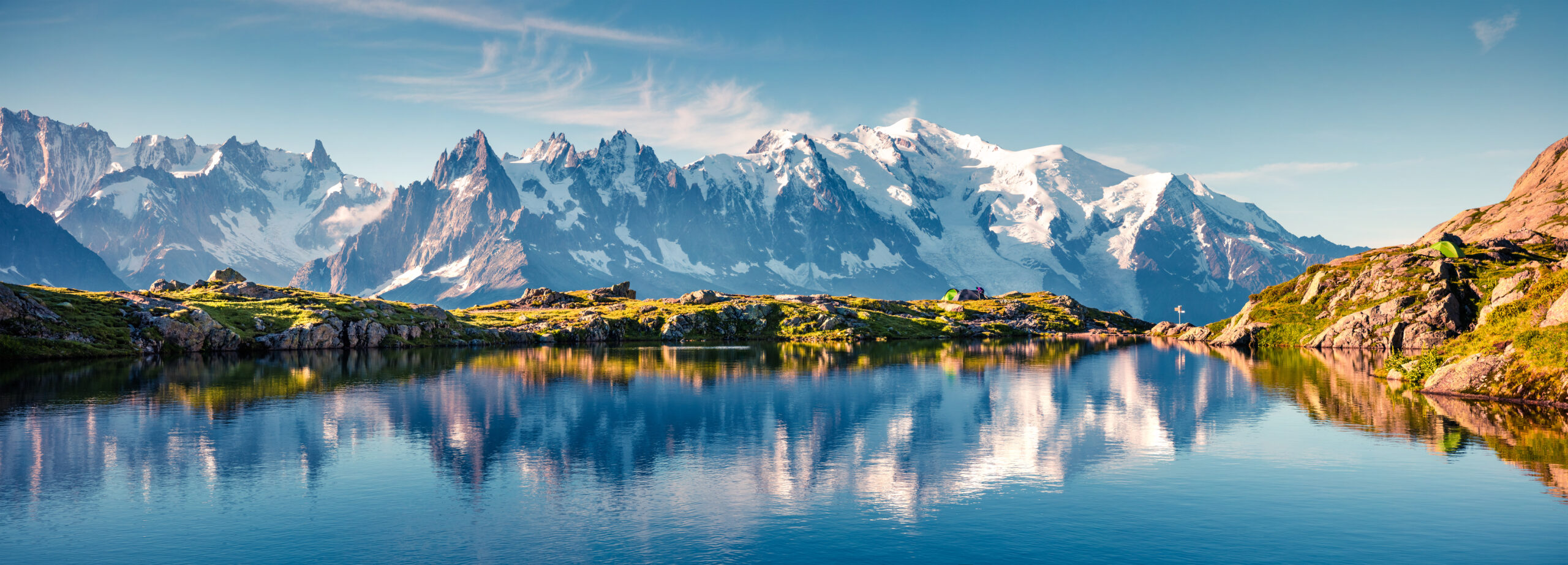
The reason to hike Lac Blanc is simple: the lake sits in the Aiguilles Rouges facing the Mont Blanc massif. On a clear day the opposing glaciers and granite aiguilles dominate the horizon.
Using the Flégère cable car shortens the day, but it does not turn the route into a flat promenade. Chamonix currently rates the standard Flégère version difficult because of the gradient.
Grand Balcon Nord
The standard traverse runs from Plan de l’Aiguille toward Montenvers, with the Aiguilles above and the Mer de Glace at the far end. It delivers high-mountain scenery with less uphill effort than Lac Blanc.
Do not use steep shortcut couloirs when snow remains. Chamonix specifically warns that those lines can be dangerous in névé; the panoramic route is the normal choice.
GR54 Tour de l’Oisans & Écrins
GR54 is the big step away from Chamonix convenience. Écrins National Park describes it as the most untamed and difficult of the three major French Alps long-distance routes.
Exact distance depends on start and variant. Current park itineraries range from roughly 184 km to more than 220 km, so pick the itinerary before quoting a mileage number to your group.
Tour des Glaciers de la Vanoise
This is a route family rather than one rigid circuit. Vanoise National Park publishes versions from roughly five days and 60 km to seven days and more than 80 km, allowing you to match the trek to available time.
The route stays close to the Vanoise glaciers and uses a dense refuge network. It is quieter than the Mont Blanc corridor without being obscure or unsupported.
GR58 Tour du Queyras
Queyras changes the mood: drier southern-Alps light, larch forest, high pastoral valleys and villages such as Ceillac and Saint-Véran. The GR58 is established enough for straightforward lodging but far less internationally famous than TMB.
FFRandonnée’s current route material uses about 130 km, and its 2026 topoguide presents a 10-day main itinerary.
GR5 French Alps Traverse
GR5 belongs here for hikers who want continuity more than one named mountain. The French Alps section links numerous valleys and mountain groups over a journey measured in weeks rather than days.
It is less useful for a first one-week Alps vacation and much more useful for someone who wants a sustained long-distance walking project.
La Tournette
La Tournette rises directly above Lake Annecy and finishes with far more exposure than the phrase “lake hike” suggests. The current Col de l’Aulp/Prés Ronds route is rated very hard by the Lake Annecy Tourist Office.
The upper section includes an exposed finish, and local guided descriptions note cables, chains and ladders. This is for confident mountain hikers, not a family lake stroll.
Mont Buet
Mont Buet gives strong hikers a summit objective without crossing a glacier on the normal hiking approach in dry summer conditions. It is a much bigger endurance day than Lac Blanc or the balcony traverses.
Snow changes the category quickly. Early season and fresh autumn snowfall can turn a trail day into a mountaineering problem, so route conditions matter more than the calendar label.
Aiguillette des Houches
Aiguillette des Houches is useful because it gives you real climbing and descending on trail without committing to the highest Chamonix terrain. It works well early in a trip before a TMB stage, Mont Buet or a longer mountain day.
Walker’s Haute Route
The Walker’s Haute Route starts in the French Alps at Chamonix and continues toward Zermatt through Switzerland. It is included here because Chamonix is its western gateway, not because the entire route lies in France.
Walking versions vary. Route choice, high passes, accommodation and Swiss logistics all deserve their own plan rather than treating this as a TMB clone.
Vallée des Merveilles, Mercantour
Mercantour brings a different French Alps character: southern light, granite lakes and the protected engraving zones of Vallée des Merveilles and Fontanalba.
Stay on the marked paths in regulated engraving areas and follow current park rules around poles, bivouac and access. The archaeological landscape is part of the route, not decoration beside it.
French Alps Hike Comparison
Route figures are planning numbers, not guarantees. Snow, variants, lift use and trail detours can change the actual day.
| Hike | Region | Typical time | Difficulty | Best fit | Main issue |
|---|---|---|---|---|---|
| Tour du Mont Blanc | Mont Blanc massif | 7–11 days | Strenuous trek | First major hut-to-hut | Accommodation demand |
| Lac Blanc / Flégère | Chamonix | ~3 hr | Difficult official rating | Mont Blanc-facing day | Gradient + cable car |
| Grand Balcon Nord | Chamonix | ~2h30 one-way | Medium official rating | Shorter high traverse | Lift/train + snow |
| GR54 | Écrins / Oisans | 10–15 days | Hard | Experienced trekkers | Passes + huge cumulative gain |
| Tour des Glaciers de la Vanoise | Vanoise | 4–7 days | Difficult | Shorter refuge circuit | Route variant + refuge plan |
| GR58 Queyras | Queyras | ~10 days | Moderate-hard | Quieter southern loop | Transport + lodging sequence |
| GR5 French Alps | French Alps traverse | Several weeks | Endurance | Long-distance walkers | Time + resupply |
| La Tournette | Lake Annecy | ~6h30 | Very hard official rating | Exposed summit day | Exposure + snow/weather |
| Mont Buet | Chamonix / Aiguilles Rouges area | Long day | Strenuous | High hiking summit | Snow + length |
| Aiguillette des Houches | Chamonix | Day hike | Moderate-strenuous | Warm-up / training | Weather + route variant |
| Walker’s Haute Route | France → Switzerland | Multi-day | Hard | Experienced hut trekkers | Cross-border planning |
| Vallée des Merveilles | Mercantour | Day or multi-day | Varies | Lakes + heritage | Protected-zone rules |
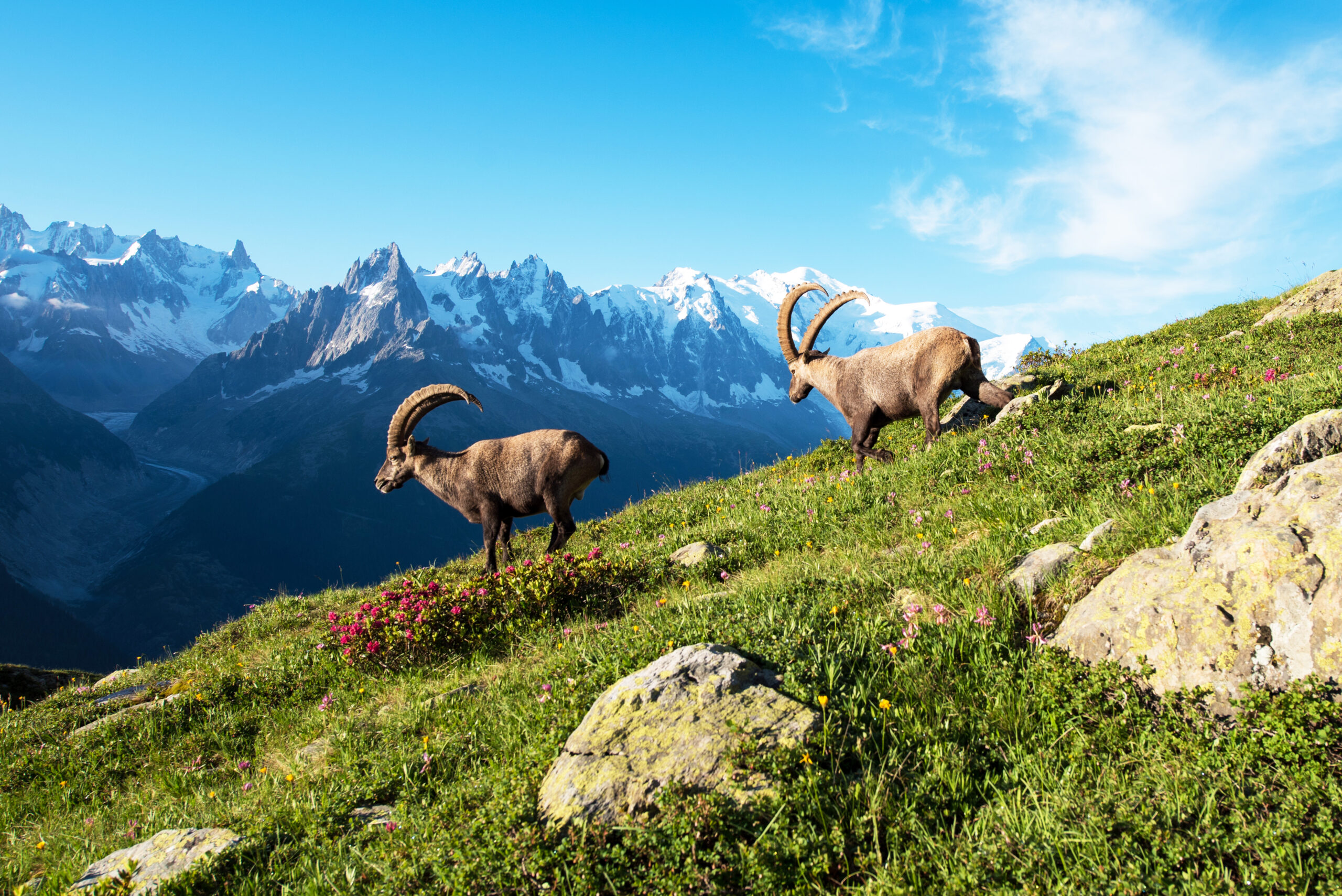
You Can Have a Great French Alps Trip Without Climbing Mont Blanc.
Lac Blanc, Grand Balcon Nord, Aiguillette des Houches and longer hiking objectives around the valley let you spend days facing the massif while keeping the trip on hiking terrain.
Lac Blanc vs Grand Balcon Nord
If you only remember one correction from this page, remember this: lift-assisted does not automatically mean easy.
| Factor | Lac Blanc from La Flégère | Grand Balcon Nord |
|---|---|---|
| Official difficulty | Difficult | Medium |
| Distance | 7 km round trip | 5.7 km one-way |
| Ascent / descent | +500 m / -500 m | +140 m / -523 m |
| Time | ~3 hr round trip | ~2h30 one-way |
| High point | 2,352 m | 2,310 m start/high point |
| Main view | Lac Blanc + Mont Blanc massif | Aiguilles + Mer de Glace approach |
| Transport dependency | Flégère cable car for standard version | Aiguille du Midi access + Montenvers train |
| Best choice | Stronger destination/photo day | Gentler short traverse |
Why the cable car matters
Chamonix recommends using Flégère because it removes roughly 800 meters of valley climbing that adds little to the high route. That saves energy, but you still climb about 500 meters between the lift station and Lac Blanc.
For 2026, the official route page lists daily access July 1–September 30, subject to cable-car operation, snow and weather.
Do not take the snowy shortcut
The normal panoramic path is the sensible route. Chamonix warns that a steeper shortcut crosses couloirs that can be dangerous when névé remains.
The official listing shows June 15–October 31 as the broad operating window, again dependent on lifts, snow and weather.
TMB vs GR54 vs Vanoise vs Queyras
The right long route depends more on experience, available days and desired infrastructure than on which name is most famous.
| Route | Scale | Character | Who should choose it |
|---|---|---|---|
| Tour du Mont Blanc | ~170 km · 7–11 days | Villages, refuges, three countries, frequent services | First major Alps hut trek |
| GR54 Écrins | 184 km classic baseline · 10–15 days | Harder passes, remote valleys, bigger cumulative elevation | Experienced long-distance mountain hikers |
| Tour des Glaciers de la Vanoise | ~60–80+ km · 4–7 days | Glaciers, refuges, adaptable route family | Hikers with less than a week who still want a full circuit |
| GR58 Queyras | ~130 km · ~10 days | Southern Alps, villages, larch forest, high pastoral country | Trekkers who value quiet route character over Mont Blanc prestige |
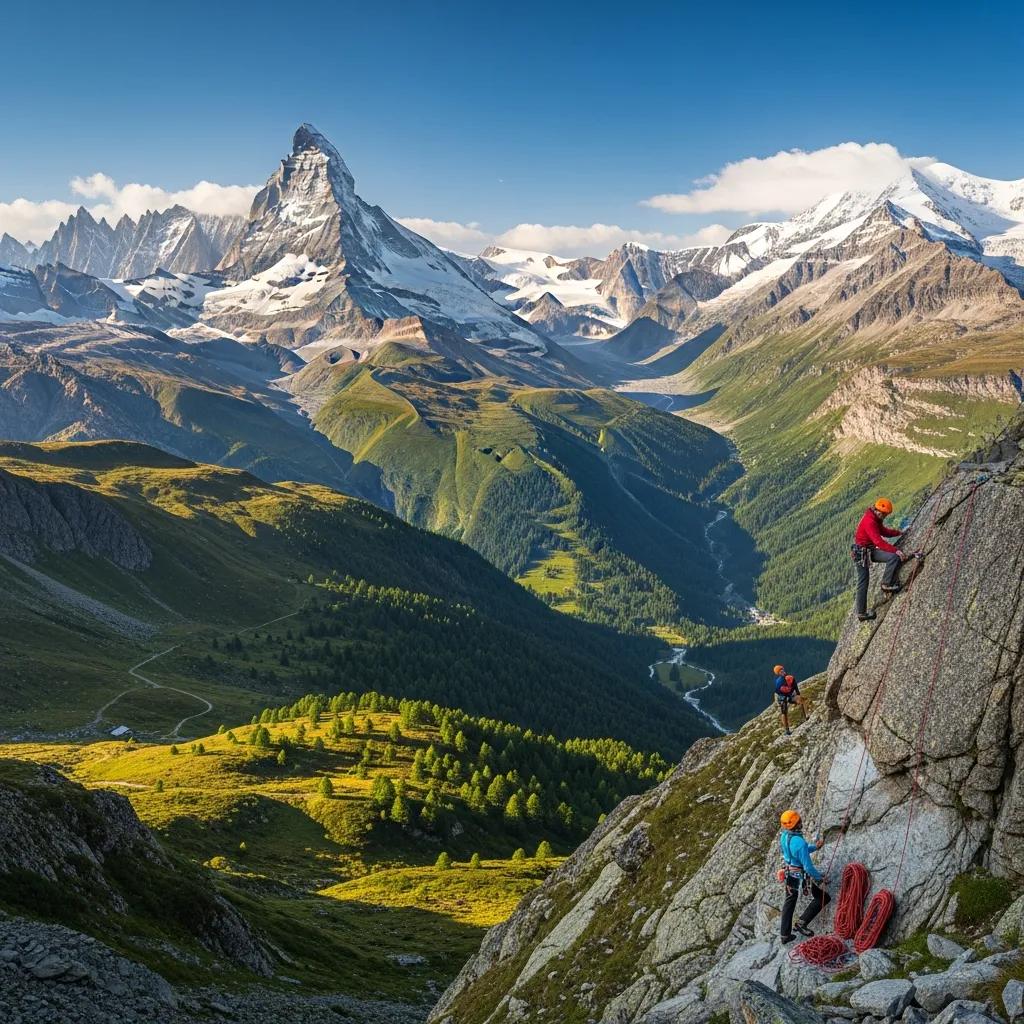
Snow, Exposure and Glacier Travel Can Move a “Hike” Into Another Category.
High French Alps routes are seasonal. A summer trail can become snow travel in June or October, and the Mont Blanc summit remains mountaineering even when hikers can see it from an ordinary trail.
Best French Alps Hiking Regions
Base-town choice affects how much time you spend hiking versus moving luggage, driving or waiting for transfers.
Chamonix / Mont Blanc
Best for: first-time visitors, lifts, day hikes and TMB access.
- Lac Blanc
- Grand Balcon Nord
- Mont Buet
- Aiguillette des Houches
Écrins & Oisans
Best for: harder trekking, national-park valleys and big mountain scenery.
- GR54
- La Grave
- Vallouise
- La Meije landscape
Vanoise
Best for: 4–7 day refuge circuits and glacier scenery.
- Pralognan-la-Vanoise
- Aussois
- Val-Cenis
- GR55 connections
Queyras
Best for: quieter hut/gîte trekking and southern-Alps villages.
- Ceillac
- Saint-Véran
- Abriès
- GR58
Lake Annecy & Aravis
Best for: combining mountain days with a lake-based trip.
- La Tournette
- lower ridge walks
- Annecy lodging
Mercantour
Best for: southern lakes, wildlife and protected rock-art landscapes.
- Vallée des Merveilles
- Fontanalba
- GR52 connections
Best Time to Hike the French Alps
Snow level, lift operation and refuge opening dates matter as much as average temperature.
| Period | Best use | What changes |
|---|---|---|
| May–mid June | Lower trails, Annecy, valley hiking | High passes can retain deep snow; many lifts/refuges are not yet fully operating |
| Late June | High season begins on major treks | GR54’s official broad window starts around late June; early snowfields can remain |
| July | Broadest high-trail access | Lifts and refuges are widely open; TMB demand becomes heavy |
| August | Most routes | Warmest/busiest period; afternoon thunderstorms and refuge demand matter |
| September | TMB, Écrins, Vanoise, Queyras, Chamonix | Cooler and quieter; shorter daylight and early snow become more likely late month |
| October–April | Lower or specifically winter-planned outings | Ordinary high hiking routes can become snow, avalanche or mountaineering terrain |
Refuges, Lifts, Bivouac & Trail Conditions
Book the bed before fixing the stage
On TMB and other popular circuits, the lodging sequence can determine your daily distance. Do not build a ten-day itinerary and assume beds will appear at exactly the right places.
Operating hours are part of route planning
Lac Blanc and Grand Balcon Nord can change substantially if a lift is closed. Wind, maintenance, seasonal dates and the final return train should be checked the same day.
Protected areas use specific rules
Vanoise allows bivouac only in defined circumstances near certain refuges and requires reservations in its published system. Écrins and other protected areas have their own rules. Never assume “France allows wild camping.”
June can still be an alpine-snow month
Snowfields can remain on high passes and shaded traverses after valley trails are dry. Carrying ordinary hiking gear does not make a steep snow crossing safe.
Get exposed terrain done early
Summer convective weather can turn a ridge or pass into the wrong place to wait. Start long days early and know where your descent options are.
Rules are part of the route
Nature reserves and national parks may restrict dogs, swimming, camping, drones or off-trail movement. Vallée des Merveilles also has specific protections around prehistoric engravings.
Six French Alps Routes & Regions to Plan Around
These are the six core French Alps topics to use when you want to move from a broad regional comparison into one route or subregion.
Tour du Mont Blanc
Use the dedicated guide for stages, refuge strategy, cost and the full cross-border circuit.
Open TMB →Core regionVanoise National Park
Start with the Tour des Glaciers when you want a four-to-seven-day refuge trip.
See Vanoise →Core regionÉcrins
Choose GR54 when you want the hardest major long-distance route in this guide.
See Écrins →Core regionQueyras
Choose the GR58 for a quieter southern-Alps circuit through villages and larch forest.
See Queyras →Core regionMercantour
Go south for mountain lakes, wildlife and the protected engraving landscapes.
See Mercantour →Core Chamonix dayLac Blanc
Use the Flégère version for the classic lake-and-Mont-Blanc day, with current lift and trail checks.
See Lac Blanc →Route Sources & Method
Official route authorities are used for current distance, difficulty, seasonal access and protected-area rules wherever available.
Mont Blanc & Chamonix
Écrins, Vanoise, Queyras & Annecy
Frequently Asked Questions
What is the best hike in the French Alps?
For a multi-day trip, Tour du Mont Blanc is the strongest all-around choice. For a day from Chamonix, Lac Blanc gives the classic lake-and-Mont-Blanc view. Grand Balcon Nord is the gentler short traverse, while GR54 is the better choice for experienced trekkers who want a harder wilderness circuit.
Where should first-time hikers stay?
Chamonix is the easiest first base because day hikes, lifts, the Montenvers train, public transport and TMB access all meet in one valley. If you want a quieter refuge trip, look at Pralognan-la-Vanoise or the villages of Queyras.
Is Lac Blanc easy?
Not on the current Chamonix rating. The Flégère route is listed as difficult, with 7 km round trip and about 500 m of gain and loss. The cable car removes a large amount of valley climbing, but the high trail itself still climbs.
Is Grand Balcon Nord easier than Lac Blanc?
Yes on the standard lift-assisted versions. Chamonix lists Grand Balcon Nord as medium, 5.7 km one way with 140 m of ascent, while Lac Blanc from Flégère is rated difficult with 500 m of ascent.
When is the best time to hike the French Alps?
Late June through September is the broad high-hiking season. July and August have the widest lift and refuge access, while September is cooler and less crowded. High passes can hold snow into early summer and receive new snow in autumn.
Is Tour du Mont Blanc entirely in France?
No. It crosses France, Italy and Switzerland. It belongs in this guide because the Mont Blanc massif and French gateways at Chamonix and Les Houches are central to the route.
What is the hardest trek on this list?
GR54 in the Écrins is the strongest candidate. Écrins National Park describes the route as the most untamed and difficult of the three great French Alps circuits, with a classic baseline of 184 km, 14 passes and more than 12,800 m of cumulative elevation change.
Do I need a permit to hike in the French Alps?
There is no single hiking permit for the routes in this list, but national parks, reserves and municipalities use specific camping, bivouac, wildlife and access rules. Refuges may require reservations, and lift-assisted routes depend on operating schedules.
Is La Tournette a beginner hike?
No. The current official Col de l’Aulp route is rated very hard: 12.5 km, about 1,188 m of ascent and roughly 6h30. The upper route is exposed. Choose a lower Lake Annecy trail if you are not comfortable with that type of terrain.
Which French Alps trek is best if I only have five days?
Tour des Glaciers de la Vanoise is the strongest fit because the park publishes several route variants, including a roughly five-day version from Aussois. A five-day TMB can be done only as a very fast version or partial route and is not the best default for most first-time trekkers.
Start in Chamonix for a First Trip. Leave Chamonix for a Deeper French Alps Trip.
Lac Blanc and Grand Balcon Nord give you the first-day Mont Blanc views most travelers want. Tour du Mont Blanc is the easiest major trek to understand and organize. GR54, Vanoise and Queyras become more interesting once your priority shifts from seeing the famous massif to spending several days inside a particular Alpine landscape.
French Alps: Compare the Next Region or Alpine Objective
Keep planning within the hiking-region network, or move into Mont Blanc conditions and Alpine progression when the goal changes from hiking to climbing.
Best Hikes in the French Alps – and Beyond
The French Alps are one great hiking region among several. Compare the neighbouring Alpine trails below.
The French Alps Are Six Different Hiking Trips, Not One Base.
Chamonix, Écrins, Vanoise, Queyras, Lake Annecy and Mercantour sit far enough apart that changing regions can cost much of a travel day. Choose the hiking region before choosing the hotel.
Six Hiking Zones
The routes already compared above make more sense when you see how widely separated the regions are.
Best French Alps Hikes by Trip Length
The strongest route changes quickly once the trip length is fixed. A great one-day choice is not simply a shortened version of a great ten-day trek.
| Available time | Strongest fit | Why it works | What to watch |
|---|---|---|---|
| Half day | Grand Balcon Nord | 5.7 km one-way, modest ascent, huge Chamonix scenery | Lift + Montenvers train timing; lingering névé |
| One full day | Lac Blanc | Classic lake-and-Mont-Blanc composition with a contained 7 km route from Flégère | Officially difficult; 500 m gain; cable-car schedule |
| One hard summit day | La Tournette | Lake Annecy below a real mountain summit | Officially very hard; 1,188 m gain; exposed upper finish |
| 4–5 days | Tour des Glaciers de la Vanoise | True refuge-circuit experience without needing a full TMB-length vacation | Route variant, refuge reservations and protected-area bivouac rules |
| 7–11 days | Tour du Mont Blanc | Best-developed first major Alps circuit with villages, refuges and three countries | Peak-season bed availability can control the itinerary |
| 9–11 days, quieter | GR58 Queyras | Village-and-refuge circuit with less Mont Blanc tourism pressure | Longer transfers and more complicated starting logistics |
| 10–15 days, hard | GR54 Écrins | 184 km classic baseline, 14 passes and 12,800 m cumulative elevation change | Large daily effort, remote passes and less forgiving logistics |
| Several weeks | GR5 French Alps | Long-distance continuity through multiple mountain groups | Resupply, accommodation sequence and route-section planning |
Route lengths are planning figures. Snow, variants, lift use, closures and refuge choices can alter the actual itinerary.
Six Different Ways to Hike the French Alps
This module separates the search intents that tend to get mixed together under “best hikes”: views, hut trekking, wilderness, quieter villages, high summits and protected landscapes.
Chamonix Day Hikes
Build two or three days around Lac Blanc, Grand Balcon Nord and lower valley walks while using public transport and lift infrastructure.
Best when scenery and easy logistics matter most.Tour du Mont Blanc
Choose the TMB when you want a famous, fully developed hut-to-hut journey with frequent services and international variety.
Best introduction to a major multi-day Alps trek.Vanoise
A 4–7 day circuit fits travelers who want glaciers and staffed refuges but do not have ten days for TMB or GR54.
Best when vacation time is the constraint.GR54 Écrins
The most demanding long route in this set: major cumulative gain, repeated passes and less of the village-to-village ease of TMB.
Best for experienced mountain trekkers.GR58 Queyras
Trade Mont Blanc prestige for high villages, pastoral country and a more self-contained southern-Alps circuit.
Best when character matters more than name recognition.La Tournette
Use Annecy as the trip base, then take on a serious 12.5 km summit day with ladders, handrails and an exposed finish.
Not a beginner “lake hike.”Three Details Worth Checking Again on the Morning of the Hike
These routes are already accurately described in the main article. The important Top-10 addition is to make the access dependency impossible to miss.
Flégère controls the standard version
Chamonix lists the 7 km Flégère route as difficult with 500 m of gain. The published 2026 route window is July 1–September 30 and depends on cable-car operation, snow and weather.
The return transport is part of the route
The official traverse is 5.7 km one-way with only 140 m of ascent but 523 m of descent. Chamonix lists June 15–October 31 subject to lift operation, snow and weather.
The summit finish is the crux
Lake Annecy Tourism lists 12.5 km, 1,188 m of ascent, 6h30 and a “very hard” rating. The published route period is July 1–October 15, subject to favorable snow and weather.
Chamonix states that dogs are not allowed at Lac Blanc because it lies inside the Aiguilles Rouges Nature Reserve, and swimming is prohibited in Lac Blanc and the Lacs des Chéserys. These are route rules, not optional etiquette.
Continue From the Hike List Into the Right Planning Page
The current site-wide footer sends hiking readers back toward generic mountain-climbing pages. This mesh keeps the next click inside the exact Alpine hiking or route-planning intent.
Tour du Mont Blanc
Move from the comparison into stages, refuges, borders, gear and the full 170 km circuit.
Écrins contextLa Meije
See the technical mountaineering side of the Écrins after comparing the region as a hiking destination.
When hiking becomes climbingMont Blanc Climbing Guide
Use this only when the goal changes from Mont Blanc views to an actual glaciated summit ascent.
Hut-trip progressionBest First Hut-to-Hut Hikes
Compare Vanoise, Queyras and other beginner-friendly hut systems outside this regional list.
Weather depthMountain Weather
Use forecast structure and storm timing to decide whether a high pass or exposed summit belongs in the day plan.
Activity boundaryHiking vs Mountain Climbing
Understand when snow, glacier travel, exposed scrambling or technical terrain changes the activity category.
Choose the Region First. Then Choose the Route.
For a first visit, Chamonix gives you the highest concentration of easy-to-organize classic scenery. Once you want a multi-day experience rather than a famous viewpoint, the decision shifts to available days: Vanoise for a shorter refuge circuit, TMB for the classic first major trek, Queyras for a quieter loop and GR54 for the hardest wilderness journey.
Keep Exploring the Long-Distance Trail Collection
Connect the French Alps hub to Tour du Mont Blanc, the Walker's Haute Route and Europe's long-distance trails.
Europe hubEurope's Great Long-Distance Trails →Was this helpful?
🏔Related peaks nearby
🧭Explore & compare
Global Summit Guide is an independent mountaineering resource founded in 2026. The team combines first-hand trekking and climbing experience with in-depth research and professional health and nutrition review to help climbers choose objectives, prepare properly, and stay safe.
Health, altitude, and nutrition content is reviewed by Taylor Ludlow (Registered Nurse) and Brigg Hoopes (Nutritionist).
What We Don't Know Yet
Mountain information changes quickly. This box explains the limits of what this page can responsibly promise.
- Route conditions, trailhead access, crevasse exposure, stream crossings, and rescue access may vary from published planning guidance.
- Comparisons simplify complex decisions; the better mountain depends on current conditions, skills, timing, budget, and risk tolerance.
- Route conditions, snowpack, closures, and weather can change quickly after this page is updated.
- Permit rules, fees, quotas, and reservation windows may change between review cycles.
- Operator availability, pricing, guide ratios, and cancellation terms can change by season.
Verify current conditions with official land managers, guide services, local forecasts, and current route reports before booking or climbing.
Mountaineering, rock and ice climbing, glacier travel, and high-altitude activity are inherently dangerous and can result in serious injury or death. The information on Global Summit Guide is provided for general informational and educational purposes only and is not a substitute for professional instruction, qualified guiding, proper equipment, or your own judgment and experience.
Route conditions, weather, snowpack, permits, regulations, and hazards change constantly and may differ from what is described here. Details may be incomplete, out of date, or contain errors. Always verify current information with local authorities, certified guides, and official sources before making any decision in the mountains.
Nothing on this site is medical, legal, or financial advice. Our fitness, acclimatization, altitude, and nutrition content is general in nature; consult a qualified physician before beginning any strenuous exercise program or exposing yourself to high altitude.
You are solely responsible for your own safety and decisions. To the fullest extent permitted by law, Global Summit Guide and its team accept no liability for any loss, injury, damage, or expense arising from use of, or reliance on, this information. By using this site you acknowledge these risks and accept these terms.
Some links on this site may be affiliate links. If you buy through them we may earn a small commission at no extra cost to you; this never affects our recommendations.
Global Summit Guide recommendation path
Next Best Mountain to Research
Use these recommendations to continue the right planning path instead of stopping on one page.
Use current permit, weather, route, and operator information before booking or climbing.
Search Flights, Hotels & Rental Cars
Have the mountain or destination picked? Use Expedia to compare the flights, lodging and rental cars that fit your actual trip dates. For mountain travel, consider arriving early enough for delays and adding a buffer night after the climb before a fixed flight home.
Compare current flight, hotel and car options.
Affiliate disclosure: Global Summit Guide may earn a commission if you book through this link, at no additional cost to you.