
Last updated October 4, 2026
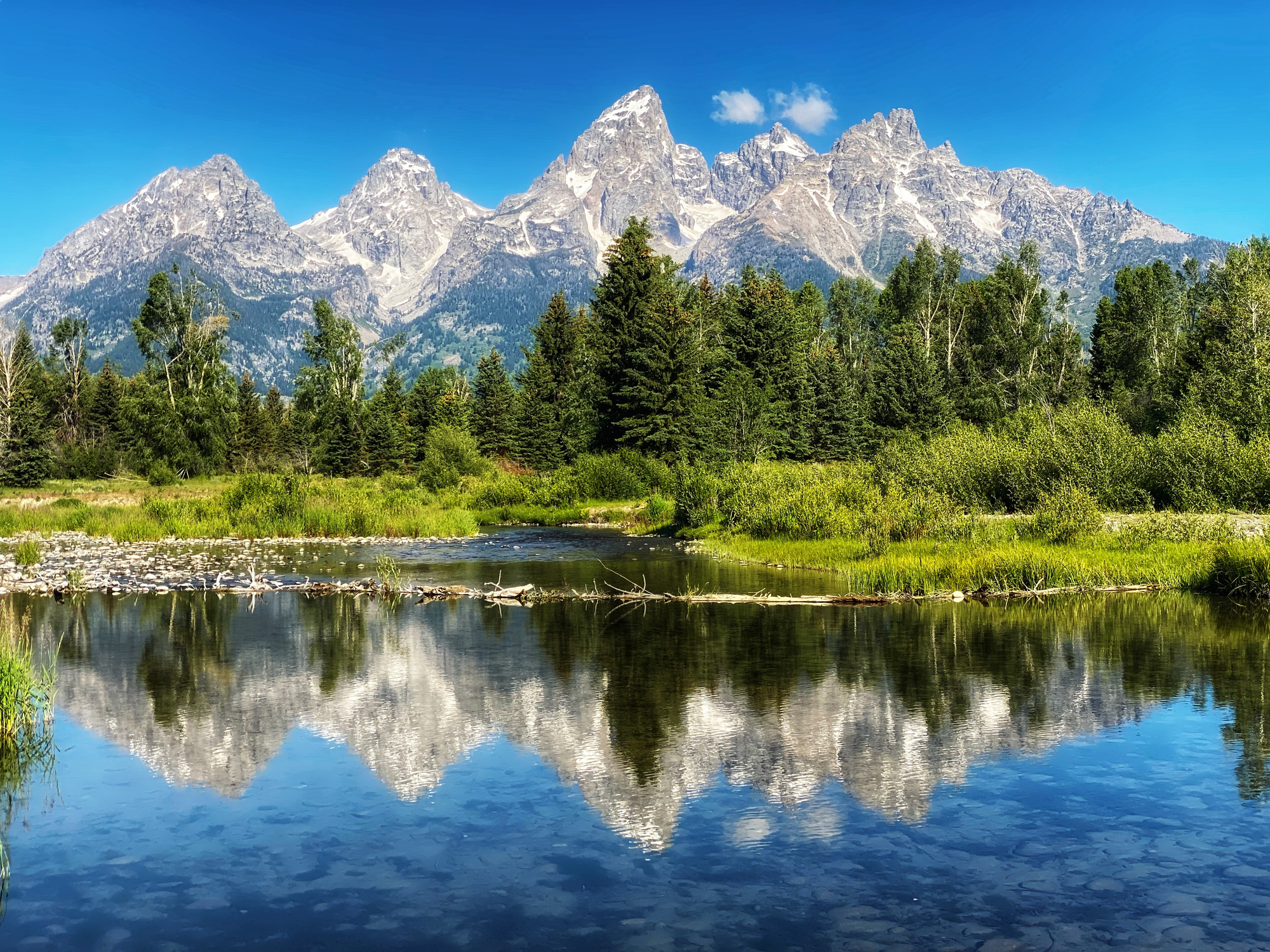
Grand Teton: Owen-Spalding vs Upper Exum Ridge
Choose Owen-Spalding if your priority is the summit and the lowest technical standard route. Choose Upper Exum Ridge if the climbing itself is the goal and your team has a comfortable margin on sustained exposed alpine rock. Both routes share the long Garnet Canyon / Lower Saddle approach and both normally descend the Owen-Spalding system.
Reviewed August 15, 2026 · NPS + Exum Mountain Guides checked · Route conditions remain date-specific
Which Grand Teton route should you choose?
Owen-Spalding is the better default for most first-time Grand Teton climbers. It is the least technical standard route, commonly rated around 5.4, and its upper-mountain technical section is shorter.
Upper Exum is the better choice for climbers who specifically want a sustained alpine rock climb. It is longer, more continuous, more exposed and generally described around 5.5–5.7 depending on the exact line and source. The small grade difference hides a much larger difference in continuity and commitment.
Both routes normally descend the same Owen-Spalding side, so descent competence matters regardless of which way you climb up.
- Easier route: Owen-Spalding.
- Better first Grand: usually Owen-Spalding.
- Better climbing quality: Upper Exum.
- Longer sustained climbing: Upper Exum.
- Better with limited weather margin: Owen-Spalding.
- Shared descent: Owen-Spalding rappel/down-climb system.
Owen-Spalding vs Upper Exum at a Glance
Route length, continuity, retreat, weather margin and team speed matter more than a one- or two-decimal grade difference.
| Factor | Owen-Spalding | Upper Exum Ridge |
|---|---|---|
| Primary goal | Reach the summit by the least technical standard line | Climb a longer, classic alpine ridge |
| Published grade | About 5.4 | Commonly 5.5–5.7 |
| Climbing character | Scrambling + short exposed technical sections | Sustained exposed fifth-class ridge climbing |
| Key terrain | Belly Roll, Crawl, chimneys, Upper Saddle | Wall Street, Golden Stair, Wind Tunnel, Friction Pitch |
| Length above Lower Saddle | Shorter | Longer and more continuous |
| Weather margin | More forgiving because technical climbing is shorter | Needs more stable dry-rock time |
| Retreat after commitment | Generally simpler | More involved once established on ridge |
| Ascent traffic | Usually busier | Often less crowded |
| Descent | Owen-Spalding system | Same Owen-Spalding system |
| Best fit | Summit-focused first Grand / solid alpine basics | Experienced alpine-rock team seeking quality climbing |
Upper Exum Is Not the Same as Complete Exum Ridge
This page compares Upper Exum Ridge with Owen-Spalding.
Upper Exum begins high on the south ridge near Wall Street and continues toward the summit. The Complete Exum Ridge adds the Lower Exum Ridge below Wall Street, creating a longer and more committing Grade IV-style objective. Exum Mountain Guides describes Complete Exum as the combination of the lower and upper halves and notes a 5.7 grade for the complete classic.
Searchers often use “Exum Ridge” loosely. Using “Upper Exum” in the H1/body lets this page compare the route most directly analogous to Owen-Spalding while still targeting the broader “Exum Ridge” phrase in the SEO title.
How the Two Routes Relate on the Upper Mountain
Both share the approach and descent. The route decision changes the ascent line above the Lower Saddle.
Owen-Spalding: Less Technical, Not Low Consequence
The route’s moderate numerical grade can hide the exposure, altitude, weather and route-finding burden.
First Grand / summit priority
Best for teams whose primary goal is the summit, who want the shortest technical line, or who prefer more weather/time margin.
Belly Roll · Crawl · Chimneys
Short fifth-class sections are connected by exposed scrambling and complex upper-mountain route-finding.
| Strength | Tradeoff |
|---|---|
| Lowest technical standard-route grade | Still extremely exposed in places |
| Shorter technical section | Often more traffic |
| Usually easier to fit into a tighter weather window | Rappel queues can consume margin |
| Common guided choice for first-time Grand clients | Popularity does not simplify descent navigation |
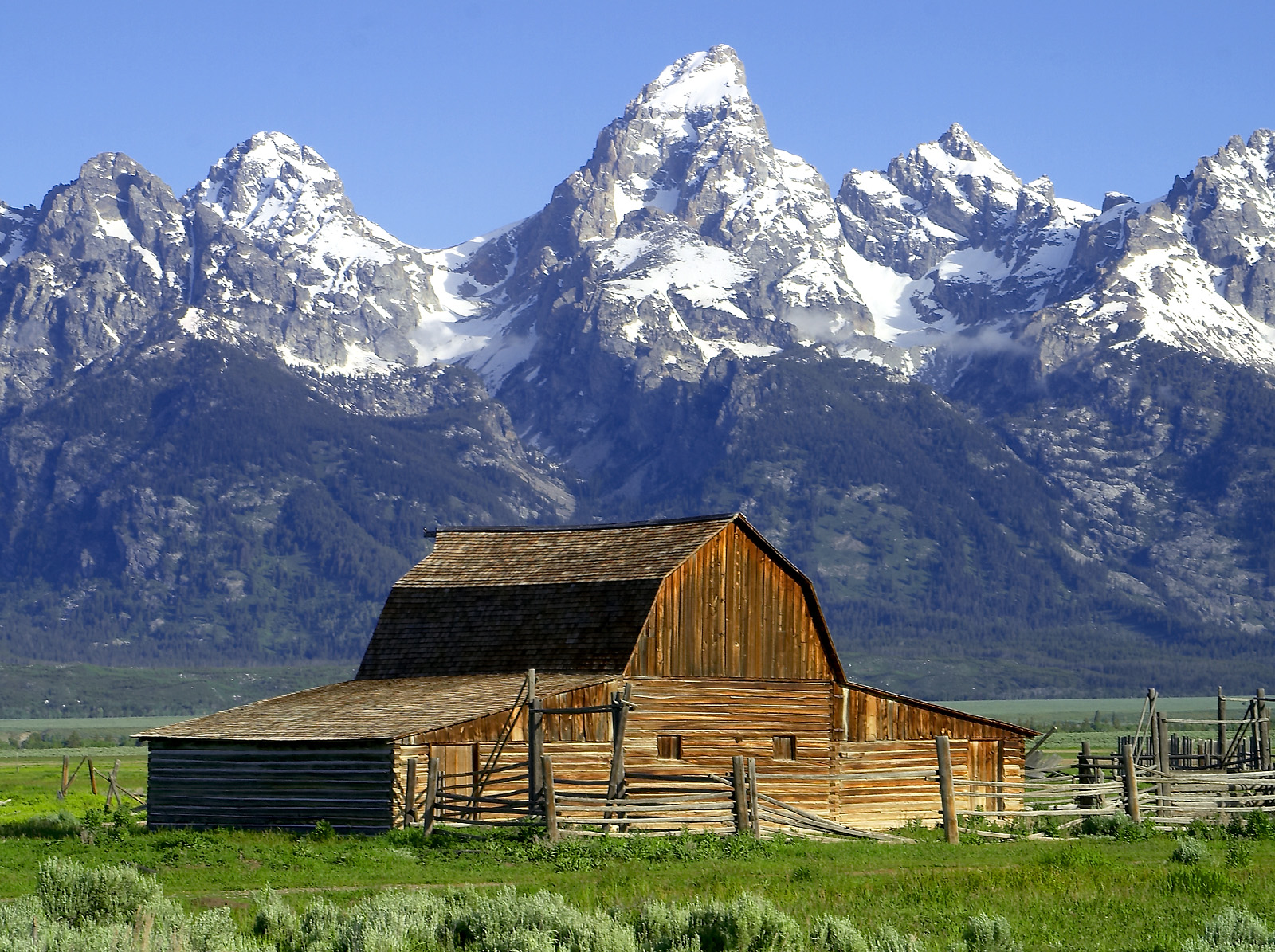
Upper Exum is the better route when the climbing—not merely the summit—is the objective.
It trades the Owen-Spalding’s shorter technical line for more sustained exposure, cleaner ridge climbing and greater commitment.
Longer, More Sustained & More Weather-Dependent
The key question is not whether you can climb 5.5–5.7 once; it is whether the entire team can move efficiently at that level in an alpine setting.
Experienced alpine-rock teams
Best for climbers who already have a comfortable grade margin and want the quality of the route itself to define the day.
Wall Street · Golden Stair · Wind Tunnel · Friction Pitch
Longer stretches of exposed fifth-class granite make efficiency and dry conditions more important.
Do not choose Upper Exum by grade alone.
The numeric gap between 5.4 and 5.5–5.7 looks small. The experiential gap is larger because Upper Exum is more continuous, more exposed, longer to retreat from and more dependent on dry rock.
The Shared Owen-Spalding Descent May Be the Most Important Part of the Comparison
Exum parties do not escape the standard descent problem after enjoying a less crowded ascent.
What makes the descent hard
- Finding the correct summit-to-Upper-Saddle line.
- Rappel transitions after hours of climbing.
- Traffic from both ascent routes converging.
- Down-climbing after the rappels end.
- Weather and darkness magnifying navigation errors.
What not to publish as permanent instructions
- One universal rope-length prescription.
- Exact anchor condition as if permanently maintained.
- A promise that every rappel station is configured the same.
- A fixed “safe” descent time.
- A shortcut that replaces current ranger/guide information.
National Park Service climbing information recommends checking current mountain conditions, and the Jenny Lake Ranger Station specifically provides route and mountaineering information. Evergreen pages should teach the descent problem without pretending to replace that current check.
One-Day vs Two-Day Strategy
Exum Mountain Guides’ current one-day program shows how serious a valley-to-summit push is: roughly seven miles and 5,000 ft just to the Lower Saddle before the technical mountain begins.
| Plan | Owen-Spalding | Upper Exum |
|---|---|---|
| One-day car-to-car | More realistic for very fit, efficient teams | Best only for very fit, experienced alpine climbers |
| Two-day Lower Saddle strategy | Splits approach from technical summit day | Often improves margin for the longer ridge |
| Permit | No climbing permit for day use; overnight backcountry permit required for camping/bivouac | |
| Guided choice | Route may be selected by guide based on speed, weather and current conditions | |
Exum’s current one-day Grand Teton program explicitly says the final route—Owen-Spalding or Exum Ridge—is chosen above the Lower Saddle based on weather and climber speed, which is a useful reminder not to treat a route booking as a guarantee.
Do You Need a Permit to Climb Grand Teton?
The permit rule is simple: the climb itself is not permitted; the overnight stay is.
No day-climbing permit. Yes overnight backcountry permit.
Grand Teton National Park states that a climbing permit is not required for mountaineering. If you stay overnight or bivouac in the backcountry, you need a backcountry camping permit. NPS also says technical-climbing and Garnet Canyon permits must be picked up through the designated permit process and climbing-related offices when open.
- Day climb: no separate climbing permit.
- Overnight / bivouac: backcountry permit required.
- Garnet Canyon: permit applies to overnight camping zones.
- Current conditions: check Jenny Lake Rangers.
For the full 2026 reservation process, use Grand Teton Permits & Logistics.
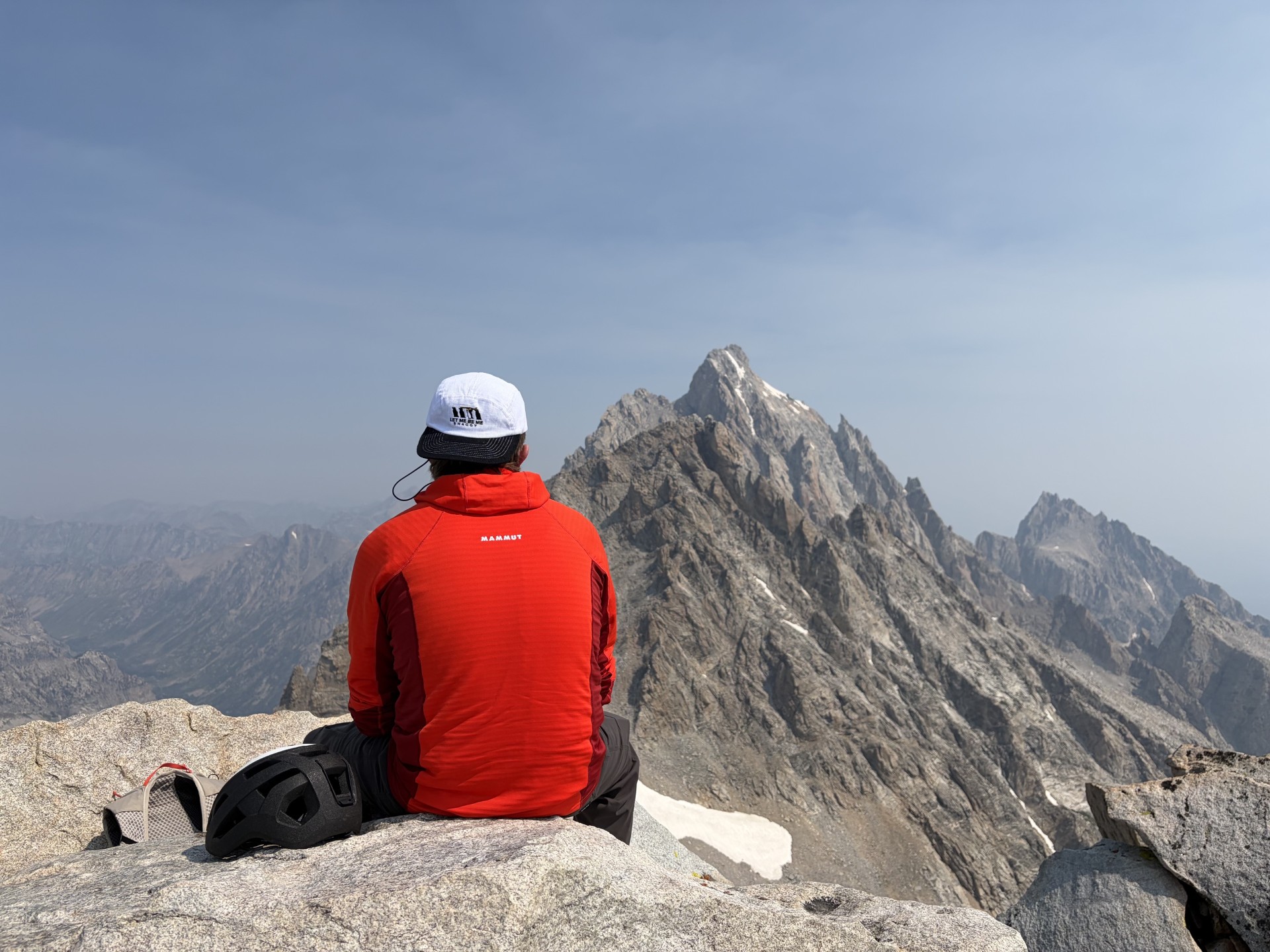
A dry Upper Exum can be magnificent. A wet or icy Upper Exum can be the wrong route.
This August 2026 GSG Teton Range image is regional field context, not a Grand Teton ascent. It reinforces the core route-selection rule: preserve margin for the descent and the weather.
Weather & Surface Conditions Can Reverse the Paper Recommendation
NPS warns that mountain conditions differ sharply from the valley and that snow can persist into mid-July; sudden afternoon storms can bring lightning, rain and hail.
| Condition | Owen-Spalding | Upper Exum |
|---|---|---|
| Dry rock, stable forecast | Strong choice | Best environment for the ridge |
| Limited weather margin | Usually preferable | Longer technical exposure works against you |
| Wet rock | Serious | Especially problematic on friction/slab terrain |
| Residual snow / verglas | Can raise chimney difficulty sharply | Can undermine the route’s main advantage: quality dry rock |
| Strong wind / electrical weather | Route preference becomes secondary to turning around | |
Choose Owen-Spalding or Upper Exum?
The answer should follow ability margin, weather margin and trip goal—not prestige.
The summit is the primary objective.
- It is your first Grand Teton attempt.
- Your team wants the shortest technical standard line.
- Weather margin is tighter.
- One team member is less comfortable on sustained exposed rock.
- You want maximum time reserve for the descent.
The climb itself is the primary objective.
- Every team member has a comfortable grade margin.
- Dry rock and a stable forecast are in place.
- You want more continuous climbing and exposure.
- Your transitions and route-finding are efficient.
- You still have reserve for the shared Owen-Spalding descent.
Guide-selected route is not a downgrade.
Exum Mountain Guides’ current one-day program says the choice between Owen-Spalding and Exum Ridge can be made above the Lower Saddle based on weather and speed. A conservative route change is exactly what competent alpine decision-making looks like.
Continue Through the Grand Teton Cluster
This URL owns the head-to-head decision between the two standard upper-mountain options.
Grand Teton Climbing Guide
Broad routes, permits, season, readiness and trip planning.
Open Grand Teton → All routesGrand Teton Routes Guide
Owen-Spalding, Upper Exum, Lower Exum and harder-route context.
See all routes → ReadinessDifficulty & Safety
Exposure, descent, technical grade and independent-climbing readiness.
Assess difficulty → WeatherWeather & Best Season
Dry-rock window, thunderstorms, snow and upper-mountain conditions.
Plan timing → PermitsPermits & Logistics
2026 backcountry permit system and Lower Saddle planning.
Plan permits → GuidesGrand Teton Guide Companies
Compare authorized guided-climbing options.
Compare guides → GearGrand Teton Gear List
Rope, protection, clothing and high-camp systems.
Build gear system → CollectorMountain Route Comparisons
More route-vs-route planning guides across major peaks.
Explore comparisons →The Page Still Needs More Contextual Authority
Earlier internal-link audits classified this comparison as weakly linked despite useful route intent.
Grand Teton Parent Guide
The parent’s route-comparison section should link directly here with “Owen-Spalding vs Upper Exum” or “which Grand Teton route?” anchor text.
Open Parent →Grand Teton Routes Guide
The all-routes child should hand off the two-route decision here instead of duplicating the full comparison.
Open Routes Guide →Owen-Spalding vs Upper Exum FAQ
These answers keep the comparison narrow so it does not duplicate the complete routes, permits or weather guides.
Which Grand Teton route is easier, Owen-Spalding or Upper Exum?
Owen-Spalding is easier and shorter technically. It is commonly rated about 5.4. Upper Exum is longer and more sustained, commonly described around 5.5–5.7 depending on the exact line and source.
Which route is better for a first Grand Teton ascent?
Owen-Spalding is usually the better default when the summit is the main goal because it has the lowest standard-route technical grade and a shorter technical line.
Is Upper Exum the same as Complete Exum Ridge?
No. Upper Exum begins high on the south ridge near Wall Street. Complete Exum adds the Lower Exum Ridge below it and creates a longer, more committing climb.
Do both routes use the same approach?
Yes. Both commonly use the Lupine Meadows–Garnet Canyon approach and the Lower Saddle as the main staging area before diverging on the upper mountain.
Do both routes descend Owen-Spalding?
Yes. Upper Exum parties normally descend through the Owen-Spalding rappel and down-climbing system, making descent knowledge important for both routes.
Do I need a climbing permit?
No separate climbing permit is required for a day climb in Grand Teton National Park. An overnight stay or bivouac in the backcountry requires a backcountry camping permit.
When is Upper Exum the better choice?
Upper Exum makes the most sense when every team member has a comfortable ability margin, the rock is dry, the weather window is stable and the climbing itself is a major goal of the trip.
Can a guide switch routes on summit day?
Yes. Exum Mountain Guides’ current one-day program explicitly says the route can be chosen above the Lower Saddle based on weather and climber speed.
How Global Summit Guide Built This Comparison
The page separates stable route structure from date-specific conditions and avoids claims of first-hand Grand Teton experience.
Primary current sources
- Grand Teton National Park — Climbing & Mountaineering: current permit and conditions framework.
- NPS Permits & Reservations: no day-climbing permit; overnight backcountry permit required.
- Exum Mountain Guides — One-Day Grand Teton: approach, route-selection and guide-program structure.
- Exum Mountain Guides — Complete Exum Ridge: distinction between Upper and Complete Exum and 5.7 context.
- USGS Grand Teton National Park: 13,775 ft summit-elevation context.
August 15, 2026 rebuild corrections
- Corrected the hero caption so 13,775 ft is identified as summit elevation, not vertical rise above Jackson Hole.
- Added the NPS distinction that the Teton Range rises a little over 7,000 ft above the valley.
- Preserved the July 29 route logic and “Upper Exum ≠ Complete Exum” architecture.
- Preserved the original GSG route diagram.
- Kept all current-condition claims in a verify-before-departure framework.
- Changed the SEO title to answer the SERP decision directly: “Which Grand Teton Route?”
What must still be verified before climbing
Snow/ice, wet rock, thunderstorms, wind, current rappel/anchor condition, trail/road access, permit availability, guide route selection and current ranger advice.
Owen-Spalding for the Summit. Upper Exum for the Climbing.
If both routes are dry and your team has the ability margin, Upper Exum is the more sustained climbing experience. If the summit is the goal or weather/time margin is thinner, Owen-Spalding is the stronger default. Either way, plan the descent with the same seriousness as the ascent.
Was this helpful?
🏔More comparisons
🧭Explore & compare
Global Summit Guide is an independent mountaineering resource founded in 2026. The team combines first-hand trekking and climbing experience with in-depth research and professional health and nutrition review to help climbers choose objectives, prepare properly, and stay safe.
Health, altitude, and nutrition content is reviewed by Taylor Ludlow (Registered Nurse) and Brigg Hoopes (Nutritionist).
What We Don't Know Yet
Mountain information changes quickly. This box explains the limits of what this page can responsibly promise.
- Comparisons simplify complex decisions; the better mountain depends on current conditions, skills, timing, budget, and risk tolerance.
- Visa, passport, vaccination, border, insurance, and local transportation rules may change before your trip.
- Route conditions, snowpack, closures, and weather can change quickly after this page is updated.
- Permit rules, fees, quotas, and reservation windows may change between review cycles.
- Operator availability, pricing, guide ratios, and cancellation terms can change by season.
Verify current conditions with official land managers, guide services, local forecasts, and current route reports before booking or climbing.
Mountaineering, rock and ice climbing, glacier travel, and high-altitude activity are inherently dangerous and can result in serious injury or death. The information on Global Summit Guide is provided for general informational and educational purposes only and is not a substitute for professional instruction, qualified guiding, proper equipment, or your own judgment and experience.
Route conditions, weather, snowpack, permits, regulations, and hazards change constantly and may differ from what is described here. Details may be incomplete, out of date, or contain errors. Always verify current information with local authorities, certified guides, and official sources before making any decision in the mountains.
Nothing on this site is medical, legal, or financial advice. Our fitness, acclimatization, altitude, and nutrition content is general in nature; consult a qualified physician before beginning any strenuous exercise program or exposing yourself to high altitude.
You are solely responsible for your own safety and decisions. To the fullest extent permitted by law, Global Summit Guide and its team accept no liability for any loss, injury, damage, or expense arising from use of, or reliance on, this information. By using this site you acknowledge these risks and accept these terms.
Some links on this site may be affiliate links. If you buy through them we may earn a small commission at no extra cost to you; this never affects our recommendations.
Global Summit Guide recommendation path
Next Best Mountain to Research
Use these recommendations to continue the right planning path instead of stopping on one page.
Use current permit, weather, route, and operator information before booking or climbing.
Explore Travel Options for Your Destination
Once your mountain, dates and route are taking shape, compare flights, hotels and other travel options that fit the trip.
Affiliate link. We may earn a commission at no additional cost to you.