
Last updated October 21, 2026
Best Mountains to Climb for Under $5,000
Best overall value: Mount Whitney, Mount Fuji and Jebel Toubkal. For a first technical progression, consider Shasta or Cotopaxi with appropriate training. Kilimanjaro can fit under the ceiling, but only with careful full-trip budgeting.
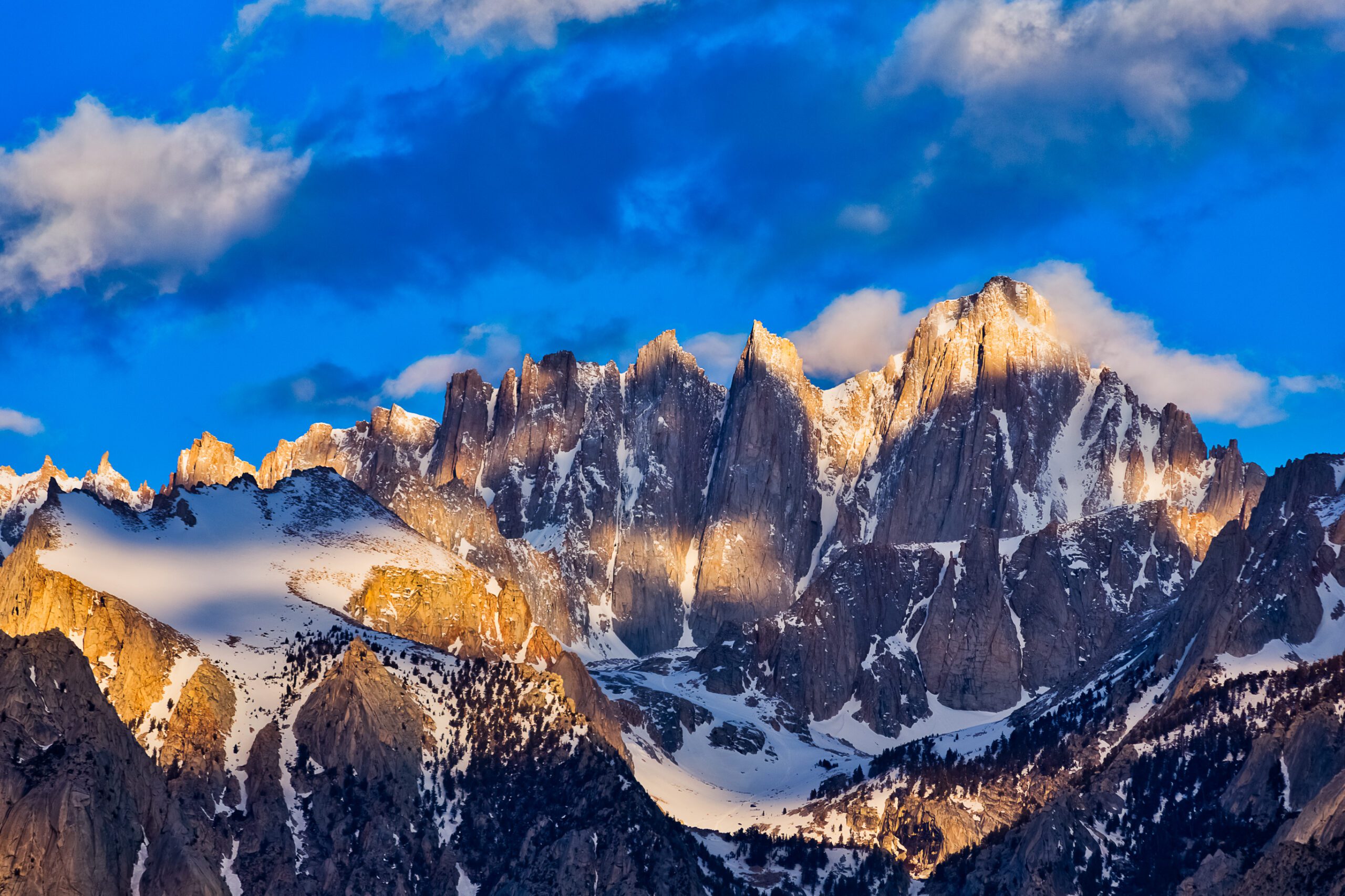
Budget for the whole journey—not just the summit permit.
This is a list of climbs with a plausible total trip budget below US$5,000, not mountains shorter than 5,000 metres. The price ranges are planning estimates for one traveler and depend heavily on origin city, dates, guiding, gear already owned and logistics. Some near-ceiling peaks may exceed $5,000 even on a standard itinerary.
Ten budget climbing objectives compared
The list preserves the existing ten choices. These are not live operator quotes and do not assume buying an entire technical equipment kit from scratch.
| Rank | Mountain | Illustrative trip budget | Style | What changes the plan |
|---|---|---|---|---|
| 1 | Mount Whitney | $500–$2,000 | Hiking / endurance | Very long hiking day; permits and altitude |
| 2 | Mount Fuji | $1,000–$2,500 | Hiking / altitude | Summer access rules, crowds, altitude |
| 3 | Jebel Toubkal | $1,500–$3,000 | Trekking / altitude | Local guide/access requirements; winter snow |
| 4 | Mount Shasta | $1,500–$3,000 | Snow skills | Crampons, ice axe, rockfall and conditions |
| 5 | Mount Hood | $1,500–$3,500 | Technical alpine | Steep snow/ice and significant objective hazard |
| 6 | Pico de Orizaba | $2,000–$4,000 | Snow / altitude | Acclimatization, route changes, ice/snow |
| 7 | Cotopaxi | $2,500–$4,500 | Glacier / altitude | Glacier hazards, operator support, park access |
| 8 | Mount Kenya — Point Lenana | $2,500–$4,500 | Trekking / altitude | Long multi-day trek, altitude; not Batian/Nelion |
| 9 | Mount Kilimanjaro | $4,000–$5,000* | Expedition trekking | Crew costs, park fees, altitude and flight costs |
| 10 | Mount Elbrus | Historic $3,000–$5,000 | Restricted / security | Current government travel warnings override price |
* Kilimanjaro is often above $5,000 door-to-door; $4,000–$5,000 is a cost-controlled scenario, not a universal quote. Elbrus is historical cost context only for US travelers.
Which climb delivers the best value for you?
First big hiking summit
Prioritize Whitney, Fuji or Toubkal. You are mainly buying travel, permits and high-mountain experience—not rope systems.
Learn mountaineering
Consider a guided Shasta snow course or suitable glacier instruction before Hood, Orizaba or Cotopaxi. Skill development is worth more than rushing a summit.
Try expedition altitude
Compare Point Lenana and Kilimanjaro. Check operator quality, appropriate acclimatization and crew support before treating the lowest price as the best deal.
The full ten-mountain shortlist
Mount Whitney
$500–$2,000
Why choose it: Best high-altitude hiking value. Budget risk: Very long hiking day; permits and altitude.
Skill profile: Hiking / endurance
Explore mountain planning →Mount Fuji
$1,000–$2,500
Why choose it: Best iconic international first summit. Budget risk: Summer access rules, crowds, altitude.
Skill profile: Hiking / altitude
Explore mountain planning →Jebel Toubkal
$1,500–$3,000
Why choose it: Best affordable guided trekking objective. Budget risk: Local guide/access requirements; winter snow.
Skill profile: Trekking / altitude
Explore mountain planning →Mount Shasta
$1,500–$3,000
Why choose it: Best first snow-climbing progression. Budget risk: Crampons, ice axe, rockfall and conditions.
Skill profile: Snow skills
Explore mountain planning →Mount Hood
$1,500–$3,500
Why choose it: Best short technical alpine challenge. Budget risk: Steep snow/ice and significant objective hazard.
Skill profile: Technical alpine
Explore mountain planning →Pico de Orizaba
$2,000–$4,000
Why choose it: Best 5,000 m+ altitude value. Budget risk: Acclimatization, route changes, ice/snow.
Skill profile: Snow / altitude
Explore mountain planning →Cotopaxi
$2,500–$4,500
Why choose it: Best entry to roped glacier travel. Budget risk: Glacier hazards, operator support, park access.
Skill profile: Glacier / altitude
Explore mountain planning →Mount Kenya — Point Lenana
$2,500–$4,500
Why choose it: Best East African trekking alternative. Budget risk: Long multi-day trek, altitude; not Batian/Nelion.
Skill profile: Trekking / altitude
Explore mountain planning →Mount Kilimanjaro
$4,000–$5,000*
Why choose it: Best expedition experience at budget limit. Budget risk: Crew costs, park fees, altitude and flight costs.
Skill profile: Expedition trekking
Explore mountain planning →Mount Elbrus
Historic $3,000–$5,000
Why choose it: Historical budget benchmark, not a US booking recommendation. Budget risk: Current government travel warnings override price.
Skill profile: Restricted / security
Explore mountain planning →Elbrus is a historical comparison—not a routine trip recommendation.
At the time of this 2026 update, US government travel guidance advises against travel to Russia and specifically warns against attempting Mount Elbrus. Access and government advice vary by nationality, so verify official advisories before considering any itinerary. Cost does not outweigh current security concerns.
Five categories that can blow the $5,000 ceiling
Flights & ground transfers
Compare departures from your real home airport. Add luggage costs for bulky technical gear and buffer nights for weather.
Guides & operators
Compare what is included: park fees, rescue arrangements, group size, hotels, equipment, meals and crew tips.
Permits & access
Check official Whitney permits, Fuji seasonal fees, glacier/mountain park access and relevant local conditions.
Rentals versus purchases
Rent specialized boots, crampons or technical equipment when appropriate—but only after verifying fit and operator compatibility.
Altitude & weather days
Never reduce acclimatization time or eliminate prudent weather buffers merely to fit an arbitrary price.
Optional vacation additions
Extra tourism, private upgrades and luxury accommodation should be separately budgeted.
Sample $5,000 budget for a guided altitude climb
| Expense | Illustrative allocation | What to verify |
|---|---|---|
| Guide / expedition package | $2,600 | Included permits, meals, crew, route duration |
| Flights / baggage | $1,000 | Actual departure city and baggage fees |
| Hotels / ground transfers | $350 | Arrival, departure and weather contingency |
| Insurance / visas | $200 | Altitude, rescue and destination rules |
| Tips / selected rental gear | $350 | Staff gratuities and suitable equipment |
| Contingency | $500 | Changed flights, additional lodging, unforeseen costs |
| Total | $5,000 | Illustration only: verify actual quotes |
Illustrative distribution, not a specific available package or guaranteed price; higher-cost destinations may exceed this scenario.
Use the savings to build a better climb—not a riskier one.
Choose a mountain that matches your experience, get proper instruction where needed, and use the remaining budget for acclimatization, suitable equipment, safer logistics and contingencies.
Compare mountaineering operators → · Plan your first 6,000-metre mountain → · Browse all mountain guides →
Frequently asked budget climbing questions
Does under $5,000 include flights?
The estimated ranges aim to reflect the broader trip, but airfare can vary enough to push any itinerary over budget. Always total actual flights, transfers, permits, equipment and guiding before booking.
Is Mount Whitney a beginner mountain?
Its standard summer trail is nontechnical in suitable conditions, but it is an extremely long, high-altitude hike. Snow, lightning, fitness and permits all matter.
Can I climb Kilimanjaro for less than $5,000?
Sometimes, with a reputable value-tier operator, controlled airfare and existing or rented gear. Many realistic all-in trips cost more than $5,000, so compare complete quotes, crew welfare and route duration.
Is Mount Kenya a technical climb?
Point Lenana is a high-altitude trekking objective in suitable conditions. Batian and Nelion are technical rock-climbing summits and should not be confused with a standard Point Lenana trek.
What should I never cut to save money?
Appropriate guiding or training, acclimatization time, essential equipment, safe transportation and a reasonable emergency contingency.
Was this helpful?
🏔Related peaks nearby
🧭Explore & compare
Global Summit Guide is an independent mountaineering resource founded in 2026. The team combines first-hand trekking and climbing experience with in-depth research and professional health and nutrition review to help climbers choose objectives, prepare properly, and stay safe.
Health, altitude, and nutrition content is reviewed by Taylor Ludlow (Registered Nurse) and Brigg Hoopes (Nutritionist).
What We Don't Know Yet
Mountain information changes quickly. This box explains the limits of what this page can responsibly promise.
- Permit availability, reservation windows, quotas, and official fee rules may change after this page is updated.
- Guide-company prices, departure dates, guide ratios, included services, and cancellation rules can change without notice.
- Weather, snowpack, avalanche risk, road access, and route conditions can change quickly and may be different on your climbing dates.
- Total trip cost can change with flights, lodging, guide pricing, permits, gear rentals, transportation, and exchange rates.
- Gear requirements can change by season, route variation, weather window, personal cold tolerance, and guide-service requirements.
Verify current conditions with official land managers, guide services, local forecasts, and current route reports before booking or climbing.
Mountaineering, rock and ice climbing, glacier travel, and high-altitude activity are inherently dangerous and can result in serious injury or death. The information on Global Summit Guide is provided for general informational and educational purposes only and is not a substitute for professional instruction, qualified guiding, proper equipment, or your own judgment and experience.
Route conditions, weather, snowpack, permits, regulations, and hazards change constantly and may differ from what is described here. Details may be incomplete, out of date, or contain errors. Always verify current information with local authorities, certified guides, and official sources before making any decision in the mountains.
Nothing on this site is medical, legal, or financial advice. Our fitness, acclimatization, altitude, and nutrition content is general in nature; consult a qualified physician before beginning any strenuous exercise program or exposing yourself to high altitude.
You are solely responsible for your own safety and decisions. To the fullest extent permitted by law, Global Summit Guide and its team accept no liability for any loss, injury, damage, or expense arising from use of, or reliance on, this information. By using this site you acknowledge these risks and accept these terms.
Some links on this site may be affiliate links. If you buy through them we may earn a small commission at no extra cost to you; this never affects our recommendations.
Global Summit Guide recommendation path
Next Best Mountain to Research
Use these recommendations to continue the right planning path instead of stopping on one page.
Use current permit, weather, route, and operator information before booking or climbing.
Search Flights, Hotels & Rental Cars
Have the mountain or destination picked? Use Expedia to compare the flights, lodging and rental cars that fit your actual trip dates. For mountain travel, consider arriving early enough for delays and adding a buffer night after the climb before a fixed flight home.
Compare current flight, hotel and car options.
Affiliate disclosure: Global Summit Guide may earn a commission if you book through this link, at no additional cost to you.