
Last updated October 21, 2026
Global Summit Guide / Beginner mountain collection
Best Mountains for Beginner Climbers: 12 First Peaks
Your first mountain should teach the next skill—not expose you to five unfamiliar hazards at once. Compare hikes, guided glacier courses, Alpine 4,000ers and altitude expeditions before choosing.
The verdict: St. Helens, Fuji and Toubkal are strong first trekking summits. Baker is our best first instructional glacier climb. Kilimanjaro is a supported first altitude expedition—but not an easy first hike.

Mount Rainier is a progression goal, not an untrained first mountain.
Start here / Four right answers
What kind of beginner are you?
First-ever summit
Strong hiker, no technical skills yet? Start with Mount St. Helens, Fuji or Toubkal in appropriate conditions.
First technical mountaineer
Choose a course on Mount Baker; guided Breithorn, Hood or Gran Paradiso can follow depending on readiness.
First independent snow climber
After formal self-arrest, navigation and emergency training, consider Mount Adams in suitable conditions.
First altitude expedition
Choose a deliberately paced Kilimanjaro or Point Lenana itinerary. Altitude exposure changes the equation.
The ranking / 2026
All 12 beginner mountains compared
Ranked by teaching value, suitable entry point, technical barrier, objective hazards and support—not by height or summit prestige. Ratings are an editorial framework, not safety guarantees.
| Rank | Mountain | Best for | First-ever? | Elevation | Typical duration | Budget | Score |
|---|---|---|---|---|---|---|---|
| 01 | Mount BakerWashington, USA | First technical mountaineering course | Yes, as a guided instructional climb | 3,286 m | 5–6 days | $$$ | 94 |
| 02 | BreithornSwiss–Italian Alps | First guided Alpine 4,000er | Conditional: guided, acclimatized and fit | 4,164 m | 1 day | $$–$$$ | 91 |
| 03 | Gran ParadisoItaly | First hut-to-summit Alpine climb | Conditional: strong fitness, guided glacier skills | 4,061 m | 2–3 days | $$$ | 90 |
| 04 | Mount HoodOregon, USA | Short guided snow summit | Conditional: instructed/guided technical ascent | 3,429 m | 2–3 days | $$–$$$ | 88 |
| 05 | Mount St. HelensWashington, USA | First summer volcano summit | Yes, for a fit hiker in suitable summer conditions | 2,549 m | 1 day | $ | 86 |
| 06 | Mount FujiJapan | First international trekking summit | Yes, during the official climbing season | 3,776 m | 1–2 days | $–$$ | 84 |
| 07 | Jebel ToubkalMorocco | First guided international 4,000m trek | Yes, for a fit hiker with local guide | 4,167 m | 2–3 days | $–$$ | 83 |
| 08 | Mount AdamsWashington, USA | First independent snow objective after training | No: obtain snow and navigation skills first | 3,742 m | 2 days | $ | 80 |
| 09 | KilimanjaroTanzania | First supported high-altitude expedition | Conditional: strong fitness and slow itinerary | 5,895 m | 7–9 days | $$$$ | 78 |
| 10 | Mount Kenya — Point LenanaKenya | First African multi-day trekking summit | Conditional: fit and properly acclimatized | 4,985 m | 4–6 days | $$$ | 76 |
| 11 | Pico de OrizabaMexico | First 5,000m technical-altitude progression | No: snow skills and altitude experience needed | 5,636 m | 7–10 days | $$$ | 72 |
| 12 | Mount RainierWashington, USA | First major glacier expedition after a course | No: prior glacier instruction recommended | 4,392 m | 4–6 days | $$$ | 68 |
Budget tiers: $ local low-cost objective; $$ short guided climb or international trek; $$$ multi-day guided/course objective; $$$$ international supported expedition. Actual prices vary substantially.
Interactive planning tool
Find your first mountain
Choose your experience and goals to get a shortlist. This tool cannot evaluate current route conditions, fitness or medical suitability.
Not sure you’re ready? Take the GSG planning-tool assessments and compare first guided climbs.
Mountain by mountain
What each mountain teaches
Use these profiles to narrow the decision. Always verify seasonal permits, local rules and recent route conditions independently.
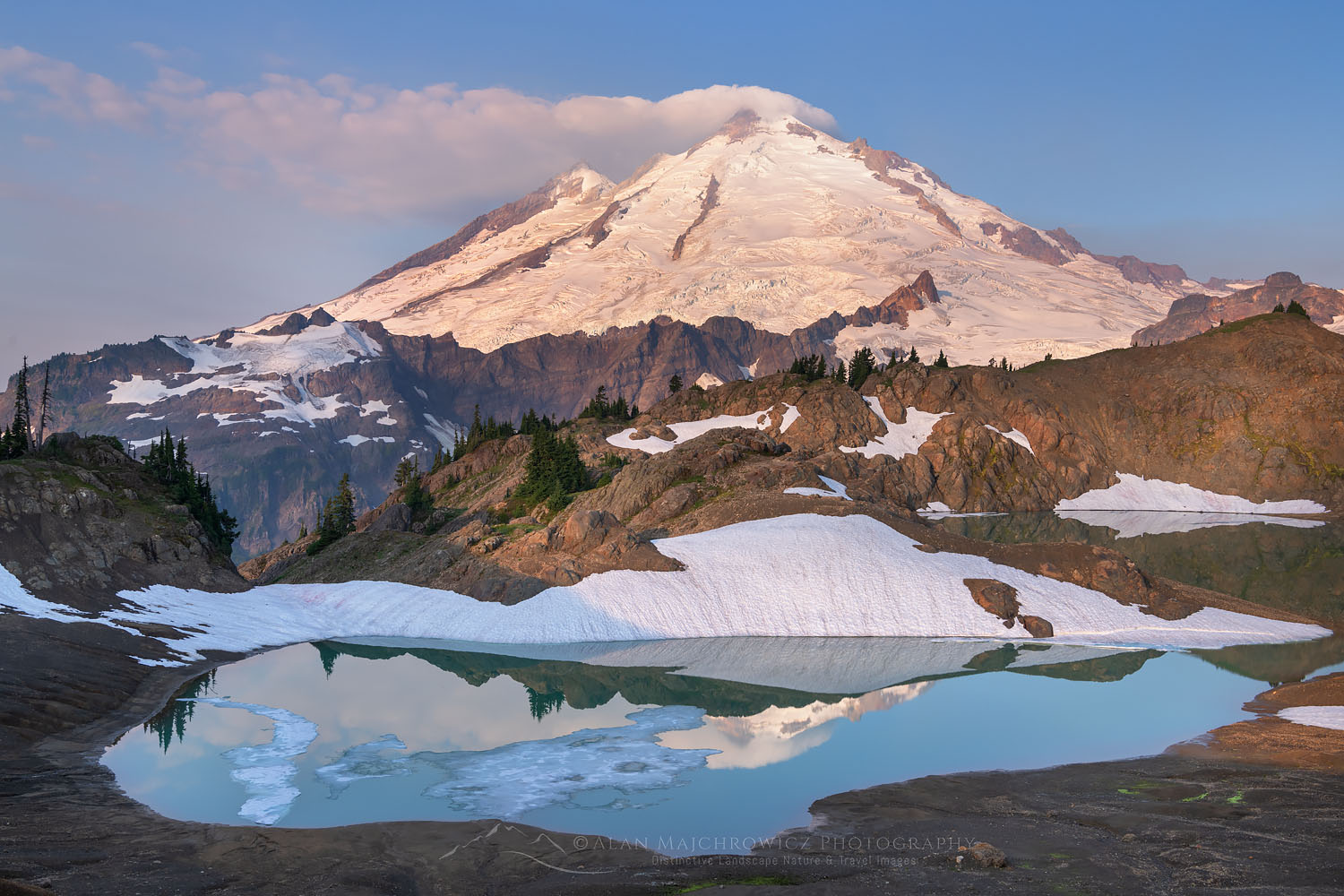
#01 · Score 94/100
Mount Baker
Best for: First technical mountaineering course.
First-ever: Yes, as a guided instructional climb.
Teaches: Glacier skills: crampons, rope travel and crevasse rescue.
Read mountain guide →#02 · Score 91/100
Breithorn
Best for: First guided Alpine 4,000er.
First-ever: Conditional: guided, acclimatized and fit.
Teaches: Glacier rope travel and altitude pacing.
Read mountain guide →#03 · Score 90/100
Gran Paradiso
Best for: First hut-to-summit Alpine climb.
First-ever: Conditional: strong fitness, guided glacier skills.
Teaches: Hut systems, glacier travel and exposed summit scrambling.
Read mountain guide →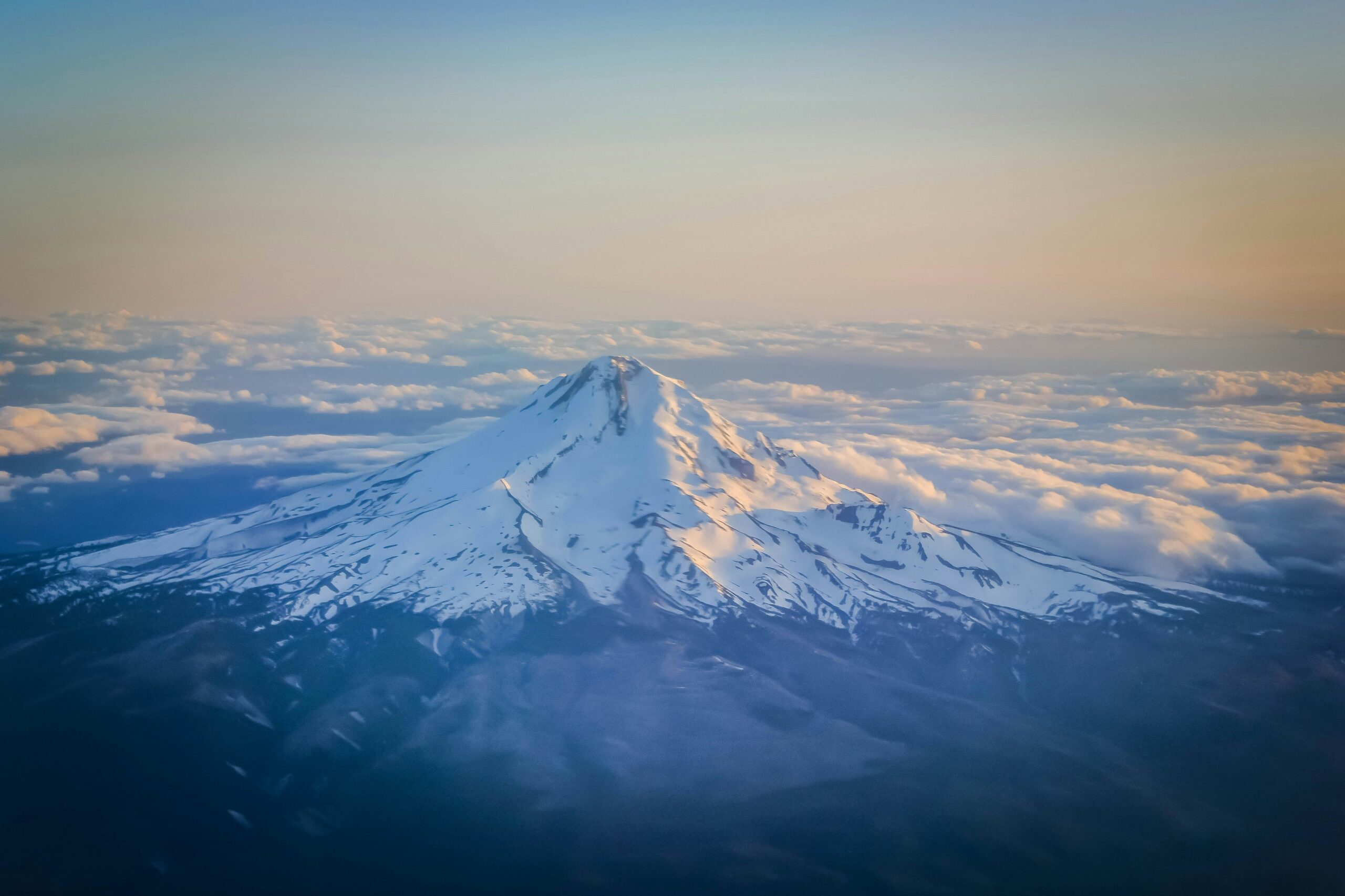
#04 · Score 88/100
Mount Hood
Best for: Short guided snow summit.
First-ever: Conditional: instructed/guided technical ascent.
Teaches: Self-arrest, crampons, exposure and turnaround timing.
Read mountain guide →#05 · Score 86/100
Mount St. Helens
Best for: First summer volcano summit.
First-ever: Yes, for a fit hiker in suitable summer conditions.
Teaches: Pacing, permit planning, navigation and turnaround decisions.
Read mountain guide →#06 · Score 84/100
Mount Fuji
Best for: First international trekking summit.
First-ever: Yes, during the official climbing season.
Teaches: Altitude awareness, hut logistics and weather.
Read mountain guide →#07 · Score 83/100
Jebel Toubkal
Best for: First guided international 4,000m trek.
First-ever: Yes, for a fit hiker with local guide.
Teaches: Long mountain days, refuge travel and altitude.
Read mountain guide →#08 · Score 80/100
Mount Adams
Best for: First independent snow objective after training.
First-ever: No: obtain snow and navigation skills first.
Teaches: Self-supported snow climbing and camp systems.
Read mountain guide →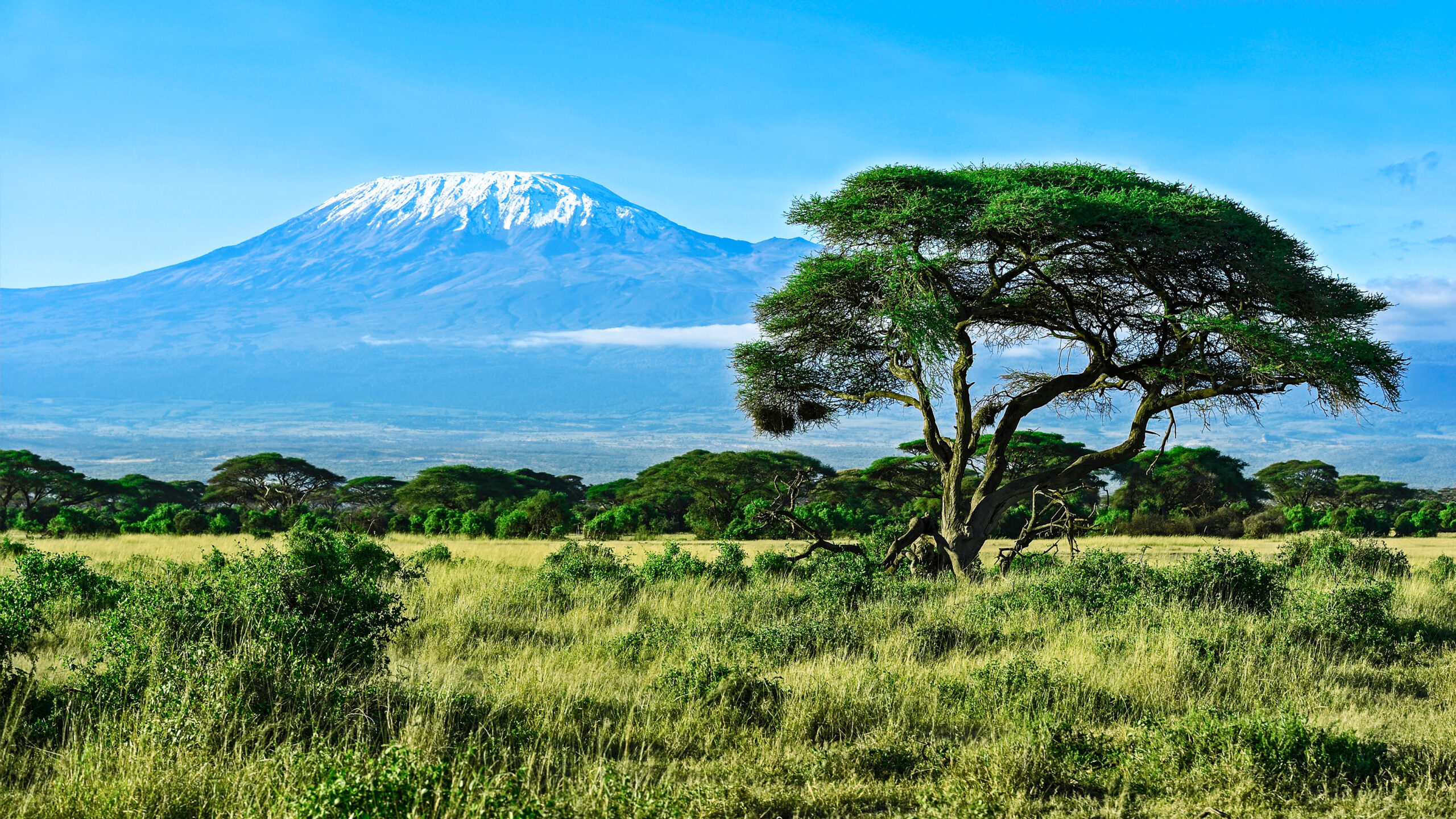
#09 · Score 78/100
Kilimanjaro
Best for: First supported high-altitude expedition.
First-ever: Conditional: strong fitness and slow itinerary.
Teaches: Expedition rhythm, acclimatization and altitude decisions.
Read mountain guide →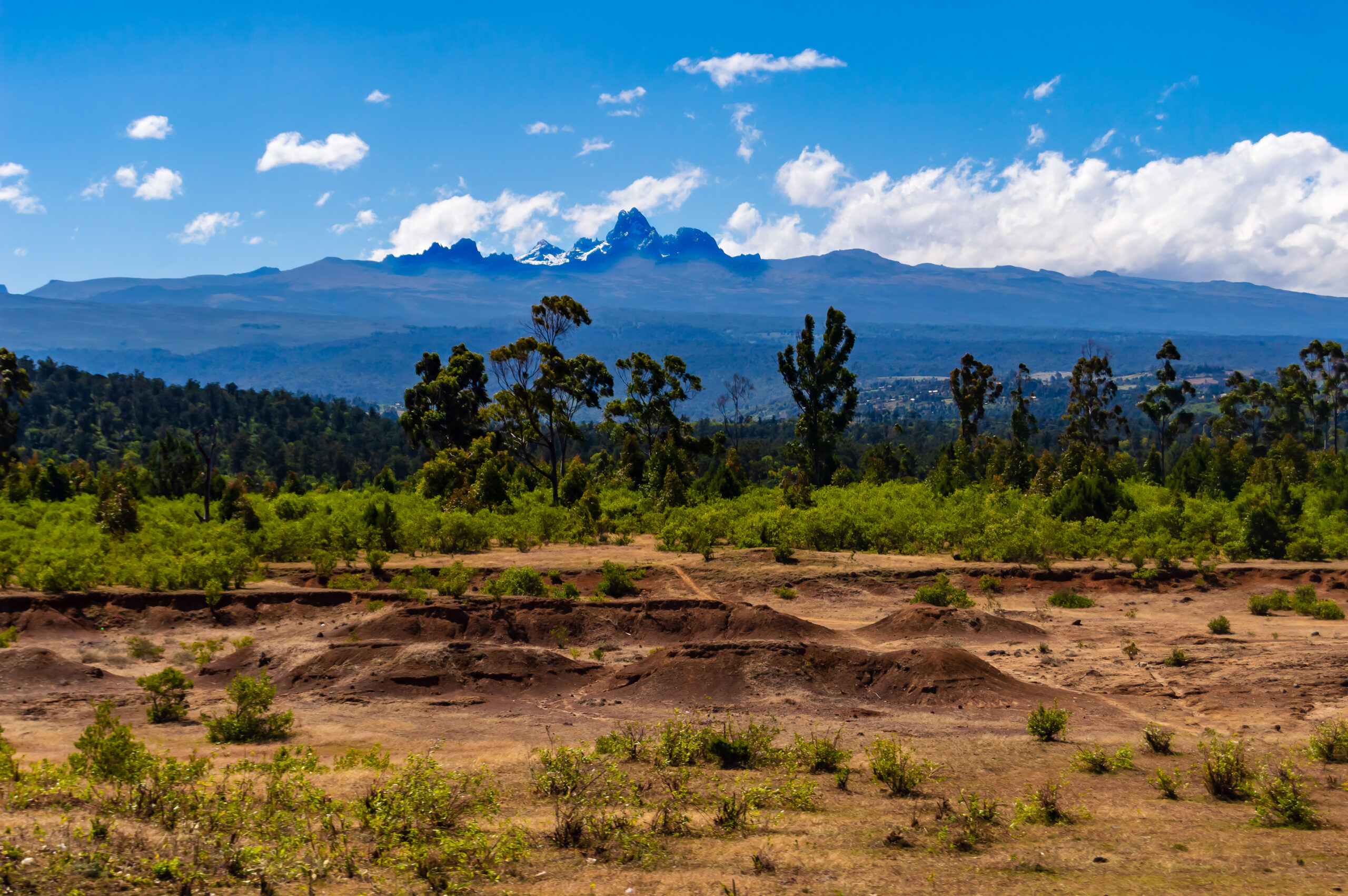
#10 · Score 76/100
Mount Kenya — Point Lenana
Best for: First African multi-day trekking summit.
First-ever: Conditional: fit and properly acclimatized.
Teaches: Multi-day altitude and pacing.
Read mountain guide →#11 · Score 72/100
Pico de Orizaba
Best for: First 5,000m technical-altitude progression.
First-ever: No: snow skills and altitude experience needed.
Teaches: Crampon movement and very high-altitude planning.
Read mountain guide →#12 · Score 68/100
Mount Rainier
Best for: First major glacier expedition after a course.
First-ever: No: prior glacier instruction recommended.
Teaches: Complex glacier routes and sustained summit days.
Read mountain guide →Decision guardrail
Not every “beginner mountain” is a first mountain.
Rainier & Orizaba
Both demand technical and/or altitude competence. Treat them as later progression goals after instruction and prior mountain experience.
Winter changes everything
Summer hiking objectives can become serious avalanche, ice and weather routes under winter conditions.
Guided is not risk-free
Ask whether the itinerary teaches skills or simply attempts the summit, and what prerequisites the operator expects.
Practical progression
Five stages from hiker to mountaineer
Build your hiking base
Repeat long hikes with sustained elevation gain; practice fueling, navigation and safe turnarounds.
Complete a first summit
Start with a suitable summer trekking objective to learn summit-day decision making.
Take a technical course
Practice crampons, ice axe, anchors, rope systems and crevasse rescue with qualified instruction.
Apply the skills
Choose Hood, Breithorn, Gran Paradiso or Adams with appropriate supervision and conditions.
Add altitude or expedition complexity
Progress to Kilimanjaro, Point Lenana, Orizaba and eventually Rainier-level objectives.
Gear & cost
Plan for the real cost
A self-supported trekking day may only need transport, a permit and equipment you already own. Glacier courses, guides, huts, flights, rentals and multi-day expedition logistics change the equation.
See the mountaineering gear guide and build a mountain-specific budget before committing to a date.
Some gear or travel links on GSG may be affiliate links. Purchases may support the site at no extra cost to you. Editorial rankings are not available for purchase.
Before you book
- Confirm the actual route and season—not just the mountain name.
- Read government permit, access and hut requirements.
- Ask guides which skills are taught versus required on arrival.
- Build a weather contingency and turnaround plan.
- Check altitude exposure and gradual acclimatization.
- Budget for equipment, insurance and a change of plans.
Common questions
Beginner mountain FAQs
What is the best first mountain to climb?
For a prepared hiker seeking a nontechnical summit, Mount St. Helens in suitable summer conditions, Mount Fuji during its official season and Jebel Toubkal with the required local guide are strong options. Choose based on where you live and the conditions.
What is the best first technical mountaineering climb?
A guided instructional Mount Baker course is our top choice because it teaches glacier travel and safety systems alongside a summit objective.
Can a beginner climb Mount Rainier?
Rainier can be a first major glacier expedition for a fit climber who has completed appropriate instruction. It is not a good untrained first-ever mountain.
Is Kilimanjaro a beginner climb?
Standard routes are nontechnical, but the elevation of 5,895 metres makes altitude sickness and itinerary pacing significant concerns. A slower supported itinerary is advisable.
What is the difference between a beginner summit and a beginner climbing course?
A hiking summit develops endurance, decision-making and navigation. A technical course teaches crampons, rope systems, self-arrest and rescue skills before using them in glaciated terrain.
Choose the next useful step
Start small. Train deliberately. Earn the next summit.
Climbers build safer judgment one objective at a time. Find a mountain that matches the skills you have today—and a progression that earns the mountain you want tomorrow.
Safety note: This guide is general planning information, not training, medical advice or a substitute for qualified guiding. Current conditions, permits, weather, access and individual altitude response must be checked for every trip.
Was this helpful?
🏔Related peaks nearby
🧭Explore & compare
Global Summit Guide is an independent mountaineering resource founded in 2026. The team combines first-hand trekking and climbing experience with in-depth research and professional health and nutrition review to help climbers choose objectives, prepare properly, and stay safe.
Health, altitude, and nutrition content is reviewed by Taylor Ludlow (Registered Nurse) and Brigg Hoopes (Nutritionist).
What We Don't Know Yet
Mountain information changes quickly. This box explains the limits of what this page can responsibly promise.
- Route conditions, trailhead access, crevasse exposure, stream crossings, and rescue access may vary from published planning guidance.
- Fitness and altitude response vary by person; no guide, itinerary, or training plan can guarantee acclimatization or summit success.
- Comparisons simplify complex decisions; the better mountain depends on current conditions, skills, timing, budget, and risk tolerance.
Verify current conditions with official land managers, guide services, local forecasts, and current route reports before booking or climbing.
Mountaineering, rock and ice climbing, glacier travel, and high-altitude activity are inherently dangerous and can result in serious injury or death. The information on Global Summit Guide is provided for general informational and educational purposes only and is not a substitute for professional instruction, qualified guiding, proper equipment, or your own judgment and experience.
Route conditions, weather, snowpack, permits, regulations, and hazards change constantly and may differ from what is described here. Details may be incomplete, out of date, or contain errors. Always verify current information with local authorities, certified guides, and official sources before making any decision in the mountains.
Nothing on this site is medical, legal, or financial advice. Our fitness, acclimatization, altitude, and nutrition content is general in nature; consult a qualified physician before beginning any strenuous exercise program or exposing yourself to high altitude.
You are solely responsible for your own safety and decisions. To the fullest extent permitted by law, Global Summit Guide and its team accept no liability for any loss, injury, damage, or expense arising from use of, or reliance on, this information. By using this site you acknowledge these risks and accept these terms.
Some links on this site may be affiliate links. If you buy through them we may earn a small commission at no extra cost to you; this never affects our recommendations.
Global Summit Guide recommendation path
Next Best Mountain to Research
Use these recommendations to continue the right planning path instead of stopping on one page.
Use current permit, weather, route, and operator information before booking or climbing.
Search Flights, Hotels & Rental Cars
Have the mountain or destination picked? Use Expedia to compare the flights, lodging and rental cars that fit your actual trip dates. For mountain travel, consider arriving early enough for delays and adding a buffer night after the climb before a fixed flight home.
Compare current flight, hotel and car options.
Affiliate disclosure: Global Summit Guide may earn a commission if you book through this link, at no additional cost to you.