Last updated November 9, 2026
Avalanche Safety for Mountaineers: Complete Guide & Checklist
Learn to recognize avalanche exposure, use official forecasts, make conservative route decisions and prepare a trained companion-rescue team. Includes a free 44-point printable checklist and related equipment guides.
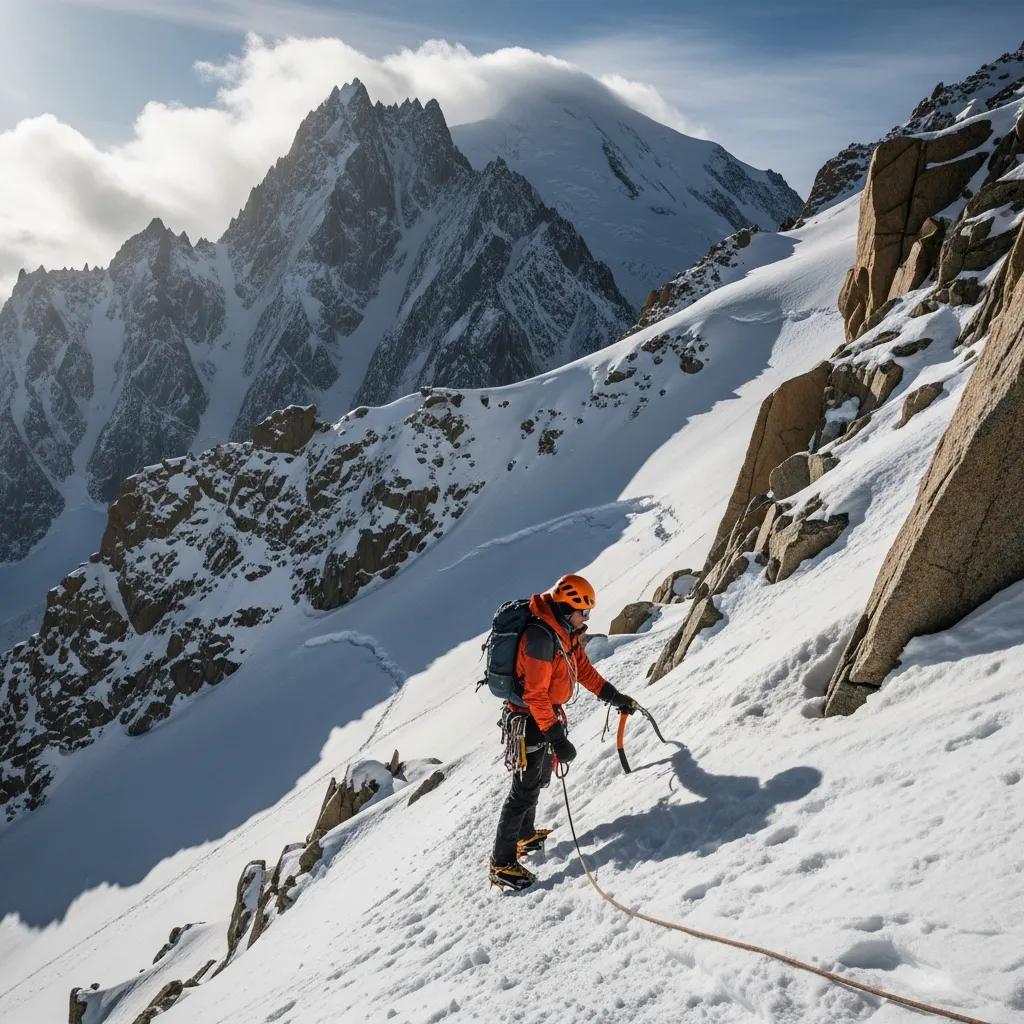
Safety begins with terrain choices, not with shopping.
Avalanches can strike climbers on approaches, snow gullies, open bowls and below steep slopes. Avoiding exposed terrain is the first defense. A transceiver, probe and shovel help trained companions respond after a burial; none prevents a slide.
Forecast
Read the official local avalanche forecast, including danger by elevation and avalanche problem, before choosing a route.
Terrain
Recognize start zones, runouts, gullies, terrain traps and overhead slopes. Assess the entire route, not only where you stand.
Team
Travel with trained partners, inspect every rescue kit, communicate decisions and agree to turn around when uncertainty rises.
Training is essential: This article and checklist are planning references, not a substitute for an avalanche education course or supervised rescue practice. There is no universal safe slope angle or universally safe danger rating.
Each person needs a complete, practiced rescue system.
Avalanche transceiver
Worn on the body in transmit mode in avalanche terrain; learn group checks, signal search, fine search, interference management and manufacturer instructions.
Probe
Needed to pinpoint a burial after a transceiver search. Practice rapid deployment with gloves, and select an appropriate model for your training and conditions.
Metal shovel
Built for compacted debris, with a reliable handle and blade. Strategic digging is physically demanding, so practice as a team.
A satellite messenger, RECCO reflector, smartphone or headlamp cannot substitute for the transceiver-probe-shovel system. Airbags are optional supplemental equipment and do not replace it.
Compare approved avalanche rescue equipmentRead the avalanche forecast, then choose terrain you can justify.
Start with your regional avalanche center, not a general weather app. Read the avalanche danger, elevation bands, aspects, problem types and uncertainty. Compare that with the actual trail, approach, climb and descent, including terrain overhead.
Climbers should evaluate gullies and couloirs, slopes above ice routes, cornices, wind-loaded ridgelines, terrain traps and changing spring conditions. Consider whether a low-angle route crosses a larger slope’s runout.
Build an alternate route before you leave home, and establish decision points where your group can safely reassess. Conditions may be different from the forecast.
Find a US avalanche forecastAvalanche Canada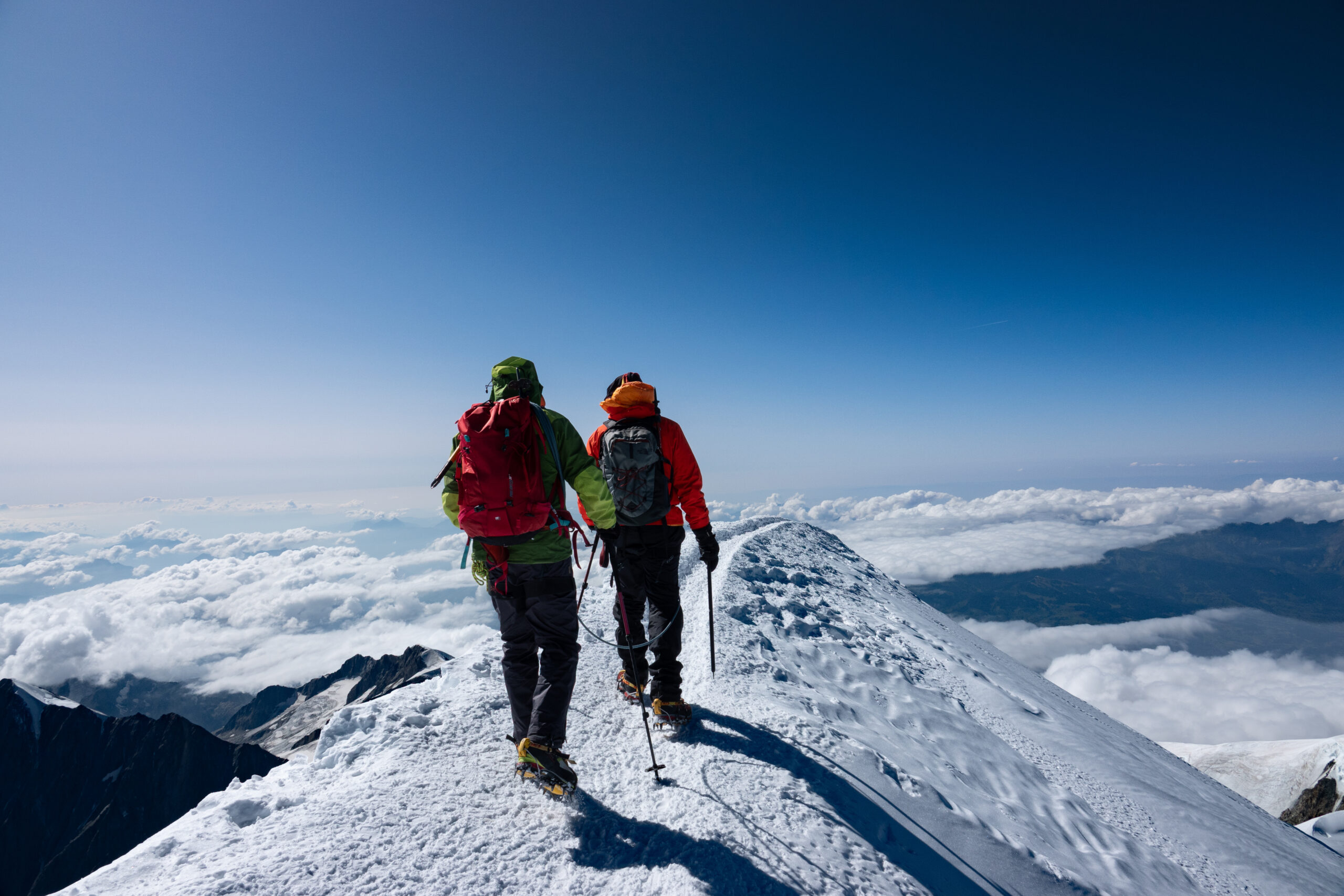
Five decisions that should happen every outing.
1. Choose low-exposure terrain
Make terrain avoidance the primary strategy when forecast, route and team experience do not align.
2. Conduct group rescue checks
Every traveler carries their own equipment. Verify transceiver send and search functions according to training and device instructions.
3. Identify regrouping locations
Keep the group out of avalanche paths and runouts when stopped, and use conservative travel spacing practices taught in your course.
4. Reassess observations
New snow, wind loading, warming, collapses or recent avalanches are reasons to reassess and often retreat.
5. Turn around early
Use agreed criteria and let the most cautious reasonable assessment prevail when the group disagrees.
Rescue is the backup
Know your trained partner-rescue plan and emergency communication, but never use rescue readiness to justify riskier terrain.
What to carry, buy, rent or practice
| Equipment | Priority | Buy versus rent | Essential check |
|---|---|---|---|
| Modern transceiver | Core rescue item, for every traveler | Own for repeat use or rent a serviced unit and train with that model | Working unit; firmware/recalls; manufacturer guidance; partner check |
| Avalanche probe | Core rescue item | Own or rent an appropriate length | Fast deployment and functional locks |
| Metal rescue shovel | Core rescue item | Own or rent a sturdy purpose-built shovel | Secure assembly, easy pack access, digging practice |
| Airbag pack | Optional supplement | Rent only with correct fit, service checks and practical training | Cannot replace avoidance or the rescue trio |
| Shell, insulation, gloves, headlamp | Support and survival | Own well-fitting essentials; verify layers work together | Weatherproofing, hand dexterity, spare power |
| Ice axe, crampons, glacier kit | Route-dependent mountaineering equipment | Rent when fitted and approved by route leader | Does not replace avalanche rescue equipment |
Avalanche transceivers, probes, shovels and airbag packs
These actual avalanche safety products are drawn from the uploaded Backcountry affiliate catalog, not generic mountaineering apparel. Every traveler in avalanche terrain needs their own suitable beacon, probe and metal shovel plus practical rescue training. An airbag is optional and never a replacement for those tools or conservative decisions.
Before buying: Check manufacturer recalls, firmware updates, current stock, sizing and compatibility. Catalog prices below are snapshots from the supplied feed, not live price guarantees. A product purchase does not constitute avalanche training.
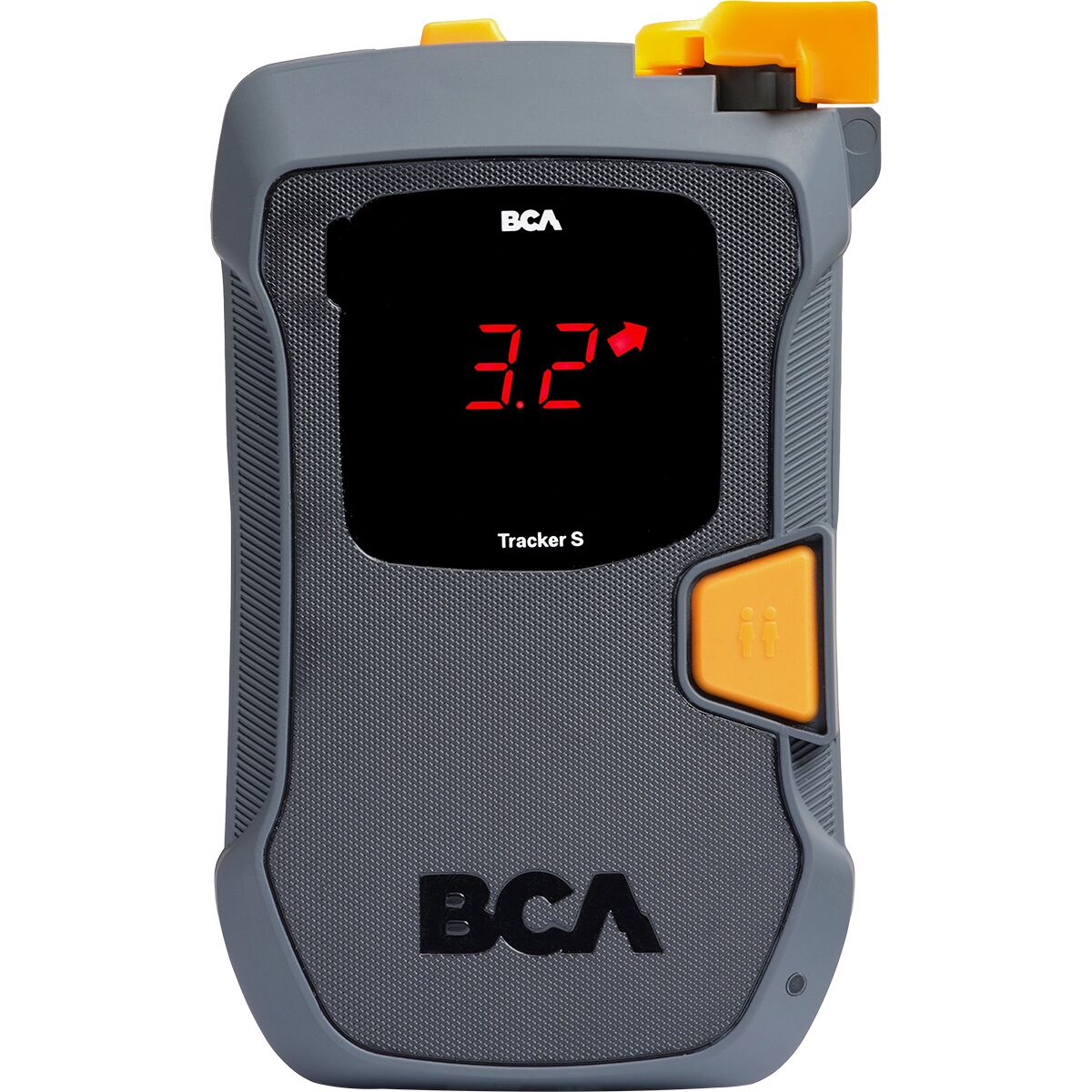 Avalanche transceiver
Backcountry Access Tracker S Avalanche Beacon Black, One Size
Practice searches and perform a partner function check before every outing.
$324.96
Check at Backcountry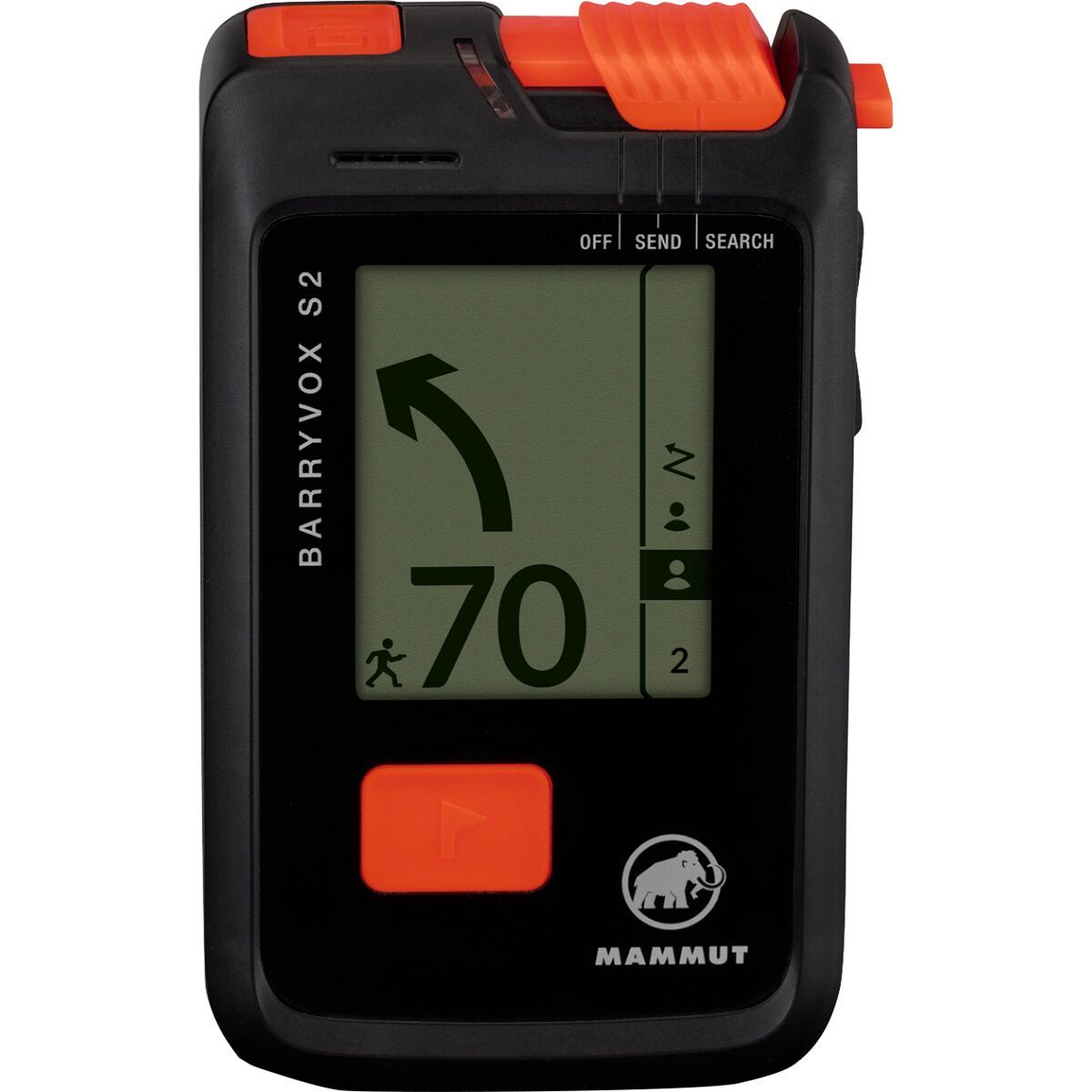 Avalanche transceiver
Mammut Barryvox S2 Beacon Black, One Size
A premium transceiver option; check firmware, recall notices and training compatibility.
$599.96
Check at Backcountry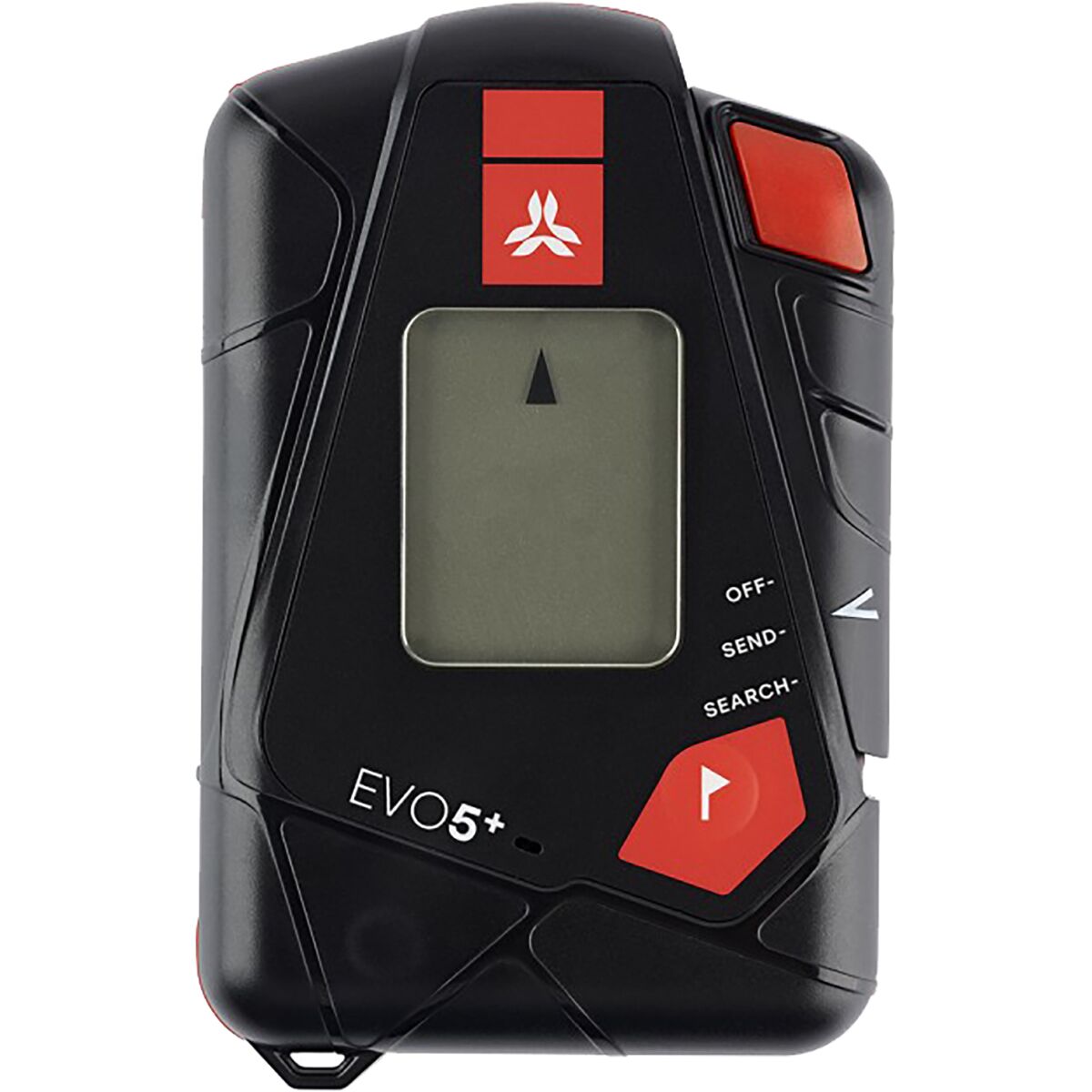 Avalanche transceiver
ARVA Evo5+ Beacon One Color, One Size
Compact beacon option; learn the actual controls before heading into avalanche terrain.
$299.96
Check at Backcountry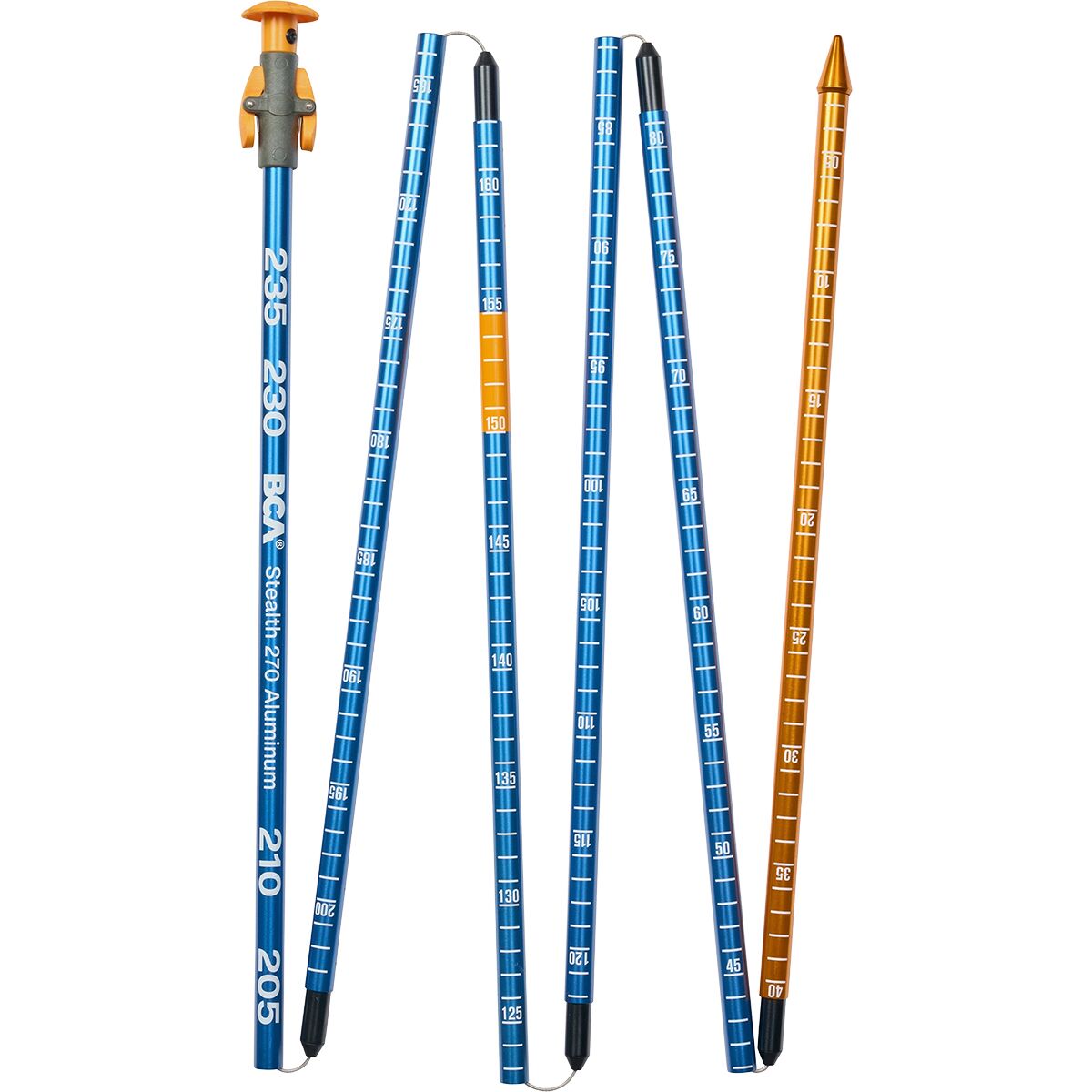 Avalanche probe
Backcountry Access Stealth 270 Probe Blue, 270cm
270 cm probe option; confirm the length is appropriate to the terrain and your training.
$79.96
Check at Backcountry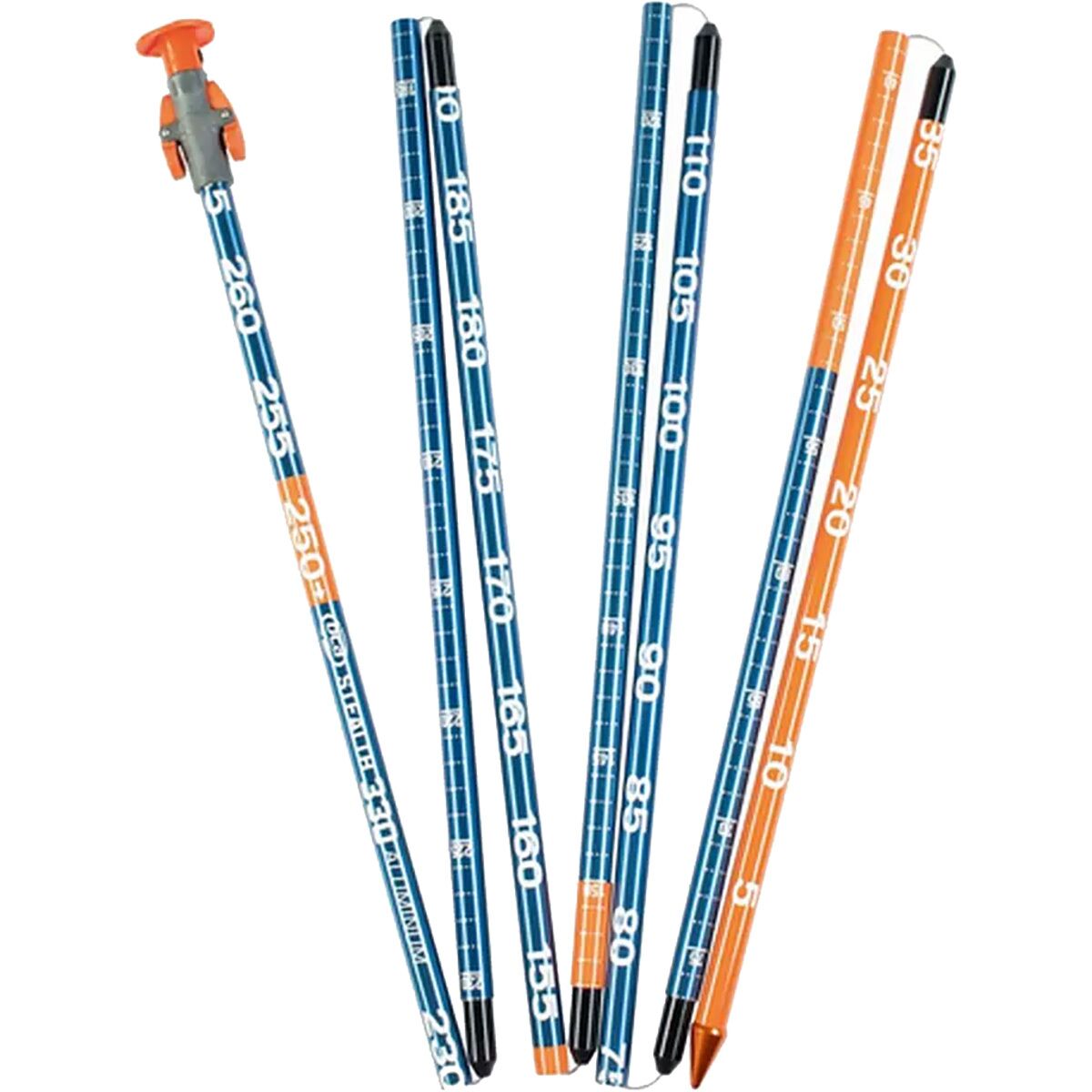 Avalanche probe
Backcountry Access Stealth 330 Probe One Color, One Size
330 cm probe option; practice quick assembly with gloves.
$99.96
Check at Backcountry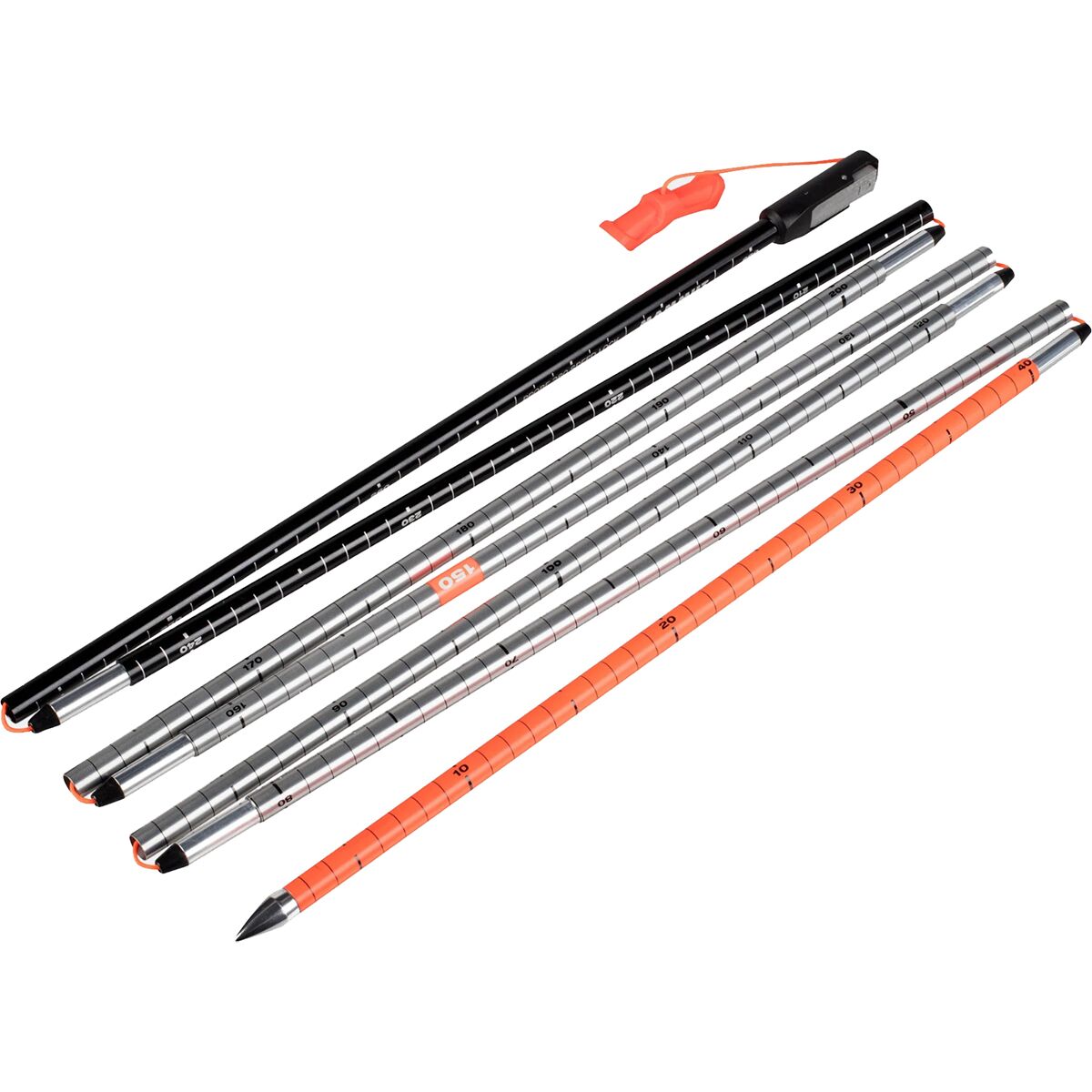 Avalanche probe
Mammut Probe 280 Speed Lock Vibrant Orange, One Size
Speed Lock probe option; confirm deployment works in cold conditions.
$119.96
Check at Backcountry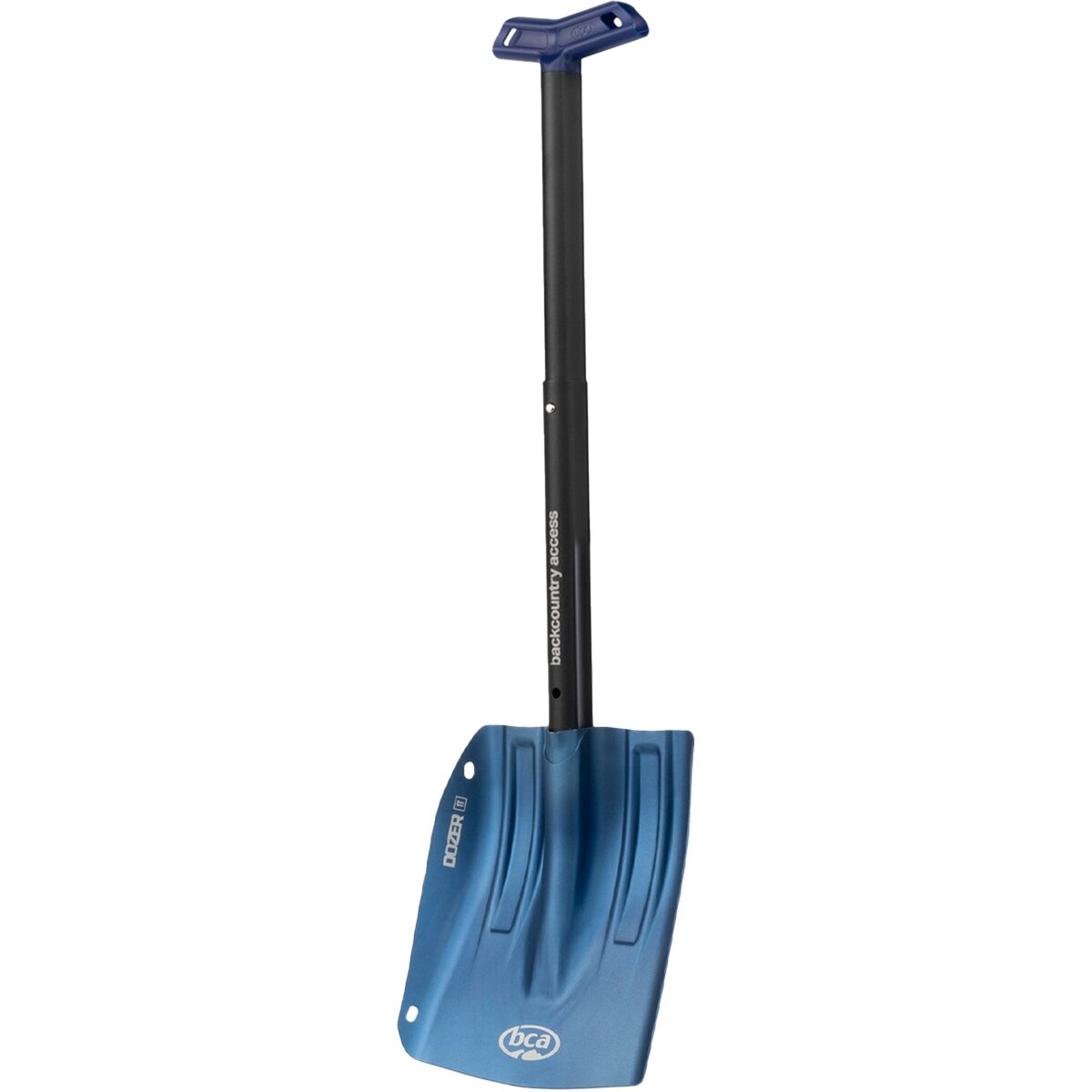 Rescue shovel
Backcountry Access Dozer 1T Shovel Blue, T-Handle
Metal rescue shovel; practice fast assembly and organized group excavation.
$69.96
Check at Backcountry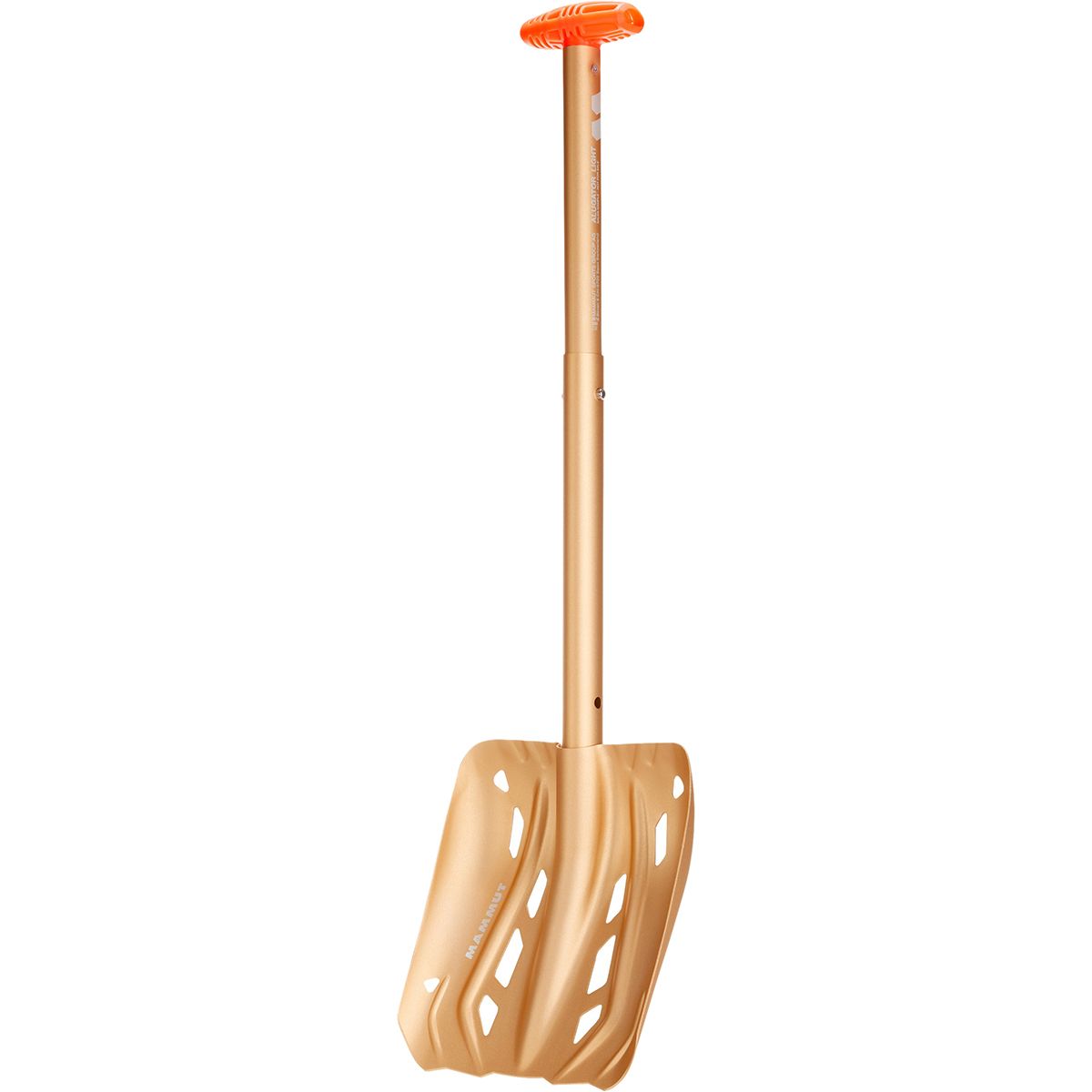 Rescue shovel
Mammut Alugator Light Shovel Golden, One Size
Light metal avalanche shovel; inspect shaft and blade connections.
$109.96
Check at Backcountry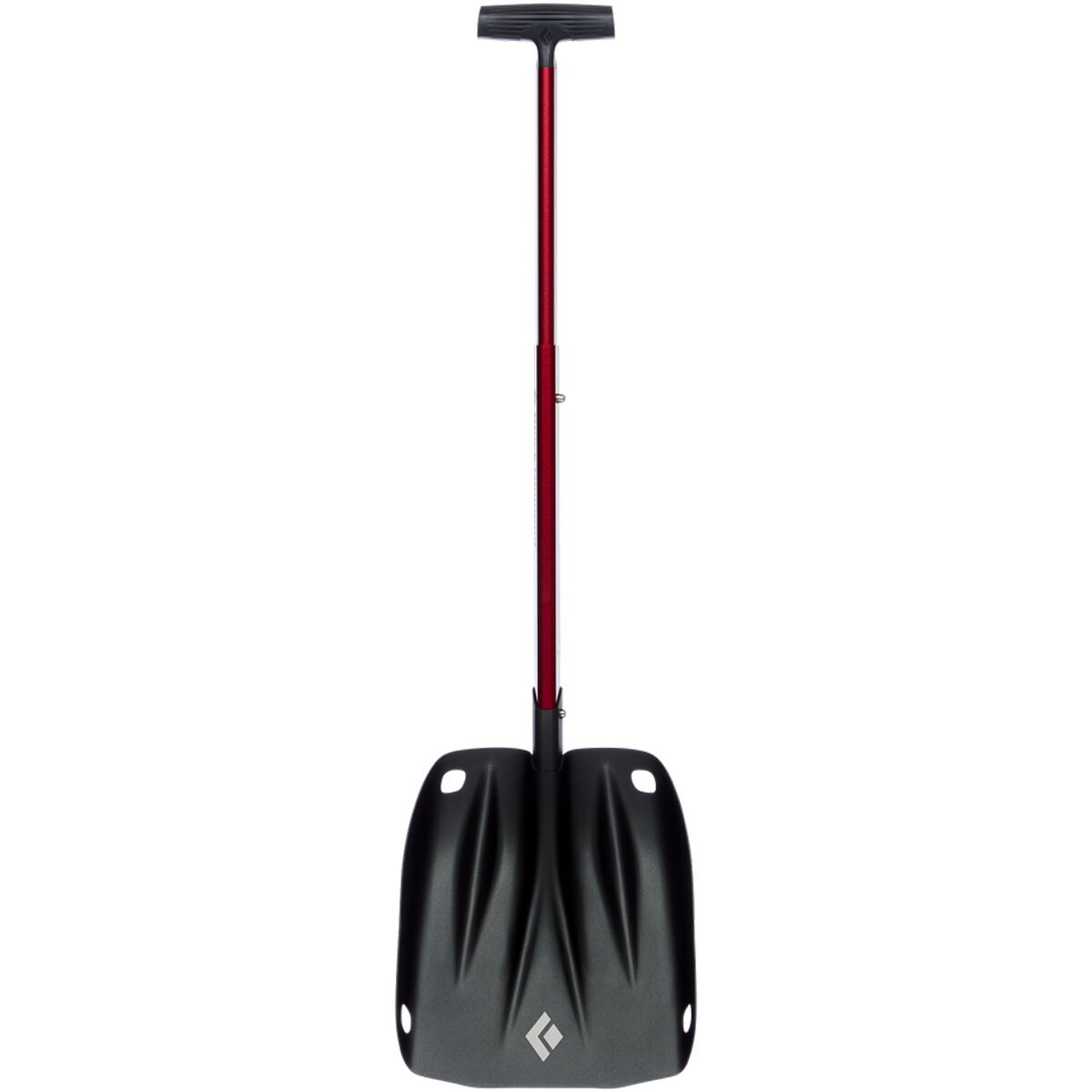 Rescue shovel
Black Diamond Transfer Shovel Hyper Red, One Size
Portable metal shovel for practiced companion-rescue digging.
$79.96
Check at Backcountry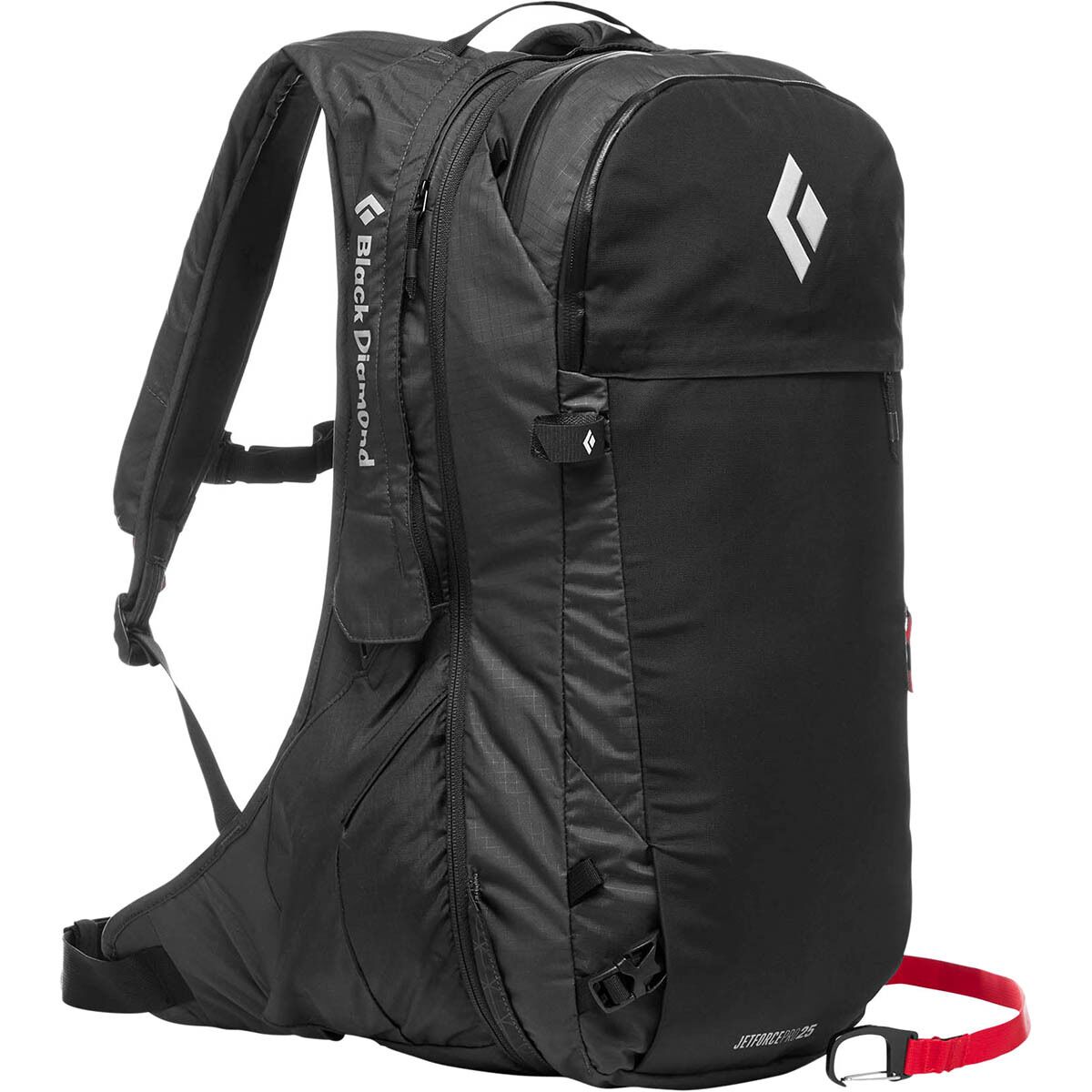 Avalanche airbag
Black Diamond Jetforce Pro 25L Airbag Backpack Black, S/M
Optional airbag system; verify battery, deployment, airline rules and maintenance.
$899.97
Check at Backcountry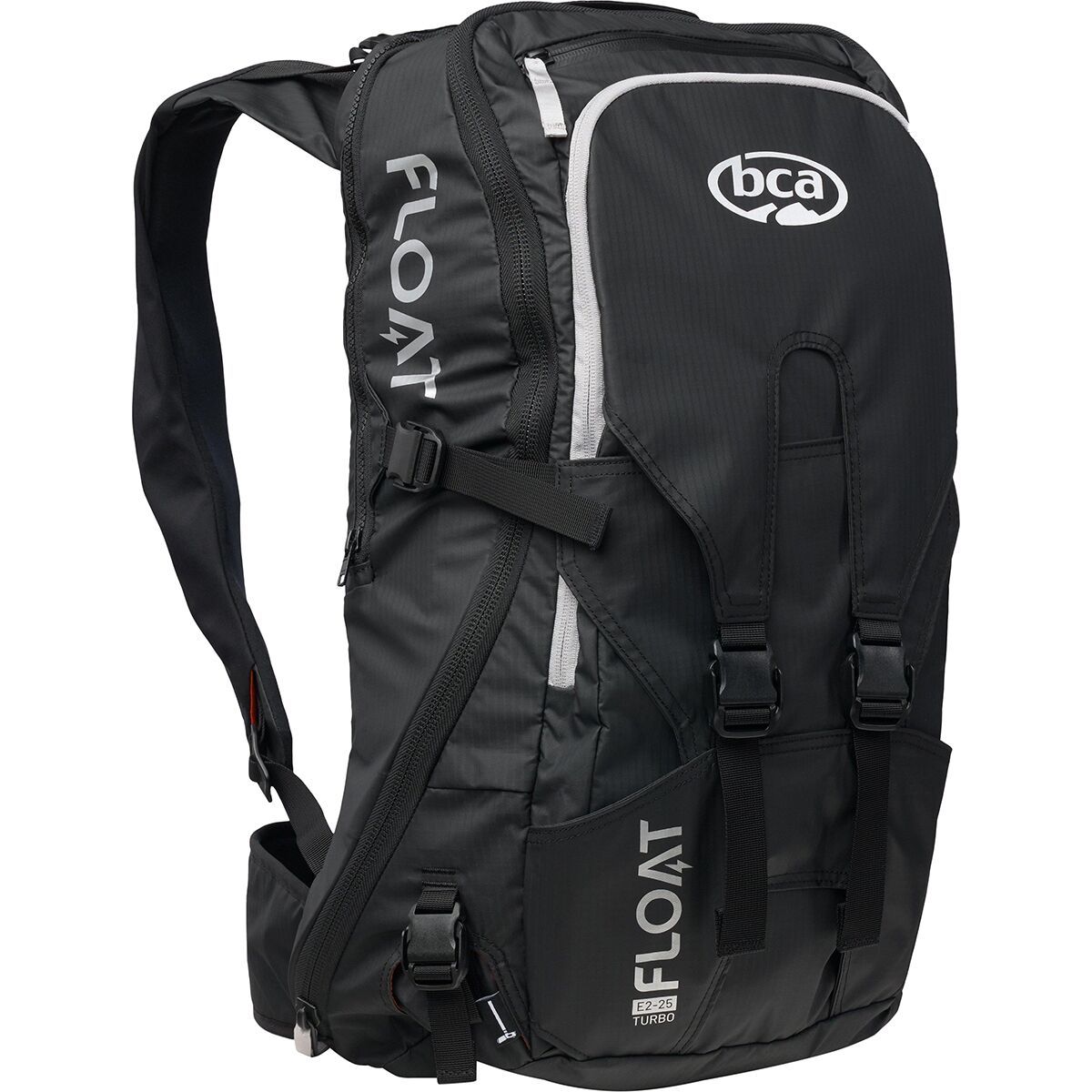 Avalanche airbag
Backcountry Access Float E2 Turbo 25L Airbag Avypack Black, S/M
Optional electronic airbag pack; inspect fit, charge and deployment procedures.
$1,399.96
Check at Backcountry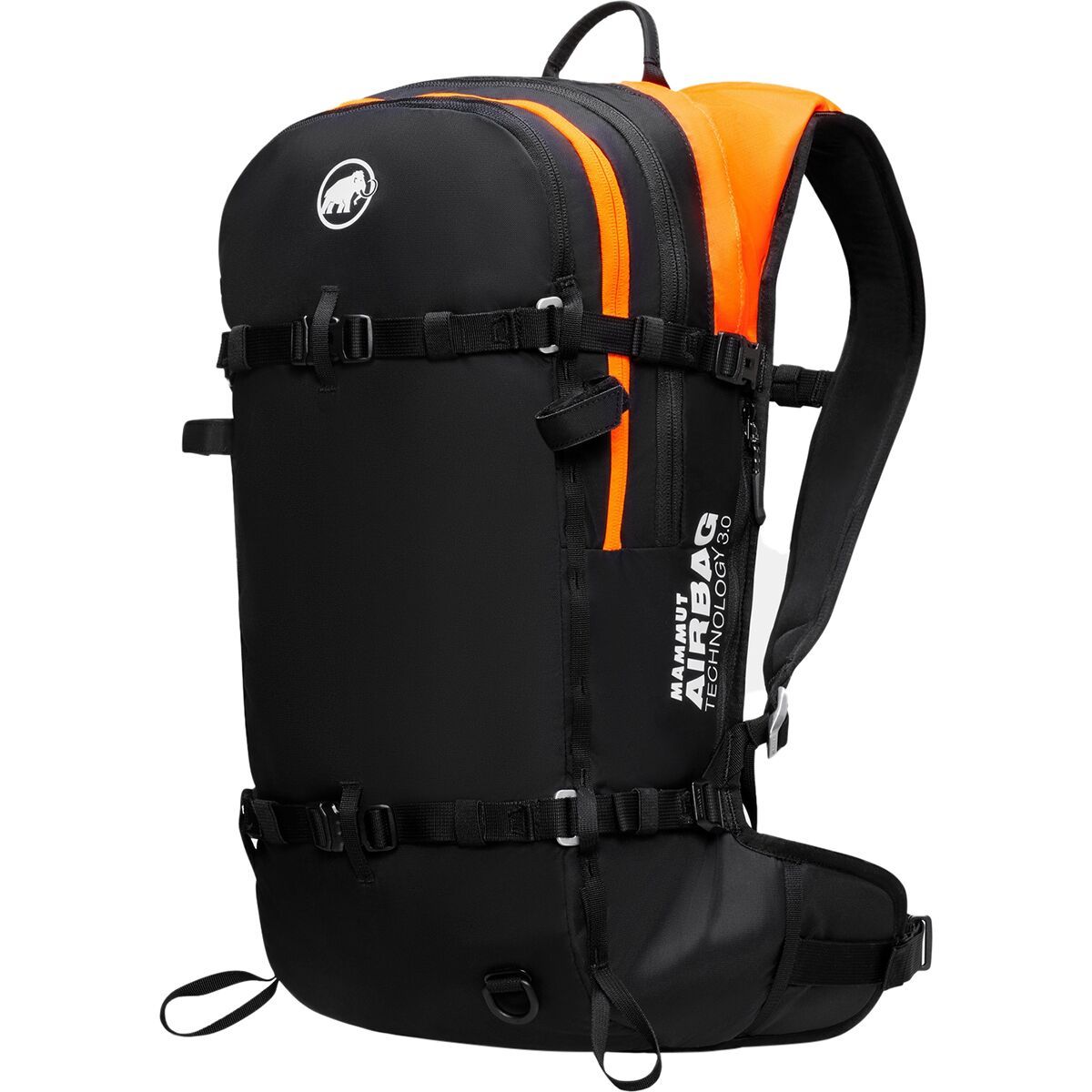 Avalanche airbag
Mammut Free 22L Removable Airbag 3.0 Black, One Size
Optional removable-airbag pack; verify the complete system and cartridge requirements.
$689.96
Check at BackcountryAffiliate disclosure: Global Summit Guide may earn a commission from qualifying purchases at no additional cost to you. Prices and availability may change. Review our affiliate disclosure. For product comparisons, see Best Avalanche Safety Gear.
Free 44-point avalanche safety checklist
Tick items during your group briefing. Print this page or download the two-page checklist for field preparation. These boxes are a planning aid, not an emergency rescue protocol or a safety certification.
Forecast and terrain (8)
Education and group decisions (8)
Rescue equipment: each traveler (10)
Clothing, navigation and emergency (12)
Mountaineering-specific checks (6)
To enable the direct PDF link above, upload the accompanying PDF to WordPress Media and confirm the assigned URL. If WordPress changes its filename, update the PDF href in this block.
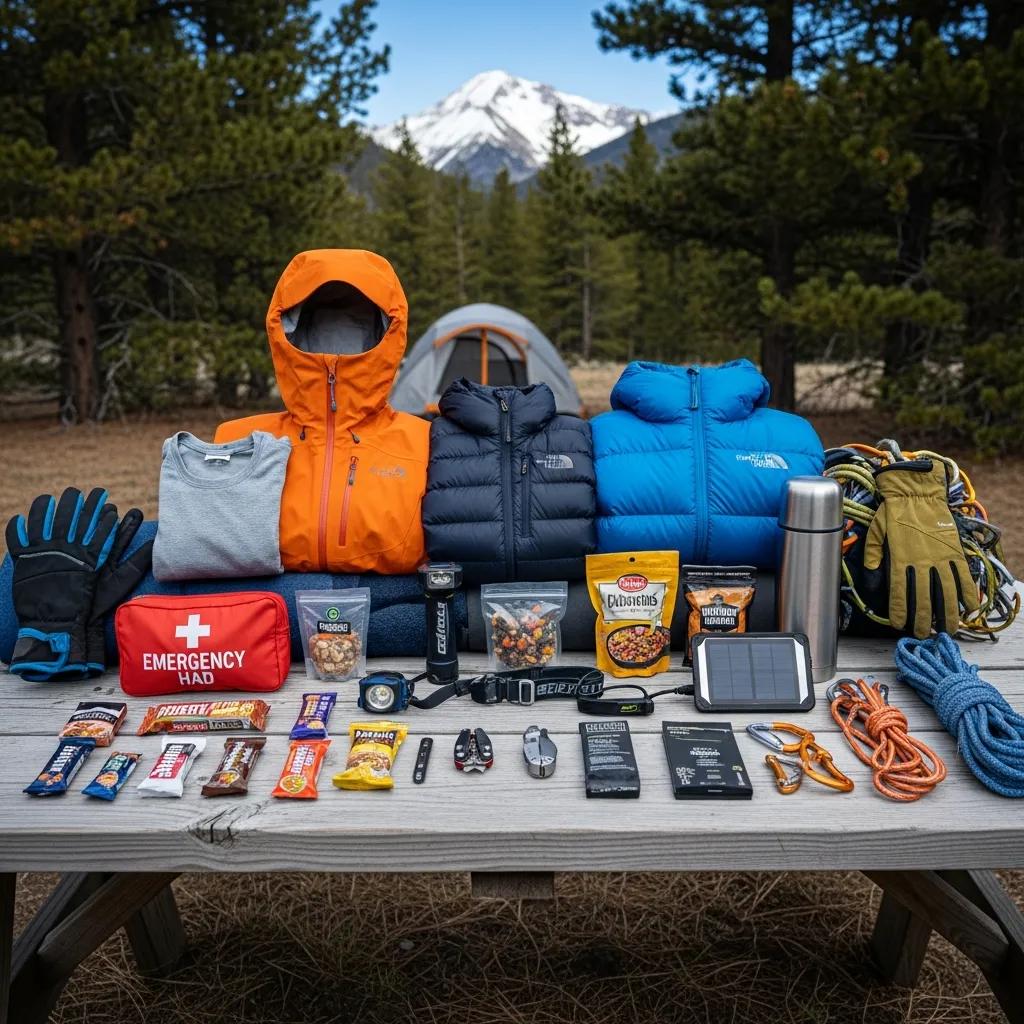
Avalanche rescue and technical mountaineering are different systems.
On a glacier approach you may also need glacier travel and crevasse rescue equipment. On steep snow, crampons, helmet and an ice axe may be essential. These systems solve different problems than companion avalanche rescue, and they require separate training.
On exposed ridges and gullies, a smaller or slower climbing team may have fewer people available for rescue. Evaluate falling debris, overhead hazard, group size and exit options before committing.
Glacier travel fundamentalsMaster mountaineering equipment guideContinue into route-specific gear and buying guides.
For other mountain-specific lists, visit our mountain guide index. Peak equipment lists differ greatly by season, route and exposure.
Avalanche safety FAQ for climbers
What are the three essential avalanche rescue tools?
Every traveler entering avalanche terrain should carry a functioning avalanche transceiver, a probe and a sturdy metal rescue shovel, and have hands-on companion-rescue training.
Does everyone need their own beacon, probe and shovel?
Yes. Each person needs a complete accessible set; sharing one kit across a group can leave the group unable to perform a prompt companion rescue.
Do crampons and an ice axe replace avalanche gear?
No. Crampons and an ice axe address movement and fall hazards in mountaineering terrain; they do not locate or dig out a buried companion.
Can I rely on a phone or satellite communicator?
No. These can help summon external responders but cannot perform a transceiver search. Companion rescue is time critical.
Does a RECCO reflector replace an avalanche transceiver?
No. RECCO generally requires a specialized detector operated by rescue organizations and is not a substitute for a companion-rescue transceiver.
What is the safest way to travel in avalanche terrain?
Select routes that avoid exposure when conditions are uncertain or hazard is elevated. Training, forecasts, terrain awareness and conservative decisions are more important than any product.
Should I buy or rent a beacon?
Either can work if the unit is current, checked, correctly carried and practiced with. Renting requires time to learn the specific controls and verify service and recalls.
What should a pre-trip avalanche checklist cover?
Official avalanche forecasts, terrain exposure, route alternatives, team training and decisions, partner transceiver checks, full rescue equipment, communication and emergency readiness.
Can avalanche risk occur on a low-angle trail?
Yes. Low-angle travel can still pass under avalanche start zones or through runouts. Evaluate terrain above and around the route.
Are avalanche airbags required?
An airbag is an optional supplemental device in some situations. It never replaces the transceiver, probe, shovel, training or avoidance of dangerous terrain.
How this checklist was prepared
Reviewed November 9, 2026. This edition draws on publicly available educational material from the American Avalanche Association / Avalanche.org and Avalanche Canada. It distinguishes rescue tools from mountaineering gear and emphasizes terrain avoidance and current regional forecasts. It is an educational planning resource, not a field instruction manual or live forecast.
Avalanche.org: Get the Gear | Companion Rescue | Avalanche Canada: Risk Reduction Procedures | GSG media and citation policy
Editorial disclosure: product photos and tracked links are inherited from the user’s previously approved Backcountry page. GSG does not claim that this page was reviewed by a named avalanche instructor or that listed products were personally tested. Verify official forecasts, technical guidance, recalls and course standards before departure.
Was this helpful?
Global Summit Guide is an independent mountaineering resource founded in 2026. The team combines first-hand trekking and climbing experience with in-depth research and professional health and nutrition review to help climbers choose objectives, prepare properly, and stay safe.
Health, altitude, and nutrition content is reviewed by Taylor Ludlow (Registered Nurse) and Brigg Hoopes (Nutritionist).
What We Don't Know Yet
Mountain information changes quickly. This box explains the limits of what this page can responsibly promise.
- Weather, snowpack, avalanche risk, road access, and route conditions can change quickly and may be different on your climbing dates.
- Route conditions, trailhead access, crevasse exposure, stream crossings, and rescue access may vary from published planning guidance.
- Gear requirements can change by season, route variation, weather window, personal cold tolerance, and guide-service requirements.
- Comparisons simplify complex decisions; the better mountain depends on current conditions, skills, timing, budget, and risk tolerance.
Verify current conditions with official land managers, guide services, local forecasts, and current route reports before booking or climbing.
Mountaineering, rock and ice climbing, glacier travel, and high-altitude activity are inherently dangerous and can result in serious injury or death. The information on Global Summit Guide is provided for general informational and educational purposes only and is not a substitute for professional instruction, qualified guiding, proper equipment, or your own judgment and experience.
Route conditions, weather, snowpack, permits, regulations, and hazards change constantly and may differ from what is described here. Details may be incomplete, out of date, or contain errors. Always verify current information with local authorities, certified guides, and official sources before making any decision in the mountains.
Nothing on this site is medical, legal, or financial advice. Our fitness, acclimatization, altitude, and nutrition content is general in nature; consult a qualified physician before beginning any strenuous exercise program or exposing yourself to high altitude.
You are solely responsible for your own safety and decisions. To the fullest extent permitted by law, Global Summit Guide and its team accept no liability for any loss, injury, damage, or expense arising from use of, or reliance on, this information. By using this site you acknowledge these risks and accept these terms.
Some links on this site may be affiliate links. If you buy through them we may earn a small commission at no extra cost to you; this never affects our recommendations.
Global Summit Guide recommendation path
Next Best Mountain to Research
Use these recommendations to continue the right planning path instead of stopping on one page.
Use current permit, weather, route, and operator information before booking or climbing.
Search Flights, Hotels & Rental Cars
Have the mountain or destination picked? Use Expedia to compare the flights, lodging and rental cars that fit your actual trip dates. For mountain travel, consider arriving early enough for delays and adding a buffer night after the climb before a fixed flight home.
Compare current flight, hotel and car options.
Affiliate disclosure: Global Summit Guide may earn a commission if you book through this link, at no additional cost to you.