Last updated November 4, 2026
Research behind the summit.
Explore our mountaineering reports and investigations—annual trends, climbing safety, operator transparency and the human decisions behind expedition outcomes.
Every study links to its full article, source notes and methodology. Journalists can copy a citation or share the original report directly.
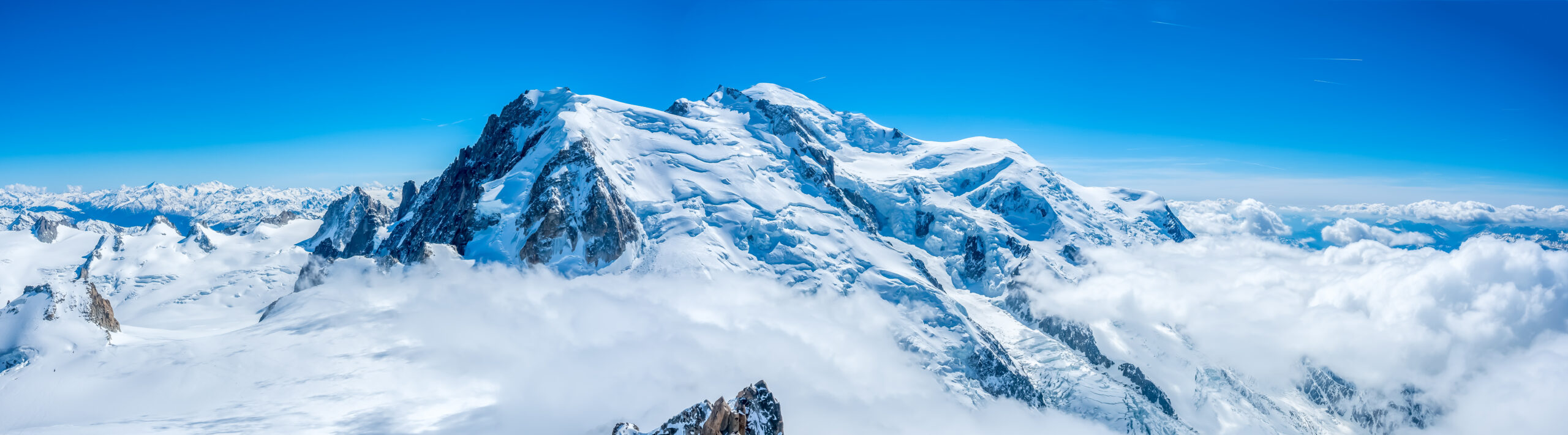
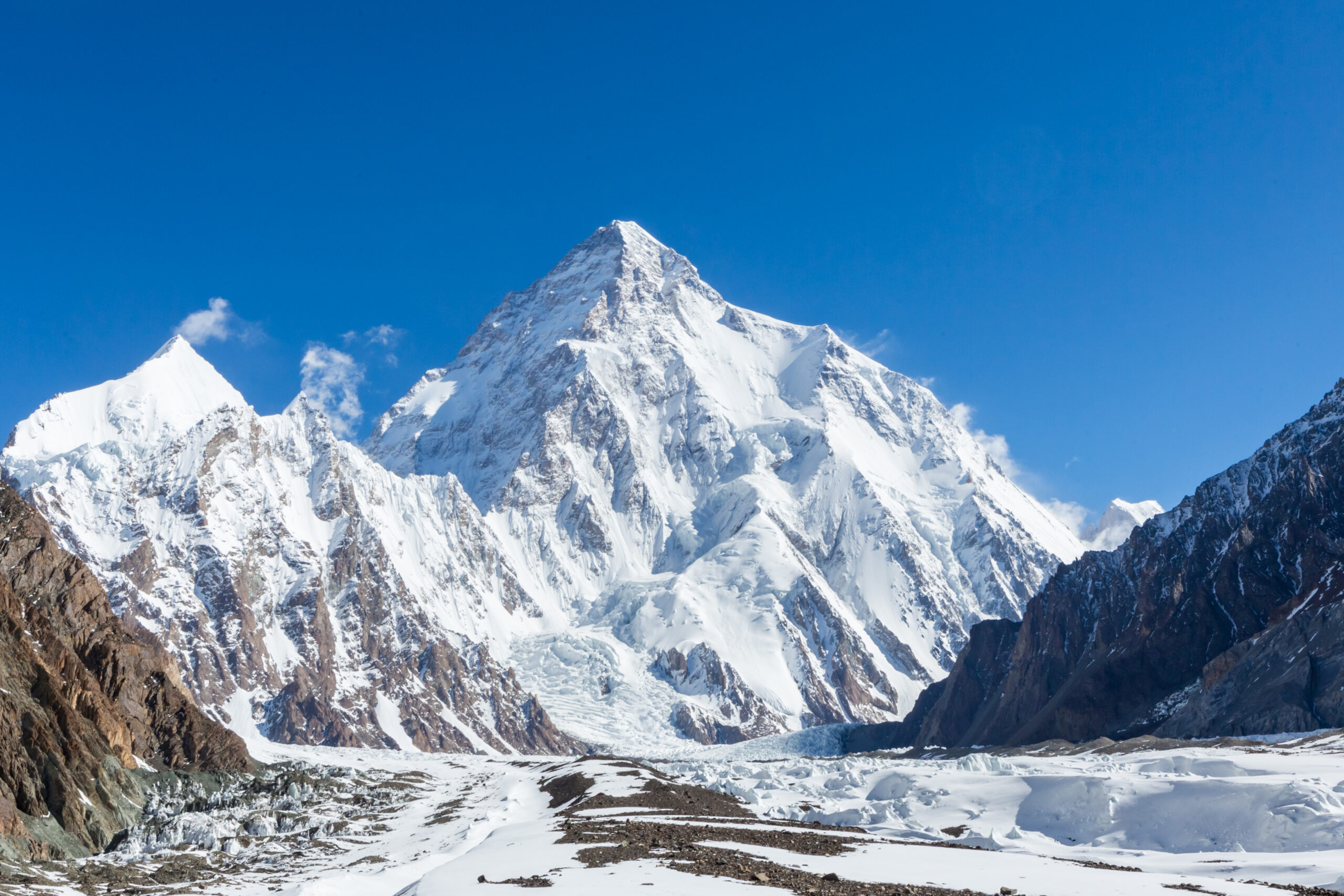
State of Mountaineering 2026: Trends, Data & Analysis
A research-based review of global climbing: government permit structures, summit outcomes, mountain fatality metrics and emerging environmental change.
The report synthesizes published datasets and expert/authority materials. Its own methodology identifies estimates and limitations—read the source before reproducing a figure.
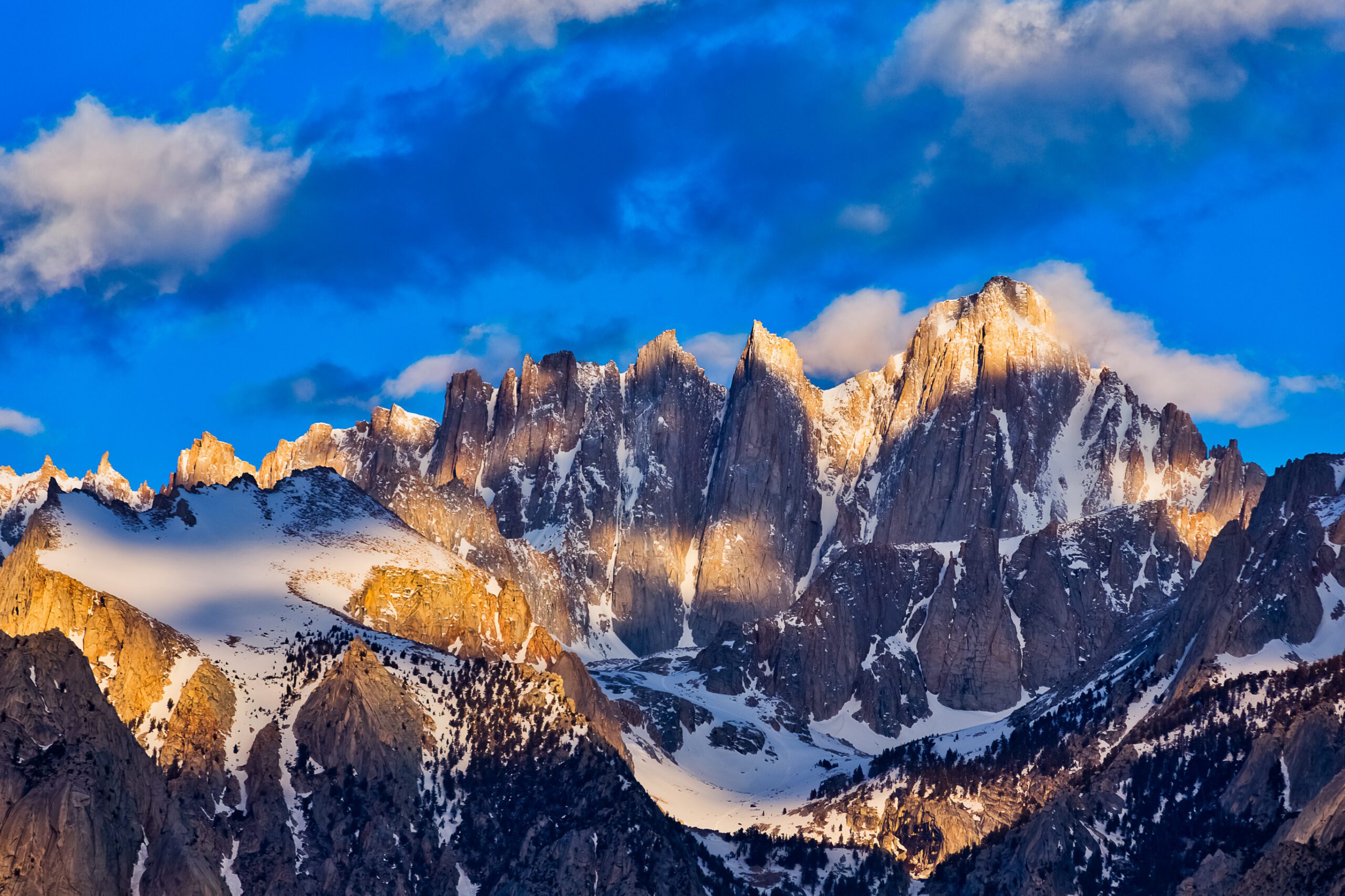
Mountaineering Statistics 2026: Death Rates, Success & Risk
A citable starting point for mountain fatality records, summit-success comparisons and long-term risk trends. Every headline statistic should lead readers to its dated source and denominator.

Mountaineering’s Worst Decades: Deaths vs Risk
A decade-by-decade comparison of deaths, expedition participation and normalized risk in the Himalayan Database. Explains why the decade with the most fatalities is not necessarily the most dangerous per climber.
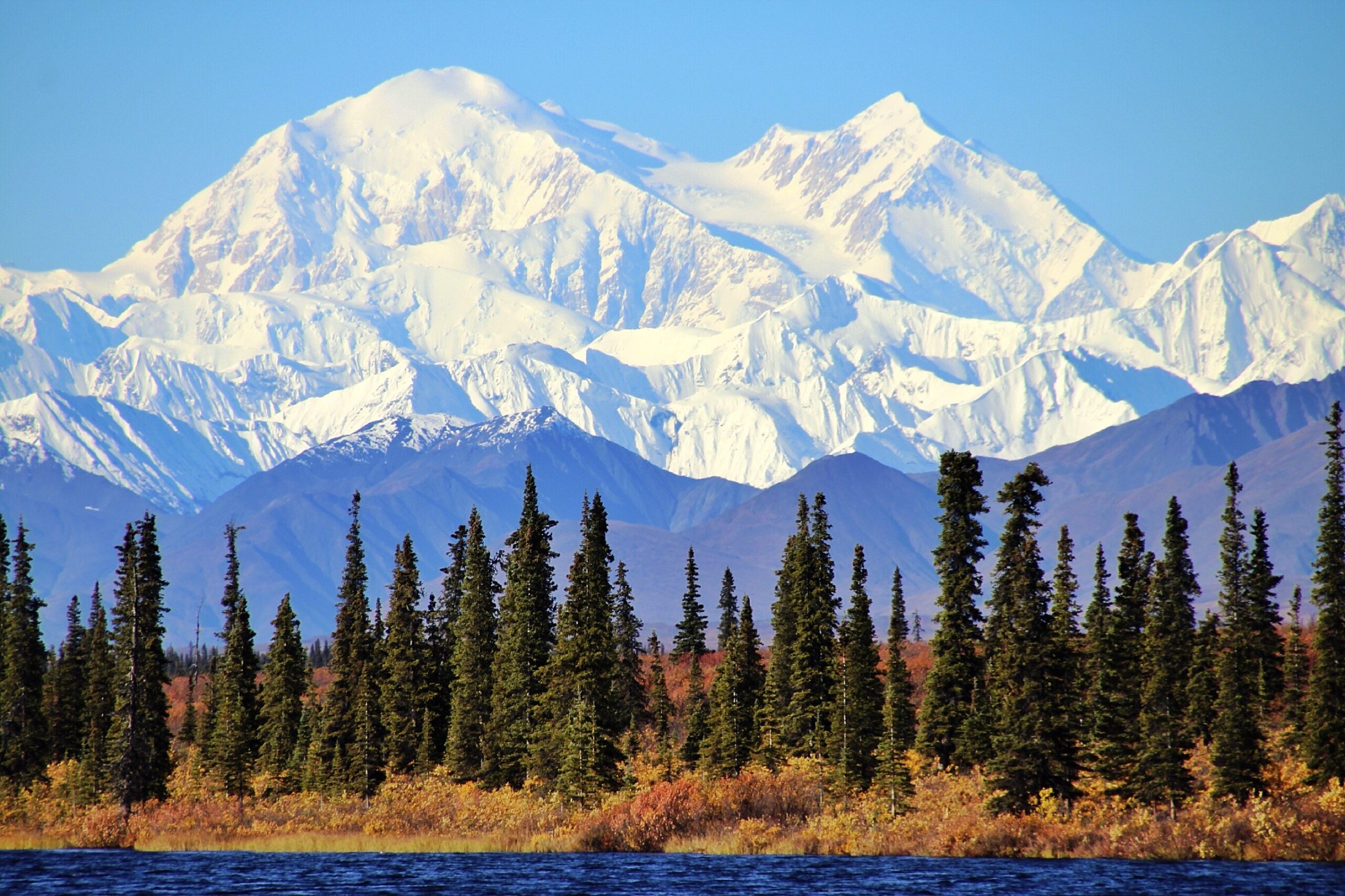
Mountaineering Deaths by Decade: Are Mountains Getting Safer?
A long-view investigation of mountaineering risk and the changing relationship between participation, fatalities and survival outcomes, with emphasis on source scope and comparability.
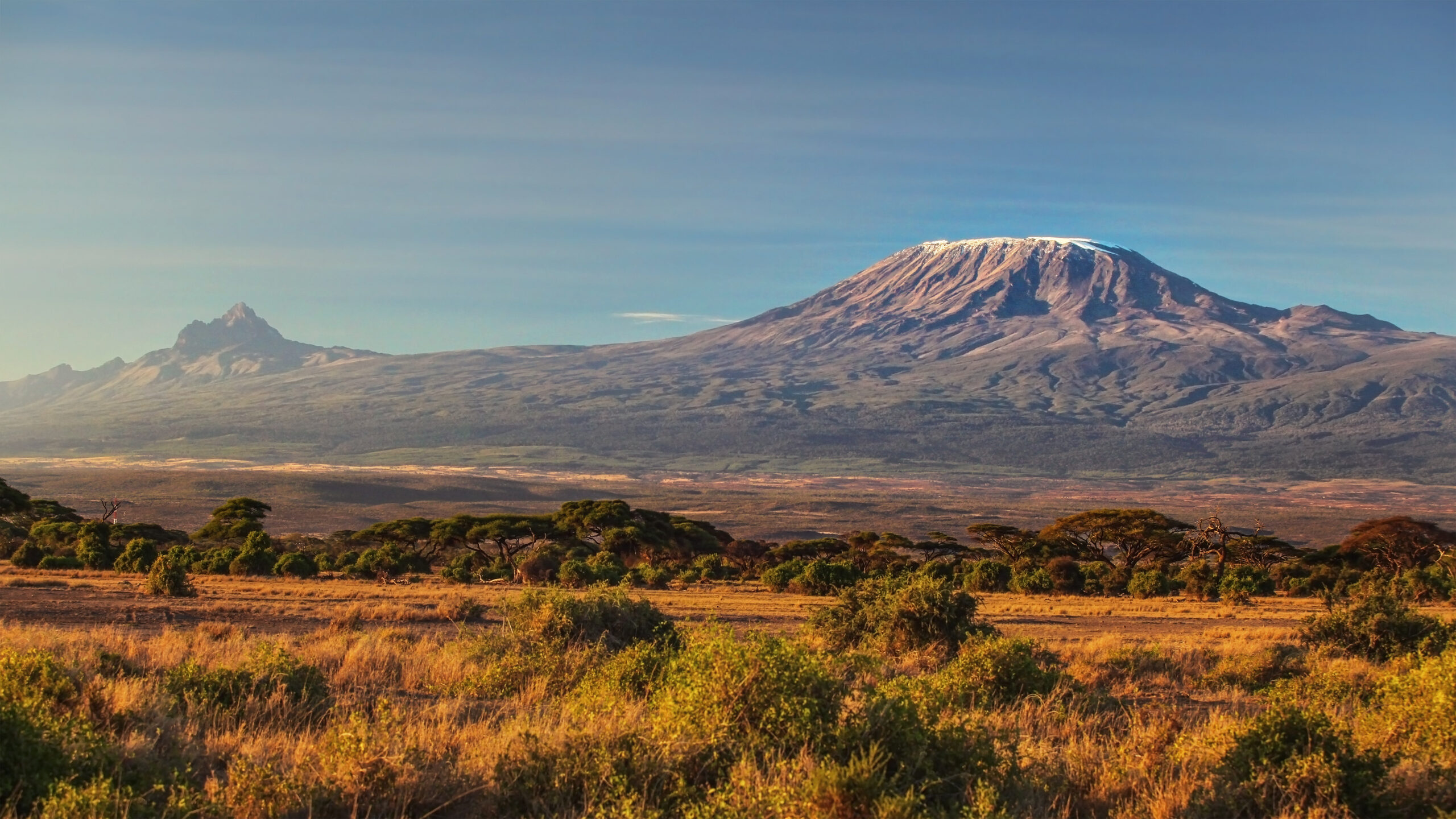
Why Kilimanjaro Climbers Fail: Lessons From 2,000 Trip Reports
An investigation into summit-day failure patterns on Kilimanjaro, including route choice, itinerary length, altitude acclimatization and decision-making near the summit.
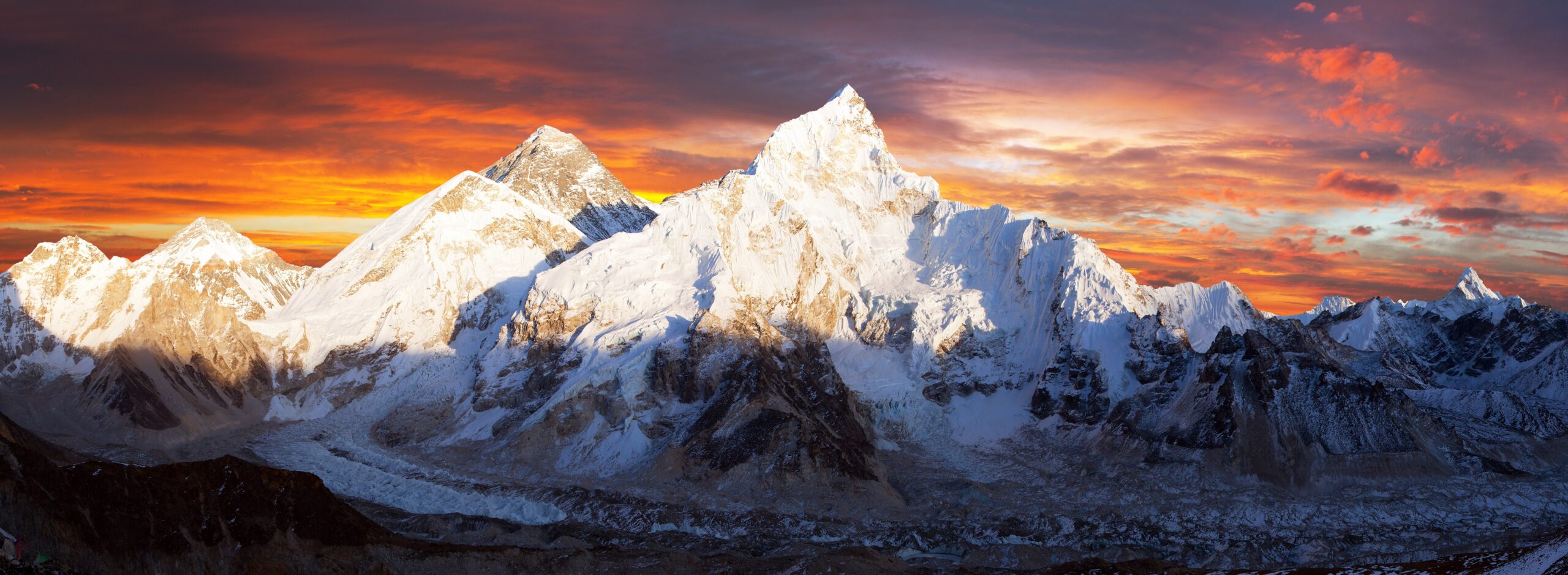
Why Climbers Die on Everest Summit Day: 500 Reports Analyzed
Examines reported patterns involving timing, oxygen, fatigue, weather, descent decisions and the severe limits of rescue above 8,000 metres. Read the investigation for evidence and limitations.
Mountaineering Operator Power Rankings 2026
A 40-operator comparison based on six publicly verifiable transparency and accountability signals, arranged into four editorial tiers. It is not a guarantee of operator safety or a substitute for individual due diligence.
Need deaths or success statistics?
Begin with the data desk. Use the same denominator and reporting cutoff when comparing peaks.
Open the statistics desk ↗Reporting on why climbers turn back?
Explore the expedition investigations and verify sample definitions, ascent routes and case-selection methods.
Browse the Truth Project ↗Need a graphic or embed?
Find embeddable visualizations, implementation help and permitted attribution practices in the widget library.
Go to the widget library ↗A citation that readers can verify.
GSG studies may be quoted with visible attribution, a link to the original research and an accurate description of the source data. Please do not present compiled estimates as audited national totals.
- 1. Link to the specific study. Each report card has a permanent original-article URL.
- 2. State the year, scope and denominator. Especially for death rates, summit success and cost comparisons.
- 3. Use context, not just the bar chart. “Deaths per summit” is not the probability of death for an individual climber.
- 4. Credit the source visibly. Editorial attribution is welcome; a followed link is not a required condition.
Was this helpful?
Global Summit Guide is an independent mountaineering resource founded in 2026. The team combines first-hand trekking and climbing experience with in-depth research and professional health and nutrition review to help climbers choose objectives, prepare properly, and stay safe.
Health, altitude, and nutrition content is reviewed by Taylor Ludlow (Registered Nurse) and Brigg Hoopes (Nutritionist).
What We Don't Know Yet
Mountain information changes quickly. This box explains the limits of what this page can responsibly promise.
- Visa, passport, vaccination, border, insurance, and local transportation rules may change before your trip.
- Route conditions, snowpack, closures, and weather can change quickly after this page is updated.
- Permit rules, fees, quotas, and reservation windows may change between review cycles.
- Operator availability, pricing, guide ratios, and cancellation terms can change by season.
- Your fitness, altitude response, risk tolerance, and experience level may change what is safe or realistic.
Verify current conditions with official land managers, guide services, local forecasts, and current route reports before booking or climbing.
Mountaineering, rock and ice climbing, glacier travel, and high-altitude activity are inherently dangerous and can result in serious injury or death. The information on Global Summit Guide is provided for general informational and educational purposes only and is not a substitute for professional instruction, qualified guiding, proper equipment, or your own judgment and experience.
Route conditions, weather, snowpack, permits, regulations, and hazards change constantly and may differ from what is described here. Details may be incomplete, out of date, or contain errors. Always verify current information with local authorities, certified guides, and official sources before making any decision in the mountains.
Nothing on this site is medical, legal, or financial advice. Our fitness, acclimatization, altitude, and nutrition content is general in nature; consult a qualified physician before beginning any strenuous exercise program or exposing yourself to high altitude.
You are solely responsible for your own safety and decisions. To the fullest extent permitted by law, Global Summit Guide and its team accept no liability for any loss, injury, damage, or expense arising from use of, or reliance on, this information. By using this site you acknowledge these risks and accept these terms.
Some links on this site may be affiliate links. If you buy through them we may earn a small commission at no extra cost to you; this never affects our recommendations.
Global Summit Guide recommendation path
Next Best Mountain to Research
Use these recommendations to continue the right planning path instead of stopping on one page.
Use current permit, weather, route, and operator information before booking or climbing.