
Last updated September 22, 2026
Mountaineering Statistics & Data
Original, source-checked mountaineering research – death rates, summit success rates and long-run risk trends – in one place, and free to cite with attribution. Every figure links back to the full analysis so you can verify it.
A Citable Home for the Numbers Behind the Mountains
Global Summit Guide’s Mountaineering Truth Project exists to put evidence before assumption. We compile fatality and success data from the Himalayan Database, official park and expedition records, and historical sources – and, crucially, we keep the denominators explicit so numbers can be compared honestly rather than mixed across sources and eras.
Writing on mountain risk, Everest, K2, or the deadliest peaks? The headline figures are below, each linked to its full working. You’re welcome to cite them with credit to Global Summit Guide, and we’re glad to provide expert commentary or custom data on request.
Key Mountaineering Statistics
Each figure links to the full analysis, its source, and how the denominator is defined.
13.42%
Annapurna I – the deadliest 8,000er. 75 deaths from 559 recorded ascents: the highest death-to-summit ratio of any eight-thousander. Verify →
9.54%
K2’s death rate. 92 recorded deaths against 964 successful summits (closed through 2025) – not the outdated “25%” from a smaller early-era sample. Verify →
339
Recorded deaths on Everest. Fatalities from 1922 through December 2025, with further deaths recorded in the 2026 season. Verify →
0.69%
How much safer Everest has become. Everest’s per-climber death rate fell from over 5% before 1990 to about 0.69% in 2015-2025 – a roughly sevenfold improvement. Verify →
~1 in 5
Nanga Parbat, the “Killer Mountain”. A historical fatality rate around one in five, built on a legacy of the era’s worst disasters. Verify →
~600
Matterhorn deaths since 1865. Roughly 7-10 deaths a year make it the deadliest mountain in the Alps by total. Verify →
51.5%
Everest’s summit success rate. The Himalayan Database rate, compared like-for-like against 23 other major peaks without mixing denominators. Verify →
27.1%
Annapurna’s summit success rate. Among the lowest of any major peak – the flip side of its fatality record. Verify →
Death-to-Summit Ratio: The 8,000ers
By fatality ratio (closed through 2025). See the full ranking for all major peaks and the method behind each figure.
| Rank | Peak | Height | Death rate | Deaths / summits |
|---|---|---|---|---|
| 1 | Annapurna I | 8,091 m | 13.42% | 75 / 559 |
| 2 | Dhaulagiri I | 8,167 m | 13.03% | see source |
| 3 | K2 | 8,611 m | 9.54% | 92 / 964 |
| 4 | Nanga Parbat | 8,126 m | ~1 in 5 (historical) | see source |
Full ranking and method: Most Dangerous Mountains by Death Rate →
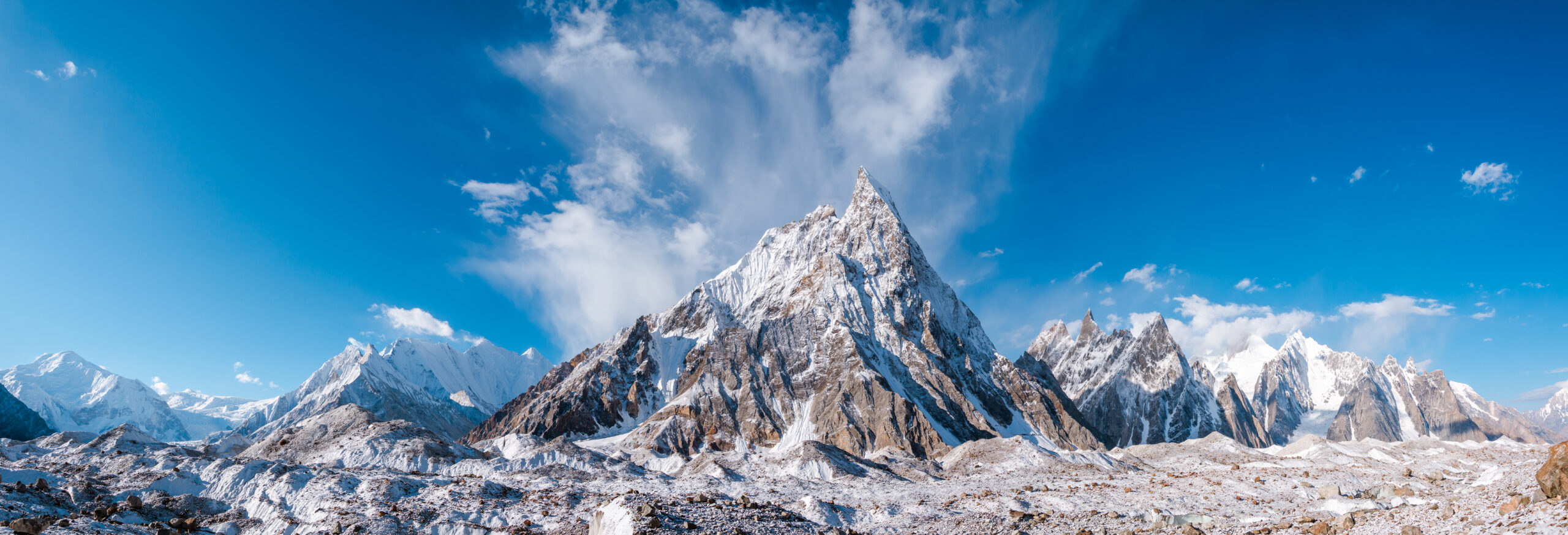
K2’s Death Rate Is 9.54%, Not 25%.
The famous figure belongs to an early era with a tiny summit denominator. Against the full record through 2025 – 92 deaths, 964 summits – the real ratio is 9.54%. How you count is the story.
Four Findings Worth Reporting
The counter-intuitive results that make mountaineering risk a compelling story.
Annapurna, not Everest
The deadliest peak defies its reputation. By death-to-summit ratio, Annapurna I (13.42%) far exceeds Everest – a gap between public perception and the data that reporters find compelling. Verify →
~7x safer
Everest’s transformation. Modern logistics, weather forecasting and fixed ropes cut Everest’s per-climber death rate from 5%+ to 0.69% – the mountain is far safer than its reputation suggests. Verify →
Denominators decide
Why “25%” is outdated. K2’s famous 25% death rate came from a tiny early-era sample. Against the full through-2025 record, it is 9.54%. How you count changes the story – so we publish the count. Verify →
Ratio vs total
Two ways to be deadly. The 8,000ers lead on ratio; the Matterhorn leads the Alps on total deaths (~600). “Deadliest” means different things – we separate them. Verify →
Explore the Underlying Data
The complete investigations behind the headline figures.
20
The Mountaineering Truth Project. Twenty original investigations into costs, fatality patterns, operator performance, altitude risk and permits. Verify →
Ranked
Most Dangerous Mountains by Death Rate. Every major peak ranked by death-to-summit ratio, with denominators defined and cutoffs explicit. Verify →
24 peaks
Summit Success Rates Compared. Twenty-four mountains reviewed with source-defined denominators, so you compare like with like. Verify →
1922-2026
The Everest Death Map. Recorded Everest fatalities by route, zone, role, cause and decade. Verify →
By decade
Are the Mountains Getting Safer?. Long-run fatality trends showing how per-climber risk has fallen across the modern era. Verify →
Disasters
Mountaineering Disasters. The stories behind the numbers – the great tragedies, each tied to its verified fatality data. Verify →
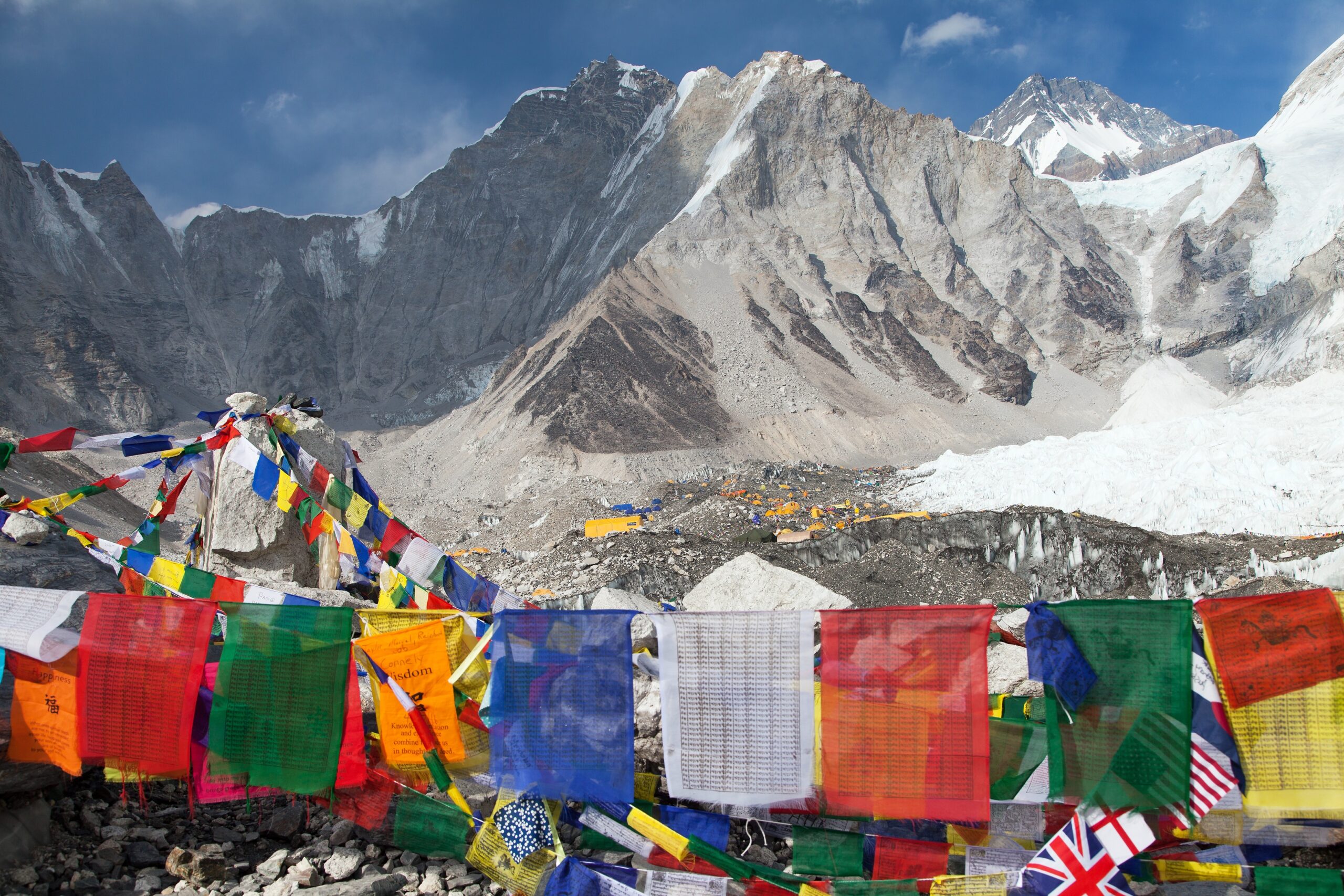
Per-Climber Risk Has Fallen Dramatically.
Across the modern era, better forecasting, equipment and logistics have made the great peaks far safer per climber – even as more people attempt them. The trend is one of the most under-reported stories in the mountains.
How to Cite Global Summit Guide
Our research is free to reference in your reporting with clear attribution and a link.
Please credit Global Summit Guide and link to the specific page you drew the figure from. A citation might read:
"According to research by Global Summit Guide, Annapurna I has the highest death rate of any 8,000-metre peak, at 13.42% (globalsummitguide.com/annapurna-death-rate)."Please don’t republish full tables or datasets wholesale; cite the figure and link to the source page so readers can see the full method.
Expert Commentary & Custom Data
We work with journalists and producers on mountaineering risk, safety and expedition stories.
We’re happy to provide expert commentary, on-the-record quotes, custom breakdowns of our data, or a fast fact-check on mountaineering claims – typically on short deadlines. If you’re covering Everest and K2 seasons, the deadliest peaks, mountain safety, or a specific incident, get in touch.
Media contact: Contact Global Summit Guide · email PRESS-EMAIL · please include your outlet and deadline.
Evidence Before Assumption.
Explore the full body of original research behind these figures – the numbers, the methods, and the stories they tell.
Was this helpful?
Global Summit Guide is an independent mountaineering resource founded in 2026. The team combines first-hand trekking and climbing experience with in-depth research and professional health and nutrition review to help climbers choose objectives, prepare properly, and stay safe.
Health, altitude, and nutrition content is reviewed by Taylor Ludlow (Registered Nurse) and Brigg Hoopes (Nutritionist).
What We Don't Know Yet
Mountain information changes quickly. This box explains the limits of what this page can responsibly promise.
- Visa, passport, vaccination, border, insurance, and local transportation rules may change before your trip.
- Route conditions, snowpack, closures, and weather can change quickly after this page is updated.
- Permit rules, fees, quotas, and reservation windows may change between review cycles.
- Operator availability, pricing, guide ratios, and cancellation terms can change by season.
- Your fitness, altitude response, risk tolerance, and experience level may change what is safe or realistic.
Verify current conditions with official land managers, guide services, local forecasts, and current route reports before booking or climbing.
Mountaineering, rock and ice climbing, glacier travel, and high-altitude activity are inherently dangerous and can result in serious injury or death. The information on Global Summit Guide is provided for general informational and educational purposes only and is not a substitute for professional instruction, qualified guiding, proper equipment, or your own judgment and experience.
Route conditions, weather, snowpack, permits, regulations, and hazards change constantly and may differ from what is described here. Details may be incomplete, out of date, or contain errors. Always verify current information with local authorities, certified guides, and official sources before making any decision in the mountains.
Nothing on this site is medical, legal, or financial advice. Our fitness, acclimatization, altitude, and nutrition content is general in nature; consult a qualified physician before beginning any strenuous exercise program or exposing yourself to high altitude.
You are solely responsible for your own safety and decisions. To the fullest extent permitted by law, Global Summit Guide and its team accept no liability for any loss, injury, damage, or expense arising from use of, or reliance on, this information. By using this site you acknowledge these risks and accept these terms.
Some links on this site may be affiliate links. If you buy through them we may earn a small commission at no extra cost to you; this never affects our recommendations.
Global Summit Guide recommendation path
Next Best Mountain to Research
Use these recommendations to continue the right planning path instead of stopping on one page.
Use current permit, weather, route, and operator information before booking or climbing.